 ×
×
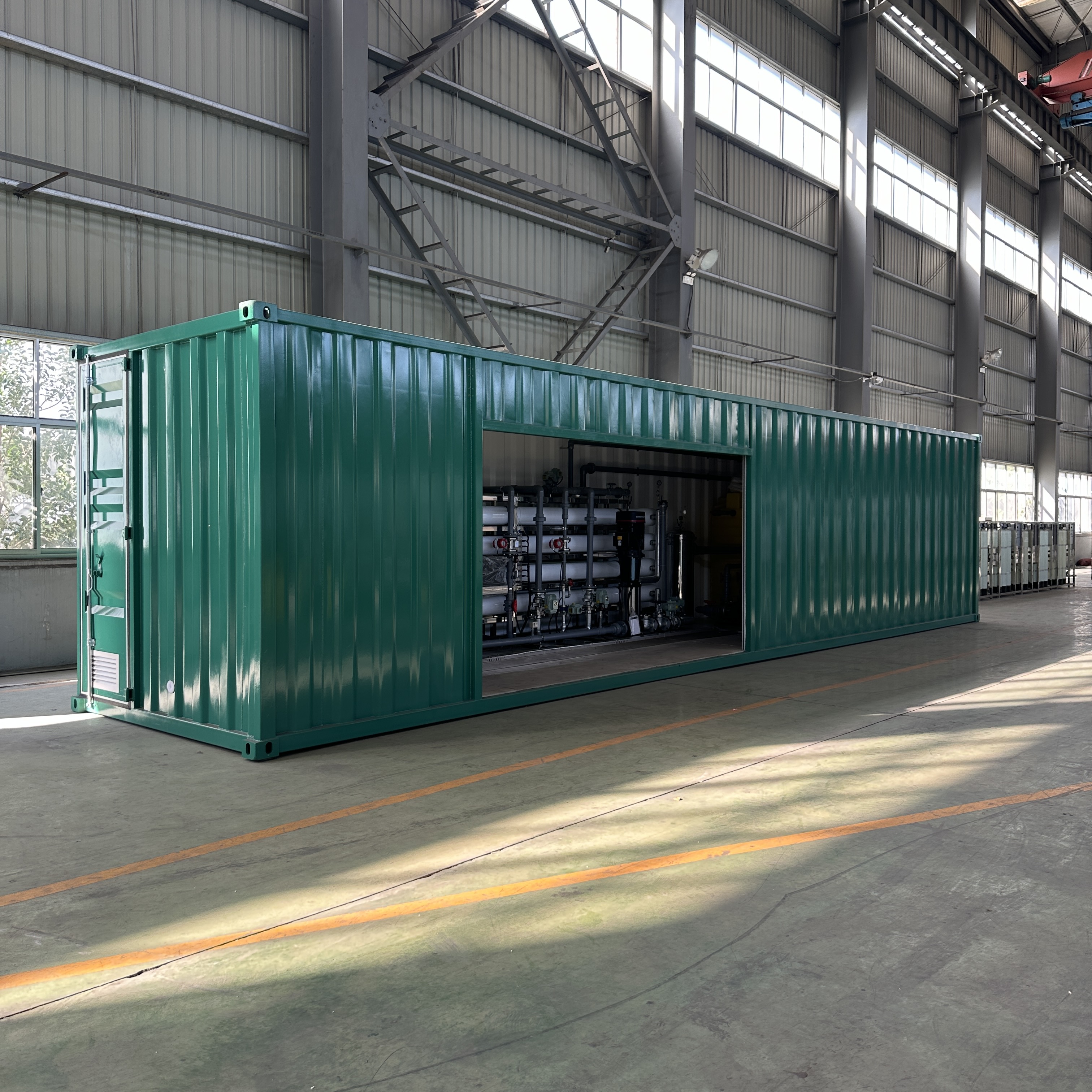
A reverse osmosis plant represents one of the most effective water treatment technologies available today for removing dissolved salts, minerals, and harmful contaminants from both municipal and industrial water sources. Understanding how a reverse o...
VIEW MORE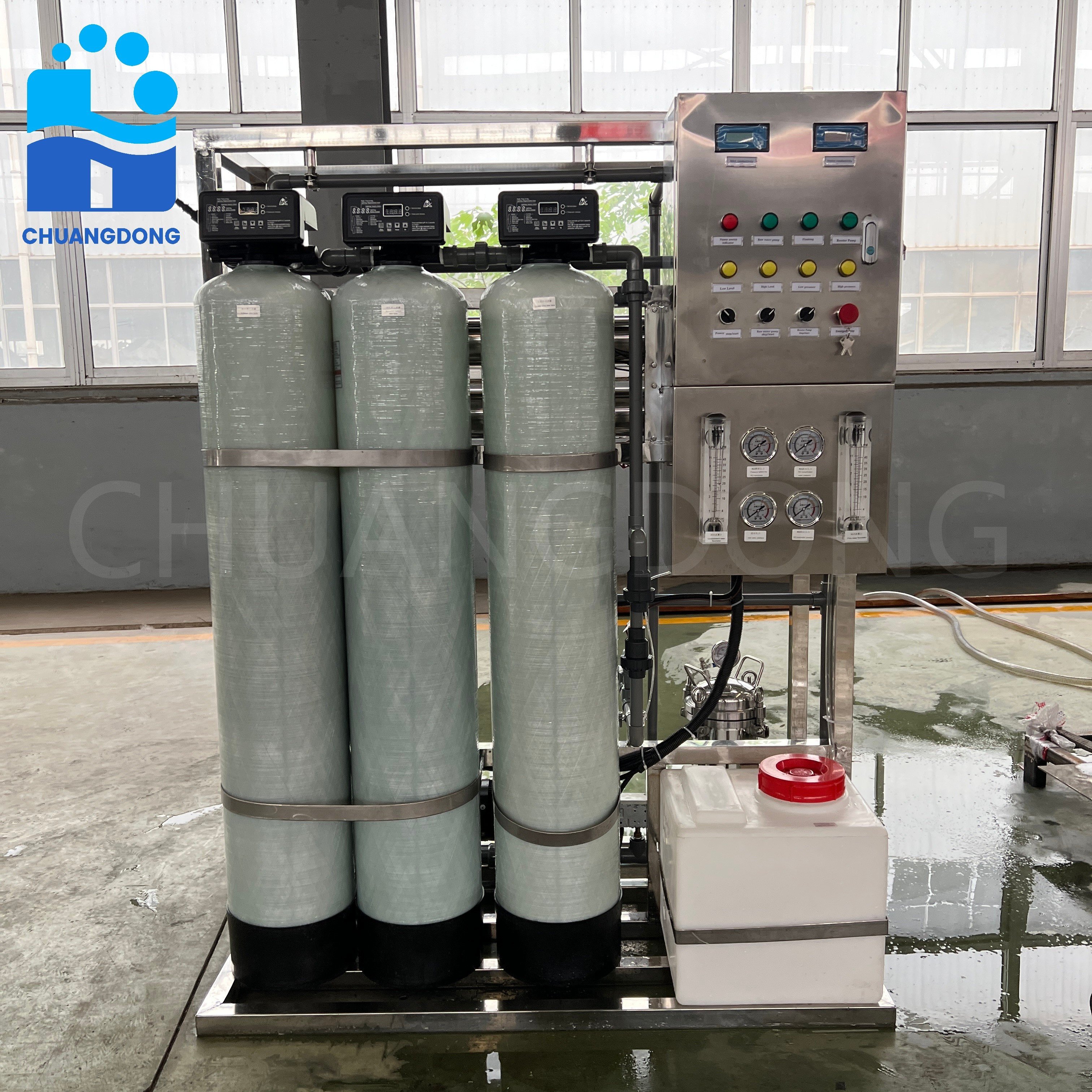
Designing a water treatment plant that performs reliably across changing seasons presents one of the most complex challenges in water infrastructure engineering. A modern water treatment plant must adapt to dramatic shifts in source water quality, fr...
VIEW MORE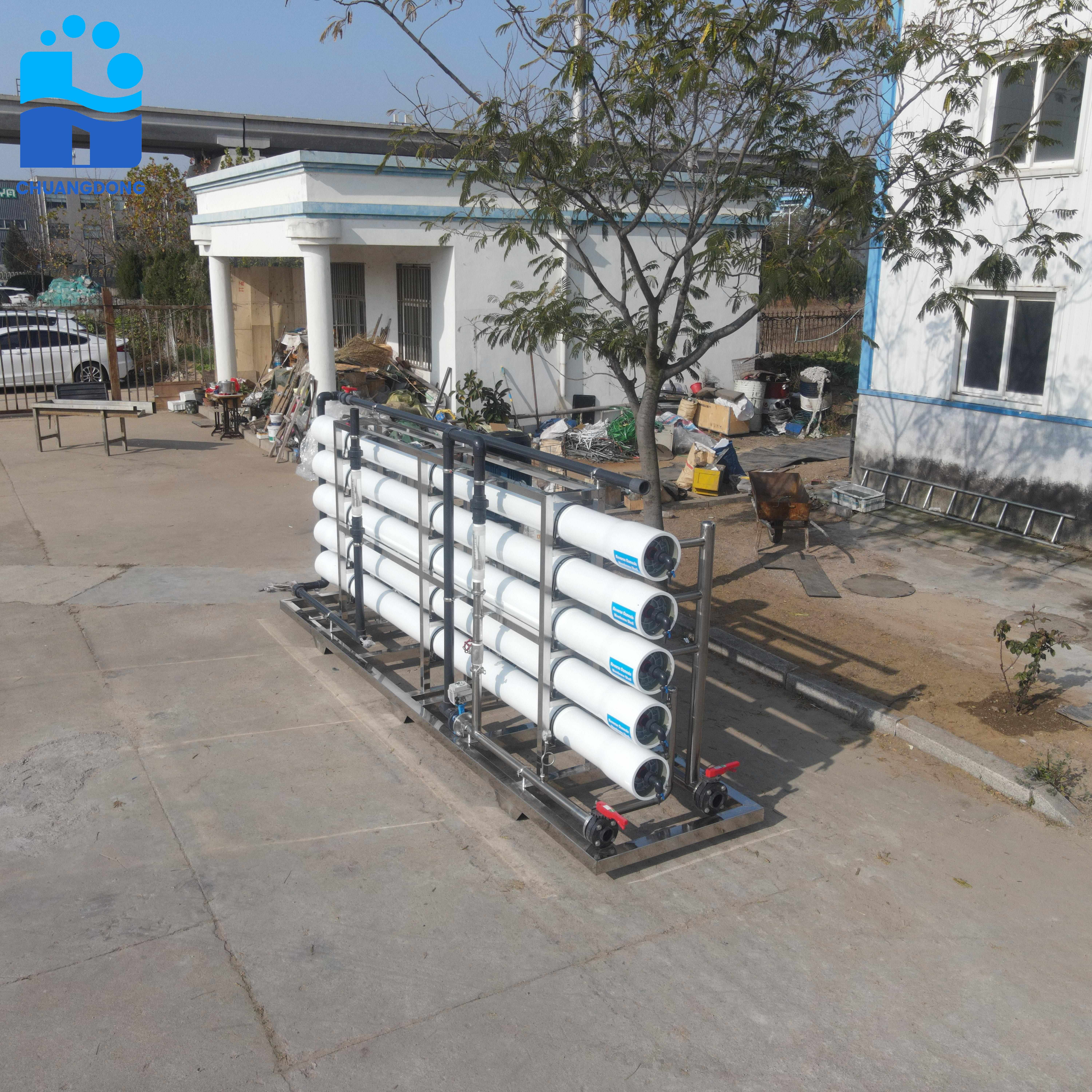
Modern industries and households increasingly demand effective solutions that eliminate contaminants without relying on harsh chemical additives. A water purification system has evolved dramatically over the past decade, with advanced technologies li...
VIEW MORE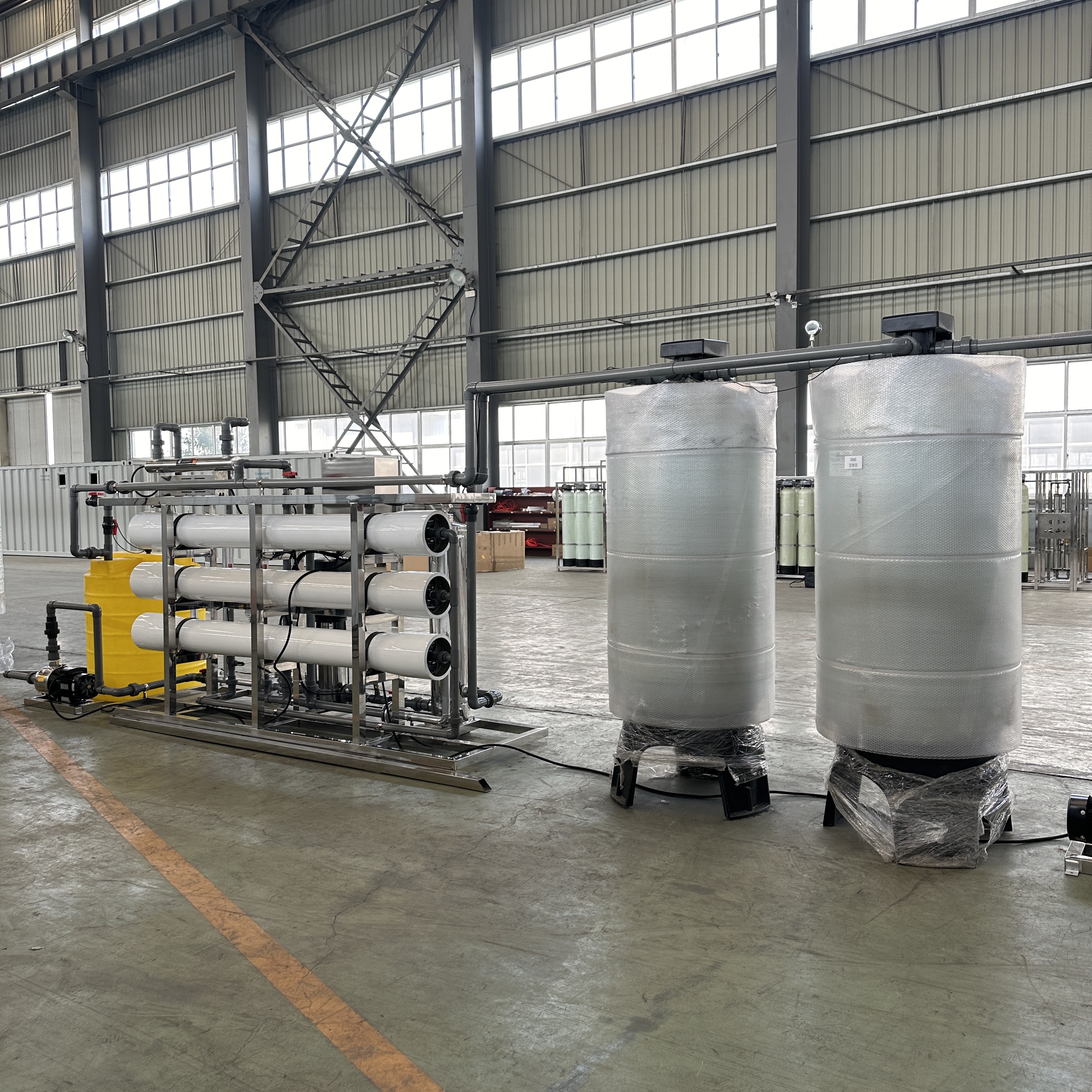
Selecting the right ultrapure water system is one of the most critical decisions a research laboratory can make. The quality of water directly impacts experimental accuracy, equipment longevity, and reproducibility of results across analytical chemis...
VIEW MORE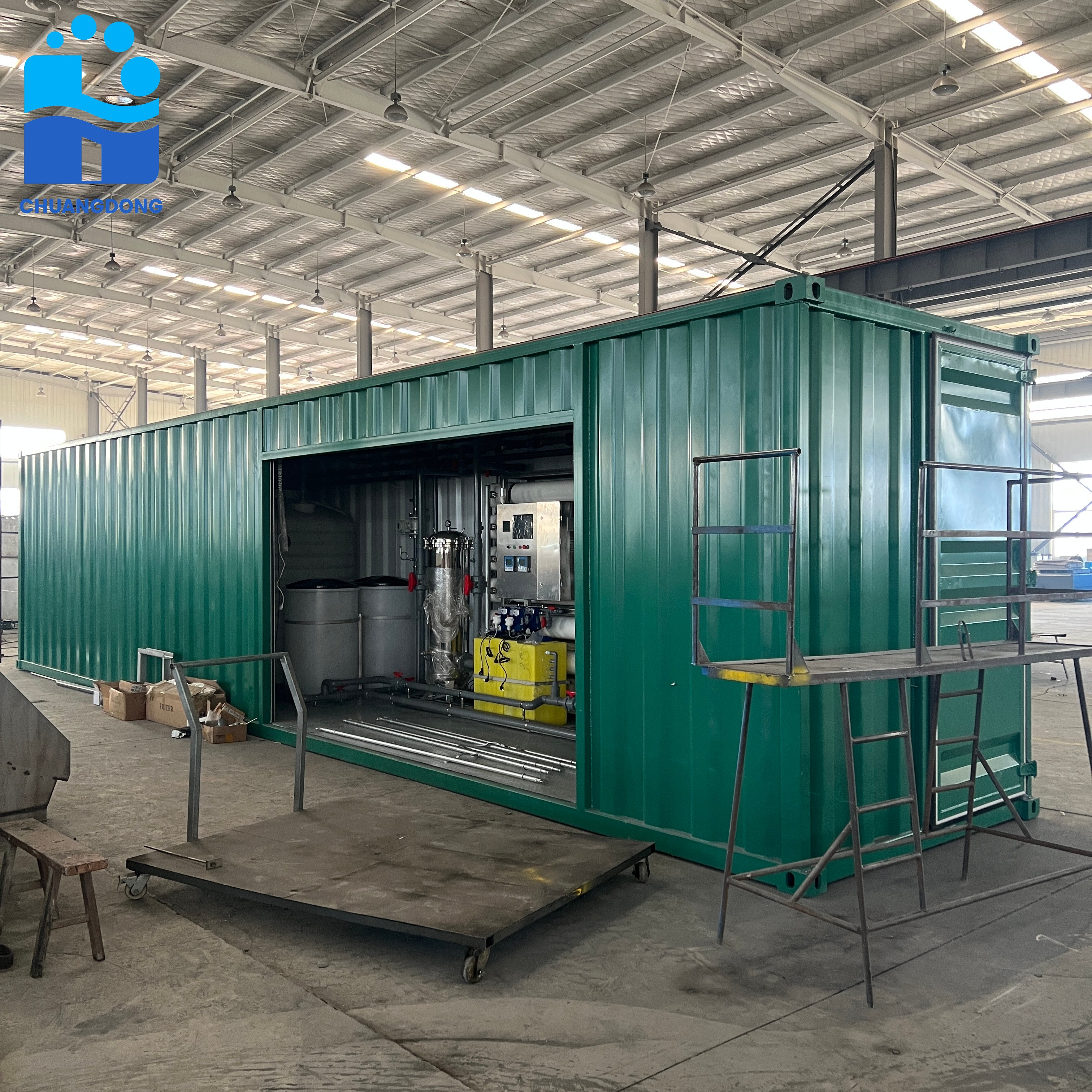
When disaster strikes and communities face critical water shortages, conventional treatment infrastructure cannot respond quickly enough. A reverse osmosis plant housed in a containerized format delivers exactly what emergency water relief requires: ...
VIEW MORE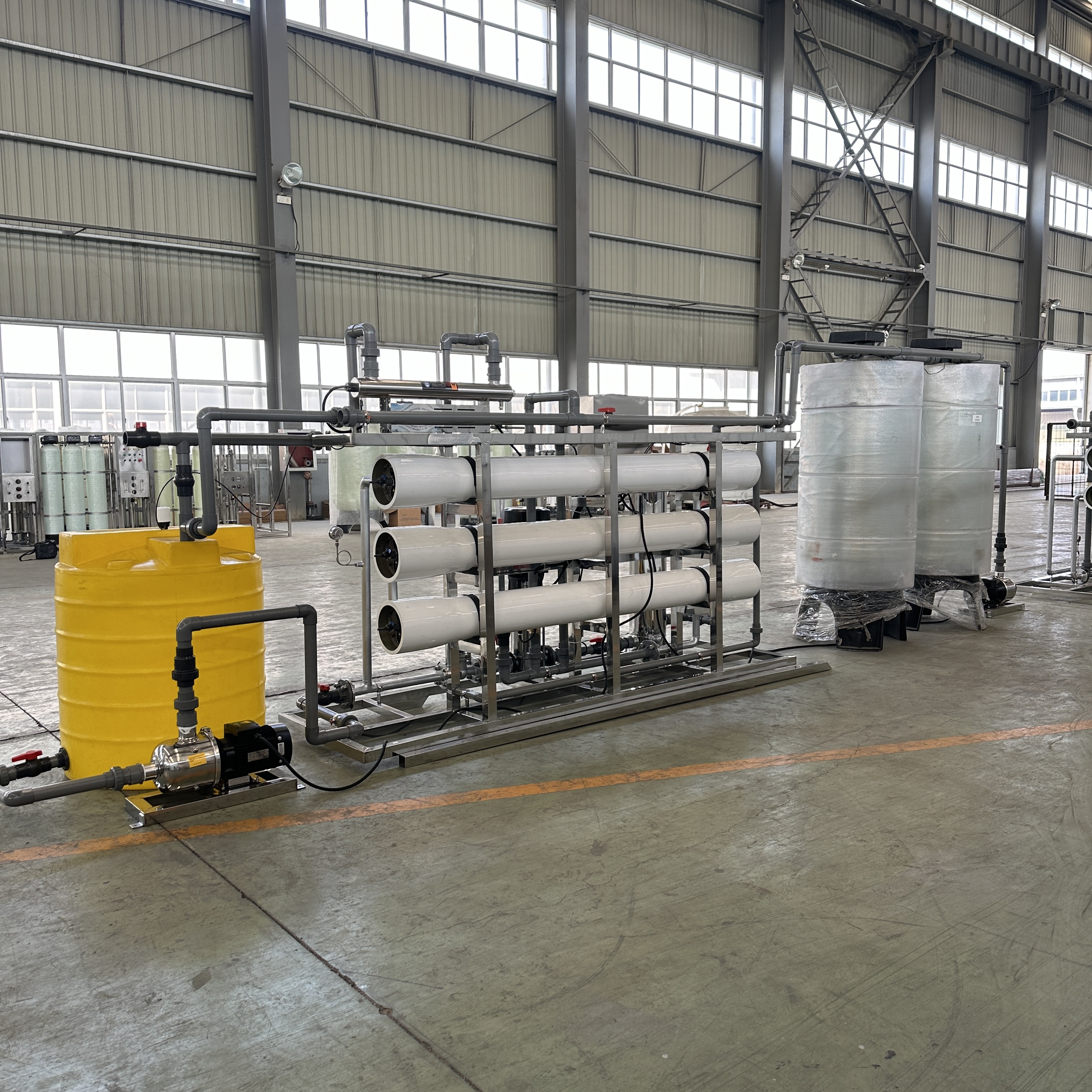
A reverse osmosis plant maintenance program is essential for ensuring consistent water quality, extending equipment lifespan, and minimizing operational costs. Reverse osmosis plant maintenance requires attention to multiple components, from pre-filt...
VIEW MORE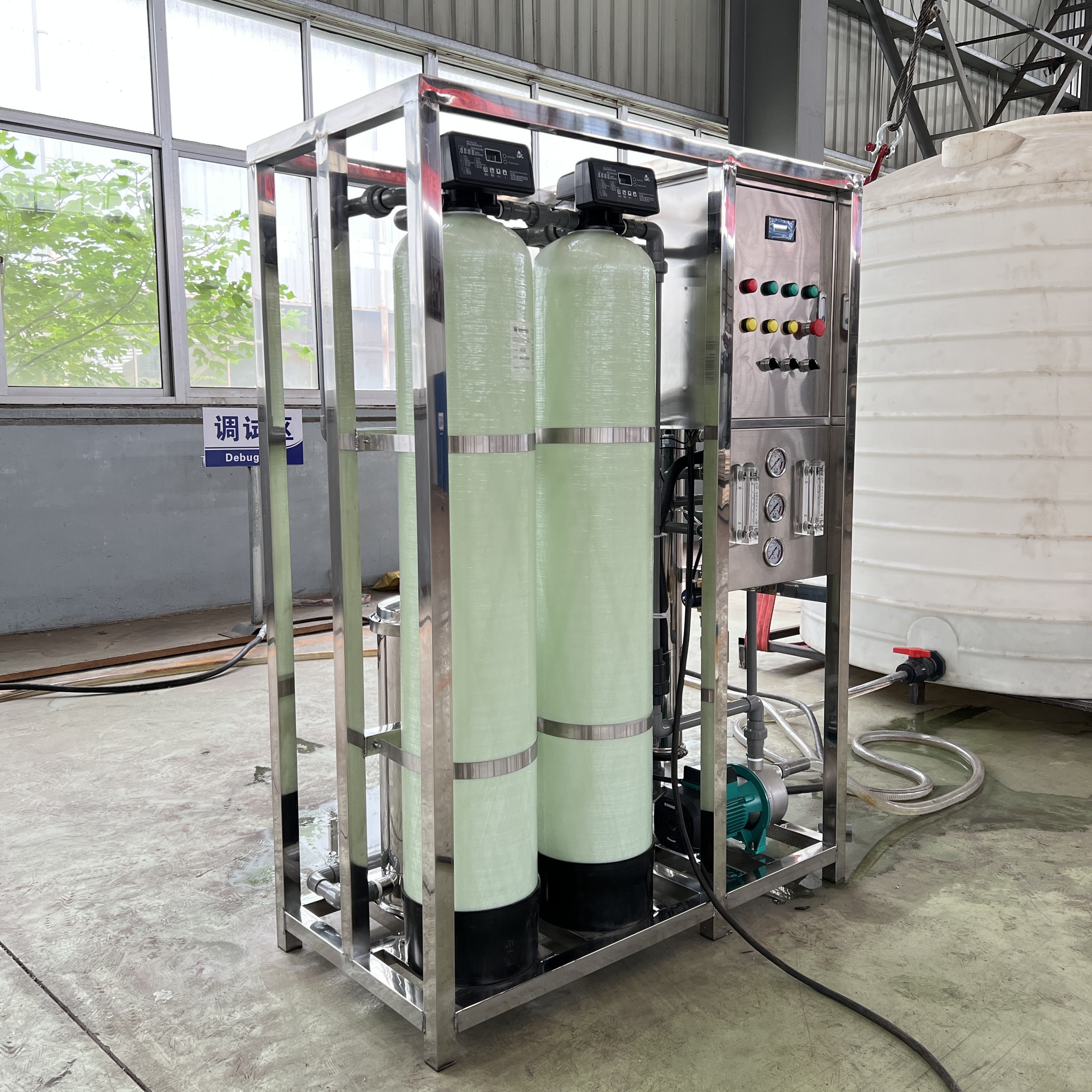
Understanding the distinction between a reverse osmosis plant and an RO system is essential for businesses evaluating water treatment solutions. While these terms are sometimes used interchangeably, they represent different scales of operation, insta...
VIEW MORE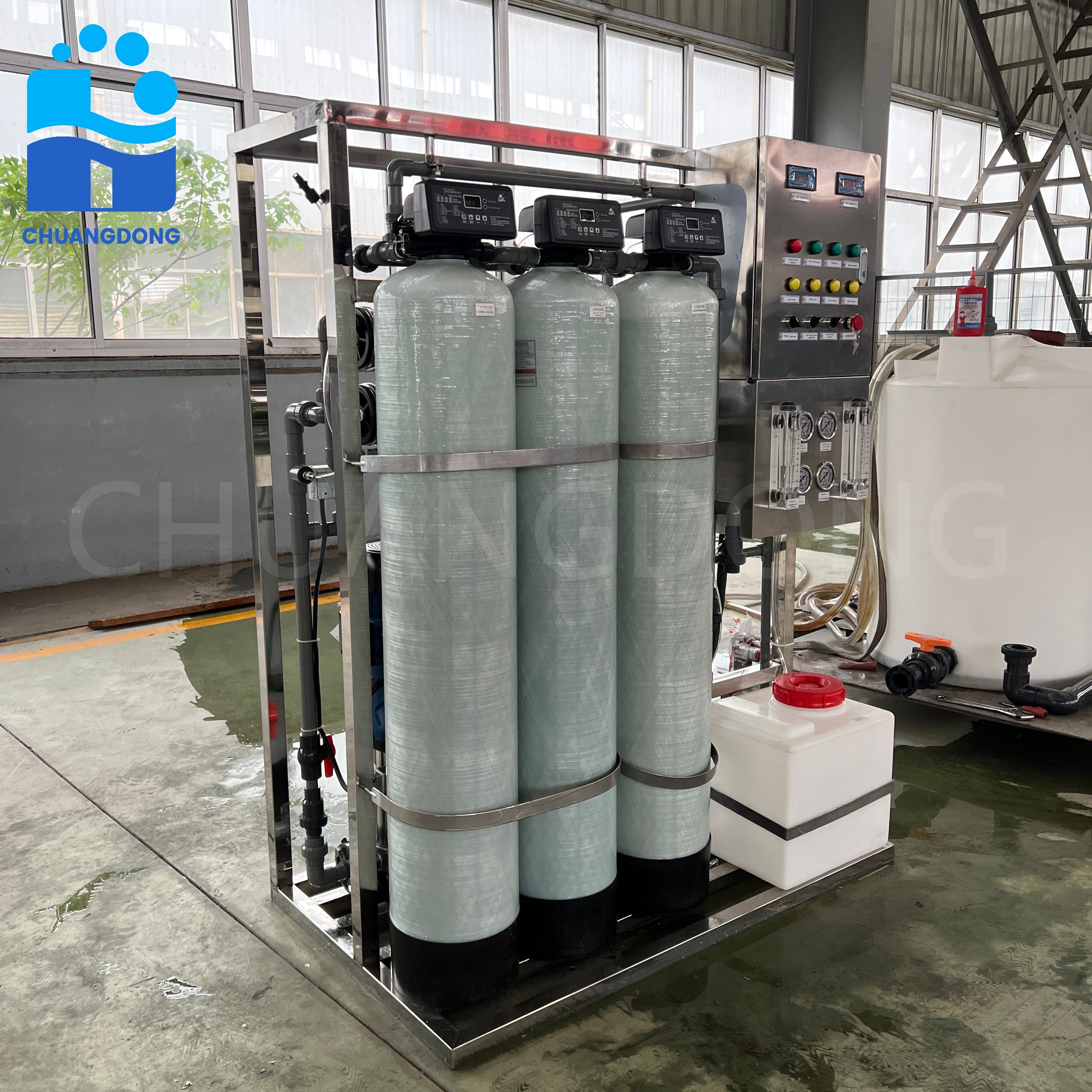
Selecting the best water purification system for well water is one of the most important decisions homeowners and rural property owners can make. Well water often contains minerals, bacteria, sediment, and chemical contaminants that municipal water t...
VIEW MORE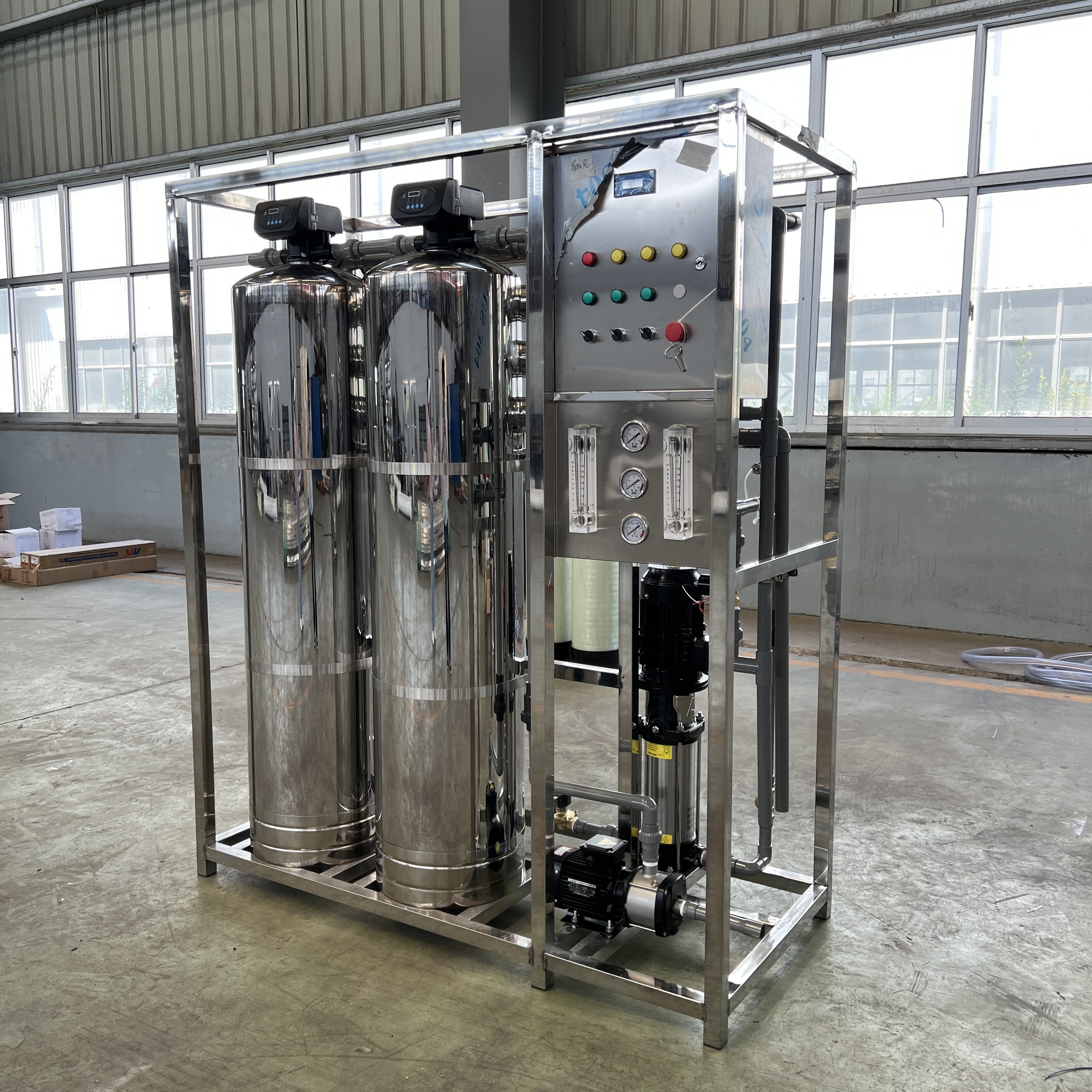
Choosing between a water purification system vs filter is one of the most important decisions for ensuring clean, safe drinking water at home or in industrial settings. While both solutions remove contaminants, they operate using different mechanisms...
VIEW MORE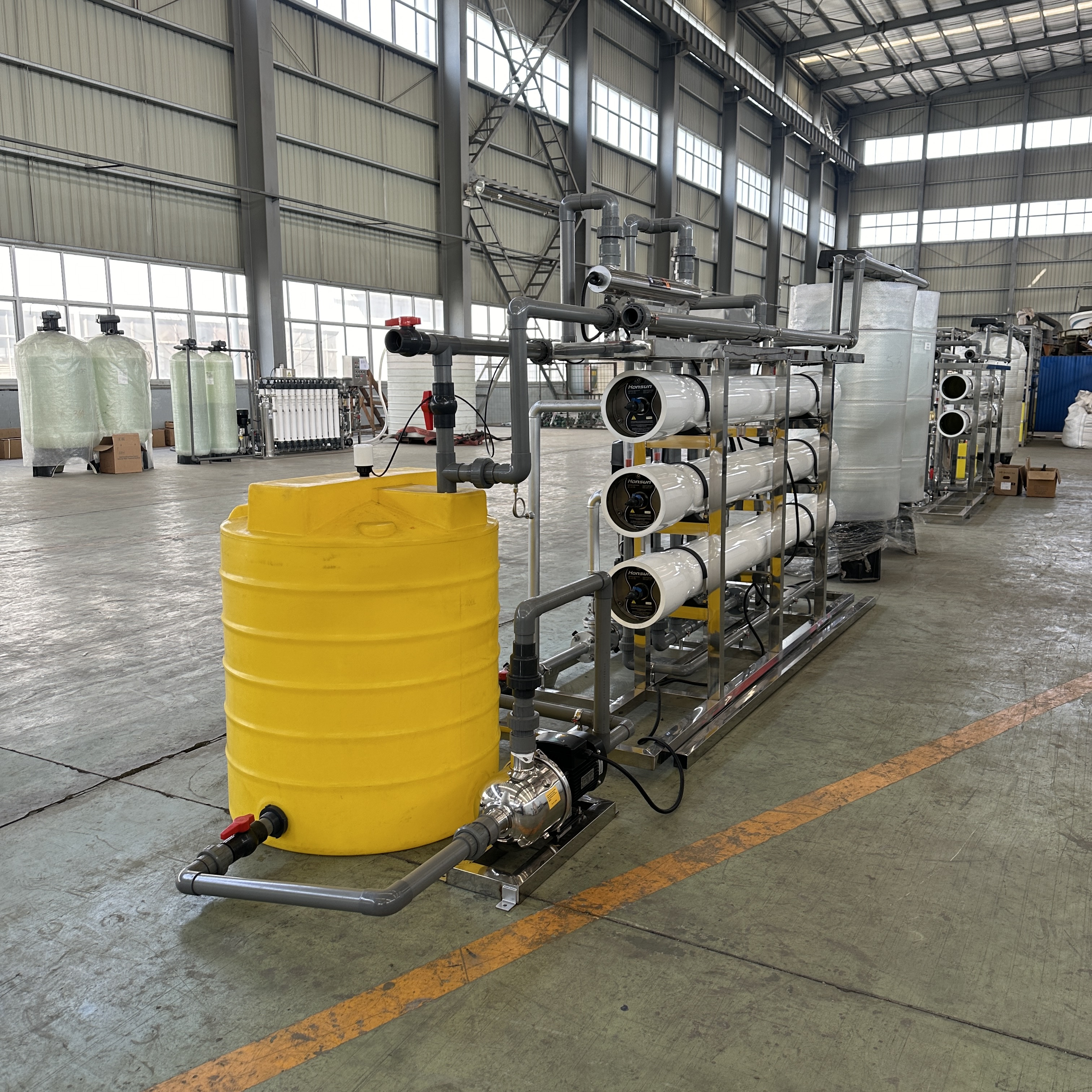
When choosing a water treatment solution, understanding the distinction between an RO water system and a reverse osmosis plant is essential for making an informed investment. Many people use these terms interchangeably, yet they represent different s...
VIEW MORE
A malfunctioning RO water system troubleshooting process begins with understanding the most frequent problems that affect reverse osmosis performance. Whether your system produces slow flow, tastes bitter, or leaks water, diagnosing the root cause qu...
VIEW MORE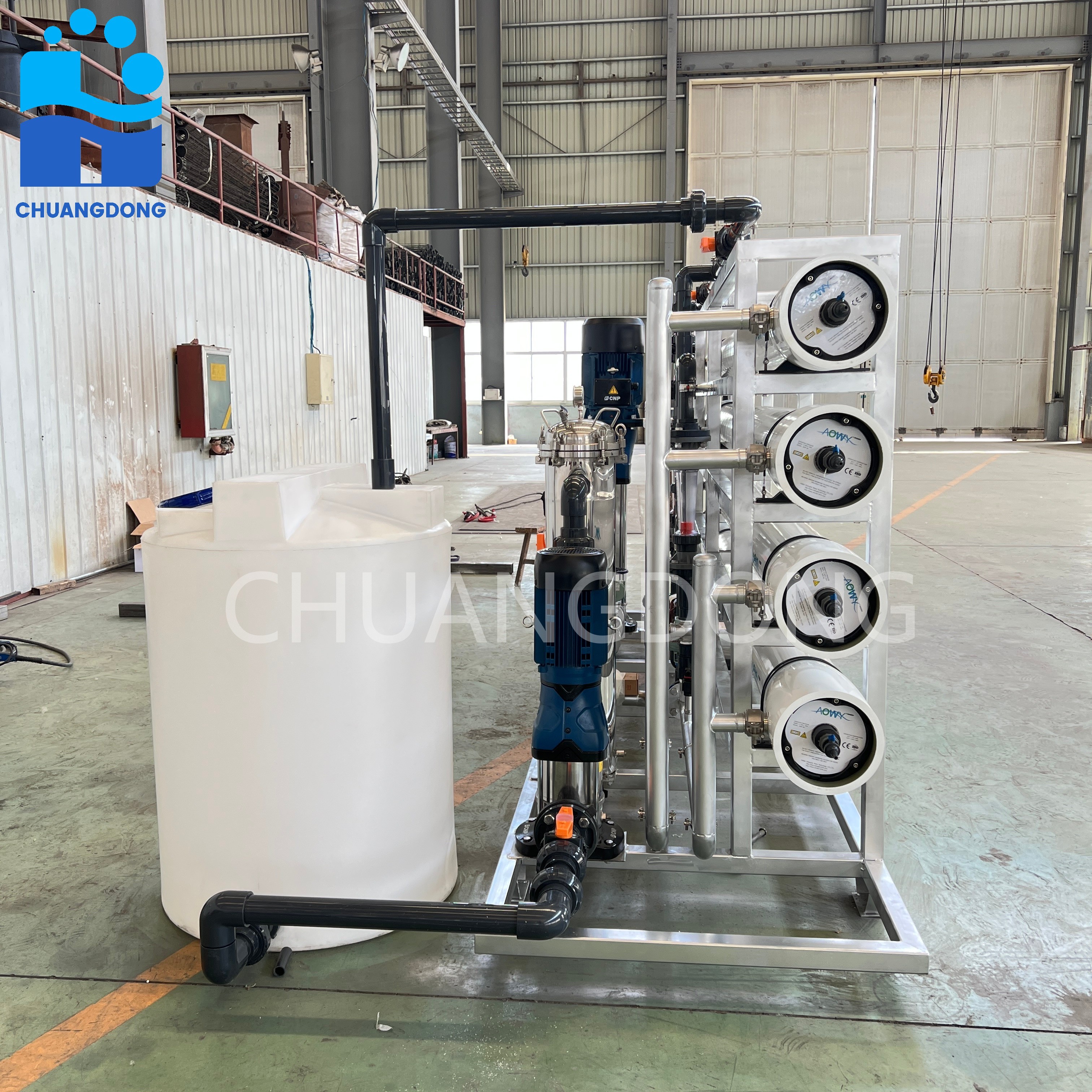
A reverse osmosis water filter system represents one of the most effective solutions for achieving pure, clean drinking water at home or in industrial facilities. This advanced purification method uses a semi-permeable membrane to remove contaminants...
VIEW MORE
Founded in 1995, Company is a leading machine manufacture and exporting company, with 25+ years of experience in the industry.
No. 818 Feiyu Road, Yinzhu Subdistrict, Huangdao District, Qingdao City
Copyright © 2026 Qingdao Chuangdong Water Treatment Co., Ltd. All rights reserved. Privacy Policy
 EN
EN

