 EN


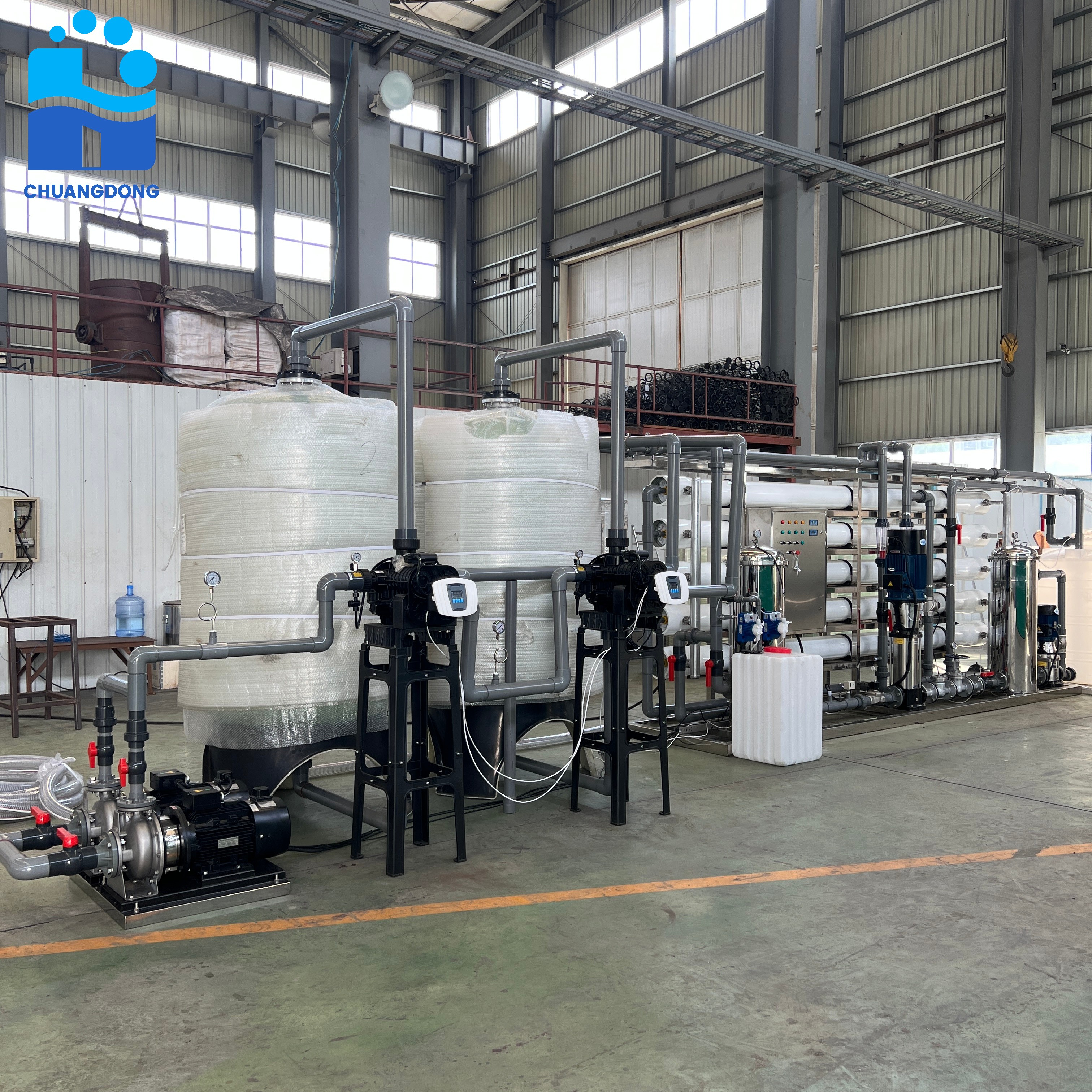
Activated carbon water purification stands as one of the most effective and widely adopted methods for removing contaminants from drinking water and industrial process water. Understanding the role of activated carbon in water purification is essential for anyone involved in water treatment, facility management, or environmental compliance. Activated carbon water purification systems work through a sophisticated adsorption process that captures dissolved organic compounds, chlorine, odors, tastes, and numerous harmful substances that conventional filtration alone cannot eliminate.
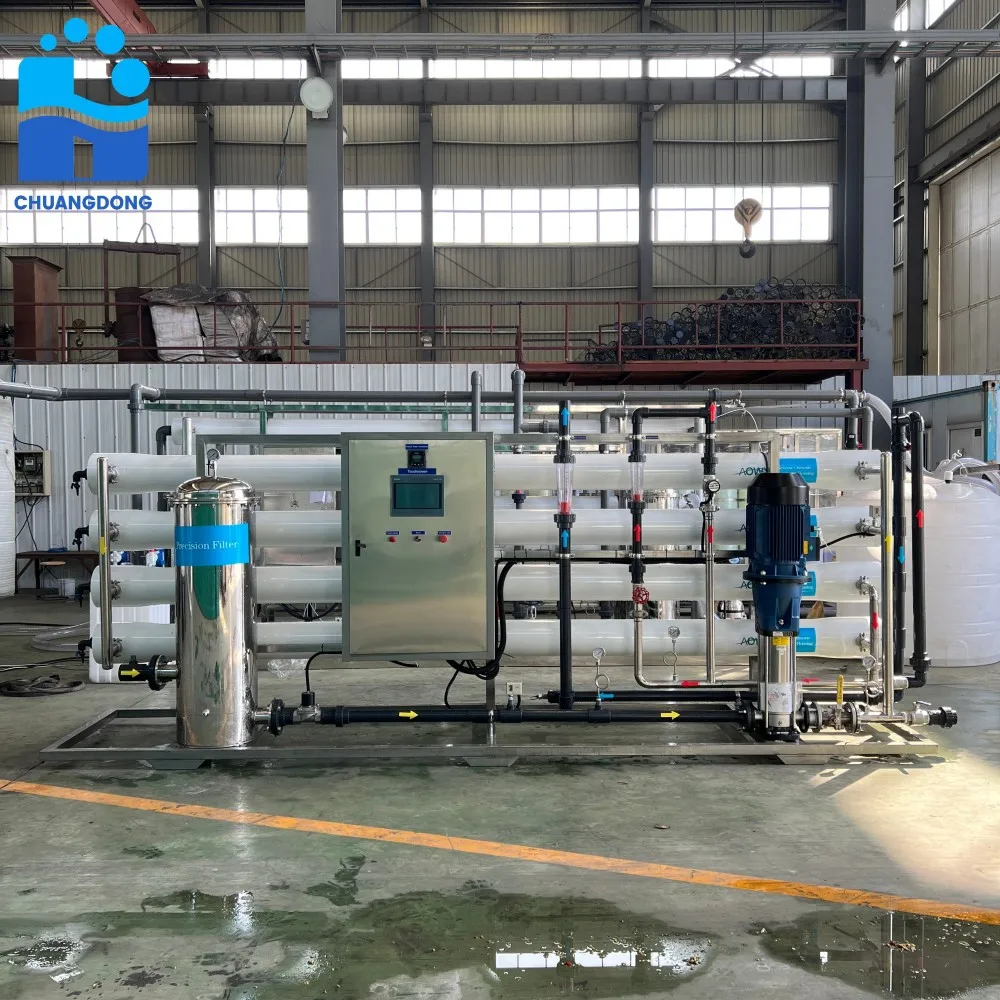
The science behind activated carbon water purification relies on the material's extraordinary porous structure and high surface area, which can reach 3,000 square meters per gram in premium-grade carbon. When water passes through an activated carbon water purification filter, contaminant molecules become trapped within these microscopic pores through a process called adsorption, where substances bond to the carbon's surface rather than dissolving into the water. This mechanism makes activated carbon water purification exceptionally valuable across residential, commercial, and industrial applications where water quality standards demand rigorous contaminant removal.
Understanding Activated Carbon Water Purification Mechanisms
The Adsorption Process in Activated Carbon Water Purification
Activated carbon water purification operates through adsorption, fundamentally different from absorption. During activated carbon water purification, contaminant molecules physically attach to the carbon surface rather than passing through the material. The activated carbon water purification process occurs because surface molecules on the carbon possess incomplete chemical bonds, creating attractive forces that pull in dissolved organic compounds, residual chlorine, pesticides, and volatile organic compounds. These molecular interactions occur at the interface between the carbon and water, making activated carbon water purification highly selective for specific contaminant types depending on the carbon's specific treatment and granule size.
Pore Structure and Surface Area in Activated Carbon Water Purification
The effectiveness of activated carbon water purification directly correlates with the material's pore network architecture. Activated carbon water purification relies on three pore categories: macropores allow initial water entry, mesopores distribute flow and adsorption sites, and micropores provide the vast majority of surface area where activated carbon water purification's primary contaminant removal occurs. Premium activated carbon water purification media features optimized pore distribution engineered to maximize contact between water and active sites. The activated carbon water purification industry measures this capacity using iodine numbers, which directly indicate how effectively the activated carbon water purification material will perform across different contaminant profiles.
Contaminant Removal Applications of Activated Carbon Water Purification
Chemical and Organic Compound Removal via Activated Carbon Water Purification
Activated carbon water purification excels at removing volatile organic compounds, which include benzene, toluene, chloroform, and pesticide residues commonly found in municipal water supplies. Industrial facilities rely on activated carbon water purification systems to eliminate process-specific contaminants including dyes, solvents, and pharmaceutical residues from manufacturing wastewater. Activated carbon water purification also addresses chlorine and chloramine removal, which is critical because these disinfectants can create harmful disinfection byproducts during storage and distribution. When properly designed, an activated carbon water purification system can reduce volatile organic compound levels by 95 percent or higher, making it essential for industries requiring ultra-pure water for sensitive processes.
Taste, Odor, and Aesthetic Improvement Through Activated Carbon Water Purification
Consumer preference drives significant demand for activated carbon water purification in residential and commercial settings because of its effectiveness at improving water aesthetics. Activated carbon water purification removes chlorine taste and odor within the first operational minutes, immediately enhancing drinking water quality. Geosmin and other earth-derived compounds that create musty odors are rapidly adsorbed by activated carbon water purification filters, while tannins responsible for water discoloration are effectively captured. The activated carbon water purification process produces noticeable improvements in water quality that users appreciate, making it a popular choice for point-of-use systems in offices, restaurants, and residential kitchens.
Design Considerations and Performance Optimization for Activated Carbon Water Purification
Contact Time and Flow Rate in Activated Carbon Water Purification Systems
Proper design of activated carbon water purification systems requires careful calculation of empty bed contact time, the duration water remains in contact with the activated carbon water purification media. Most activated carbon water purification applications demand contact times between seven and fifteen minutes to achieve optimal contaminant removal. Flow rates in activated carbon water purification systems must be carefully controlled because excessive velocity reduces contact time and diminishes activated carbon water purification effectiveness. Engineers designing activated carbon water purification installations balance throughput requirements against removal efficiency, recognizing that faster flows require larger media beds or more frequent regeneration cycles in activated carbon water purification operations.
Media Selection and Regeneration in Activated Carbon Water Purification Systems
Selecting appropriate activated carbon water purification media depends on specific contaminant profiles and application requirements. Granular activated carbon serves most activated carbon water purification applications because of its cost-effectiveness and established performance data, while powdered activated carbon provides flexibility in activated carbon water purification dosing for batch treatment scenarios. The activated carbon water purification industry offers specialized media including impregnated carbon for removing specific compounds like hydrogen sulfide or ammonia. When activated carbon water purification media reaches saturation, facilities can extend operational life through thermal or chemical regeneration, though activated carbon water purification performance typically declines somewhat with each regeneration cycle, necessitating eventual disposal and replacement of exhausted activated carbon water purification materials.
FAQ
How long does activated carbon water purification media remain effective?
The service life of activated carbon water purification media varies based on feed water quality, contaminant concentration, and flow rate, but typically ranges from several months to two years before saturation occurs. In activated carbon water purification applications with high contaminant loads, media may require replacement more frequently. Regular water quality testing helps determine when activated carbon water purification efficiency declines sufficiently to warrant media replacement, ensuring consistent water treatment performance.
Can activated carbon water purification remove all water contaminants?
Activated carbon water purification effectively removes organic compounds, chlorine, and many synthetic chemicals, but cannot remove inorganic contaminants like salts, minerals, or heavy metals with the same efficiency. For comprehensive water treatment, activated carbon water purification often works as a complementary technology alongside reverse osmosis, ion exchange, or other specialized processes in multi-stage water purification systems designed for specific water quality objectives.
What makes activated carbon water purification superior to other filtration methods?
Activated carbon water purification combines high contaminant removal capacity, broad spectrum effectiveness across diverse pollutants, cost efficiency, and minimal operational complexity compared to more sophisticated alternatives. Unlike membrane technologies, activated carbon water purification does not produce concentrate streams requiring disposal, and unlike chemical treatment, it introduces no secondary contaminants into the water supply, making it an environmentally sound solution for many activated carbon water purification applications.