 EN



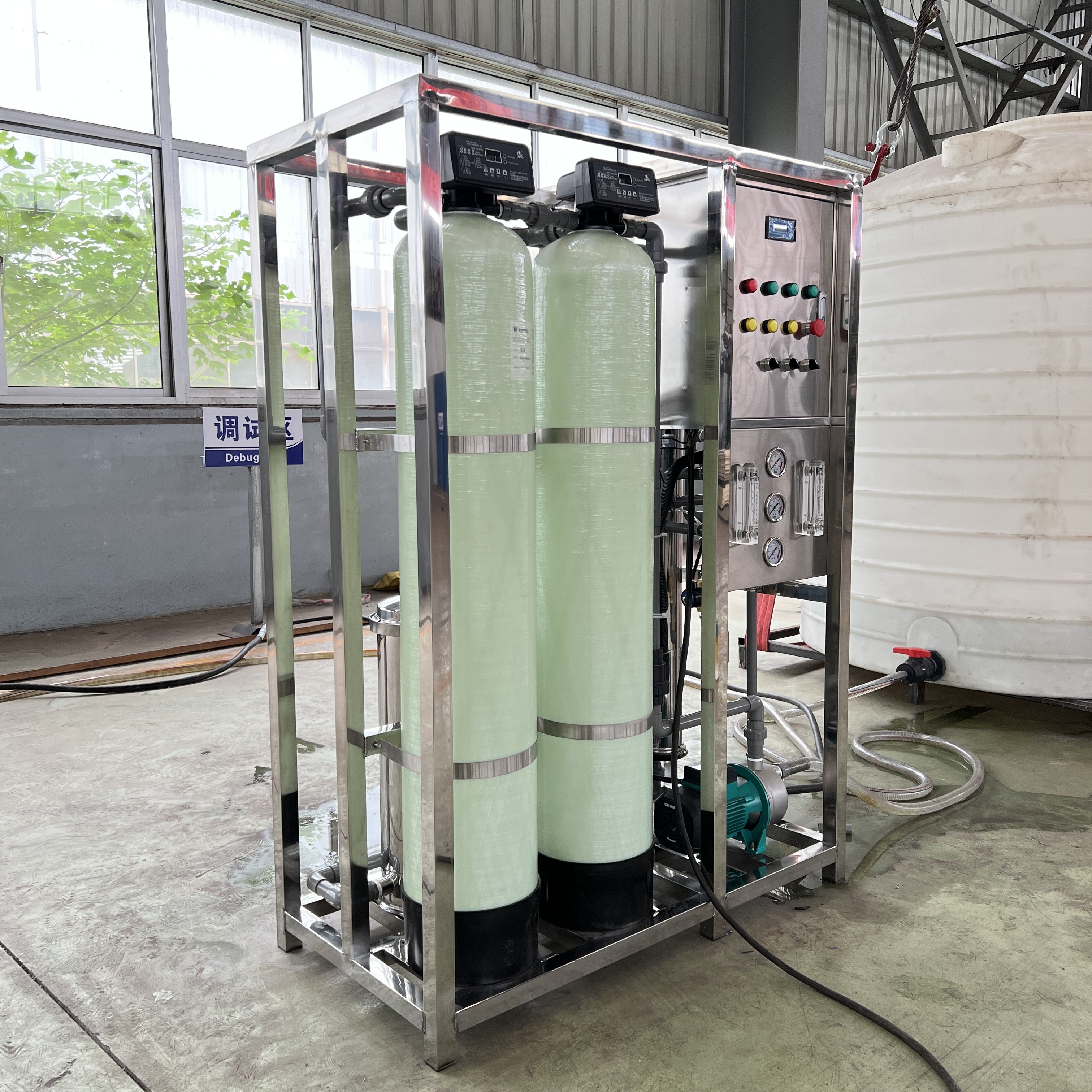
Water treatment is a critical process in municipal, industrial, and residential settings, and understanding the distinction between chemical vs physical water treatment methods is essential for selecting the right solution. Both approaches serve distinct purposes in removing contaminants, impurities, and unwanted substances from water supplies. The choice between chemical vs physical water treatment depends on the specific contaminants present, water quality goals, regulatory requirements, and long-term operational considerations. This guide explores how these two fundamental methods differ, their mechanisms, applications, and how they complement each other in comprehensive water treatment systems.
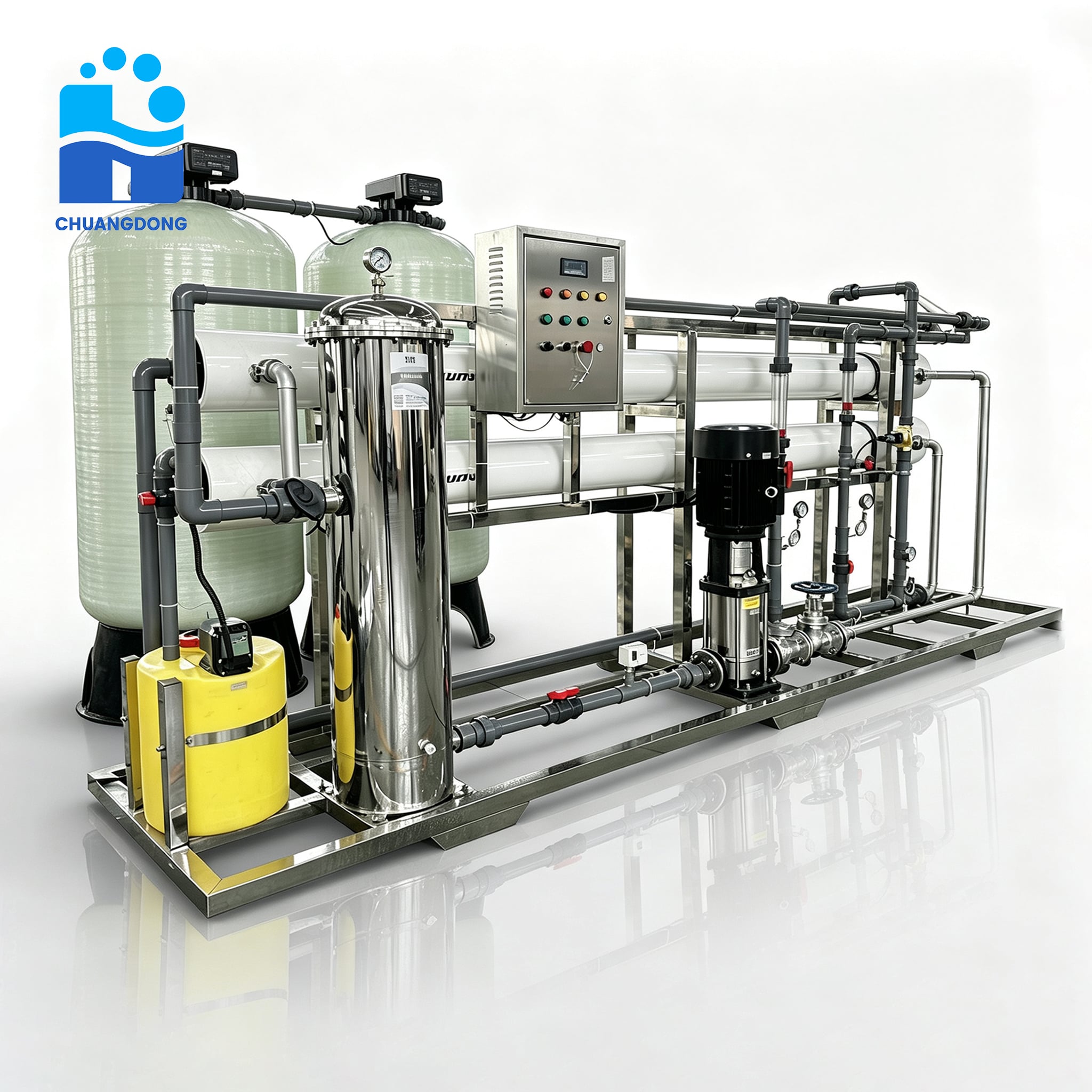
Modern water treatment facilities increasingly rely on integrated approaches that combine chemical vs physical water treatment methods to achieve optimal results. The effectiveness of each method depends on understanding contaminant chemistry, particle size, flow rates, and desired end-use specifications. Organizations investing in water treatment infrastructure must evaluate both approaches to design systems that deliver consistent compliance, cost efficiency, and performance reliability.
Understanding Physical Water Treatment Methods
Mechanical Filtration and Separation
Physical water treatment relies on mechanical processes to remove particles, sediment, and suspended solids without altering the chemical composition of the water. Filtration is the primary mechanism in physical water treatment, using screens, membranes, and filter media to trap contaminants by size. Sand filters, cartridge filters, and multimedia filters represent common physical water treatment applications that capture particles through mechanical straining. The advantages of chemical vs physical water treatment comparison highlight that physical methods require minimal chemical addition and are well-suited for removing visible turbidity and large contaminants.
Advanced Physical Separation Technologies
Modern physical water treatment extends beyond simple filtration to include advanced technologies like reverse osmosis, microfiltration, ultrafiltration, and nanofiltration. These membrane-based approaches in physical water treatment offer superior particle removal and can eliminate dissolved substances that conventional filtration cannot address. The role of chemical vs physical water treatment becomes clearer when considering that reverse osmosis and similar technologies achieve contaminant removal through pressure-driven separation rather than chemical reactions. These physical water treatment methods provide consistent performance, reduced waste streams, and lower chemical requirements compared to purely chemical approaches.
Exploring Chemical Water Treatment Methods
Chemical Reaction and Precipitation Processes
Chemical water treatment involves adding substances that react with contaminants to form removable precipitates or alter water chemistry. Common chemical water treatment applications include coagulation and flocculation, where aluminum sulfate or ferric chloride react with suspended particles to create larger, settleable solids. Ion exchange is another critical chemical water treatment method that removes dissolved minerals, hardness, and specific ions by replacing them with less harmful alternatives. Understanding chemical vs physical water treatment clarifies that chemical methods directly modify water composition and can address dissolved contaminants that physical processes alone cannot remove effectively.
Disinfection and Advanced Oxidation
Disinfection represents a vital category within chemical water treatment, where chlorine, ozone, or ultraviolet light neutralizes microorganisms and pathogens. Advanced oxidation processes using chlorine dioxide or potassium permanganate in chemical water treatment can break down complex organic compounds and emerging contaminants. The distinction between chemical vs physical water treatment becomes apparent when addressing biological safety, as physical methods alone cannot reliably eliminate bacteria, viruses, or protozoa without supplementary disinfection. Chemical water treatment provides the bactericidal and virucidal protection essential for public health compliance in municipal and industrial water systems.
Integration and Selection Criteria
Complementary System Design
The most effective water treatment strategies recognize that chemical vs physical water treatment methods are not mutually exclusive but rather complementary components of integrated systems. A comprehensive approach typically begins with physical water treatment for pre-treatment and particle removal, followed by chemical water treatment for dissolved contaminant removal and disinfection. This staged approach in chemical vs physical water treatment maximizes efficiency, reduces chemical consumption, and ensures consistent water quality across multiple contaminant types. Facilities implementing this hybrid strategy benefit from lower operational costs, reduced environmental impact, and improved compliance with evolving water quality standards.
Decision Factors and Implementation
Selecting between chemical vs physical water treatment requires analyzing source water quality, contaminant profiles, regulatory requirements, and operational constraints. Physical water treatment excels when dealing with high turbidity, suspended sediments, and large particulates, while chemical water treatment becomes necessary for dissolved minerals, microorganisms, and taste-and-odor compounds. The economic comparison between chemical vs physical water treatment must account for chemical costs, membrane replacement, waste disposal, energy consumption, and maintenance requirements over the system lifecycle. Organizations should conduct pilot testing and water quality analysis to determine the optimal balance between chemical vs physical water treatment methods for their specific applications and operational priorities.
FAQ
What contaminants does chemical vs physical water treatment remove most effectively?
Physical water treatment excels at removing suspended solids, turbidity, and large particles through mechanical filtration and membrane separation. Chemical water treatment is more effective for dissolved minerals, hardness, bacteria, viruses, taste-and-odor compounds, and complex organic contaminants that physical methods cannot address. Most comprehensive systems use chemical vs physical water treatment together to achieve broad contamination removal across particle sizes and contaminant types.
How do operational costs compare between chemical vs physical water treatment approaches?
The cost comparison for chemical vs physical water treatment depends on source water quality, treatment goals, and system scale. Physical water treatment typically involves higher capital investment for membranes and filtration equipment but lower ongoing chemical expenses. Chemical water treatment requires consistent chemical purchases and disposal but may have lower equipment costs. The total cost of chemical vs physical water treatment ownership must evaluate energy usage, maintenance frequency, replacement cycles, and waste management to determine the most economical long-term strategy for each facility.
Can physical water treatment alone meet municipal drinking water standards?
Physical water treatment alone typically cannot meet comprehensive municipal standards that require specific microbial inactivation and dissolved contaminant limits. Most regulatory frameworks mandate that drinking water systems employ both chemical vs physical water treatment methods, particularly disinfection requirements that physical processes cannot reliably satisfy independently. Advanced physical technologies like reverse osmosis can achieve high-quality water, but most utilities combine chemical vs physical water treatment to ensure regulatory compliance, public health safety, and operational redundancy in municipal water systems.