 EN


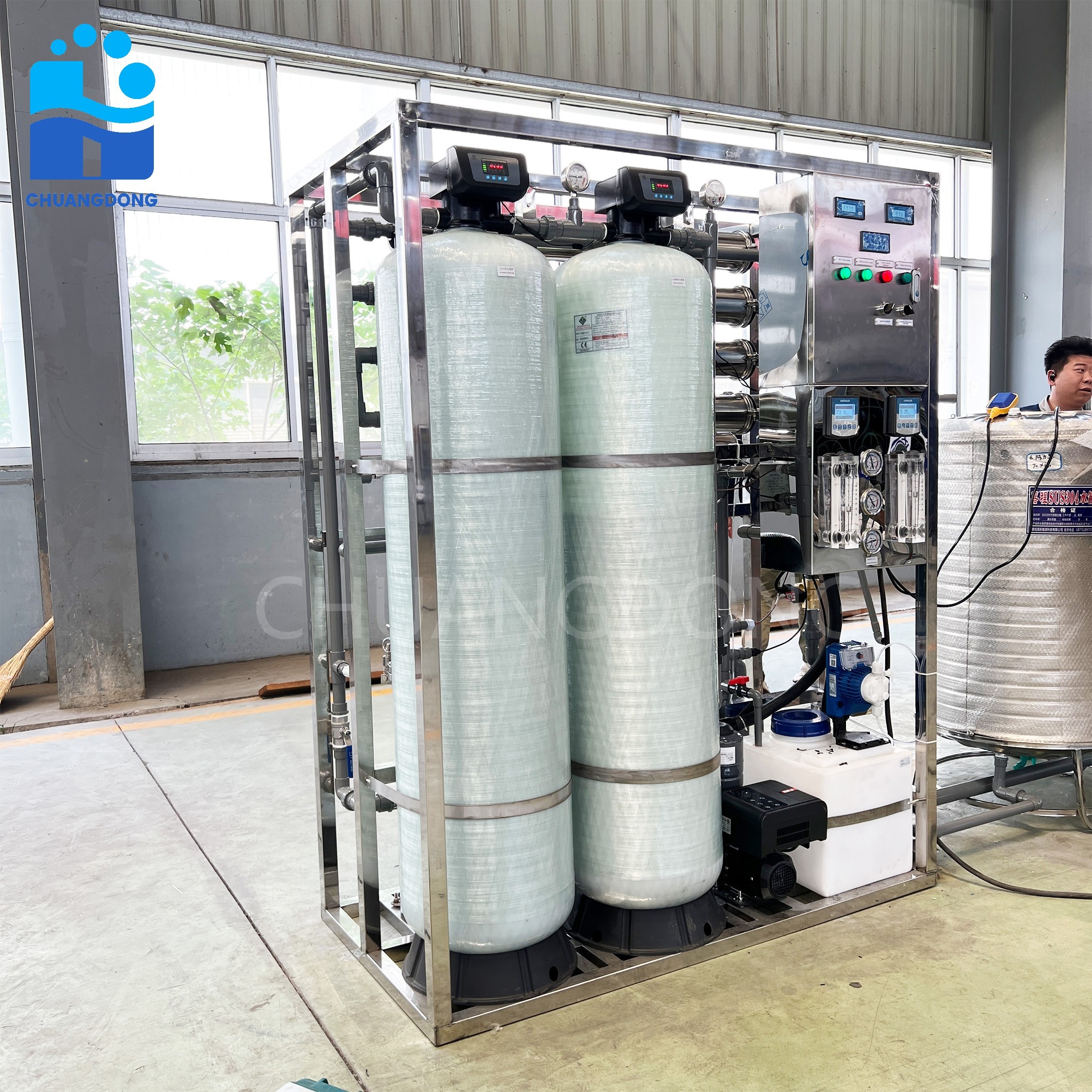
Water purification is one of the most critical processes in modern industrial and residential water treatment systems. Understanding how water purification removes bacteria and viruses is essential for anyone responsible for water safety, whether in manufacturing, municipal utilities, or household applications. Bacteria and viruses present serious health risks if they contaminate drinking water supplies, making effective water purification a non-negotiable requirement for public health and operational safety.
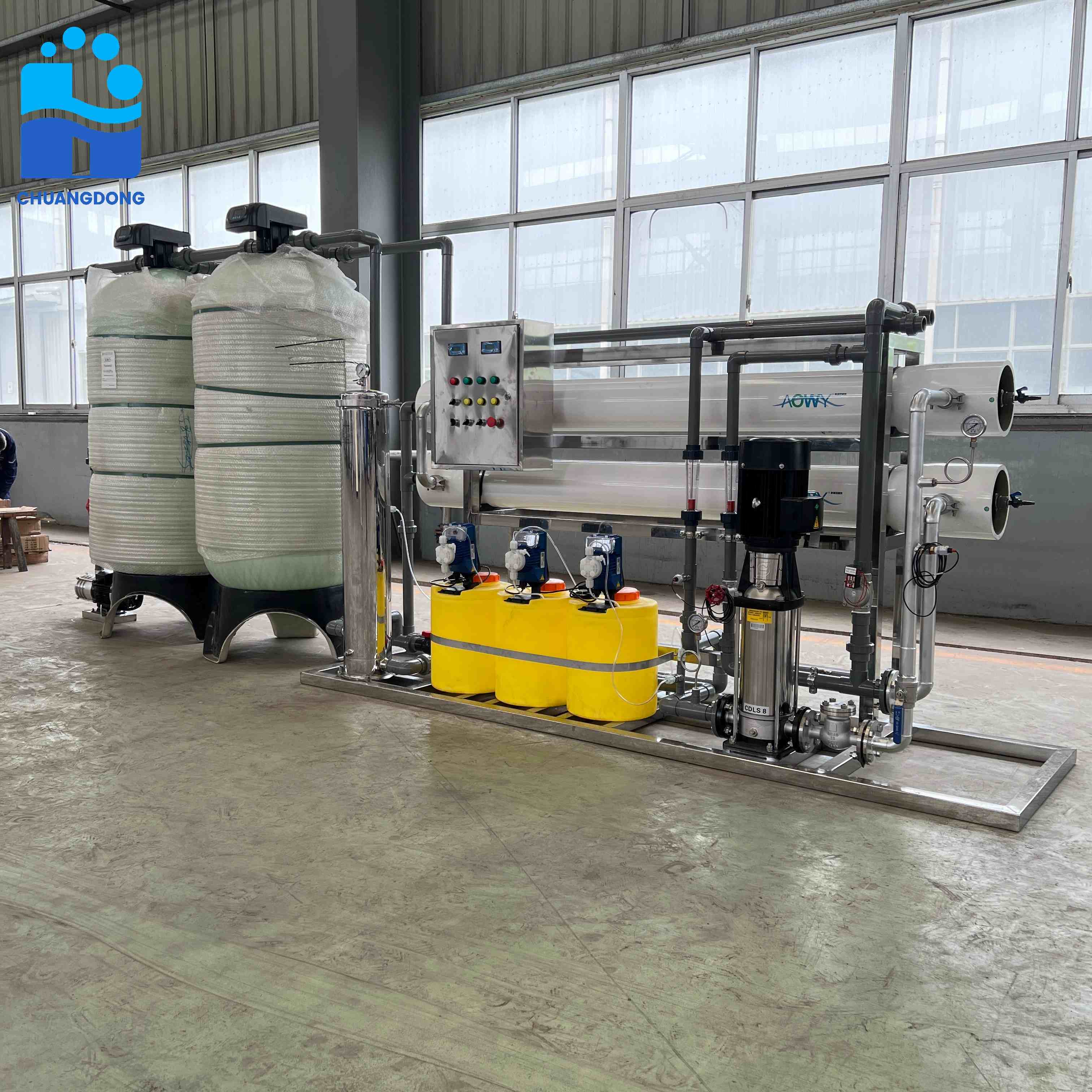
The mechanisms of water purification involve multiple advanced technologies working together to eliminate harmful microorganisms. Different purification methods target bacteria and viruses through distinct physical and chemical processes, each contributing to comprehensive microbial reduction. Industrial water treatment plants and advanced purification systems employ layered approaches to ensure that water quality meets stringent safety standards before distribution or use.
Mechanical Filtration and Particle Removal
How Microfiltration Works in Water Purification
Microfiltration is a foundational component of water purification systems that physically blocks bacteria and larger viral particles. Water purification through microfiltration uses porous membranes with pore sizes typically ranging from 0.1 to 10 micrometers, which trap microorganisms before they enter the distribution system. This mechanical barrier is highly effective at removing most bacteria, protozoa, and some viruses, making it an essential first line of defense in comprehensive water purification strategies.
The efficiency of water purification in this stage depends on proper membrane maintenance and monitoring. When a water purification system's microfiltration membrane becomes saturated with trapped particles, system performance declines, requiring regular cleaning or replacement. In industrial applications, water purification operators must track filtration pressure differentials and implement preventive maintenance schedules to ensure consistent bacterial and viral removal rates across the entire operation.
Reverse Osmosis Technology in Water Purification
Reverse osmosis represents one of the most sophisticated water purification technologies for eliminating bacteria, viruses, and dissolved contaminants simultaneously. Water purification systems using reverse osmosis force untreated water through semi-permeable membranes under high pressure, with pore sizes so minute that bacteria and viruses cannot pass through. This water purification method achieves rejection rates exceeding 99 percent for most microorganisms, making it exceptionally reliable for applications demanding the highest purity standards.
The advantage of water purification via reverse osmosis extends beyond microbial removal to include elimination of dissolved salts, chemicals, and other contaminants. Because water purification through this method is so thorough, many industrial facilities and municipalities have adopted reverse osmosis as a core component of their treatment infrastructure. The treated water from water purification systems typically requires minimal additional processing, reducing operational complexity and chemical costs associated with traditional water purification approaches.
Chemical and Physical Disinfection Methods
Ultraviolet Light Treatment in Water Purification
Ultraviolet radiation is a powerful non-chemical water purification method that neutralizes bacteria and viruses by disrupting their DNA structure. When water purification systems employ UV light, the radiation penetrates microbial cell walls and damages genetic material, preventing reproduction and rendering the organisms harmless. Water purification using UV technology is instantaneous and leaves no chemical residue, making it an environmentally friendly complement to other water purification processes in integrated treatment systems.
The effectiveness of water purification through UV depends on water clarity and UV lamp intensity. Water purification operators must ensure that incoming water has been pre-treated through filtration to maximize UV light penetration, since suspended particles can shield bacteria and viruses from UV exposure. Modern water purification installations often pair UV treatment with filtration and other methods to create redundant barriers against microbial contamination, ensuring consistent compliance with water quality regulations.
Chlorination and Oxidative Water Purification
Chemical water purification through chlorination has been a standard disinfection method for over a century and remains widely used in municipal and industrial systems. Water purification via chlorination introduces chlorine gas, sodium hypochlorite, or calcium hypochlorite to kill bacteria and viruses through oxidative damage to their cell membranes. This water purification approach is cost-effective and provides residual disinfection as treated water flows through distribution pipelines, offering extended protection against secondary microbial contamination.
However, water purification professionals must carefully manage chlorination dosages to balance effective microbial elimination with minimizing disinfection byproducts. Water purification systems employing ozone as an oxidative disinfectant offer an alternative approach, with even stronger oxidative capacity than chlorine for destroying bacteria and viruses. Both methods represent chemical-based water purification strategies that, when properly controlled, provide reliable and economical pathways to achieve microbial safety in water supplies.
Integrated Water Purification Systems and Multi-Stage Approaches
Layered Protection Through Combined Water Purification Technologies
Modern water purification systems rarely rely on a single treatment method but instead employ multiple sequential stages to ensure comprehensive bacterial and viral removal. A typical water purification installation might combine sedimentation, coagulation, filtration, activated carbon treatment, reverse osmosis, and UV disinfection in a coordinated sequence. This layered approach to water purification maximizes safety margins, compensates for variations in source water quality, and maintains consistent compliance with drinking water standards across changing operational conditions.
The redundancy built into advanced water purification systems provides essential protection against treatment failures. If one water purification stage underperforms due to equipment malfunction or maintenance issues, subsequent stages continue to remove bacteria and viruses, preventing contaminated water from reaching users. Industrial facilities and municipalities recognize that water purification reliability depends on system design that incorporates backup mechanisms and continuous monitoring of treatment effectiveness.
Monitoring and Validation of Water Purification Performance
Water purification systems must incorporate monitoring capabilities to verify that bacteria and viral removal remains within design specifications. Real-time sensors, particle counters, and periodic microbiological testing form the backbone of water purification quality assurance programs. Water purification operators use these data to detect deteriorating treatment performance and implement corrective actions before contaminated water reaches distribution networks or end users.
Compliance documentation and testing protocols are integral to professional water purification management. Water purification systems in regulated industries must maintain detailed records demonstrating that treatment processes consistently achieve required bacterial and viral reduction targets. This commitment to transparent water purification verification protects both consumer health and organizational liability while establishing evidence of due diligence in contamination prevention.
FAQ
Can bacteria and viruses pass through standard home water filters?
Standard activated carbon filters in basic water purification pitchers are not designed to remove bacteria and viruses. While these water purification products effectively reduce chlorine taste and odor plus some chemical contaminants, they lack the pore size specification required to block microorganisms. Households requiring water purification for pathogen elimination should use systems featuring microfiltration, ultrafiltration, reverse osmosis, or UV treatment technologies that specifically target bacteria and viral particles.
How long do reverse osmosis membranes last in water purification systems?
Reverse osmosis membranes in water purification installations typically last between three and five years, depending on feed water quality and system maintenance practices. High concentrations of sediment or chlorine in source water can accelerate water purification membrane degradation, requiring more frequent replacement. Professional water purification monitoring programs track membrane performance through pressure differential measurements and treated water quality testing to determine optimal replacement timing and maintain consistent bacterial and viral removal effectiveness.
Is chlorine or UV treatment better for water purification?
Both chlorine and UV methods serve distinct roles in comprehensive water purification strategies rather than representing competing alternatives. Water purification via chlorination provides residual disinfection throughout distribution systems but can generate byproducts requiring careful management. Water purification through UV eliminates bacteria and viruses instantly without chemical residue but cannot prevent recontamination downstream, making both technologies valuable components within multi-stage water purification systems designed for maximum safety and reliability.