 EN


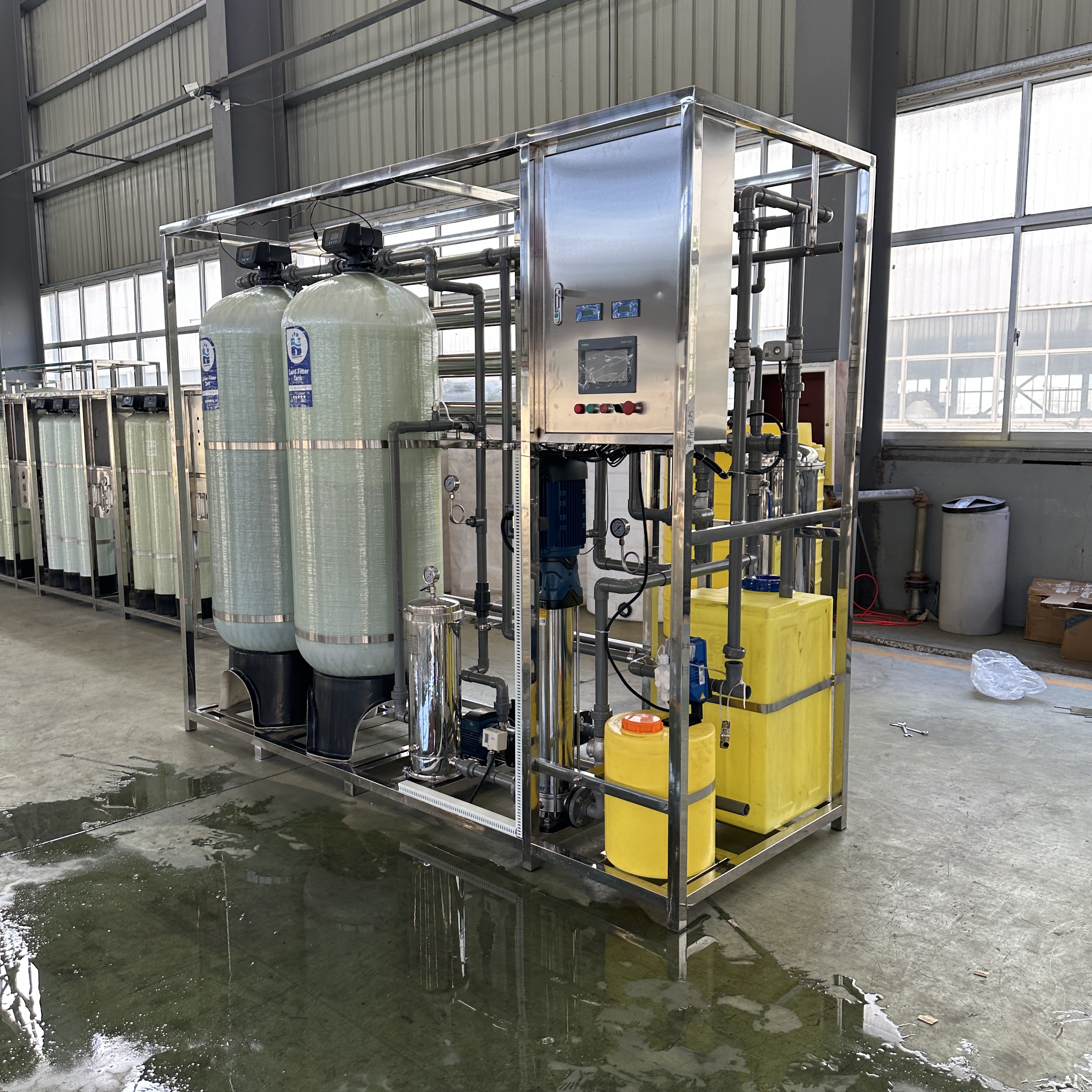
Water treatment stands as a fundamental pillar in modern food production, yet its critical importance often remains underestimated by industry newcomers. The safety, quality, and regulatory compliance of food products depend directly on the quality of water used throughout manufacturing processes. Whether used in washing produce, processing ingredients, or maintaining sanitation standards, untreated or poorly treated water introduces contamination risks that compromise both consumer health and brand reputation. Understanding why water treatment is non-negotiable helps food producers make informed decisions that protect their operations and their customers.
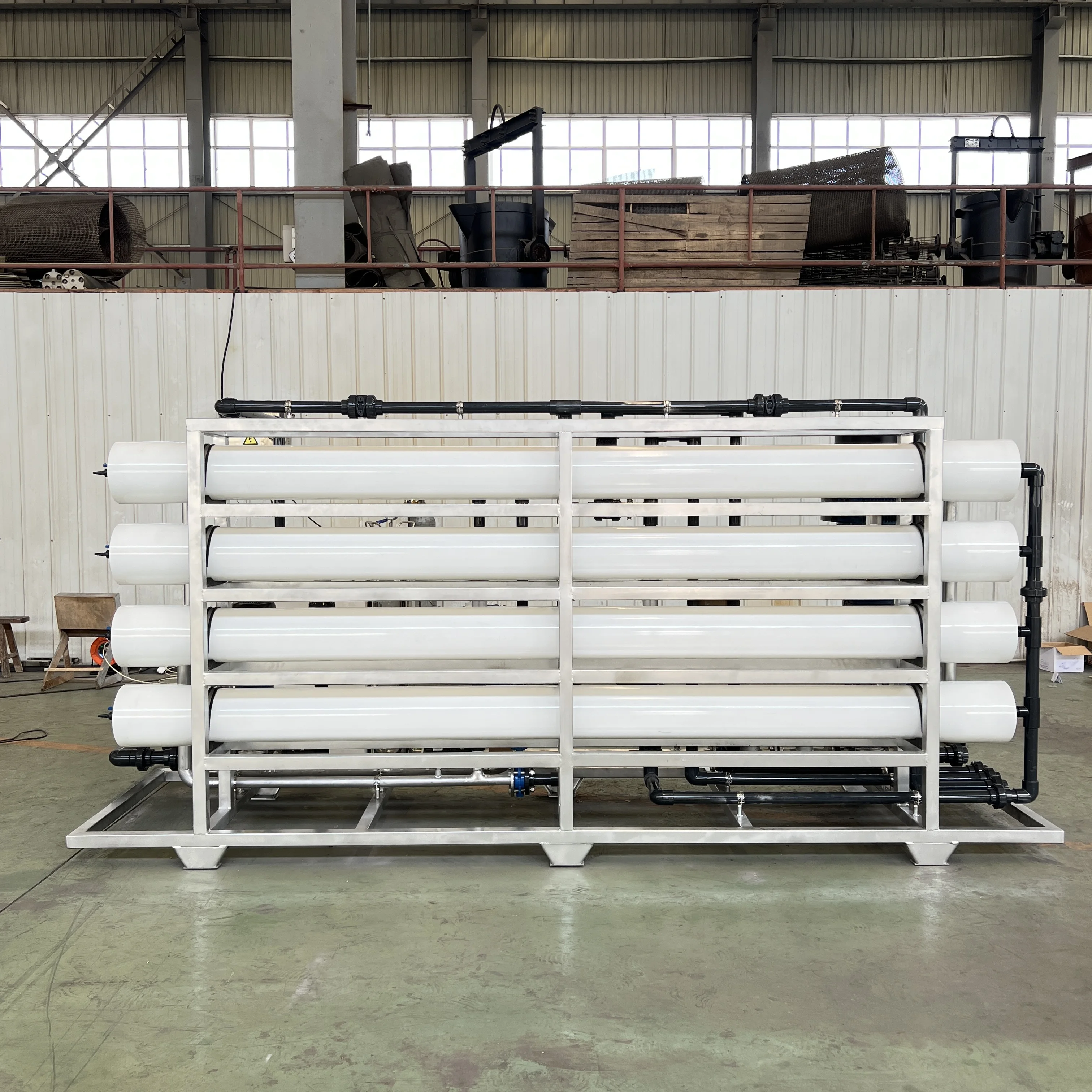
The food production industry operates under stringent regulatory frameworks that mandate water treatment as a non-negotiable requirement. Government agencies, including the FDA and local health departments, establish strict standards for water quality in food manufacturing environments. These regulations exist because contaminated water poses direct threats to consumer safety and product integrity. Food producers who invest in robust water treatment systems gain competitive advantages through reduced recalls, improved shelf life, and enhanced customer trust. The relationship between water treatment practices and business success is increasingly direct and measurable.
Understanding Water Contamination Sources in Food Production
Natural Contaminants and Mineral Content
Raw water sources contain numerous naturally occurring contaminants that negatively impact food quality and safety. Minerals such as calcium, magnesium, iron, and manganese accumulate in groundwater and surface sources over time. These mineral deposits create scale buildup in processing equipment, reducing efficiency and requiring costly maintenance interventions. Water treatment addresses these mineral concerns through softening processes that remove hardness-causing ions. Beyond minerals, natural contaminants including sediment, algae, and organic matter require water treatment to achieve acceptable purity levels for food applications.
Microbial and Chemical Threats
Bacteria, viruses, and parasites present in untreated water pose severe health risks to consumers who ultimately consume food products manufactured with contaminated water. Pathogenic organisms such as E. coli, Salmonella, and Legionella thrive in improperly treated water systems used in food production environments. Chemical contaminants including pesticides, heavy metals, and industrial pollutants similarly compromise product safety when water treatment is inadequate. Food producers face substantial liability if product recalls trace back to waterborne contamination. Effective water treatment eliminates these microbial and chemical threats through filtration, oxidation, and disinfection processes.
Impact on Product Quality and Manufacturing Efficiency
Water Treatment Enhances Product Consistency
The sensory attributes and chemical composition of food products depend heavily on water quality used during production. Water treatment ensures consistent mineral content and pH levels that directly influence taste, texture, and shelf stability of finished products. Beverages produced with properly treated water maintain consistent flavor profiles across production batches, strengthening brand loyalty and market positioning. Baking and dairy operations benefit significantly from standardized water treatment that removes variability from their primary ingredient. Consistent water treatment practices translate directly to consistent product quality that consumers recognize and trust.
Operational Efficiency and Equipment Longevity
Untreated water containing dissolved minerals and suspended particles accelerates equipment degradation and operational inefficiencies throughout food production facilities. Scale accumulation on heat exchangers, pipes, and processing equipment reduces heat transfer efficiency and increases energy consumption substantially. Water treatment prevents this accumulation, extending equipment lifespan and reducing unplanned downtime that disrupts production schedules. Food processors who implement comprehensive water treatment systems report measurable reductions in maintenance costs and improved overall equipment effectiveness. The economic benefits of water treatment extend across capital preservation, energy savings, and production continuity.
Regulatory Compliance and Risk Management Through Water Treatment
Meeting Food Safety Modernization Act Requirements
The Food Safety Modernization Act establishes mandatory water treatment standards that food producers must meet to remain compliant and operational. Water used directly in food contact must meet potable water standards, while water used in cleaning and sanitation must undergo treatment appropriate to its intended use. Non-compliance with these water treatment requirements results in facility citations, production shutdowns, and potential legal consequences that threaten business viability. Third-party audits and regulatory inspections specifically evaluate water treatment systems as critical control points in food safety plans. Food producers demonstrate compliance through documentation of water treatment processes, testing protocols, and maintenance records that show ongoing commitment to safety standards.
Reducing Liability and Recall Risk
Product recalls triggered by waterborne contamination impose devastating financial and reputational costs on food producers that underestimated water treatment importance. Recalls require destruction of inventory, customer notifications, and investigation expenses that rapidly escalate into millions of dollars for mid-sized operations. Insurance premiums increase substantially after recalls, and market share recovery takes years even after investigations clear the brand. Proactive investment in water treatment systems substantially reduces recall probability and protects long-term business viability. Beyond financial protection, robust water treatment demonstrates institutional commitment to consumer safety that differentiates responsible producers from competitors with weaker safety cultures.
FAQ
What specific water treatment technologies suit food production applications?
Food producers select water treatment technologies based on source water characteristics and specific production requirements. Reverse osmosis systems remove dissolved minerals and pathogens effectively for beverage and ingredient processing applications. Ultraviolet disinfection and ozonation provide chemical-free pathogen elimination suitable for sensitive food products. Activated carbon filtration addresses taste, odor, and chemical contaminants without adding residual chemicals. Most facilities implement multi-stage water treatment combining several technologies to address diverse contamination sources comprehensively. Consulting with water treatment specialists ensures selection of appropriate systems matching both regulatory requirements and production specifications.
How frequently should water treatment systems undergo testing and maintenance?
Water treatment system testing frequency depends on local regulations, source water quality variability, and specific production requirements established by facility management. Most food producers conduct weekly microbiological testing and monthly chemical analysis to verify water treatment effectiveness continuously. Equipment maintenance following manufacturer schedules prevents filter saturation, membrane fouling, and system degradation that compromises treatment quality. Documentation of all testing results and maintenance activities demonstrates regulatory compliance during inspections and audits. Regular monitoring ensures water treatment systems operate at peak efficiency while protecting product safety consistently throughout all production activities.
Can water treatment reduce operational costs for food manufacturers?
Strategic investment in water treatment generates substantial cost reductions across multiple operational areas within food production facilities. Equipment protected by water treatment experiences fewer breakdowns, extended service life, and reduced replacement capital expenditures. Energy consumption decreases when properly treated water flows efficiently through heat exchangers and processing equipment without scale interference. Labor savings accumulate through reduced maintenance interventions and simplified cleaning procedures that proper water treatment enables. The initial capital investment in water treatment systems returns through operational savings within 2-5 years for most facilities, creating long-term financial benefits beyond the immediate safety and compliance advantages.