 EN


Water treatment discharge standards represent one of the most critical compliance requirements in industrial and municipal operations. These water treatment discharge standards dictate the quality parameters that treated water must meet before it can be released into rivers, streams, lakes, or municipal sewer systems. Understanding how water treatment discharge standards work is essential for facility managers, environmental engineers, and business operators who must navigate complex regulatory frameworks. Compliance with water treatment discharge standards protects public health, preserves aquatic ecosystems, and prevents costly penalties that can result from environmental violations.
Organizations across industries—from manufacturing and food processing to mining and pharmaceuticals—must ensure that their water treatment discharge standards compliance is documented, tested, and verified on an ongoing basis. The process of achieving compliance with water treatment discharge standards involves multiple technical stages, regulatory understanding, and continuous monitoring. This article explores the mechanisms, regulatory landscape, and practical strategies that water treatment systems use to consistently meet water treatment discharge standards across diverse operational contexts.
Regulatory Framework for Water Treatment Discharge Standards
Understanding Applicable Water Treatment Discharge Standards Regulations
Water treatment discharge standards vary by jurisdiction, industry type, and receiving environment. In the United States, the Clean Water Act and EPA regulations establish baseline water treatment discharge standards that apply to most industrial and municipal operations. The water treatment discharge standards specify limits for pollutants including suspended solids, biochemical oxygen demand, chemical oxygen demand, nutrients, heavy metals, and pH levels. Different water treatment discharge standards may apply depending on whether water is discharged to surface waters, groundwater, or municipal treatment systems. Each state often develops additional water treatment discharge standards that are more stringent than federal minimums, reflecting local environmental priorities and water quality conditions.
Industry-Specific Water Treatment Discharge Standards Requirements
Different industries face distinct water treatment discharge standards tailored to their operational characteristics and potential pollutants. Manufacturing facilities often encounter stringent water treatment discharge standards related to specific chemical compounds used in production processes. Food and beverage operations must comply with water treatment discharge standards addressing organic loading and microbial contamination risks. Mining operations face water treatment discharge standards governing metals and acidic discharge parameters. Pharmaceutical manufacturers navigate water treatment discharge standards that include residual drug compounds and synthesis byproducts. Understanding which water treatment discharge standards apply to your specific operation requires reviewing EPA guidance documents, state environmental agency regulations, and industry-specific technical standards that outline the particular water treatment discharge standards your facility must maintain.
Testing and Monitoring for Water Treatment Discharge Standards Compliance
Required Water Treatment Discharge Standards Testing Protocols
Compliance with water treatment discharge standards depends on systematic testing and documentation practices. Facilities must establish sampling protocols that collect representative water treatment discharge standards compliance samples at designated discharge points, typically before treated water enters the receiving environment or municipal system. Water treatment discharge standards testing involves analyzing samples for all regulated parameters using approved analytical methods, usually conducted by certified laboratories that specialize in water quality analysis. The frequency of water treatment discharge standards testing ranges from daily to quarterly depending on the specific water treatment discharge standards applicable to your facility and the discharge volume. Each water treatment discharge standards test must be documented with precise timestamps, sample collection methods, analytical results, and chain-of-custody records that demonstrate compliance traceability.
Documentation and Reporting for Water Treatment Discharge Standards
Water treatment discharge standards compliance requires comprehensive record-keeping and regulatory reporting. Facilities must maintain detailed logs of all water treatment discharge standards test results, treatment adjustments, equipment maintenance, and any exceedances or deviations from established water treatment discharge standards. Monthly or quarterly water treatment discharge standards reports must be submitted to environmental agencies, clearly demonstrating that discharge water consistently meets established water treatment discharge standards. When water treatment discharge standards violations occur, immediate notification and corrective action reporting are typically required by regulation. The documentation supporting your water treatment discharge standards compliance becomes critical during regulatory inspections, environmental audits, and potential enforcement actions, making thorough record maintenance an essential component of sustainable water treatment discharge standards compliance.
Treatment Technologies for Meeting Water Treatment Discharge Standards
Advanced Treatment Systems That Support Water Treatment Discharge Standards Compliance
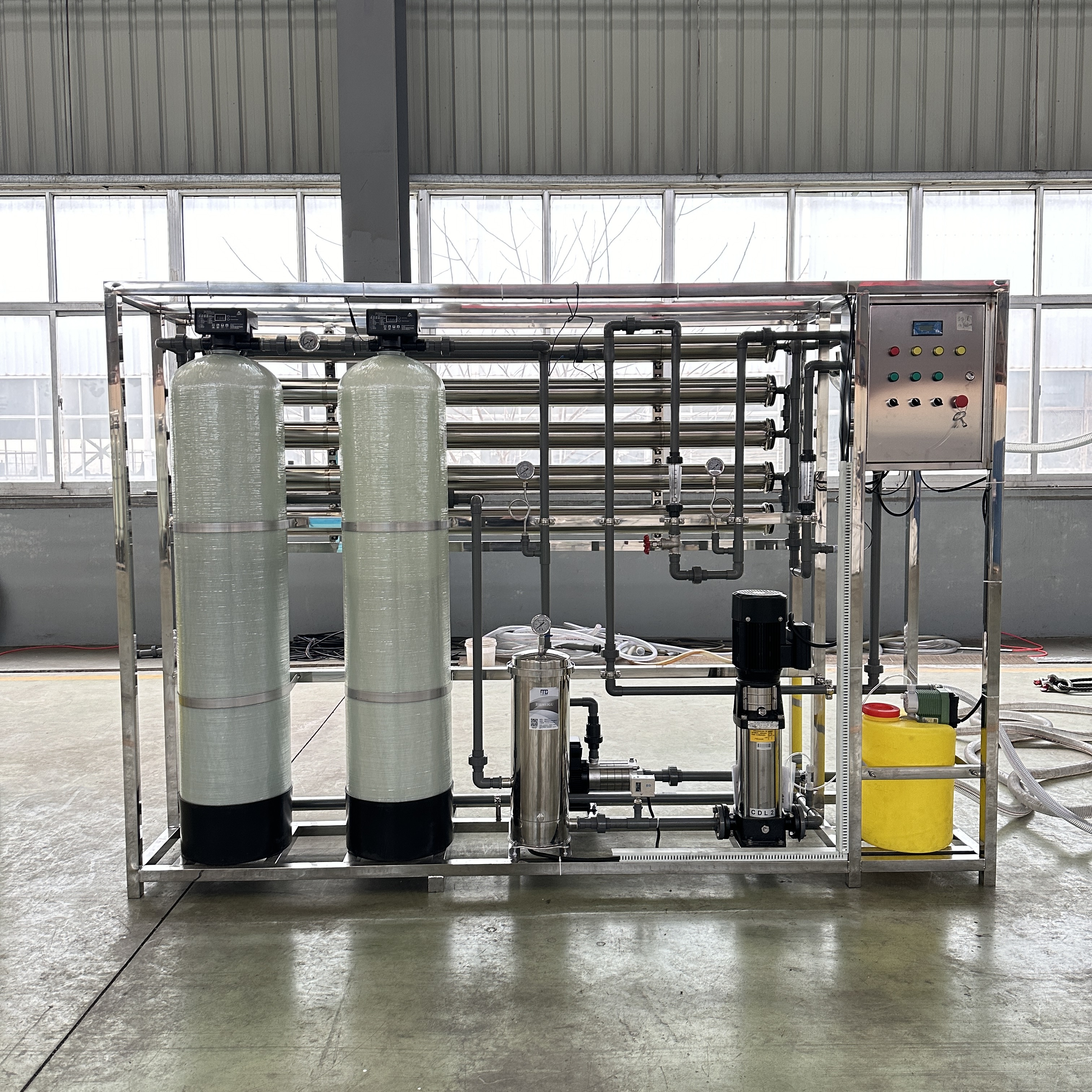
Modern water treatment discharge standards can typically be met through the proper combination of treatment technologies applied to your specific waste stream. water treatment discharge standards often require secondary treatment beyond basic filtration and primary settling. Reverse osmosis, membrane ultrafiltration, activated carbon adsorption, and ion exchange technologies can address challenging water treatment discharge standards parameters like dissolved solids, organic compounds, and specific ions. Biological treatment processes help meet water treatment discharge standards related to organic degradation and nutrient removal. Advanced oxidation processes and chemical precipitation methods address heavy metals and refractory compounds that many water treatment discharge standards regulations specifically limit. Selecting the appropriate technology combination for your facility depends on detailed waste stream analysis, target water treatment discharge standards parameters, and required treated water quality.
Optimization and Continuous Improvement for Water Treatment Discharge Standards
Achieving consistent water treatment discharge standards compliance requires ongoing optimization of treatment processes. Regular performance monitoring of each treatment stage helps identify opportunities for adjusting chemical dosing, retention times, and operational parameters to reliably meet water treatment discharge standards. Water treatment discharge standards compliance often improves when treatment systems are properly maintained, including regular equipment inspection, filter replacement, and membrane cleaning. Staff training on water treatment discharge standards requirements and proper operation of treatment equipment significantly impacts the facility's ability to consistently meet water treatment discharge standards. Periodic pilot testing of alternative treatment approaches or process modifications can reveal opportunities to reduce operational costs while maintaining water treatment discharge standards compliance. Facilities that treat water treatment discharge standards optimization as a continuous improvement process typically achieve more cost-effective and reliable compliance compared to those using static operational procedures.
FAQ
What specific parameters must my facility monitor for water treatment discharge standards compliance?
The specific parameters required for water treatment discharge standards compliance depend on your industry, location, and receiving environment. Common water treatment discharge standards parameters include suspended solids, biochemical oxygen demand, chemical oxygen demand, total nitrogen, total phosphorus, pH, temperature, heavy metals, and oil and grease. Your regulatory authority provides specific water treatment discharge standards limits for each parameter that applies to your facility. You should request your environmental permit or water treatment discharge standards compliance summary from your state environmental agency to determine which exact parameters your water treatment discharge standards require monitoring.
How often must water treatment discharge standards testing occur?
Testing frequency for water treatment discharge standards compliance varies based on facility size, discharge volume, and specific regulatory requirements outlined in your permit. Many facilities must conduct water treatment discharge standards testing monthly or quarterly, while larger operations may require weekly or even daily water treatment discharge standards monitoring. Your environmental permit specifies the required testing frequency for water treatment discharge standards compliance at your location. Some water treatment discharge standards compliance programs allow reduced testing frequency if historical results demonstrate consistent performance above required water treatment discharge standards thresholds.
What happens if my facility exceeds water treatment discharge standards limits?
Exceeding water treatment discharge standards is a serious compliance violation that typically triggers regulatory action. Most environmental agencies require immediate notification when water treatment discharge standards are exceeded, followed by investigation of the cause and implementation of corrective actions to prevent recurrence. Repeated water treatment discharge standards violations can result in significant penalties, permit revocation, or enforcement actions including fines and operational restrictions. Facilities should respond promptly to any water treatment discharge standards exceedance by evaluating treatment processes, adjusting operational parameters, and potentially upgrading treatment technologies to restore reliable water treatment discharge standards compliance.