 EN




Brine discharge from a desalination plant represents one of the most pressing environmental challenges in modern water production. As desalination plants worldwide expand to meet freshwater demands, the concentrated salt byproduct they generate poses significant ecological risks to coastal ecosystems and marine environments. Understanding how to effectively manage this environmental impact is critical for both regulatory compliance and long-term sustainability. A desalination plant can produce millions of gallons of brine daily, and without proper management protocols, this hypersaline waste can damage delicate marine habitats, alter salt concentration in local waters, and harm aquatic species that depend on natural salinity balance.
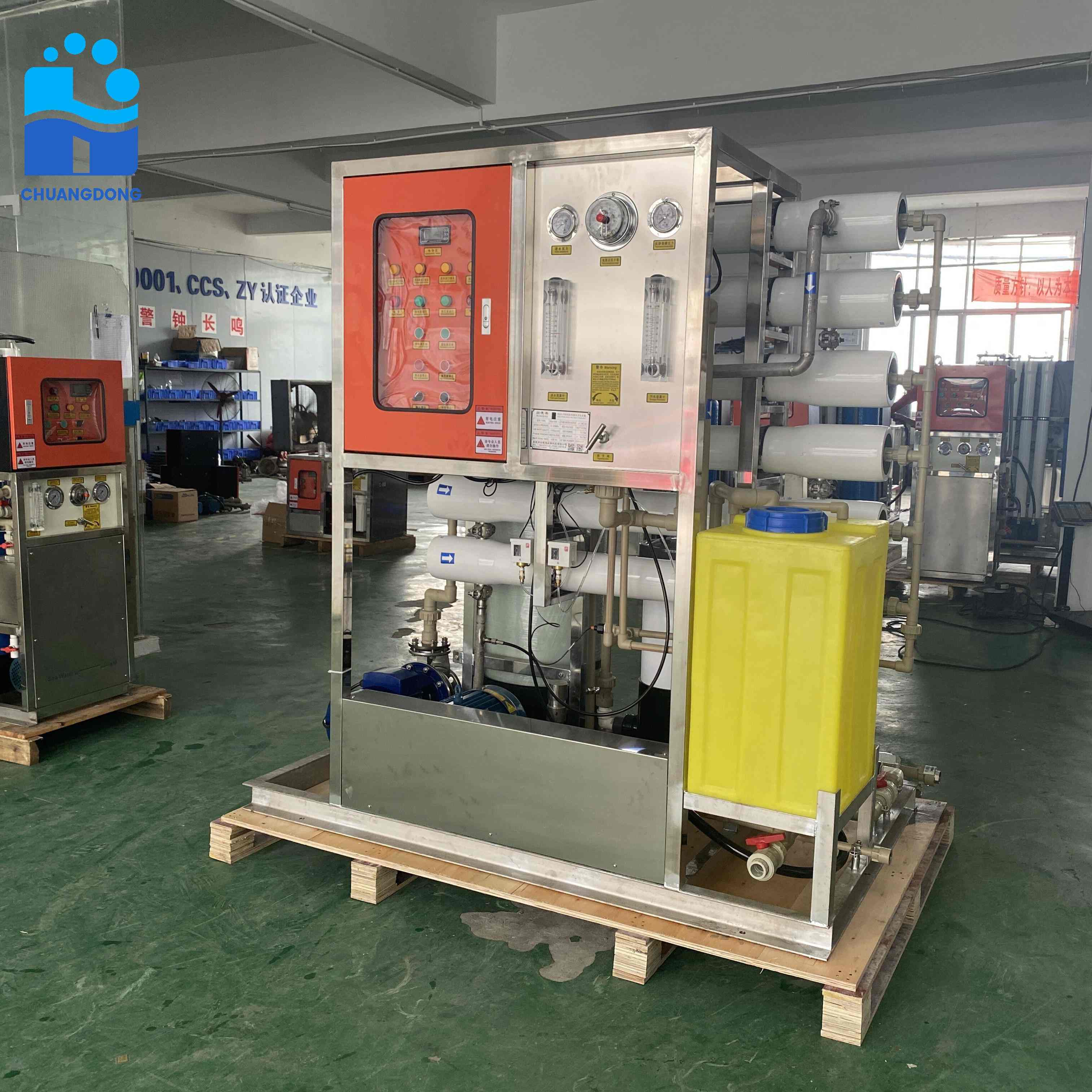
A desalination plant's environmental footprint depends heavily on how brine disposal is managed. Operators must balance production efficiency with ecological responsibility, implementing multiple strategies to reduce harm and recover value from what was traditionally viewed as waste. Modern desalination plants are increasingly adopting advanced technologies and operational practices that transform brine management from a compliance burden into an opportunity for circular economy innovation and community benefit.
Understanding Brine Generation and Discharge Challenges
The Scale and Composition of Brine from Desalination Plants
Every desalination plant generates brine as a natural consequence of the reverse osmosis or thermal desalination process. For every unit of freshwater produced, approximately 1.5 to 2 units of concentrated brine are created, containing not only salt but also residual minerals, chemicals, and sometimes microplastics. This brine concentration can be two to three times higher than normal seawater salinity, making it one of the most significant waste streams that a desalination plant operator must manage responsibly.
The chemical composition of brine from a desalination plant varies depending on the source water and treatment methods used. Coastal desalination plants drawing from seawater produce particularly challenging waste streams, while inland facilities processing brackish water may generate somewhat less saline brines. Regardless of origin, the environmental persistence of brine means that a desalination plant's discharge decisions have long-term consequences for local water quality and marine biodiversity.
Immediate and Long-Term Environmental Impacts
When untreated brine from a desalination plant enters marine ecosystems, it creates a hypersaline plume that damages fish larvae, invertebrates, and seagrass populations. The immediate visual impact of a desalination plant's discharge zone shows discoloration and altered water density gradients. Over time, a desalination plant that disperses brine inadequately can reduce biodiversity, disrupt reproductive cycles in local marine species, and create dead zones where normal aquatic life cannot survive.
Long-term impacts extend beyond marine life to affect fisheries, tourism, and recreation industries that depend on healthy coastal ecosystems. Regulatory agencies now scrutinize every desalination plant's discharge permits, requiring operators to demonstrate measurable environmental protection. A desalination plant that fails to address brine impacts faces fines, operational restrictions, and reputational damage within communities that depend on coastal resources.
Primary Brine Management Strategies for Desalination Plants
Optimized Discharge and Diffusion Systems
The most immediate mitigation measure at any desalination plant involves designing discharge systems that maximize mixing and dilution. Submerged outfall pipes with diffuser technology allow brine from a desalination plant to disperse gradually into receiving waters, reducing peak salinity concentrations. Multi-port diffuser systems spread discharge across wider zones, ensuring that no single marine habitat experiences the full shock of undiluted brine. A well-engineered desalination plant discharge system can reduce environmental stress by 60 to 80 percent compared to simple surface discharge.
Strategic timing of discharge also plays a role in environmental protection. Many advanced desalination plants vary discharge rates with ocean currents and tide cycles, releasing brine when natural conditions optimize dispersion and minimize ecological exposure. Monitoring stations near any desalination plant installation continuously measure salinity, temperature, and marine life indicators, allowing real-time adjustments to discharge protocols.
Brine Concentration and Alternative Uses
Progressive operators treat brine from a desalination plant as a resource rather than a liability. Mineral recovery technologies extract valuable compounds like magnesium, potassium, and lithium from hypersaline brine, reducing both the waste volume and environmental impact. A desalination plant incorporating these technologies can recover 70 to 80 percent of its brine volume as either processed water or marketable minerals, fundamentally changing the economics of environmental responsibility.
Some advanced desalination plants partner with industrial facilities that require high-salinity inputs, such as chemical manufacturers or aquaculture operations. This use of concentrated brine from a desalination plant reduces environmental discharge while creating revenue streams. Others implement solar evaporation ponds where brine is contained and concentrated further, with salt harvested as a commercial product before any remaining liquid is treated or responsibly discharged.
Advanced Treatment and Sustainable Solutions
Zero Liquid Discharge and Evaporation Technologies
Zero liquid discharge represents the ultimate environmental goal for a desalination plant. Advanced thermal and membrane technologies enable modern facilities to evaporate brine completely, leaving only solid minerals for disposal or recovery. A desalination plant implementing zero liquid discharge eliminates oceanic environmental impact from brine while recovering virtually all valuable minerals from the concentrated waste stream.
Thermal crystallization, used at progressive desalination plant facilities, heats brine to separate water vapor from dissolved solids. The resulting crystalized minerals are easier to transport and store than liquid waste, reducing long-term environmental liability. Though energy-intensive, renewable-powered desalination plants increasingly combine thermal crystallization with solar or wind energy, making zero liquid discharge economically viable while maximizing environmental benefit.
Integration with Renewable Energy and Sustainability Goals
Modern desalination plants powered by solar or wind energy significantly reduce their overall environmental impact, including the carbon footprint associated with brine treatment processes. A sustainable desalination plant uses renewable power to run mineral recovery systems, thermal evaporation, or advanced filtration, making advanced brine management accessible and economically justified. Solar-powered desalination plant installations increasingly incorporate brine treatment as an integrated component from design stage forward.
Community engagement and transparency strengthen the environmental credentials of a desalination plant. Facilities that publish discharge data, conduct regular marine monitoring, and involve local stakeholders in environmental oversight build trust and demonstrate genuine commitment to minimizing impact. A desalination plant that partners with environmental organizations and research institutions can pioneer innovative solutions while improving its license to operate within the community.
FAQ
What makes brine from a desalination plant so harmful to marine ecosystems?
Brine from a desalination plant contains salt concentrations two to three times higher than normal seawater, creating osmotic stress that damages fish larvae, invertebrate larvae, and sensitive plant species like seagrass. The hypersaline environment disrupts cellular functions in marine organisms adapted to normal ocean salinity, while also altering water density and stratification patterns that affect nutrient cycling and oxygen distribution. Over time, a desalination plant that discharges untreated brine can create dead zones and reduce biodiversity in local marine habitats.
Can a desalination plant achieve zero brine discharge?
Yes, advanced desalination plants can achieve zero liquid discharge through thermal crystallization, membrane distillation, and mineral recovery technologies. These methods concentrate brine to dryness, leaving only solid minerals for recovery or disposal. A desalination plant implementing zero liquid discharge technologies eliminates environmental impact from oceanic brine discharge, though the approach requires significant capital investment and typically relies on renewable energy to remain economically feasible at scale.
How do regulatory agencies monitor brine discharge from desalination plants?
Regulatory frameworks require every desalination plant to maintain discharge permits that specify maximum salinity levels, discharge volumes, and monitoring protocols. Environmental agencies conduct periodic inspections and require operators to maintain real-time monitoring stations that track salinity, temperature, and marine life indicators near discharge zones. A desalination plant operator must submit annual environmental reports documenting impact mitigation measures, and many jurisdictions now mandate third-party verification of compliance and environmental effectiveness.