Advanced Water Treatment and Purification Systems - Clean Water Solutions

Get a Free Quote

Our representative will contact you soon.
Email
Name
Company Name
Message
0/1000

water treatment and purification

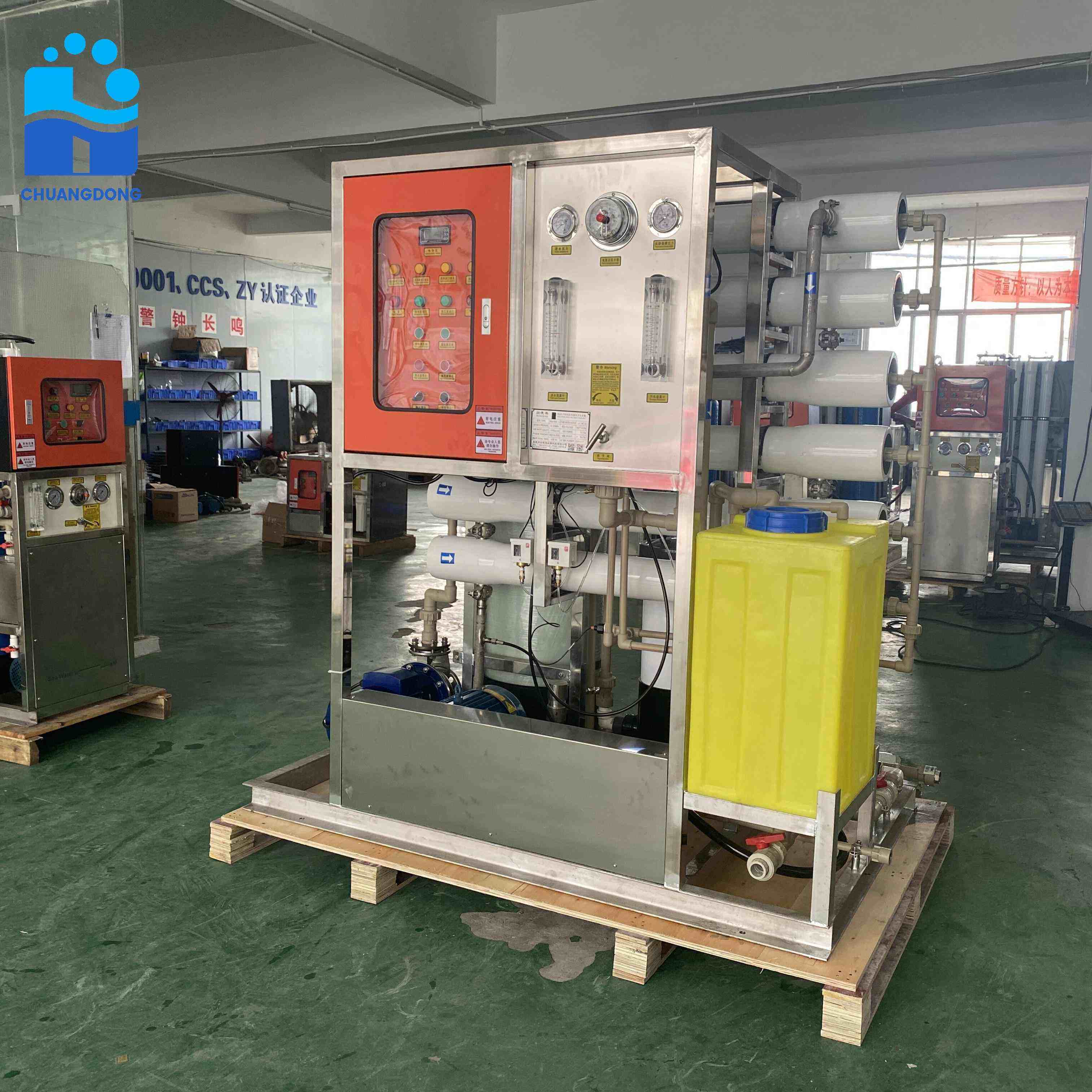
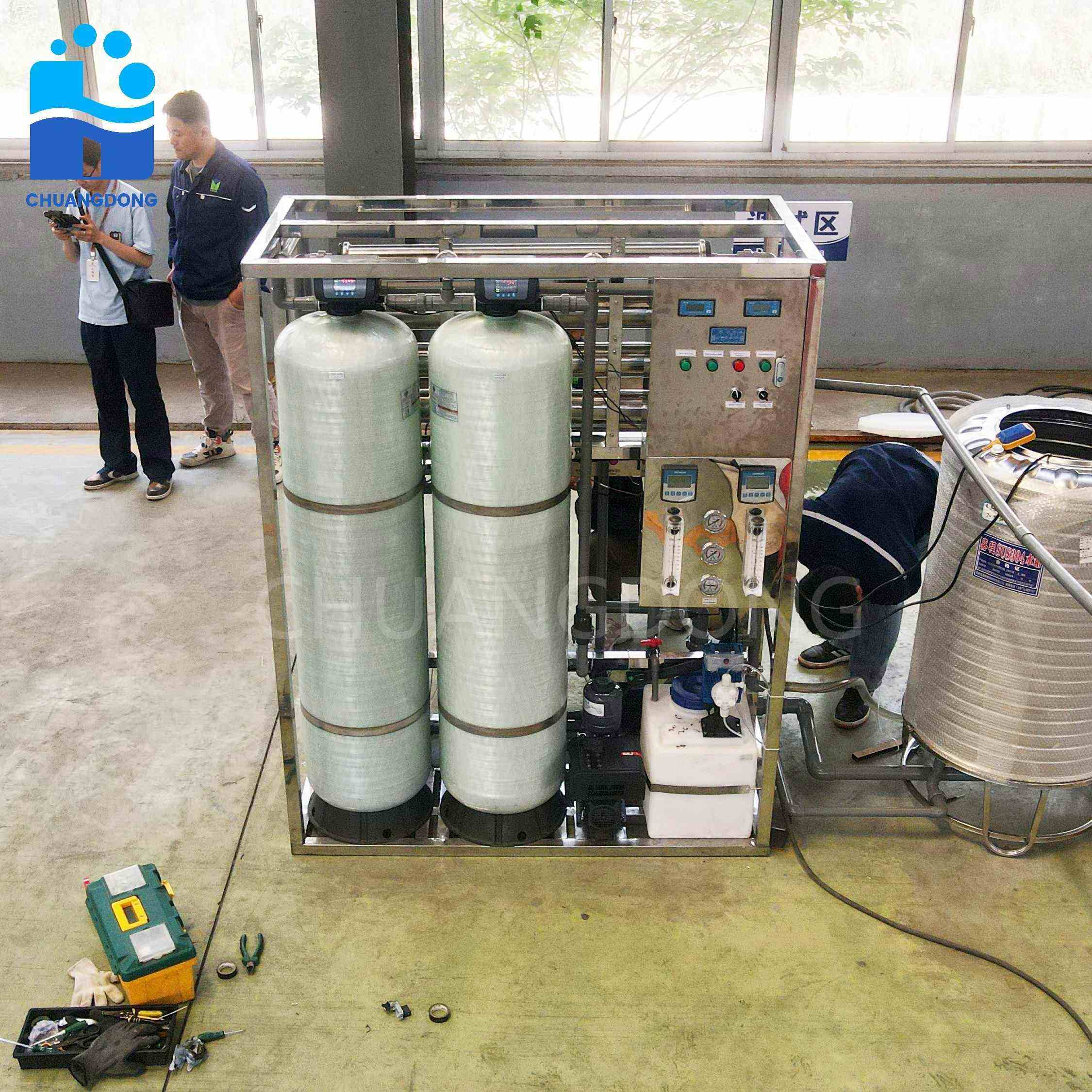
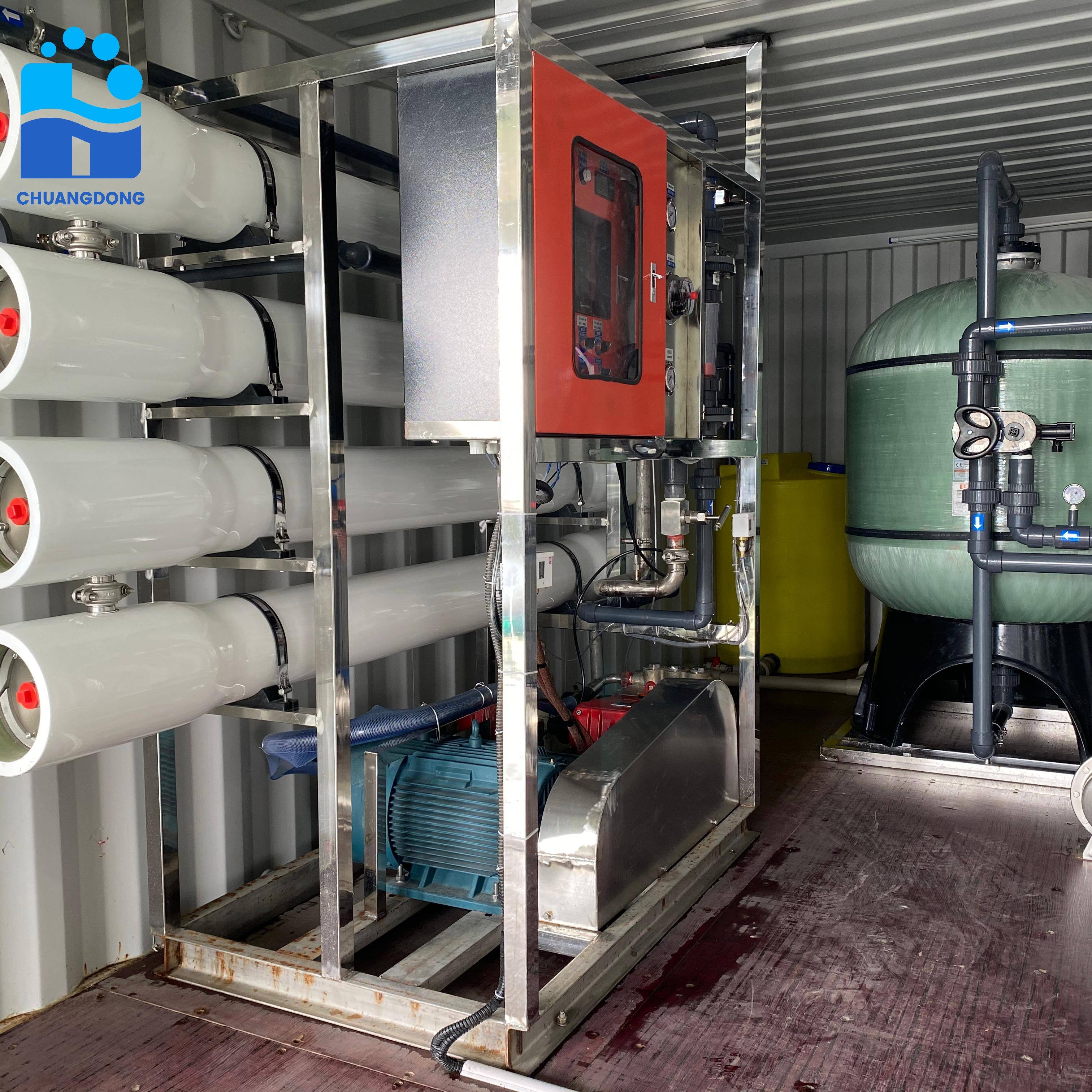
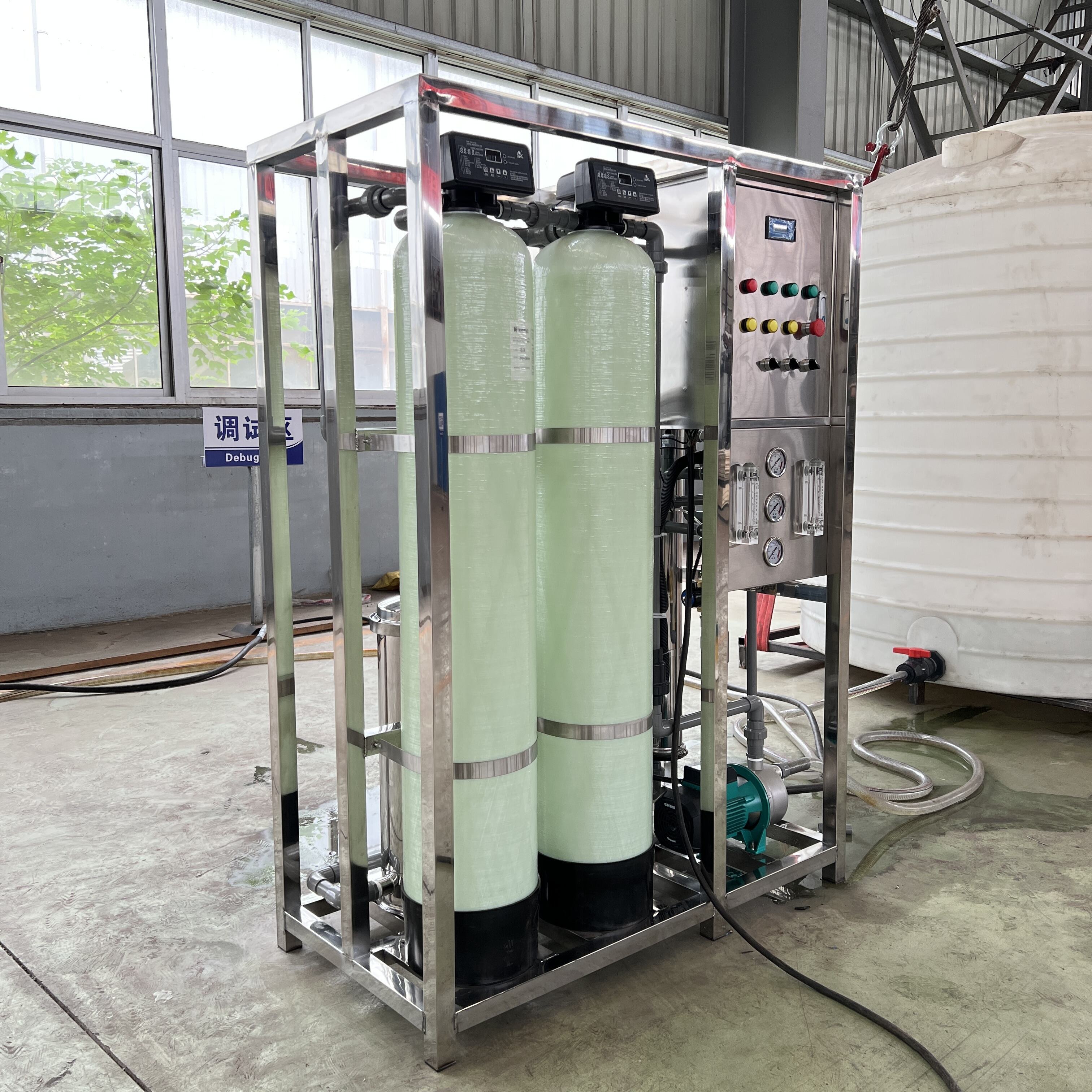
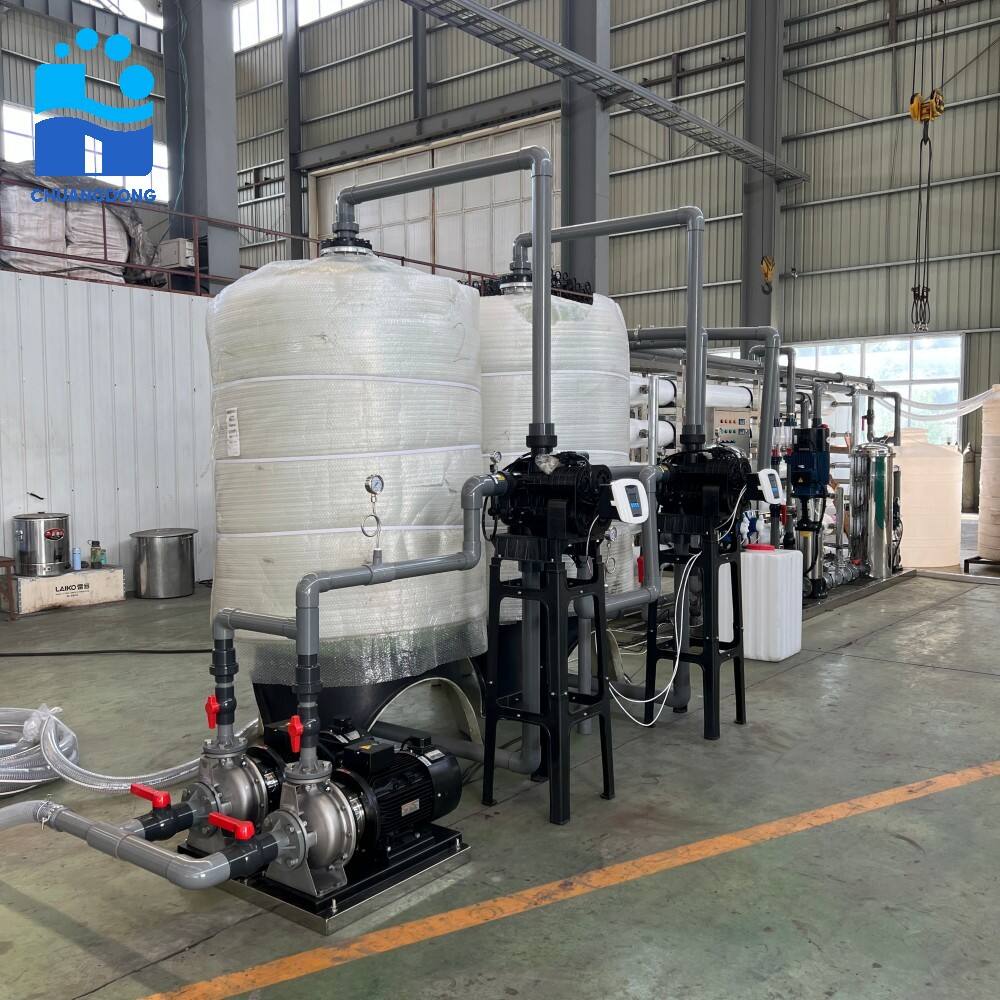
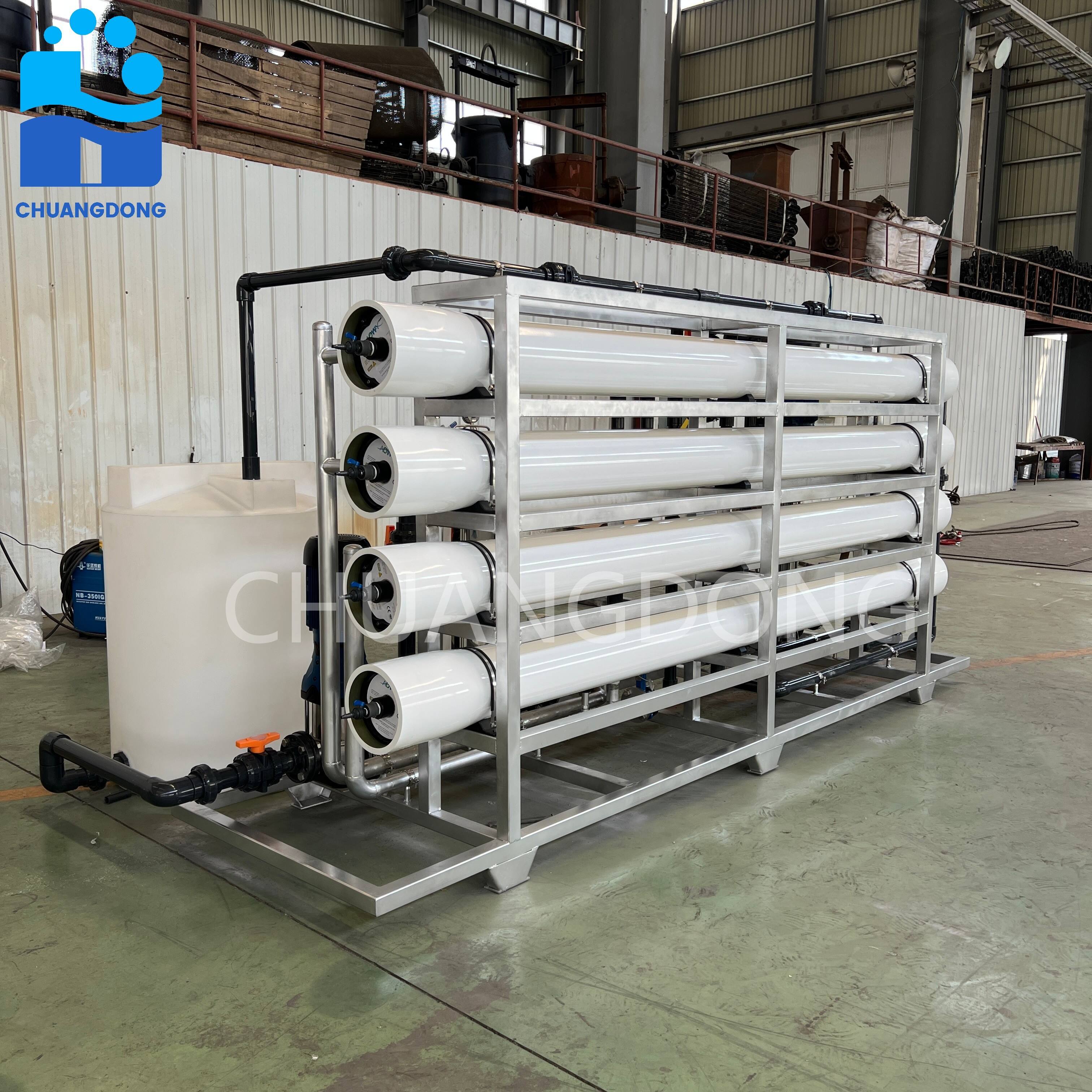
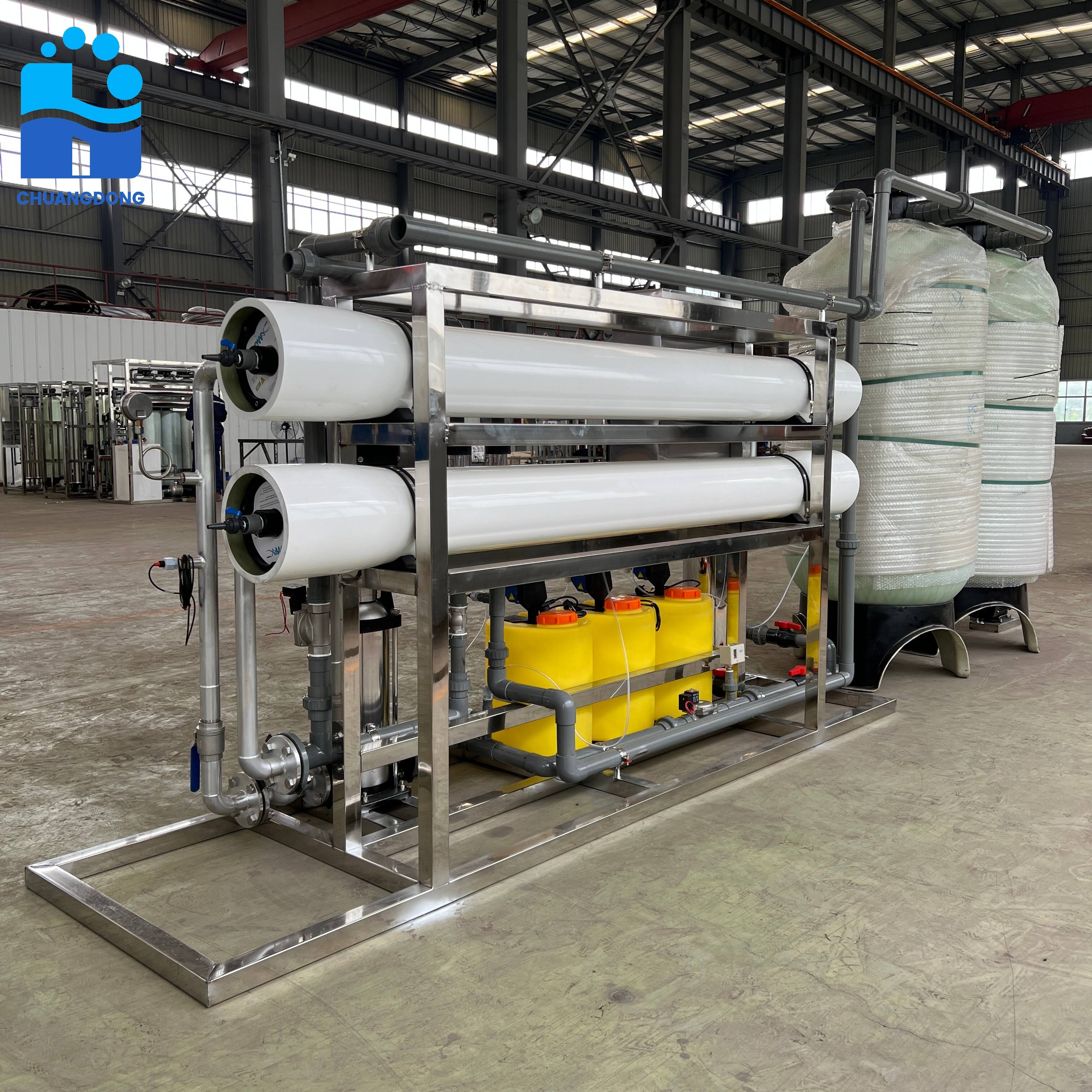
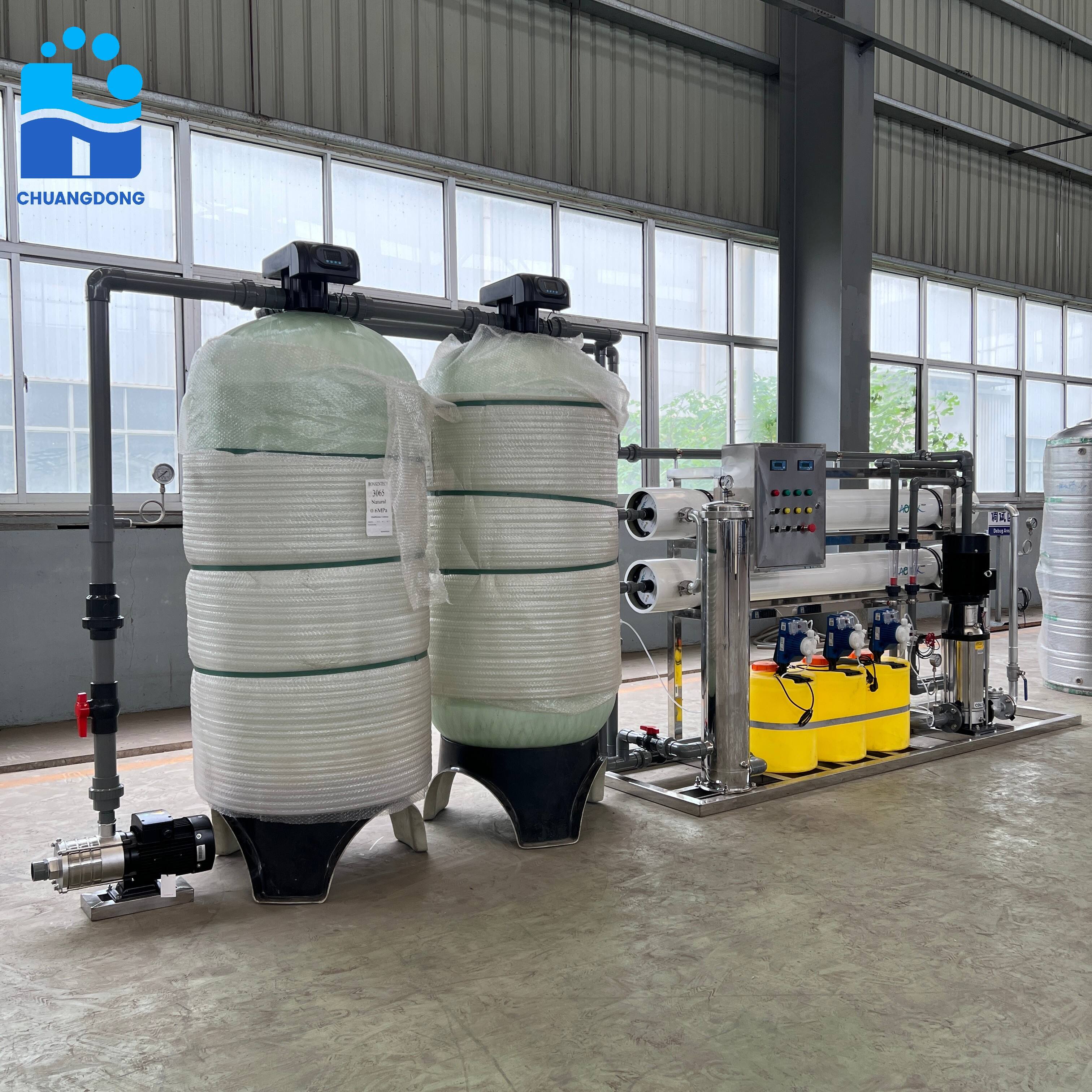
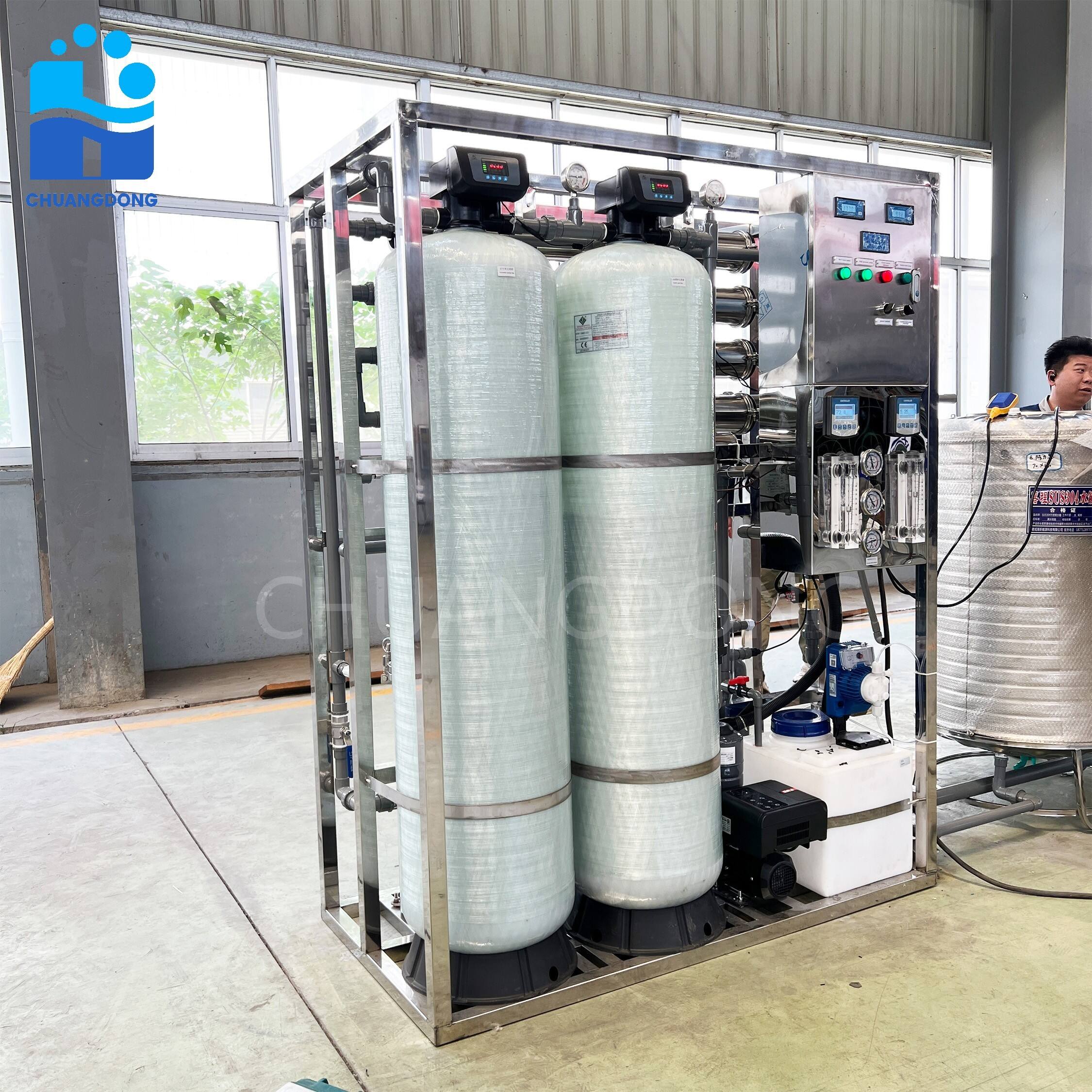
Water treatment and purification represents a comprehensive set of processes designed to remove contaminants, impurities, and harmful substances from water sources to make them safe for human consumption and various industrial applications. This essential technology combines physical, chemical, and biological methods to transform raw water into clean, potable water that meets strict quality standards and regulatory requirements. The main functions of water treatment and purification systems include removing suspended solids, dissolved minerals, bacteria, viruses, chemicals, and other pollutants that can pose health risks or affect water taste and odor. Modern water treatment and purification facilities utilize multiple stages of filtration, disinfection, and chemical treatment to ensure comprehensive contaminant removal. Key technological features include advanced filtration systems such as reverse osmosis, ultrafiltration, and activated carbon filters that target specific types of contaminants. UV sterilization technology provides chemical-free disinfection by destroying harmful microorganisms, while ozonation offers powerful oxidation capabilities for organic compound removal. Ion exchange systems effectively remove dissolved minerals and heavy metals, ensuring water meets stringent quality parameters. Smart monitoring systems continuously track water quality parameters, enabling real-time adjustments to treatment processes and maintaining consistent output quality. Applications for water treatment and purification span across municipal water supplies, industrial manufacturing, healthcare facilities, food and beverage production, and residential settings. These systems serve communities by providing safe drinking water, support manufacturing processes requiring high-purity water, and protect public health by eliminating waterborne diseases. The technology adapts to various water sources including groundwater, surface water, and recycled wastewater, making it versatile for different geographical and environmental conditions.

New Product Recommendations

Water treatment and purification systems deliver significant health benefits by eliminating harmful contaminants that cause waterborne illnesses and long-term health complications. These systems remove bacteria, viruses, parasites, and chemical pollutants that traditional methods cannot adequately address, protecting families and communities from diseases such as cholera, typhoid, and hepatitis. By providing clean, safe drinking water consistently, these systems reduce medical expenses and improve overall quality of life for users. Cost-effectiveness represents another major advantage, as water treatment and purification systems reduce dependency on bottled water purchases, which can be expensive over time. Industrial facilities benefit from reduced equipment maintenance costs since purified water prevents mineral buildup and corrosion in machinery and piping systems. The technology offers environmental advantages by reducing plastic waste from bottled water consumption and enabling water recycling and reuse in various applications. This sustainability aspect helps conserve natural water resources while meeting growing demand for clean water. Operational efficiency stands out as a key benefit, with modern water treatment and purification systems requiring minimal manual intervention due to automated controls and monitoring systems. These systems operate continuously, providing reliable water supply without service interruptions that can disrupt daily activities or business operations. The technology adapts to varying water quality conditions, maintaining consistent output regardless of seasonal changes or source water fluctuations. Enhanced taste and odor improvement makes treated water more palatable, encouraging proper hydration and eliminating unpleasant characteristics often found in untreated water sources. Regulatory compliance becomes achievable through water treatment and purification systems that consistently meet or exceed government water quality standards, protecting organizations from legal issues and fines. The scalability of these systems allows implementation in settings ranging from small residential units to large municipal facilities, making the technology accessible for various needs and budgets. Maintenance requirements remain minimal with properly designed systems, reducing operational burden and ensuring long-term reliability.

Practical Tips

What Intake and Outfall Designs Minimize Environmental Impact of a Desalination Plant?

01

Mar

What Intake and Outfall Designs Minimize Environmental Impact of a Desalination Plant?

Environmental considerations have become paramount in the design and operation of modern desalination facilities worldwide. As water scarcity continues to challenge communities across the globe, the demand for sustainable desalination plant solutions...
View More
What Corrosion-Resistant Materials Are Used in Desalination Plant Construction?

06

Mar

What Corrosion-Resistant Materials Are Used in Desalination Plant Construction?

Desalination plants operate in some of the harshest environments imaginable, where saltwater constantly threatens the integrity of critical infrastructure. The selection of appropriate corrosion-resistant materials becomes paramount to ensuring long-...
View More
How Does a Water Purification System with Ion Exchange Soften Hard Water Effectively?

15

Mar

How Does a Water Purification System with Ion Exchange Soften Hard Water Effectively?

Hard water poses significant challenges for both residential and commercial applications, containing high concentrations of calcium and magnesium ions that cause scale buildup, reduce equipment efficiency, and affect water quality. A water purificati...
View More
Why Should Pharmaceutical QC Labs Use Ultrapure Water for HPLC and Mass Spectrometry?

18

Mar

Why Should Pharmaceutical QC Labs Use Ultrapure Water for HPLC and Mass Spectrometry?

Pharmaceutical quality control laboratories face increasingly stringent requirements for analytical accuracy and regulatory compliance. The foundation of reliable analytical results lies in the quality of water used throughout testing procedures. Ult...
View More

Get a Free Quote

Our representative will contact you soon.
Email
Name
Company Name
Message
0/1000

water treatment and purification

Advanced Multi-Stage Filtration Technology

Advanced Multi-Stage Filtration Technology

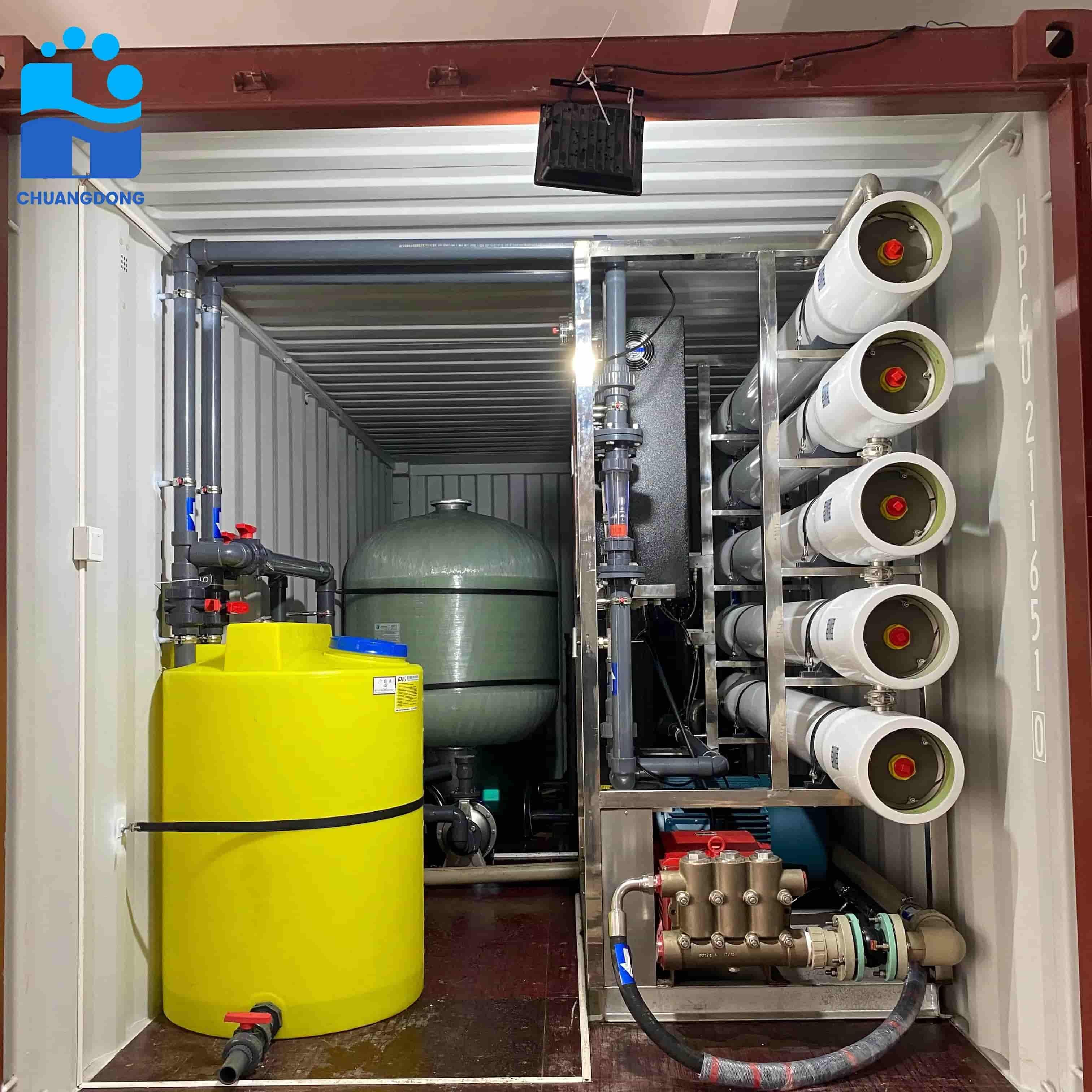
The cornerstone of effective water treatment and purification lies in advanced multi-stage filtration technology that systematically removes contaminants through carefully designed sequential processes. This sophisticated approach combines multiple filtration methods including sediment filters, activated carbon systems, reverse osmosis membranes, and ultraviolet sterilization to address different types of pollutants at each stage. Sediment filters serve as the first line of defense, capturing larger particles such as sand, silt, and rust that can clog downstream components and affect system performance. Activated carbon filtration follows, utilizing the porous structure of specially treated carbon to adsorb chlorine, volatile organic compounds, and chemicals that affect water taste and odor. The reverse osmosis stage represents the heart of the water treatment and purification process, forcing water through semi-permeable membranes that block contaminants as small as individual molecules, including dissolved salts, heavy metals, and microscopic pollutants. UV sterilization provides the final safeguard against biological contaminants, using ultraviolet light to destroy DNA structures in bacteria, viruses, and other microorganisms without adding chemicals to the water. This multi-stage approach ensures comprehensive contaminant removal while maintaining essential mineral balance in treated water. The sequential design prevents any single filtration method from becoming overwhelmed, extending component lifespan and maintaining consistent performance. Smart sensors monitor each stage independently, providing real-time feedback on filter condition and performance, enabling predictive maintenance that prevents system failures. The modular design allows customization based on specific water quality challenges, whether addressing high mineral content, bacterial contamination, or chemical pollutants. This flexibility makes the technology suitable for diverse applications from residential homes to large industrial facilities requiring specialized water treatment and purification solutions.
Real-Time Water Quality Monitoring and Control

Real-Time Water Quality Monitoring and Control

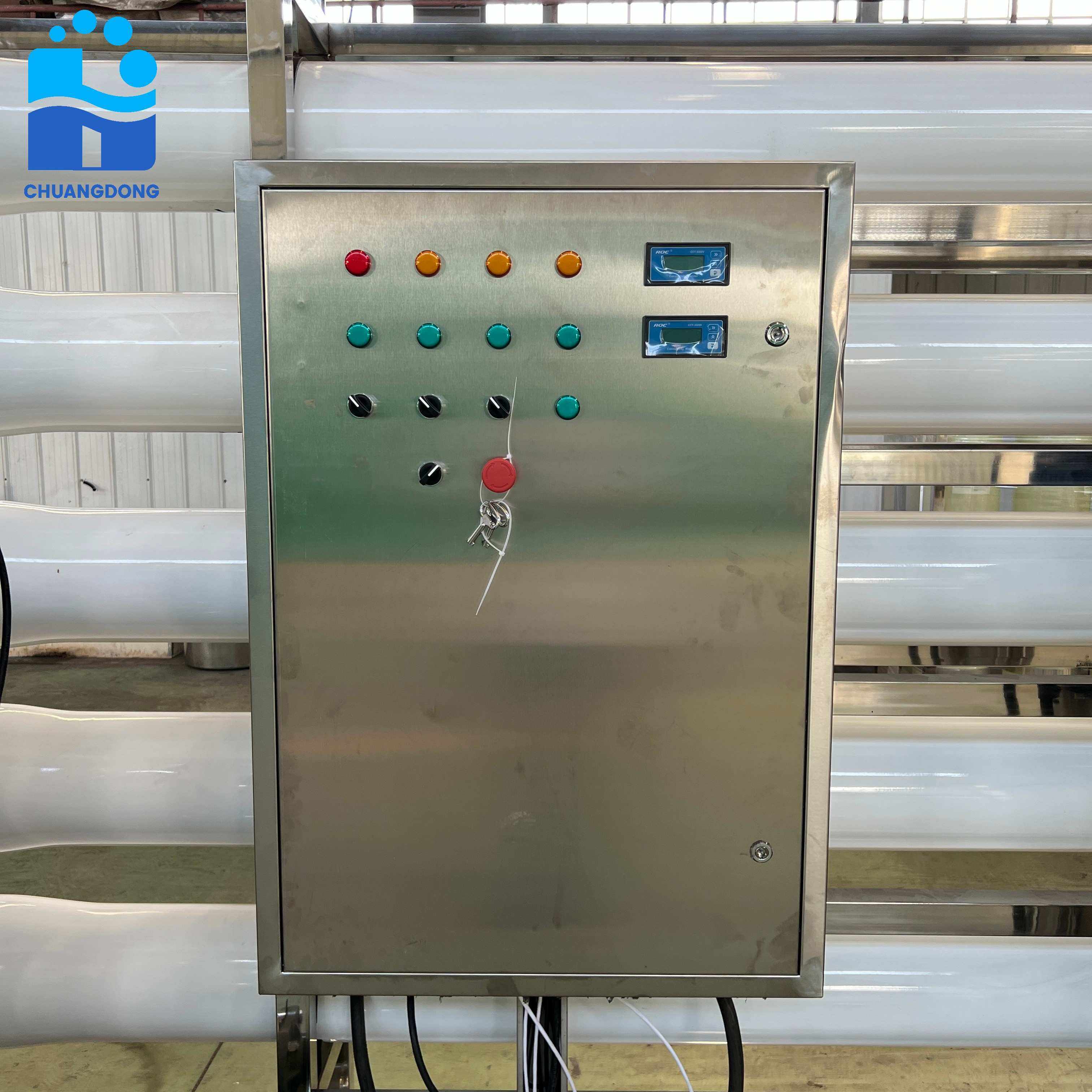
Modern water treatment and purification systems feature sophisticated real-time monitoring and control capabilities that ensure consistent water quality while optimizing system performance and efficiency. Advanced sensor arrays continuously measure critical parameters including pH levels, dissolved oxygen, turbidity, conductivity, and specific contaminant concentrations, providing instant feedback on water quality at multiple points throughout the treatment process. This comprehensive monitoring enables immediate detection of quality variations or system anomalies, triggering automatic adjustments to treatment parameters before problems affect final water output. Digital control systems process monitoring data using advanced algorithms that optimize chemical dosing, filtration rates, and backwash cycles based on actual water conditions rather than fixed schedules. This intelligent approach reduces chemical consumption while maintaining superior water quality, resulting in both cost savings and environmental benefits. Remote monitoring capabilities allow operators to supervise water treatment and purification systems from any location, receiving alerts about system status, maintenance requirements, or quality deviations through mobile devices or computer interfaces. Historical data logging creates detailed records of system performance and water quality trends, supporting regulatory compliance documentation and enabling predictive maintenance strategies. The monitoring system identifies patterns that indicate developing issues before they cause system failures, reducing downtime and repair costs. Automated reporting features generate compliance documents and quality reports required by regulatory agencies, streamlining administrative processes and ensuring consistent documentation. Integration with building management systems enables coordination between water treatment and purification operations and other facility systems, optimizing overall resource utilization. The user-friendly interface displays complex data in easy-to-understand formats, making system operation accessible to personnel with varying technical backgrounds. Emergency shutdown protocols activate automatically when monitoring systems detect potentially hazardous conditions, protecting both equipment and water quality from damage or contamination.
Energy-Efficient and Environmentally Sustainable Design

Energy-Efficient and Environmentally Sustainable Design

Contemporary water treatment and purification systems prioritize energy efficiency and environmental sustainability through innovative design approaches that minimize resource consumption while maximizing treatment effectiveness. Variable frequency drives control pump motors, automatically adjusting power consumption based on actual demand rather than operating at constant maximum capacity, reducing energy costs by up to forty percent compared to traditional systems. High-efficiency motors and optimized hydraulic designs minimize pressure losses throughout the system, requiring less energy to move water through treatment stages. Smart scheduling algorithms optimize energy-intensive processes such as backwashing and regeneration cycles during off-peak hours when electricity rates are lower, further reducing operational costs. The water treatment and purification process incorporates waste heat recovery systems that capture thermal energy from various treatment stages and redirect it for beneficial uses such as heating process water or facility spaces. Solar panel integration options enable renewable energy generation that can offset system power requirements, making operations carbon-neutral in suitable locations. Water recovery and recycling capabilities maximize resource utilization by treating and reusing process water that would otherwise be discharged as waste. Advanced membrane technologies require less frequent replacement and generate lower volumes of concentrate waste, reducing both maintenance costs and environmental impact. Chemical-free treatment options such as UV sterilization and ozonation eliminate the need for chlorine and other disinfectants that can create harmful byproducts or require special handling and storage. Biodegradable cleaning agents and environmentally safe system components ensure that maintenance activities do not introduce pollutants into the environment. The modular design enables system expansion or modification without replacing entire installations, reducing material waste and extending equipment lifespan. Automated optimization continuously adjusts operating parameters to minimize water waste and energy consumption while maintaining required quality standards. These sustainable design features not only reduce environmental impact but also provide long-term cost benefits that improve return on investment for water treatment and purification system owners.

Get a Free Quote

Our representative will contact you soon.
Email
Name
Company Name
Message
0/1000