Reverse Osmosis Water Filter Cost Guide 2024

Get a Free Quote

Our representative will contact you soon.
Email
Name
Company Name
Message
0/1000

reverse osmosis water filter cost

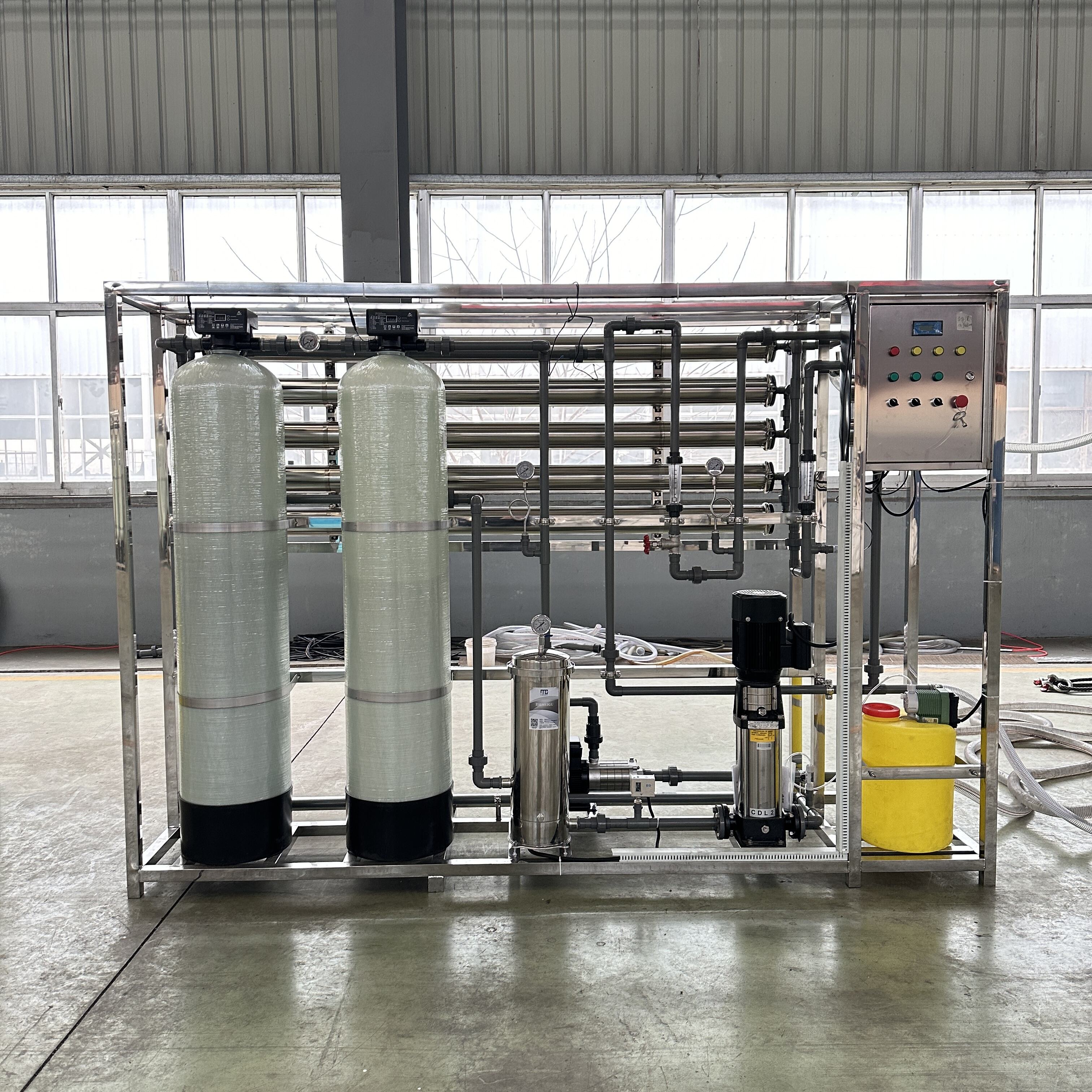
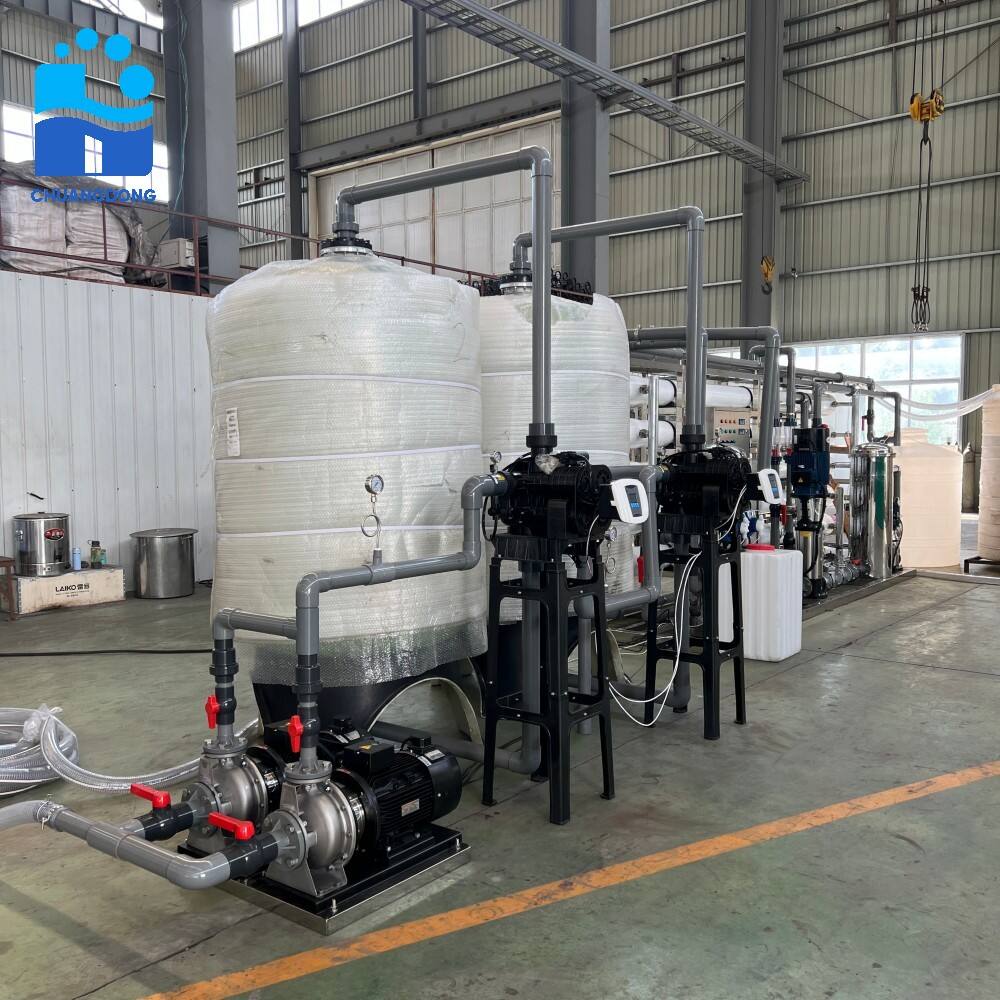
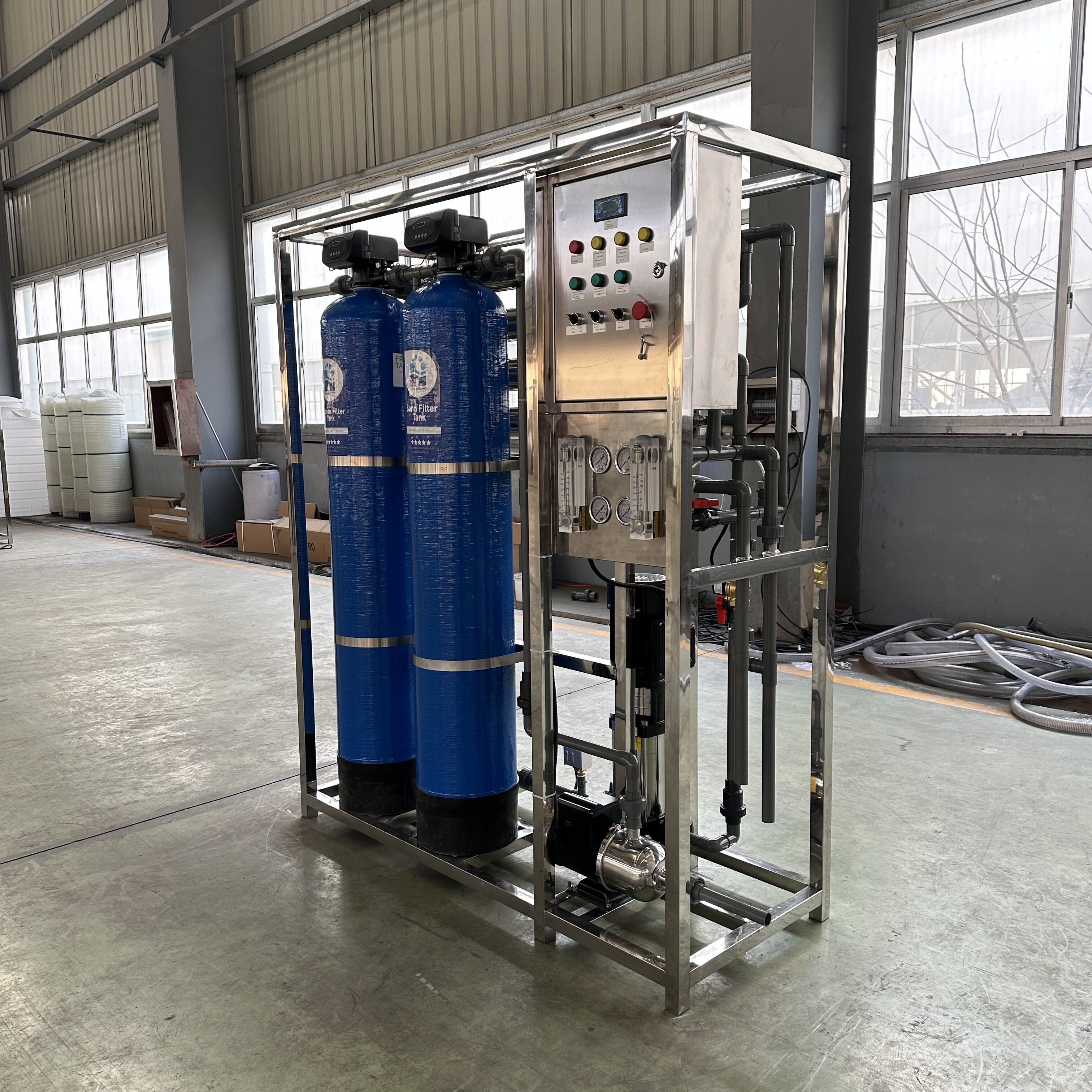
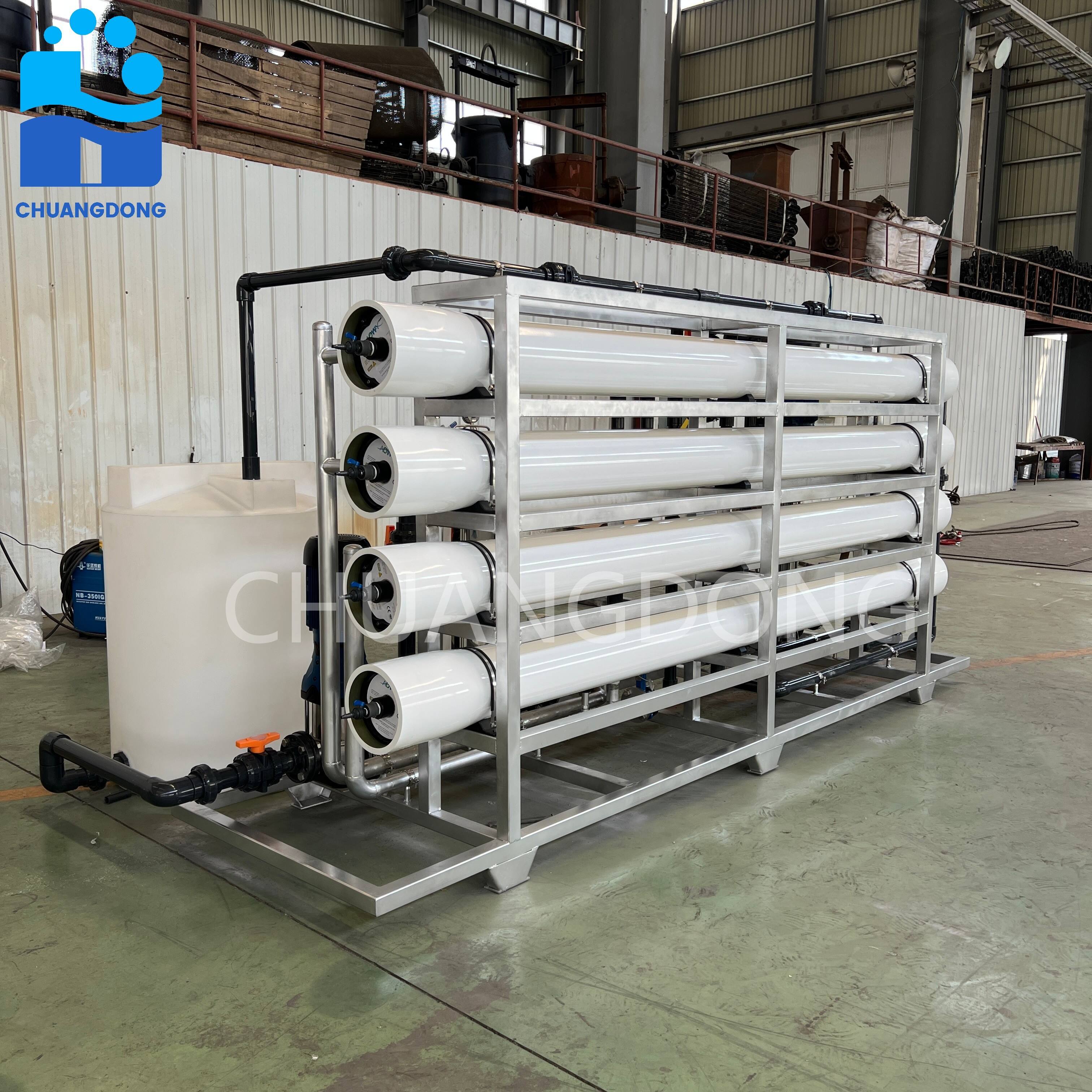
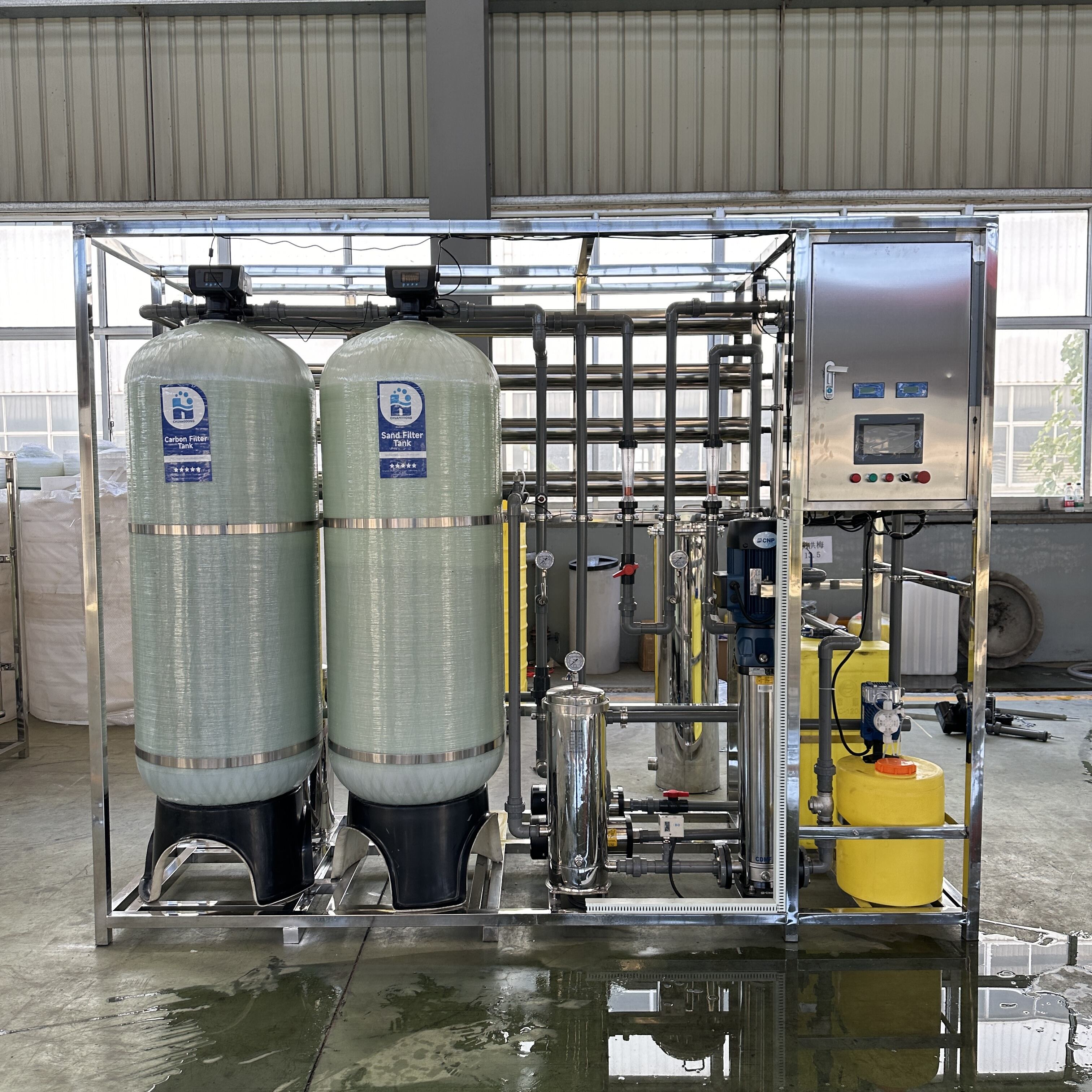
Understanding the reverse osmosis water filter cost is essential for homeowners and businesses seeking clean, purified drinking water. Reverse osmosis systems use advanced membrane technology to remove up to 99% of contaminants including lead, chlorine, fluoride, bacteria, and dissolved solids from water supplies. The reverse osmosis water filter cost typically ranges from $200 to $500 for under-sink residential units, while whole-house systems can reach $1,500 to $5,000 depending on capacity and features. These multi-stage filtration systems work by forcing water through a semi-permeable membrane that blocks impurities while allowing pure water molecules to pass through. The technology features pre-filters that remove sediment and chlorine, the RO membrane that eliminates microscopic contaminants, and post-filters that polish the water for optimal taste. Applications span residential kitchens, commercial food service, medical facilities, laboratories, and industrial processes requiring high-purity water. When evaluating reverse osmosis water filter cost, consider that initial investment includes installation expenses, typically $100 to $300 for professional setup. Operating costs involve periodic filter replacements every 6-12 months, with annual maintenance averaging $60 to $200. The system produces water on demand, storing purified water in a pressurized tank for convenient access. Modern units offer space-efficient designs, some with tankless configurations, and varying daily production capacities from 50 to 100 gallons for residential use, making them suitable for different household sizes and consumption needs.

New Product Releases

When examining reverse osmosis water filter cost against long-term benefits, the value proposition becomes compelling for health-conscious consumers. These systems eliminate bottled water expenses, which average $500 to $1,000 annually per household, meaning your investment pays for itself within one to two years. The operational advantages include consistent water quality regardless of municipal supply fluctuations, protecting your family from unexpected contamination events. You gain unlimited access to purified water for drinking, cooking, baby formula preparation, and pet care without storage limitations or delivery schedules. The reverse osmosis water filter cost includes protection for your appliances, as purified water prevents mineral buildup in coffee makers, humidifiers, and steam irons, extending their operational lifespan. Installation is straightforward, fitting beneath standard kitchen sinks without major plumbing modifications, and most homeowners can complete DIY installation with basic tools. Modern systems operate quietly and automatically, requiring minimal user intervention beyond scheduled filter changes that take just minutes. The decision to invest in reverse osmosis technology means reducing plastic waste from thousands of disposable bottles annually, supporting environmental sustainability while improving taste and odor compared to tap or even filtered pitcher water. Application suitability extends beyond drinking, as purified water benefits aquariums, hydroponics, and specialized hobbies requiring contamination-free water. For families with immune-compromised members, infants, or elderly residents, the health security justifies the reverse osmosis water filter cost through reduced exposure to potentially harmful substances. Energy consumption remains negligible, using only household water pressure without electrical requirements for basic models, though premium versions with pumps or UV sterilization consume minimal electricity. The transparent cost structure lets you budget accurately, with predictable maintenance schedules and widely available replacement components from multiple suppliers ensuring competitive pricing.

Latest News

How Do You Sanitize and Maintain the Storage Tank of Your Residential Reverse Osmosis System?

30

Mar

How Do You Sanitize and Maintain the Storage Tank of Your Residential Reverse Osmosis System?

Proper sanitization and maintenance of your reverse osmosis system storage tank is crucial for ensuring clean, safe drinking water in your home. The storage tank serves as the reservoir that holds your purified water until you need it, but without re...
View More
How Does a Water Softener System with a Pre-Filter Protect the Resin from Sediment Damage?

07

May

How Does a Water Softener System with a Pre-Filter Protect the Resin from Sediment Damage?

Water softening technology relies on ion exchange resin beads to remove hardness minerals from incoming water supplies, but these delicate resin materials face constant threat from suspended particles, turbidity, and debris present in untreated sourc...
View More
Can a Desalination Plant Provide Water That's Safe for Both Drinking and Irrigation?

01

Jun

Can a Desalination Plant Provide Water That's Safe for Both Drinking and Irrigation?

The question of whether a desalination plant can reliably produce water safe for both drinking and irrigation is one that water engineers, agricultural planners, and municipal authorities are asking with increasing urgency. As freshwater scarcity int...
View More
How Do You Winterize a Desalination Plant in Seasonal Coastal Homes to Prevent Damage?

12

Jun

How Do You Winterize a Desalination Plant in Seasonal Coastal Homes to Prevent Damage?

Owning a seasonal coastal home equipped with a private desalination plant brings incredible freedom — clean, fresh water drawn directly from the sea, independent of municipal supply. But when the season ends and the property sits vacant through winte...
View More

Get a Free Quote

Our representative will contact you soon.
Email
Name
Company Name
Message
0/1000

reverse osmosis water filter cost

Comprehensive Contaminant Removal Technology

Comprehensive Contaminant Removal Technology

The reverse osmosis water filter cost reflects sophisticated multi-barrier purification that standard filters cannot match. This technology employs a series of filtration stages beginning with sediment pre-filters that capture particles down to 5 microns, protecting the delicate RO membrane from premature clogging. The heart of the system, the semi-permeable membrane, contains microscopic pores measuring just 0.0001 microns, small enough to block dissolved salts, heavy metals, pharmaceuticals, and microorganisms while permitting water molecules to pass freely. This process reduces total dissolved solids from potentially hazardous levels exceeding 500 ppm down to pristine levels below 50 ppm, dramatically improving water safety and taste. Carbon post-filters then polish the purified water, removing any residual tastes or odors before it reaches your glass. Testing demonstrates removal rates of 95-99% for lead, arsenic, fluoride, nitrates, chromium, radium, and hundreds of other documented contaminants. Unlike simple carbon filters that merely improve taste, reverse osmosis addresses the broadest spectrum of water quality concerns, justifying the reverse osmosis water filter cost through comprehensive protection that few alternative technologies can provide at residential scale.
Long-Term Economic Value and Cost Savings

Long-Term Economic Value and Cost Savings

Analyzing reverse osmosis water filter cost through a lifecycle perspective reveals substantial economic advantages that extend far beyond the initial purchase price. While upfront investment appears significant compared to basic filtration pitchers, the per-gallon cost of RO-purified water averages just $0.02 to $0.05, compared to $0.50 to $2.00 for bottled water. A family consuming 5 gallons weekly saves approximately $1,200 to $5,000 over a typical 10-year system lifespan. Maintenance costs remain predictable and manageable, with filter sets costing $50 to $80 annually and membrane replacements needed only every 2-3 years at $60 to $100. The system requires no electricity for standard gravity-fed models, eliminating ongoing energy expenses. Additionally, pure water extends the life of water-using appliances by preventing scale accumulation that causes inefficiency and premature failure. Homeowners report reduced spending on commercial cleaning products, as pure water cleans more effectively without mineral residues. The reverse osmosis water filter cost also protects plumbing infrastructure from corrosion and buildup, potentially avoiding costly repairs. Real estate experts note that installed water purification systems increase home value and appeal to health-conscious buyers, providing return on investment even if you relocate before fully amortizing the system cost.
Practical Installation and User-Friendly Operation

Practical Installation and User-Friendly Operation

The reverse osmosis water filter cost includes user-centric design features that make these systems remarkably accessible for typical homeowners without specialized plumbing expertise. Most under-sink models require only 12 to 15 inches of cabinet space and connect to standard cold water lines using push-fit connectors that eliminate the need for soldering or threading pipes. The installation process typically takes 2-3 hours for DIY enthusiasts following included instructions, or professionals complete setup in under an hour. Systems include a dedicated faucet that mounts through an existing sink hole or countertop, providing instant access to purified water without affecting your existing fixtures. The storage tank maintains 2-4 gallons of filtered water under pressure, ensuring immediate availability even during peak usage periods. LED indicators on premium models alert users when filter replacement becomes necessary, eliminating guesswork about maintenance timing. The reverse osmosis water filter cost delivers convenience through automatic shut-off valves that prevent overflow, and modern quick-change filter cartridges that twist in and out without tools or water spillage. Compact designs accommodate even small cabinet spaces, while modular components allow upgrades like remineralization filters or permeate pumps as needs evolve, protecting your initial investment through adaptable functionality that grows with changing household requirements.

Get a Free Quote

Our representative will contact you soon.
Email
Name
Company Name
Message
0/1000