EN
EN



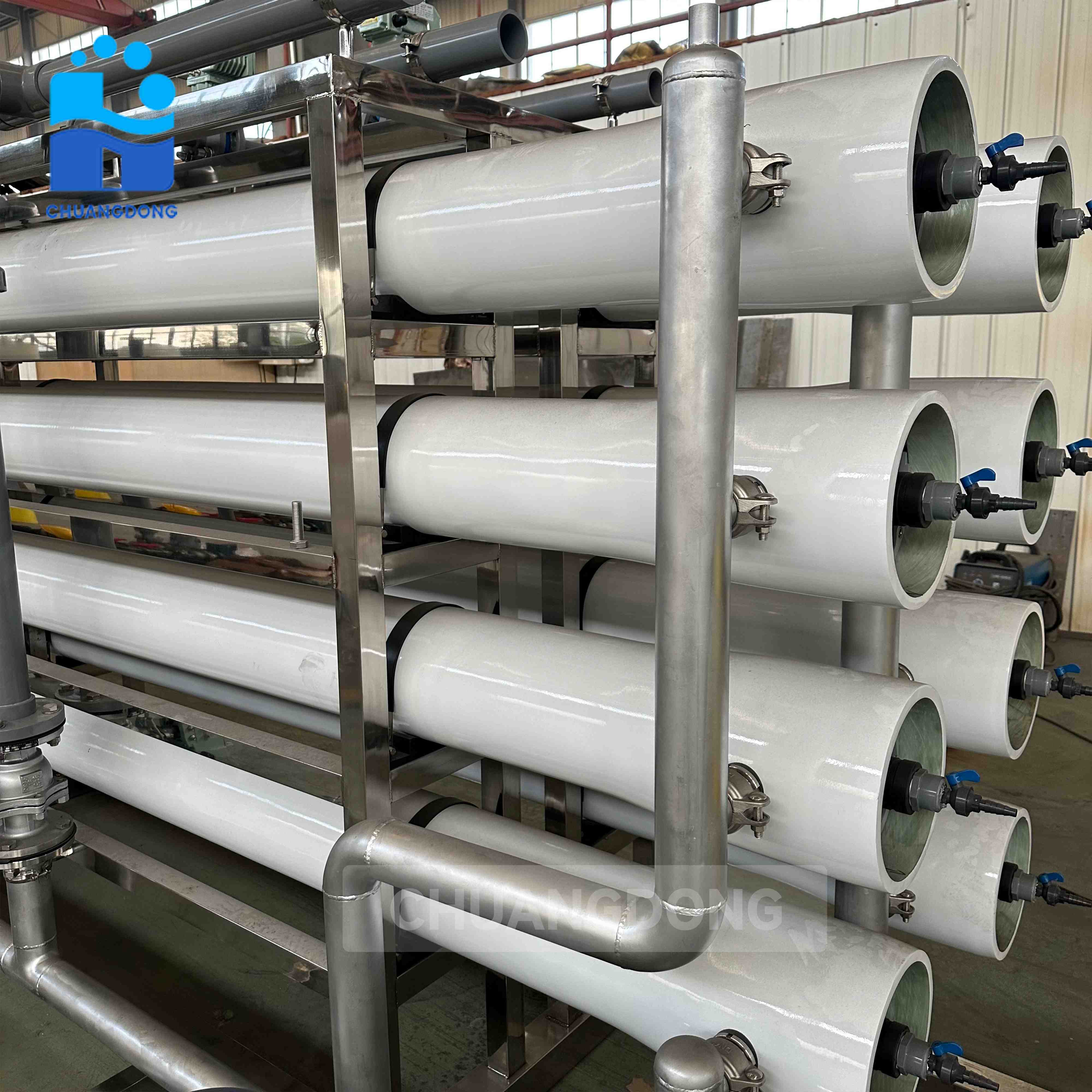
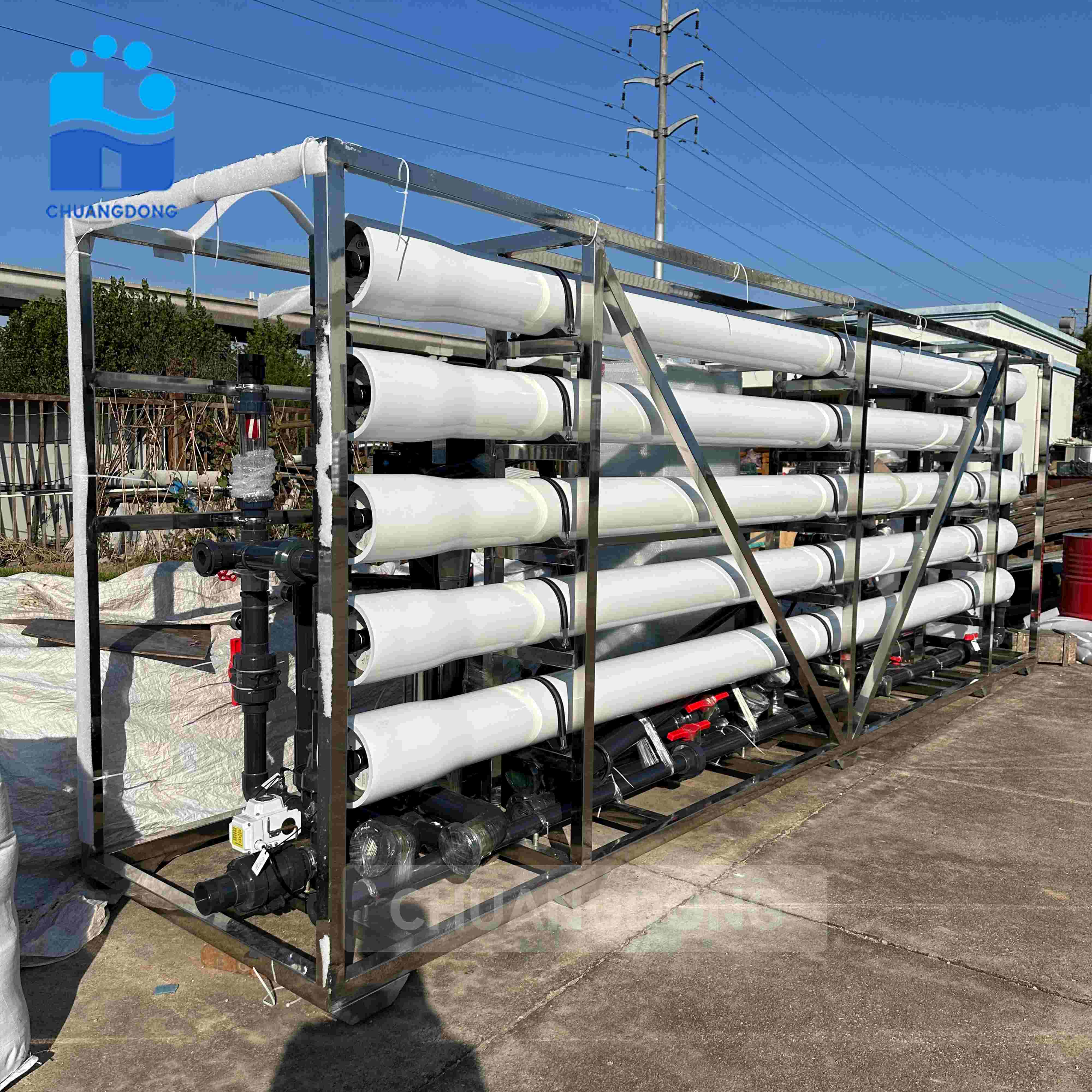
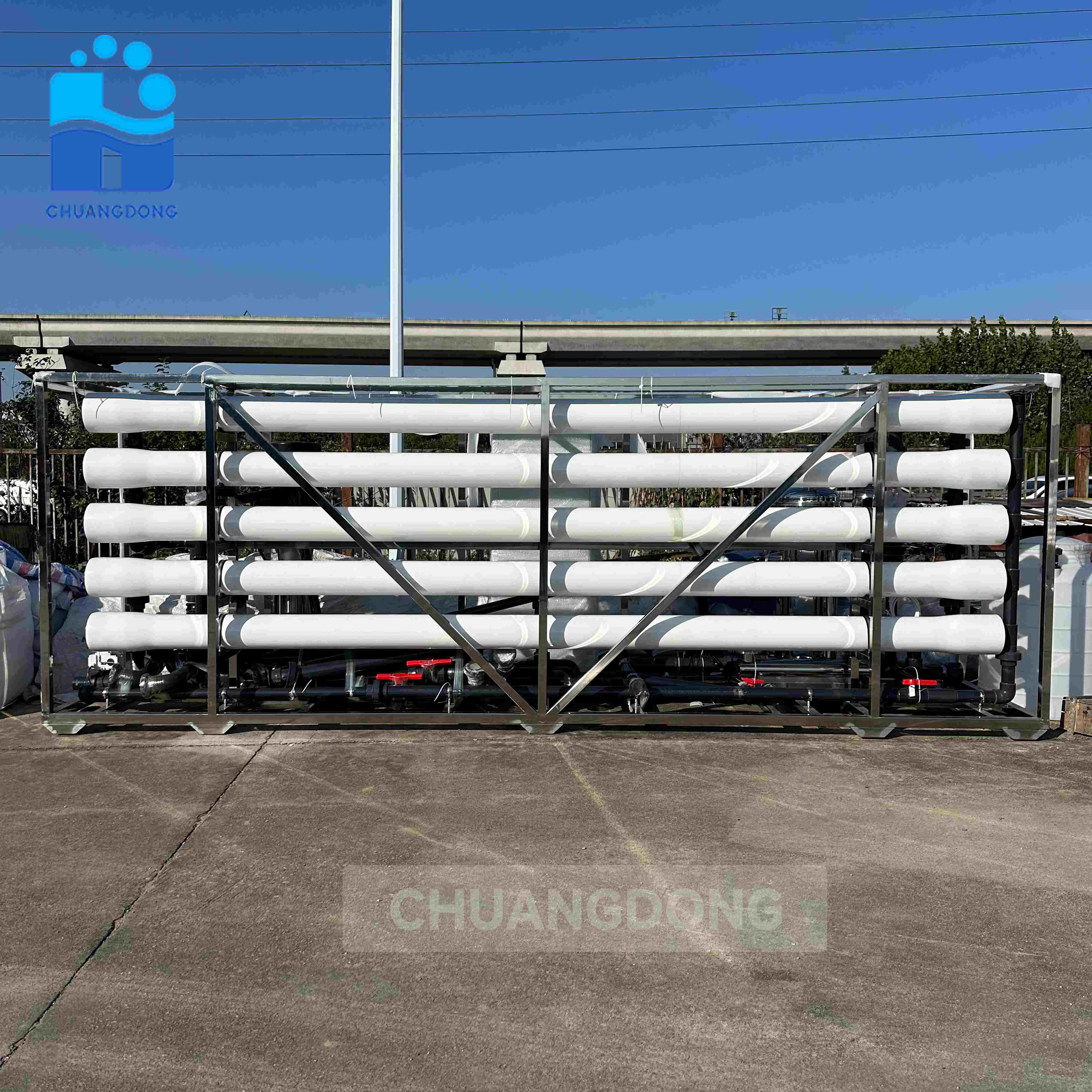
Industrial Brackish Water Reverse Osmosis Systems (BWRO) | Reliable Industrial Water Treatment
- Overview
- Recommended Products
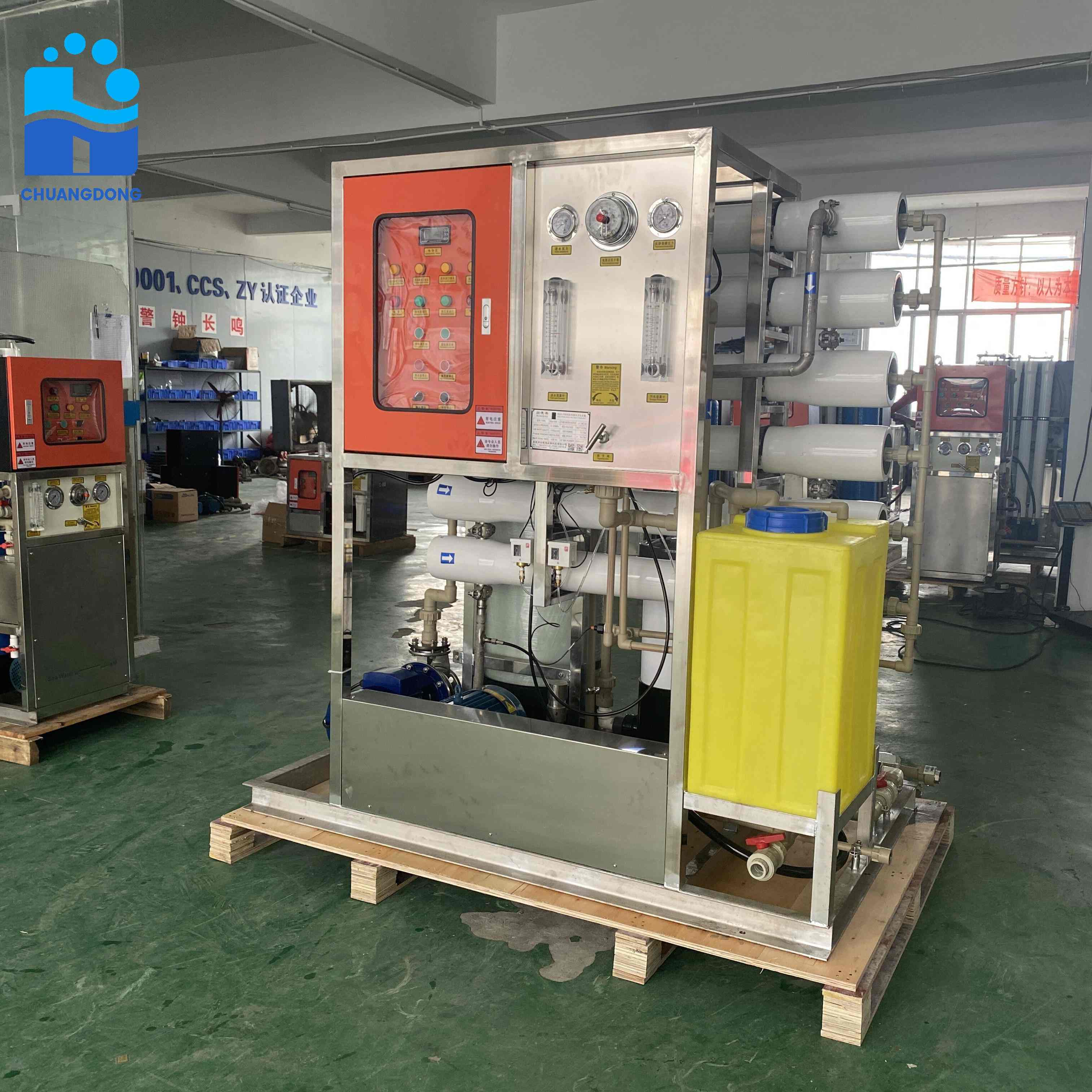
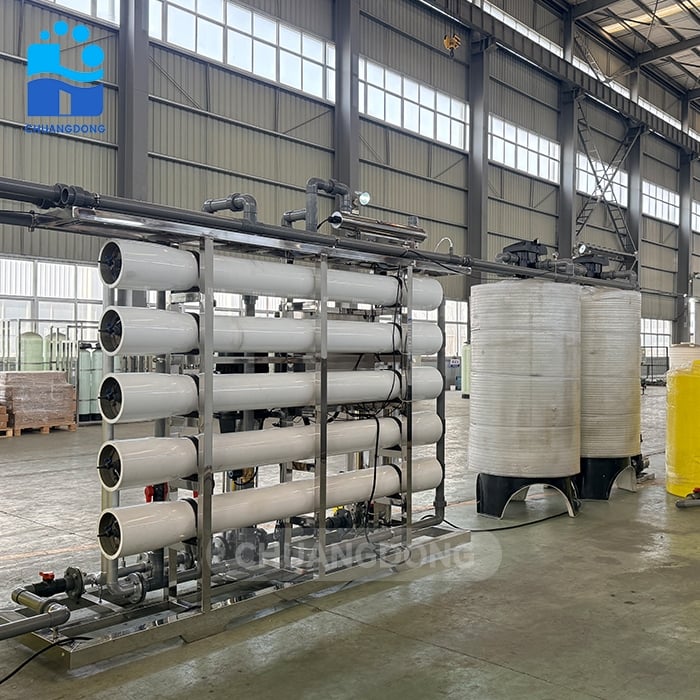
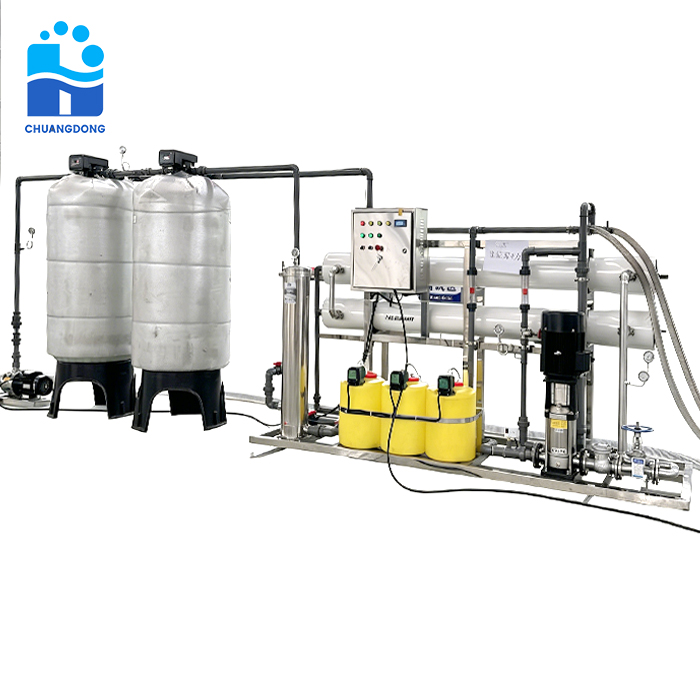
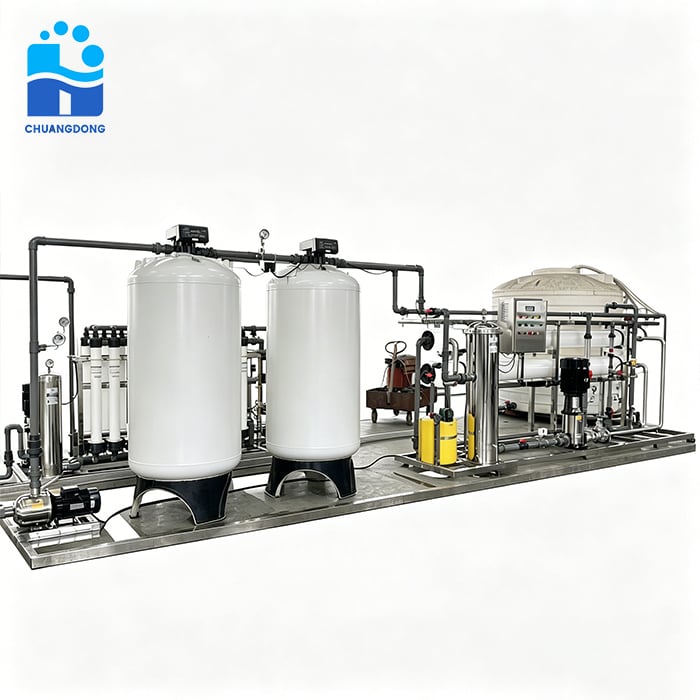
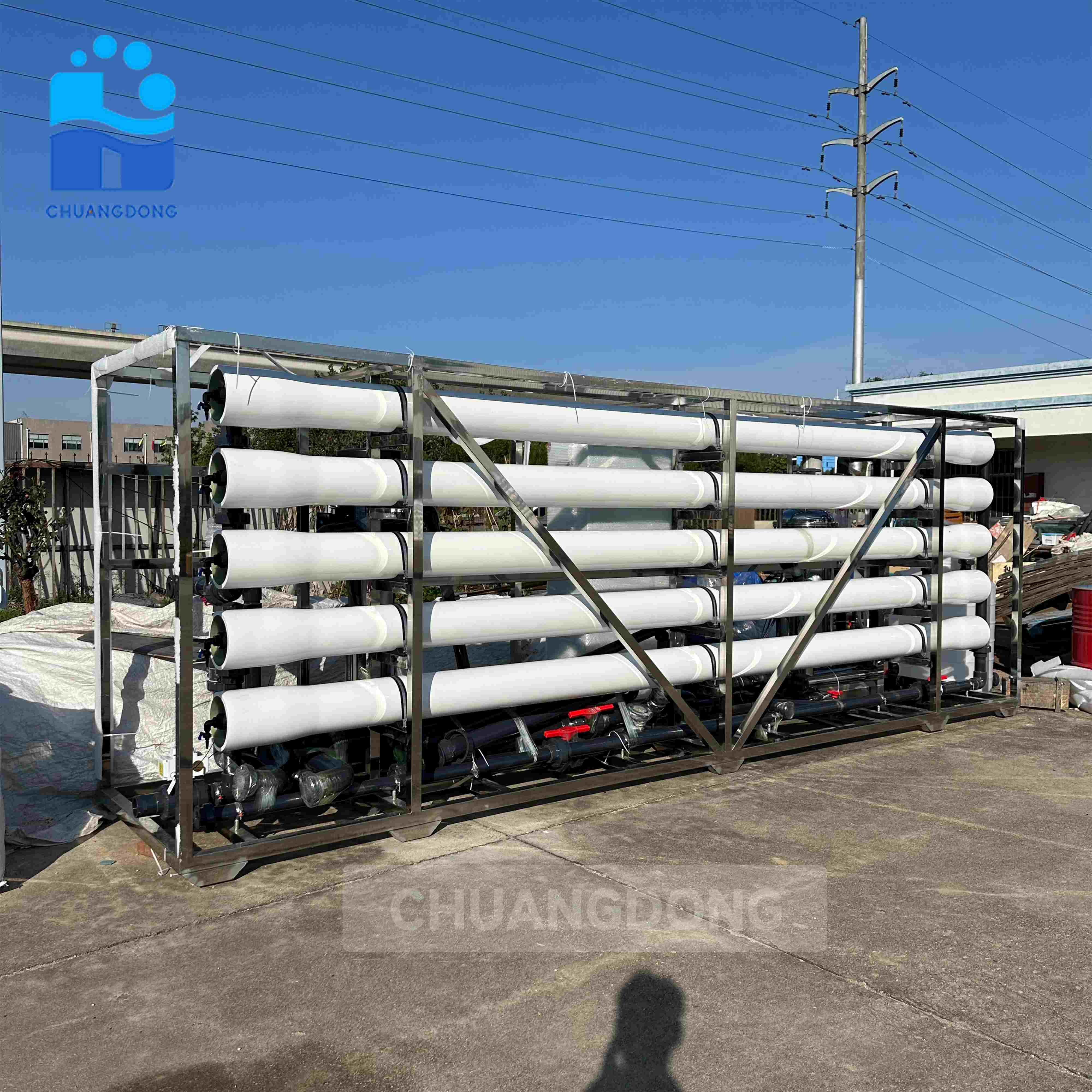
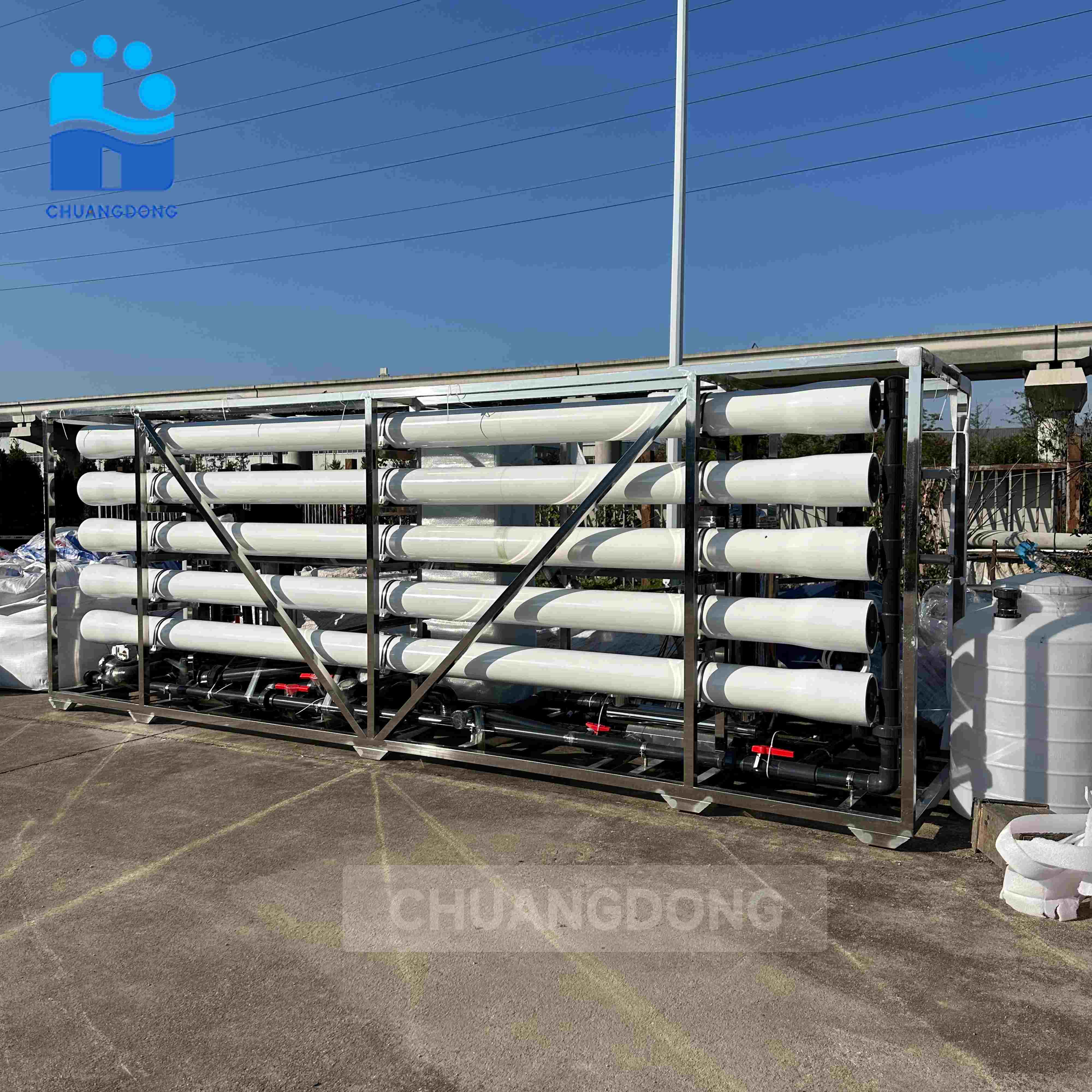
Industrial Brackish Water Reverse Osmosis Systems are designed to treat brackish water with elevated dissolved salt levels and convert it into high-quality water for industrial production and utility applications. Using pressure-driven membrane separation, BWRO systems reduce dissolved salts, minerals, and other contaminants that cannot be effectively removed by conventional filtration.
Compared with systems designed for low-TDS freshwater, a brackish water reverse osmosis system is engineered around the specific characteristics of brackish feed water. Feed-water TDS, temperature, hardness, turbidity, recovery requirements, and required permeate quality all influence the selection of membranes, pumps, pretreatment equipment, and operating conditions.
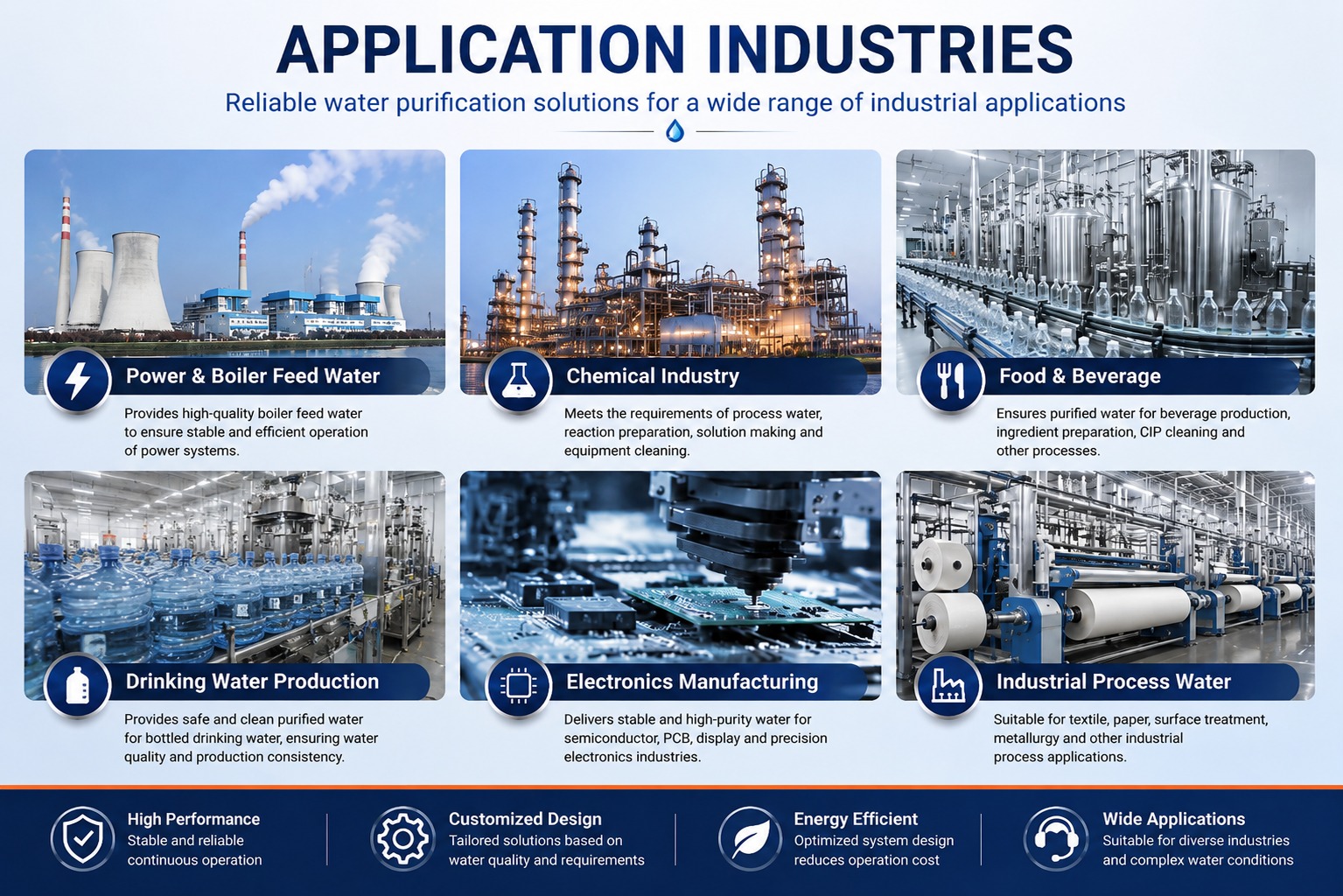
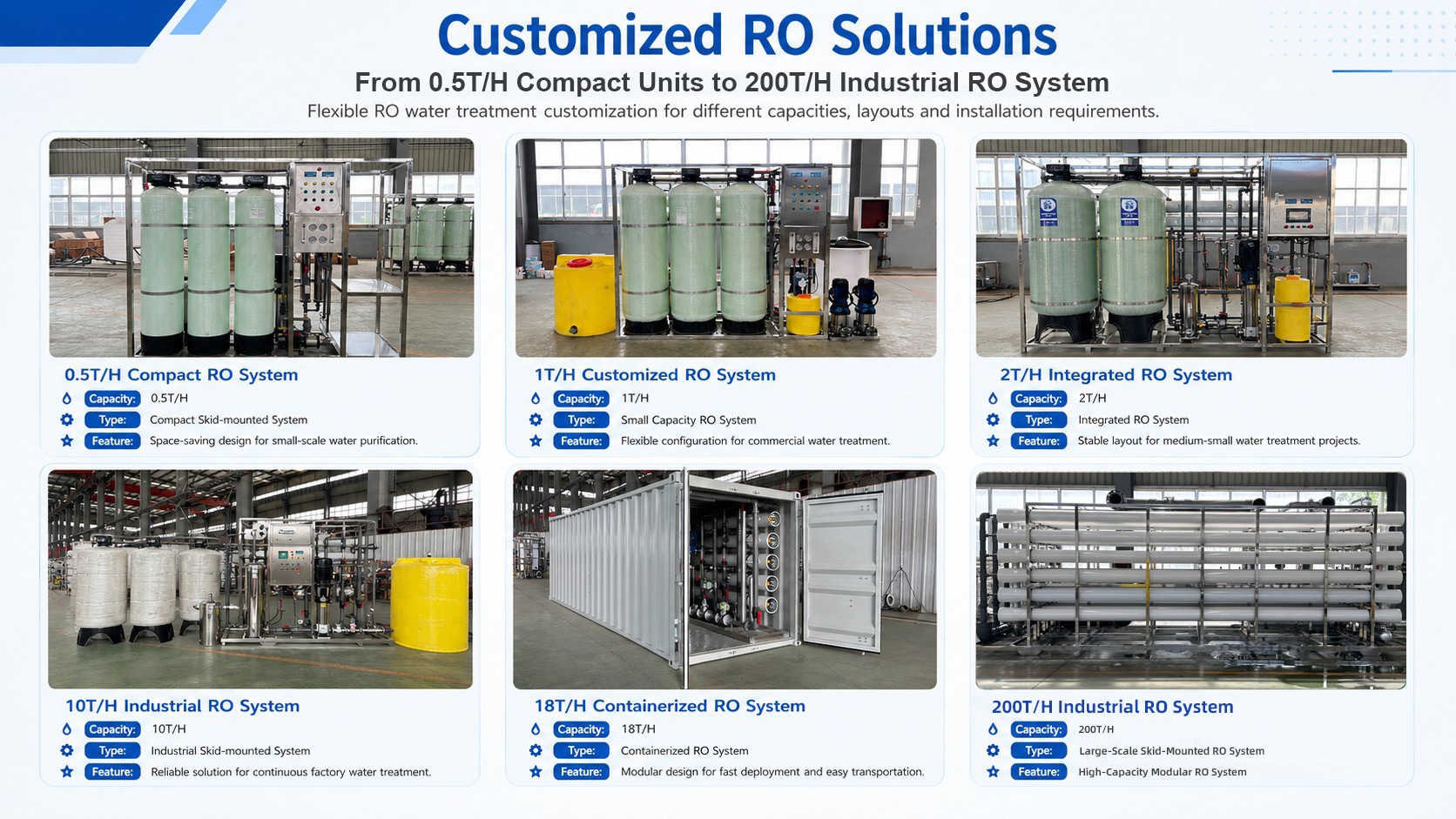
Chuangdong provides customized Industrial Brackish Water Reverse Osmosis Systems for factories, hotels, food and beverage facilities, power plants, boiler feed water applications, process water production, and industrial water reuse projects.
Technical Overview of BWRO Systems
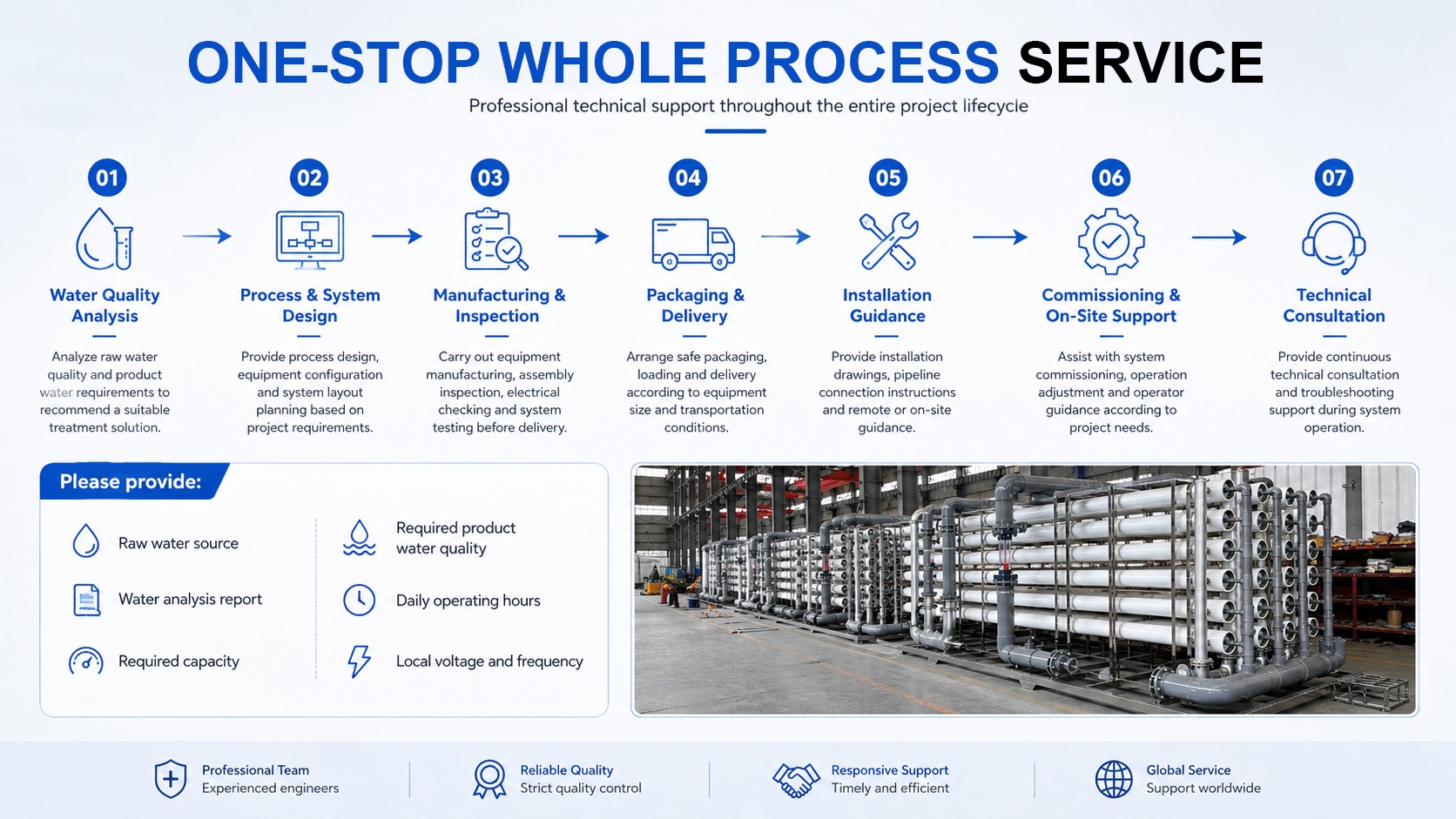
A typical BWRO system consists of several coordinated treatment stages rather than the RO membrane alone. The complete configuration is selected according to the feed-water analysis and the required treated-water quality.
BWRO Process Flow
1. Brackish Water Intake
The system receives brackish groundwater, surface water, municipal water, or another suitable feed-water source. Initial water analysis determines the appropriate treatment configuration.
2. Pretreatment
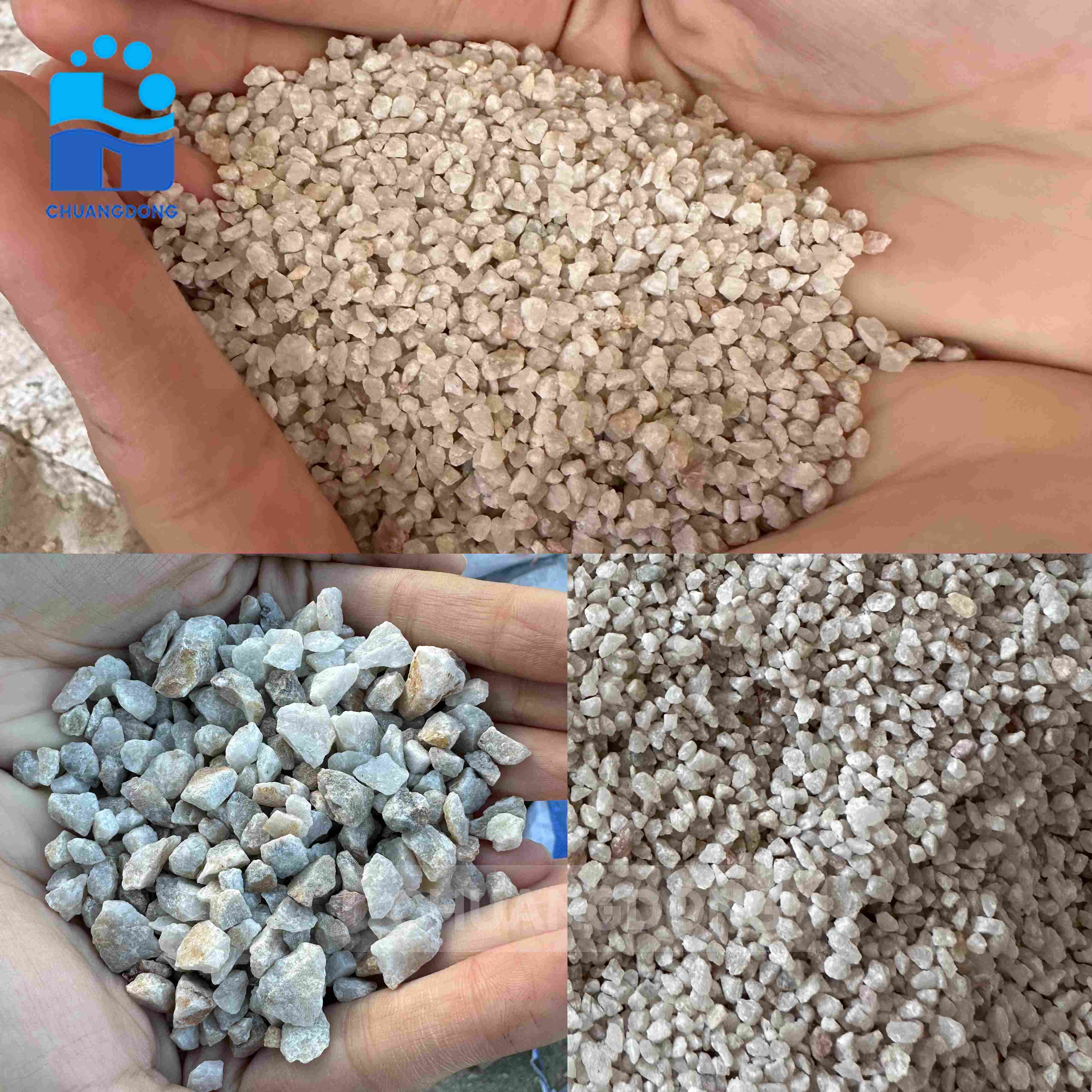
Pretreatment reduces substances that can affect RO membrane performance. Depending on the feed water, this stage may include multimedia filtration, activated carbon, water softening, ultrafiltration, or chemical dosing.
3. Fine Filtration
Cartridge filters provide final particle removal before the water enters the high-pressure RO unit.
4. High-Pressure RO Treatment
The high-pressure pump supplies the driving force for membrane separation. Water is distributed through the RO membrane elements under controlled pressure.
5. Permeate Production
Low-TDS permeate is collected as treated water. Depending on the final application, it can be supplied directly to industrial processes or sent to additional polishing treatment.
6. Concentrate Management
The rejected salts and contaminants remain in the concentrate stream. This stream can be discharged, partially recovered, or sent to additional treatment according to local regulations and project requirements.
Industrial BWRO vs. Standard Reverse Osmosis Systems
Although both systems use the same fundamental reverse osmosis principle, their design conditions can be different.
Comparison |
Industrial Brackish Water RO |
Standard RO System |
Feed Water |
Brackish water with elevated TDS |
Usually lower-TDS freshwater or other specified feed water |
Main Challenge |
Higher dissolved salts, scaling potential, and variable water chemistry |
Depends on the specific feed-water quality |
Pressure Requirement |
Generally higher than low-TDS freshwater RO |
Varies according to feed-water TDS and membrane design |
Pretreatment |
Often requires more careful hardness, turbidity, and fouling control |
Configuration depends on feed-water quality |
Membrane Selection |
Selected specifically for brackish-water conditions |
Selected according to the application and feed water |
Recovery Design |
Optimized according to TDS, scaling potential, and water chemistry |
Determined by feed-water characteristics and project requirements |
Applications |
Industrial process water, boiler feed water, water reuse, hotels, food & beverage, power plants |
Broad range of commercial and industrial water treatment applications |
The key difference is therefore not simply the name of the RO equipment. BWRO systems are engineered around the higher salt concentration and specific chemical characteristics of brackish feed water.