Advanced RO Desalination Systems - Efficient Seawater Treatment Solutions

Get a Free Quote

Our representative will contact you soon.
Email
Name
Company Name
Message
0/1000

ro desalination system

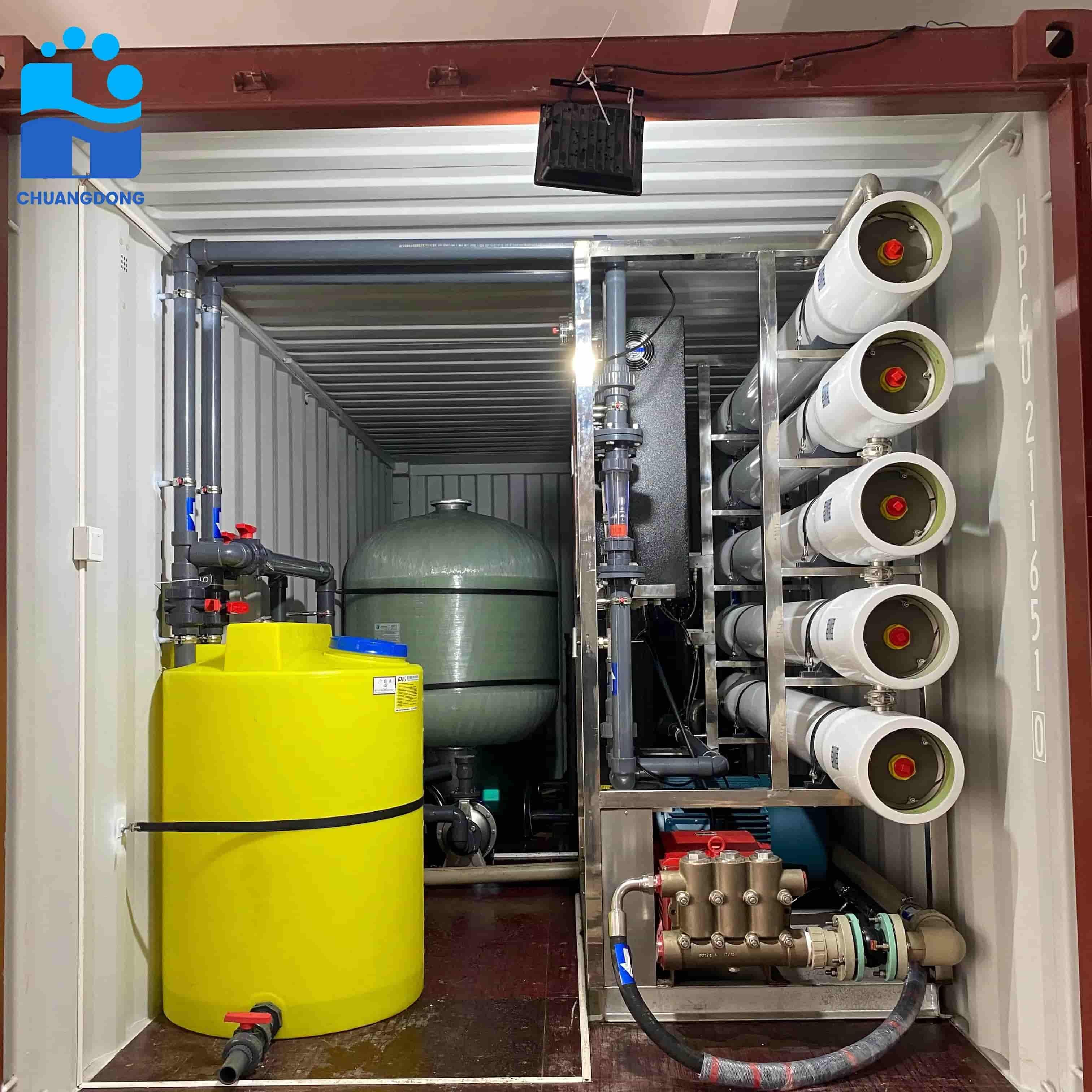
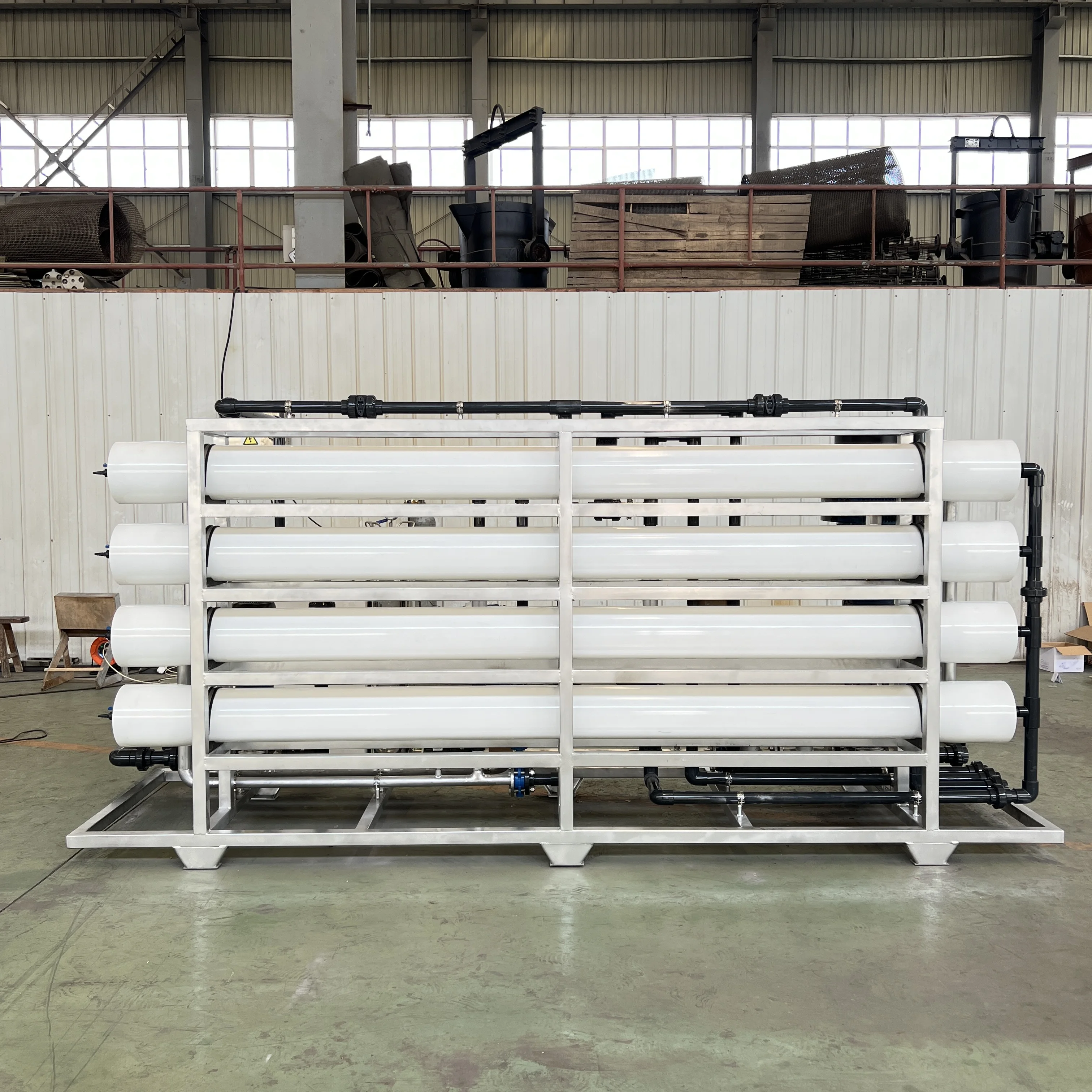
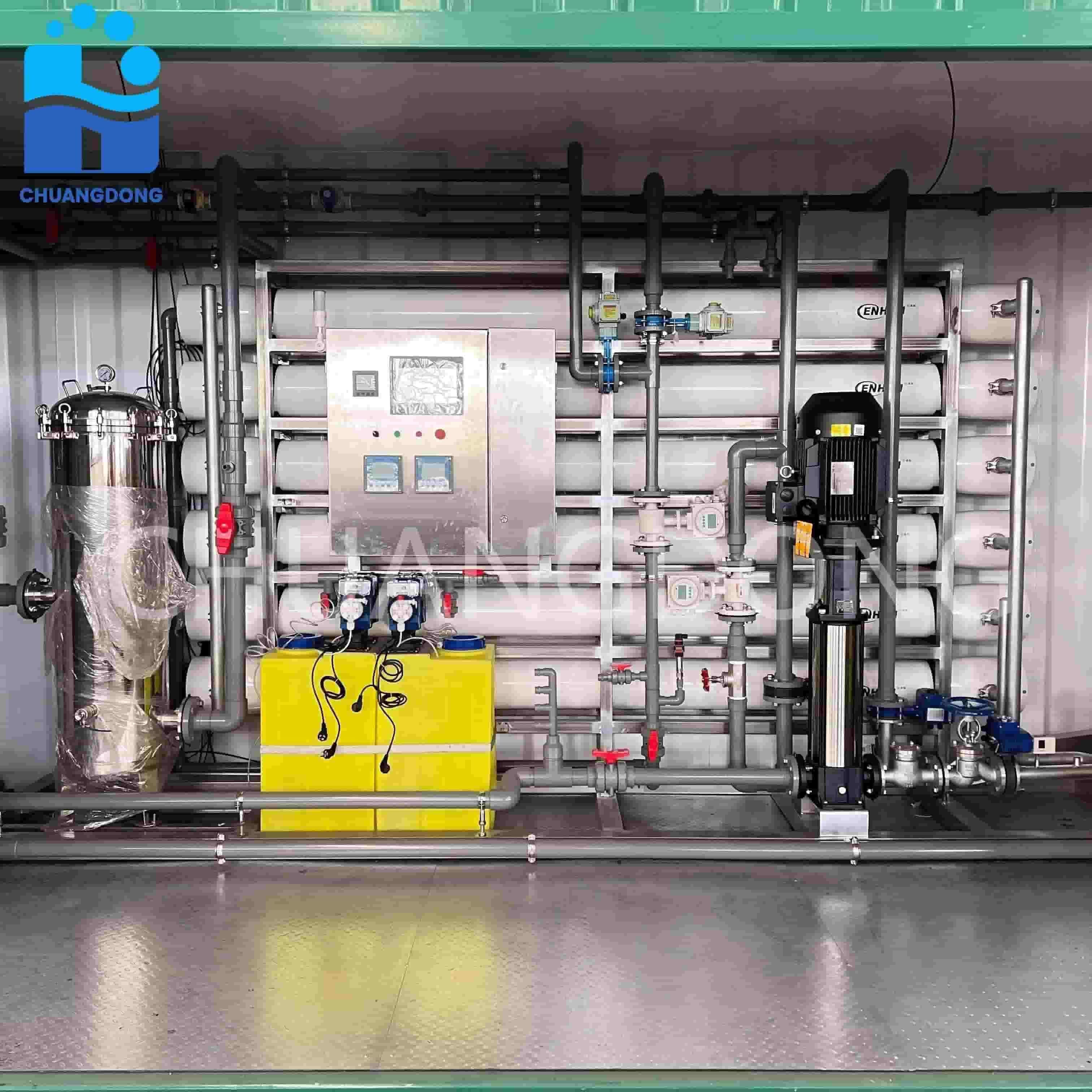
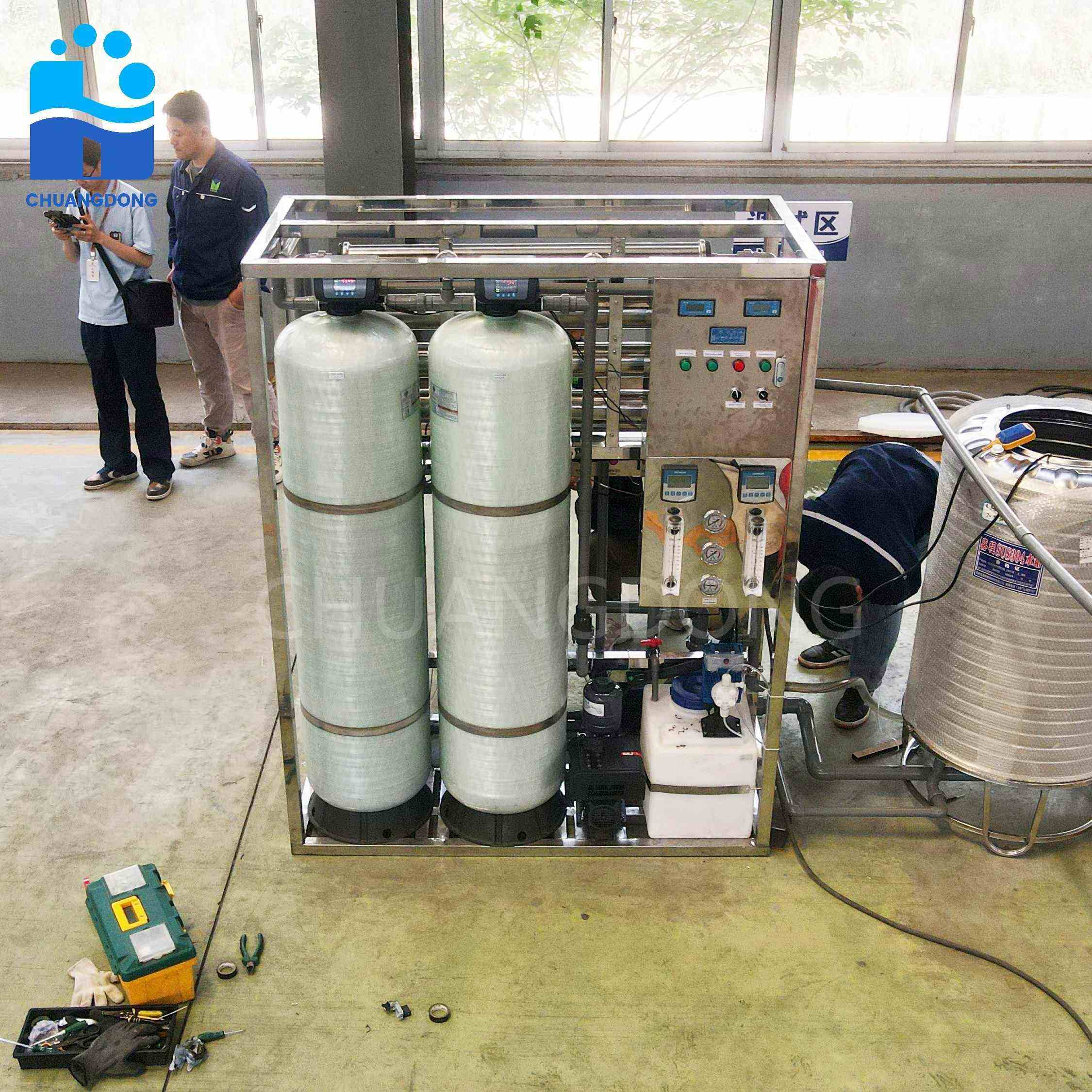
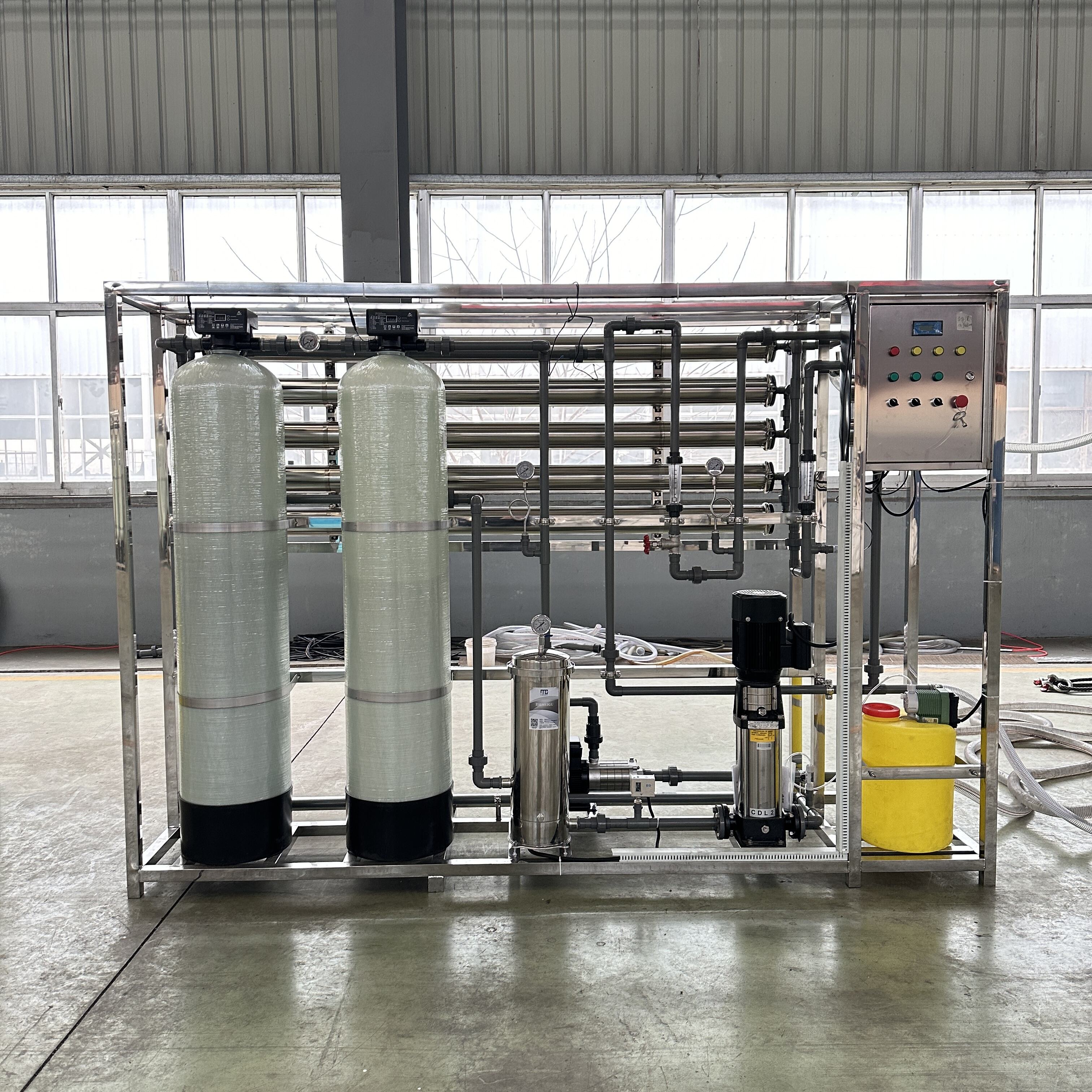
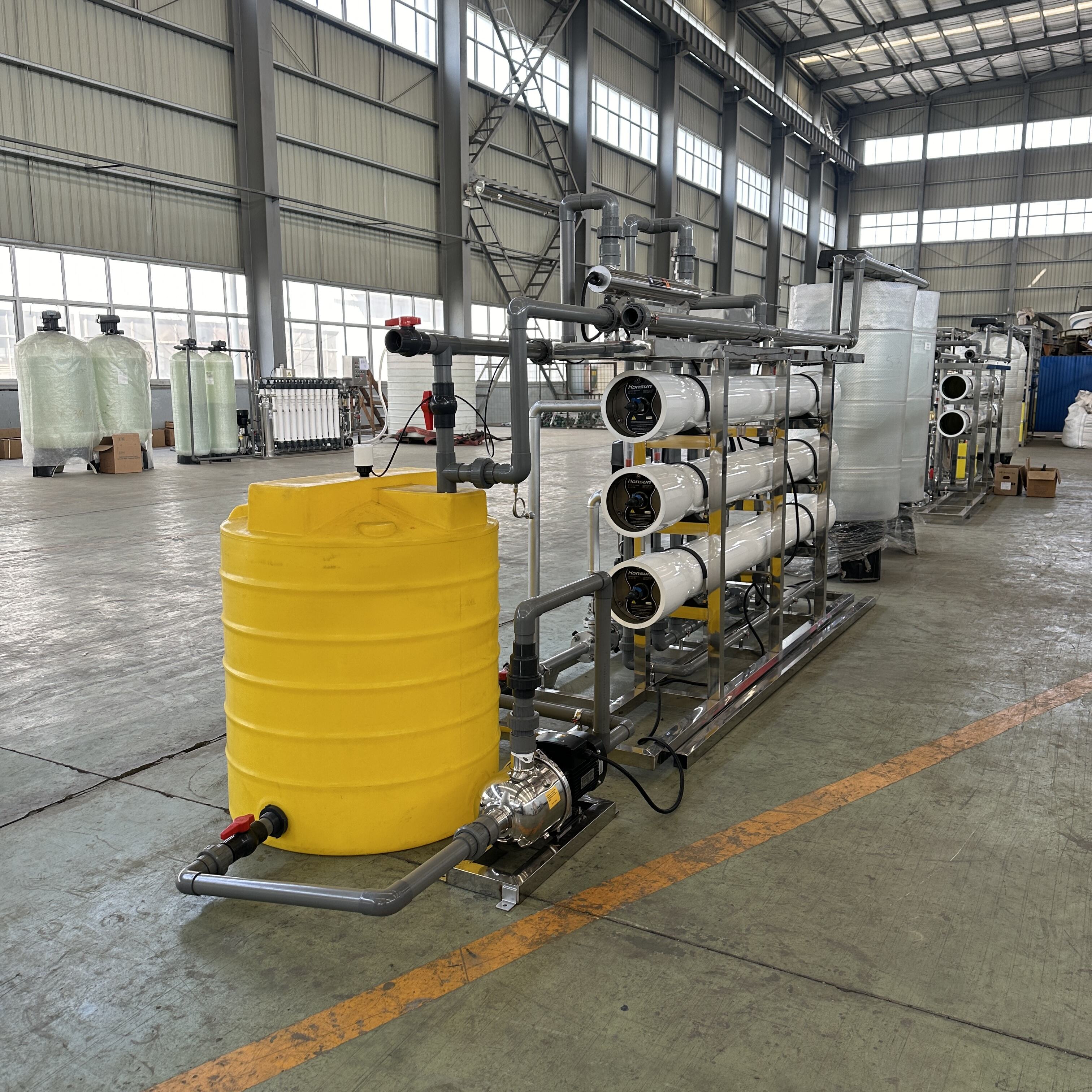
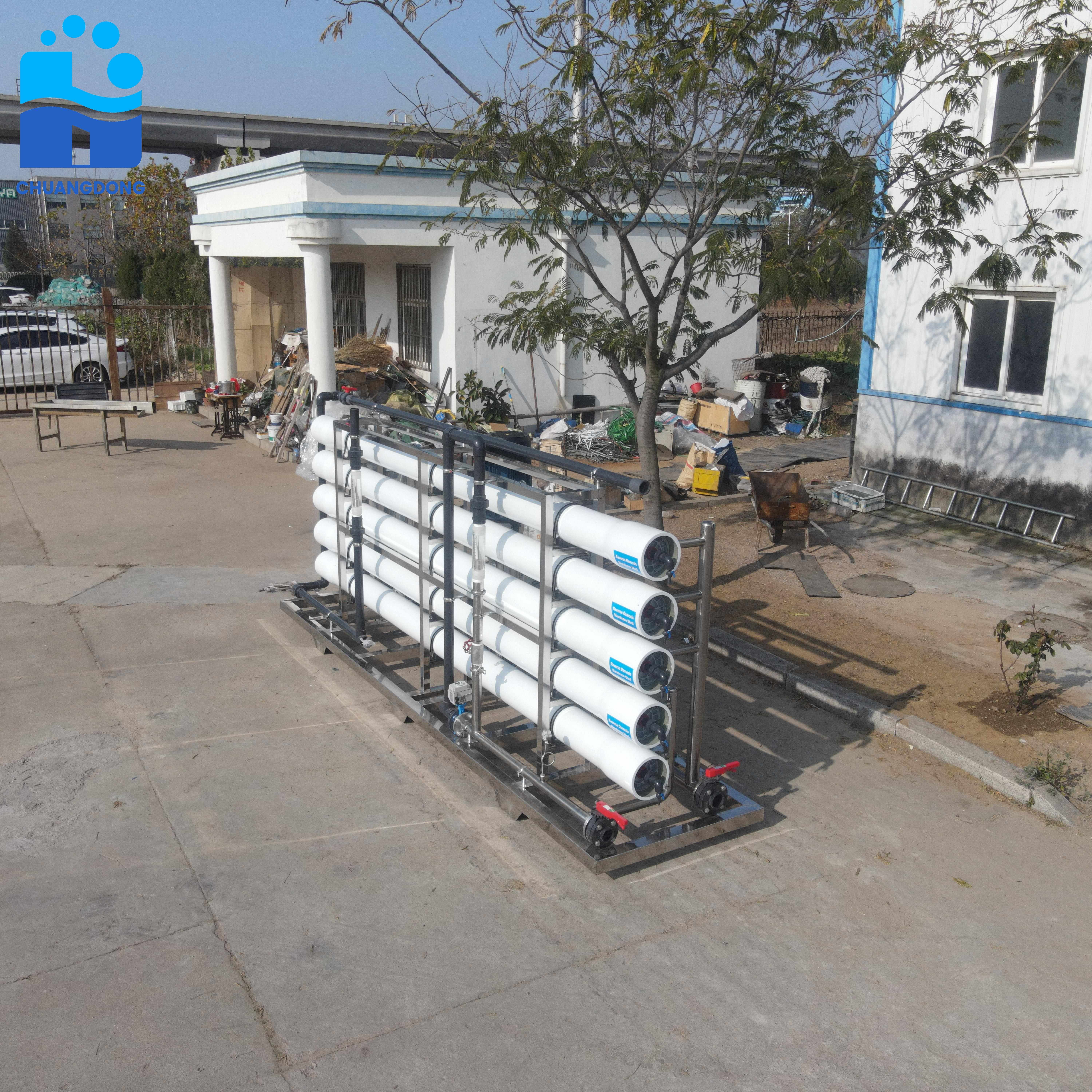
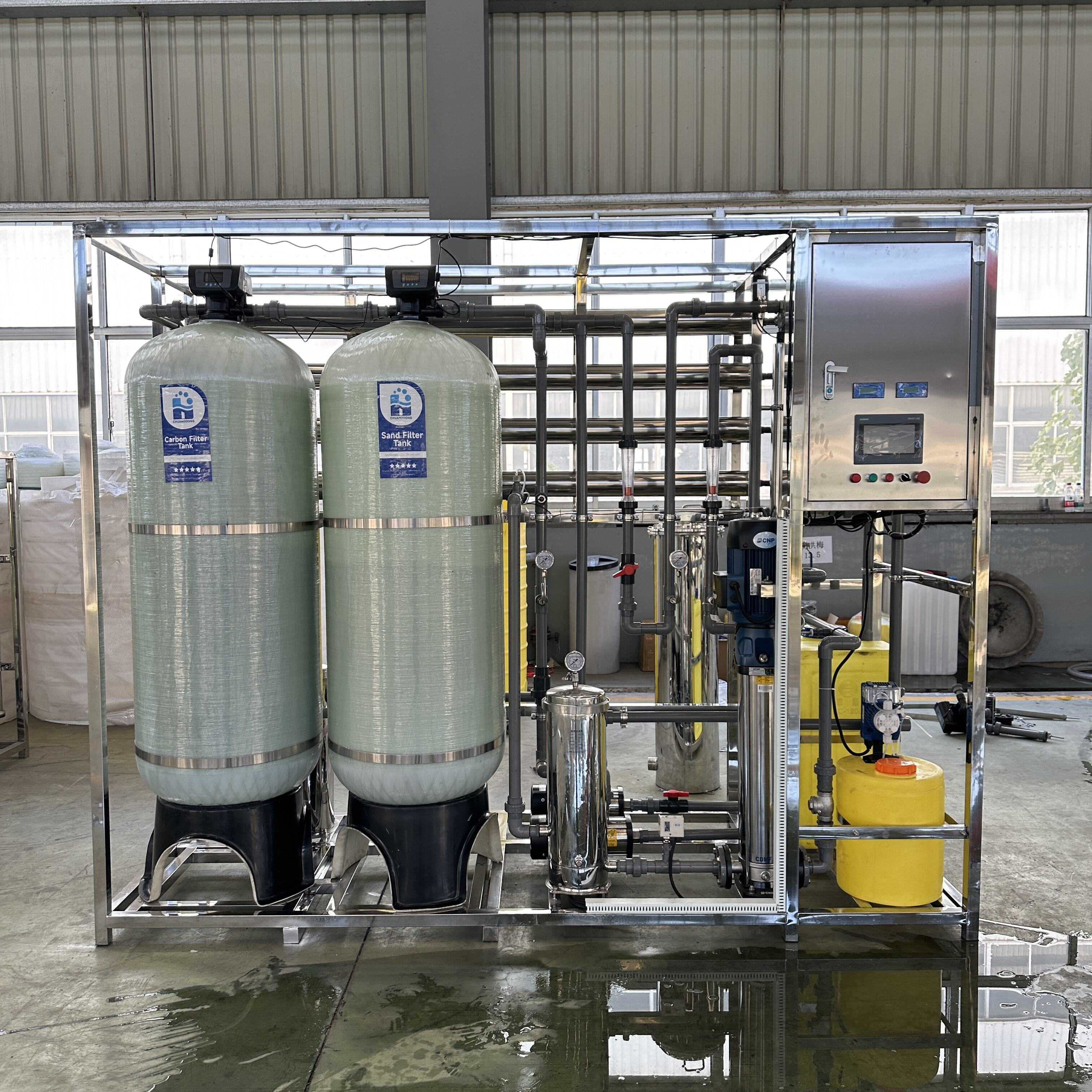
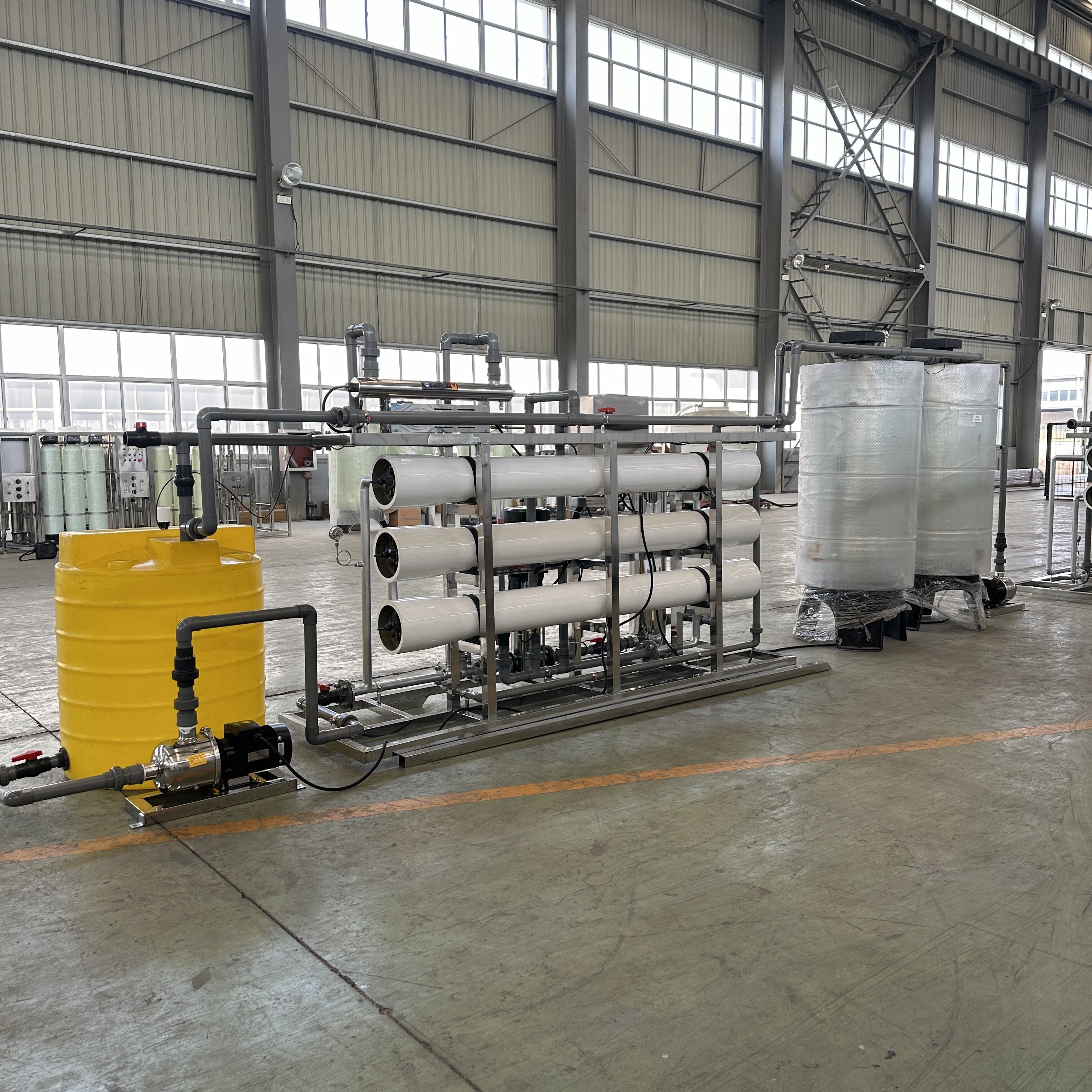
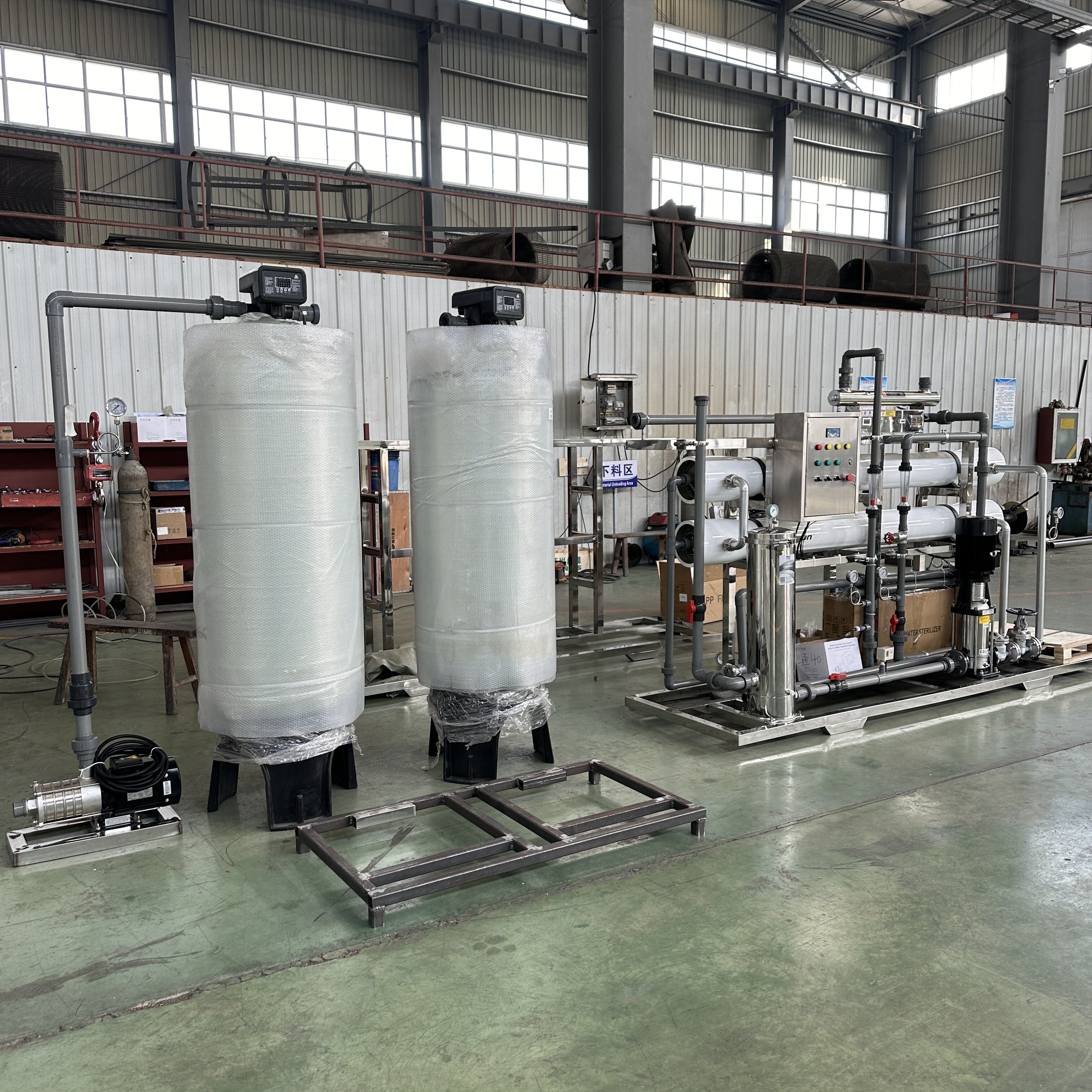
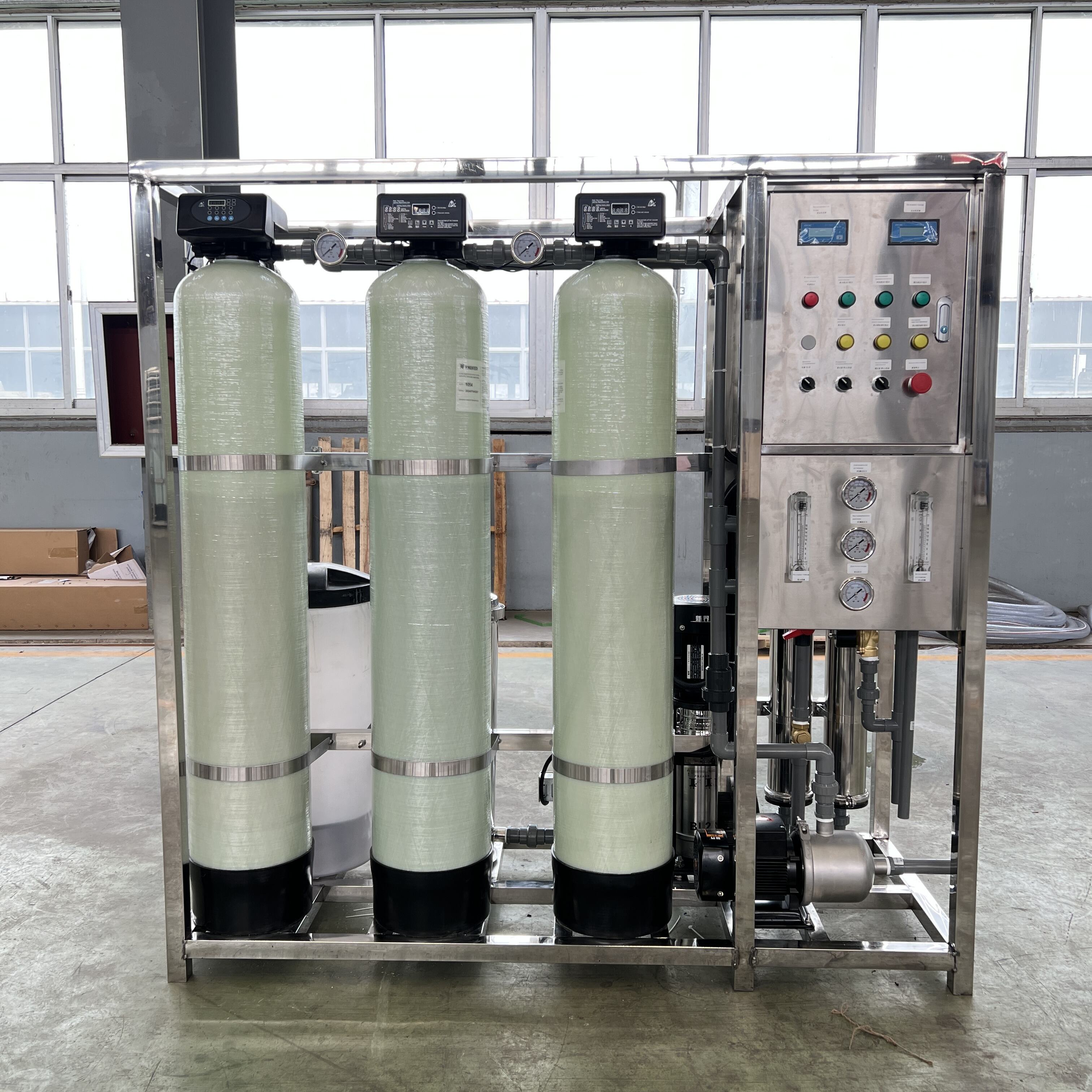
The ro desalination system represents a cutting-edge water treatment solution that transforms seawater and brackish water into clean, potable water through advanced reverse osmosis technology. This sophisticated system operates by forcing water through specialized semi-permeable membranes under high pressure, effectively removing salt, minerals, and contaminants to produce high-quality freshwater. The ro desalination system serves as a critical infrastructure component for communities, industries, and regions facing water scarcity challenges. The main functions of the ro desalination system encompass comprehensive water purification, salt removal, and consistent freshwater production. The system processes raw seawater or brackish water through multiple filtration stages, beginning with pre-treatment processes that remove larger particles and sediments. The heart of the ro desalination system lies in its reverse osmosis membranes, which operate under pressures ranging from 800 to 1,200 pounds per square inch. These membranes effectively block salt molecules while allowing pure water molecules to pass through, achieving salt rejection rates of up to 99.8 percent. Technological features of the ro desalination system include energy recovery devices that capture and reuse hydraulic energy from the brine stream, significantly reducing operational costs. Advanced control systems monitor water quality parameters in real-time, ensuring consistent output and optimal performance. The ro desalination system incorporates automated cleaning cycles, chemical dosing systems, and remote monitoring capabilities for efficient operation. Applications for the ro desalination system span across municipal water supply, industrial processes, offshore platforms, maritime vessels, and emergency water provision. Coastal cities worldwide rely on ro desalination systems to supplement their water resources, while industries utilize these systems for process water needs. The modular design of modern ro desalination systems allows for scalable installations, from small residential units producing hundreds of gallons daily to massive plants generating millions of gallons for entire metropolitan areas.

New Products

The ro desalination system delivers exceptional performance benefits that make it the preferred choice for water treatment applications worldwide. One primary advantage of the ro desalination system involves its ability to produce consistently high-quality water regardless of source water conditions. Unlike traditional treatment methods that struggle with varying salinity levels, the ro desalination system maintains reliable performance across different water sources, from seawater with 35,000 parts per million total dissolved solids to brackish water with lower concentrations. This versatility ensures users receive dependable water supply solutions tailored to their specific needs. Energy efficiency represents another significant advantage of modern ro desalination systems. Advanced energy recovery technology captures up to 95 percent of the hydraulic energy from the concentrate stream, dramatically reducing power consumption compared to older desalination technologies. This energy optimization translates into substantial cost savings for operators, making the ro desalination system economically viable for long-term water supply projects. The lower energy requirements also reduce environmental impact, supporting sustainable water management practices. Maintenance simplicity provides considerable operational advantages for ro desalination system users. The system design incorporates automated cleaning protocols, real-time monitoring, and predictive maintenance features that minimize downtime and extend equipment lifespan. Operators can manage the ro desalination system remotely through sophisticated control interfaces, reducing on-site personnel requirements and operational complexity. Standardized components and modular construction facilitate easy replacement and upgrades, ensuring minimal service interruptions. Cost-effectiveness emerges as a compelling advantage of the ro desalination system when compared to alternative water supply methods. While initial capital investment may seem substantial, the long-term operational costs prove highly competitive, especially in water-scarce regions where alternative sources are expensive or unavailable. The ro desalination system eliminates dependency on unpredictable weather patterns or diminishing groundwater reserves, providing water security that justifies the investment. Additionally, the scalable nature of ro desalination systems allows organizations to expand capacity incrementally, optimizing capital deployment according to growing demand. Water quality superiority distinguishes the ro desalination system from conventional treatment approaches. The multi-barrier approach removes not only salts but also bacteria, viruses, heavy metals, and organic contaminants, producing water that often exceeds drinking water standards. This comprehensive purification capability makes the ro desalination system suitable for critical applications including pharmaceutical manufacturing, food processing, and healthcare facilities where water purity is paramount.

Practical Tips

What Intake and Outfall Designs Minimize Environmental Impact of a Desalination Plant?

01

Mar

What Intake and Outfall Designs Minimize Environmental Impact of a Desalination Plant?

Environmental considerations have become paramount in the design and operation of modern desalination facilities worldwide. As water scarcity continues to challenge communities across the globe, the demand for sustainable desalination plant solutions...
View More
How Does a Water Purification System with Ion Exchange Soften Hard Water Effectively?

15

Mar

How Does a Water Purification System with Ion Exchange Soften Hard Water Effectively?

Hard water poses significant challenges for both residential and commercial applications, containing high concentrations of calcium and magnesium ions that cause scale buildup, reduce equipment efficiency, and affect water quality. A water purificati...
View More
How Does an RO Water Filter with a UV Sterilizer Provide Additional Protection Against Bacteria?

10

Mar

How Does an RO Water Filter with a UV Sterilizer Provide Additional Protection Against Bacteria?

Water contamination remains one of the most pressing concerns for homeowners and businesses seeking reliable water purification solutions. While traditional filtration methods offer basic protection, modern water treatment technology has evolved to p...
View More
Why Should Pharmaceutical QC Labs Use Ultrapure Water for HPLC and Mass Spectrometry?

18

Mar

Why Should Pharmaceutical QC Labs Use Ultrapure Water for HPLC and Mass Spectrometry?

Pharmaceutical quality control laboratories face increasingly stringent requirements for analytical accuracy and regulatory compliance. The foundation of reliable analytical results lies in the quality of water used throughout testing procedures. Ult...
View More

Get a Free Quote

Our representative will contact you soon.
Email
Name
Company Name
Message
0/1000

ro desalination system

Advanced Energy Recovery Technology Maximizes Efficiency

Advanced Energy Recovery Technology Maximizes Efficiency

The ro desalination system incorporates state-of-the-art energy recovery technology that revolutionizes operational efficiency and cost-effectiveness in water treatment applications. This innovative feature captures hydraulic energy from the high-pressure concentrate stream that would otherwise be wasted, redirecting it to assist in pressurizing incoming feedwater. The energy recovery device, typically an isobaric pressure exchanger or high-pressure pump, can recover up to 95 percent of the energy contained in the brine stream, resulting in dramatic reductions in overall power consumption. This technological advancement transforms the economic viability of the ro desalination system, reducing energy costs by 40-60 percent compared to systems without energy recovery capabilities. For large-scale installations, this efficiency improvement translates into millions of dollars in annual savings, making the ro desalination system competitive with traditional water supply methods. The environmental benefits are equally significant, as reduced energy consumption means lower carbon emissions and decreased environmental impact. The energy recovery technology in the ro desalination system operates through sophisticated hydraulic engineering that maintains optimal pressure differentials while maximizing energy transfer efficiency. Advanced control systems continuously monitor and adjust the energy recovery process, ensuring peak performance under varying operating conditions. This intelligent operation extends equipment lifespan, reduces maintenance requirements, and maintains consistent water production rates. The reliability of this energy recovery technology has been proven in thousands of installations worldwide, from small-scale commercial units to massive municipal plants serving millions of people. Implementation of energy recovery technology in the ro desalination system represents a paradigm shift in desalination economics, enabling water-stressed regions to develop sustainable water supplies without prohibitive operational costs. The technology continues to evolve with innovations in materials science and fluid dynamics, promising even greater efficiency gains in future ro desalination system designs.
Modular Scalability Enables Flexible Water Production Solutions

Modular Scalability Enables Flexible Water Production Solutions

The modular design philosophy of the ro desalination system provides unparalleled flexibility in addressing diverse water production requirements across industries and communities. This scalability feature allows users to start with smaller capacity installations and expand systematically as demand grows, optimizing capital investment timing and reducing financial risk. The modular approach of the ro desalination system enables configurations ranging from compact units producing 1,000 gallons per day for small communities to massive installations generating over 100 million gallons daily for major metropolitan areas. Each module operates independently while integrating seamlessly with others, ensuring redundancy and operational reliability that traditional monolithic systems cannot match. The standardized modular components of the ro desalination system facilitate rapid deployment, reducing installation time from months to weeks in many applications. This quick implementation capability proves crucial for emergency response situations, temporary installations, and rapidly growing communities requiring immediate water supply solutions. The modular ro desalination system design also simplifies transportation and logistics, as smaller components can be shipped to remote locations more easily than large, custom-fabricated equipment. Maintenance advantages of the modular ro desalination system include the ability to service individual modules without shutting down entire systems, ensuring continuous water production during routine maintenance periods. Spare parts inventory requirements are reduced through component standardization, while troubleshooting becomes more straightforward with identical modular units. The modular approach enables technological upgrades without complete system replacement, protecting capital investment while allowing adoption of improved technologies as they become available. Quality control benefits emerge from the factory-built modular construction of ro desalination systems, where controlled manufacturing environments ensure consistent quality and performance standards. Each module undergoes comprehensive testing before shipment, reducing field commissioning time and startup issues. The standardized interfaces between modules eliminate custom fabrication requirements, reducing costs and potential integration problems that plague traditional custom-built systems.
Multi-Barrier Purification Ensures Superior Water Quality

Multi-Barrier Purification Ensures Superior Water Quality

The ro desalination system employs a comprehensive multi-barrier approach to water purification that delivers exceptional water quality surpassing most conventional treatment technologies. This sophisticated purification process begins with pre-treatment stages that remove suspended solids, chlorine, and other contaminants that could damage the sensitive reverse osmosis membranes. The pre-treatment system typically includes multimedia filtration, activated carbon adsorption, and anti-scalant injection, creating the optimal feedwater conditions for the core ro desalination system components. The heart of the purification process lies in the high-rejection reverse osmosis membranes that form an effective barrier against salts, bacteria, viruses, and dissolved organic compounds. These advanced membranes achieve salt rejection rates exceeding 99.7 percent while removing virtually all microbiological contaminants, heavy metals, and pesticides that may be present in source water. The semi-permeable membrane technology in the ro desalination system operates at the molecular level, allowing only pure water molecules to pass through while blocking contaminants based on size and charge characteristics. Post-treatment processes in the ro desalination system further enhance water quality through pH adjustment, disinfection, and mineral addition as required for specific applications. This final polishing stage ensures the produced water meets or exceeds all applicable drinking water standards while optimizing taste and mineral content for human consumption. The multi-barrier approach provides redundant protection against contamination, ensuring consistent water quality even when individual treatment stages experience performance variations. Quality monitoring systems integrated into the ro desalination system continuously track multiple parameters including conductivity, pH, turbidity, and microbial activity, providing real-time verification of treatment effectiveness. Automated shut-off systems protect against off-specification water production, while data logging capabilities maintain comprehensive quality records for regulatory compliance. The superior water quality produced by the ro desalination system makes it suitable for the most demanding applications, including pharmaceutical manufacturing, semiconductor production, and high-pressure boiler feedwater where water purity requirements exceed municipal drinking water standards. This versatility positions the ro desalination system as a comprehensive solution for diverse industrial and municipal water quality needs.

Get a Free Quote

Our representative will contact you soon.
Email
Name
Company Name
Message
0/1000