industrial ro water plant
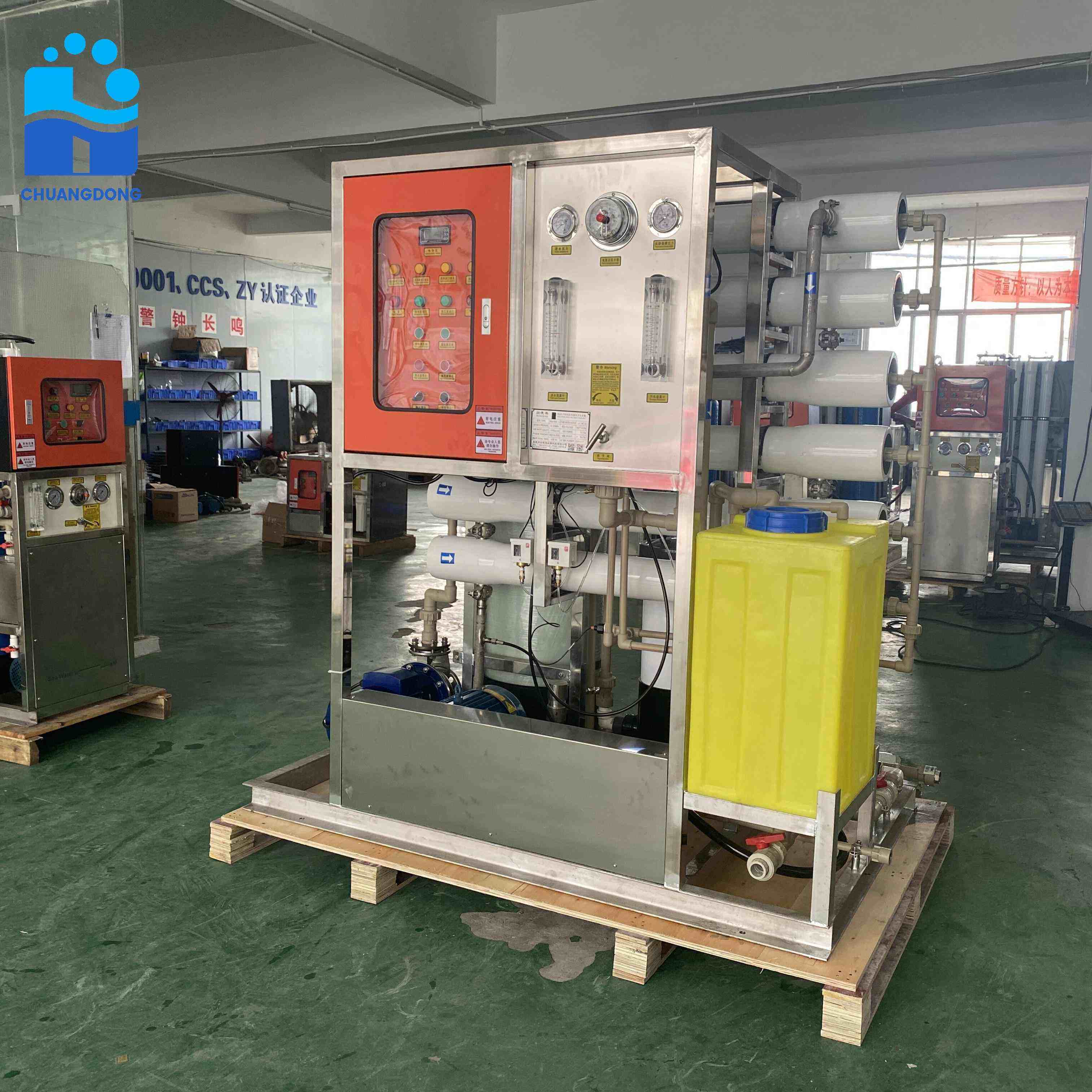
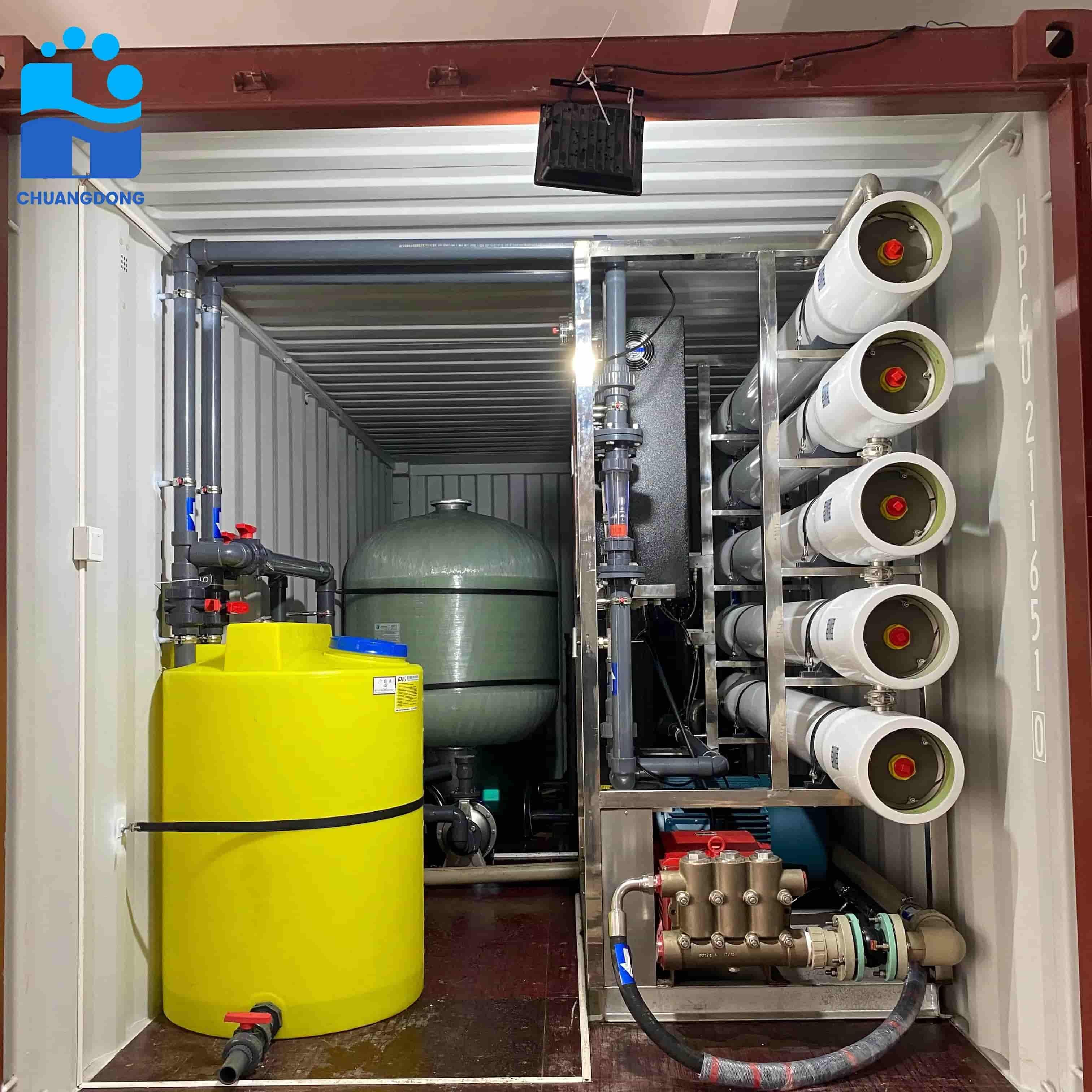
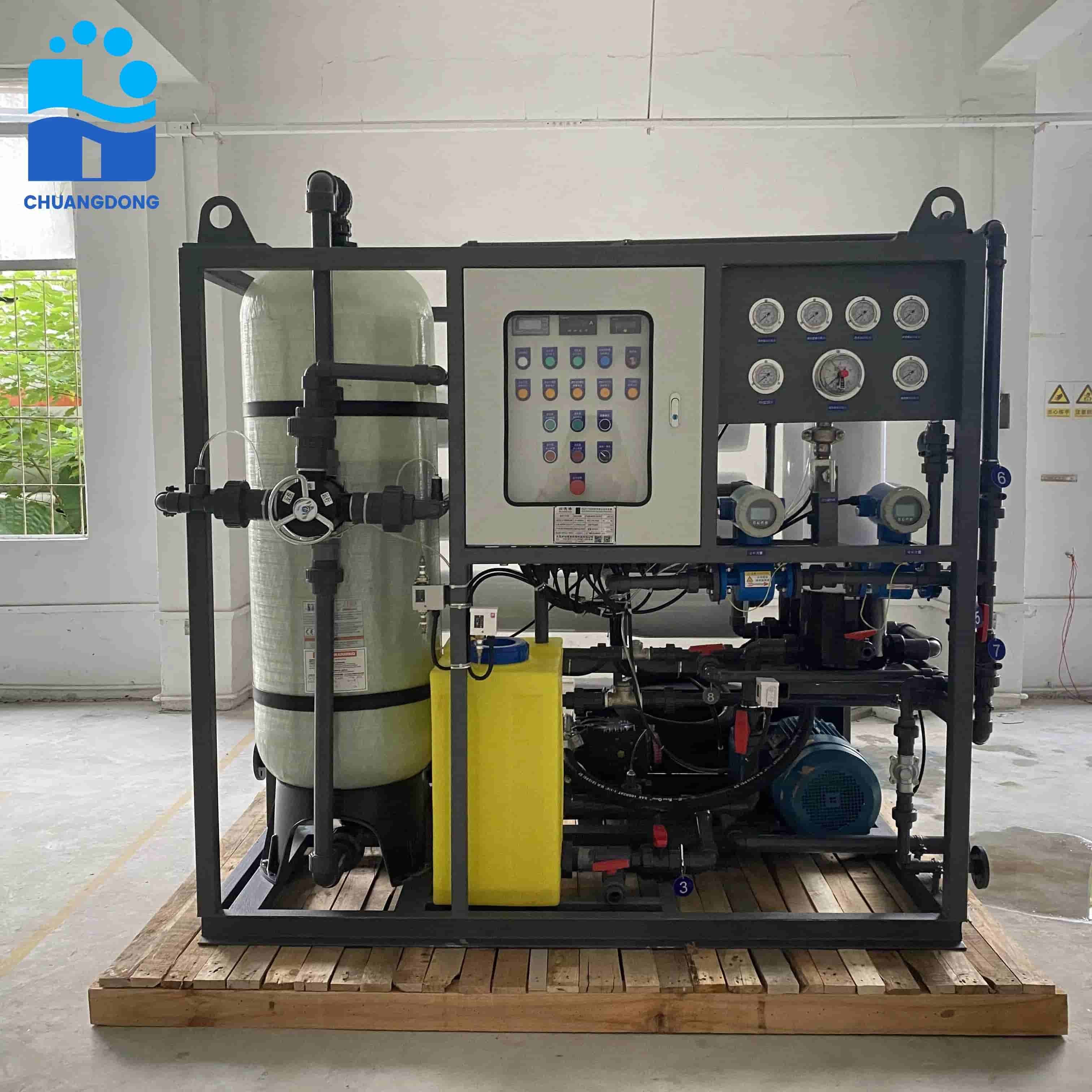
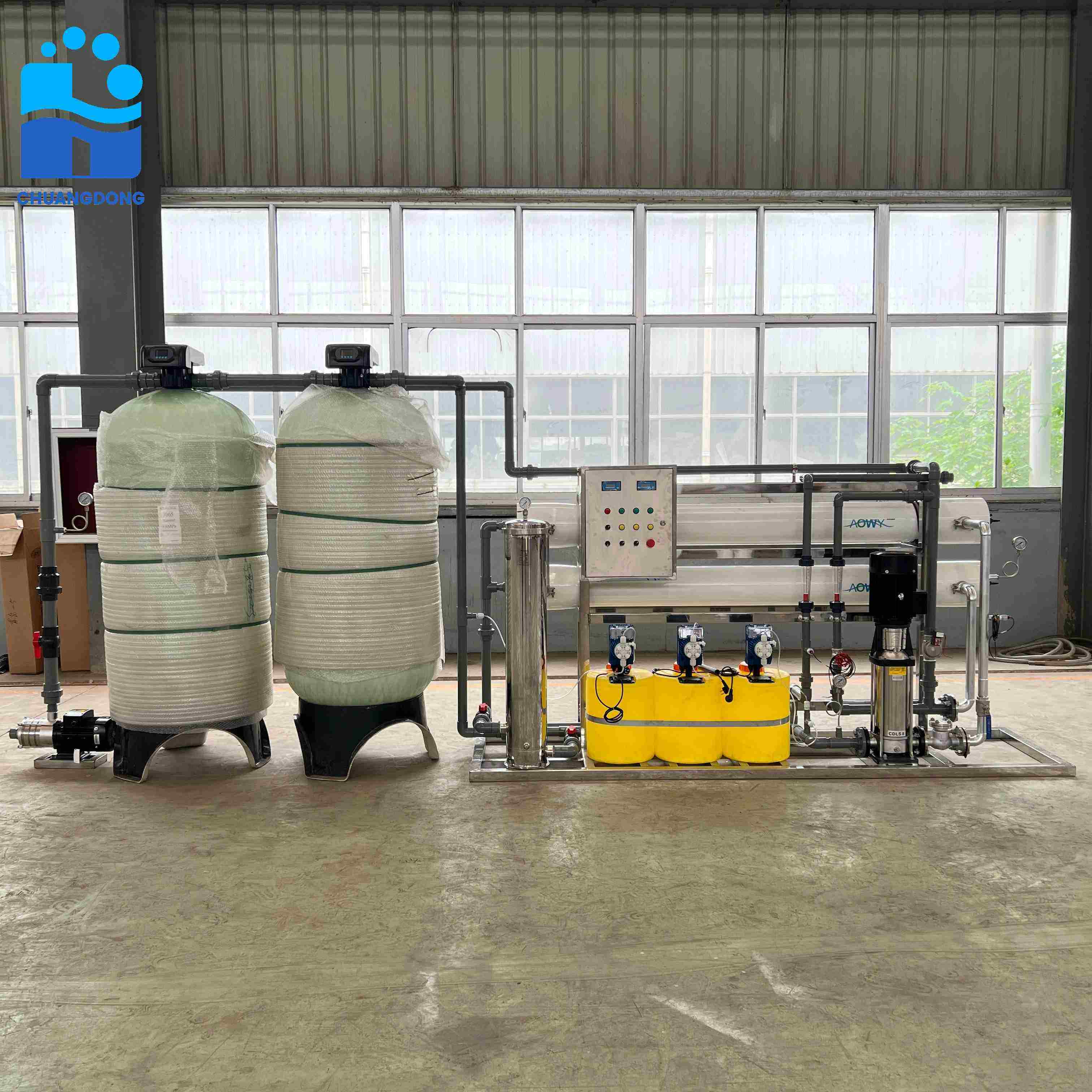
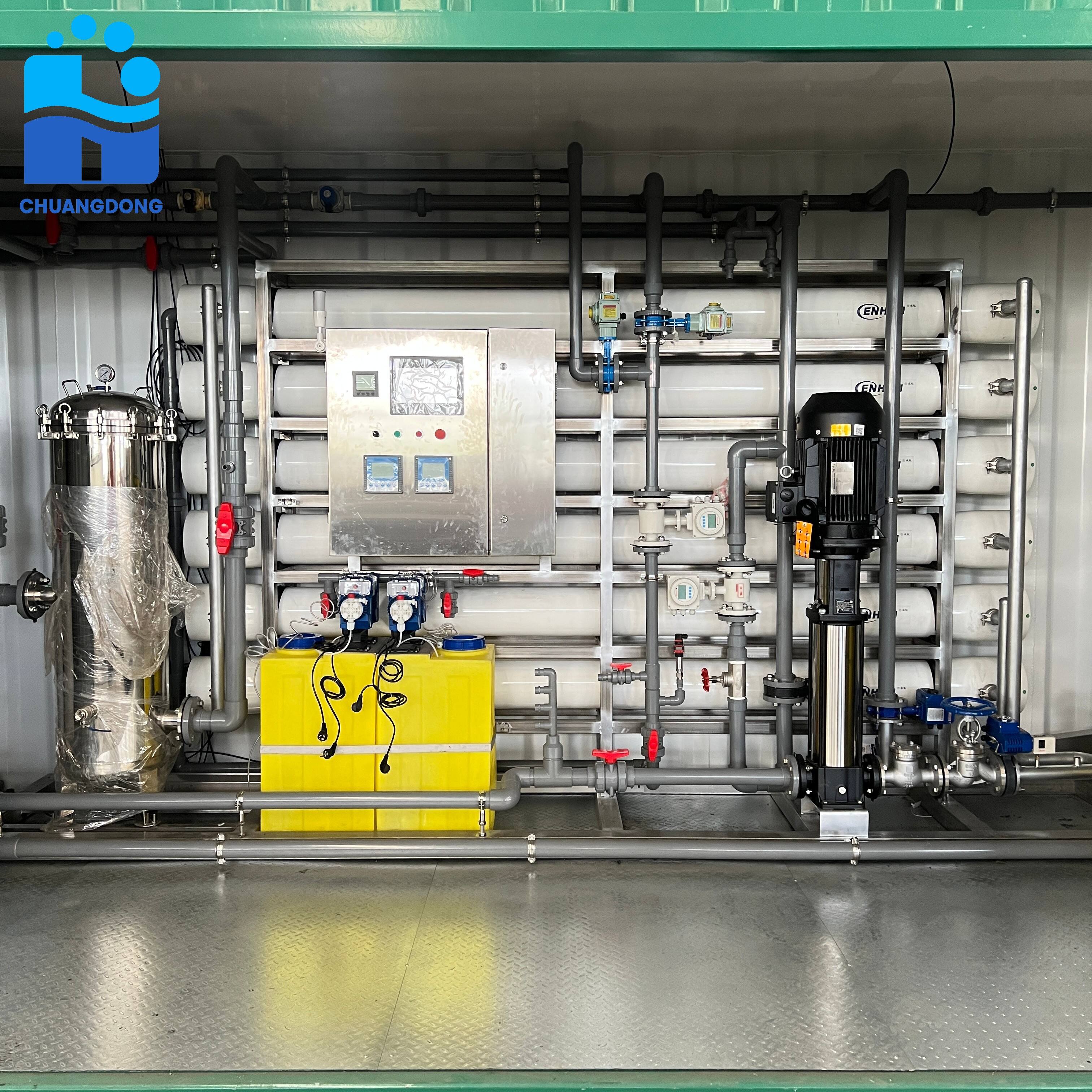
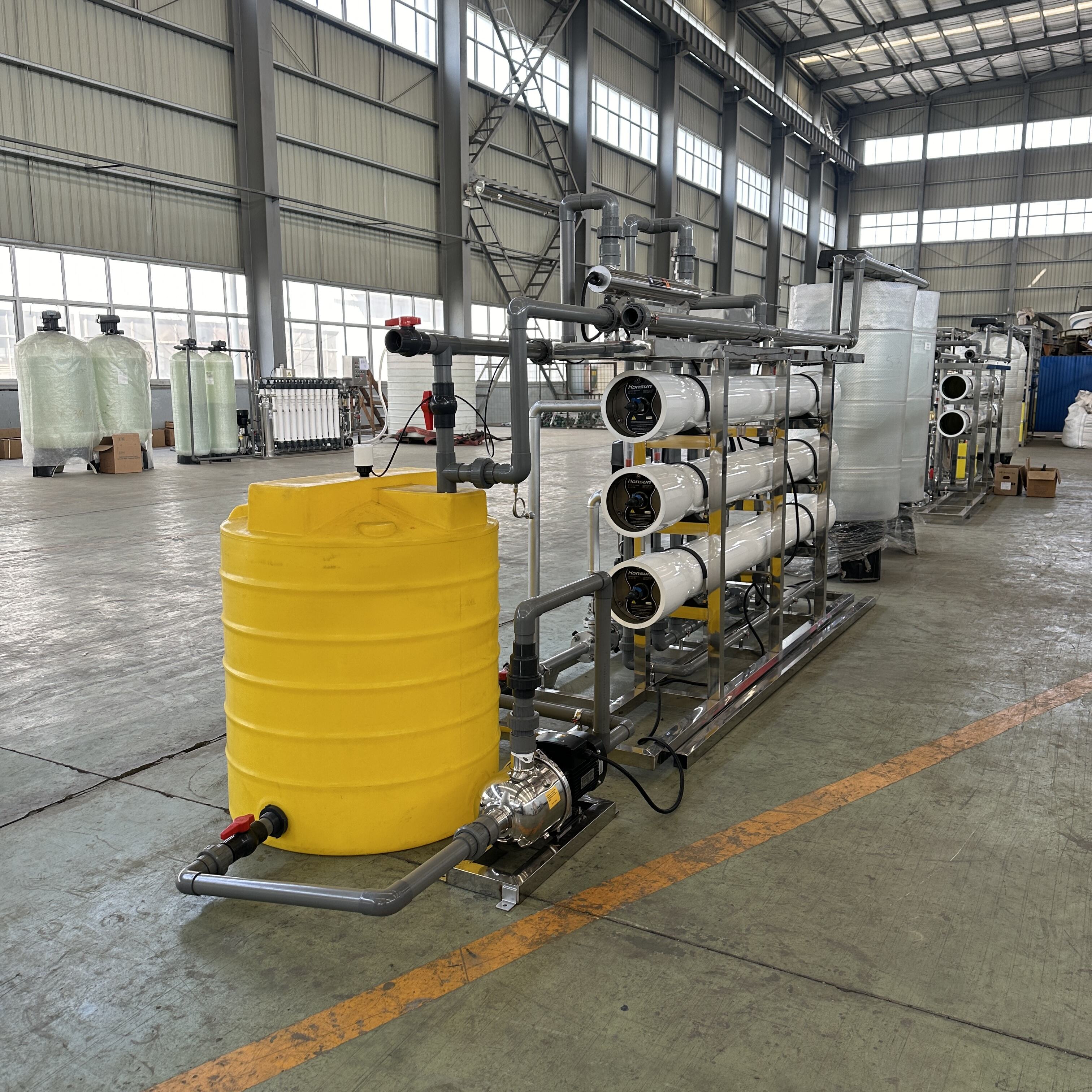
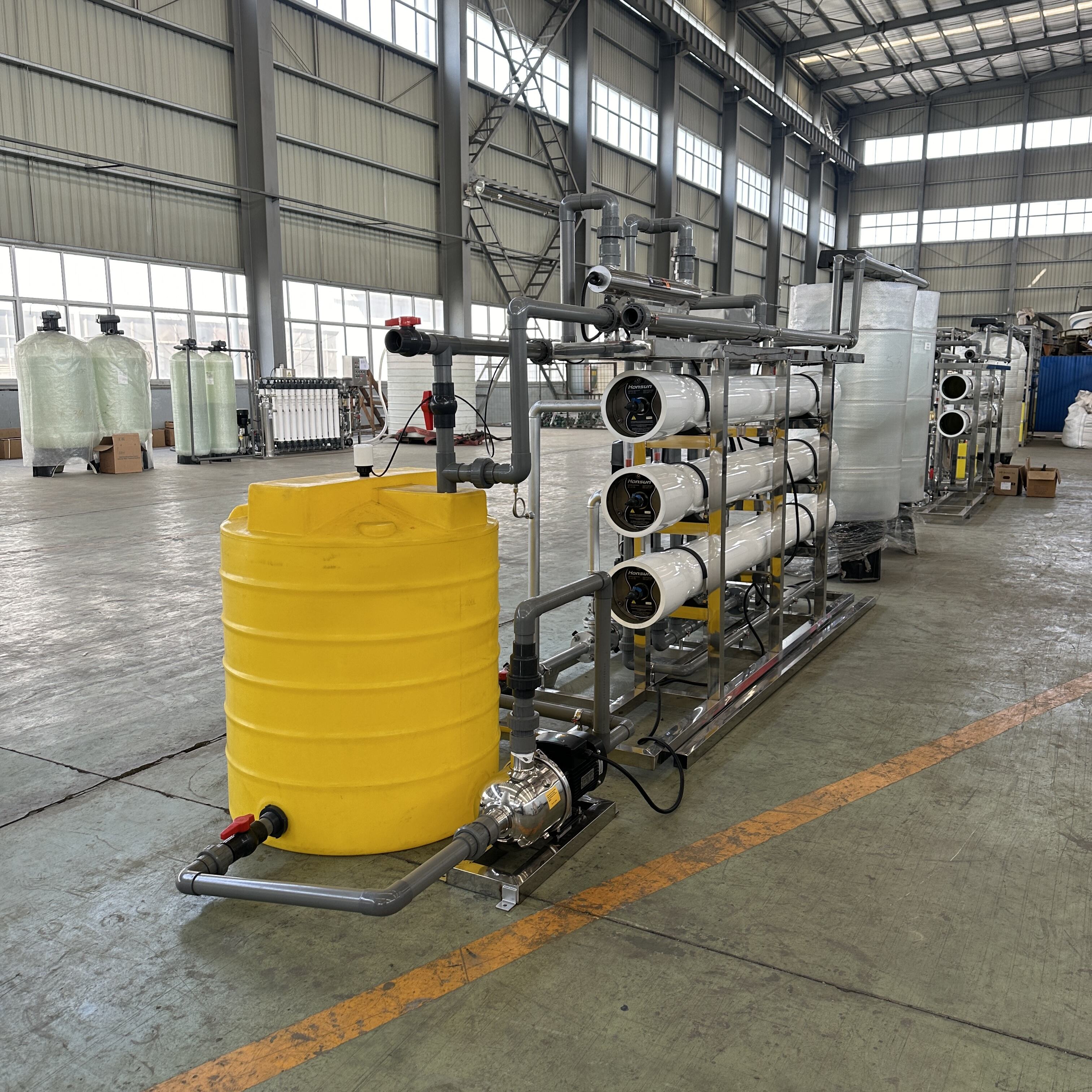
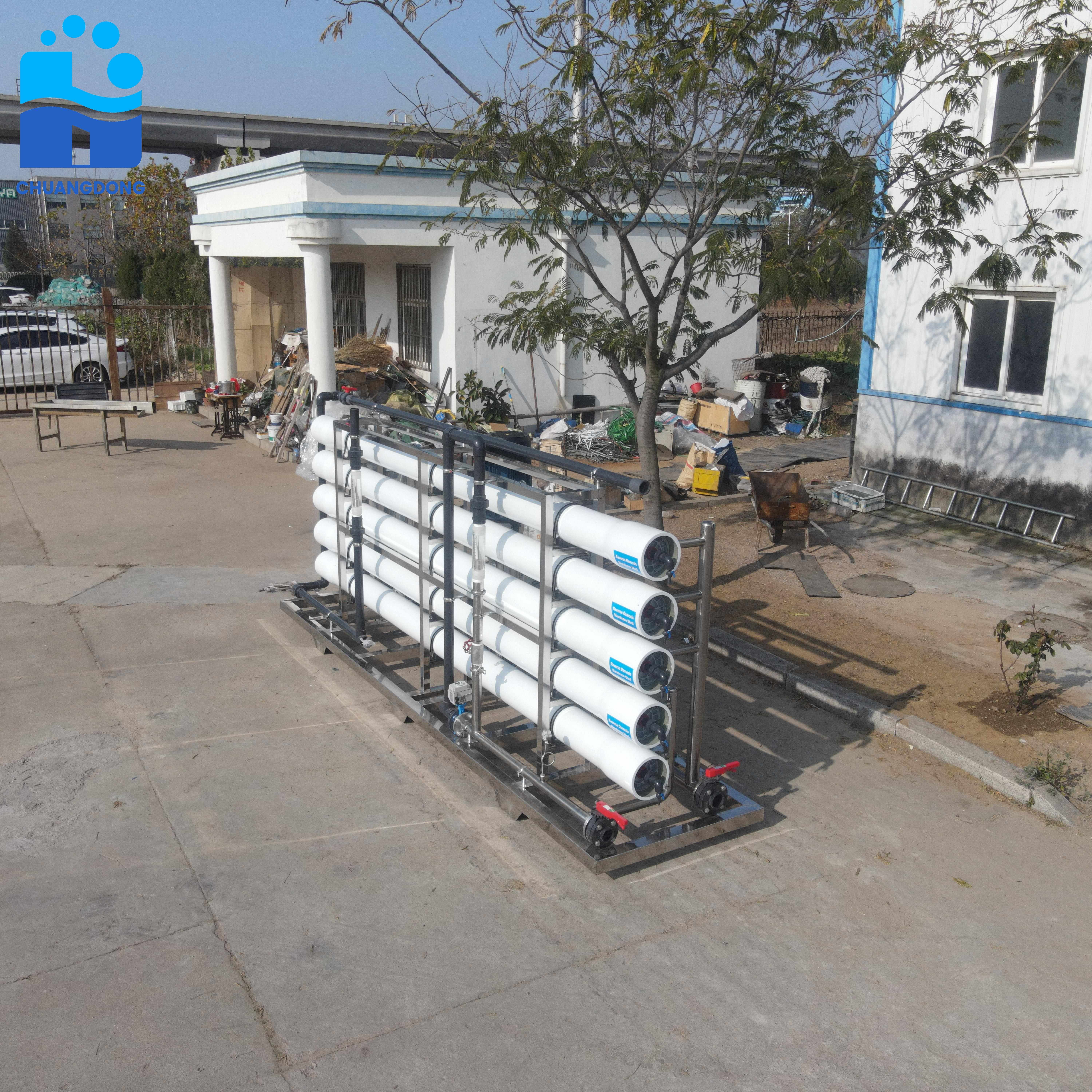
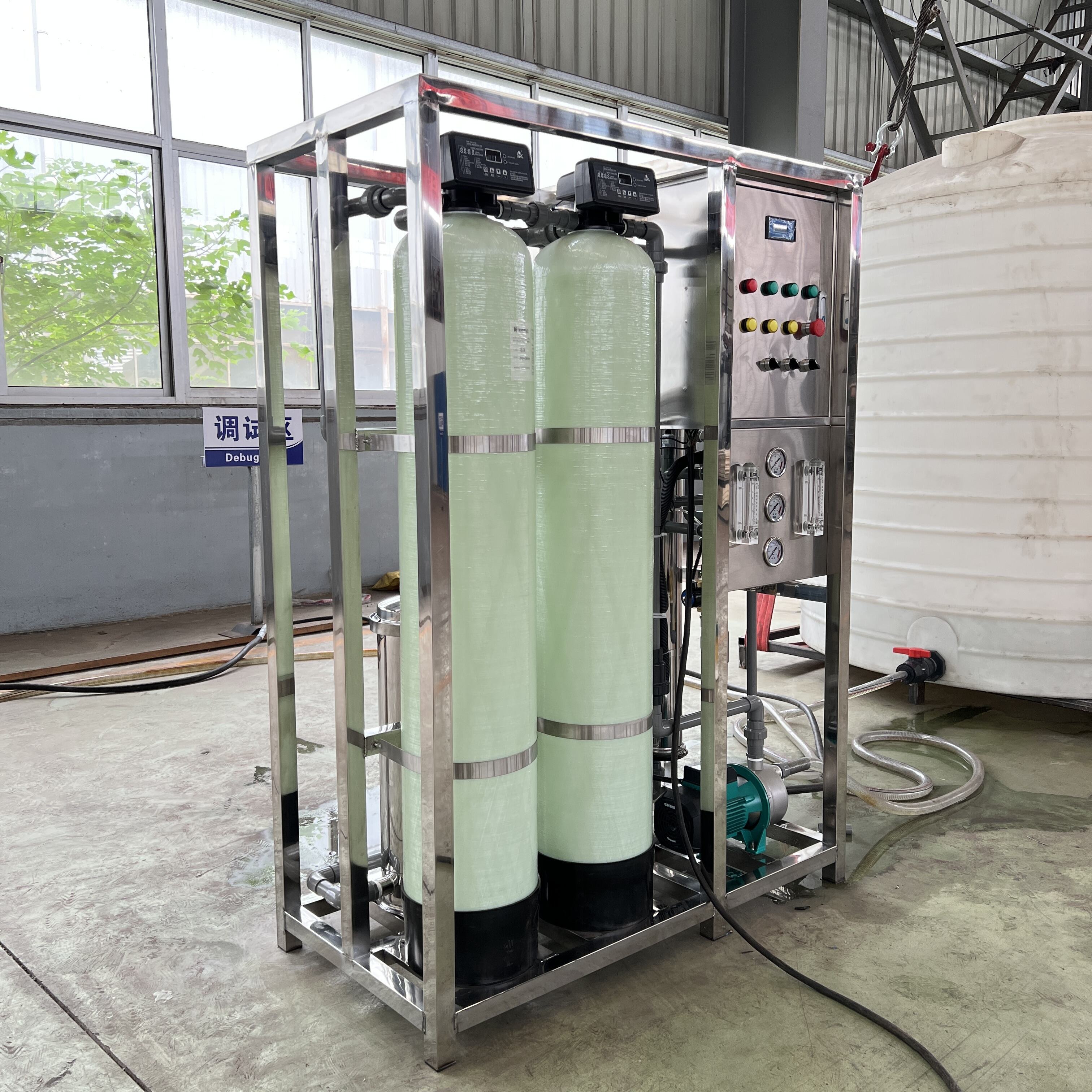
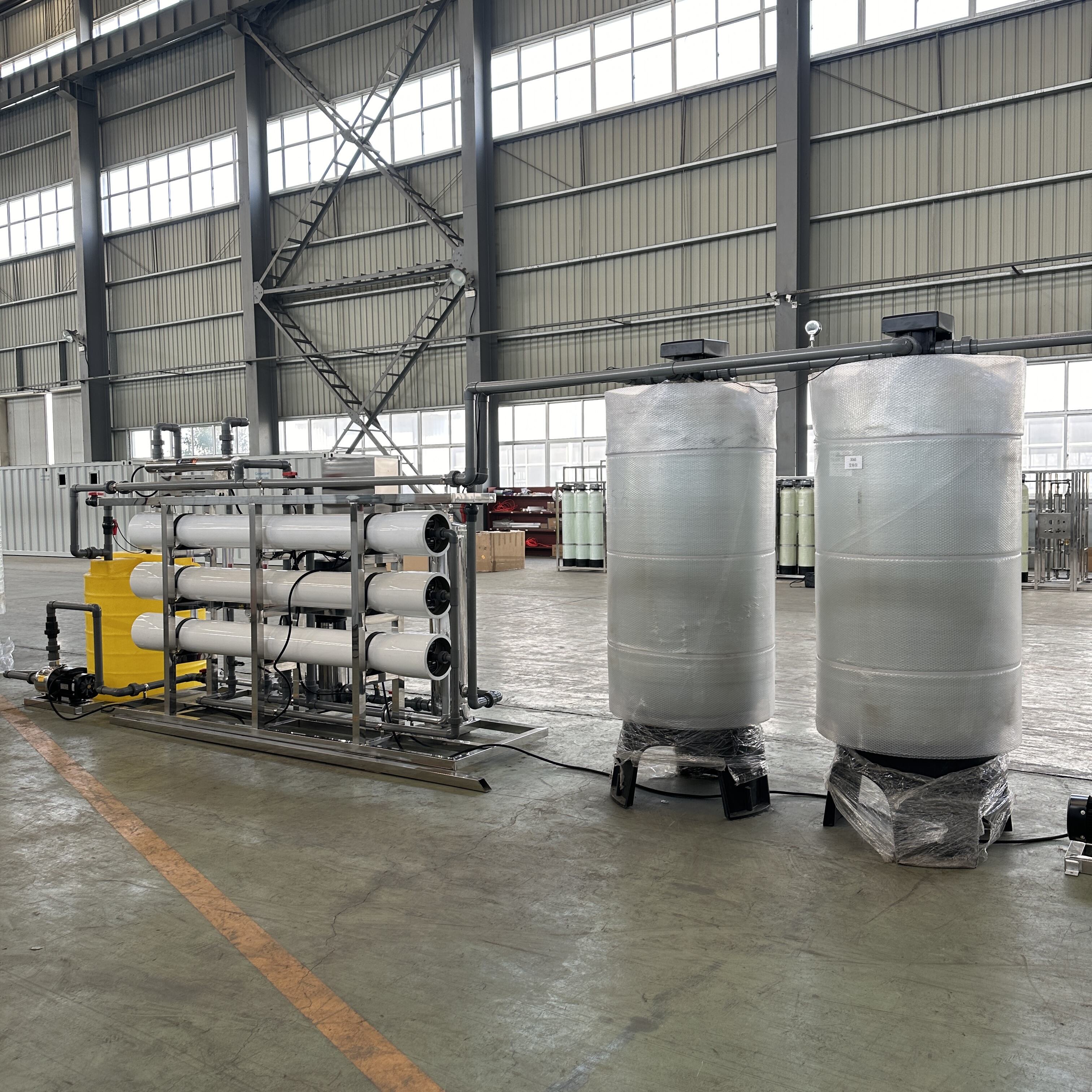
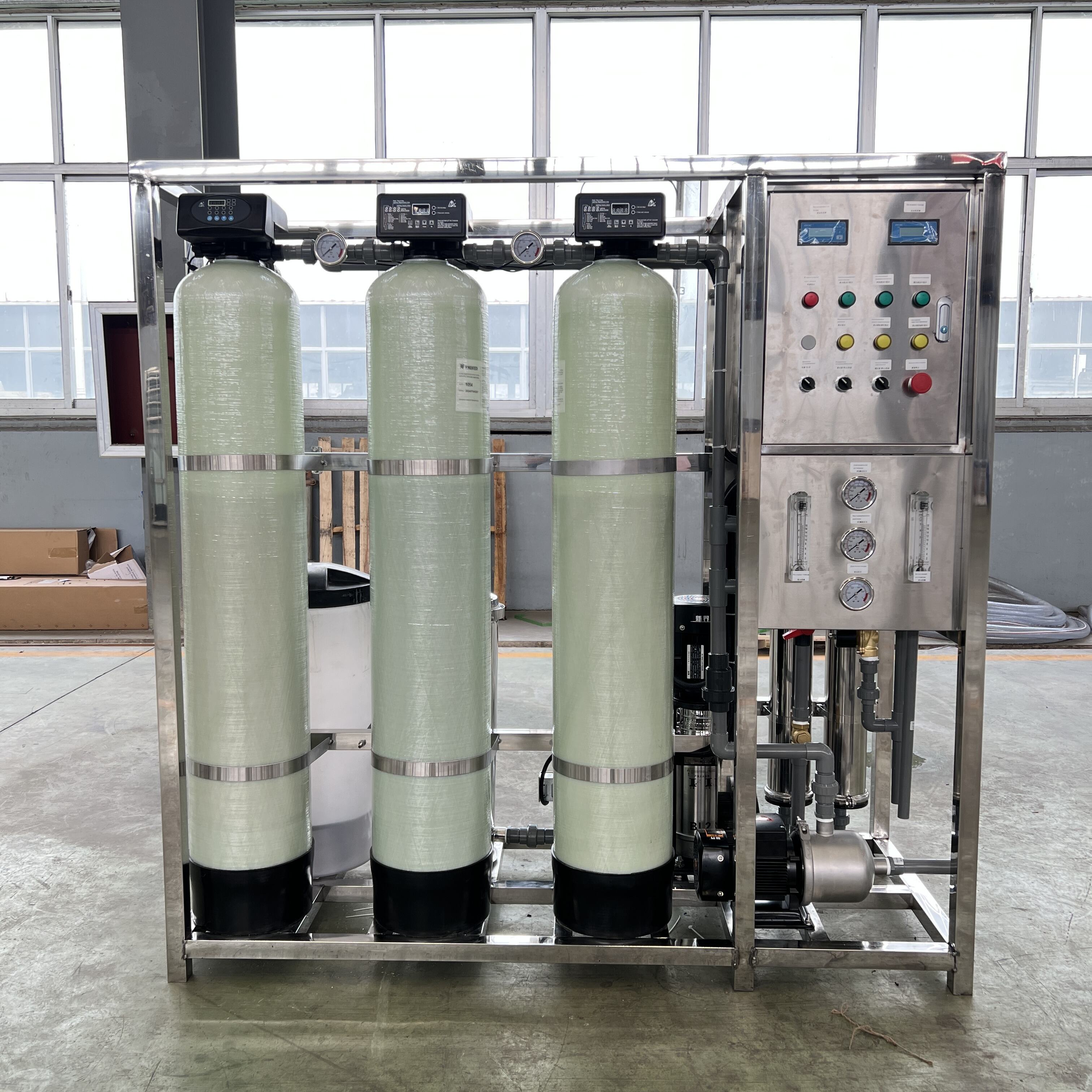
An industrial ro water plant is a sophisticated water purification system designed to remove contaminants, dissolved solids, and impurities from water through reverse osmosis technology. This advanced filtration system forces water under high pressure through semi-permeable membranes that block up to 99% of dissolved salts, bacteria, viruses, and other harmful substances. The industrial ro water plant serves critical functions across manufacturing facilities, pharmaceutical companies, food and beverage production units, power generation plants, and chemical processing industries. The technology operates through multiple stages including pre-filtration, high-pressure pumping, membrane separation, and post-treatment processes. Key technological features include automated control systems that monitor water quality parameters, pressure sensors that optimize membrane performance, and integrated monitoring displays that track total dissolved solids levels. The system's modular design allows customization based on specific industrial requirements, with capacities ranging from hundreds to millions of gallons per day. Modern industrial ro water plant configurations incorporate energy recovery devices that reduce operational costs by recycling pressure from the concentrate stream. These plants can handle various water sources including municipal water, brackish water, seawater, and wastewater, making them versatile solutions for diverse industrial applications. The system ensures consistent water quality output that meets stringent industry standards and regulatory requirements, protecting sensitive equipment from scaling and corrosion while delivering pure water essential for critical manufacturing processes and product quality maintenance.
 EN
EN