Commercial Reverse Osmosis Plant: Advanced Water Treatment Systems for Business Applications

Get a Free Quote

Our representative will contact you soon.
Email
Name
Company Name
Message
0/1000

commercial reverse osmosis plant

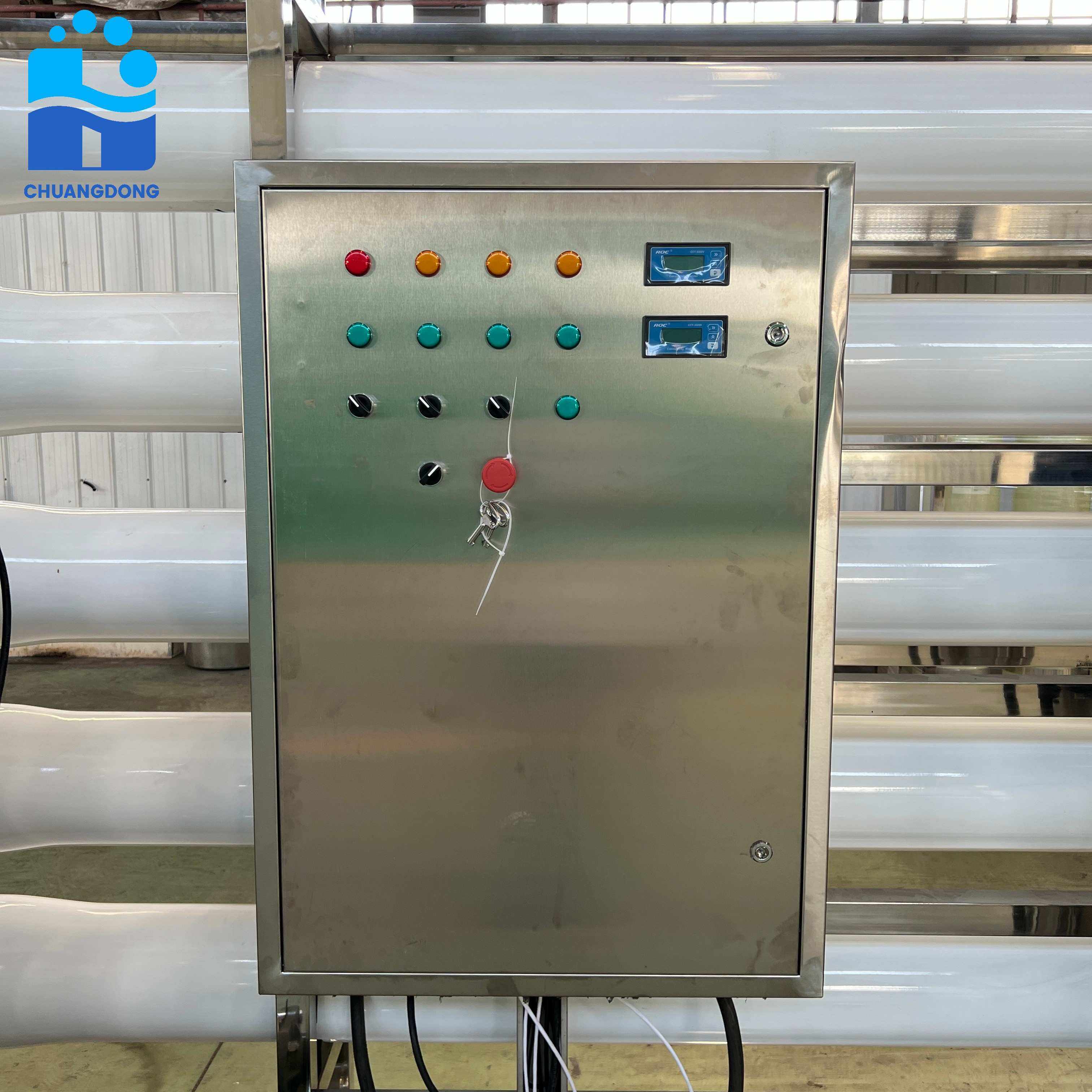
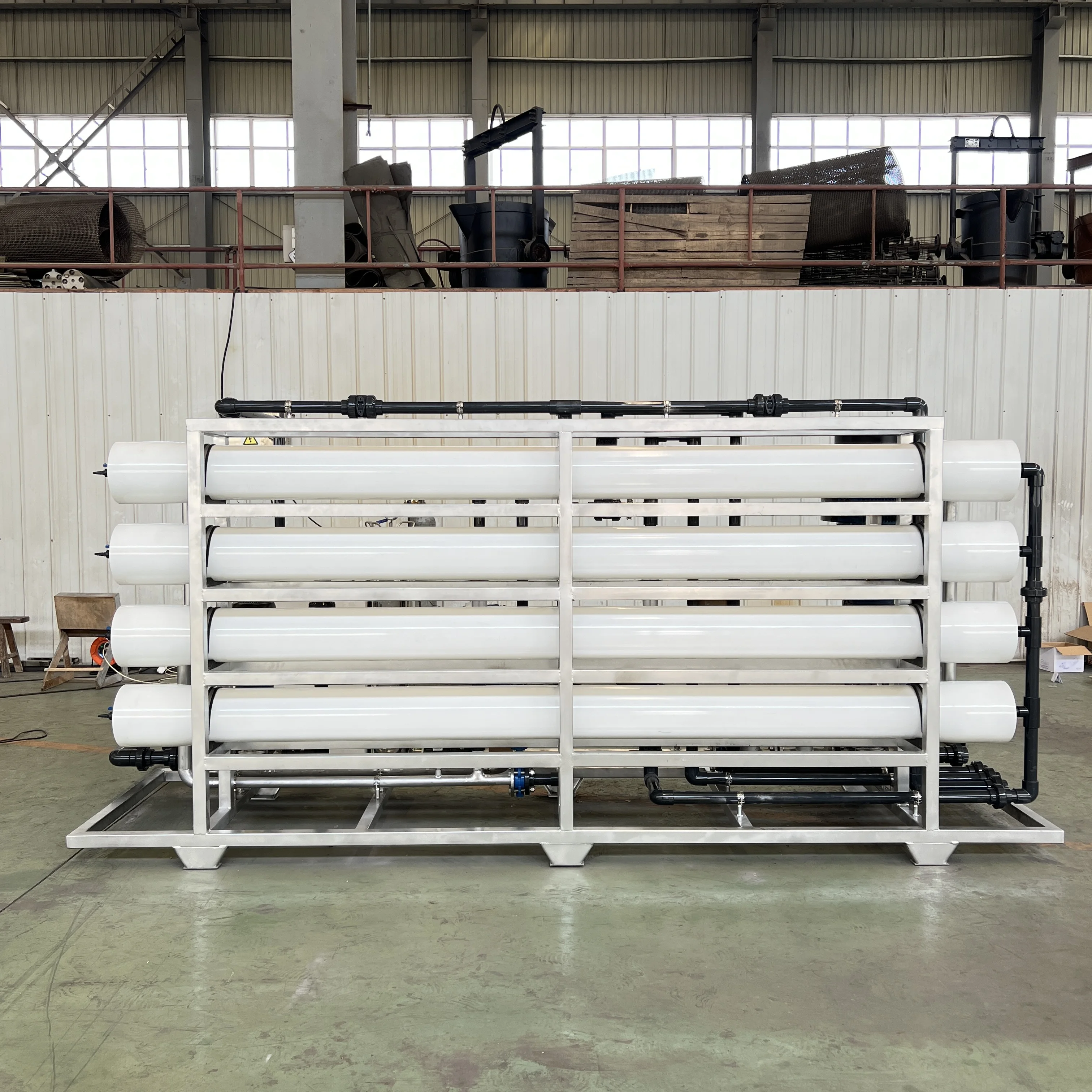
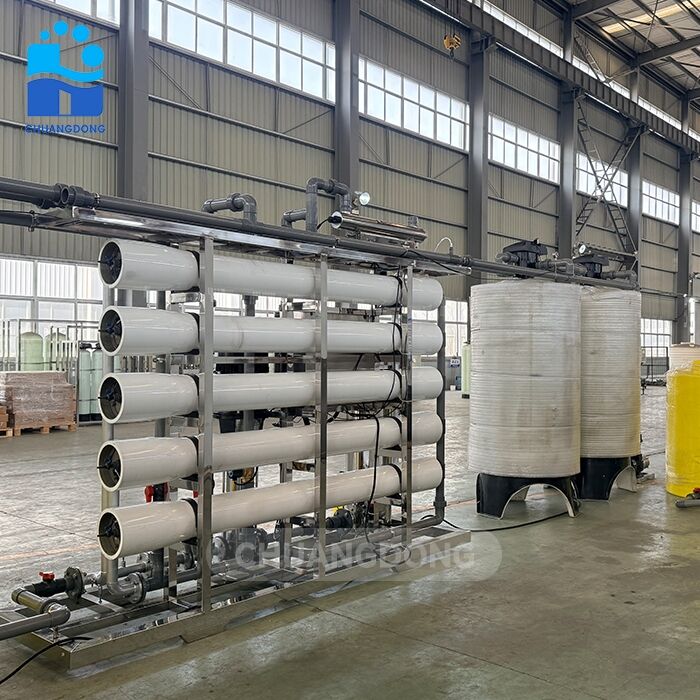
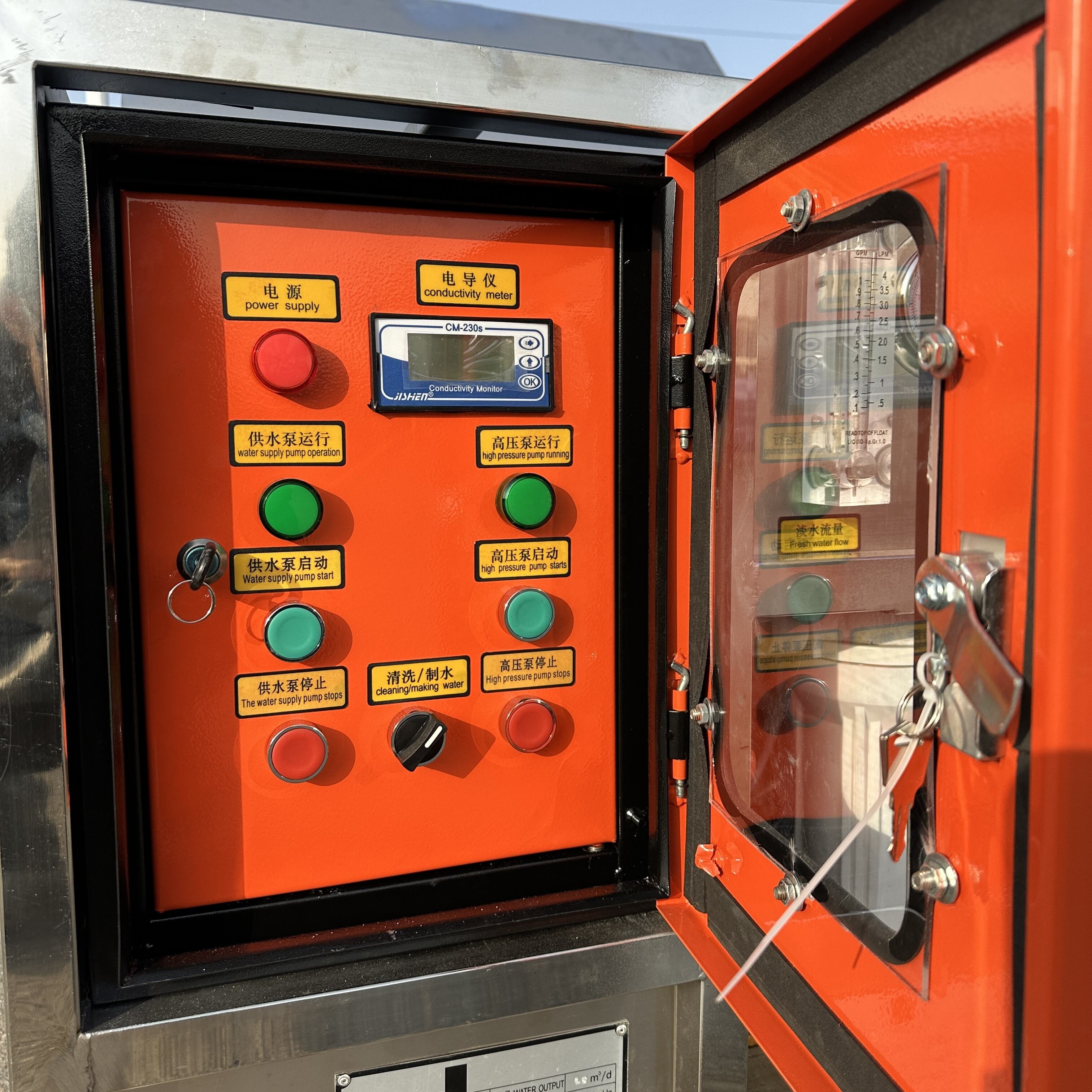
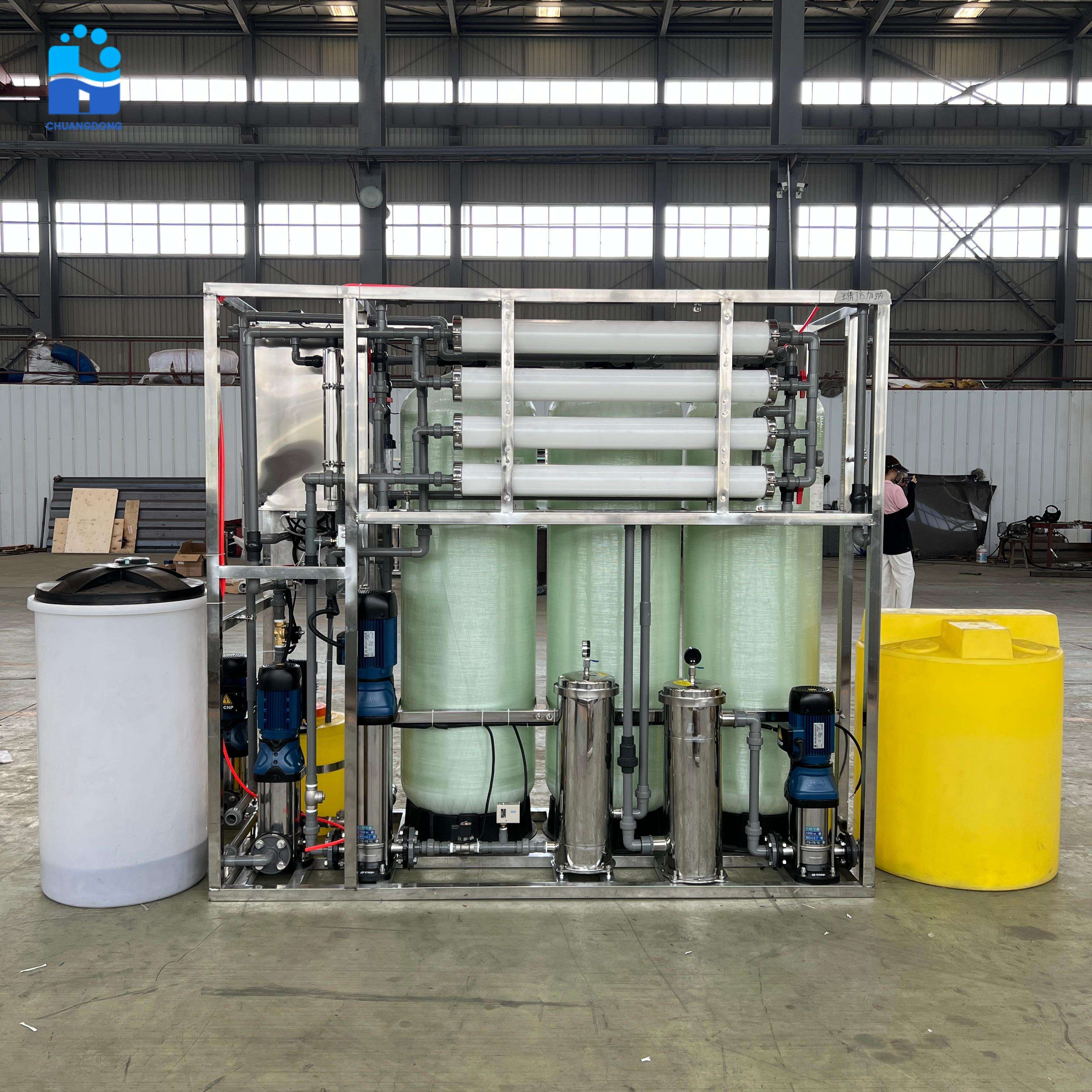
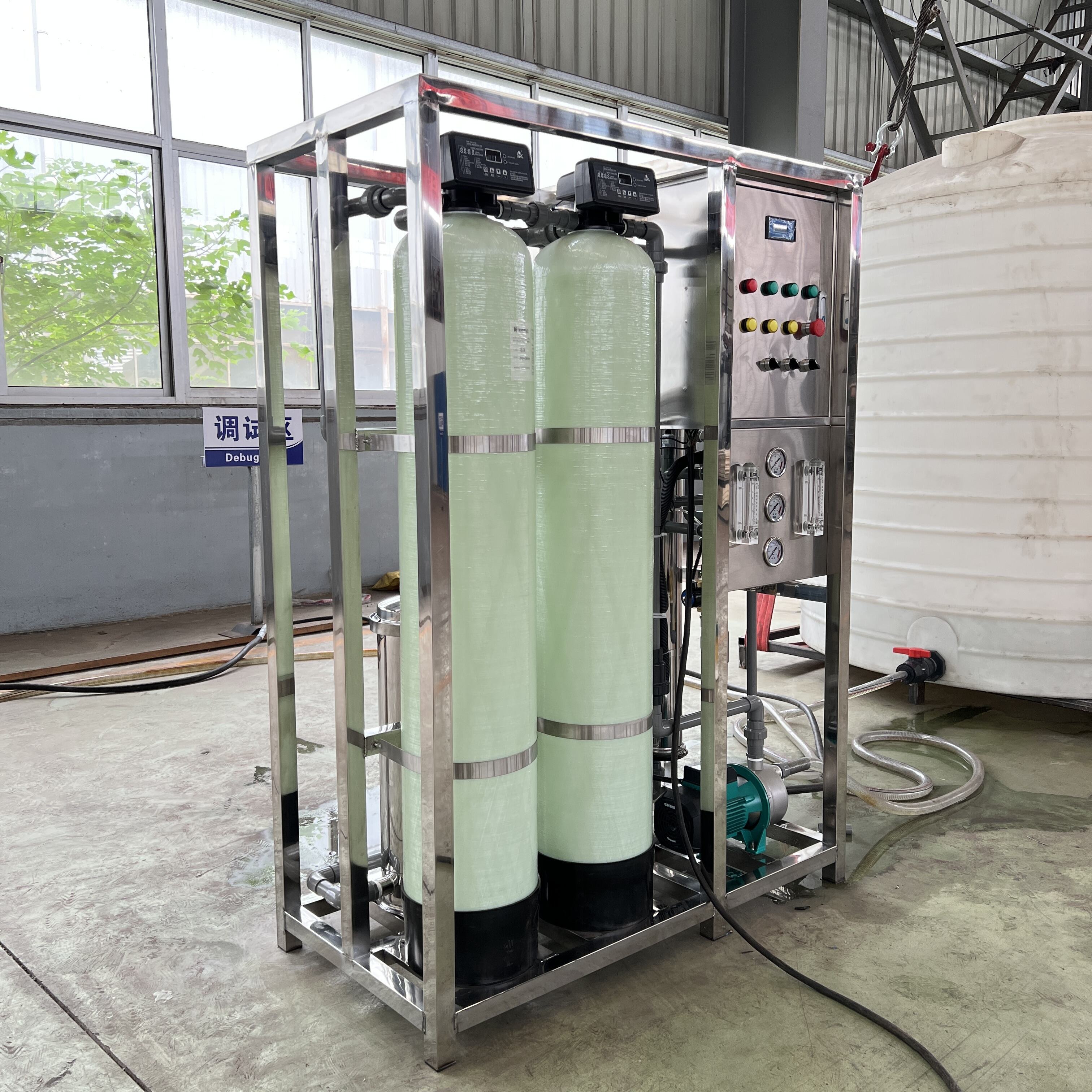
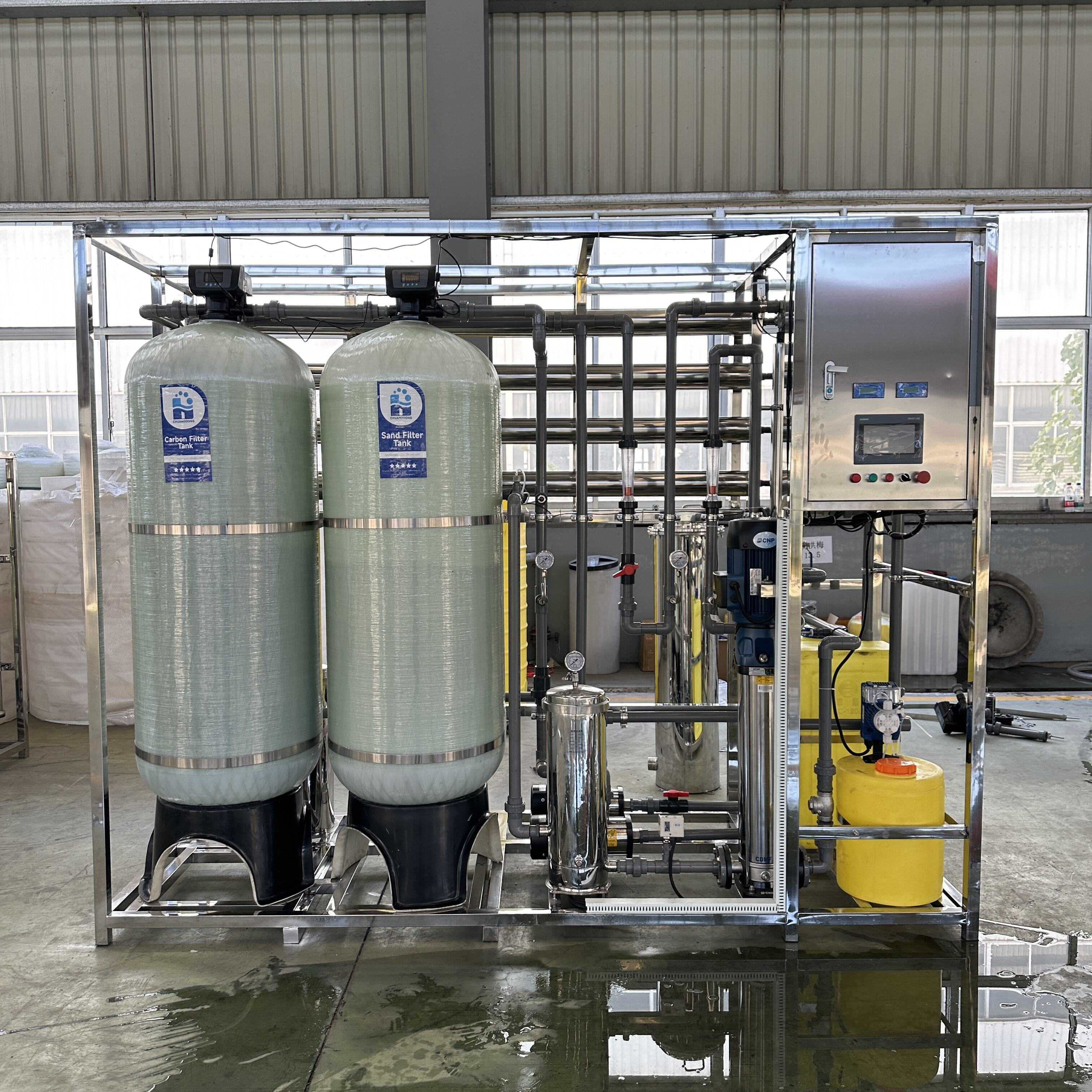
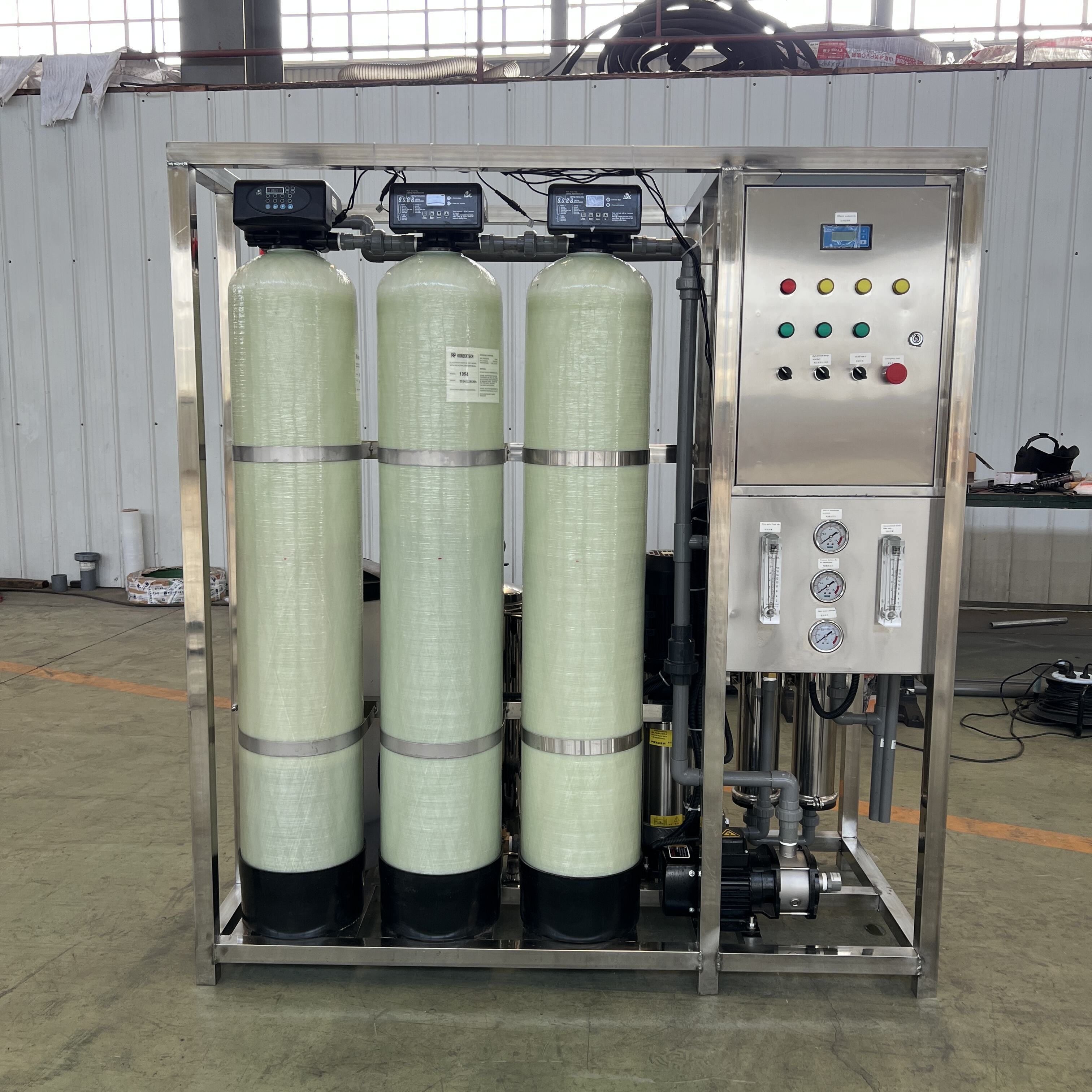
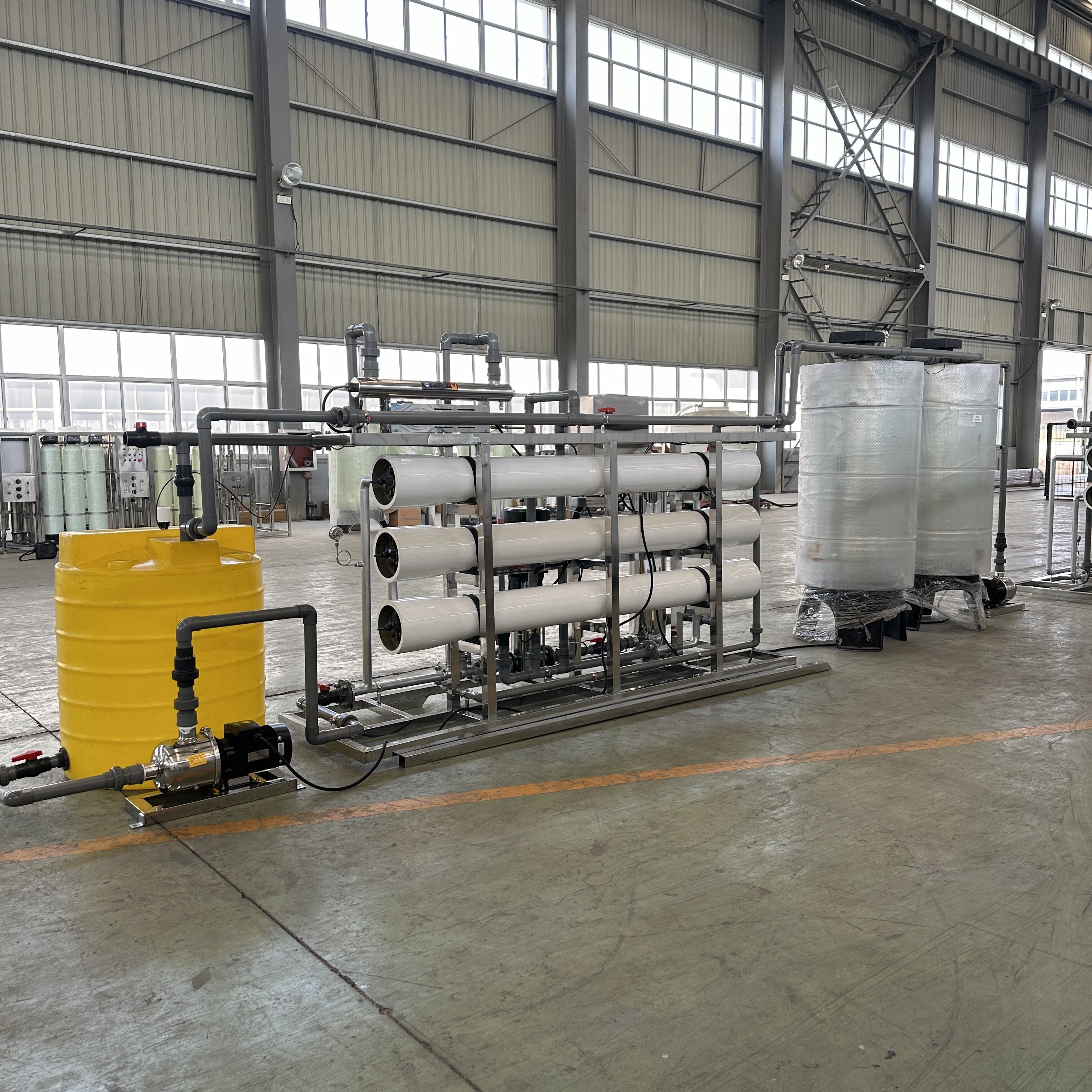
A commercial reverse osmosis plant represents a sophisticated water treatment system designed to deliver high-quality purified water for business and industrial applications. This advanced technology operates by forcing water through semi-permeable membranes under pressure, effectively removing up to 99% of dissolved salts, contaminants, bacteria, viruses, and other impurities. The commercial reverse osmosis plant serves as a cornerstone solution for businesses requiring consistent access to pure water for manufacturing processes, food and beverage production, pharmaceutical operations, and general commercial use. The system employs multiple filtration stages, beginning with pre-filtration to remove larger particles and sediments, followed by the core reverse osmosis membrane stage where molecular-level separation occurs. Advanced commercial reverse osmosis plant configurations incorporate sophisticated monitoring systems, automated controls, and redundant components to ensure continuous operation and optimal performance. These systems feature robust construction materials resistant to corrosion and chemical degradation, making them suitable for demanding commercial environments. The technological architecture includes high-pressure pumps, pressure vessels, membrane housings, and comprehensive control panels that allow operators to monitor system performance in real-time. Modern commercial reverse osmosis plant designs integrate energy recovery devices that significantly reduce operational costs by recapturing pressure energy from the concentrate stream. The modular design approach enables scalability, allowing businesses to expand their water treatment capacity as needs grow. Quality assurance mechanisms include conductivity monitoring, flow meters, and pressure sensors that continuously verify water quality and system integrity. The commercial reverse osmosis plant typically produces water with total dissolved solids levels below 10 parts per million, making it suitable for the most demanding applications requiring ultra-pure water standards.

New Product Releases

The commercial reverse osmosis plant offers numerous compelling advantages that make it the preferred choice for businesses seeking reliable water treatment solutions. First and foremost, these systems deliver exceptional water quality that consistently meets or exceeds industry standards, providing businesses with the confidence that their water supply will not compromise product quality or operational efficiency. The commercial reverse osmosis plant operates with remarkable efficiency, removing virtually all dissolved minerals, chemicals, and biological contaminants without requiring harsh chemicals or extensive maintenance procedures. This chemical-free purification process makes it environmentally friendly and safe for all commercial applications. Cost-effectiveness represents another significant advantage, as the commercial reverse osmosis plant reduces long-term expenses associated with purchasing bottled water, frequent equipment maintenance, and potential product contamination issues. The automated operation capabilities minimize labor requirements while ensuring consistent performance around the clock. Energy efficiency has been dramatically improved in modern commercial reverse osmosis plant designs, with advanced energy recovery systems reducing power consumption by up to 60% compared to older technologies. The compact footprint of these systems allows businesses to maximize their available space while still achieving substantial water production capacity. Reliability stands as a cornerstone benefit, with commercial reverse osmosis plant systems designed to operate continuously for years with minimal downtime when properly maintained. The modular design provides flexibility for future expansion or modification based on changing business needs. Maintenance requirements are straightforward and predictable, with most components featuring long service lives and easy replacement procedures. The commercial reverse osmosis plant also offers superior contamination protection compared to traditional water treatment methods, effectively removing emerging contaminants, pharmaceuticals, and industrial chemicals that conventional filtration cannot address. Real-time monitoring capabilities provide immediate alerts for any performance variations, enabling proactive maintenance and preventing costly system failures. The consistent water quality output eliminates variables that could affect production processes, leading to improved product consistency and reduced waste. Additionally, the commercial reverse osmosis plant contributes to sustainability goals by reducing plastic waste from bottled water consumption and minimizing chemical discharge into the environment.

Tips And Tricks

What Corrosion-Resistant Materials Are Used in Desalination Plant Construction?

06

Mar

What Corrosion-Resistant Materials Are Used in Desalination Plant Construction?

Desalination plants operate in some of the harshest environments imaginable, where saltwater constantly threatens the integrity of critical infrastructure. The selection of appropriate corrosion-resistant materials becomes paramount to ensuring long-...
View More
How Does a Water Purification System with Ion Exchange Soften Hard Water Effectively?

15

Mar

How Does a Water Purification System with Ion Exchange Soften Hard Water Effectively?

Hard water poses significant challenges for both residential and commercial applications, containing high concentrations of calcium and magnesium ions that cause scale buildup, reduce equipment efficiency, and affect water quality. A water purificati...
View More
How Does an RO Water Filter with a UV Sterilizer Provide Additional Protection Against Bacteria?

10

Mar

How Does an RO Water Filter with a UV Sterilizer Provide Additional Protection Against Bacteria?

Water contamination remains one of the most pressing concerns for homeowners and businesses seeking reliable water purification solutions. While traditional filtration methods offer basic protection, modern water treatment technology has evolved to p...
View More
Why Should Pharmaceutical QC Labs Use Ultrapure Water for HPLC and Mass Spectrometry?

18

Mar

Why Should Pharmaceutical QC Labs Use Ultrapure Water for HPLC and Mass Spectrometry?

Pharmaceutical quality control laboratories face increasingly stringent requirements for analytical accuracy and regulatory compliance. The foundation of reliable analytical results lies in the quality of water used throughout testing procedures. Ult...
View More

Get a Free Quote

Our representative will contact you soon.
Email
Name
Company Name
Message
0/1000

commercial reverse osmosis plant

Advanced Multi-Stage Filtration Technology

Advanced Multi-Stage Filtration Technology

The commercial reverse osmosis plant incorporates cutting-edge multi-stage filtration technology that sets it apart from conventional water treatment systems. This sophisticated approach begins with comprehensive pre-treatment stages designed to protect the delicate reverse osmosis membranes while maximizing their efficiency and lifespan. The initial filtration stages typically include sediment filters that remove particles down to 5 microns, followed by activated carbon filters that eliminate chlorine, organic compounds, and taste and odor-causing substances. The commercial reverse osmosis plant then employs high-grade semi-permeable membranes that operate at the molecular level, separating water molecules from dissolved salts, heavy metals, bacteria, viruses, and other contaminants with extraordinary precision. These membranes utilize advanced thin-film composite technology that provides superior rejection rates while maintaining optimal water flux. The multi-stage configuration allows for progressive purification, with each stage targeting specific contaminant categories to achieve comprehensive water treatment. Post-treatment stages in the commercial reverse osmosis plant may include additional polishing filters, UV sterilization, and remineralization systems depending on the specific application requirements. The integration of smart sensors throughout each filtration stage enables real-time monitoring of performance parameters, allowing for predictive maintenance and optimal system operation. This technology ensures that the commercial reverse osmosis plant consistently delivers water quality that meets the most stringent industry standards, from pharmaceutical-grade purity to food and beverage production requirements. The advanced filtration technology also incorporates fail-safe mechanisms that automatically shut down the system if any stage fails to meet predetermined quality parameters, protecting downstream processes and ensuring product integrity. The modular design of the multi-stage system allows for easy customization and future upgrades, making the commercial reverse osmosis plant a long-term investment that can adapt to evolving water quality requirements and regulatory changes.
Energy-Efficient Operation with Recovery Systems

Energy-Efficient Operation with Recovery Systems

Modern commercial reverse osmosis plant systems feature revolutionary energy recovery technology that dramatically reduces operational costs while maintaining peak performance levels. These advanced energy recovery devices capture and reuse the pressure energy from the concentrate stream, which traditionally was lost as waste energy in older reverse osmosis systems. The commercial reverse osmosis plant utilizes pressure exchanger technology that can recover up to 95% of the pressure energy, resulting in energy savings of 35-60% compared to conventional systems without energy recovery. This innovative approach not only reduces electricity costs but also minimizes the environmental footprint of the water treatment process. The energy-efficient design extends beyond recovery systems to include variable frequency drives on high-pressure pumps, which automatically adjust motor speed based on demand and operating conditions. Smart control algorithms in the commercial reverse osmosis plant continuously optimize system parameters to maintain the perfect balance between water production, quality, and energy consumption. The integration of low-energy membranes further enhances efficiency by requiring lower operating pressures while maintaining exceptional rejection rates and flux performance. These technological advances make the commercial reverse osmosis plant an economically attractive solution for businesses of all sizes, with typical payback periods of 2-3 years through energy savings alone. The energy-efficient operation also contributes to system longevity by reducing stress on pumps, motors, and other mechanical components, resulting in lower maintenance costs and extended equipment life. Advanced monitoring systems track energy consumption in real-time, providing detailed analytics that help operators identify additional optimization opportunities. The commercial reverse osmosis plant can also be integrated with renewable energy sources such as solar panels, making it possible to achieve carbon-neutral water treatment operations. Automated energy management features include intelligent scheduling capabilities that can shift energy-intensive operations to off-peak hours when electricity rates are lower, further reducing operational expenses.
Scalable and Customizable Design Solutions

Scalable and Customizable Design Solutions

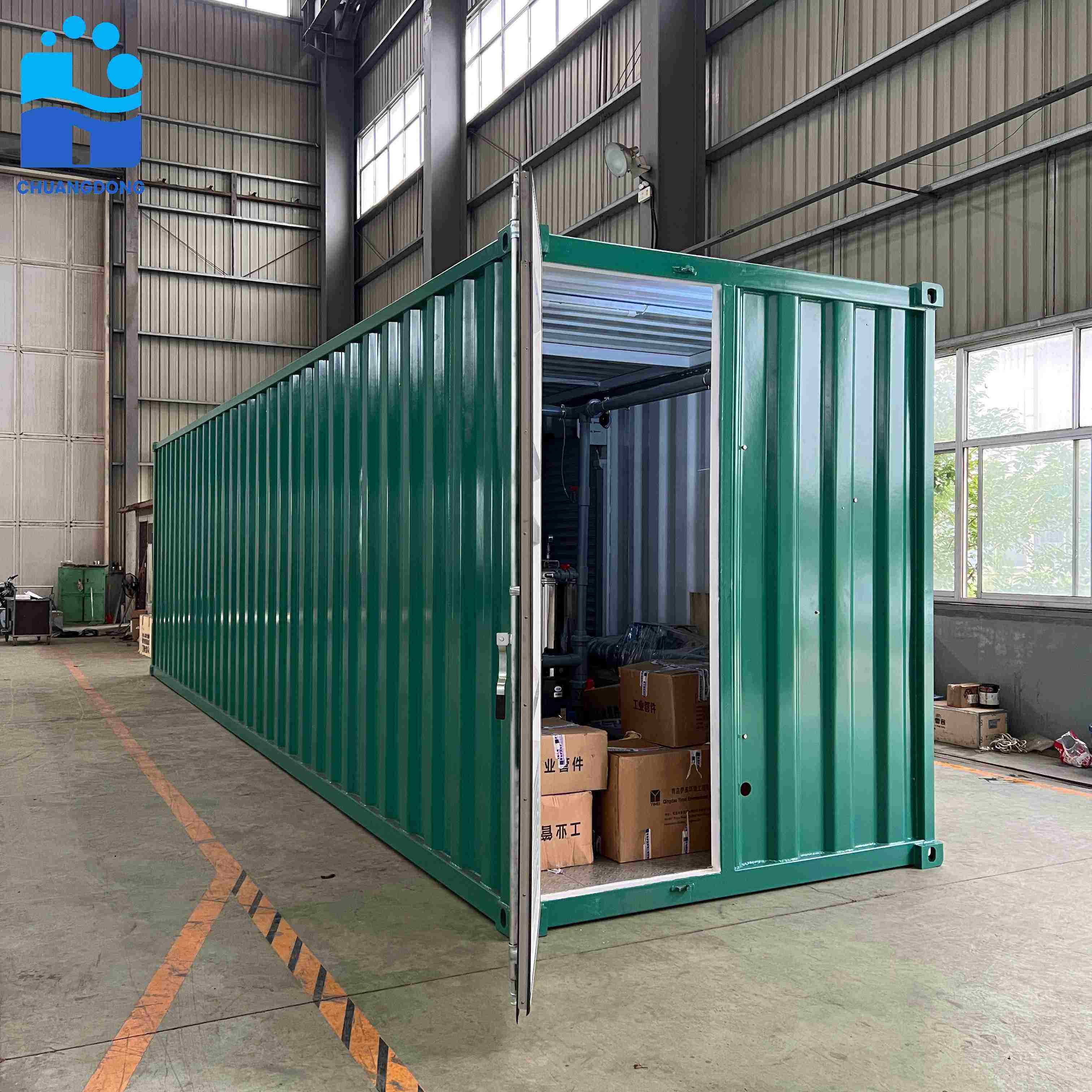
The commercial reverse osmosis plant offers unparalleled scalability and customization options that make it suitable for diverse business applications, from small office buildings to large industrial facilities. The modular architecture allows businesses to start with a basic configuration and expand capacity as their needs grow, without requiring complete system replacement or extensive modifications. Each commercial reverse osmosis plant can be precisely sized and configured to match specific flow rate requirements, water quality specifications, and space constraints. The flexible design accommodates various membrane configurations, including spiral-wound, hollow fiber, and tubular membranes, each optimized for different applications and operating conditions. Customization options extend to pre-treatment and post-treatment systems, with the commercial reverse osmosis plant capable of incorporating specialized components such as iron and manganese removal systems, hydrogen sulfide treatment, and advanced oxidation processes. The control system architecture supports both local and remote monitoring capabilities, with options for integration into existing building management systems or standalone operation with comprehensive web-based interfaces. Advanced commercial reverse osmosis plant installations can include redundant systems with automatic failover capabilities, ensuring continuous water production even during maintenance or component failure. The scalable design also accommodates varying water quality inputs, with adaptive control systems that automatically adjust operating parameters based on feed water conditions. This flexibility makes the commercial reverse osmosis plant suitable for locations with seasonal water quality variations or multiple water sources. Customization extends to materials of construction, with options ranging from standard industrial-grade components to specialized alloys and coatings for aggressive water conditions or sanitary applications. The modular approach also facilitates staged implementation, allowing businesses to distribute capital expenditure over time while maintaining operational continuity. Integration capabilities include connections to existing water storage systems, distribution networks, and waste management infrastructure, ensuring seamless incorporation into existing facilities. The commercial reverse osmosis plant can also be customized with specialized monitoring and reporting features to meet regulatory requirements or corporate sustainability reporting needs, providing detailed documentation of water usage, waste generation, and system performance metrics.

Get a Free Quote

Our representative will contact you soon.
Email
Name
Company Name
Message
0/1000