reverse osmosis water filter for aquarium
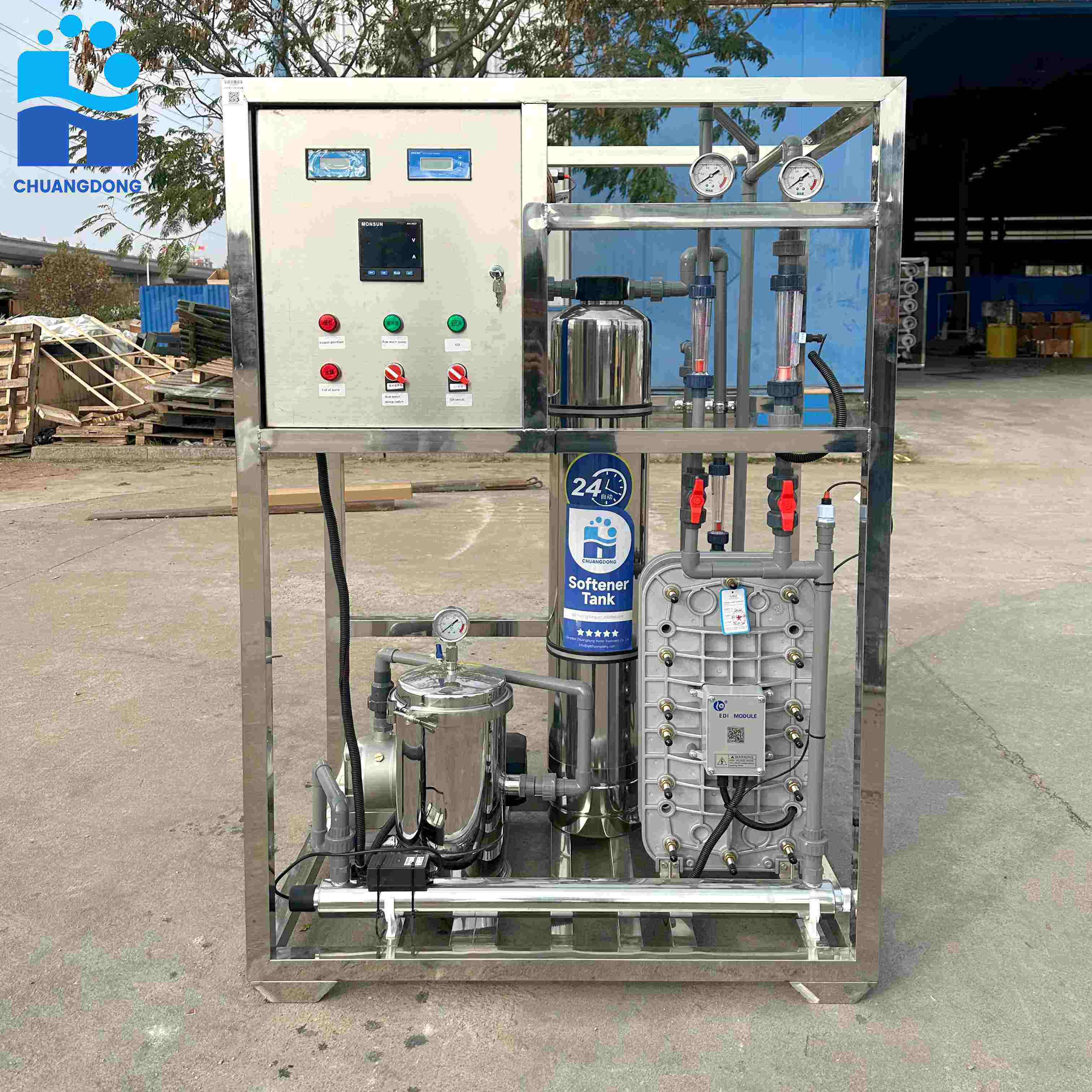
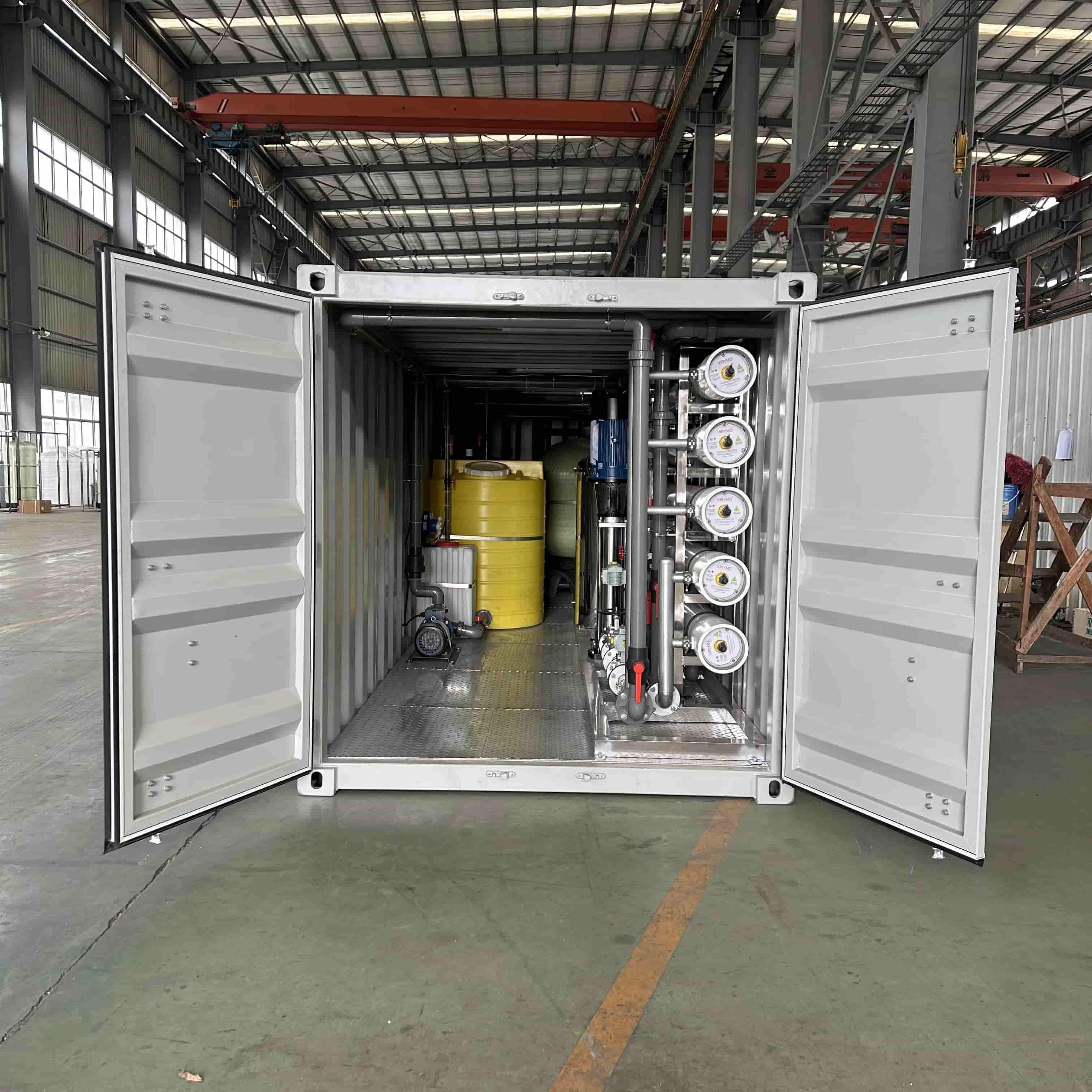
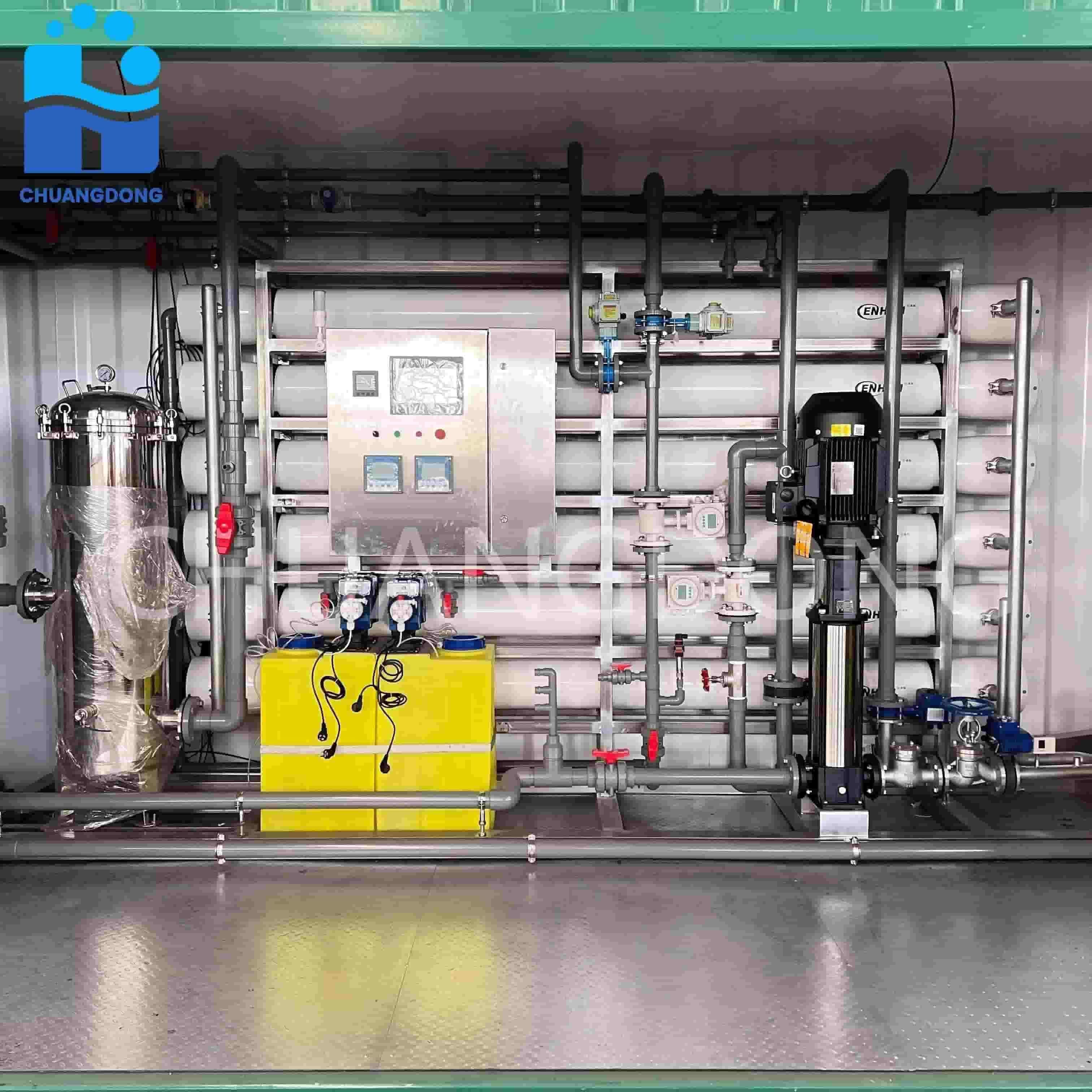
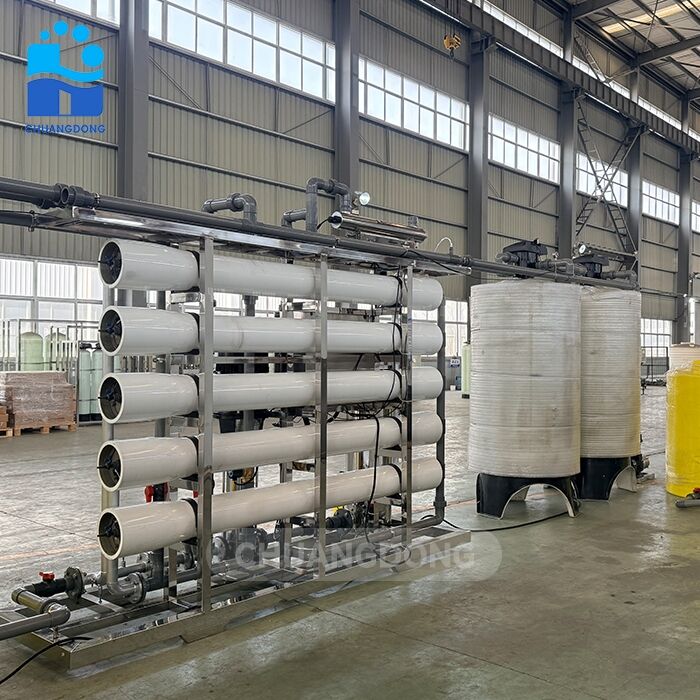
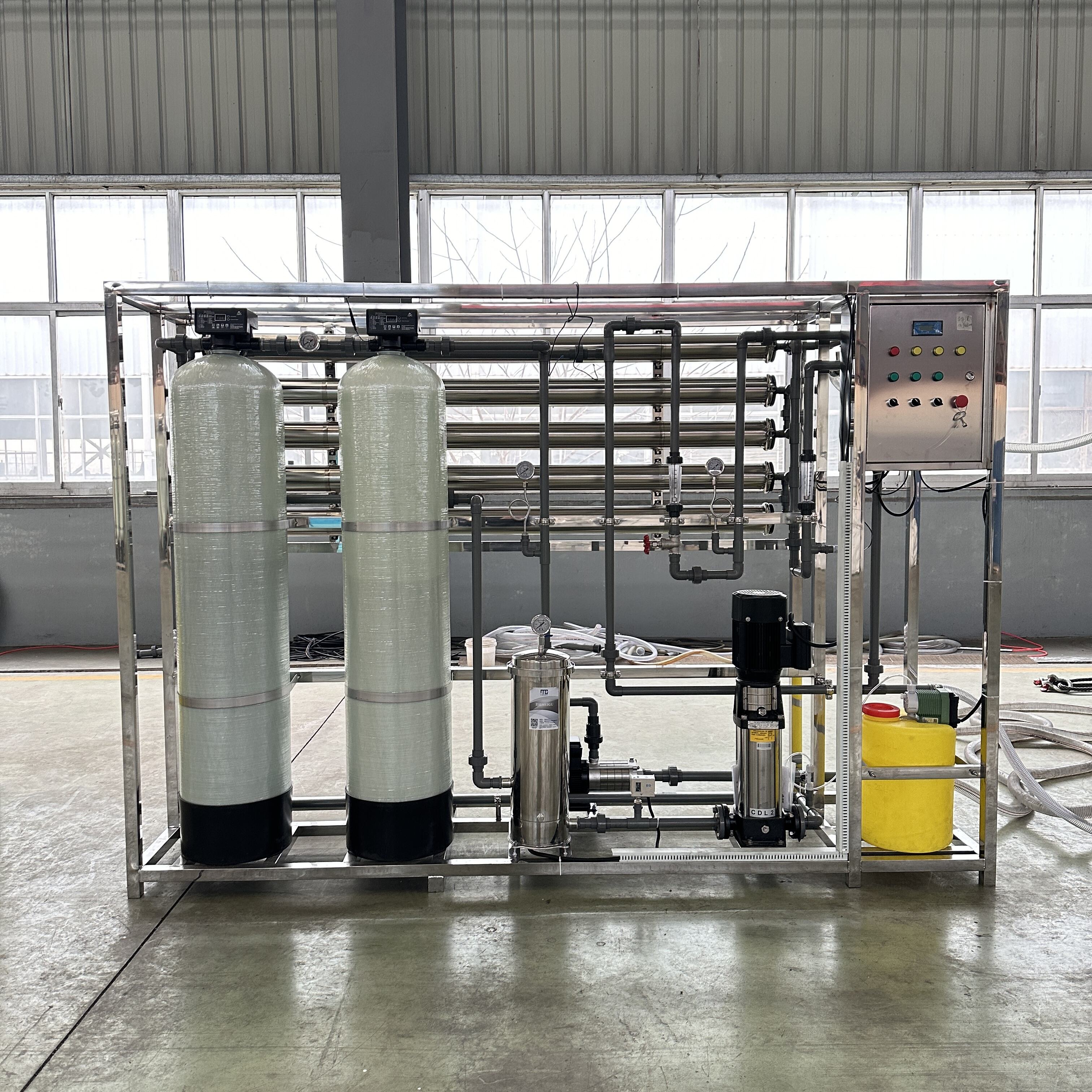
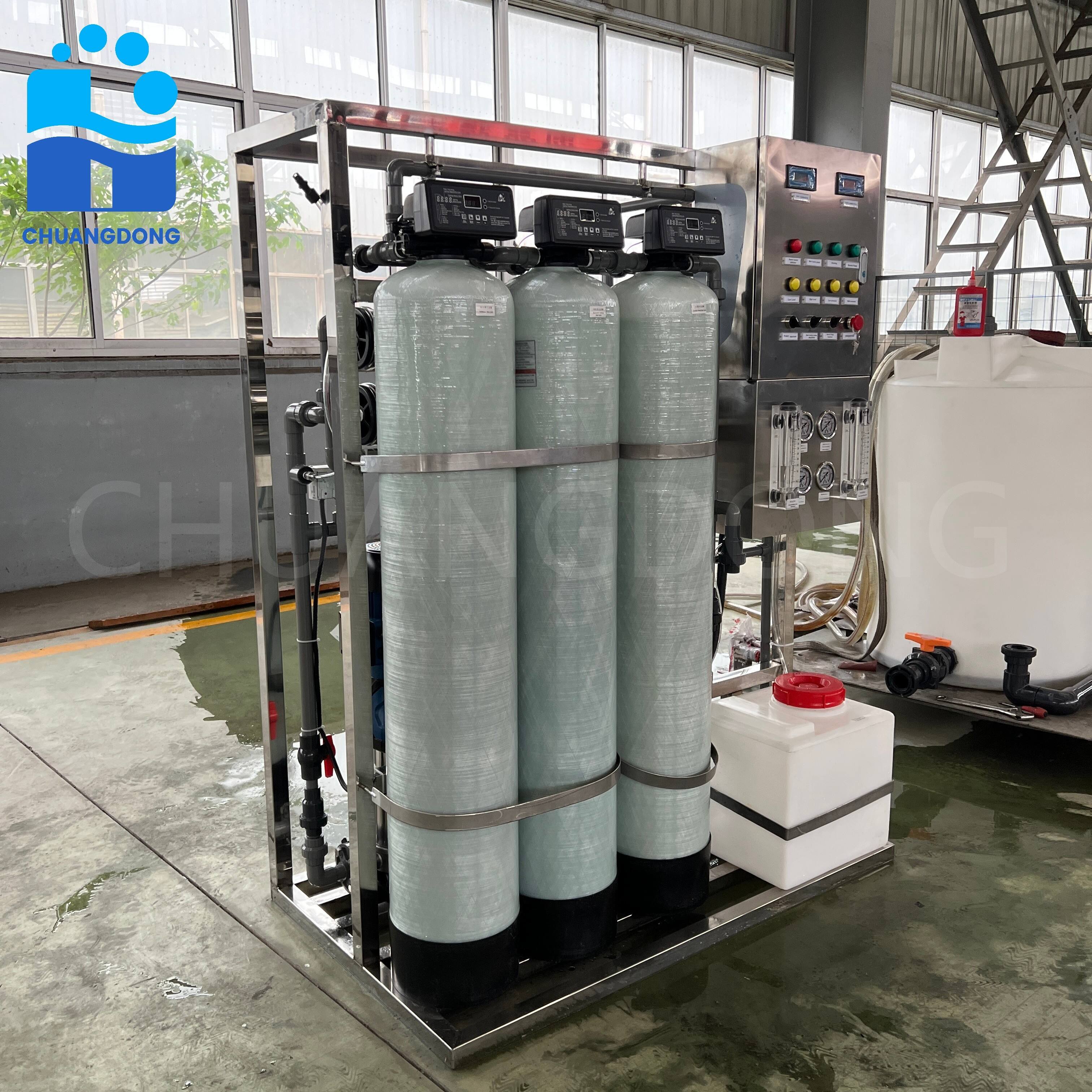
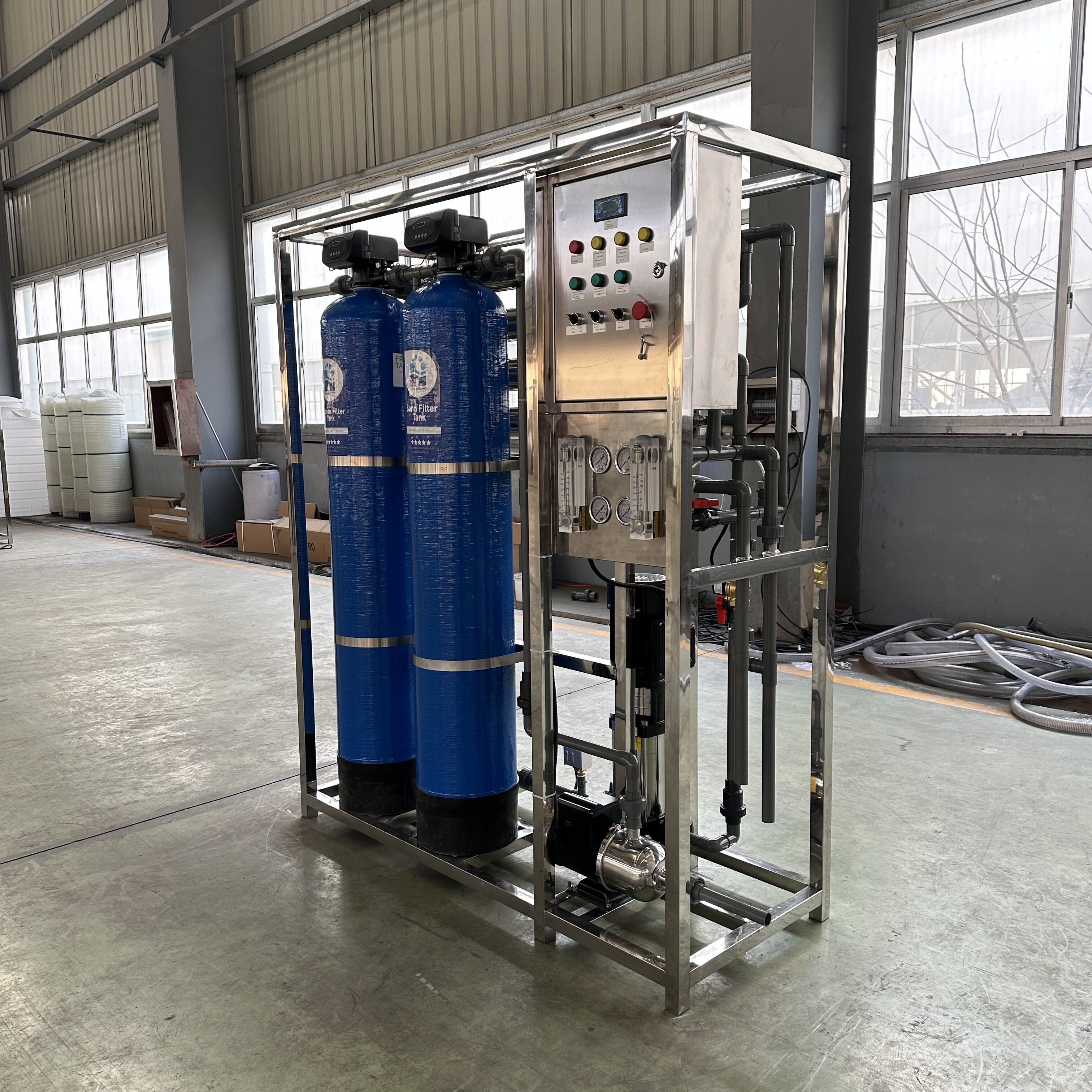
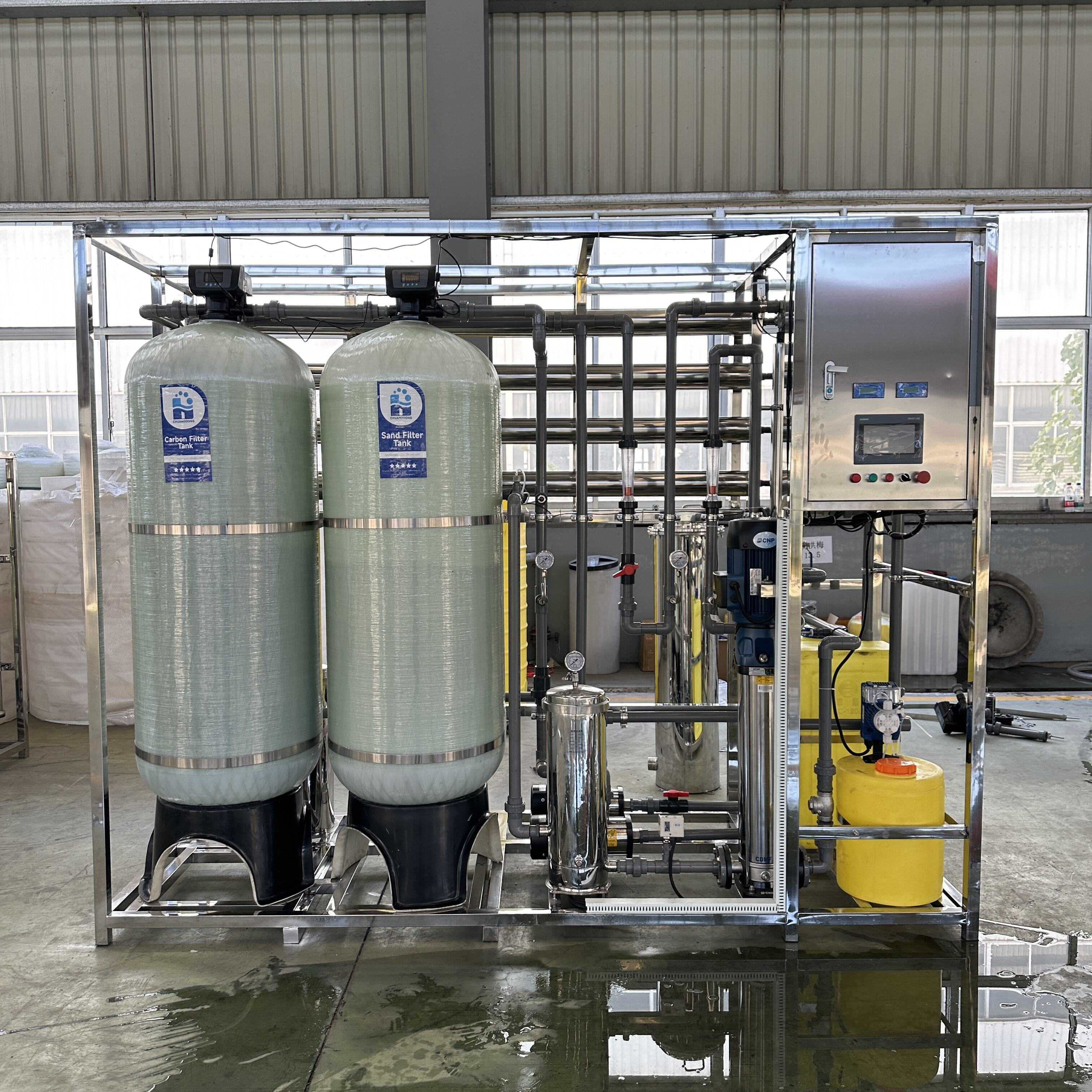
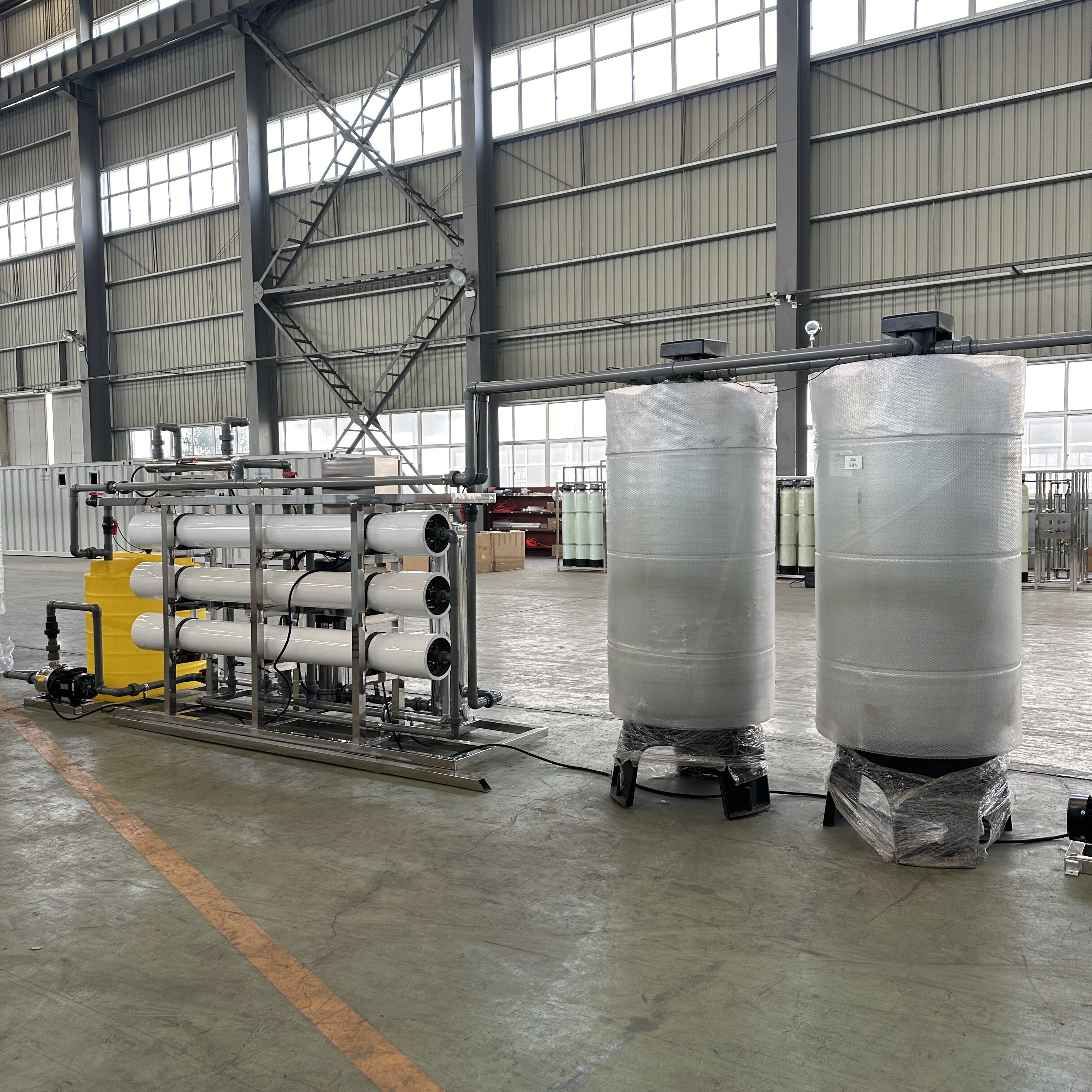
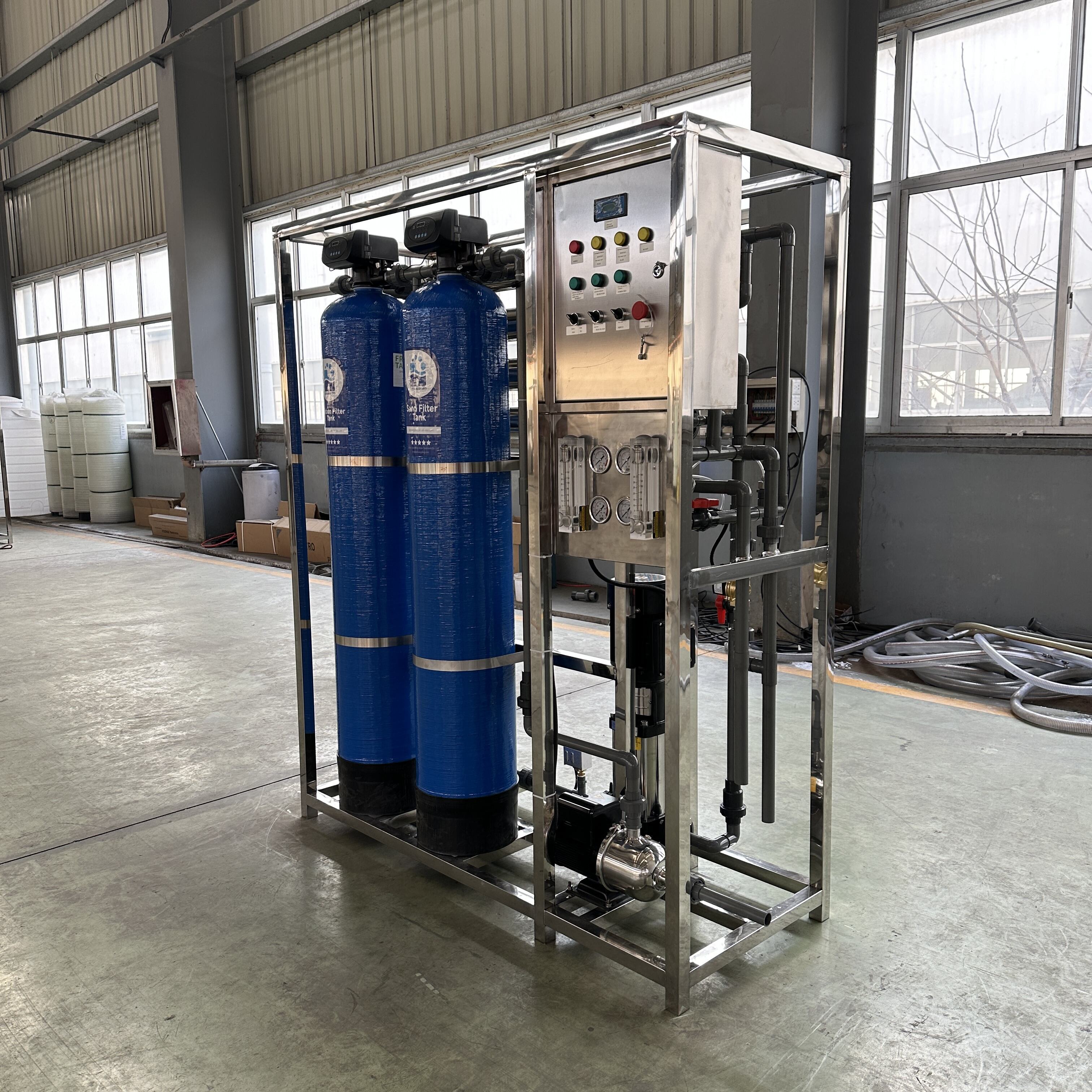
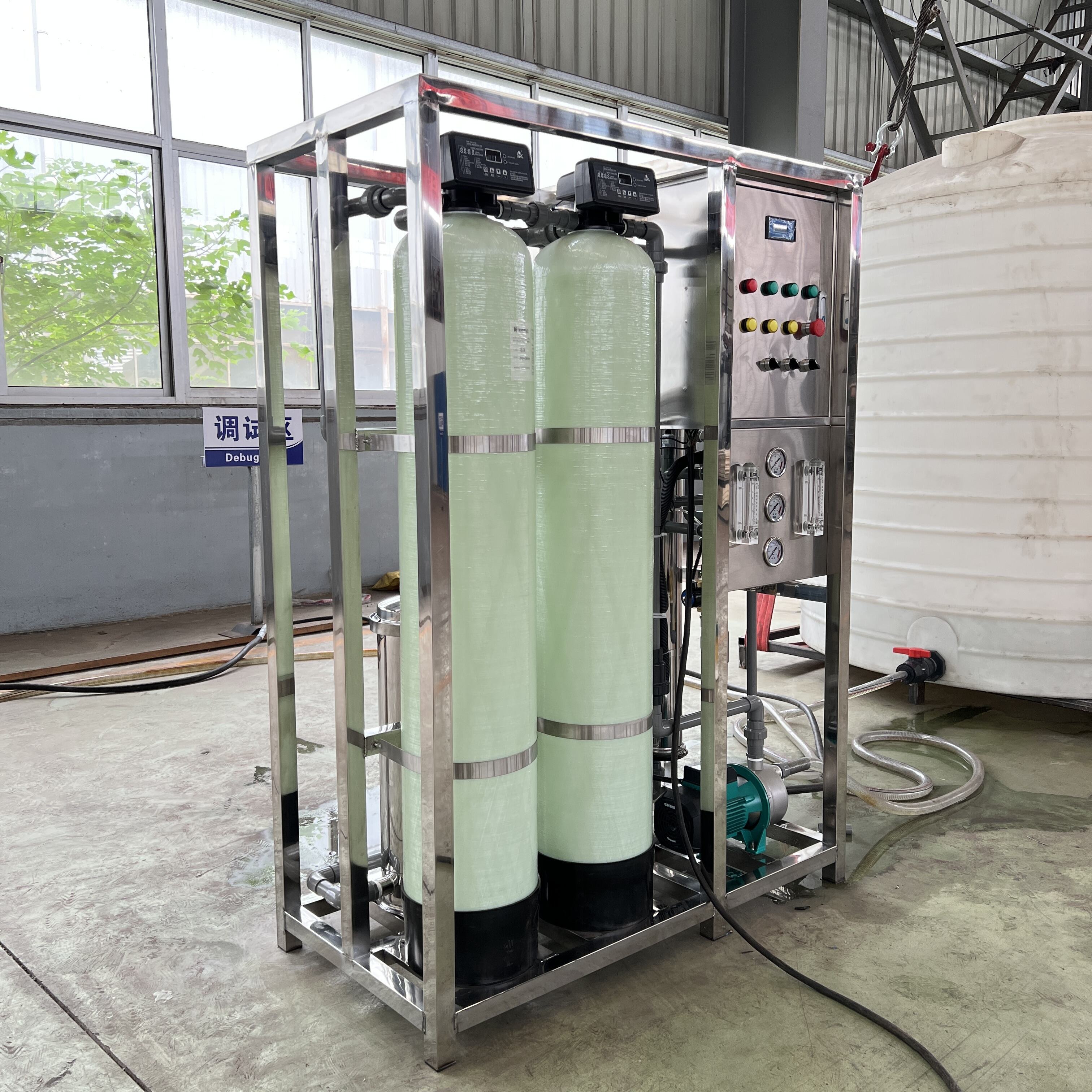
A reverse osmosis water filter for aquarium represents an essential water purification system designed specifically to create optimal aquatic environments for fish, plants, and coral. This advanced filtration technology removes up to 99% of contaminants, including chlorine, chloramines, heavy metals, nitrates, phosphates, and dissolved solids that can harm sensitive aquatic life. The reverse osmosis water filter for aquarium works by forcing tap water through a semi-permeable membrane under pressure, separating pure water molecules from harmful impurities. The system typically features multiple filtration stages, including sediment pre-filters, carbon blocks, the RO membrane, and often a deionization stage for complete mineral removal. This technology is particularly valuable for marine aquariums, reef tanks, discus breeding setups, and planted aquariums requiring precise water chemistry control. By producing ultra-pure water with minimal total dissolved solids, the reverse osmosis water filter for aquarium allows hobbyists to customize water parameters by selectively adding minerals and buffers. The system protects expensive livestock from toxic substances while preventing algae outbreaks caused by excess nutrients. Whether maintaining delicate coral species, breeding sensitive fish, or cultivating demanding aquatic plants, this filtration solution provides the foundation for long-term aquarium success and healthier aquatic ecosystems.
 EN
EN