Advanced Reverse Osmosis Systems for Wastewater Treatment - Efficient Water Recycling Solutions

Get a Free Quote

Our representative will contact you soon.
Email
Name
Company Name
Message
0/1000

reverse osmosis system for wastewater

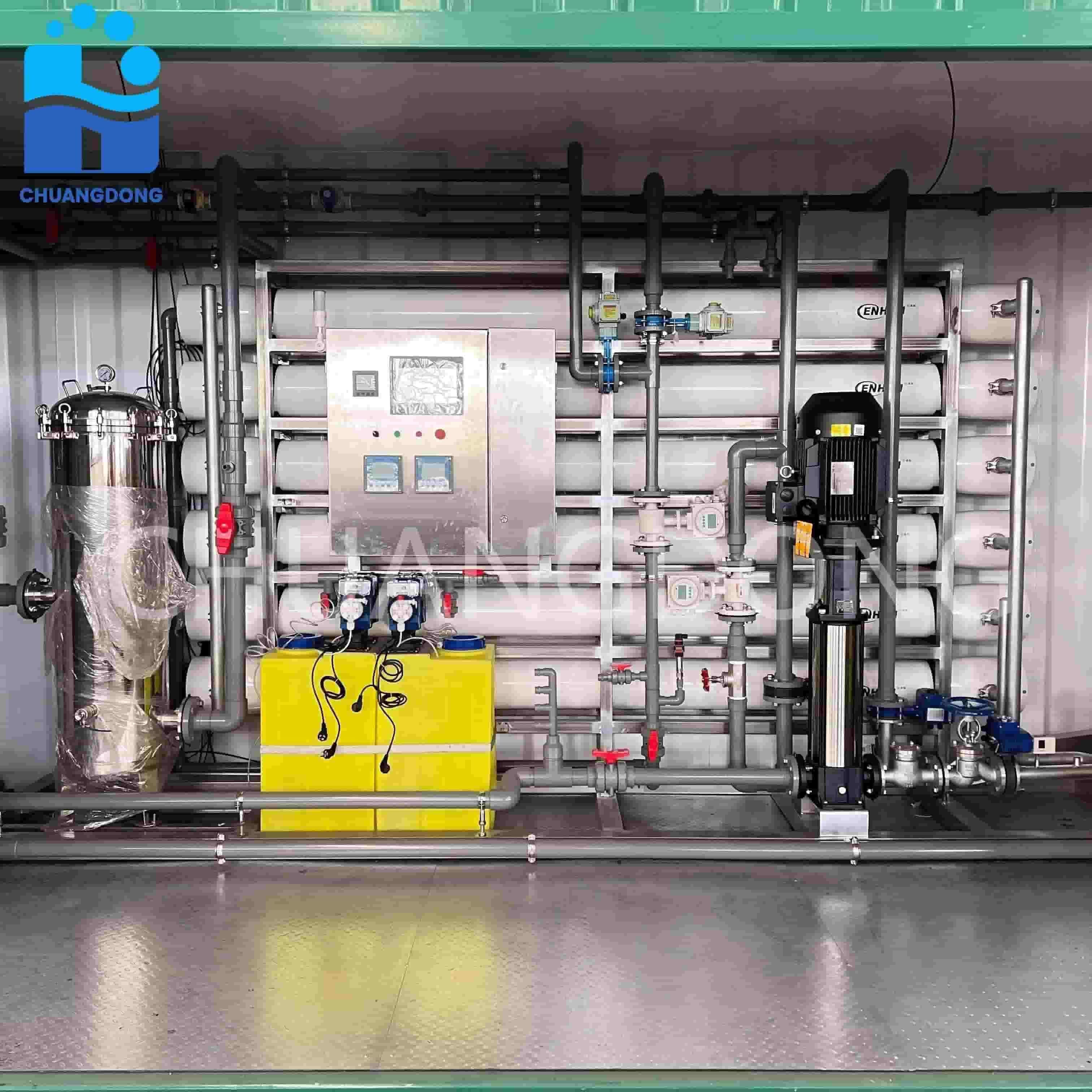
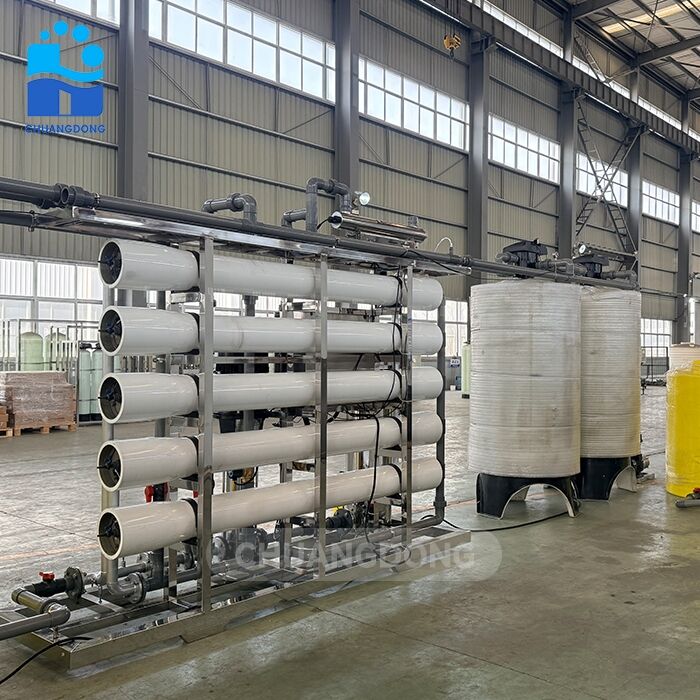
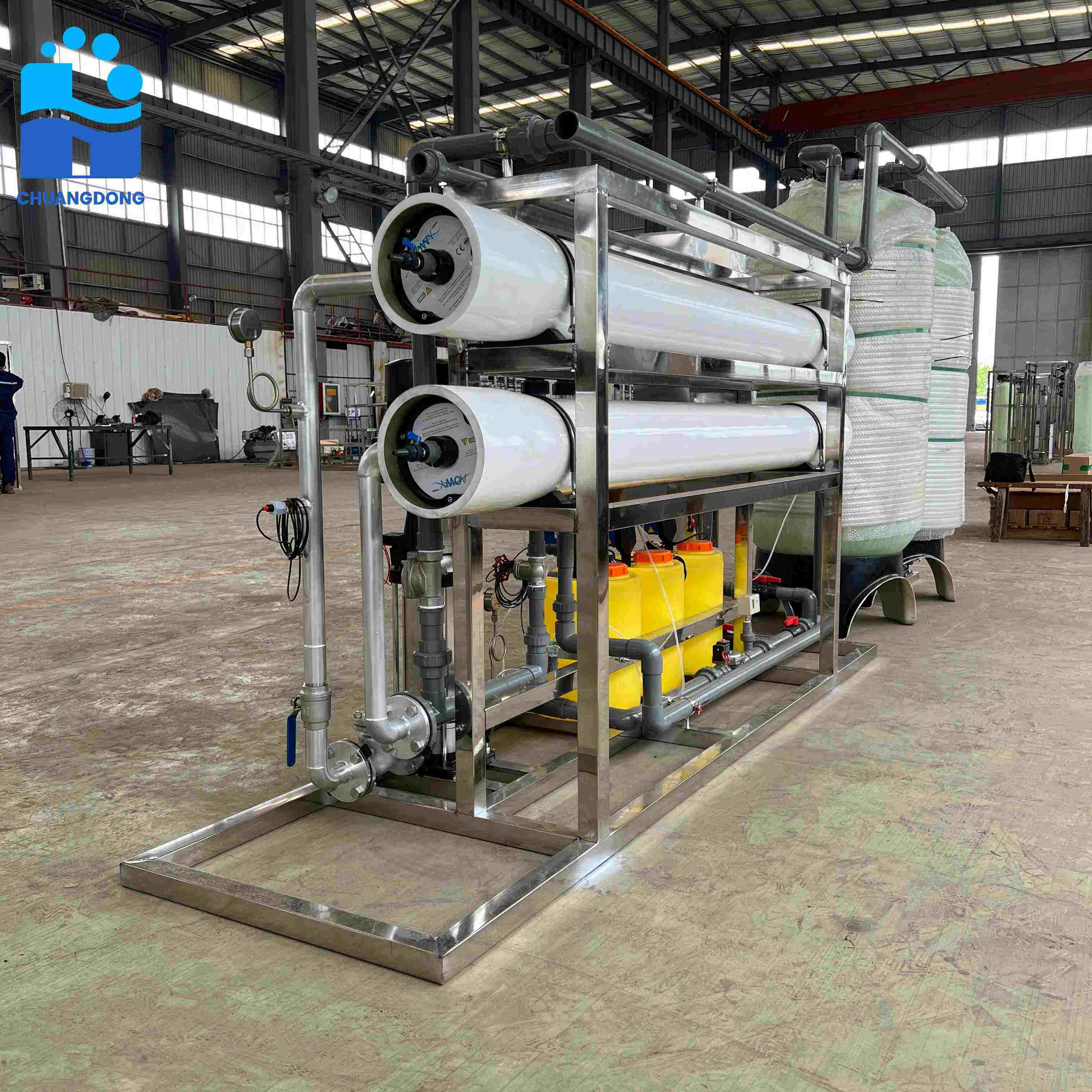
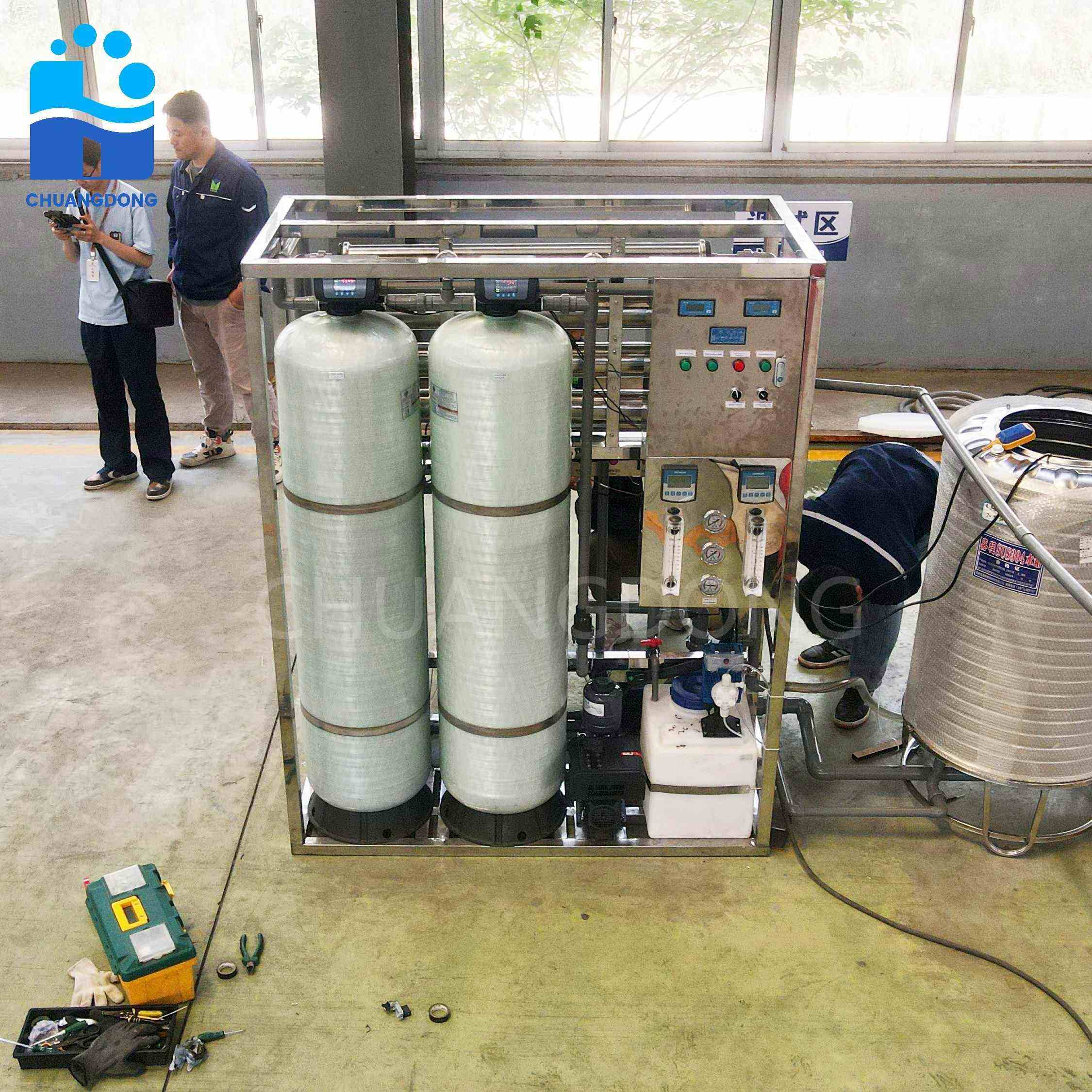
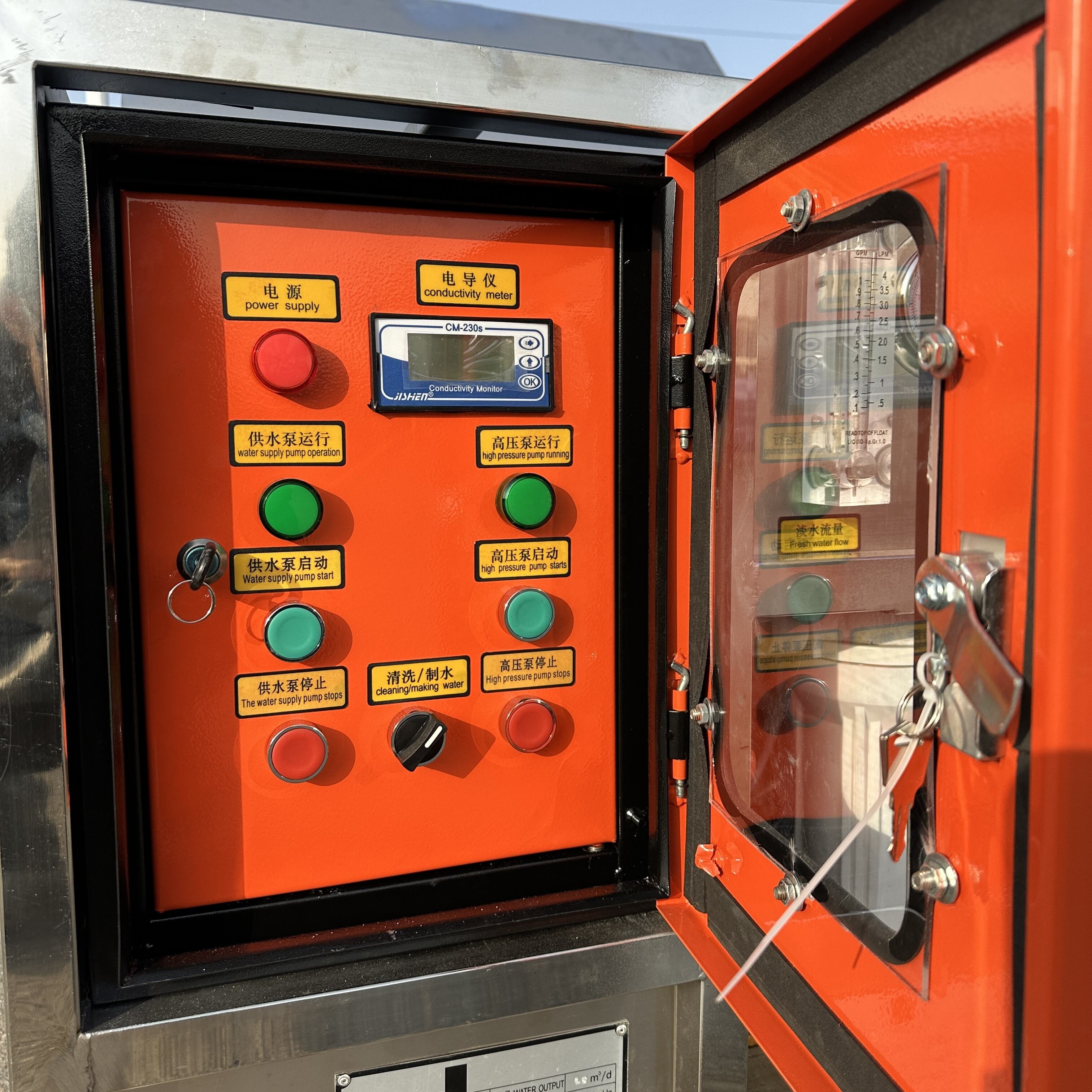
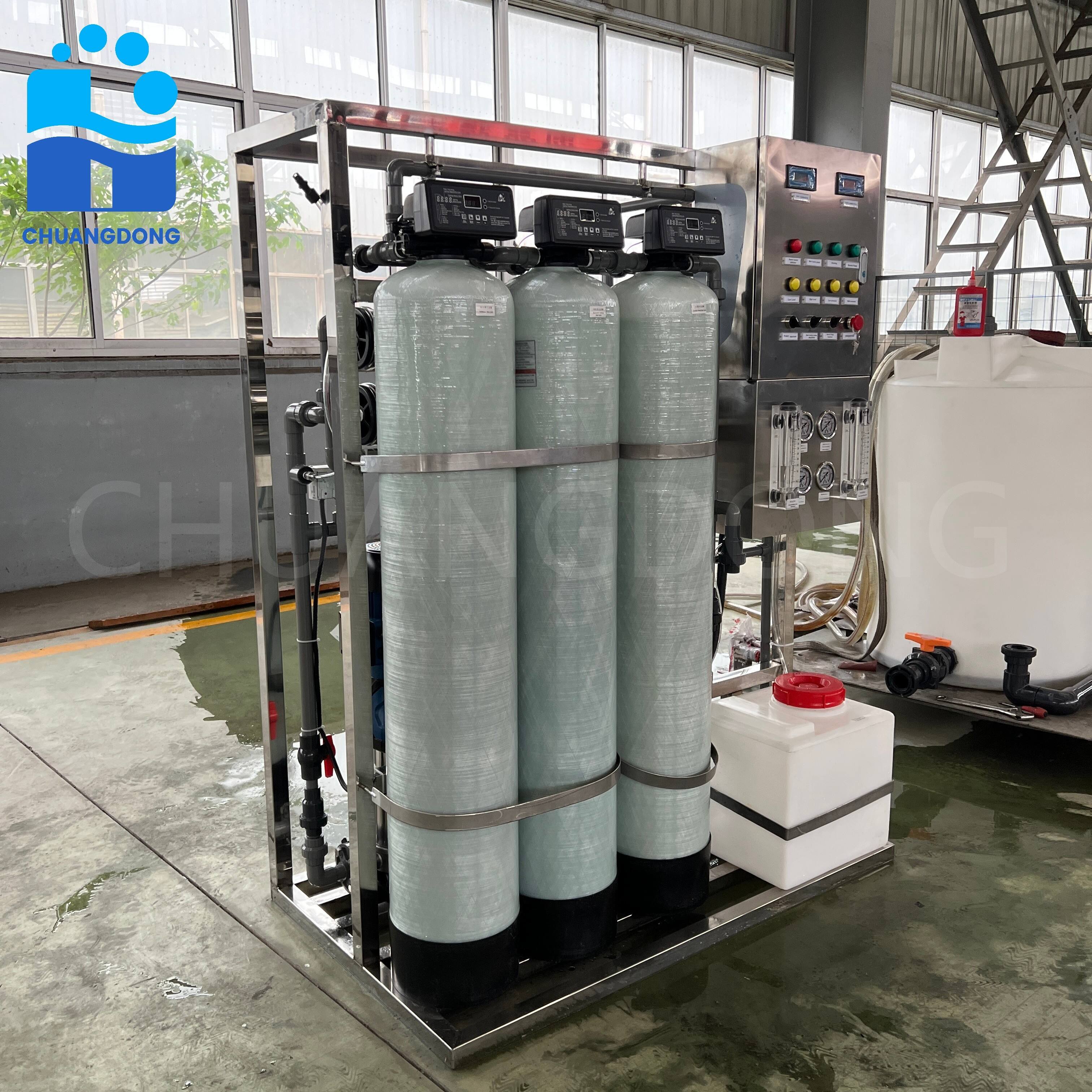
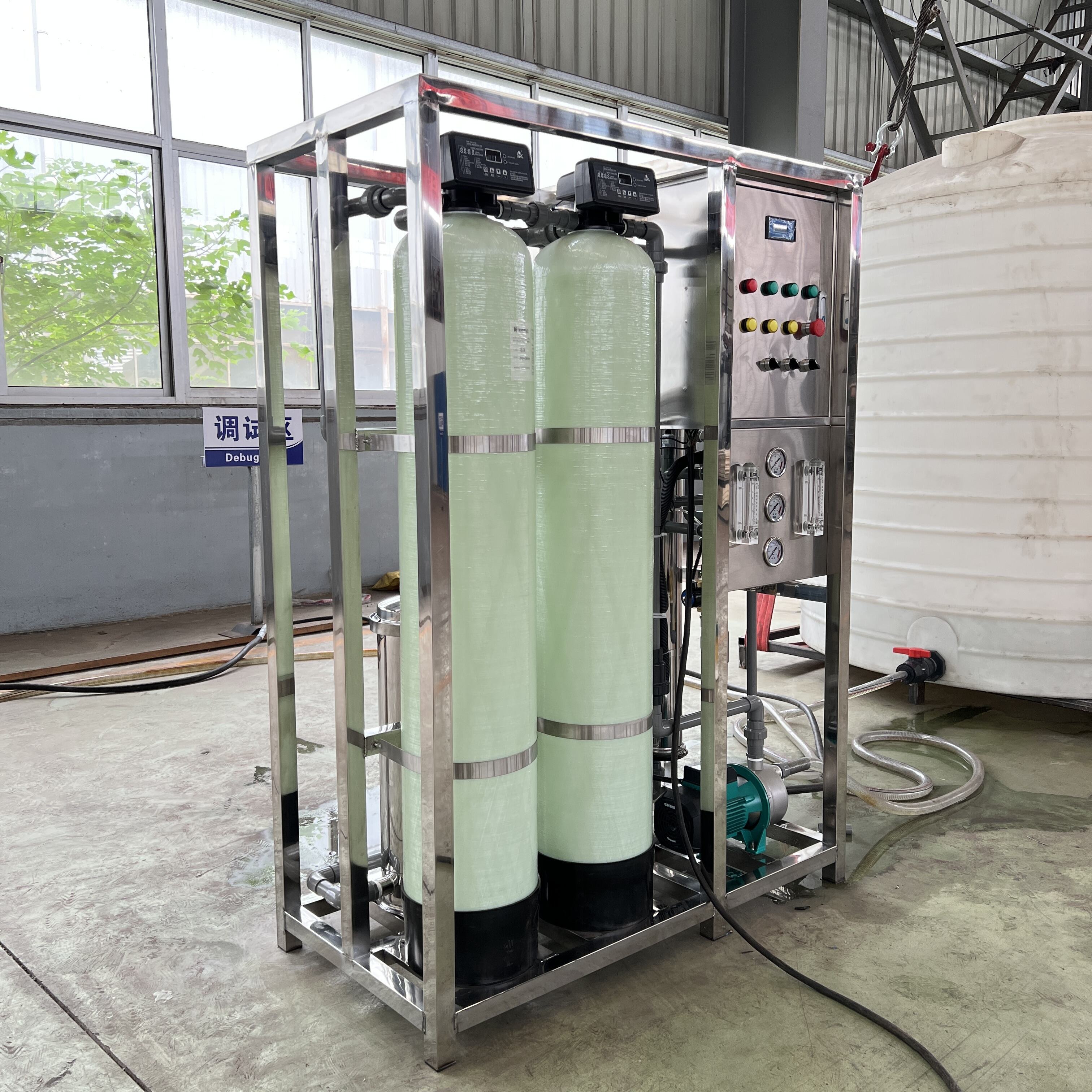
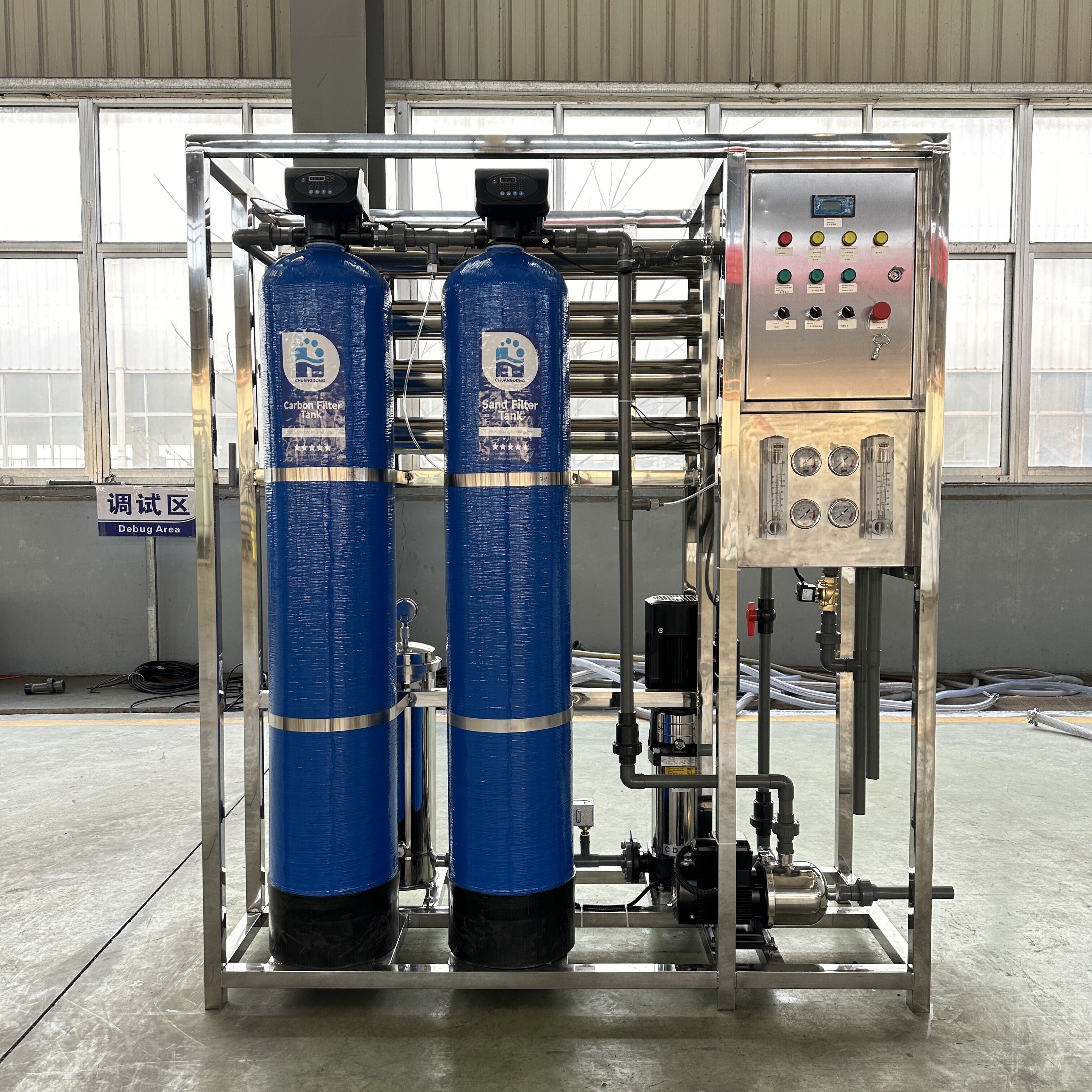
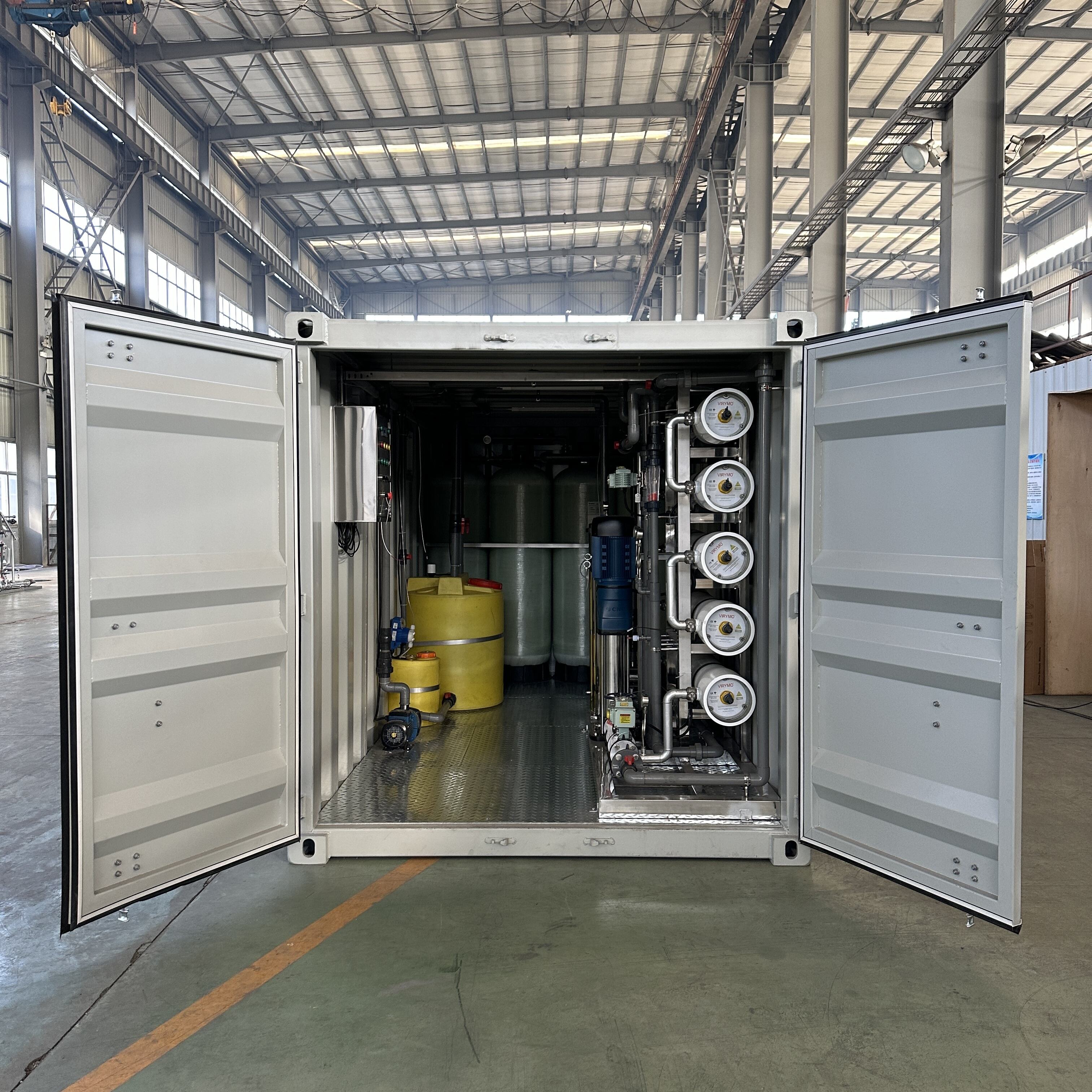
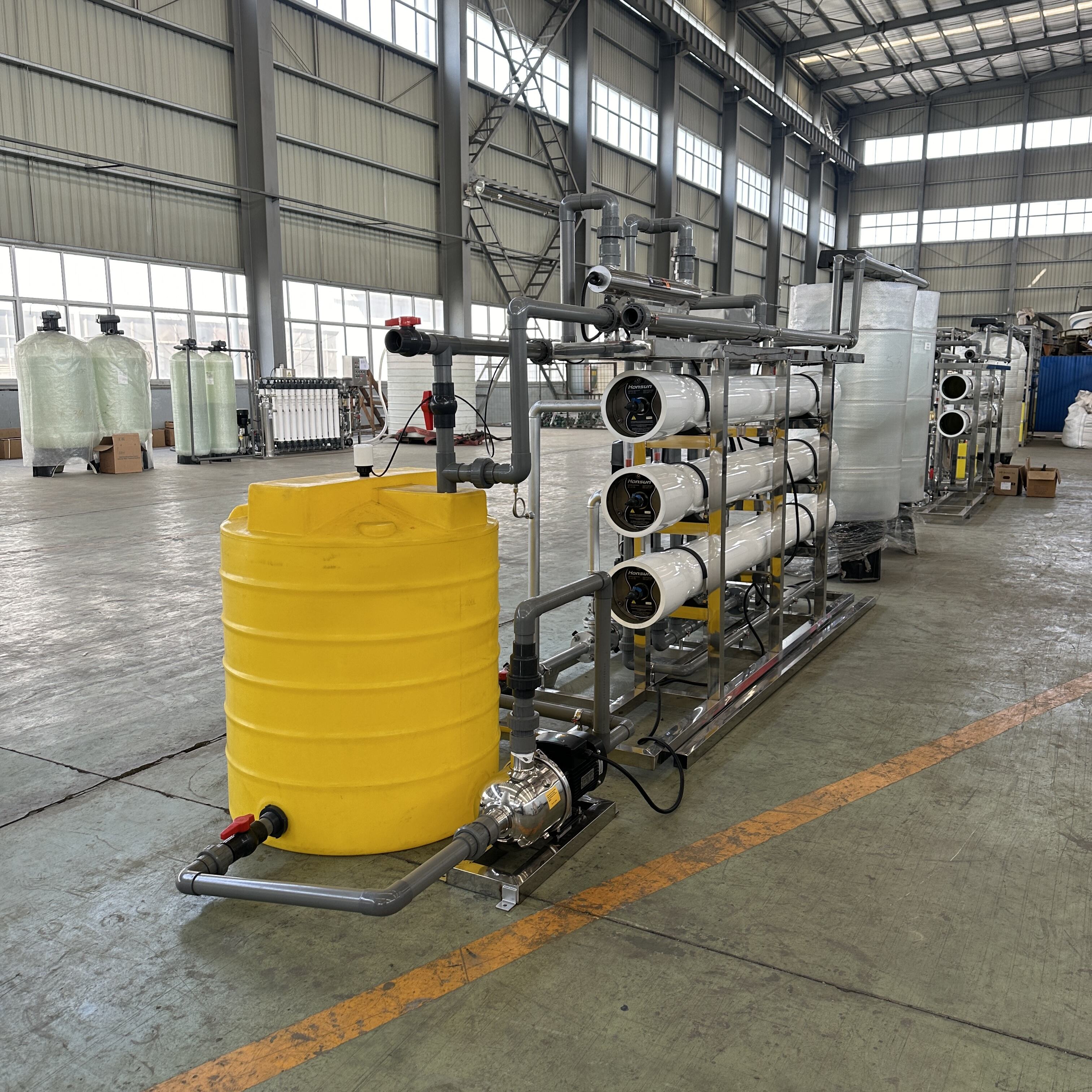
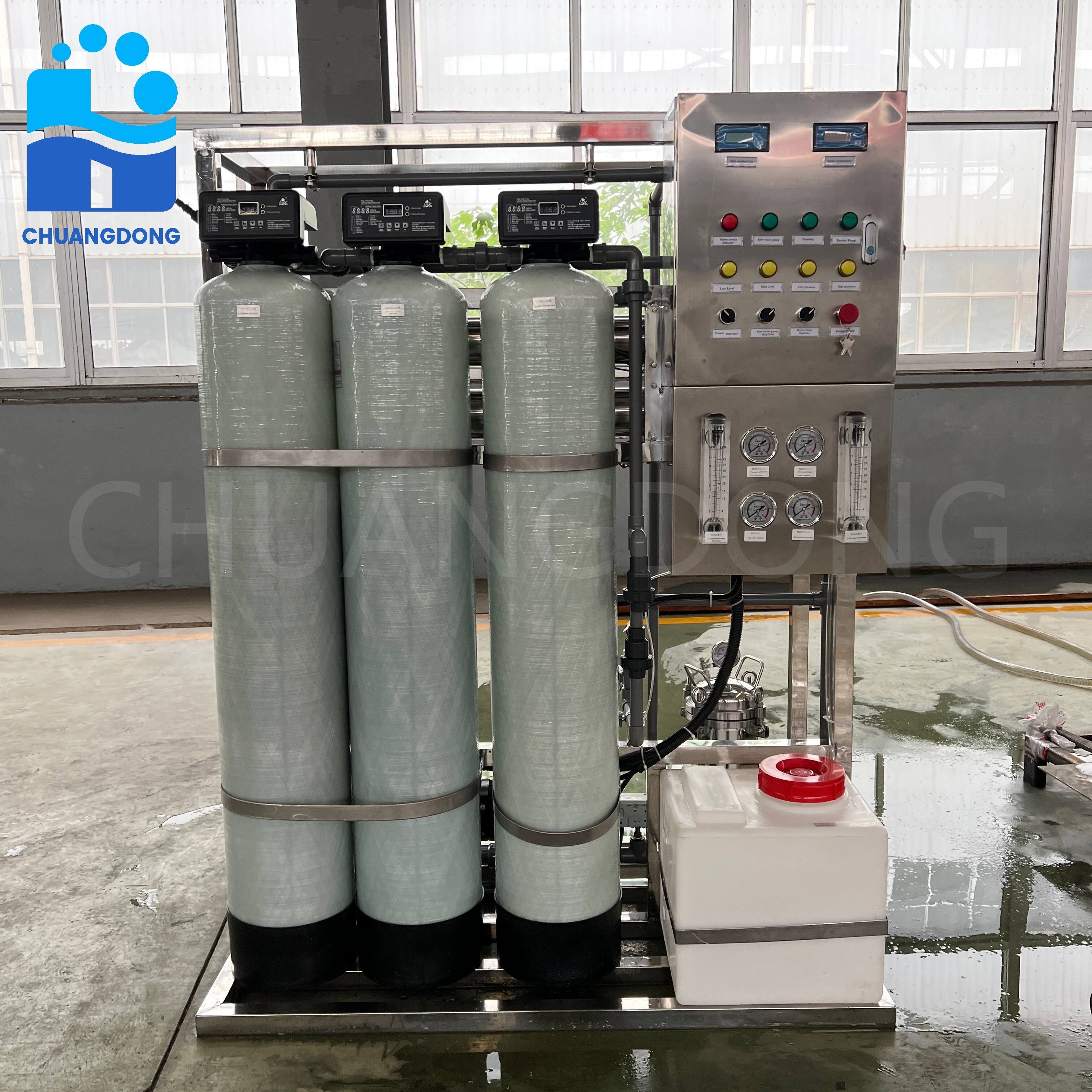
The reverse osmosis system for wastewater represents a cutting-edge filtration technology that transforms contaminated water into clean, reusable resources through semi-permeable membrane separation. This sophisticated water treatment solution operates by applying pressure to force water molecules through specialized membranes while effectively blocking contaminants, dissolved solids, and harmful substances. The reverse osmosis system for wastewater functions as a comprehensive purification method that addresses multiple water quality challenges simultaneously. The core technology utilizes multiple filtration stages, beginning with pre-treatment processes that remove large particles and sediments. Subsequently, the water passes through high-performance reverse osmosis membranes that capture microscopic contaminants, including bacteria, viruses, heavy metals, and chemical pollutants. The reverse osmosis system for wastewater incorporates advanced pressure pumps, monitoring controls, and automated cleaning cycles to maintain optimal performance. Key technological features include multi-stage membrane configurations, energy recovery devices, and intelligent control systems that monitor water quality parameters in real-time. These systems typically achieve removal rates exceeding 95% for most contaminants, producing water that meets or surpasses regulatory standards. Applications span across industrial facilities, municipal treatment plants, commercial establishments, and residential complexes. Manufacturing industries utilize reverse osmosis systems for wastewater to treat process water, reduce discharge costs, and comply with environmental regulations. Food and beverage companies implement these systems to recycle water while maintaining product quality standards. The reverse osmosis system for wastewater proves essential in water-scarce regions where conservation and reuse become critical. Healthcare facilities, pharmaceutical companies, and research laboratories depend on these systems to produce ultra-pure water for various applications. The technology adapts to different water sources, including brackish water, seawater, and heavily contaminated industrial effluent, making it versatile for diverse treatment requirements.

New Products

The reverse osmosis system for wastewater delivers exceptional cost savings by dramatically reducing water consumption and disposal expenses. Companies implementing these systems typically experience 40-70% reduction in water procurement costs while simultaneously decreasing wastewater discharge fees. The technology enables businesses to recycle and reuse treated water for various applications, creating sustainable water management practices that generate long-term financial benefits. Organizations save thousands of dollars annually on municipal water bills while reducing their environmental footprint through responsible water stewardship. The reverse osmosis system for wastewater produces consistently high-quality treated water that often exceeds drinking water standards. This reliability ensures businesses can depend on a steady supply of clean water for their operations without worrying about quality fluctuations. The advanced filtration process removes up to 99% of dissolved solids, bacteria, viruses, and chemical contaminants, providing peace of mind for critical applications. Installation and maintenance remain straightforward, with modern systems featuring user-friendly controls and automated operation modes. The reverse osmosis system for wastewater requires minimal operator intervention once properly configured, reducing labor costs and operational complexity. Routine maintenance involves simple membrane replacement and basic cleaning procedures that facility staff can easily perform. Energy efficiency represents another significant advantage, with contemporary systems incorporating energy recovery devices that reduce power consumption by up to 60%. These systems operate quietly and compactly, fitting into existing facilities without major infrastructure modifications. The reverse osmosis system for wastewater helps organizations achieve environmental compliance by treating wastewater to meet strict discharge standards. This compliance protection shields businesses from regulatory fines and penalties while demonstrating corporate environmental responsibility. The technology scales effectively, allowing facilities to expand treatment capacity as needs grow without completely replacing existing equipment. Businesses can start with smaller systems and gradually increase capacity through modular additions, making the investment more manageable and adaptable to changing requirements.

Tips And Tricks

What Intake and Outfall Designs Minimize Environmental Impact of a Desalination Plant?

01

Mar

What Intake and Outfall Designs Minimize Environmental Impact of a Desalination Plant?

Environmental considerations have become paramount in the design and operation of modern desalination facilities worldwide. As water scarcity continues to challenge communities across the globe, the demand for sustainable desalination plant solutions...
View More
What Corrosion-Resistant Materials Are Used in Desalination Plant Construction?

06

Mar

What Corrosion-Resistant Materials Are Used in Desalination Plant Construction?

Desalination plants operate in some of the harshest environments imaginable, where saltwater constantly threatens the integrity of critical infrastructure. The selection of appropriate corrosion-resistant materials becomes paramount to ensuring long-...
View More
How Does a Water Purification System with Ion Exchange Soften Hard Water Effectively?

15

Mar

How Does a Water Purification System with Ion Exchange Soften Hard Water Effectively?

Hard water poses significant challenges for both residential and commercial applications, containing high concentrations of calcium and magnesium ions that cause scale buildup, reduce equipment efficiency, and affect water quality. A water purificati...
View More
Why Should Pharmaceutical QC Labs Use Ultrapure Water for HPLC and Mass Spectrometry?

18

Mar

Why Should Pharmaceutical QC Labs Use Ultrapure Water for HPLC and Mass Spectrometry?

Pharmaceutical quality control laboratories face increasingly stringent requirements for analytical accuracy and regulatory compliance. The foundation of reliable analytical results lies in the quality of water used throughout testing procedures. Ult...
View More

Get a Free Quote

Our representative will contact you soon.
Email
Name
Company Name
Message
0/1000

reverse osmosis system for wastewater

Advanced Multi-Stage Filtration Technology

Advanced Multi-Stage Filtration Technology

The reverse osmosis system for wastewater employs sophisticated multi-stage filtration technology that delivers unmatched purification performance through carefully engineered treatment phases. This comprehensive approach begins with pre-filtration stages that remove suspended solids, chlorine, and large particles that could damage delicate reverse osmosis membranes. The primary filtration stage utilizes sediment filters and activated carbon modules to eliminate organic compounds, taste, odor, and chemical contaminants that affect water quality. Following pre-treatment, the water enters the heart of the reverse osmosis system for wastewater, where high-pressure pumps force water molecules through semi-permeable membranes with pore sizes smaller than most contaminants. These specialized membranes effectively separate pure water from dissolved salts, heavy metals, bacteria, viruses, and other microscopic pollutants. The multi-stage configuration allows for optimal pressure distribution and maximum contaminant removal while maintaining efficient water recovery rates. Post-treatment stages may include additional polishing filters, UV disinfection, or remineralization depending on intended water use applications. The reverse osmosis system for wastewater incorporates intelligent monitoring systems that continuously track water quality parameters including pH, conductivity, pressure differentials, and flow rates. This real-time monitoring enables automatic adjustments to maintain peak performance and alerts operators to potential maintenance needs before problems occur. The multi-stage approach ensures consistent water quality regardless of input water variations, providing reliable treatment performance that businesses can depend on for critical operations. Advanced control systems optimize energy consumption by adjusting pump speeds and operating pressures based on actual demand, reducing operational costs while maintaining superior treatment effectiveness. The modular design allows for easy expansion or modification of treatment stages to accommodate changing water quality requirements or increased capacity needs.
Exceptional Contaminant Removal Capabilities

Exceptional Contaminant Removal Capabilities

The reverse osmosis system for wastewater demonstrates remarkable contaminant removal capabilities that surpass conventional treatment methods, effectively eliminating over 95% of dissolved solids and virtually all microbiological contaminants from wastewater streams. This exceptional performance stems from the ultra-fine membrane technology that creates a physical barrier against contaminants while allowing only pure water molecules to pass through. The system effectively removes heavy metals including lead, mercury, cadmium, and chromium, which pose serious environmental and health risks in untreated wastewater. Chemical pollutants such as pesticides, pharmaceuticals, industrial solvents, and synthetic compounds are efficiently filtered out, ensuring treated water meets or exceeds regulatory discharge standards. The reverse osmosis system for wastewater eliminates bacteria, viruses, protozoa, and other pathogenic microorganisms without requiring chemical disinfectants that could create harmful byproducts. Dissolved salts including sodium chloride, calcium carbonate, and magnesium sulfate are dramatically reduced, making the treated water suitable for various industrial processes or irrigation applications. Organic compounds, including volatile organic compounds and endocrine-disrupting chemicals, are effectively removed through the combination of activated carbon pre-treatment and membrane filtration. The system handles varying contaminant loads without performance degradation, maintaining consistent removal efficiency even when input water quality fluctuates significantly. This reliability ensures businesses can trust their reverse osmosis system for wastewater to consistently produce high-quality treated water regardless of seasonal variations or operational changes in their processes. The comprehensive contaminant removal capability eliminates the need for multiple separate treatment systems, simplifying operations while reducing capital and operating expenses. Regular membrane performance monitoring ensures optimal contaminant removal rates are maintained throughout the system lifecycle, with predictive maintenance alerts helping operators replace membranes before performance declines.
Energy-Efficient and Environmentally Sustainable Operation

Energy-Efficient and Environmentally Sustainable Operation

The reverse osmosis system for wastewater incorporates advanced energy recovery technology and sustainable operating principles that minimize environmental impact while maximizing treatment efficiency and cost-effectiveness. Modern systems feature energy recovery devices that capture and reuse hydraulic energy from the concentrate stream, reducing overall power consumption by up to 60% compared to conventional systems. Variable frequency drives automatically adjust pump speeds based on actual demand, eliminating energy waste during low-flow periods while maintaining optimal treatment performance. The reverse osmosis system for wastewater operates without chemical additives for primary treatment, eliminating the environmental concerns associated with chemical storage, handling, and disposal that plague traditional treatment methods. This chemical-free operation reduces operational risks while preventing the formation of harmful disinfection byproducts that can occur with chlorine-based treatment systems. The technology promotes water conservation by enabling facilities to recycle and reuse treated wastewater for various applications including cooling tower makeup, irrigation, and process water, reducing demand on freshwater resources. Smart control systems optimize energy consumption patterns to take advantage of off-peak electricity rates, further reducing operational costs while supporting grid stability. The compact system design minimizes land use requirements compared to conventional treatment facilities, making it ideal for urban installations where space is limited. The reverse osmosis system for wastewater generates minimal waste streams, with concentrate disposal volumes typically representing only 15-25% of influent flow, significantly reducing waste management costs and environmental impact. Automated cleaning cycles use optimized chemical dosing to maintain membrane performance while minimizing cleaning chemical consumption and waste generation. The long service life of system components, particularly the robust membrane elements that typically operate effectively for 2-3 years, reduces replacement waste and lifecycle environmental impact. Energy-efficient operation combined with water recycling capabilities helps organizations achieve sustainability goals while reducing operational expenses and demonstrating environmental stewardship to stakeholders and regulatory agencies.

Get a Free Quote

Our representative will contact you soon.
Email
Name
Company Name
Message
0/1000