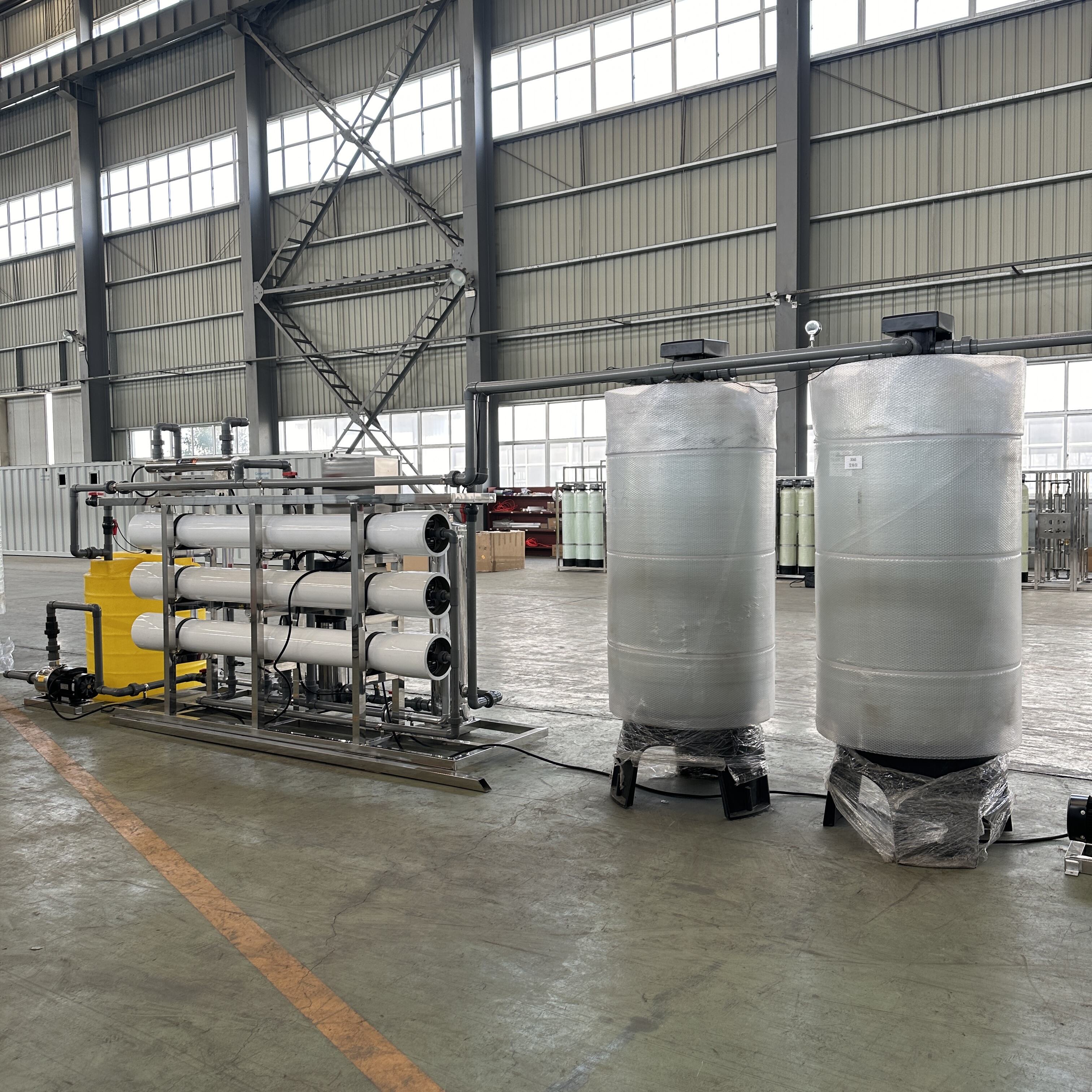
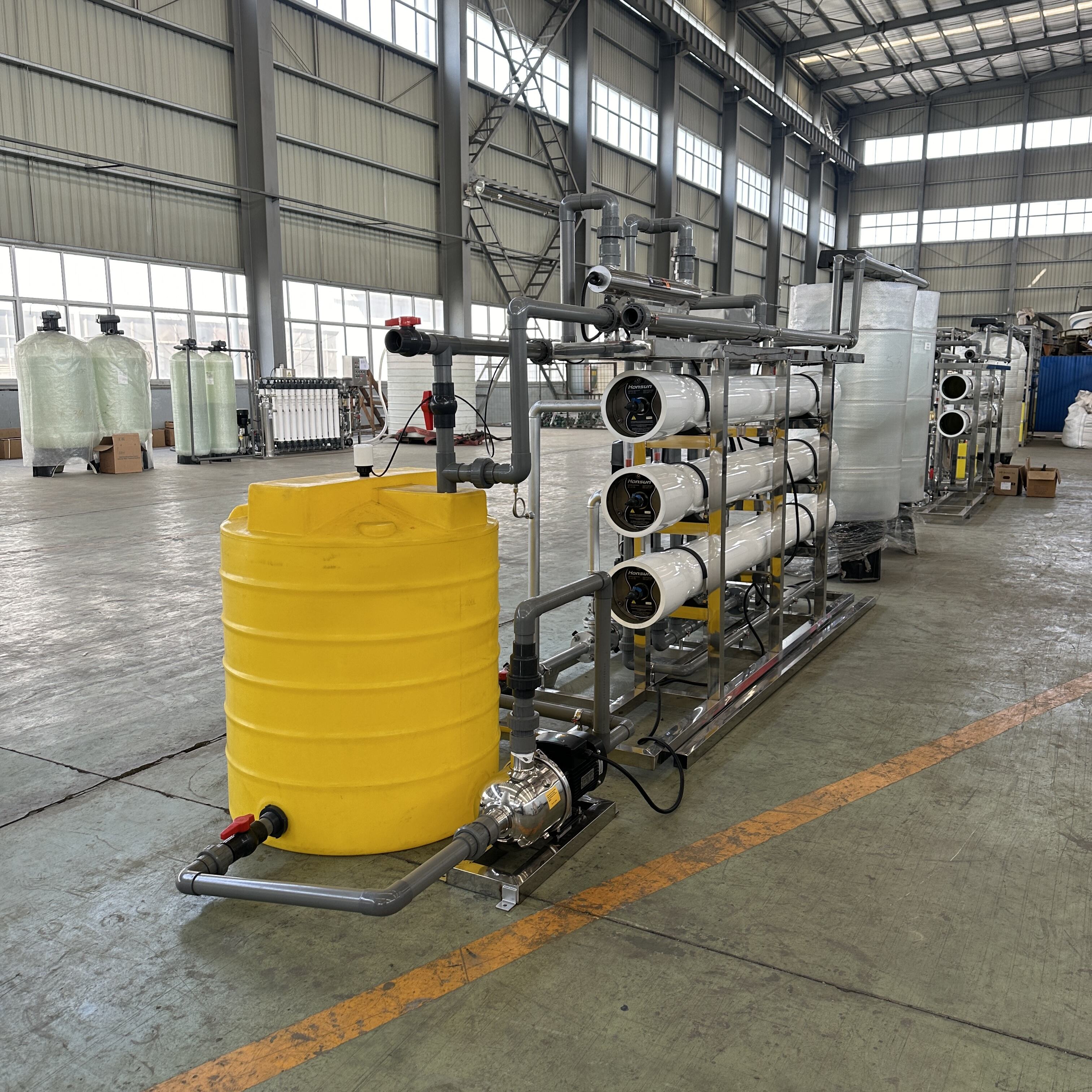
Commercial RO Water Purifier Plants - Advanced Industrial Water Treatment Solutions

Get a Free Quote

Our representative will contact you soon.
Email
Name
Company Name
Message
0/1000

ro water purifier plant for commercial use

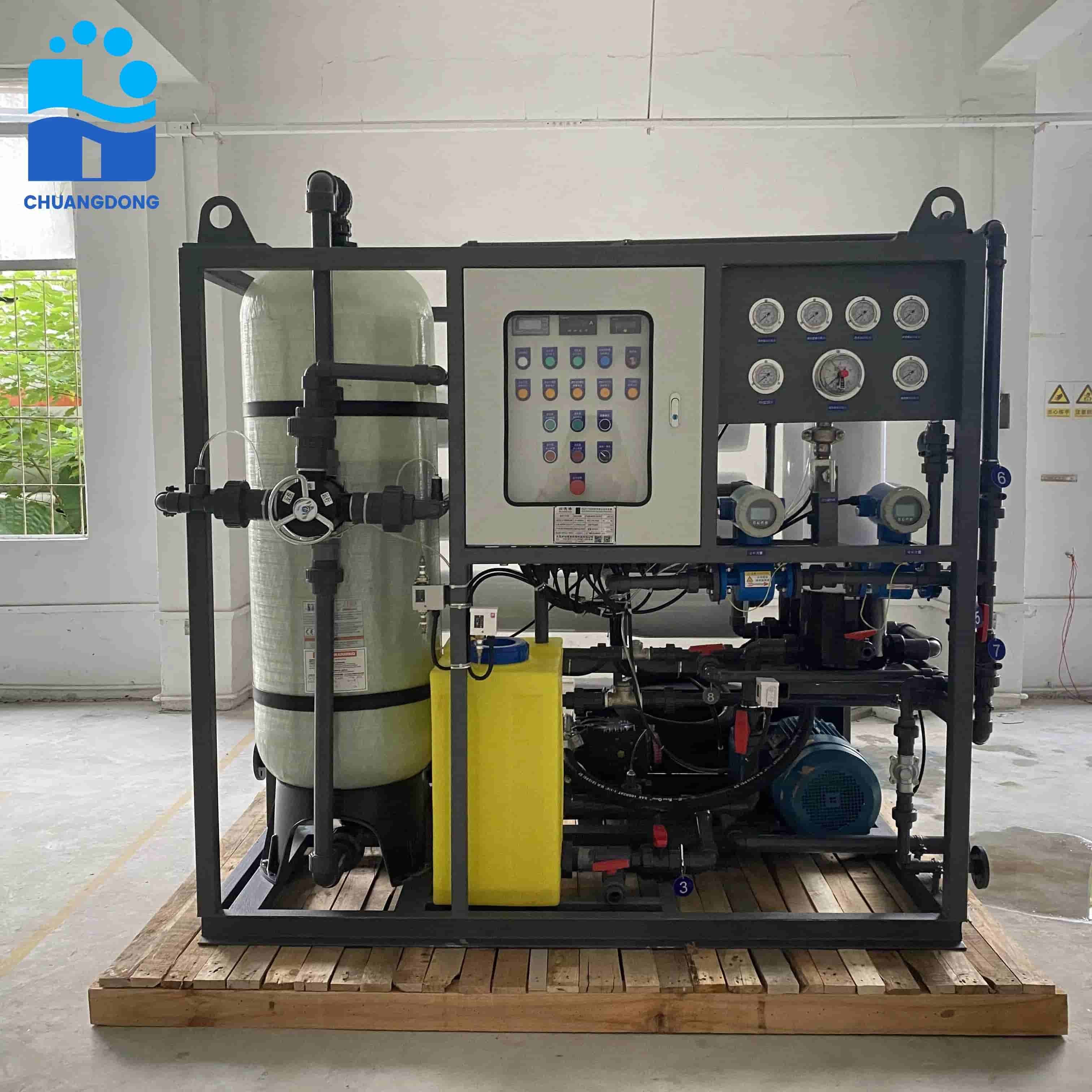
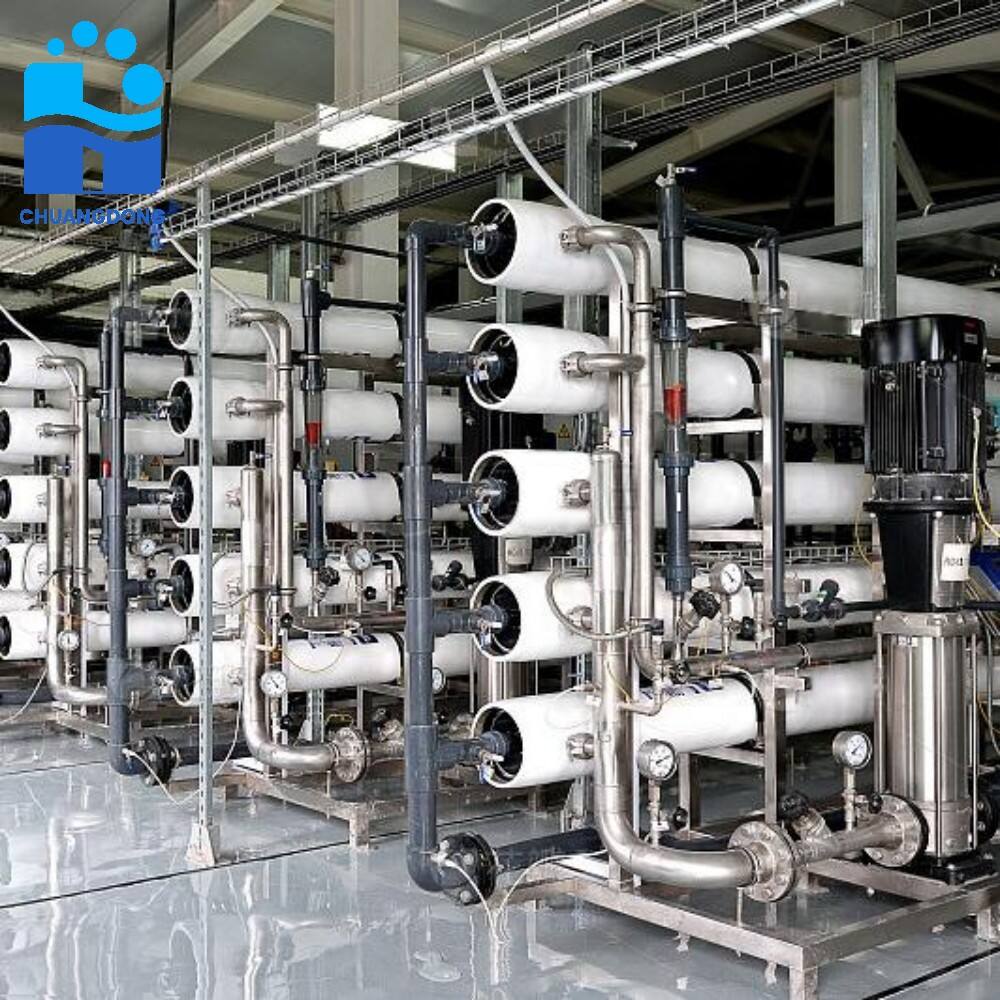
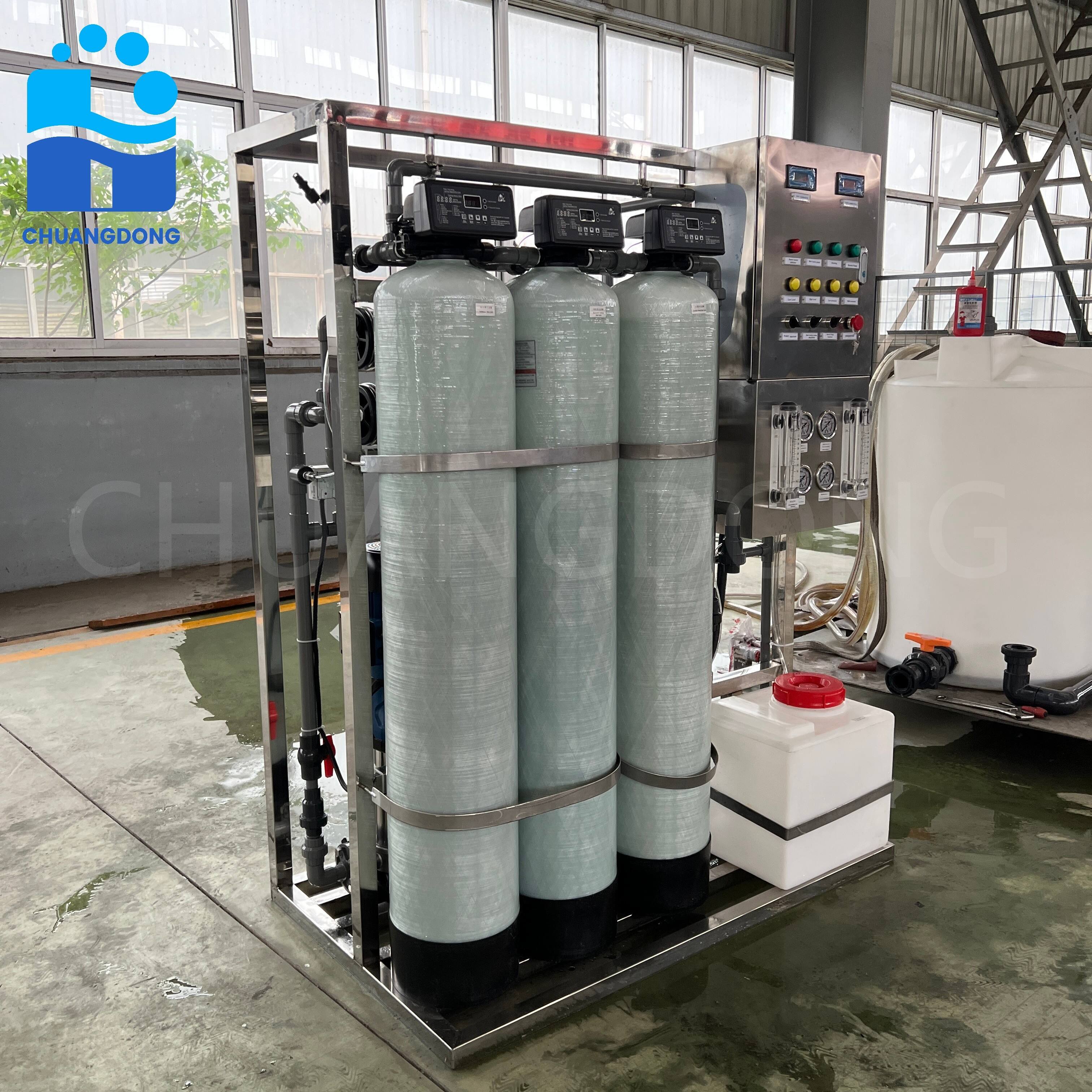
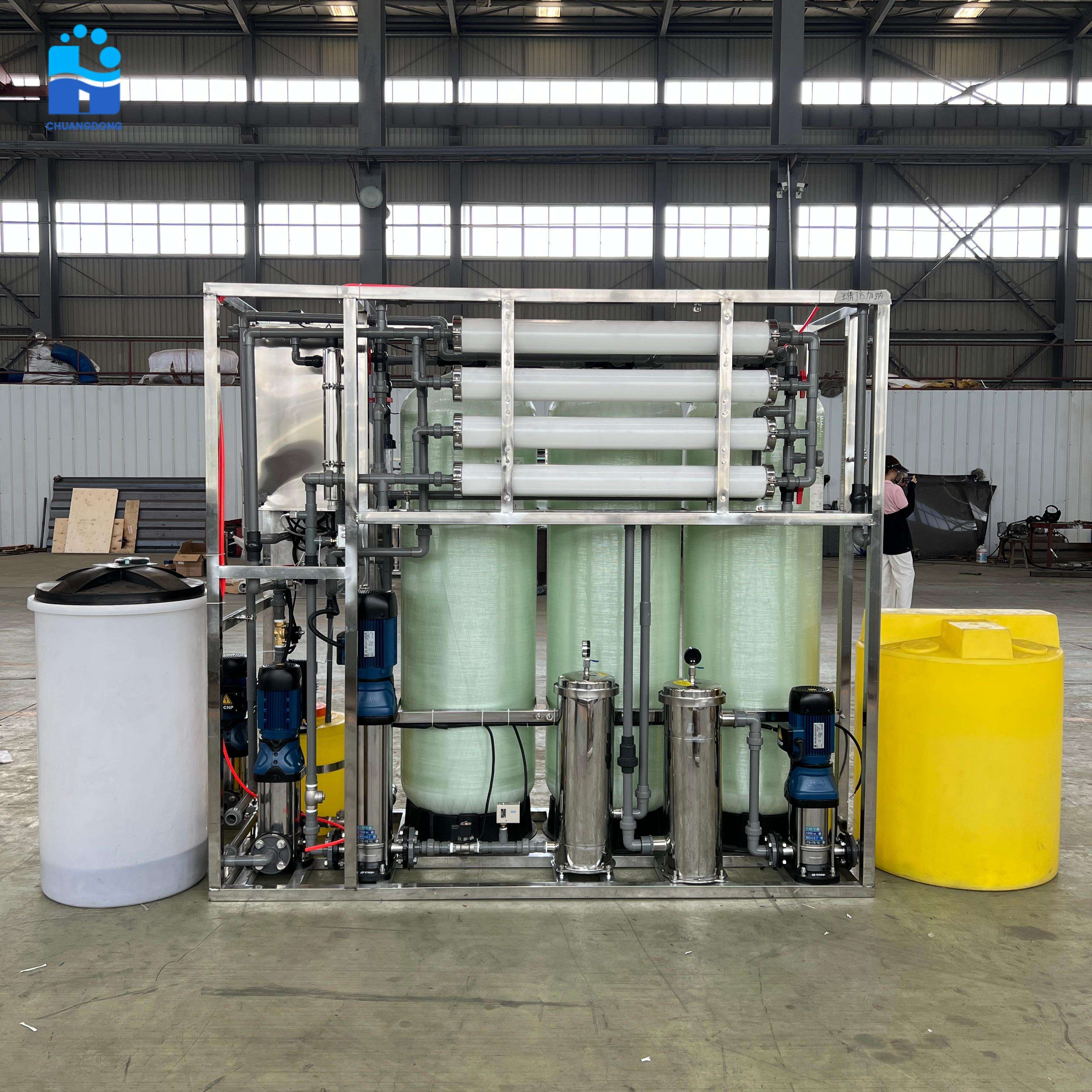
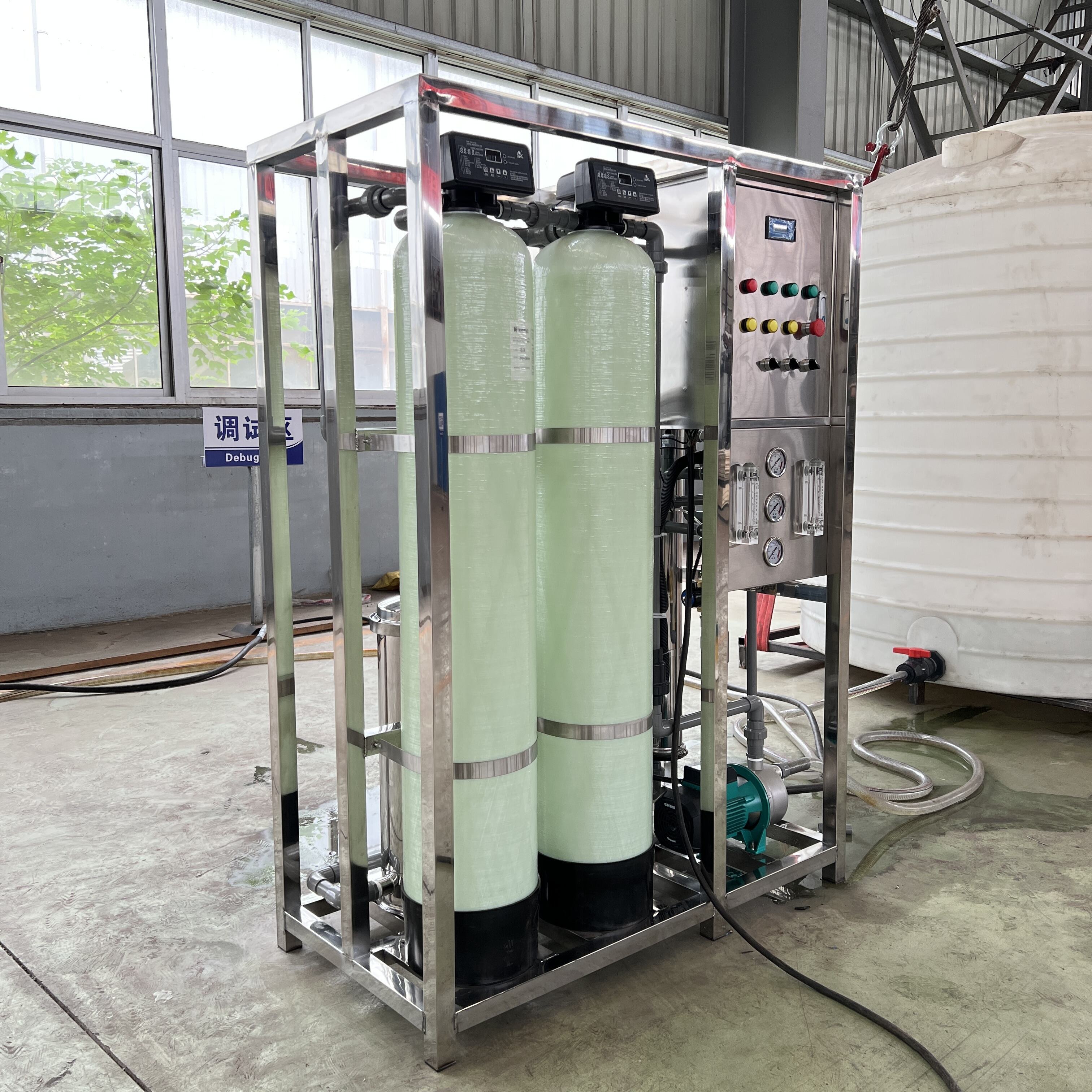
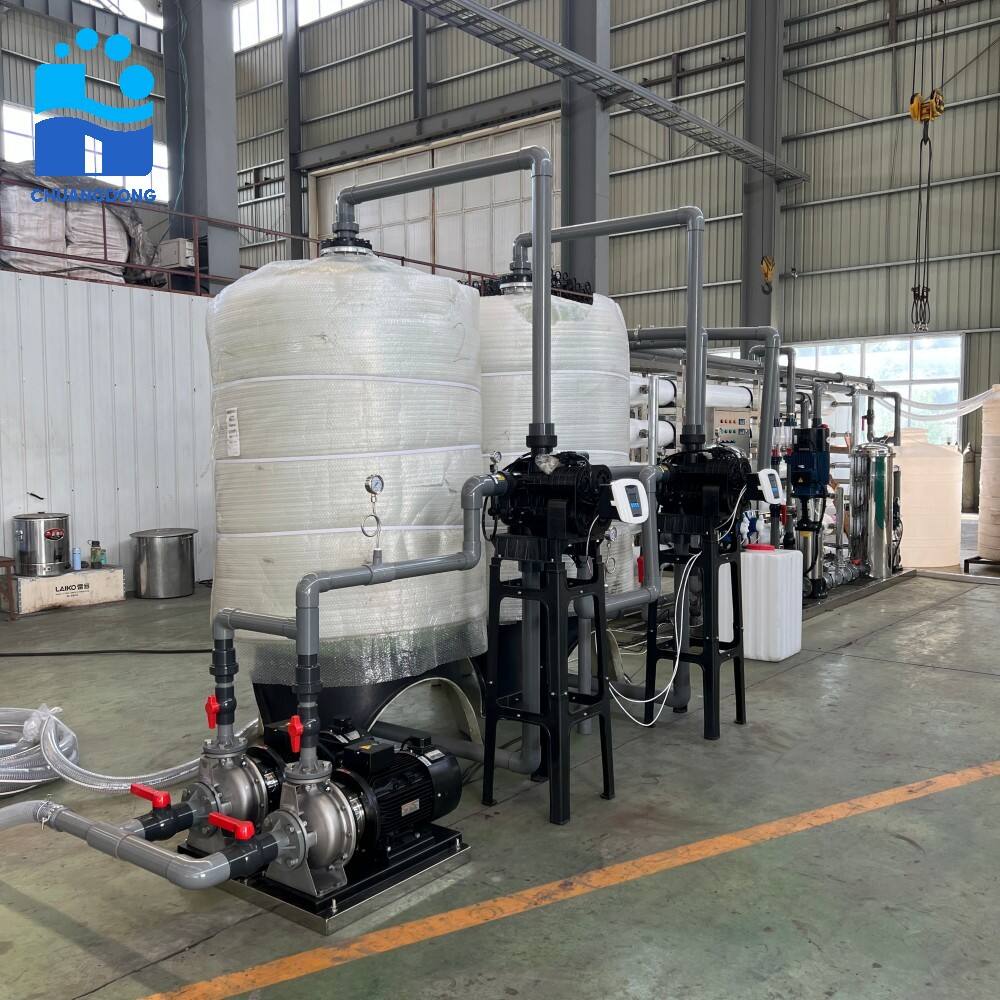
The ro water purifier plant for commercial use represents a comprehensive water treatment solution designed specifically for businesses, industries, and institutions requiring high-volume purified water production. This sophisticated system utilizes reverse osmosis technology, which employs semi-permeable membranes to remove contaminants, dissolved solids, and impurities from water sources. The commercial RO plant operates through multiple filtration stages, including pre-filtration, membrane separation, and post-treatment processes that ensure consistent water quality output. The main functions of a ro water purifier plant for commercial use encompass the removal of bacteria, viruses, heavy metals, chlorine, fluoride, and total dissolved solids from incoming water supplies. These systems feature automated control panels that monitor water quality parameters, pressure levels, and membrane performance in real-time. The technological backbone includes high-pressure pumps, stainless steel membranes, and advanced monitoring sensors that maintain optimal operating conditions. Commercial RO plants incorporate energy recovery systems that reduce operational costs while maximizing efficiency. The applications for ro water purifier plant for commercial use span across diverse sectors including hospitality, healthcare, manufacturing, food processing, pharmaceuticals, and educational institutions. Restaurants utilize these systems for cooking, beverage preparation, and ice production, while hospitals depend on them for sterile water requirements. Manufacturing facilities integrate commercial RO plants into their production processes where water quality directly impacts product standards. The scalable design allows businesses to customize capacity based on their specific water consumption needs, ranging from small office buildings to large industrial complexes. Modern ro water purifier plant for commercial use features include remote monitoring capabilities, predictive maintenance alerts, and energy-efficient components that reduce environmental impact while ensuring reliable performance.

New Products

Installing a ro water purifier plant for commercial use delivers substantial cost savings by eliminating the need for bottled water purchases and reducing maintenance expenses associated with equipment damage caused by hard water minerals. Businesses experience immediate improvements in operational efficiency as these systems provide unlimited access to clean water without dependency on external suppliers or delivery schedules. The health benefits extend beyond employee wellness to customer satisfaction, as establishments serving food and beverages can guarantee superior taste and safety standards. Commercial RO plants enhance equipment longevity throughout facilities by preventing mineral buildup in boilers, cooling systems, and kitchen appliances, which translates to reduced replacement costs and fewer service interruptions. The environmental impact reduction becomes significant as companies eliminate plastic bottle waste while decreasing their carbon footprint from transportation and packaging materials. Quality consistency represents another major advantage, as ro water purifier plant for commercial use maintains uniform water standards regardless of seasonal variations or municipal supply fluctuations. This reliability proves essential for businesses where water quality directly affects product outcomes or customer experiences. The automated operation minimizes labor requirements while providing real-time monitoring that prevents costly system failures or contamination incidents. Compliance advantages emerge for businesses operating in regulated industries, as commercial RO plants help meet stringent water quality standards required by health departments and regulatory bodies. The scalability factor allows businesses to expand their water treatment capacity without completely replacing existing systems, providing flexibility for growth. Energy efficiency improvements in modern ro water purifier plant for commercial use reduce utility costs while supporting corporate sustainability initiatives. The quick return on investment typically occurs within 12-18 months through combined savings from bottled water elimination, equipment protection, and reduced maintenance expenses. Professional installation and ongoing support ensure optimal performance while providing businesses with technical expertise and preventive maintenance programs that maximize system lifespan and efficiency.

Practical Tips

What Intake and Outfall Designs Minimize Environmental Impact of a Desalination Plant?

01

Mar

What Intake and Outfall Designs Minimize Environmental Impact of a Desalination Plant?

Environmental considerations have become paramount in the design and operation of modern desalination facilities worldwide. As water scarcity continues to challenge communities across the globe, the demand for sustainable desalination plant solutions...
View More
How Does a Water Purification System with Ion Exchange Soften Hard Water Effectively?

15

Mar

How Does a Water Purification System with Ion Exchange Soften Hard Water Effectively?

Hard water poses significant challenges for both residential and commercial applications, containing high concentrations of calcium and magnesium ions that cause scale buildup, reduce equipment efficiency, and affect water quality. A water purificati...
View More
How Does an RO Water Filter with a UV Sterilizer Provide Additional Protection Against Bacteria?

10

Mar

How Does an RO Water Filter with a UV Sterilizer Provide Additional Protection Against Bacteria?

Water contamination remains one of the most pressing concerns for homeowners and businesses seeking reliable water purification solutions. While traditional filtration methods offer basic protection, modern water treatment technology has evolved to p...
View More
Why Should Pharmaceutical QC Labs Use Ultrapure Water for HPLC and Mass Spectrometry?

18

Mar

Why Should Pharmaceutical QC Labs Use Ultrapure Water for HPLC and Mass Spectrometry?

Pharmaceutical quality control laboratories face increasingly stringent requirements for analytical accuracy and regulatory compliance. The foundation of reliable analytical results lies in the quality of water used throughout testing procedures. Ult...
View More

Get a Free Quote

Our representative will contact you soon.
Email
Name
Company Name
Message
0/1000

ro water purifier plant for commercial use

Advanced Multi-Stage Filtration Technology

Advanced Multi-Stage Filtration Technology

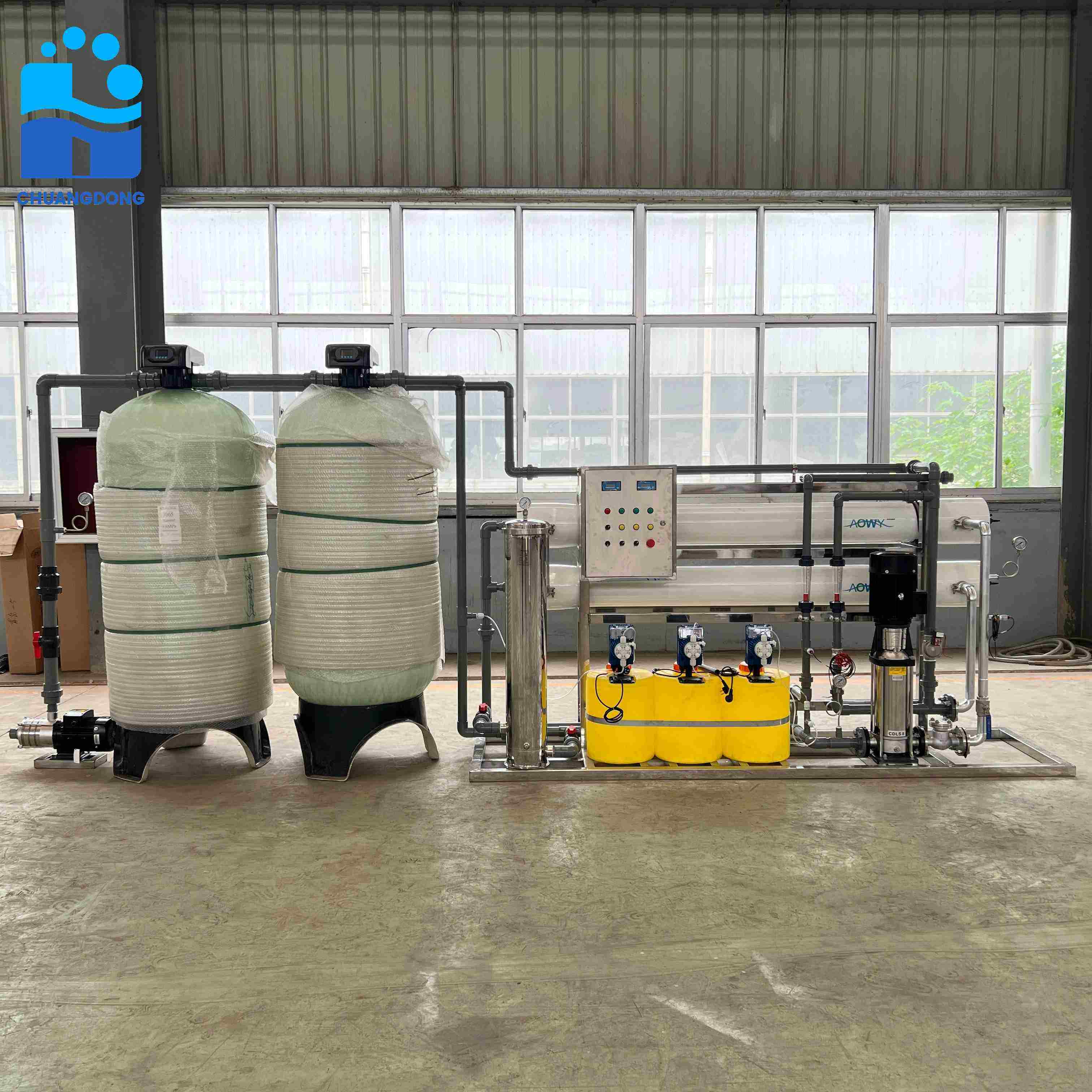
The ro water purifier plant for commercial use incorporates cutting-edge multi-stage filtration technology that delivers unparalleled water purification results for demanding commercial applications. This sophisticated system begins with pre-filtration stages that remove larger particles, sediments, and chlorine through specialized carbon filters and sediment cartridges. The heart of the system features high-performance reverse osmosis membranes manufactured from thin-film composite materials that achieve rejection rates exceeding 99% for dissolved salts, heavy metals, and organic contaminants. These membranes operate under precisely controlled pressure conditions maintained by variable frequency drive pumps that adjust automatically to maintain optimal flow rates and efficiency levels. The post-filtration stage includes UV sterilization units that eliminate any remaining microorganisms, followed by remineralization processes that restore essential minerals for improved taste and health benefits. Advanced sensor technology continuously monitors total dissolved solids, pH levels, conductivity, and flow rates, providing real-time feedback to automated control systems that maintain consistent water quality output. The integration of smart monitoring capabilities allows facility managers to track system performance remotely through mobile applications and web-based dashboards that display operational data, maintenance schedules, and alert notifications. Energy recovery devices capture and reuse hydraulic energy from the concentrate stream, reducing overall power consumption by up to 60% compared to conventional systems. The modular design enables customization based on specific water quality requirements and flow rate demands, with options for additional specialized filters targeting particular contaminants common in local water supplies. Regular backwashing cycles and automated cleaning protocols extend membrane life while maintaining peak performance levels, ensuring the ro water purifier plant for commercial use operates efficiently throughout its service life. This advanced technology platform provides businesses with reliable, cost-effective water treatment solutions that meet the most stringent quality standards while minimizing environmental impact through reduced energy consumption and waste generation.
Exceptional Capacity and Scalability Options

Exceptional Capacity and Scalability Options

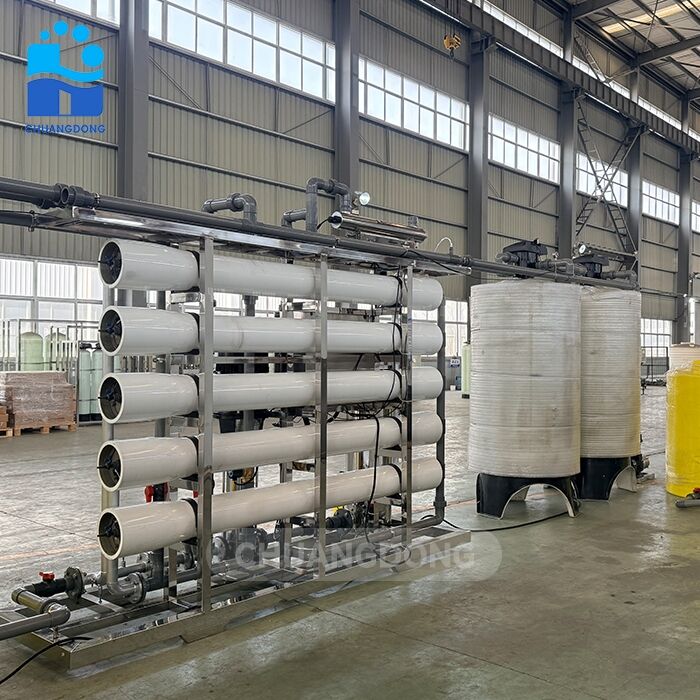
The ro water purifier plant for commercial use offers remarkable capacity flexibility and scalability features that accommodate businesses ranging from small offices to large industrial facilities with varying water consumption requirements. Standard commercial systems produce between 1,000 to 50,000 gallons per day, with custom configurations available for higher volume applications exceeding 100,000 gallons daily. This extensive capacity range ensures businesses can select appropriately sized systems that match their current needs while providing expansion capabilities for future growth. The modular architecture allows seamless capacity increases through parallel system installation or membrane array expansion without disrupting existing operations or requiring complete system replacement. Intelligent load balancing distributes water production across multiple membrane trains, optimizing efficiency while providing redundancy that prevents service interruptions during maintenance or unexpected component failures. Peak demand management features include integrated storage tanks with automated level controls that maintain adequate reserves during high-consumption periods while preventing system overwork. The scalable design accommodates seasonal variations in water usage common in hospitality, educational, and recreational facilities where demand fluctuates significantly throughout the year. Advanced flow control systems automatically adjust production rates based on real-time consumption patterns, ensuring optimal energy efficiency while meeting immediate water requirements. Multiple output quality zones enable simultaneous production of different water grades for various applications within the same facility, such as potable water for consumption and process water for cleaning or cooling systems. The ro water purifier plant for commercial use incorporates flexible installation options including skid-mounted systems for easy relocation, containerized units for temporary applications, and custom-built installations for permanent facilities with specific space constraints. Expansion capabilities extend beyond capacity increases to include specialized treatment modules for addressing unique water quality challenges, such as arsenic removal, nitrate reduction, or pharmaceutical-grade purification requirements. This comprehensive scalability ensures businesses invest in water treatment solutions that grow with their operations while maintaining consistent performance standards and operational efficiency throughout system expansions or modifications.
Superior Cost-Effectiveness and Return on Investment

Superior Cost-Effectiveness and Return on Investment

The ro water purifier plant for commercial use delivers exceptional cost-effectiveness through multiple revenue streams and expense reductions that create compelling return on investment scenarios for businesses across various industries. Initial cost analysis reveals significant savings potential when comparing long-term bottled water expenses against system installation and operational costs, with typical payback periods ranging from 12 to 24 months depending on water consumption volumes and local utility rates. Operating expense reductions extend beyond water costs to include substantial savings from equipment protection, as purified water prevents mineral scaling and corrosion in expensive machinery, HVAC systems, and food service equipment. The elimination of delivery logistics, storage requirements, and handling labor associated with bottled water creates additional operational efficiencies that reduce overhead expenses while improving workplace productivity. Energy efficiency improvements in modern ro water purifier plant for commercial use incorporate variable frequency drives, energy recovery systems, and optimized membrane configurations that minimize power consumption while maximizing output capacity. Maintenance cost advantages emerge through predictive monitoring systems that identify potential issues before costly failures occur, enabling proactive component replacement and system optimization that extends equipment lifespan. The consistent water quality output reduces product waste in manufacturing applications where water contamination leads to batch failures or quality control issues that impact profitability. Insurance benefits may apply as improved water quality reduces liability exposure for businesses serving food, beverages, or providing healthcare services where water safety directly impacts customer welfare. Tax incentive opportunities exist for energy-efficient water treatment systems that qualify for environmental sustainability credits or utility rebate programs designed to encourage water conservation and efficiency improvements. The ro water purifier plant for commercial use generates measurable environmental benefits that support corporate sustainability reporting and green certification programs increasingly valued by customers and stakeholders. Productivity enhancements result from employee satisfaction improvements when quality drinking water becomes readily available throughout facilities, reducing sick leave and increasing overall workplace morale. Revenue protection occurs in hospitality and food service industries where water quality directly affects customer satisfaction, repeat business, and online reviews that influence long-term profitability and brand reputation in competitive markets.

Get a Free Quote

Our representative will contact you soon.
Email
Name
Company Name
Message
0/1000