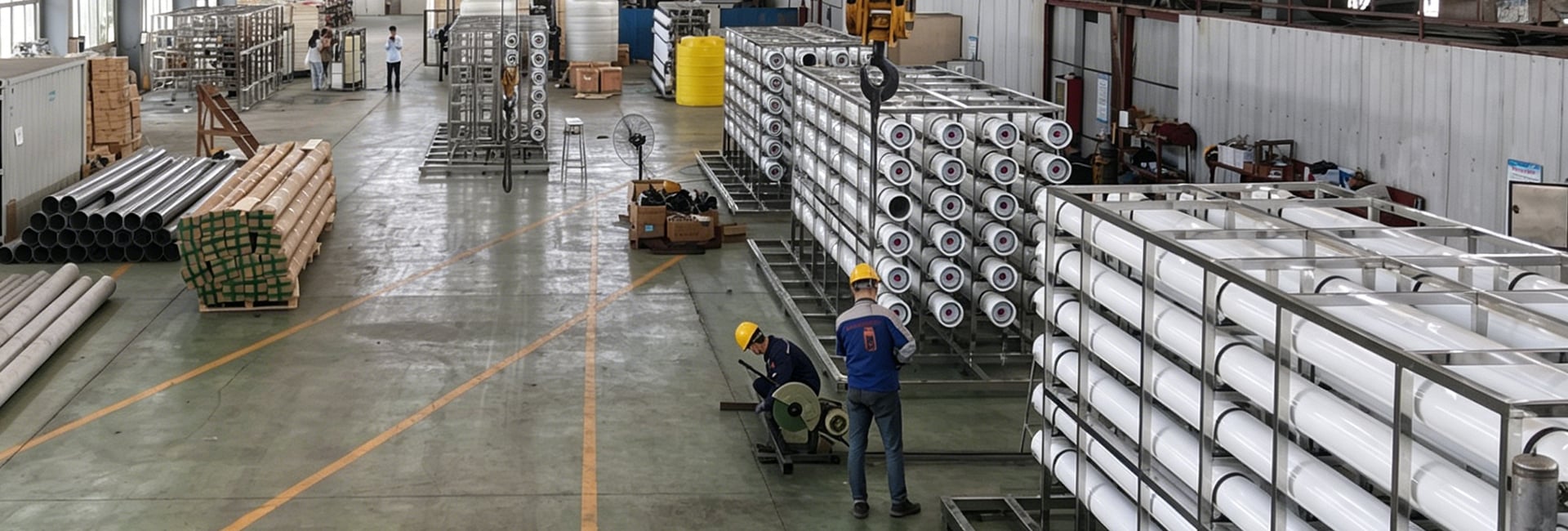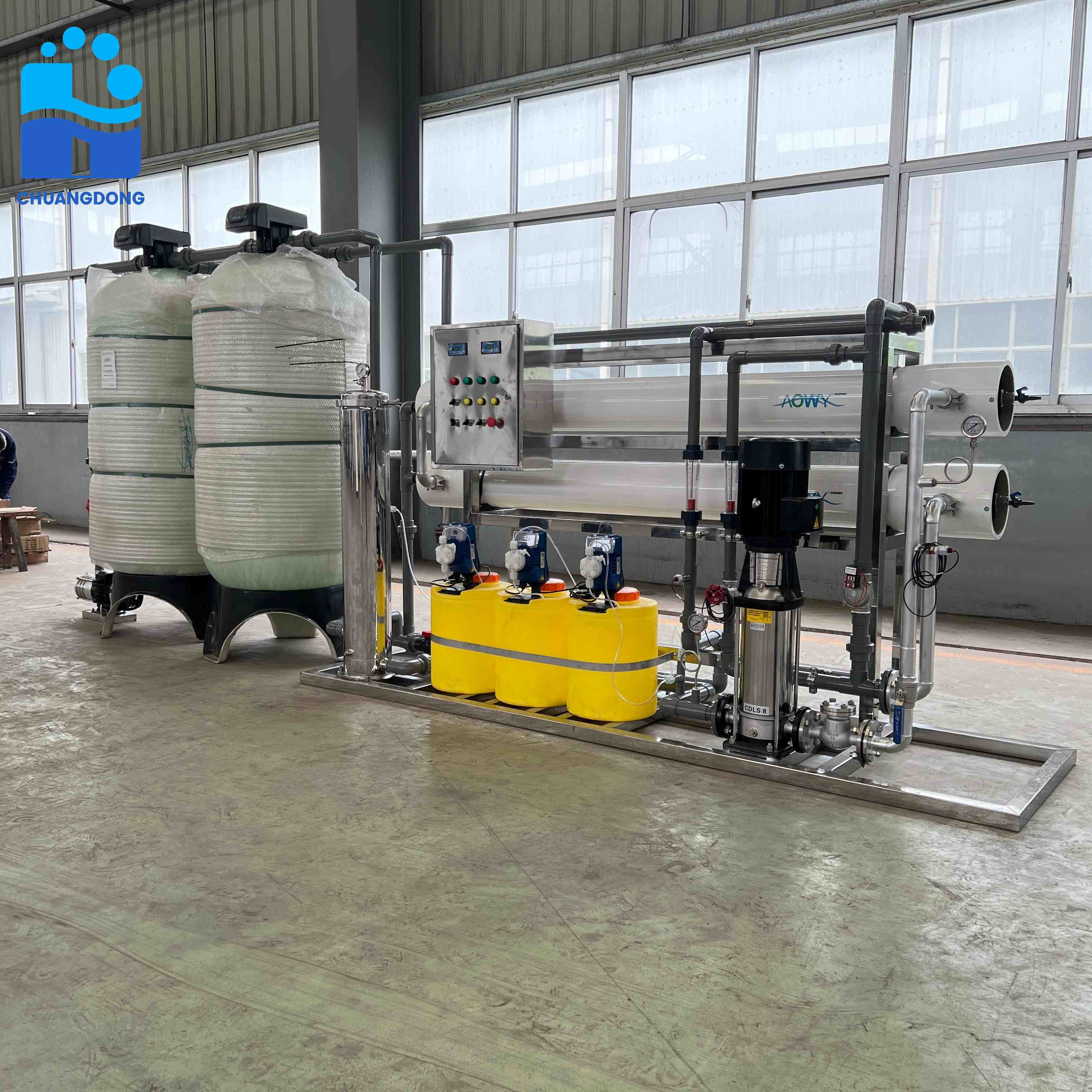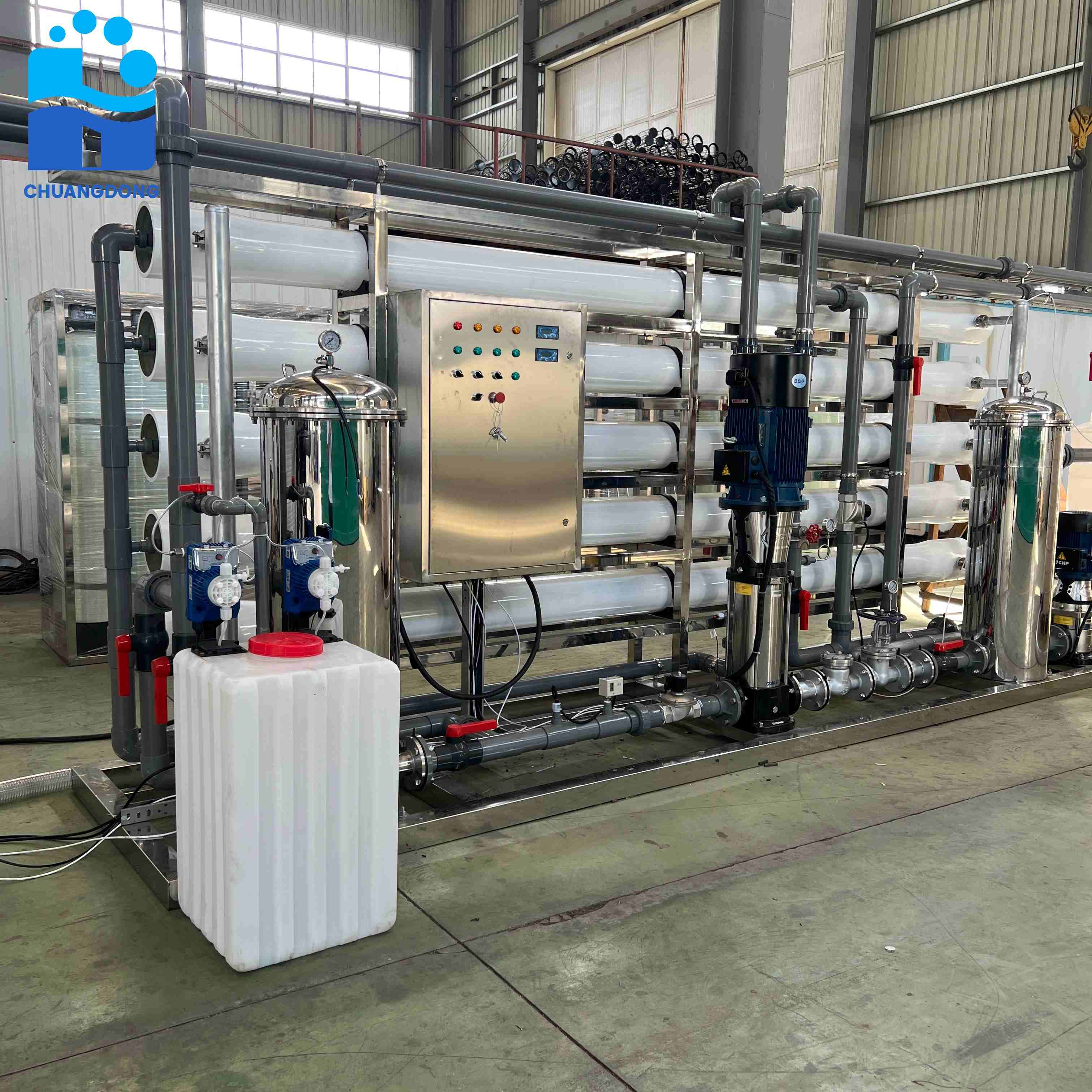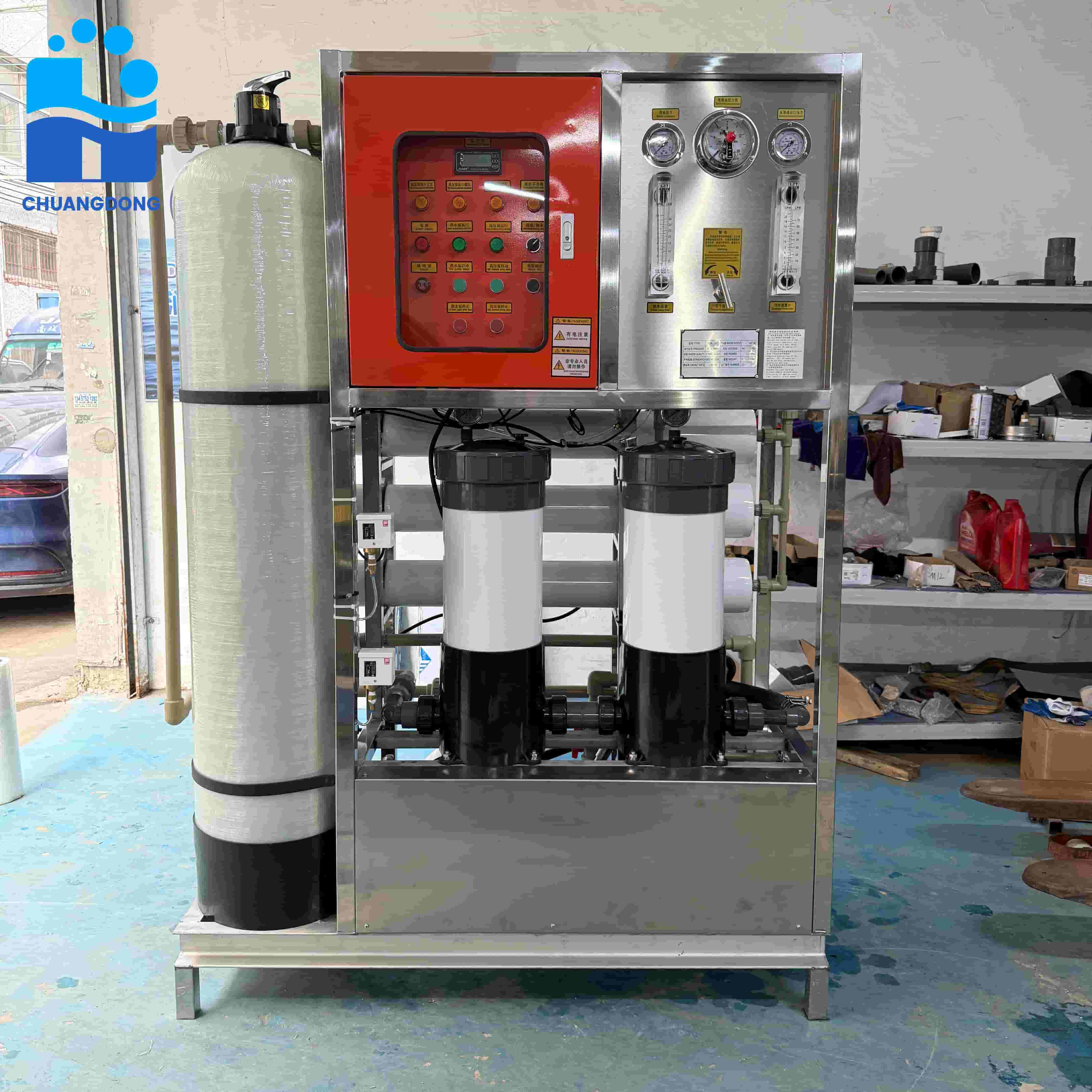
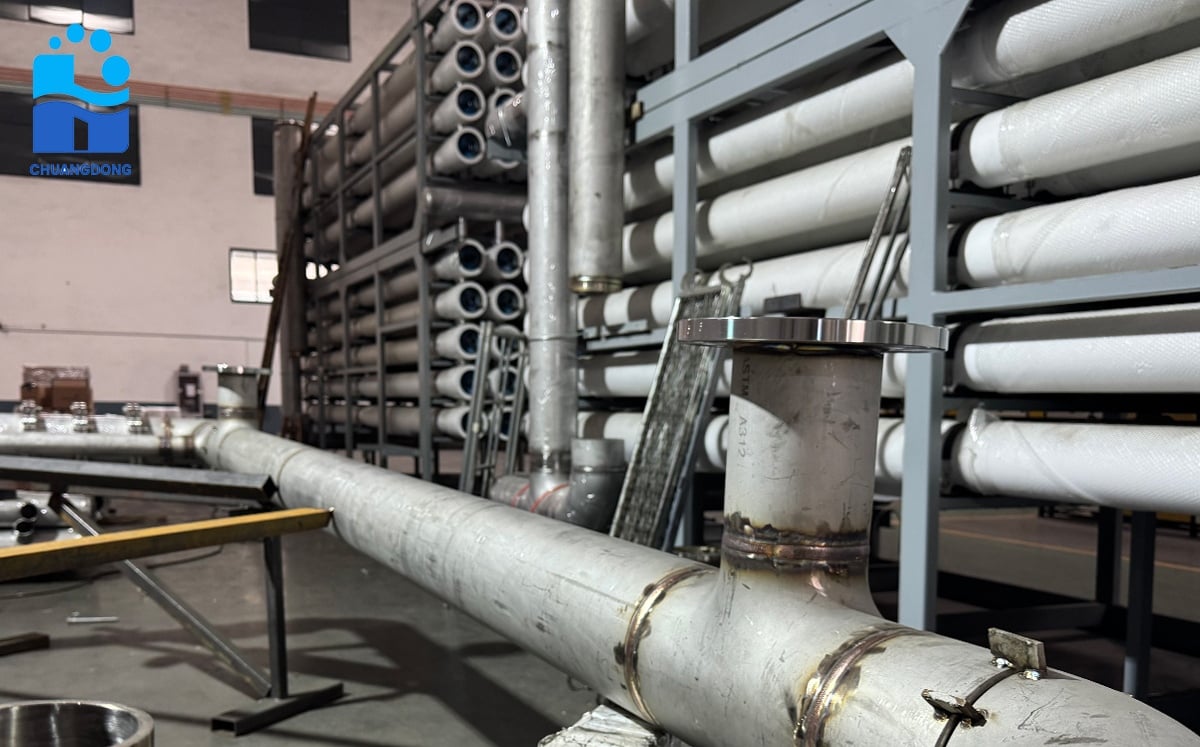
For the freshwater needs of coastal cities, islands and marine platforms, seawater desalination has become the optimal solution for water supply.
1. What Is the Working Principle of Reverse Osmosis Seawater Desalination?
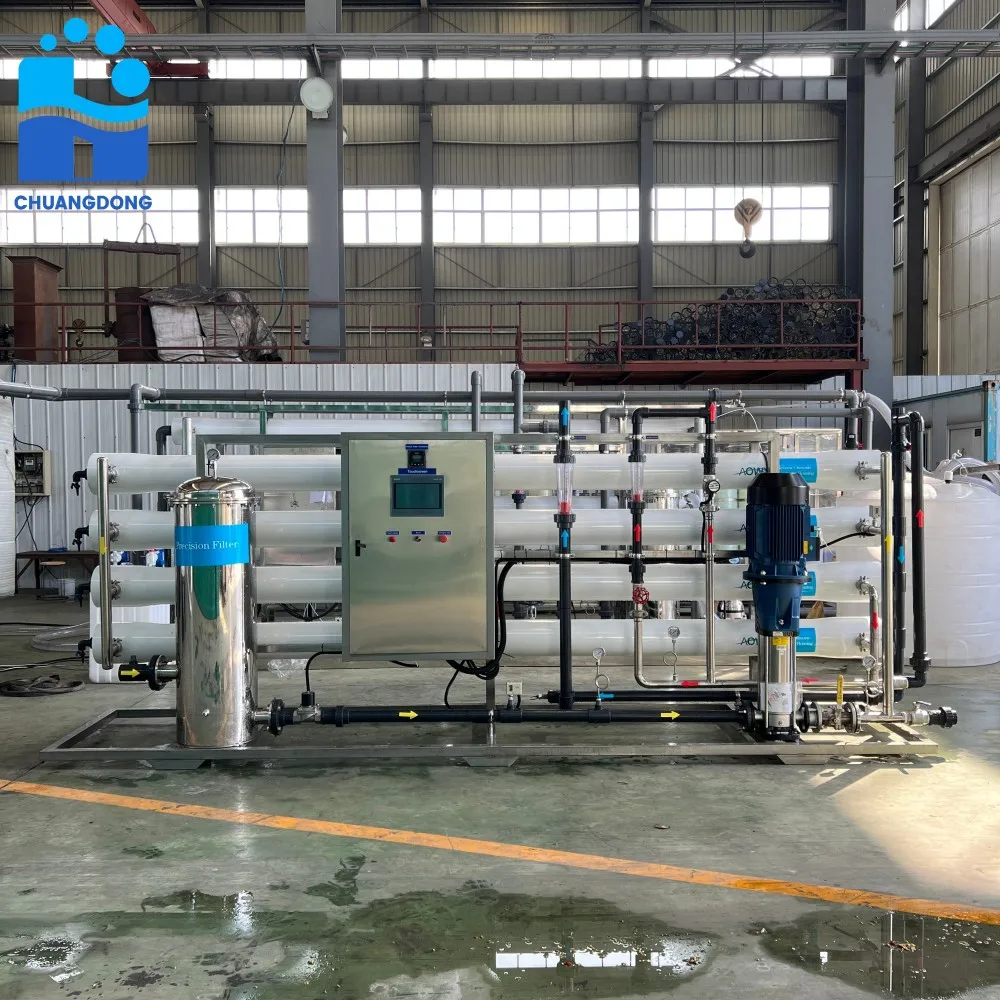
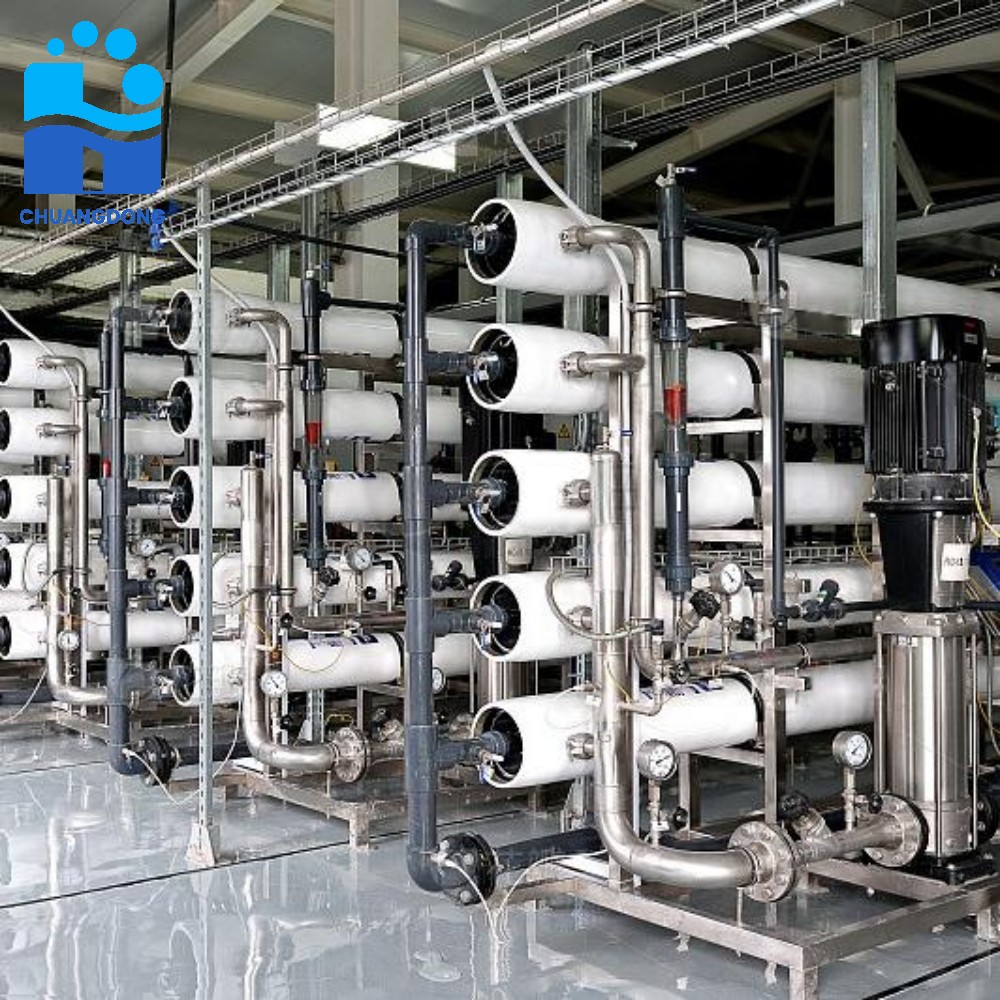
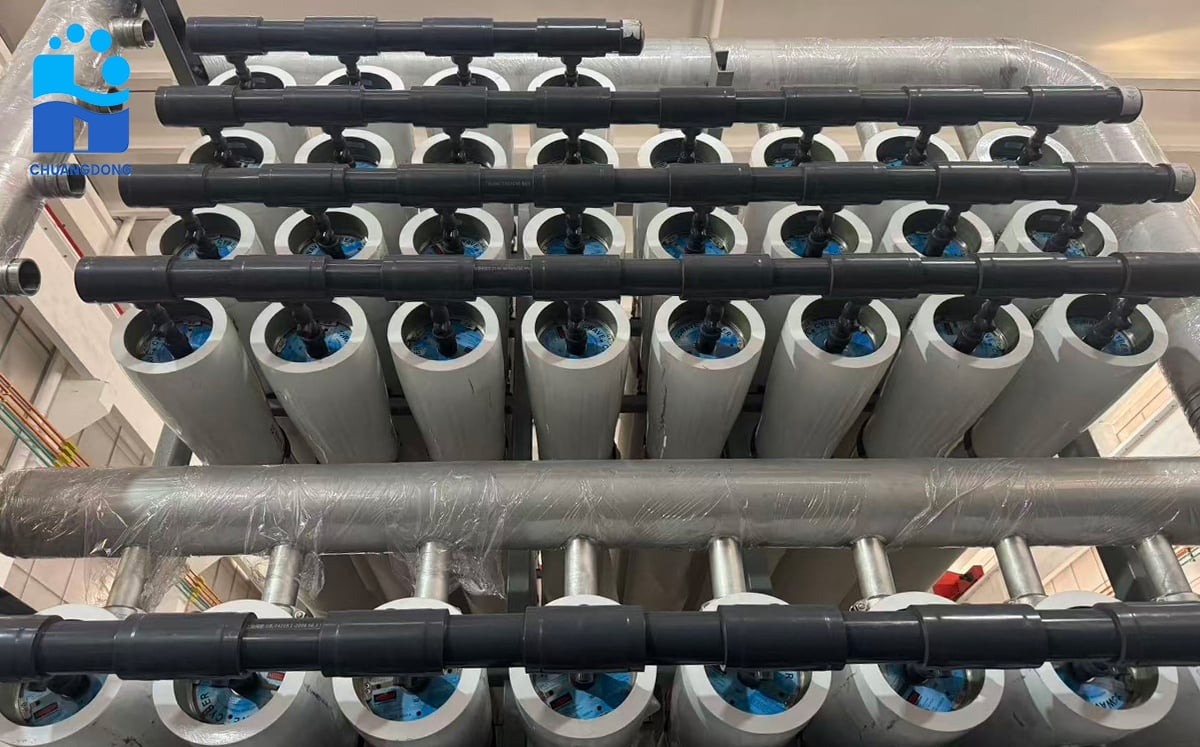
Pressure exceeding the osmotic pressure of seawater (approximately 55–70 bar) is applied, forcing water molecules to pass through a semipermeable membrane, while dissolved salts, organic matter, microorganisms and other contaminants are retained.
2. In Which Fields Is It More Effectively Applied?
Large-Scale Municipal & Industrial Water Supply
In countries in the Middle East, North Africa and other coastal regions, a large number of reverse osmosis seawater desalination plants with a daily output ranging from tens of thousands to hundreds of thousands of tons are already in operation. In Israel, over 70% of domestic water even comes from seawater desalination.
Independent Water Supply for Islands & Communities
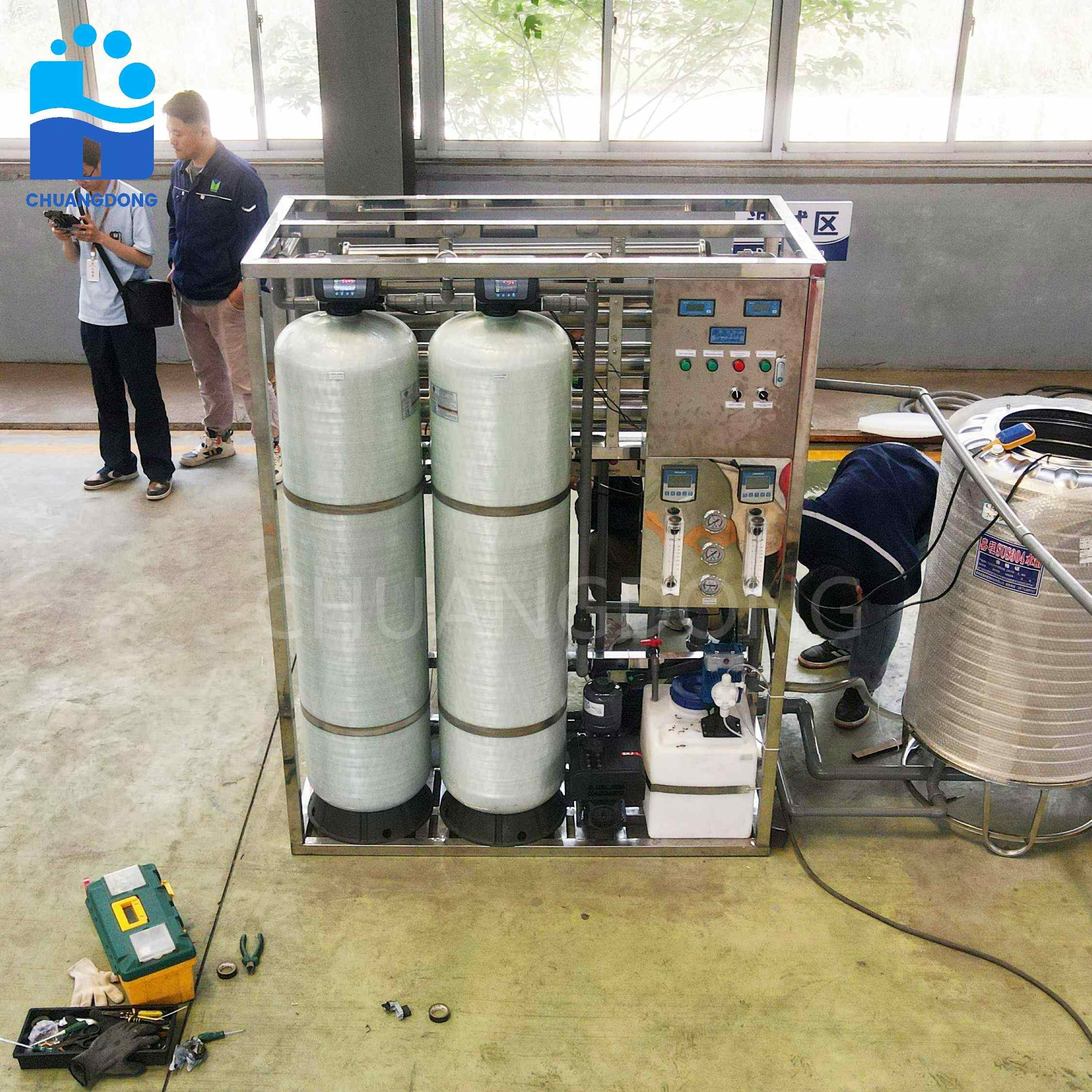
For islands lacking natural freshwater resources, remote coastal communities and tourist resorts, Chuangdong’s modular, containerized RO seawater desalination units provide flexible and rapid solutions, delivering a stable daily water supply ranging from hundreds to thousands of tons to support local social development.
Vessels & Offshore Platforms
Ocean-going vessels, research ships and offshore oil and gas platforms rely on marine seawater desalination units to convert seawater into freshwater that meets domestic and industrial standards in real time, enabling self-sufficiency for long-distance marine operations.
Beyond its wide range of applications, RO seawater desalination technology stands out in the water treatment industry for its excellent compatibility with core technologies and compliance with environmental standards. The efficiency of key water treatment systems – including membrane filtration, pre-treatment, brine management, and energy recovery devices – is critical. The pre-treatment process, which includes coagulation, sedimentation, and ultrafiltration, removes suspended solids and colloids, thereby protecting the reverse osmosis membrane from fouling and extending its service life.
Furthermore, advanced membrane cleaning technologies ensure the stable operation of the water treatment system, while seawater treatment solutions minimize the environmental impact on marine ecosystems. Compared to other desalination technologies such as thermal distillation, RO desalination offers lower capital investment, higher water recovery rates, and greater adaptability to varying seawater salinity levels. As the global demand for fresh water continues to rise, RO seawater desalination technology, integrated with intelligent water treatment control systems, will continue to lead the sustainable development of the water treatment industry, bridging the gap between freshwater scarcity and human needs.