 ×
×
In industrial production, selecting a suitable Reverse Osmosis (RO) system as the core high-efficiency water treatment equipment is far more than just choosing a model. Its performance directly determines the quality of production water, operating costs and production efficiency. Procuring an industrial RO system that matches production needs, delivers high cost performance and runs stably and reliably requires a balance of technical compatibility, cost control and long-term operation and maintenance.Drawing on practical industry experience, this manual provides professional and practical guidance for both beginners new to RO systems and users looking to upgrade existing systems, helping you complete procurement efficiently.
The core prerequisite for an industrial RO system is model selection based on actual demands. The selection process is divided into 5 key steps:
Product water quality is the core indicator of water treatment. Key parameters shall be determined according to production process requirements:The electronics industry generally requires conductivity ≤10μS/cm; the pharmaceutical industry must comply with GMP standards; the chemical industry sets removal requirements for heavy metals, organic matter and other impurities based on raw material and product characteristics.
To select a proper RO system, first confirm the actual daily water consumption, peak water demand and expected average daily water consumption, so as to ensure reasonable matching of the RO system, water storage tank and distribution pump.
Raw water quality determines the pretreatment process, membrane elements and operational stability of the RO system. Raw water testing is required before procurement, with focus on the following indicators: raw water conductivity, hardness, turbidity, SDI (Silt Density Index), pH value, organic matter content, heavy metal content, etc.For example, if raw water has high hardness, engineers will design additional softening pretreatment devices to prevent membrane scaling; if raw water turbidity exceeds the standard, enhanced filtration pretreatment is required to avoid membrane blockage.
With basic RO design parameters, proper equipment can be selected. However, the true value lies in experienced engineers who can evaluate the entire system from a holistic perspective and take on-site conditions and potential future issues into consideration.
Confirming the on-site installation environment in advance is essential. Installation space size, power supply voltage and raw water inlet characteristics all ensure smooth equipment installation after delivery.Meanwhile, designers will determine the automation operation requirements by referring to production shifts and running modes (continuous or intermittent operation), and equip the system with PLC control systems and remote monitoring functions to reduce manual operation and maintenance costs.
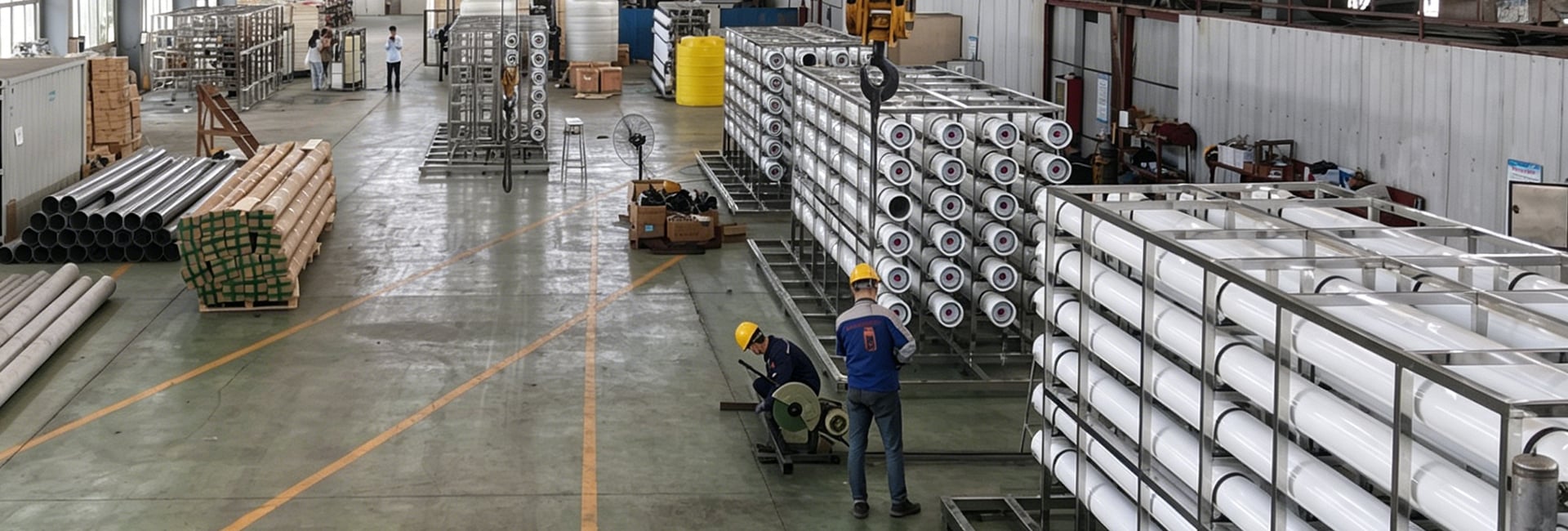
Sufficient space is critical for the RO system (including pretreatment, post-treatment devices, permeate storage tanks, etc.). In addition, maintenance passages must be reserved for disassembly and installation of RO membranes in pressure vessels, as well as replacement of pumps and filters.If the RO system is to be placed outdoors, it must be protected from external environmental factors or enclosed in a container or mobile trailer.
Standard RO designs are applicable to most scenarios, featuring low cost and fast delivery. Customization is required for special demands, including customized instruments, redundant components, customized piping/frame materials, frame colors and more.In addition, some systems need qualification verification, engineer-certified construction drawings and calculation of special electrical requirements.
Avoid blindly pursuing the lowest price when procuring industrial RO systems. Low-cost equipment usually comes with inferior membrane elements, high energy consumption and long-term high operation and maintenance costs. The operation and maintenance of RO systems ultimately depend on the supplier’s experience and resources.A reliable supplier prioritizes cost performance and long-term operating costs within your budget, rather than merely focusing on equipment purchase price.
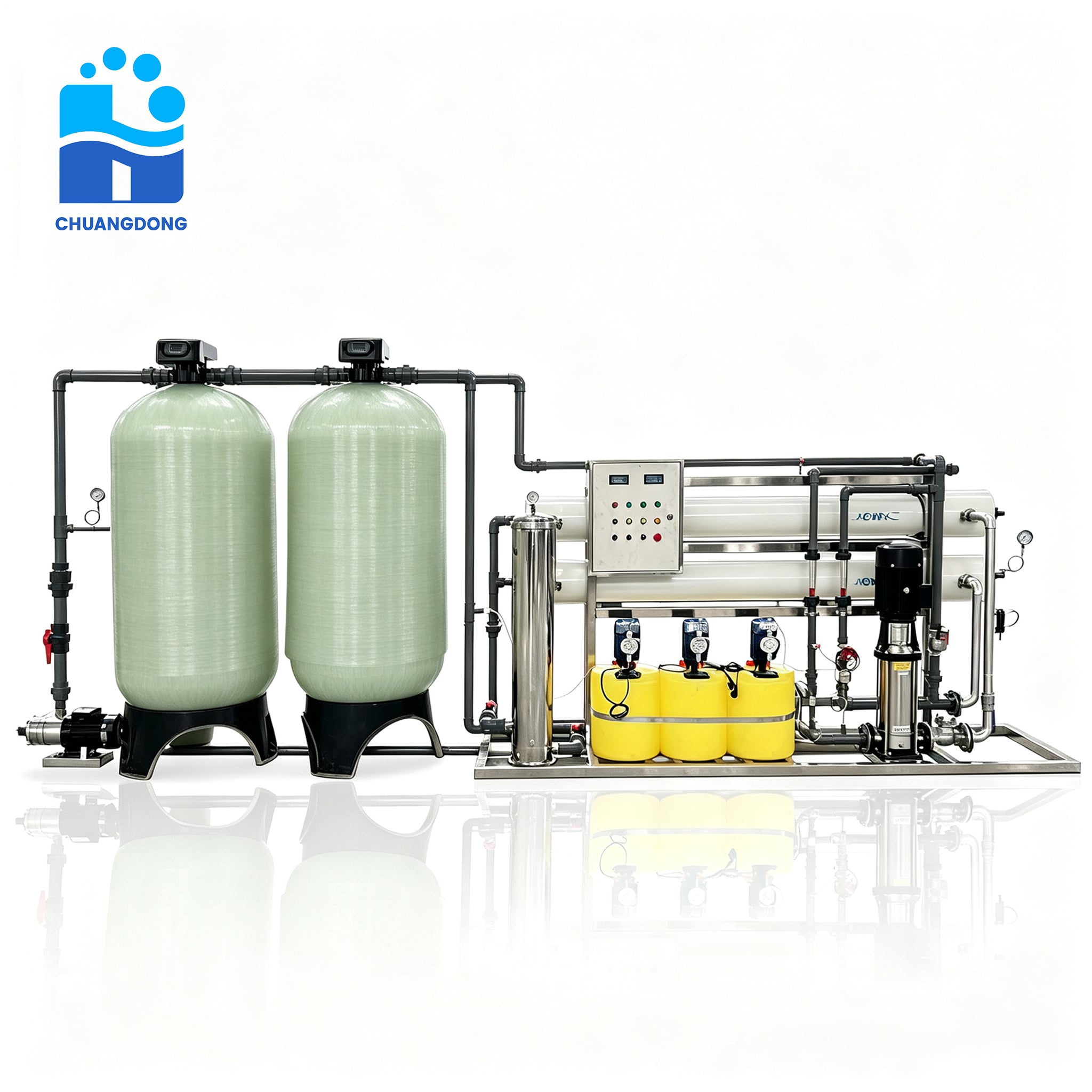
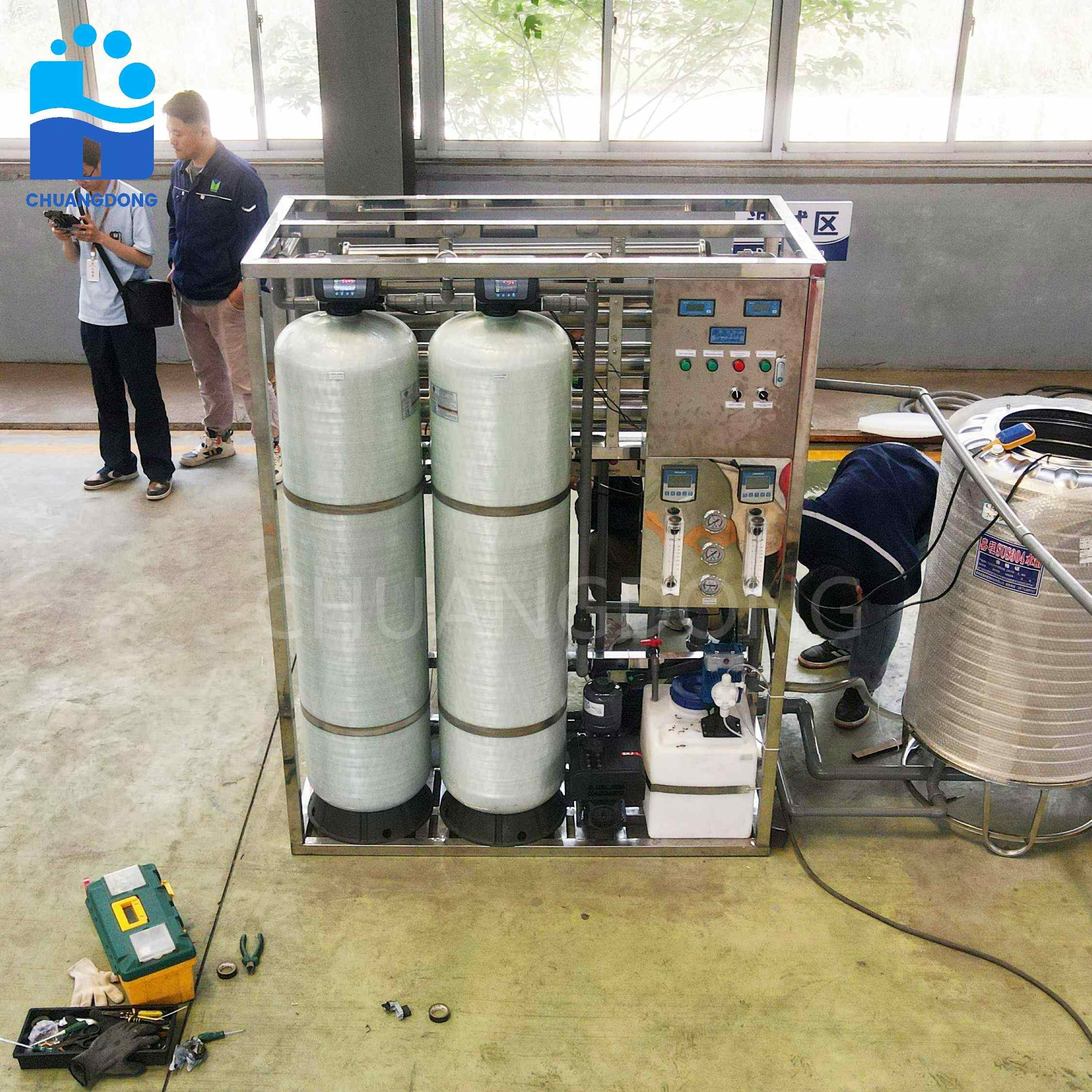
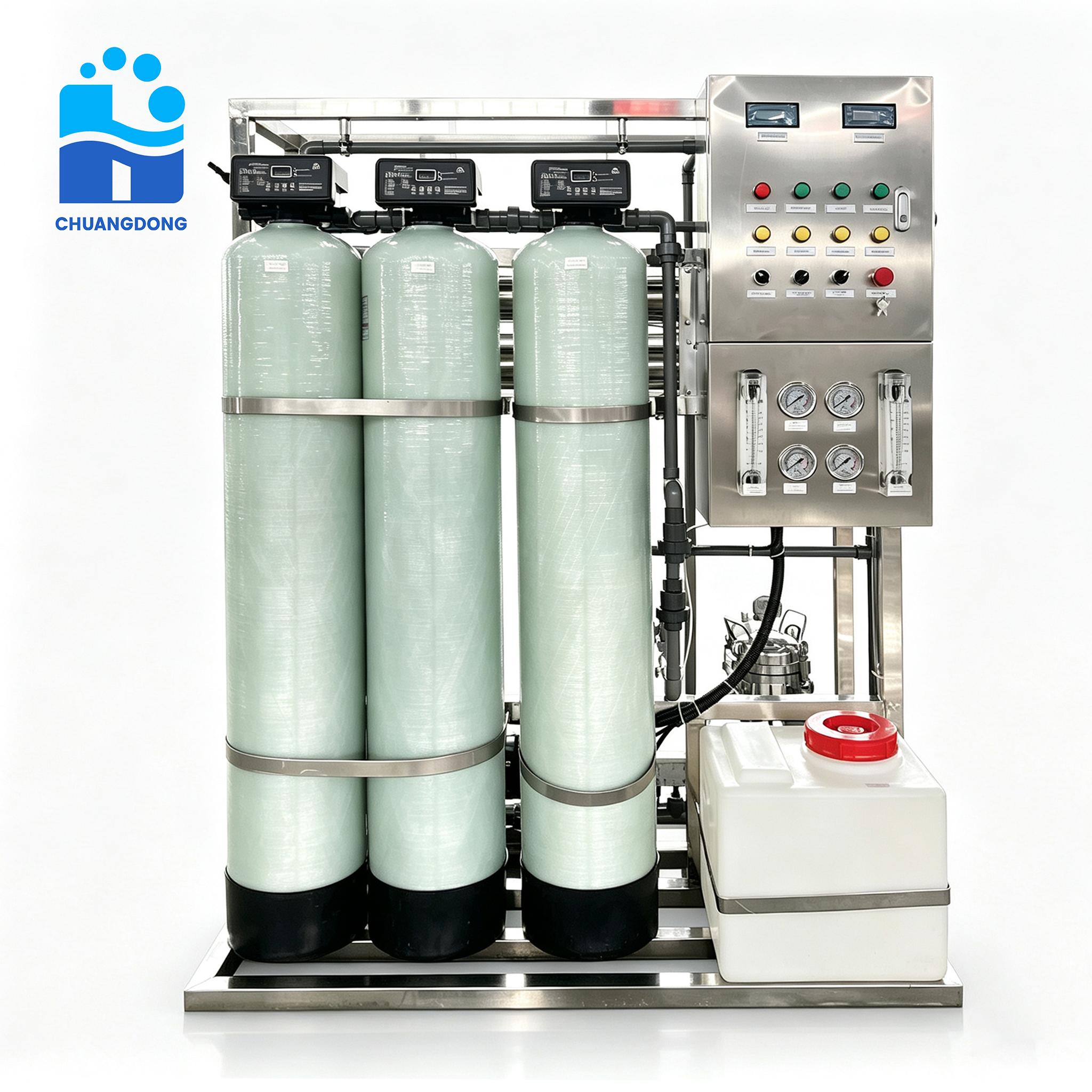
Procuring an RO system means purchasing a complete system rather than individual components. RO equipment can effectively remove most dissolved metals, organic matter and bacteria, and stable operation relies on complete pretreatment support.
Membrane elements are selected according to raw water quality and product water requirements, including low-pressure, high-pressure and ultra-low-pressure membranes. All RO equipment manufacturers formulate standard design schemes based on industry expertise and process experience.
Membrane Brand Selection: Prioritize reputable and technically mature brands; avoid inferior unknown-brand membranes. Although high-quality membranes have a higher initial cost, they feature high salt rejection, strong pollution resistance and long service life (usually 3-5 years), while inferior membranes only last 1-2 years.
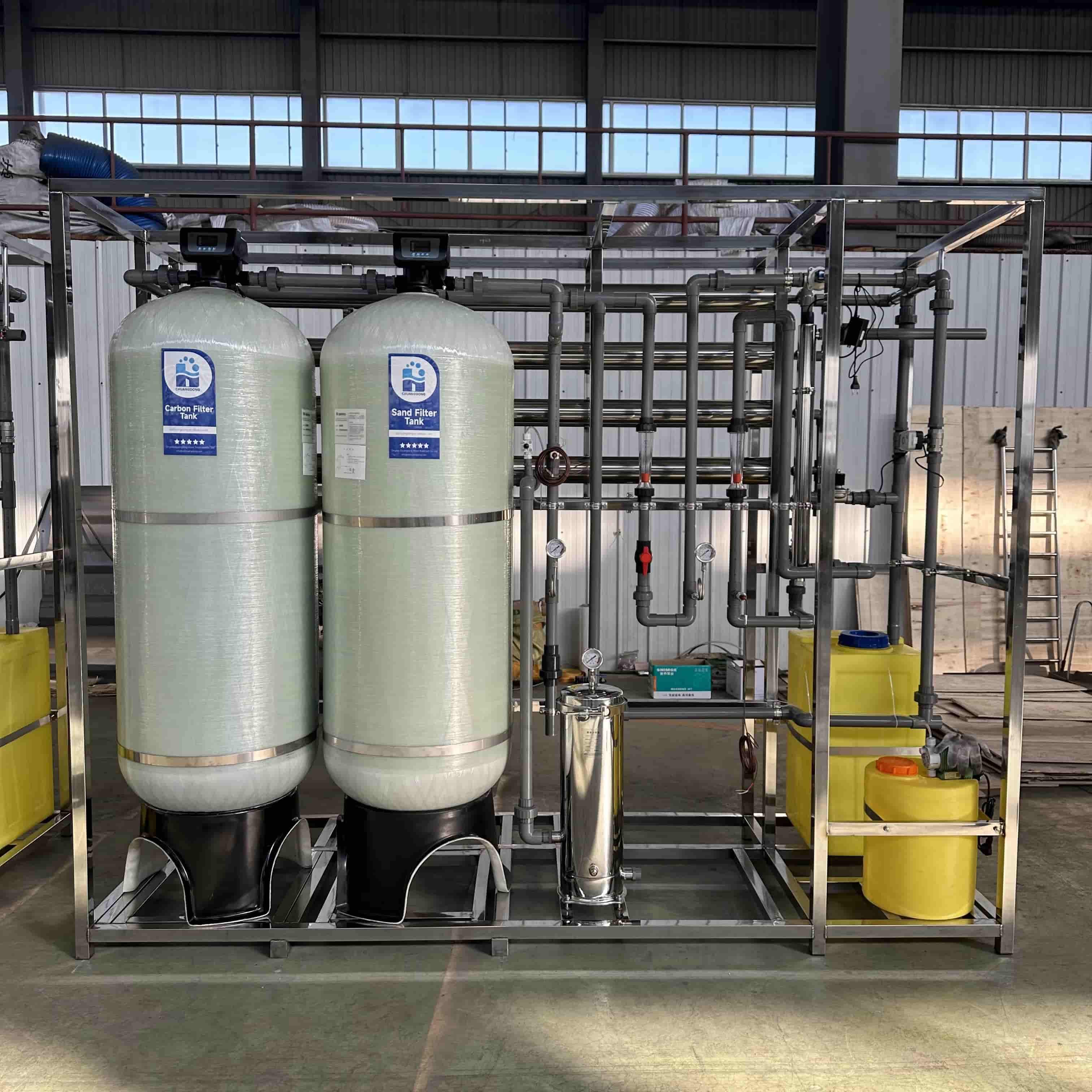
The pretreatment system removes impurities, suspended solids, colloids, microorganisms and other contaminants in raw water to protect RO membranes and extend their service life. Pretreatment equipment shall be configured according to raw water quality, with common configurations as follows:
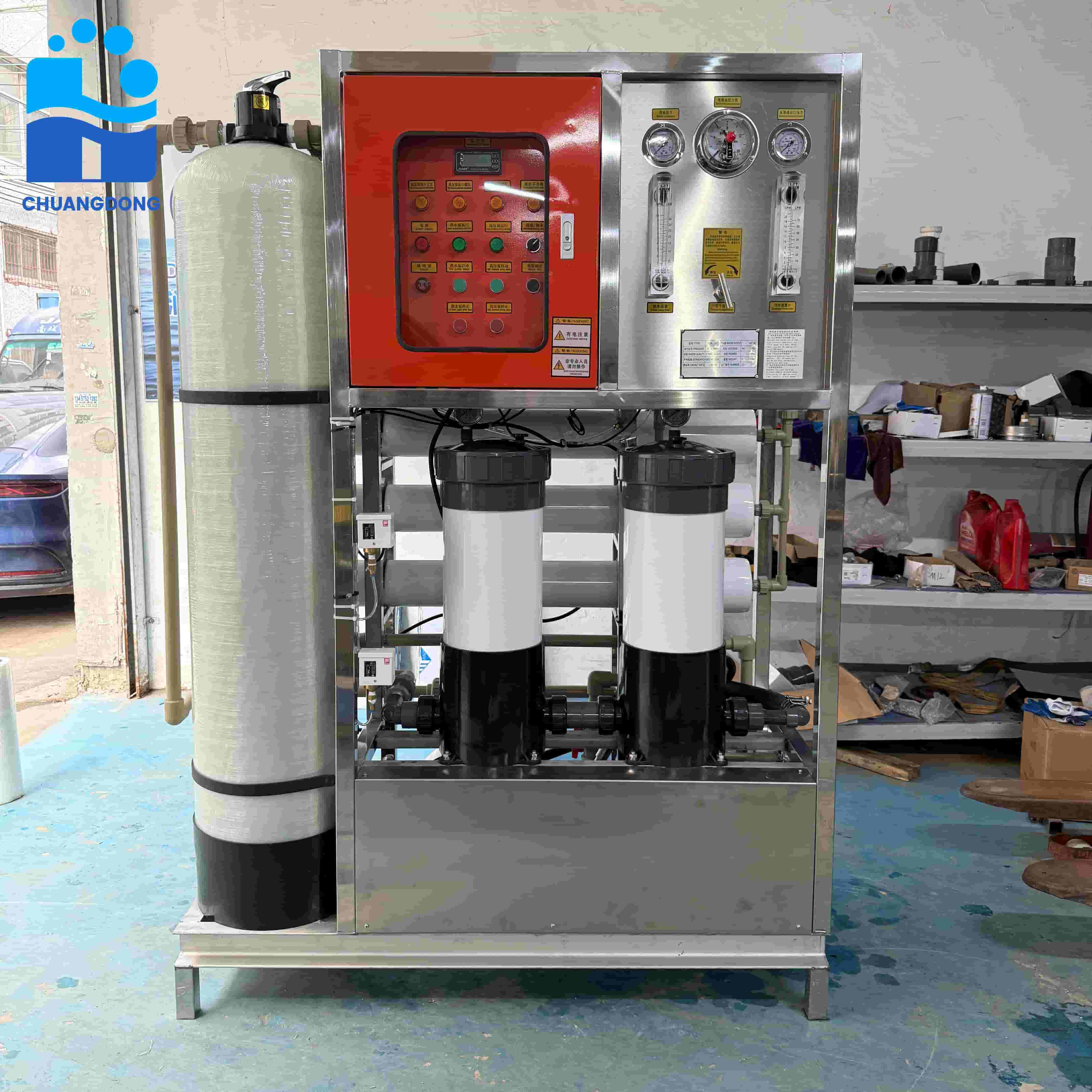
Adopt a PLC automatic control system to realize automatic operation of water inlet, water production, flushing and shutdown. Equip with monitoring instruments such as pressure gauges, flow meters and conductivity meters for real-time system operation monitoring and reduced manual intervention.
We have designed and installed numerous RO systems over the years. A customized industrial solution requires multiple adjustments, additional time for engineering design, scheme formulation and review. Such adjustments will affect production workflows and usually increase labor costs, further extending the delivery cycle.
Customers are advised to take standard RO design schemes provided by experienced RO equipment manufacturers as the starting point. Standard RO equipment cannot meet all personalized demands, but it satisfies most application scenarios in a cost-effective manner.
Contact us to access the Product Selection Manual and find the most suitable system for your needs.
 Hot News
2026-09-09
2026-04-03
2026-03-19
2026-03-18
2026-03-13
2026-01-20
Founded in 1995, Company is a leading machine manufacture and exporting company, with 25+ years of experience in the industry.
No. 818 Feiyu Road, Yinzhu Subdistrict, Huangdao District, Qingdao City
Copyright © 2026 Qingdao Chuangdong Water Treatment Co., Ltd. All rights reserved. Privacy Policy
 EN
EN