Industrial RO Water Systems: Advanced Commercial Water Purification Solutions for Manufacturing

Get a Free Quote

Our representative will contact you soon.
Email
Name
Company Name
Message
0/1000

industrial ro water system

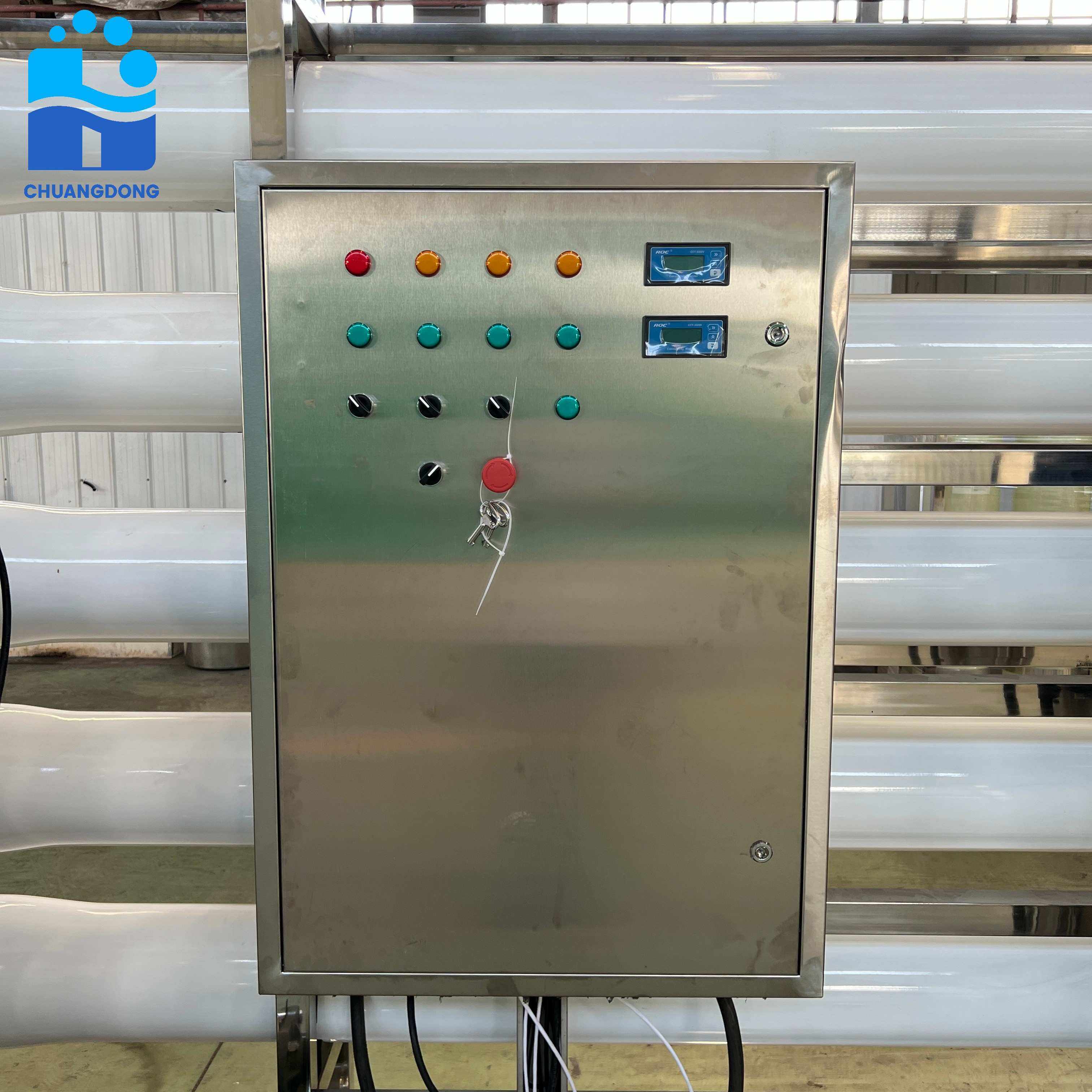
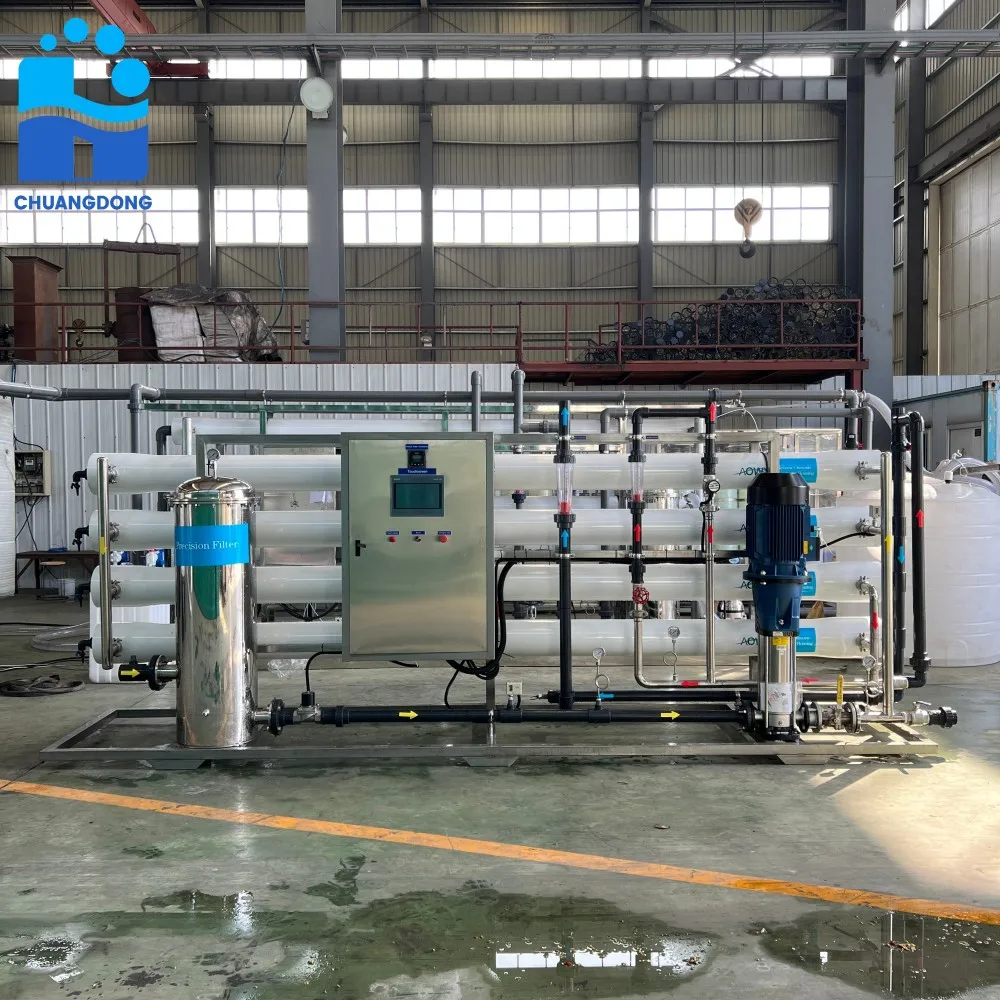
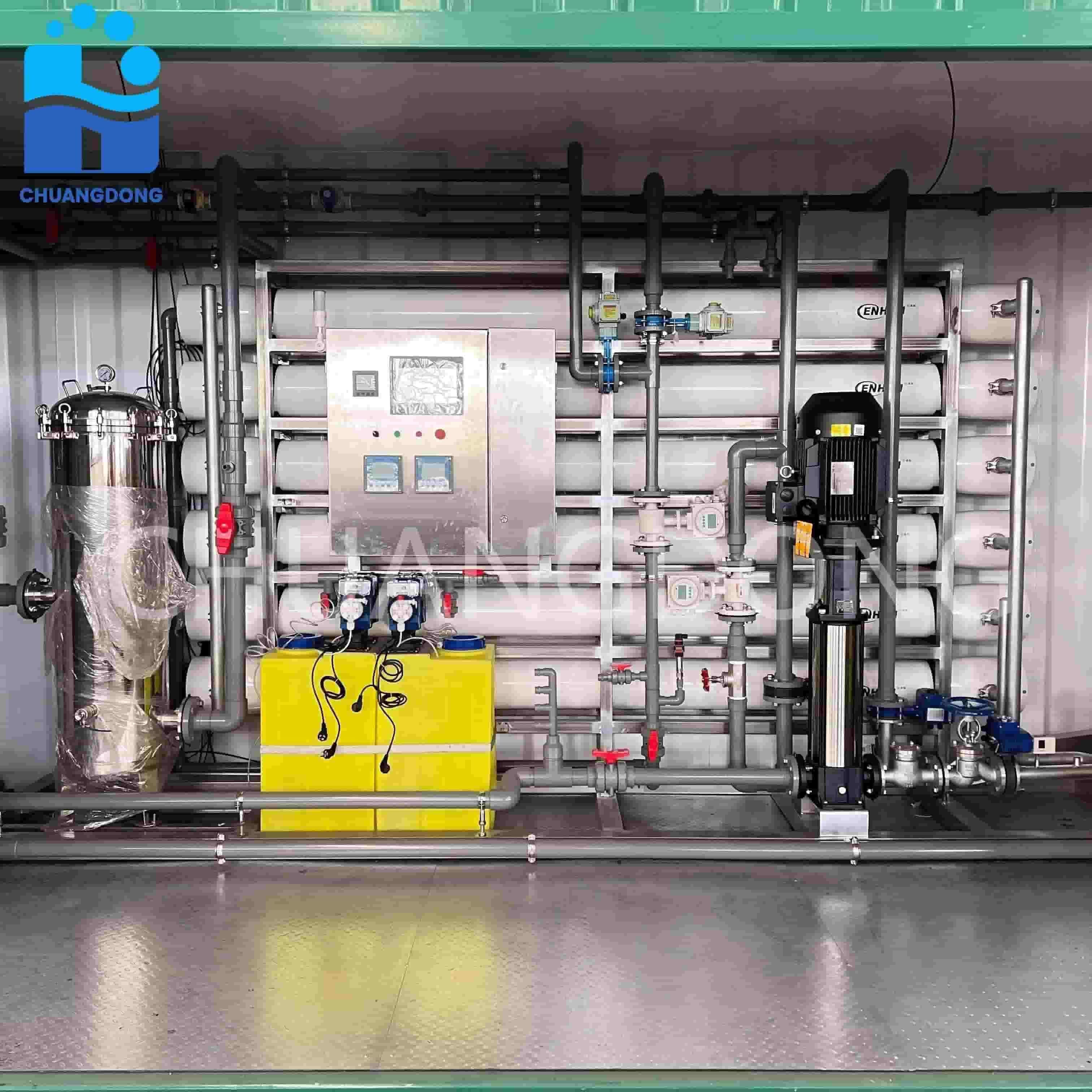
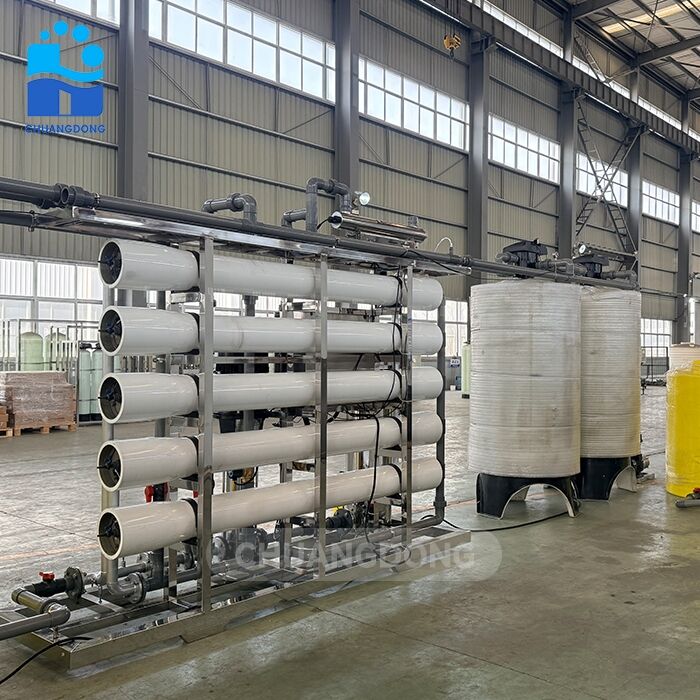
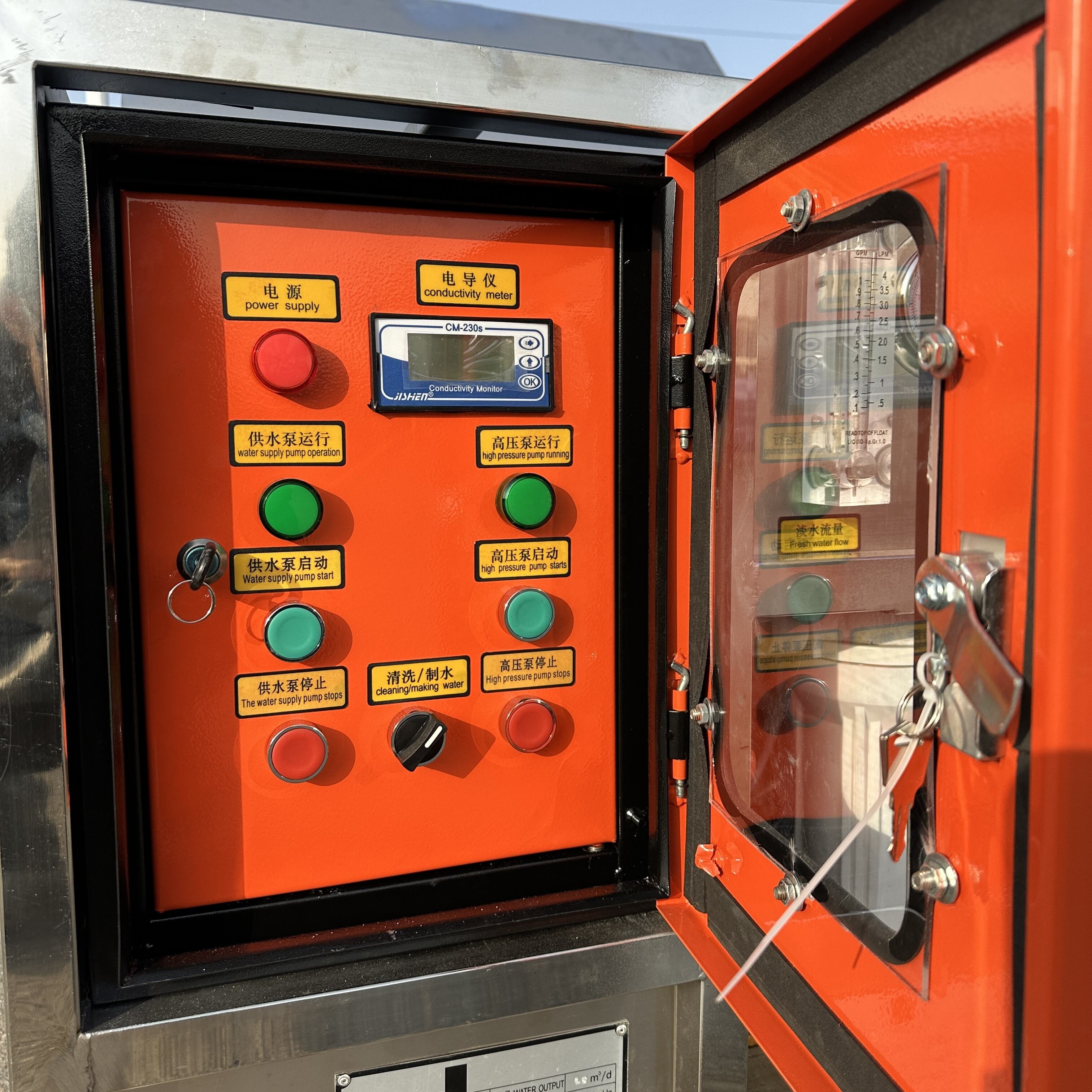
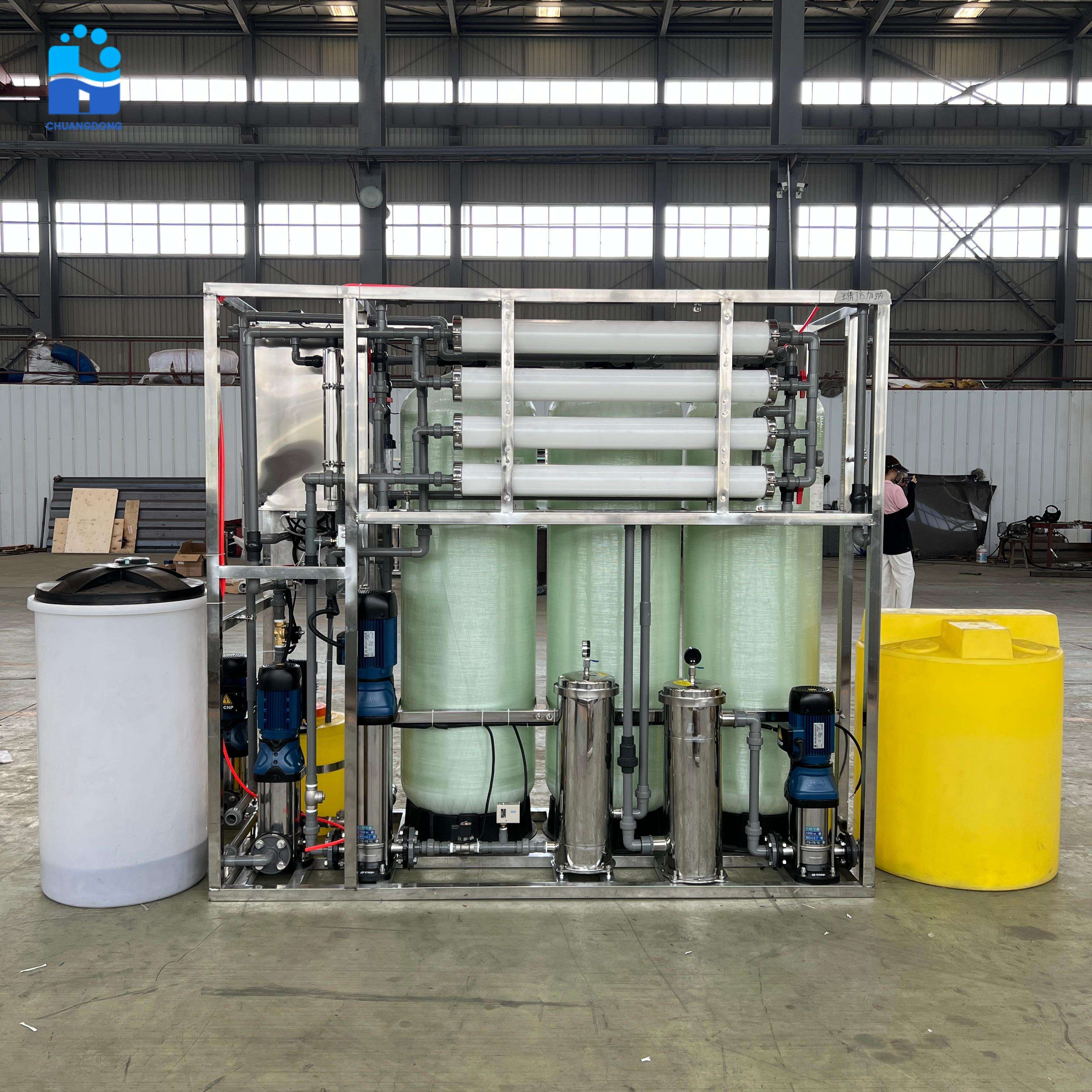
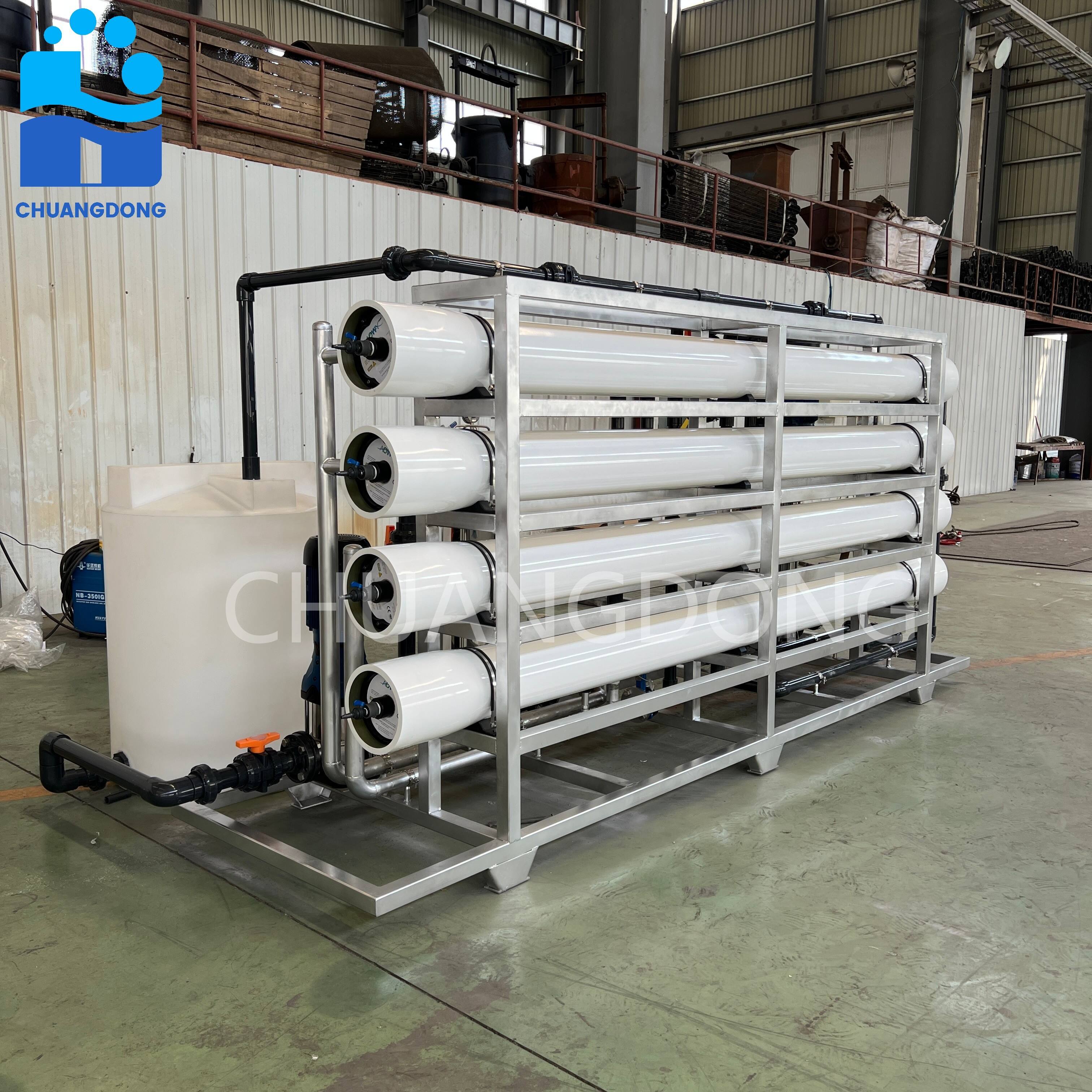
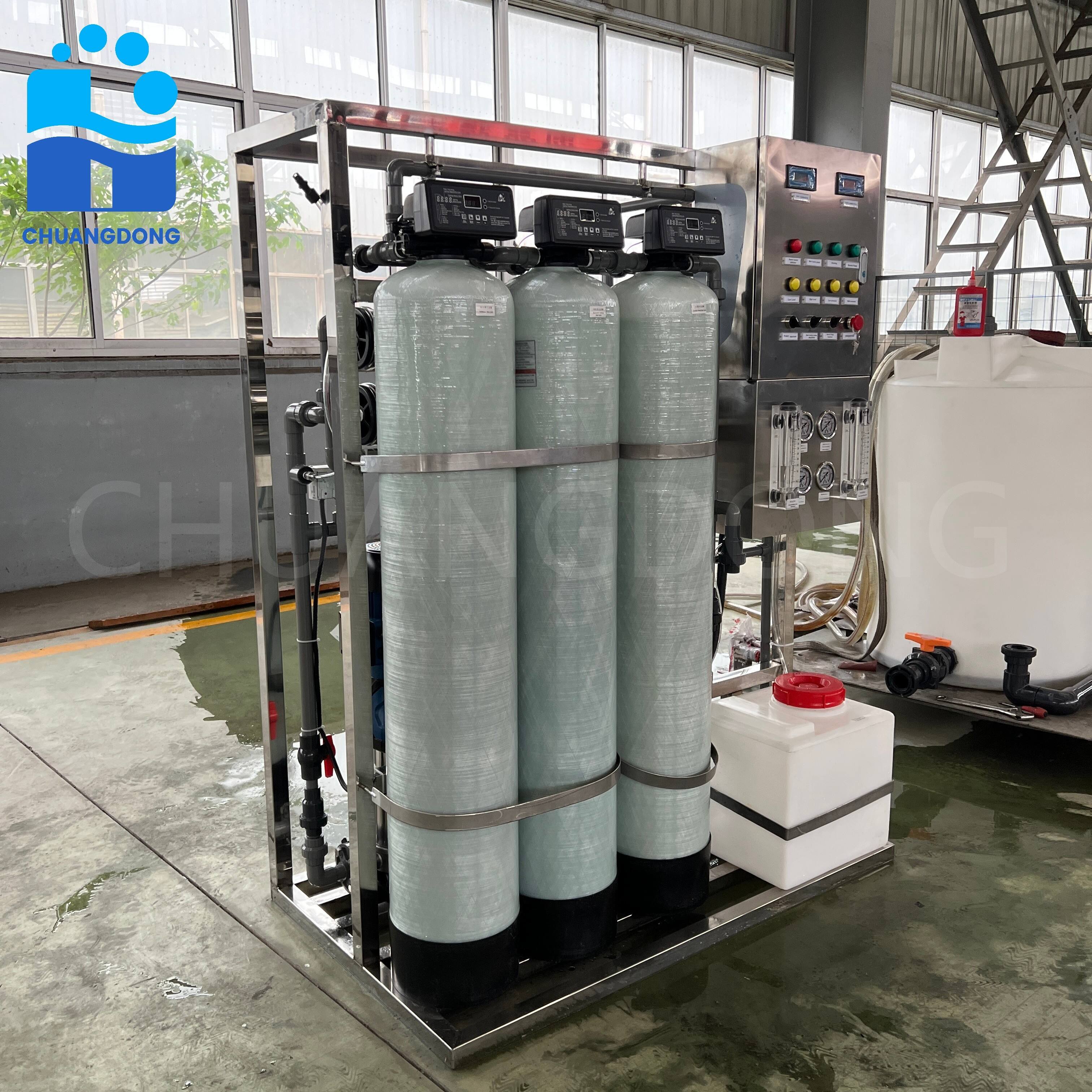
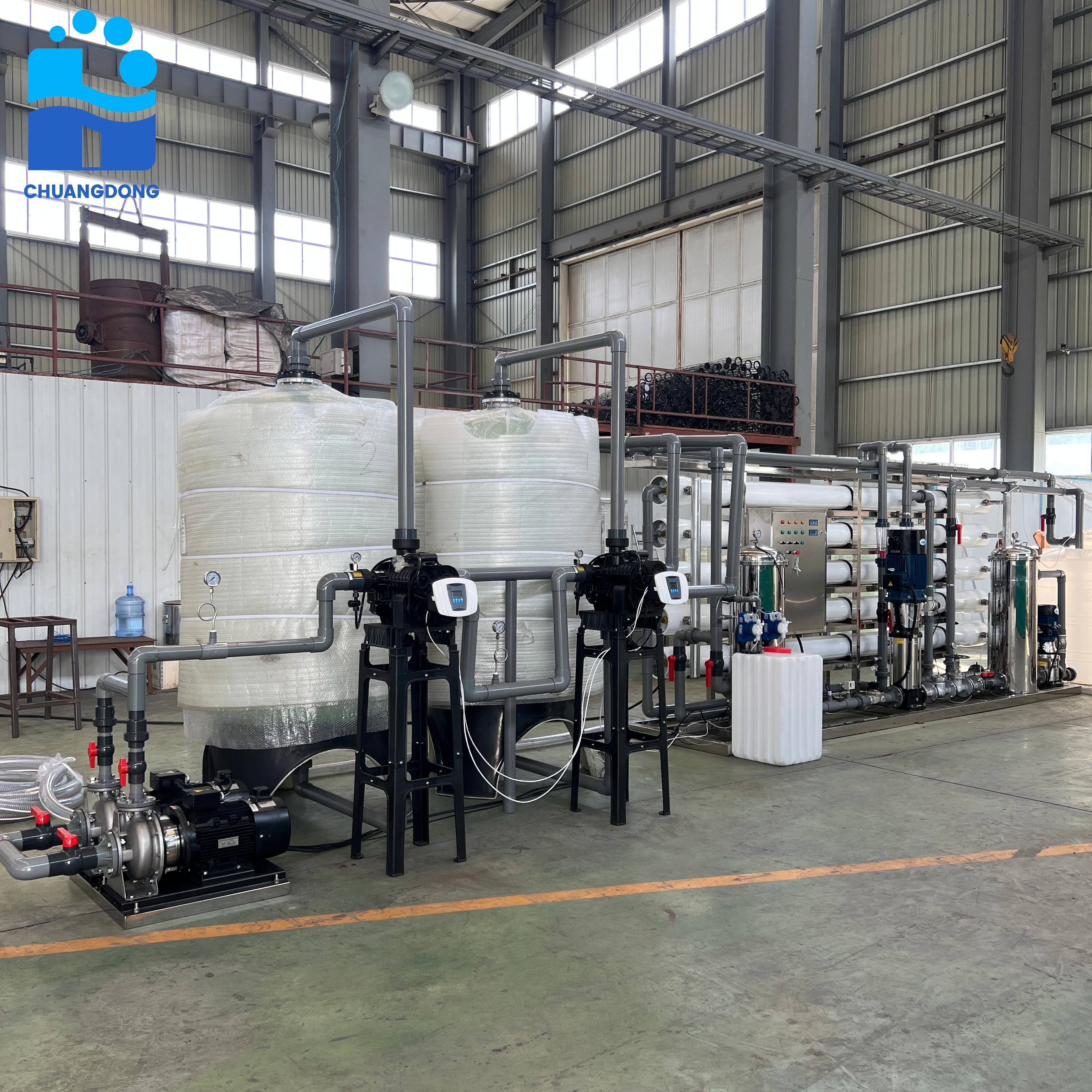
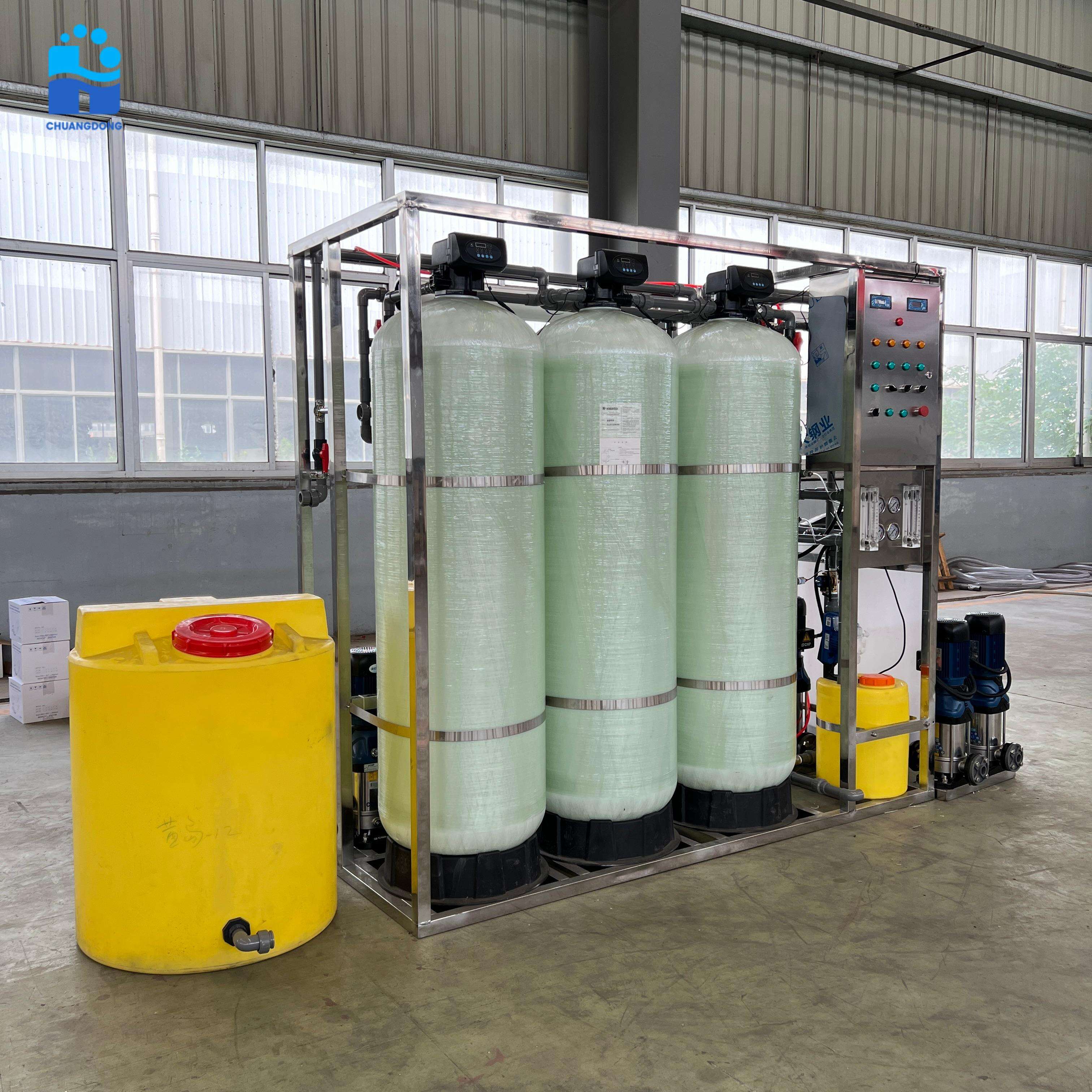
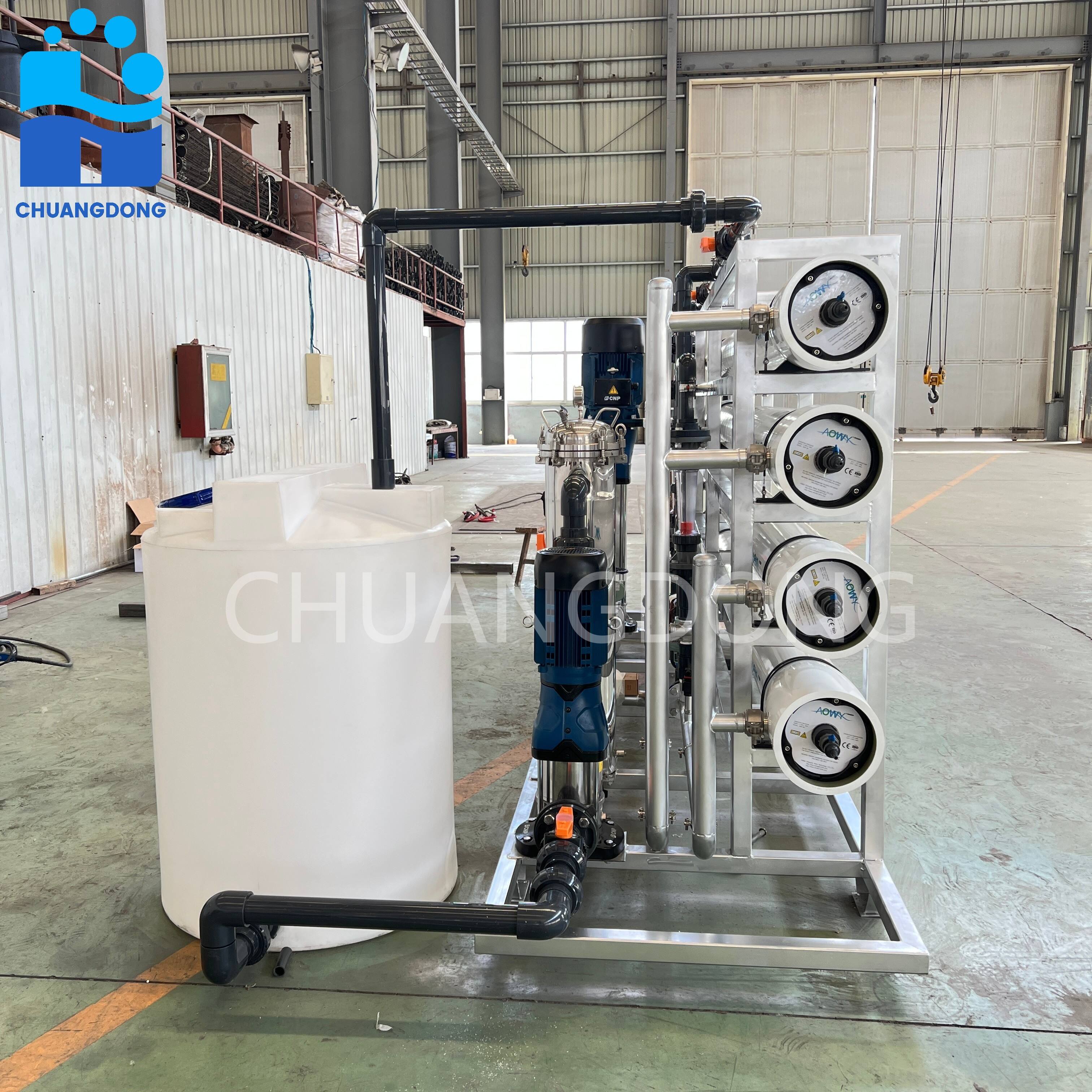
An industrial ro water system represents a sophisticated water purification technology that employs reverse osmosis principles to deliver high-quality treated water for commercial and manufacturing applications. This advanced filtration system operates by forcing contaminated water through semi-permeable membranes under high pressure, effectively removing up to 99% of dissolved salts, contaminants, bacteria, and other impurities. The industrial ro water system consists of several critical components including pre-filtration stages, high-pressure pumps, reverse osmosis membranes, and post-treatment elements that work synergistically to produce consistently pure water. The pre-treatment phase typically incorporates sediment filters, carbon filters, and water softeners to protect the delicate RO membranes from damage and extend their operational lifespan. The heart of the industrial ro water system lies in its membrane technology, where water molecules pass through microscopic pores while rejecting larger contaminants. These systems are engineered to handle substantial water volumes ranging from hundreds to thousands of gallons per hour, making them ideal for industries requiring continuous access to purified water. Modern industrial ro water systems feature automated monitoring and control systems that track water quality parameters, membrane performance, and system efficiency in real-time. The technology incorporates energy recovery devices that capture and reuse hydraulic energy from the concentrate stream, significantly reducing operational costs. Applications span diverse sectors including pharmaceutical manufacturing, food and beverage production, electronics manufacturing, power generation, and chemical processing. The modular design of industrial ro water systems allows for scalable configurations that can be customized to meet specific production requirements and water quality standards. Regular maintenance protocols ensure optimal performance through scheduled membrane cleaning, component inspection, and system sanitization procedures.

New Products

Industrial ro water systems deliver exceptional water purity levels that surpass conventional treatment methods, providing businesses with consistent access to high-quality water essential for critical manufacturing processes. These systems remove virtually all dissolved solids, heavy metals, bacteria, viruses, and organic compounds, ensuring product quality and regulatory compliance across industries. The automated operation of industrial ro water systems reduces labor requirements and human error while maintaining precise control over water quality parameters. Advanced monitoring capabilities provide real-time feedback on system performance, enabling proactive maintenance scheduling and preventing costly downtime. Energy efficiency represents a significant advantage, as modern industrial ro water systems incorporate energy recovery devices that reduce power consumption by up to 60% compared to older technologies. The compact footprint of these systems maximizes facility space utilization while delivering substantial water production capacity. Industrial ro water systems offer remarkable versatility in handling various water sources, from municipal supplies to brackish groundwater and even seawater, adapting to different regional water conditions. The modular construction allows businesses to expand capacity incrementally as production demands grow, protecting initial investments while accommodating future needs. Cost-effectiveness extends beyond initial purchase price, as industrial ro water systems eliminate the ongoing expense of purchasing bottled water or chemicals required for alternative treatment methods. The consistent water quality produced by these systems reduces product rejection rates in manufacturing processes, improving overall operational efficiency and profitability. Environmental benefits include reduced wastewater generation and elimination of chemical discharge, supporting corporate sustainability initiatives. The long membrane lifespan, typically 2-3 years with proper maintenance, minimizes replacement costs and system interruptions. Remote monitoring capabilities enable technicians to diagnose issues and optimize performance without on-site visits, reducing service costs and response times. The robust construction of industrial ro water systems ensures reliable operation in demanding industrial environments, withstanding temperature variations, pressure fluctuations, and continuous operation cycles. These systems integrate seamlessly with existing facility infrastructure, requiring minimal modifications to plumbing and electrical systems during installation.

Latest News

What Corrosion-Resistant Materials Are Used in Desalination Plant Construction?

06

Mar

What Corrosion-Resistant Materials Are Used in Desalination Plant Construction?

Desalination plants operate in some of the harshest environments imaginable, where saltwater constantly threatens the integrity of critical infrastructure. The selection of appropriate corrosion-resistant materials becomes paramount to ensuring long-...
View More
How Does a Water Purification System with Ion Exchange Soften Hard Water Effectively?

15

Mar

How Does a Water Purification System with Ion Exchange Soften Hard Water Effectively?

Hard water poses significant challenges for both residential and commercial applications, containing high concentrations of calcium and magnesium ions that cause scale buildup, reduce equipment efficiency, and affect water quality. A water purificati...
View More
How Does an RO Water Filter with a UV Sterilizer Provide Additional Protection Against Bacteria?

10

Mar

How Does an RO Water Filter with a UV Sterilizer Provide Additional Protection Against Bacteria?

Water contamination remains one of the most pressing concerns for homeowners and businesses seeking reliable water purification solutions. While traditional filtration methods offer basic protection, modern water treatment technology has evolved to p...
View More
Why Should Pharmaceutical QC Labs Use Ultrapure Water for HPLC and Mass Spectrometry?

18

Mar

Why Should Pharmaceutical QC Labs Use Ultrapure Water for HPLC and Mass Spectrometry?

Pharmaceutical quality control laboratories face increasingly stringent requirements for analytical accuracy and regulatory compliance. The foundation of reliable analytical results lies in the quality of water used throughout testing procedures. Ult...
View More

Get a Free Quote

Our representative will contact you soon.
Email
Name
Company Name
Message
0/1000

industrial ro water system

Advanced Multi-Stage Filtration Technology

Advanced Multi-Stage Filtration Technology

The industrial ro water system employs sophisticated multi-stage filtration technology that sets new standards for water purification in commercial environments. This comprehensive approach begins with pre-filtration stages designed to protect the sensitive reverse osmosis membranes from premature fouling and damage. The initial sediment filtration removes particles, rust, and debris that could clog downstream components, while activated carbon filtration eliminates chlorine, organic compounds, and taste-affecting substances that might compromise membrane integrity. Water softening systems reduce calcium and magnesium levels, preventing scale formation that can drastically reduce system efficiency and membrane lifespan. The core reverse osmosis stage utilizes cutting-edge spiral-wound membranes manufactured from thin-film composite materials that achieve exceptional rejection rates for dissolved salts, bacteria, viruses, and organic molecules. These membranes operate under precisely controlled pressure conditions, typically between 150-600 PSI, ensuring optimal water molecule passage while blocking contaminants. Post-treatment stages may include UV sterilization, ozonation, or additional polishing filters depending on specific application requirements. The industrial ro water system incorporates intelligent pressure monitoring and flow control systems that automatically adjust operating parameters to maintain peak performance across varying feed water conditions. Advanced membrane cleaning protocols utilize specialized chemical sequences to remove biofilms, scale deposits, and organic fouling without damaging the membrane structure. The multi-stage approach ensures redundancy in contaminant removal, providing multiple barriers against impurities that could affect product quality or process efficiency. Regular monitoring of each filtration stage through conductivity meters, pressure gauges, and flow sensors enables predictive maintenance scheduling that prevents unexpected system failures. This technological sophistication translates directly into superior water quality consistency, reduced operating costs, and extended equipment lifespan that delivers exceptional return on investment for industrial applications.
Energy-Efficient Design with Recovery Systems

Energy-Efficient Design with Recovery Systems

Modern industrial ro water systems incorporate revolutionary energy recovery technology that dramatically reduces operational costs while maintaining superior water production capabilities. These advanced systems utilize energy recovery devices such as pressure exchangers and turbo chargers that capture hydraulic energy from the high-pressure concentrate stream and transfer it to incoming feed water, reducing overall energy consumption by 35-60% compared to conventional designs. The energy recovery process works by harnessing the pressure differential between the concentrate and feed streams, essentially recycling energy that would otherwise be wasted during the discharge process. High-efficiency pump systems with variable frequency drives automatically adjust motor speed based on system demand, further optimizing energy consumption during periods of varying water production requirements. The industrial ro water system design includes smart control algorithms that continuously monitor and adjust operating parameters to maintain optimal energy efficiency while preserving water quality standards. Pressure optimization protocols ensure that membrane systems operate within ideal pressure ranges, preventing energy waste from excessive pressure while maintaining adequate driving force for effective separation. The integration of energy-efficient components extends to auxiliary systems including feed pumps, booster pumps, and circulation pumps, all selected for maximum efficiency ratings. Advanced power management systems can interface with facility energy management systems to schedule water production during off-peak electricity rates, providing additional cost savings. The energy-efficient design of industrial ro water systems supports corporate sustainability initiatives by reducing carbon footprint and environmental impact associated with water treatment operations. Heat recovery systems in heated applications capture thermal energy from various process streams, further reducing overall facility energy consumption. The payback period for energy recovery investments typically ranges from 12-24 months, making these systems financially attractive for businesses focused on operational cost reduction. Maintenance requirements for energy recovery devices remain minimal due to their robust construction and lack of wearing parts, ensuring consistent performance over extended operational periods. The combination of energy recovery technology with optimized system design delivers substantial operational savings that compound over the system's operational lifetime.
Scalable Modular Configuration for Growing Businesses

Scalable Modular Configuration for Growing Businesses

The industrial ro water system features innovative modular design architecture that provides unprecedented flexibility for businesses experiencing growth or changing water quality requirements. This scalable approach allows companies to start with smaller capacity systems and expand production capability incrementally as demand increases, protecting initial capital investment while ensuring adequate water supply for current operations. Each module within the industrial ro water system operates independently while integrating seamlessly with additional units, creating a robust network of water treatment capacity that can be configured to match specific production schedules and peak demand periods. The modular construction utilizes standardized components and interfaces that simplify installation, maintenance, and expansion procedures, reducing both initial setup time and ongoing service requirements. Businesses can add membrane vessels, pump systems, and control modules without disrupting existing operations, ensuring continuous water supply during expansion phases. The flexible configuration options accommodate various space constraints and facility layouts, with systems available in horizontal, vertical, and custom orientations to maximize efficient use of available floor space. Control systems are designed to manage multiple modules through centralized monitoring interfaces, providing operators with comprehensive oversight of entire water treatment networks while maintaining individual module optimization. The modular approach enables targeted maintenance and service activities, allowing specific modules to be isolated for cleaning or component replacement while other modules continue operating at full capacity. This design philosophy extends to replacement part inventory, as standardized components across modules reduce spare part requirements and simplify maintenance planning. Quality control benefits from modular design include the ability to dedicate specific modules to particular product lines or quality requirements, ensuring consistent water specifications for specialized applications. The industrial ro water system modularity supports phased installation approaches that spread capital expenditure over multiple budget cycles while maintaining operational capability throughout implementation phases. Integration capabilities include compatibility with existing facility automation systems, SCADA networks, and remote monitoring platforms that enable centralized management of distributed water treatment assets. The modular design philosophy future-proofs investments by accommodating technological upgrades and component improvements without requiring complete system replacement, ensuring long-term value and performance optimization for growing enterprises.

Get a Free Quote

Our representative will contact you soon.
Email
Name
Company Name
Message
0/1000