 EN
EN


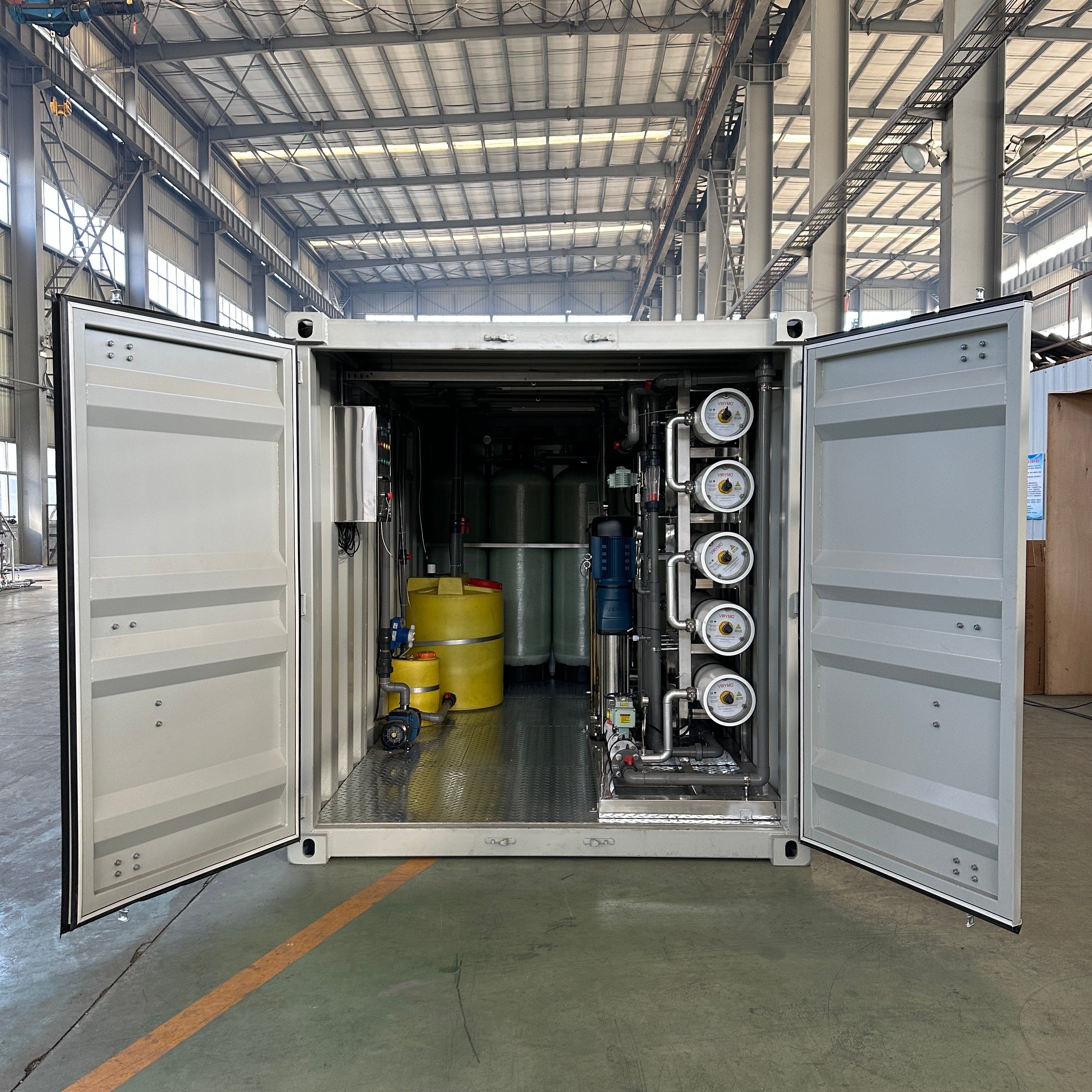
Bottled water companies face increasing pressure to deliver consistent quality, meet regulatory standards, and optimize operational costs. A reverse osmosis plant has become the industry standard for achieving these goals, yet many organizations still operate outdated or undersized equipment. Investing in a high-capacity reverse osmosis plant is not merely a technology upgrade—it represents a strategic decision that directly impacts profitability, production scalability, and competitive positioning in an increasingly demanding market.
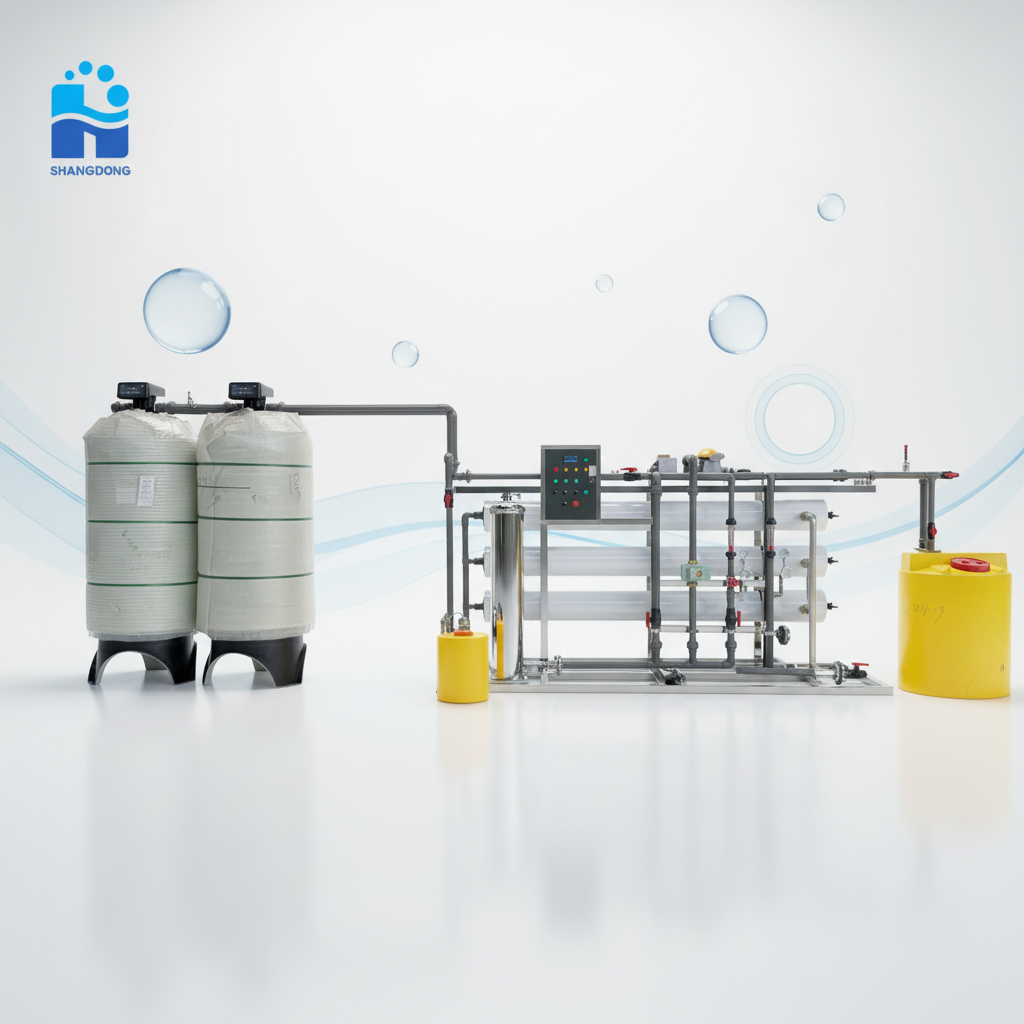
The business case for upgrading to a modern reverse osmosis plant extends far beyond simple water filtration. Companies that implement high-capacity systems experience reduced waste, lower energy consumption per unit of produced water, and improved product consistency that strengthens brand reputation. These tangible benefits compound over time, making the initial capital investment one of the most defensible decisions in the bottling operation.
Operational Efficiency and Production Scaling
Meeting Growing Demand with Capacity
Production demands fluctuate seasonally and annually as market conditions shift. A high-capacity reverse osmosis plant provides the headroom needed to meet peak demand without sacrificing water quality or forcing multiple production shifts. When a reverse osmosis plant operates at or below its rated capacity, membrane performance remains stable, reject water ratios stay predictable, and downtime risk decreases significantly. Companies that fail to invest in adequate capacity often experience bottlenecks during high-demand periods, forcing them to either reject orders or accept lower product quality.
Reducing Per-Unit Production Costs
A reverse osmosis plant achieves economies of scale that smaller systems cannot match. Energy consumption, labor allocation, and maintenance overhead are spread across a larger volume of treated water, reducing per-liter production costs substantially. Modern high-capacity designs incorporate variable frequency drives, automated pressure controls, and advanced monitoring systems that minimize energy waste. When comparing a reverse osmosis plant with 6,000 liters-per-hour capacity against multiple smaller units, the larger system consistently delivers superior cost-per-unit economics while requiring fewer operators and less frequent maintenance interventions.
Water Quality and Regulatory Compliance
Consistency and Purity Standards
Bottled water regulations mandate strict limits on total dissolved solids, bacterial content, and chemical contaminants. A high-capacity reverse osmosis plant maintains precise membrane filtration under stable operating conditions, producing water of consistent quality batch after batch. The reverse osmosis plant design ensures that membrane pressure, feed water temperature, and flow rates remain within optimal ranges, preventing the quality fluctuations that plague undersized systems running at maximum capacity. This consistency is not only regulatory requirement—it directly strengthens consumer trust and brand loyalty.
Meeting International Water Quality Standards
Global bottled water trade requires compliance with standards set by organizations like FDA, EU, and local health authorities. An adequately sized reverse osmosis plant easily achieves these standards without operational stress. The system's advanced pre-filtration stages, membrane configuration, and post-treatment options work together to eliminate pathogens, minerals, and organic contaminants. When companies export bottled water internationally, the reliability of their reverse osmosis plant becomes a competitive asset, enabling them to enter new markets with confidence in product compliance.
Long-Term Financial Performance and Risk Mitigation
Capital Investment ROI and Payback Cycles
The financial case for upgrading to a modern reverse osmosis plant typically shows payback within three to five years through operational savings alone. Reduced energy consumption, lower chemical treatment costs, minimal product loss, and decreased maintenance expenses compound to deliver strong return on investment. A reverse osmosis plant's lifespan extends 10 to 15 years with proper maintenance, meaning companies enjoy profitable operation long after the initial investment is recovered. When factoring in increased production capacity and premium pricing enabled by superior product quality, the ROI accelerates further.
Risk Reduction and System Reliability
Older water treatment systems carry hidden risks that a modern reverse osmosis plant eliminates. Equipment failures in undersized or outdated systems force costly emergency repairs, production stoppages, and potential product recalls. A high-capacity reverse osmosis plant incorporates redundant monitoring, automated fault detection, and modular design that allows component replacement without halting production. This reliability translates directly into reduced emergency maintenance costs, fewer production disruptions, and higher customer satisfaction scores. Companies investing in state-of-the-art reverse osmosis plant technology effectively purchase operational peace of mind alongside water treatment capability.
Sustainability and Environmental Responsibility
Optimizing Water Recovery Rates
Water scarcity pressures are intensifying globally, making efficient reverse osmosis plant operation essential for both environmental and business reasons. High-capacity systems often achieve superior water recovery rates—the percentage of feed water converted to finished product—compared to smaller units operating at capacity limits. A reverse osmosis plant designed for appropriate production volumes wastes less water to the drain, reducing environmental impact and operational costs simultaneously. This dual benefit strengthens the company's sustainability credentials while improving profitability, creating alignment between environmental and financial objectives.
Energy Efficiency and Carbon Footprint
Modern reverse osmosis plant technology incorporates variable frequency drives, energy recovery turbines, and high-efficiency membrane configurations that minimize electricity consumption. Compared to older systems, contemporary high-capacity reverse osmosis plant designs reduce energy per liter by 20% to 40%, cutting both operational costs and carbon footprint. As regulatory and consumer pressure on sustainability increases, companies with efficient reverse osmosis plant technology gain competitive advantage and may qualify for environmental certifications and incentives that further improve financial performance.
FAQ
What capacity of reverse osmosis plant should a bottled water company select?
Capacity selection depends on current production volume plus anticipated growth. Most companies choose a reverse osmosis plant sized to handle 150% to 200% of peak current demand, allowing room for market expansion without forced system replacement. A reverse osmosis plant operating at 70% to 85% of rated capacity maintains optimal membrane performance and energy efficiency while providing the headroom to absorb seasonal demand spikes without quality degradation.
How often does a reverse osmosis plant require maintenance?
A well-designed reverse osmosis plant typically requires preventive maintenance every six to twelve months, with membrane replacement every three to five years depending on feed water quality and operating conditions. Modern systems include automated monitoring that alerts operators to maintenance needs before problems develop. Regular maintenance of the reverse osmosis plant is far less expensive than emergency repairs and keeps the system operating at peak efficiency, preserving the return on investment.
Can a high-capacity reverse osmosis plant reduce overall production costs?
Yes, a high-capacity reverse osmosis plant significantly reduces per-liter production costs through economies of scale, lower energy consumption per unit, and optimized labor allocation. The reverse osmosis plant's improved efficiency, reduced water waste, and decreased maintenance frequency combine to lower operational expenses while improving product consistency and enabling higher production volumes at competitive pricing.