 EN
EN


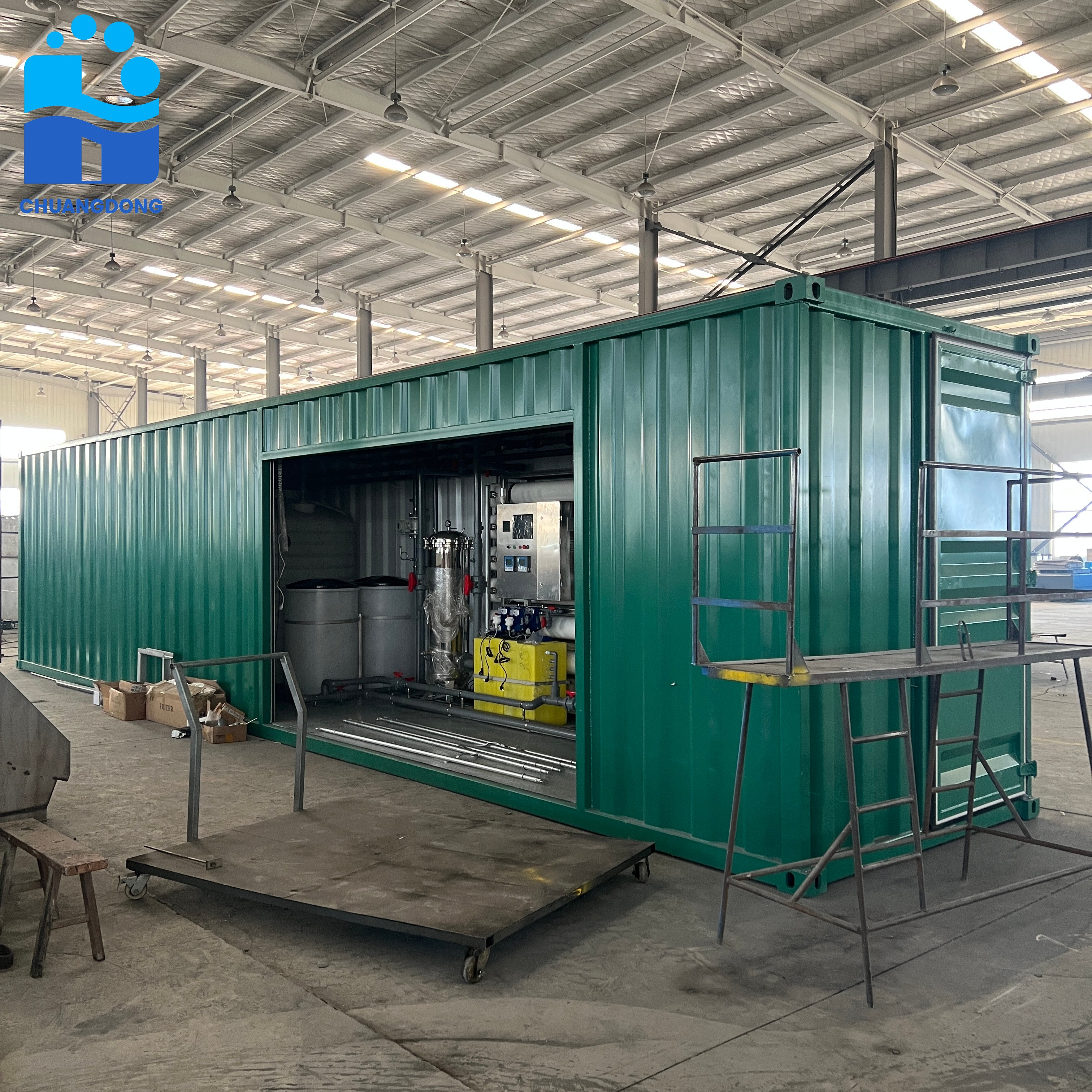
When disaster strikes and communities face critical water shortages, conventional treatment infrastructure cannot respond quickly enough. A reverse osmosis plant housed in a containerized format delivers exactly what emergency water relief requires: speed, portability, and proven purification performance. Containerized reverse osmosis plant systems have revolutionized how humanitarian organizations, governments, and water authorities respond to crises, transforming deployment timelines from months to days and ensuring contaminated or brackish water can be treated immediately in the field.
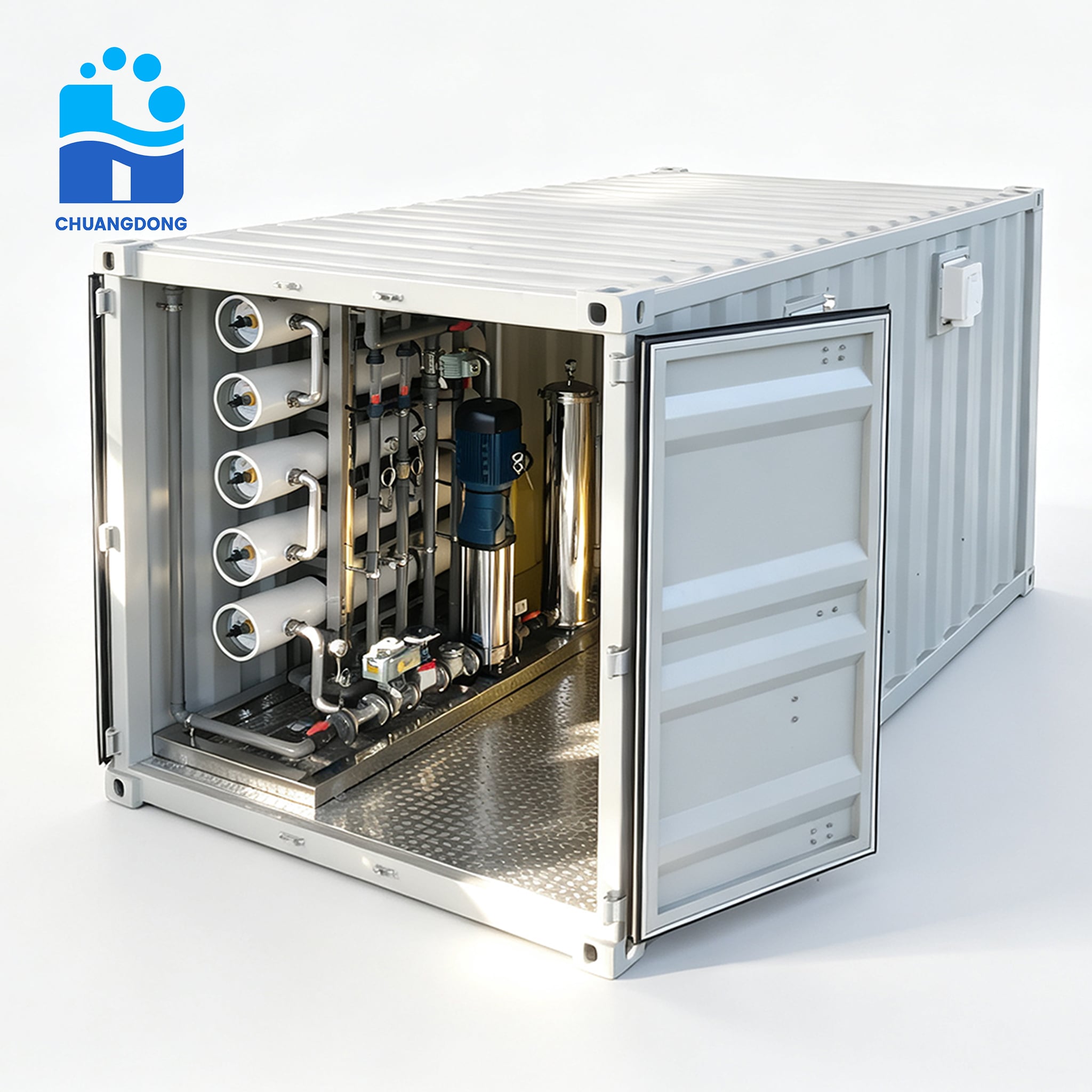
The core advantage of a containerized reverse osmosis plant lies in its pre-engineered, factory-tested design. Unlike site-built reverse osmosis plant installations that require extensive civil work, pipeline construction, and on-site assembly, containerized units arrive ready for operation. A properly designed reverse osmosis plant in container form can be transported via truck, ship, or helicopter, positioned at the emergency site, connected to raw water and power sources, and begin treatment within hours rather than weeks.
Understanding Containerized Reverse Osmosis Plant Design
Core Components of a Containerized Reverse Osmosis Plant
A containerized reverse osmosis plant integrates all treatment stages into a single, self-contained unit housed within a standard shipping container or specialized tank frame. The reverse osmosis plant system includes raw water intake and storage sections, pretreatment filters, high-pressure pump assemblies, reverse osmosis membranes, product water storage, and reject water handling. Each reverse osmosis plant component is dimensioned and plumbed to work as an integrated whole, eliminating the need for extensive field piping and troubleshooting that delays conventional installations.
The reverse osmosis plant's pretreatment stage removes sediment, turbidity, and organic matter that would otherwise foul the delicate membranes. Sand filters, cartridge filters, and sometimes activated carbon beds within the reverse osmosis plant protect the pressure vessels and extend membrane life. The reverse osmosis plant's high-pressure pump, typically capable of 150 to 300 bar operating pressure, forces raw water through semipermeable membranes, separating dissolved solids, bacteria, viruses, and chemical contaminants from potable product water.
Deployment Speed and Operational Readiness
A containerized reverse osmosis plant achieves emergency response because it requires no construction time. Traditional site-built reverse osmosis plant projects demand excavation, concrete foundations, building structures, and electrical infrastructure that consume weeks or months. In contrast, a containerized reverse osmosis plant simply needs level ground, raw water connection, and electrical hookup. Weather-sealed containerized reverse osmosis plant units can operate in remote locations, disaster zones, and temporary camps where conventional facilities cannot be built quickly.
Most containerized reverse osmosis plant systems reach full treatment capacity within hours of arrival. Operators can run initial flush cycles to validate water quality while connecting the product water distribution network. This rapid operational startup transforms a containerized reverse osmosis plant from a logistics asset into a functioning treatment facility far faster than conventional approaches, directly addressing the urgent need for clean water in emergency situations.
Water Quality and Treatment Capability of a Containerized Reverse Osmosis Plant
Contamination Removal Performance
A reverse osmosis plant achieves 95 to 99 percent rejection of dissolved solids, making it highly effective against saline intrusion, industrial pollution, and high-mineral raw water sources common in disaster zones. The reverse osmosis plant's membranes remove bacteria, viruses, heavy metals, nitrates, sulfates, and other hazardous contaminants that threaten drinking water safety. In emergency scenarios where raw water may come from flooded aquifers, contaminated surface sources, or even seawater intrusion, a containerized reverse osmosis plant produces reliable potable water without requiring extensive pretreatment or chemical conditioning.
Product water from a containerized reverse osmosis plant typically meets international drinking water standards for total dissolved solids, turbidity, and microbiological parameters. The reverse osmosis plant's multi-stage treatment ensures consistency even when raw water quality fluctuates, a critical requirement in emergency situations where source water may change rapidly or contain varying contaminant profiles.
Throughput and Scale Options
Containerized reverse osmosis plant systems come in modular capacity ranges, typically from 5 to 50 cubic meters per hour depending on model and configuration. Smaller reverse osmosis plant containers deliver water for isolated communities or temporary camps, while larger containerized reverse osmosis plant units provide volume sufficient for regional relief efforts. Multiple containerized reverse osmosis plant modules can be deployed in parallel to meet larger demand, scaling emergency response capacity without waiting for equipment manufacturing or lengthy procurement cycles.
The reverse osmosis plant's energy consumption remains manageable for emergency deployment because containerized units typically run on generator power or renewable energy systems already present in crisis zones. This operational flexibility ensures a containerized reverse osmosis plant can function independently of local infrastructure damage or grid disruptions common in disaster areas.
Implementation Advantages and Practical Deployment Considerations
Logistics and Transportation Efficiency
A containerized reverse osmosis plant fits standard international shipping containers or specialized transport frames, enabling rapid movement via commercial logistics networks. When humanitarian organizations or government agencies need to deploy a reverse osmosis plant emergency response, they can source containerized units from manufacturers, arrange transport within days, and position the equipment at impact sites before conventional construction crews mobilize. The containerized reverse osmosis plant requires minimal crew and minimal technical expertise compared to building and commissioning on-site reverse osmosis plant facilities.
Transport cost for a containerized reverse osmosis plant remains significantly lower than establishing permanent treatment infrastructure, making rapid deployment economically feasible even for resource-constrained agencies. Containerized reverse osmosis plant systems also avoid expensive land acquisition or long-term facility commitments when emergency needs may be temporary.
Training and Operational Management
A containerized reverse osmosis plant is designed for straightforward operation by trained technicians with moderate mechanical and water treatment background. Standard operating procedures for the reverse osmosis plant include monitoring feed pressure, product water flow, reject water disposal, and periodic membrane cleaning cycles. Most containerized reverse osmosis plant suppliers provide operator training and technical support, ensuring emergency response teams can maintain treatment quality and troubleshoot common issues without extensive expertise.
Documentation for a containerized reverse osmosis plant typically includes maintenance schedules, membrane replacement protocols, and water quality testing procedures. Organizations deploying a containerized reverse osmosis plant maintain performance consistency through systematic operator checklists and regular product water testing, critical practices for sustaining public confidence and regulatory compliance during emergency response.
FAQ
How quickly can a containerized reverse osmosis plant become operational after arrival?
Most containerized reverse osmosis plant systems achieve full treatment capacity within 2 to 8 hours of site arrival, depending on setup complexity and local raw water conditions. A reverse osmosis plant in container form requires only level ground, raw water connection, electrical power, and initial system flushing before production begins. This rapid startup distinguishes a containerized reverse osmosis plant from conventional installations that require weeks of construction and civil work before treatment can commence.
What raw water sources can a containerized reverse osmosis plant treat?
A reverse osmosis plant effectively treats surface water, groundwater, brackish water, seawater, and heavily contaminated sources common in disaster zones. The containerized reverse osmosis plant's comprehensive pretreatment and membrane stages remove sediment, bacteria, viruses, dissolved solids, and chemical pollutants regardless of source. However, raw water with extremely high sediment loads or specific industrial contaminants may require supplementary pretreatment before entering the reverse osmosis plant's main stages.
Can a containerized reverse osmosis plant operate independent of municipal infrastructure?
Yes, a containerized reverse osmosis plant operates entirely independently because it requires only raw water source, generator power, and storage containers for product water. A reverse osmosis plant system in container form does not depend on municipal electricity, sewer connections, or existing water lines, making it ideal for remote emergency locations, disaster zones, and areas with damaged infrastructure. This independence is a primary reason why containerized reverse osmosis plant deployment has become standard in humanitarian and emergency water relief operations worldwide.