 EN
EN



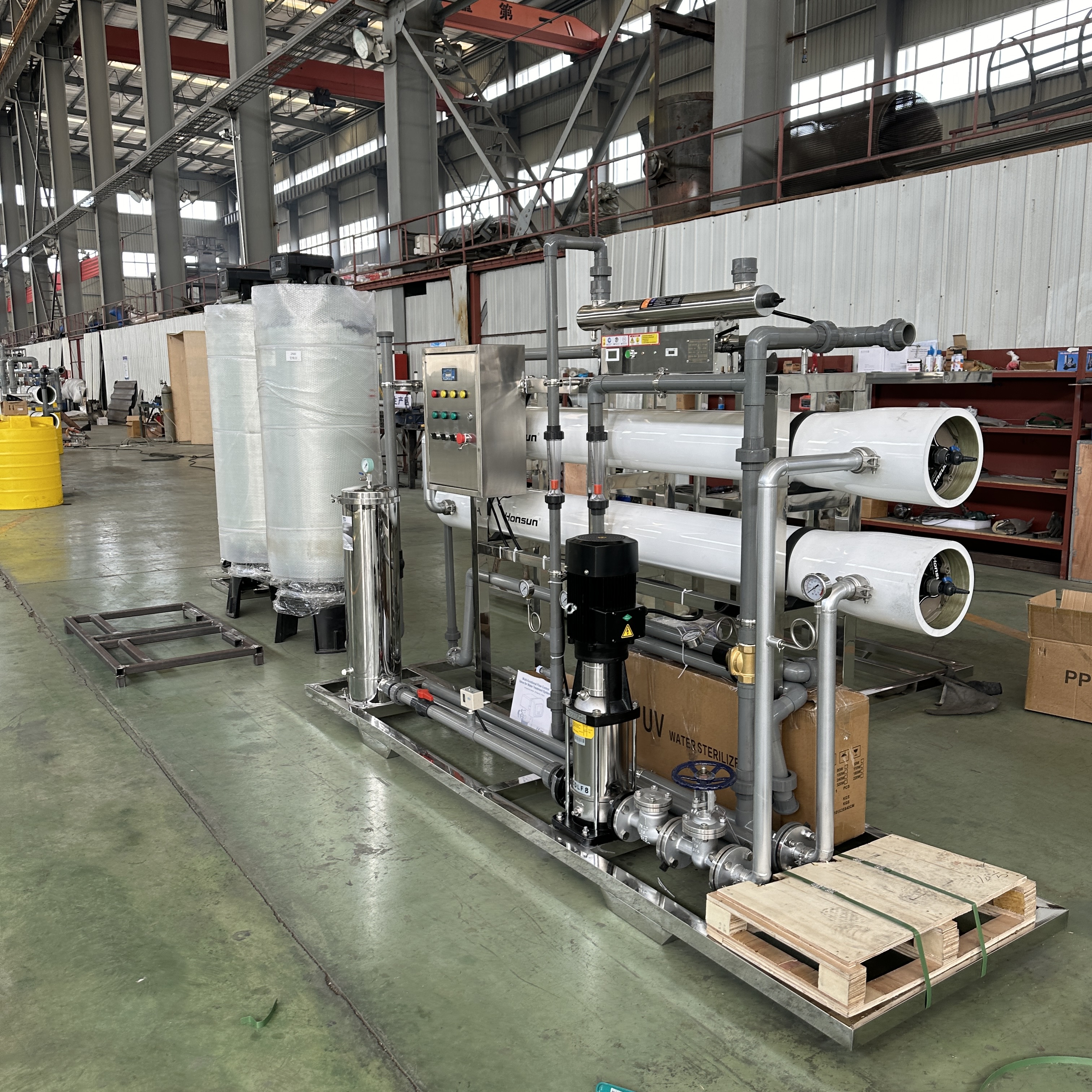
Businesses across manufacturing, hospitality, healthcare, and food production face mounting pressure to maintain reliable water quality while meeting strict regulatory standards and operational demands. A robust water treatment system is no longer optional—it is a critical investment that directly impacts product quality, equipment longevity, and bottom-line profitability. Organizations that implement a professional water treatment system gain consistent access to purified water, reduce unexpected downtime, extend asset lifespan, and demonstrate compliance with industry regulations and sustainability commitments.
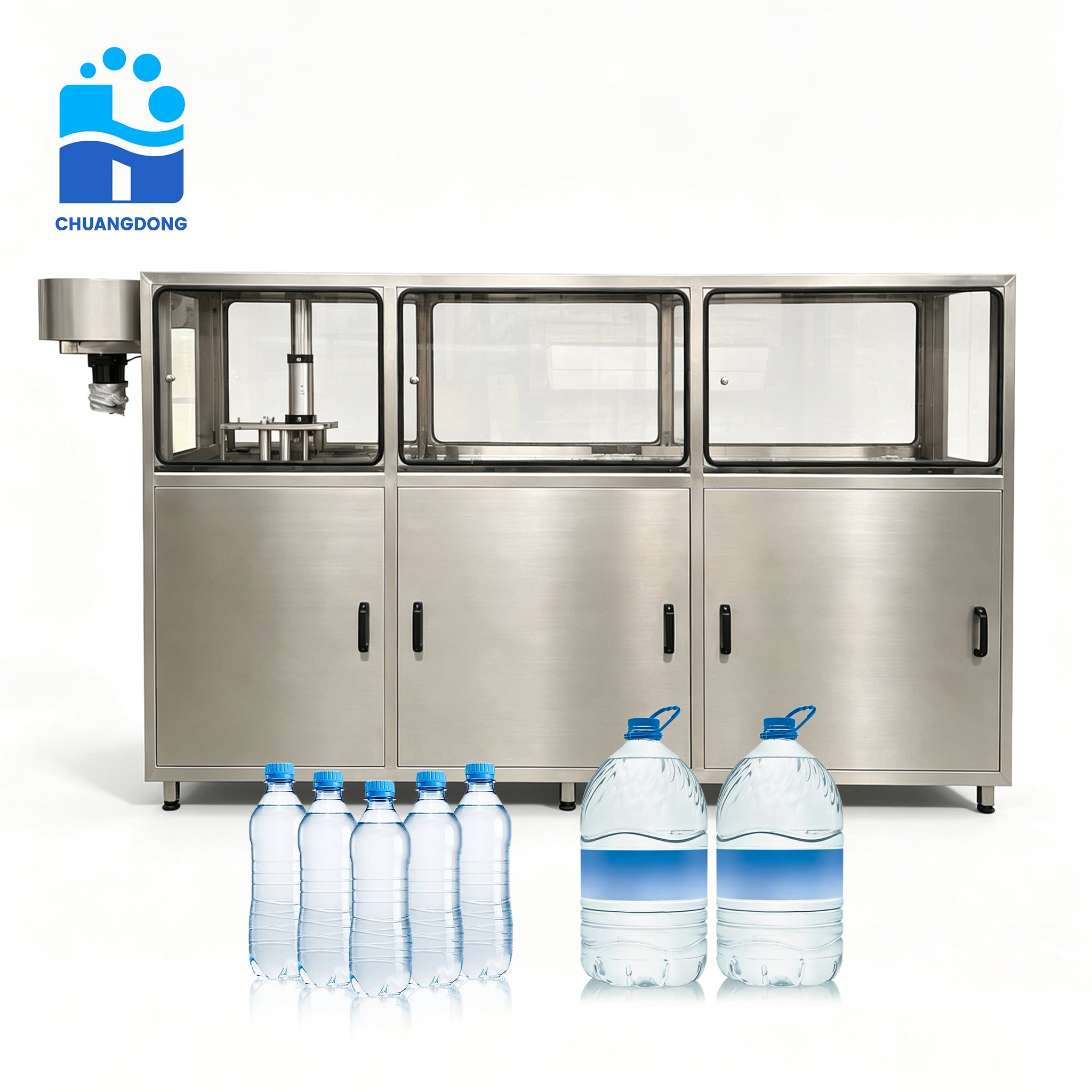
The investment in a commercial water treatment system delivers tangible returns through enhanced operational stability, reduced maintenance costs, and improved product consistency. Companies that delay this investment often face mineral scaling, corrosion, biological contamination, and equipment failures that compound costs over time. This article explains the strategic business case for adopting a professional water treatment system, the operational benefits it provides, and how modern solutions align with long-term growth and sustainability goals.
Operational Efficiency and Equipment Protection
Extending Equipment Lifespan and Reducing Maintenance
One of the most compelling reasons to invest in a water treatment system is the immediate impact on equipment durability and maintenance frequency. Hard water, sediment, and dissolved minerals cause scaling inside boilers, chillers, heat exchangers, and water-fed machinery. A properly designed water treatment system removes these contaminants before they reach critical assets, preventing costly breakdowns and extending equipment life by 30 to 50 percent in many industrial settings. This protection translates into predictable capital expenditure cycles rather than emergency repairs that disrupt production schedules and strain budgets.
Implementing a reliable water treatment system also reduces the frequency of descaling procedures, chemical cleaning cycles, and replacement part orders. Facilities that operate without an effective water treatment system often experience unplanned downtime ranging from 5 to 15 percent annually due to water-related equipment failures. By contrast, businesses with an installed water treatment system report 60 to 80 percent fewer emergency service calls and significantly lower spare parts inventory costs. The operational predictability alone justifies the upfront investment in a commercial-grade water treatment system.
Energy Efficiency and Cost Reduction
Water quality directly influences energy consumption across industrial and commercial operations. When scale and mineral deposits accumulate inside boilers and heat exchange equipment, thermal efficiency declines, forcing these systems to work harder and consume more energy to maintain desired temperatures. A water treatment system that removes hardness and suspended solids keeps heat transfer surfaces clean, maintaining peak efficiency and lowering energy bills. Facilities report 10 to 20 percent reductions in energy costs after implementing a professional water treatment system, with payback periods often achieved within 18 to 36 months.
Beyond thermal systems, a water treatment system improves pump efficiency, reduces friction losses in piping networks, and extends the life of cooling towers and condensers. The cumulative energy savings from maintaining clean water systems create a competitive advantage for capital-intensive industries such as manufacturing, data centers, and hospitality operations. Organizations that evaluate only the installation cost of a water treatment system without calculating operational savings miss the true value proposition of this essential infrastructure investment.
Product Quality and Regulatory Compliance
Ensuring Consistent Product Quality
Industries such as pharmaceuticals, beverages, food processing, and electronics manufacturing depend on consistent water quality as a direct input to final product quality. A water treatment system provides the purification and quality assurance needed to meet strict product specifications and customer expectations. For example, beverage producers require mineral-free or precisely calibrated mineral water to ensure taste consistency, shelf stability, and brand reputation. A water treatment system removes the variability caused by municipal water fluctuations, seasonal changes, and supply chain uncertainties, enabling manufacturers to produce products with identical characteristics across batches and locations.
Pharmaceutical and medical device manufacturers face even stricter demands, often requiring purified water that meets United States Pharmacopeia or European Pharmacopoeia standards. A robust water treatment system becomes a foundational component of quality assurance, regulatory audits, and customer validation processes. Without an appropriate water treatment system, these industries cannot obtain regulatory approval, secure contracts, or pass third-party audits. The investment in a water treatment system is therefore not discretionary but mandatory for product-driven businesses operating in regulated sectors.
Meeting Environmental and Regulatory Requirements
Regulatory bodies across jurisdictions impose increasingly stringent requirements on water quality, discharge standards, and environmental stewardship. A water treatment system enables businesses to comply with local environmental regulations, reduce environmental liability, and meet corporate sustainability commitments. Regulations such as the Safe Drinking Water Act, industrial wastewater discharge standards, and local water conservation mandates now require businesses to document water quality management. An installed water treatment system provides the technical foundation for compliance documentation and demonstrates good-faith commitment to environmental responsibility.
Many industries also face supply chain audits from major customers who require evidence of water stewardship and quality management practices. A certified or third-party validated water treatment system strengthens supplier credentials and reduces the risk of contract loss due to non-compliance. Organizations that proactively invest in a water treatment system ahead of regulatory mandates gain first-mover advantages, avoid costly retroactive installations, and position themselves as industry leaders in sustainability and operational excellence.
Business Resilience and Strategic Advantages
Minimizing Operational Risks and Supply Chain Disruption
Water quality variability creates hidden operational risk that many businesses underestimate until a crisis occurs. Municipal water supplies experience seasonal fluctuations, supply interruptions, contamination events, and aging infrastructure challenges that can degrade water quality without warning. A water treatment system acts as a buffer, ensuring that internal operations remain insulated from external water supply disruptions. Facilities equipped with an advanced water treatment system can continue production even during municipal water emergencies, providing significant competitive advantage during supply chain disruptions.
Additionally, an on-site water treatment system provides businesses with greater control over water sourcing, quality standards, and cost predictability. Organizations that depend on external water suppliers face exposure to rate increases, supply restrictions, and quality degradation beyond their control. An installed water treatment system shifts this control back to the business, enabling long-term planning, cost forecasting, and operational autonomy. For industries with geographically dispersed operations, implementing a localized water treatment system at each facility enhances supply chain resilience and reduces vulnerability to regional water scarcity.
Competitive Differentiation and Market Position
In markets where product quality and environmental responsibility drive customer loyalty, a water treatment system becomes a visible differentiator. Customers, particularly in the premium food, beverage, and healthcare sectors, increasingly prioritize suppliers who demonstrate robust quality management and environmental stewardship. A business that can credibly communicate its investment in a professional water treatment system gains marketing advantage and customer trust. This competitive positioning is especially valuable in industries where regulatory compliance and product traceability influence purchasing decisions.
Furthermore, water treatment system technology continues to advance, offering opportunities for operational innovation and efficiency gains. Organizations that adopt modern water treatment system solutions position themselves ahead of competitors still using outdated approaches, establishing brand reputation for innovation and operational excellence.
FAQ
What types of contaminants does a water treatment system remove?
A comprehensive water treatment system removes multiple contaminant categories including hardness minerals (calcium and magnesium), sediment, suspended solids, chlorine, microorganisms, heavy metals, and organic compounds. The specific design of a water treatment system depends on incoming water quality analysis and industry requirements. Common treatment stages in a water treatment system include pre-filtration, activated carbon adsorption, reverse osmosis, UV disinfection, and ion exchange depending on the application and desired output water quality specifications.
How quickly does a water treatment system investment pay back?
Payback periods for a water treatment system investment vary by industry, facility size, and local water quality conditions, but typically range from 18 to 48 months. Facilities with high water consumption, energy-intensive processes, or critical quality requirements often achieve faster payback through energy savings, reduced maintenance costs, and eliminated downtime. A detailed cost-benefit analysis comparing current water-related expenses against water treatment system operating costs provides accurate payback projections specific to each business situation.
Can a water treatment system handle variable water quality inputs?
Yes, modern water treatment system designs incorporate monitoring and adaptive treatment stages to accommodate fluctuating source water quality. A well-engineered water treatment system includes quality sensors, automated controls, and multi-stage treatment processes that adjust treatment intensity based on incoming water conditions. This flexibility ensures that a water treatment system maintains consistent output quality even when municipal supplies or groundwater sources experience seasonal or unexpected quality variations, providing the operational stability businesses require.