 EN


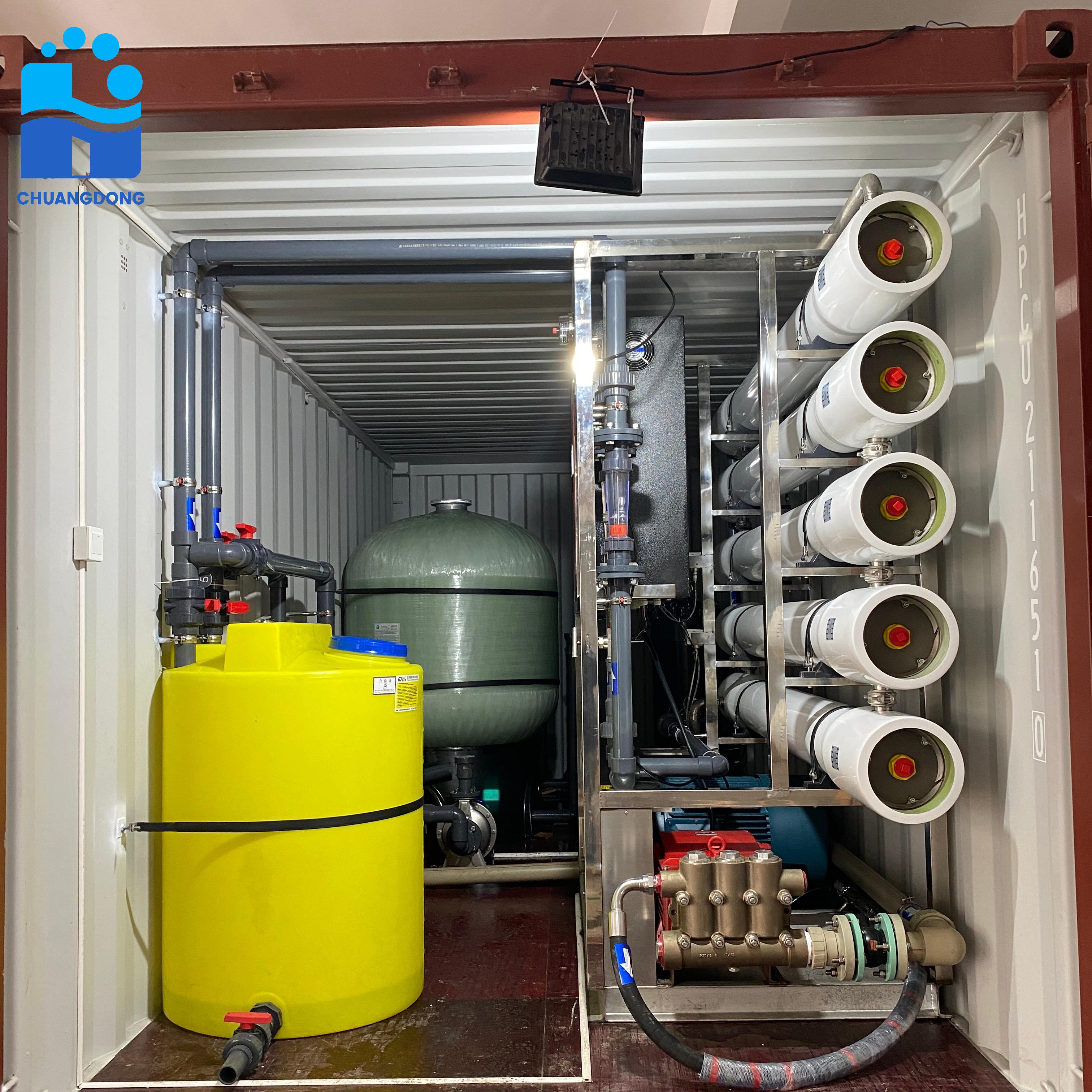
Achieving ultrapure water represents one of the most critical challenges in industrial manufacturing, pharmaceuticals, semiconductors, and research laboratories. The presence of dissolved ions—even at microscopic concentrations—can compromise product quality, damage sensitive equipment, and invalidate scientific results. Ion exchange resins have emerged as the cornerstone technology for producing ultrapure water by selectively removing dissolved ionic contaminants to trace levels that meet the most stringent industry standards. Understanding how these resins function and why they remain essential for ultrapure water production provides valuable insight into modern water treatment strategies.
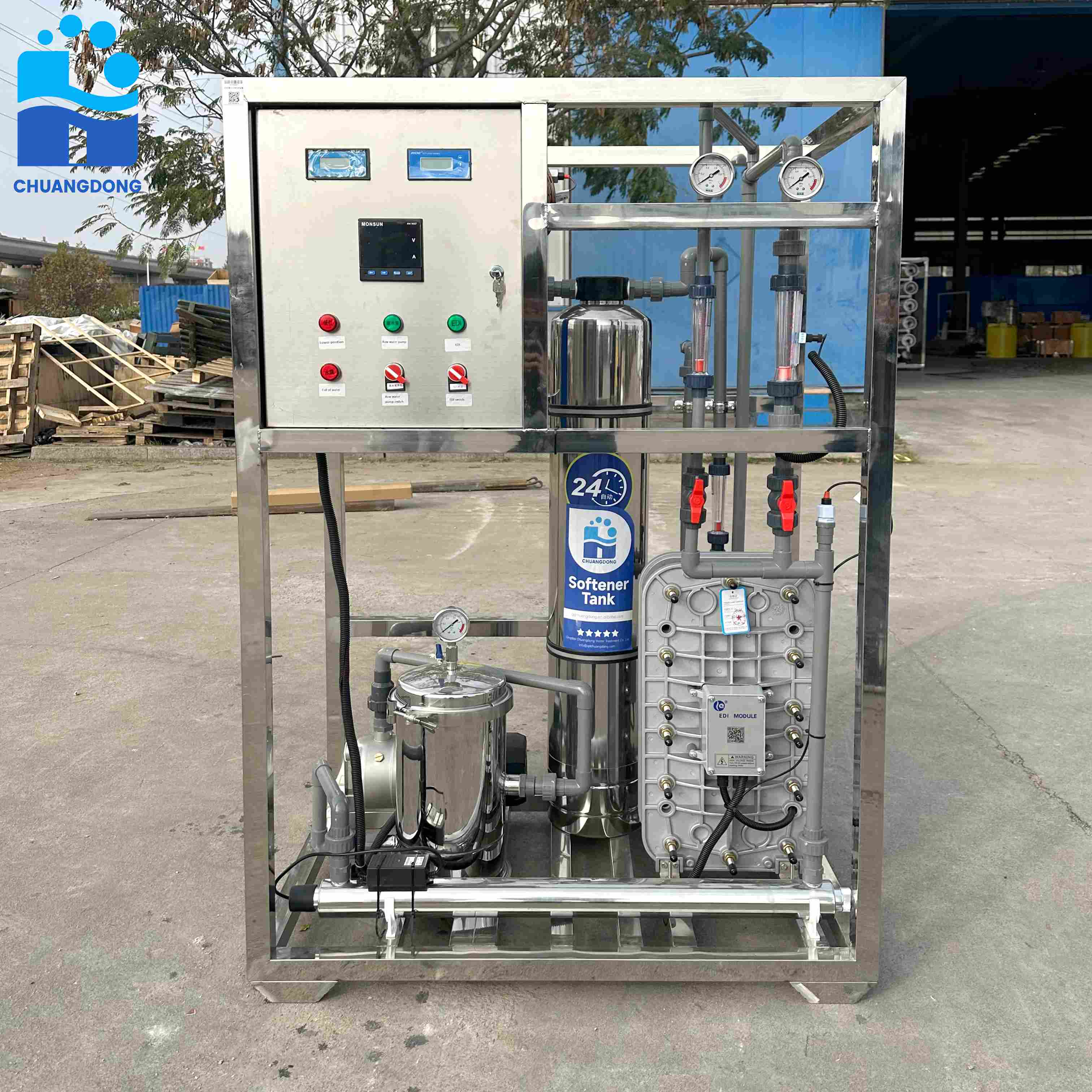
Ion exchange resins work through a straightforward yet highly effective ion exchange mechanism that continuously removes dissolved ions from feed water. When ultrapure water requirements demand conductivity below 0.5 microsiemens per centimeter or specific ion concentrations in the part-per-billion range, ion exchange resins deliver the performance necessary to reach these targets consistently. The technology has been refined over decades and remains the most reliable method for achieving ultrapure water in demanding industrial and laboratory environments.
How Ion Exchange Resins Remove Dissolved Ions for Ultrapure Water Production
The Ion Exchange Mechanism in Ultrapure Water Systems
Ion exchange resins are synthetic polymeric materials engineered with functional groups that attract and hold dissolved ions from water. During the ion exchange process, positively charged ions such as sodium, calcium, and magnesium are captured by cation exchange resins, while negatively charged ions including chloride, sulfate, and nitrate are removed by anion exchange resins. When ultrapure water passes through these resin beds, dissolved ions migrate from the water phase to the solid resin phase, leaving behind water with dramatically reduced ionic content. This exchange continues until the resin becomes saturated with captured ions and requires regeneration.
The effectiveness of ultrapure water systems relies on the selectivity and capacity of these resins. Ultrapure water applications demand that even trace concentrations of troublesome ions be removed to prevent downstream complications. Cation resins in ultrapure water systems typically achieve removal rates exceeding 99%, while anion resins perform similarly across a broad pH range. For ultrapure water production targeting semiconductor or pharmaceutical specifications, dual-bed configurations or mixed-bed resins provide additional purification depth by allowing both cation and anion removal simultaneously in a single vessel.
Resin Capacity and Regeneration Cycles
Each batch of ion exchange resin used in ultrapure water systems possesses a specific exchange capacity measured in milliequivalents per milliliter of resin volume. This capacity determines how much dissolved ionic material the resin can remove before saturation occurs. For ultrapure water production systems operating continuously, regular regeneration cycles refresh the resin's functional groups and restore full exchange capacity. Regeneration typically involves chemical treatment with strong acid for cation resins or strong base for anion resins, flushing the captured ions from the resin matrix and preparing it for the next cycle of ultrapure water production.
The cycle length between regenerations directly impacts the operational cost of ultrapure water systems. Higher feed water salinity or higher flow rates deplete resin capacity faster, shortening intervals between regeneration cycles. Ultrapure water applications in high-demand industrial settings may require regeneration daily or multiple times per week, depending on influent water quality and production volume requirements.
Achieving Trace-Level Ion Removal in Ultrapure Water
Multi-Stage Treatment Approaches for Ultrapure Water
Single-stage ion exchange treatment often cannot reach the ultra-low ionic levels required by modern ultrapure water standards. To achieve trace-level removal, ultrapure water systems typically employ multiple treatment stages in series. Initial softening stages remove bulk hardness ions using standard cation exchange resins, reducing the ionic load before water enters polishing stages. The ultrapure water polishing stage uses specially selected resins optimized for removal of residual ions that remain after primary treatment, reaching conductivity levels of 18.2 megohms per centimeter or lower for laboratory ultrapure water applications.
Electrodeionization—often combined with conventional ion exchange—offers an advanced method for producing ultrapure water with exceptional trace-level performance. This technology applies an electrical field to drive ions through ion exchange membranes toward electrode chambers, achieving continuous deionization without requiring chemical regeneration. Ultrapure water systems integrating electrodeionization with ion exchange resins achieve ionic purity that meets the most demanding semiconductor, pharmaceutical, and analytical requirements.
Selective Ion Removal and Regenerant Control
The chemistry of ultrapure water production extends beyond simple ionic removal to selective removal of specific problem ions. Resins designed for ultrapure water applications often incorporate specialty functional groups that preferentially capture silica, boron, carbon dioxide, and other weakly ionized species that conventional resins miss. Fine control of regenerant concentration and flow rate allows operators to tailor ultrapure water quality for specific application requirements. Strong regeneration procedures ensure complete restoration of resin capacity, while careful flushing removes regenerant traces that would otherwise contaminate the ultrapure water product.
The ultrapure water final product conductivity depends critically on resin selection, regeneration chemistry, and post-regeneration rinse quality. Semiconductor manufacturers and pharmaceutical producers specify conductivity targets and individual ion concentration limits, driving the need for precisely controlled ultrapure water systems using premium ion exchange resins and validated regeneration protocols.
Industrial Applications and Regulatory Compliance for Ultrapure Water
Semiconductor and Microelectronics Manufacturing
The semiconductor industry represents the most demanding ultrapure water user globally, requiring water with conductivity below 0.5 microsiemens per centimeter and trace ions in the part-per-trillion range. Ion exchange resin systems form the backbone of semiconductor ultrapure water facilities, where even microscopic ionic contamination can etch circuits or compromise wafer surfaces. Large semiconductor fabrication plants operate ultrapure water systems producing millions of gallons daily, requiring continuous monitoring and resin replacement to maintain performance. The investment in premium ion exchange resins for ultrapure water production at semiconductor facilities reflects the high cost of product defects caused by water-related contamination.
Pharmaceutical and Biotechnology Applications
Pharmaceutical manufacturing demands ultrapure water meeting United States Pharmacopeia specifications for purified water and water for injection. Ion exchange resins in these ultrapure water systems must remove not only inorganic ions but also organic contaminants and microorganisms. Regulatory compliance requires that ultrapure water systems maintain validated performance throughout their operational life. Pharmaceutical producers rely on ion exchange resin technology documented through validation studies and regulatory submissions, making reliability and consistent performance paramount in ultrapure water production environments.
Power Generation and Industrial Boiler Systems
High-efficiency power plants and industrial boiler systems depend on ultrapure water to prevent scale formation and corrosion in superheated steam generators. Ion exchange resins maintain the ultrapure water specifications necessary for thermal power plant operation, where dissolved minerals would reduce efficiency and increase maintenance costs. The ultrapure water systems in these applications often operate at higher temperatures and pressures than laboratory installations, requiring specialized resin formulations and robust system design to ensure consistent performance under demanding industrial conditions.
FAQ
What specific ion concentrations define ultrapure water standards?
Ultrapure water typically specifies conductivity below 0.5 microsiemens per centimeter, with individual ion concentrations ranging from parts per billion down to parts per trillion depending on application. Semiconductor ultrapure water may require sodium below 0.5 ppb, chloride below 0.5 ppb, and silica below 0.01 ppm. Pharmaceutical ultrapure water standards reference USP specifications requiring conductivity above 4.0 microsiemens per centimeter and specific bacterial and endotoxin limits. The exact ultrapure water specification depends on the downstream application, regulatory framework, and product sensitivity to individual ion species.
How often do ion exchange resins require replacement in ultrapure water systems?
Ion exchange resin replacement frequency in ultrapure water systems depends on feed water quality, flow rate, and operating conditions, typically ranging from one to several years. Laboratory ultrapure water systems producing smaller volumes may operate three to five years on a single resin charge, while high-volume industrial ultrapure water facilities may replace resins annually or more frequently. Regular performance monitoring and conductivity trending guide replacement decisions for ultrapure water systems, ensuring product quality remains within specification and system reliability is maintained throughout operational life.
Can ion exchange resins remove organic contaminants from ultrapure water?
Standard ion exchange resins primarily remove inorganic dissolved ions from water, while specialty resins formulated with modified functional groups can capture some organic compounds in ultrapure water applications. However, conventional ion exchange alone cannot reliably remove all organic contaminants, so comprehensive ultrapure water systems often integrate activated carbon, UV oxidation, or other technologies alongside ion exchange resins. For pharmaceutical ultrapure water requiring total organic carbon below 50 ppb, multi-barrier treatment approaches combining ion exchange, carbon adsorption, and oxidation ensure consistent removal of both ionic and organic species.