 EN
EN


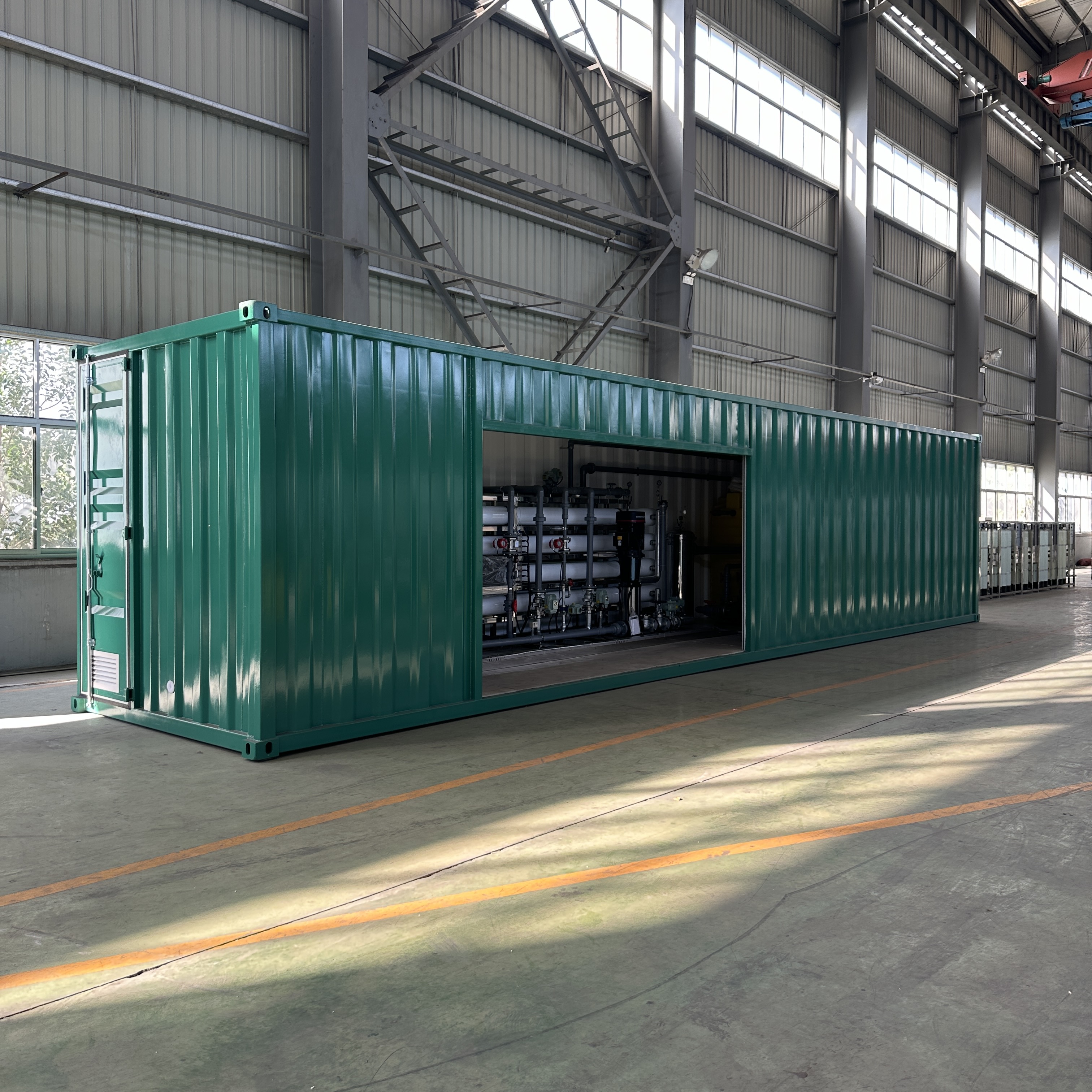
A reverse osmosis plant represents one of the most effective water treatment technologies available today for removing dissolved salts, minerals, and harmful contaminants from both municipal and industrial water sources. Understanding how a reverse osmosis plant operates is essential for facilities managing water quality, as this technology has become the industry standard for producing high-purity water across pharmaceutical, semiconductor, food and beverage, and desalination applications. The reverse osmosis plant uses semipermeable membranes and applied pressure to force water molecules through barriers that trap dissolved impurities, delivering clean water on one side while concentrating contaminants on the other.
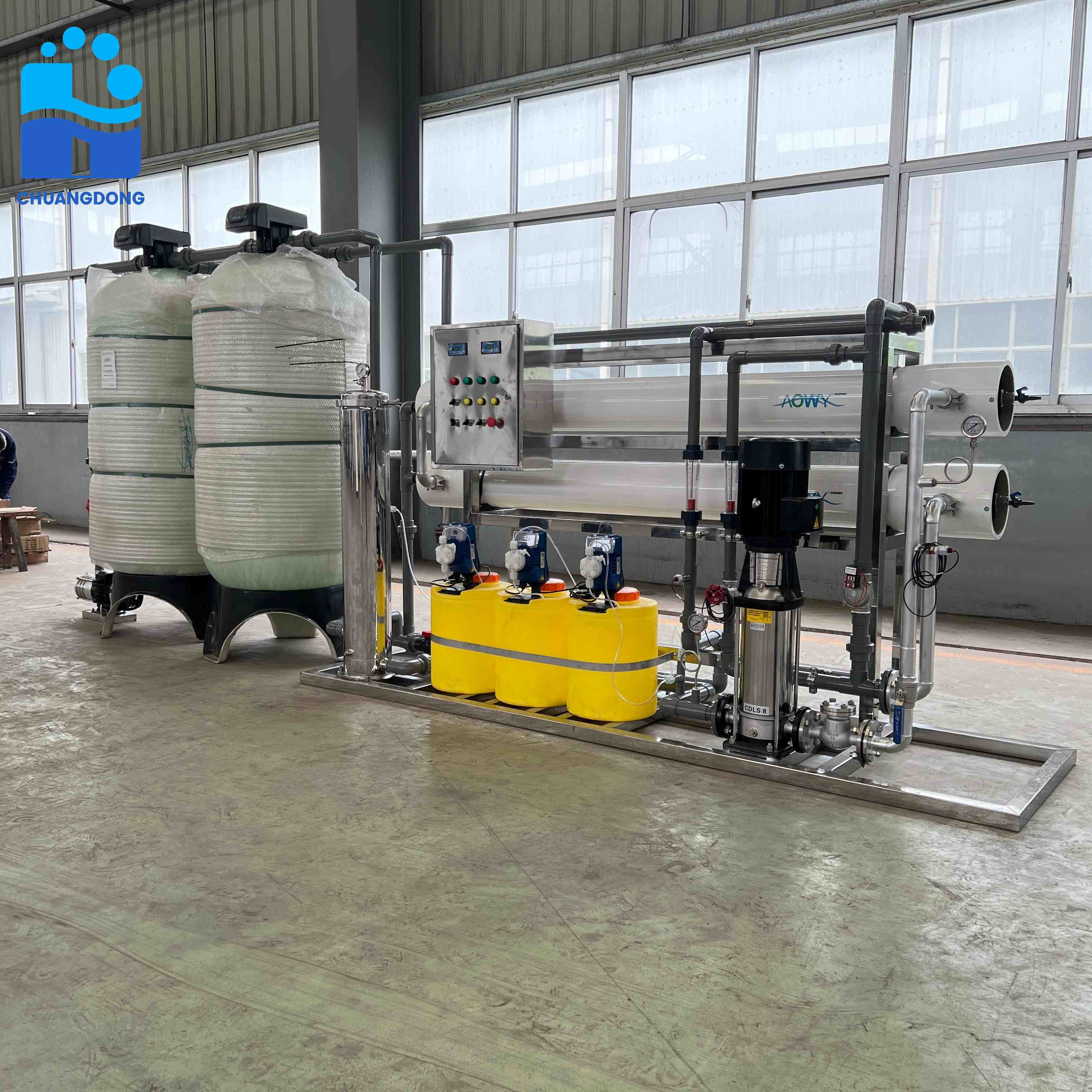
The primary mechanism that enables a reverse osmosis plant to remove dissolved salts and minerals relies on osmotic pressure reversal. In natural osmosis, water molecules move toward areas of higher solute concentration to balance concentration gradients. A reverse osmosis plant overcomes this natural tendency by applying external pressure exceeding the osmotic pressure of the feed water, forcing pure water molecules through the semipermeable membrane while leaving dissolved salts, minerals, and other contaminants behind. This process fundamentally differs from simple mechanical filtration because a reverse osmosis plant removes ionic and molecular-level impurities that conventional filters cannot capture.
How a Reverse Osmosis Plant Removes Dissolved Salts Through Membrane Technology
The Semipermeable Membrane and Salt Rejection
At the core of every reverse osmosis plant lies the semipermeable membrane, typically composed of thin-film composite polyamide layers that allow water molecules to pass while blocking dissolved salts and minerals. The pore size of a reverse osmosis plant membrane is approximately 0.0001 micrometers, making it far smaller than sodium and chloride ions, calcium compounds, and other dissolved minerals commonly found in untreated water. When a reverse osmosis plant operates, applied pressure forces water through this microscopic membrane structure, and the membrane's selective permeability ensures that only water molecules and a negligible portion of dissolved substances can cross the barrier. A reverse osmosis plant typically achieves salt rejection rates between 95 and 99 percent, depending on membrane condition, pressure settings, and feed water composition.
Pressure Application and Feed Water Movement
A reverse osmosis plant requires high-pressure pumping systems to overcome natural osmotic resistance and push feed water against the semipermeable membrane. Most commercial installations of a reverse osmosis plant operate at pressures between 150 and 300 pounds per square inch, though industrial-scale applications may exceed these ranges. The reverse osmosis plant uses this applied pressure to force water molecules through the membrane at molecular levels, creating two distinct output streams: permeate (purified water that passes through) and concentrate (brine containing rejected salts and minerals). A reverse osmosis plant's efficiency depends heavily on maintaining optimal pressure, as insufficient pressure reduces production rates while excessive pressure risks membrane damage.
The Multi-Stage Contaminant Removal Process in a Reverse Osmosis Plant
Pre-filtration and Feed Water Preparation
A reverse osmosis plant begins its purification sequence with multi-stage pre-treatment to protect the semipermeable membrane from fouling and premature degradation. Most reverse osmosis plant systems include sediment filters that remove particles larger than 5 micrometers, carbon filters that reduce chlorine and organic compounds, and sometimes water softening units that lower hardness minerals like calcium and magnesium. A reverse osmosis plant's longevity depends directly on effective pre-filtration because any sediment or scale reaching the semipermeable membrane reduces its salt rejection capability and increases operating pressure requirements. Pre-filtered water entering a reverse osmosis plant ensures that membrane cleaning cycles remain infrequent and the system maintains consistent purification performance throughout its operational life.
Membrane Separation and Dual Stream Output
Inside the reverse osmosis plant's pressure vessel, pre-filtered feed water contacts the semipermeable membrane under carefully controlled pressure. As the reverse osmosis plant operates, permeate water containing typically less than 50 milligrams per liter of total dissolved solids flows into collection tanks, while concentrate containing rejected salts and minerals flows toward drain or recovery systems. The reverse osmosis plant maintains a specific ratio between permeate and concentrate streams, commonly operating at 75 percent recovery rates where 75 percent of feed water becomes usable permeate and 25 percent becomes concentrate. A reverse osmosis plant's membrane flux rate—measured as gallons per square foot per day—determines daily production capacity while working within pressure and temperature constraints.
Post-treatment and Water Quality Conditioning
Water exiting a reverse osmosis plant undergoes final conditioning to reach application-specific requirements and enhance stability in distribution systems. Post-treatment stages in a reverse osmosis plant may include pH adjustment using alkaline solutions, mineral remineralization for taste and corrosion prevention, or disinfection through ultraviolet or ozone treatment. Many reverse osmosis plant installations include pH buffering because the RO permeate is slightly acidic and can promote corrosion in stainless steel or copper piping. A reverse osmosis plant delivering water to municipal distribution networks, pharmaceutical production, or semiconductor manufacturing requires validated post-treatment protocols to ensure the final product meets stringent quality standards and regulatory compliance requirements.
Industries and Applications Benefiting From a Reverse Osmosis Plant
Desalination and Brackish Water Treatment
A reverse osmosis plant serves as the backbone technology for converting seawater and brackish groundwater into potable supplies in coastal regions and areas with limited freshwater access. Large-scale reverse osmosis plant installations handle feeds containing 35,000 parts per million of dissolved salts from seawater and produce drinking water with less than 500 parts per million total dissolved solids. A reverse osmosis plant deployed for desalination requires robust pre-treatment systems and specialized corrosion-resistant materials because saltwater feed streams impose extreme stress on equipment. Municipal water authorities and private desalination operators rely on reverse osmosis plant technology to ensure consistent freshwater supply independent of seasonal precipitation or groundwater availability.
Industrial and Commercial Water Reuse
Manufacturing facilities, power generation plants, and commercial operations depend on a reverse osmosis plant to recycle wastewater and reduce freshwater consumption costs and environmental impact. A reverse osmosis plant processing industrial wastewater removes dissolved salts, heavy metals, and process-specific contaminants, enabling closed-loop water recycling and significant operational expense reduction. Cooling tower makeup water, boiler feed systems, and washdown water applications all benefit from a reverse osmosis plant's ability to maintain water quality while minimizing freshwater demand. A reverse osmosis plant helps industries meet sustainability targets and water discharge regulations while improving operational resilience against water scarcity conditions.
Maintenance, Optimization, and Long-Term Performance of a Reverse Osmosis Plant
Membrane Monitoring and Cleaning Protocols
A reverse osmosis plant requires regular monitoring of differential pressure, permeate conductivity, and flow rates to detect early signs of membrane fouling or system degradation. When a reverse osmosis plant's differential pressure increases by 15 percent above baseline readings or permeate conductivity rises unexpectedly, chemical cleaning becomes necessary to restore membrane performance. Professional operators drain a reverse osmosis plant and circulate proprietary cleaning solutions that dissolve scale deposits, bacterial biofilms, and organic foulants adhering to the semipermeable membrane. A reverse osmosis plant maintained with scheduled cleaning protocols extends membrane lifespan from typical 5 to 7 year intervals toward 10 years or longer, reducing total cost of ownership significantly.
System Optimization and Performance Metrics
Operating a reverse osmosis plant at peak efficiency requires continuous attention to water temperature, feed pressure, and concentrate disposal strategies. A reverse osmosis plant's permeate production increases approximately 3 percent for every degree Celsius increase in feed water temperature within normal operating ranges. Feed pressure adjustments within operational limits directly influence a reverse osmosis plant's production rate and salt rejection balance, requiring skilled technicians to maintain optimal settings. Monitoring specific parameters including salt passage rate, water recovery percentage, and membrane flux helps facility managers assess a reverse osmosis plant's actual performance against design specifications and plan timely maintenance or membrane replacement.
FAQ
How much dissolved salt does a reverse osmosis plant typically remove?
A reverse osmosis plant achieves salt rejection rates between 95 and 99 percent depending on feed water salinity, applied pressure, and membrane condition. Permeate water from a reverse osmosis plant typically contains less than 50 milligrams per liter of total dissolved solids when treating municipal water sources, with even lower levels possible when treating brackish or seawater through multi-stage processes. Performance varies because factors like temperature, feed pressure, and membrane age all influence how effectively a reverse osmosis plant removes dissolved salts.
What maintenance does a reverse osmosis plant require to maintain salt removal effectiveness?
A reverse osmosis plant requires pre-filtration media replacement every 6 to 12 months, periodic chemical cleaning when pressure differential increases, and annual membrane inspections to ensure continued salt rejection capability. Feed water quality monitoring helps prevent fouling and extends a reverse osmosis plant's operational lifespan. Regular maintenance protocols ensure a reverse osmosis plant continues delivering consistent water quality and protects the semipermeable membrane from irreversible damage caused by scale, sediment, or biological growth.
Can a reverse osmosis plant remove all types of contaminants?
A reverse osmosis plant excels at removing dissolved salts, minerals, heavy metals, and most organic compounds, but reverse osmosis plant systems may require pre-treatment for specific contaminants like volatile organic compounds or chlorine. A reverse osmosis plant does not effectively remove all gases or very small organic molecules that pass through the membrane, necessitating supplementary treatment stages like activated carbon or ultraviolet disinfection for comprehensive purification. Comprehensive water analysis determines whether additional treatment beyond a reverse osmosis plant is necessary for particular applications.
Table of Contents
- How a Reverse Osmosis Plant Removes Dissolved Salts Through Membrane Technology
- The Multi-Stage Contaminant Removal Process in a Reverse Osmosis Plant
- Industries and Applications Benefiting From a Reverse Osmosis Plant
- Maintenance, Optimization, and Long-Term Performance of a Reverse Osmosis Plant
- FAQ