 EN
EN


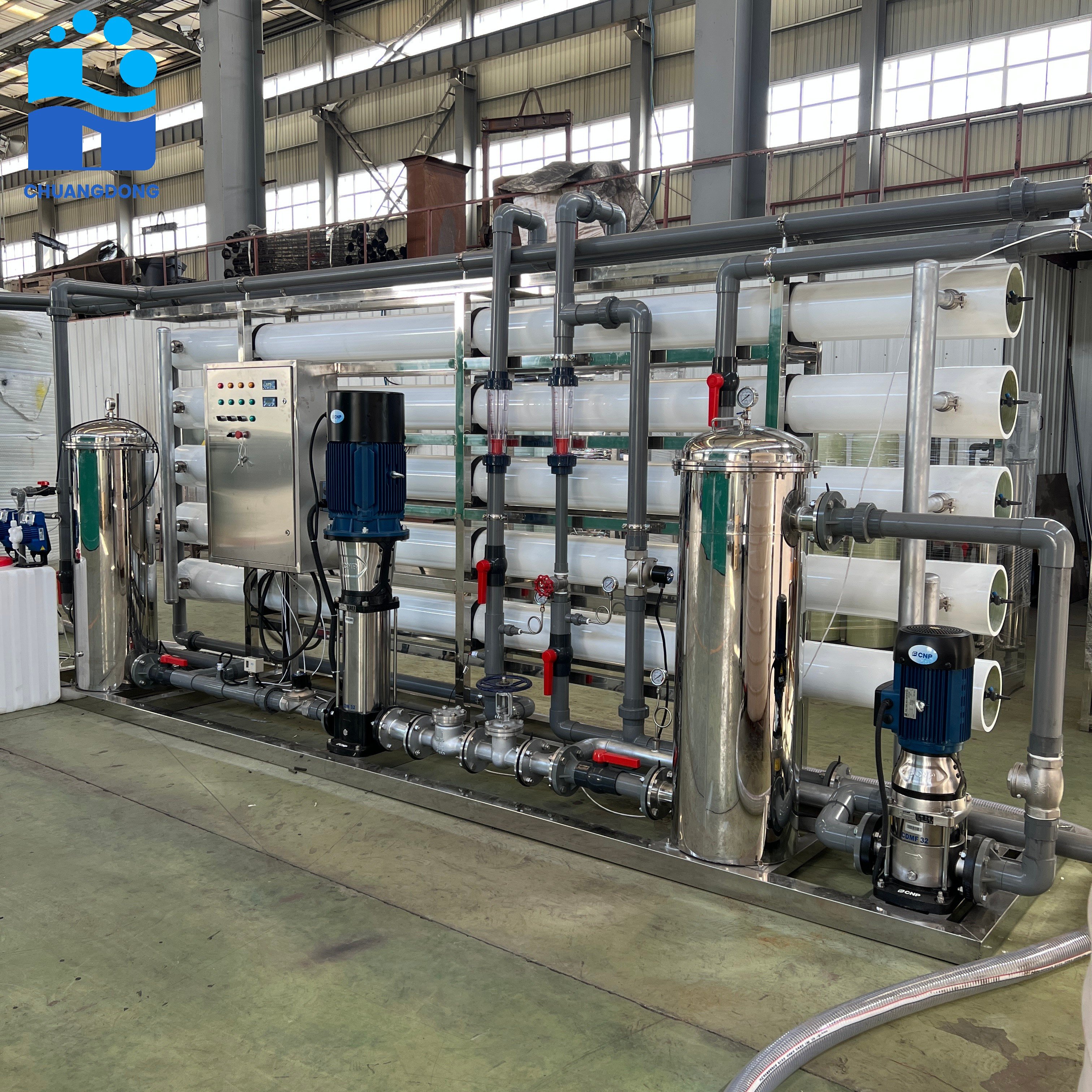
A water treatment plant tour provides an invaluable opportunity to understand how municipalities and industrial facilities transform raw water into safe, drinkable water. Whether you're an engineer, student, environmental professional, or simply curious about infrastructure, a water treatment plant tour reveals the complex systems and rigorous processes that protect public health. This comprehensive guide walks you through each stage of a typical water treatment plant tour, explaining what happens at every step and why each process matters.
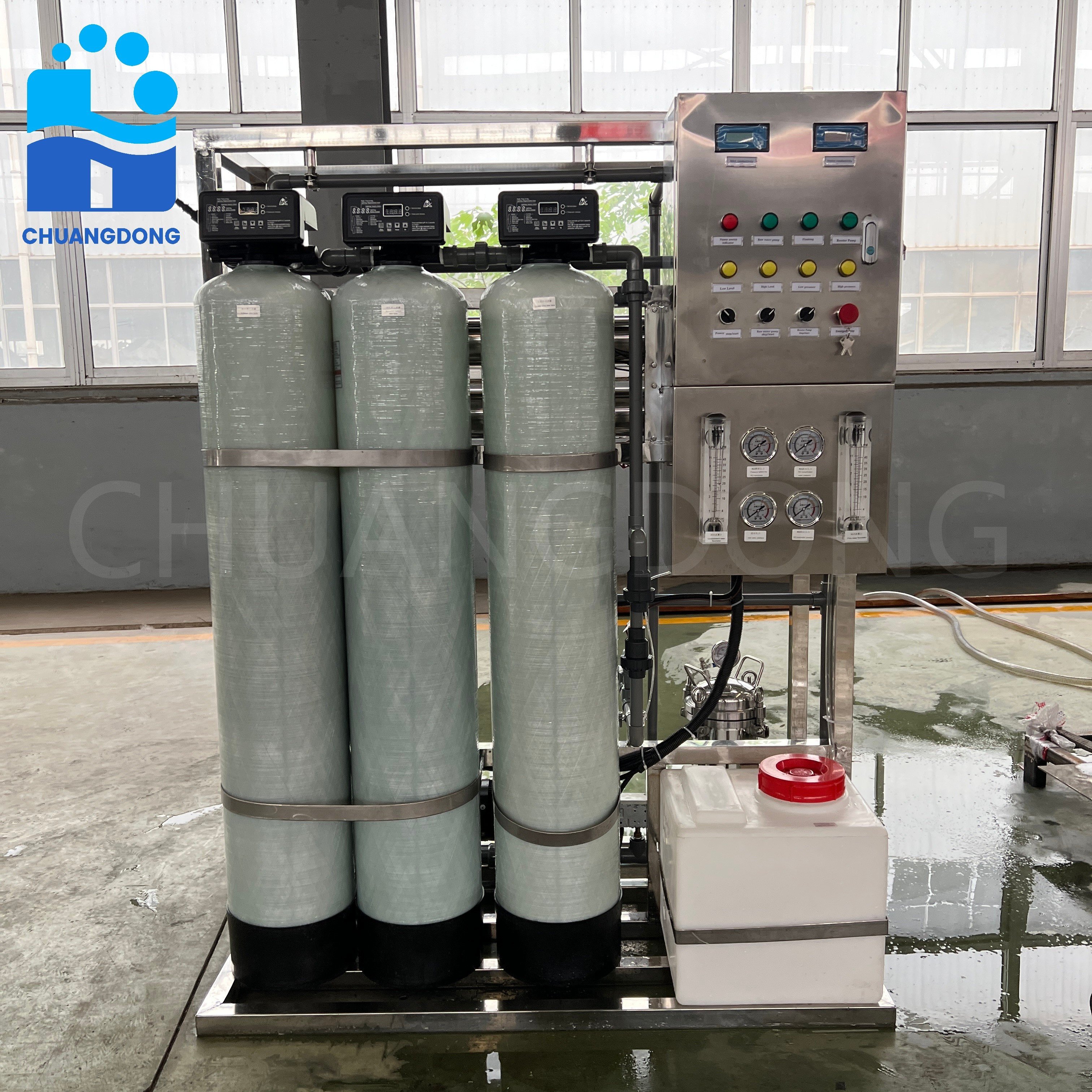
During a water treatment plant tour, you'll witness firsthand how advanced technology and chemical science combine to meet strict water quality standards. From intake channels to distribution networks, every component of the facility plays a critical role in delivering reliable water service. Understanding the water treatment plant tour experience helps communities appreciate the infrastructure investments and operational expertise required to maintain water safety year-round.
Initial Intake and Screening in a Water Treatment Plant Tour
Raw Water Intake and Preliminary Assessment
The water treatment plant tour begins at the intake point, where raw water enters from natural sources such as rivers, lakes, or groundwater wells. Tour guides explain how intake structures are positioned to capture water during optimal conditions while avoiding debris, sediment, and seasonal contaminants. A water treatment plant tour demonstrates the importance of intake location, depth, and design—factors that directly influence the efficiency of downstream treatment processes.
At this stage of a water treatment plant tour, operators monitor water quality parameters including temperature, turbidity, and initial contaminant levels. These baseline measurements inform treatment decisions throughout the facility. Professional guides conducting a water treatment plant tour emphasize that proper intake management reduces treatment costs and extends equipment lifespan, making it a critical operational priority.
Coarse Screening and Debris Removal
The first active filtration step visible during a water treatment plant tour involves coarse screens and bar racks that remove large debris, fish, vegetation, and other solid materials. These mechanical barriers protect downstream equipment and prevent operational disruptions. A water treatment plant tour shows how automated screening systems operate continuously, with periodic cleaning cycles that transport collected debris to disposal areas.
Chemical Treatment and Clarification Processes
Coagulation and Flocculation Stage
During a water treatment plant tour through the chemical treatment area, visitors observe coagulation basins where operators introduce aluminum sulfate or other coagulants to destabilize suspended particles. A water treatment plant tour guide explains how this chemical injection causes tiny particles to clump together, forming larger settleable flocs. The water treatment plant tour demonstrates that precise chemical dosing is essential—too little leaves contaminants suspended, while too much increases costs and residual chemical levels.
Following coagulation, the water treatment plant tour moves through flocculation chambers where gentle mixing encourages floc growth and consolidation. These tanks employ low-speed mixers that promote particle collision and aggregation without breaking apart the delicate floc structures. Tour participants during a water treatment plant tour see how residence time and mixing intensity directly influence clarification efficiency and downstream treatment requirements.
Sedimentation and Clarification
A water treatment plant tour next passes through large clarification tanks where gravity settles the accumulated flocs to the basin floor. These sedimentation basins are often the most visually impressive part of a water treatment plant tour, with enormous tanks providing hours of detention time for particles to settle completely. The water treatment plant tour reveals how clarifier design—including inlet distribution, outlet weirs, and sludge collection mechanisms—optimizes settling efficiency.
During a water treatment plant tour, operators describe the critical role of sludge management beneath clarifiers. Settled solids accumulate continuously and require regular removal through automated or manual processes. A water treatment plant tour shows that improper sludge handling reduces clarification capacity and can cause operational failures, making this often-invisible process crucial to overall system performance.
Advanced Filtration and Disinfection Systems
Sand and Multimedia Filtration
The water treatment plant tour then reaches the filtration galleries, where sand filters, multimedia filters, or water treatment plant tour systems provide deep bed filtration of remaining suspended solids. These filters contain layers of sand, gravel, and sometimes activated carbon that trap particles progressively smaller than those removed during clarification. Tour guides conducting a water treatment plant tour explain how filter media depth and composition determine removal efficiency and flow rate capacity.
A water treatment plant tour demonstrates the filtration cycle, including backwashing procedures that periodically reverse flow to clean filter media and discharge captured solids. The water treatment plant tour shows how operators monitor filter run length, pressure drop, and effluent turbidity to optimize backwash timing. Modern facilities conducting a water treatment plant tour may feature automated filter controls that maintain consistent outlet water quality throughout each filter run.
Chlorination and Residual Disinfection
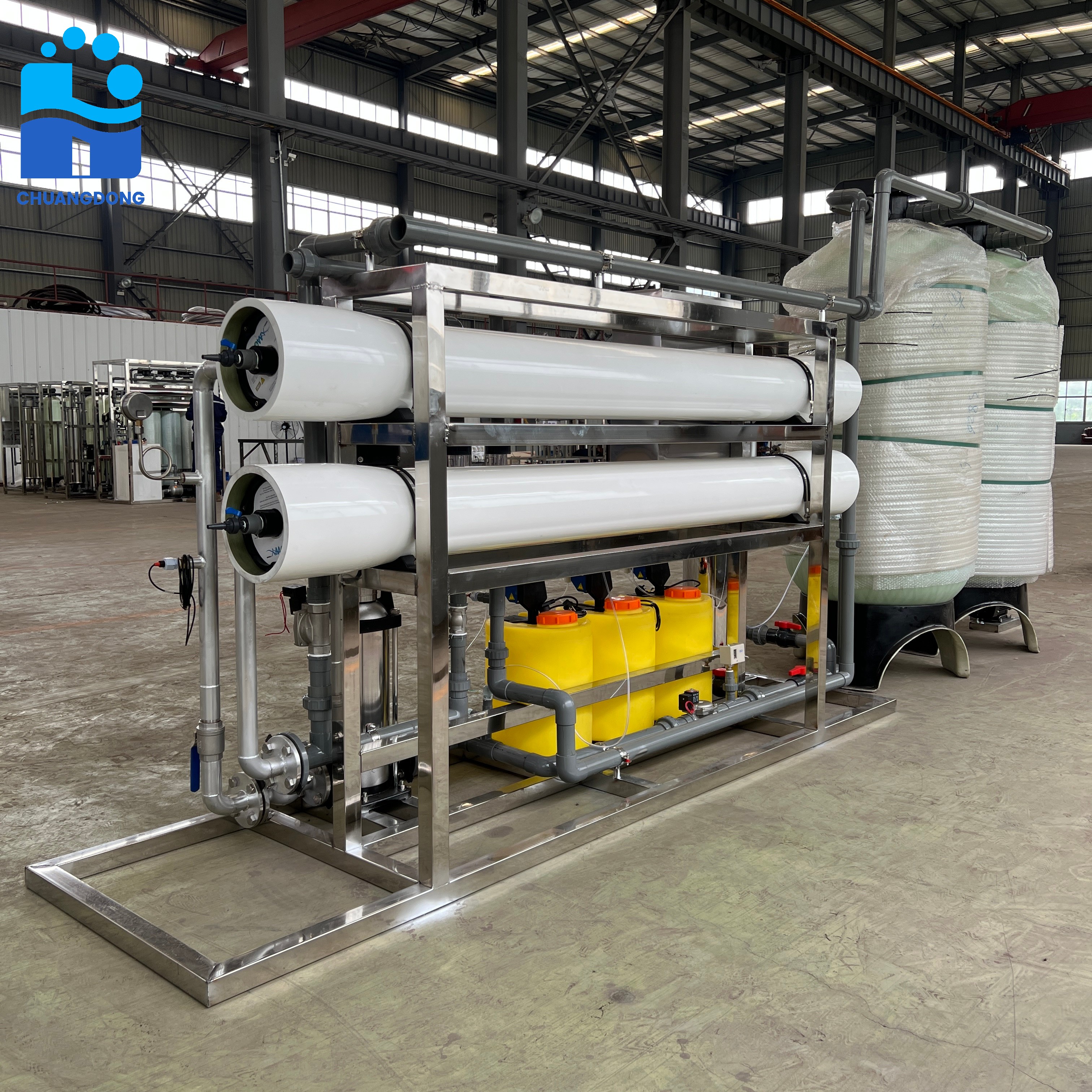
The final critical stage visible during a water treatment plant tour involves disinfection, most commonly through chlorination. Tour operators explain how chlorine gas, sodium hypochlorite, or calcium hypochlorite introduces active disinfectant that kills remaining bacteria, viruses, and other pathogens. A water treatment plant tour highlights the importance of contact time and chlorine residual concentration in achieving regulatory compliance and microbiological safety.
During a water treatment plant tour, visitors observe chemical storage areas, injection systems, and mixing chambers where disinfectant combines with treated water. The water treatment plant tour emphasizes safety protocols required when handling chlorine and other powerful chemicals. Tour participants learn that maintaining free chlorine residuals throughout the distribution system—the key goal of a water treatment plant tour's final stage—provides protection against contamination in pipes reaching customer taps.
Distribution and Quality Assurance
Water Storage and Testing Protocols
A comprehensive water treatment plant tour concludes with explanation of finished water storage and continuous quality monitoring. Clear wells and elevated storage tanks maintain service capacity and provide residence time for any remaining disinfection reactions. The water treatment plant tour shows multiple sampling points where laboratory technicians collect samples for microbial analysis, chemical testing, and compliance verification throughout each day.
During a water treatment plant tour, operators discuss the extensive regulatory testing requirements and quality assurance procedures that ensure every gallon meets or exceeds drinking water standards. The water treatment plant tour reveals sophisticated instrumentation including turbidity meters, pH analyzers, and residual chlorine monitors that provide real-time process feedback. These systems allow operators to detect problems immediately, making the technology visible during a water treatment plant tour essential to reliable water service.
System Integration and Operational Excellence
The water treatment plant tour concludes by examining how all processes integrate into a unified system. Operators explain automated control systems, supervisory interface displays, and alarm protocols that manage the facility continuously. A water treatment plant tour demonstrates that modern facilities coordinate intake management, chemical treatment, filtration, and disinfection as interdependent processes requiring constant attention and skilled management.
FAQ
What is the typical duration of a water treatment plant tour?
Most water treatment plant tour programs last between two to three hours, allowing sufficient time for comprehensive explanation at each major process stage. Some specialized water treatment plant tour sessions for engineering professionals may extend longer. Tour scheduling typically requires advance reservation to coordinate with operational staff and ensure safety compliance throughout the water treatment plant tour visit.
Are there safety requirements for participating in a water treatment plant tour?
Yes, water treatment plant tour participants must follow established safety protocols including wearing appropriate footwear, avoiding unauthorized equipment contact, and staying within designated walkways. Some water treatment plant tour programs require age minimums or parental supervision for younger visitors. Safety briefings provided at the beginning of each water treatment plant tour explain specific hazards and required precautions relevant to that facility.
Can groups arrange specialized water treatment plant tour programs?
Many facilities offer customized water treatment plant tour options tailored to specific audiences such as school groups, engineering classes, or professional organizations. A water treatment plant tour for students might emphasize learning outcomes, while a water treatment plant tour for engineers may focus on advanced technical topics and operational challenges. Contact your local utility or treatment facility to discuss specialized water treatment plant tour availability.