 EN
EN


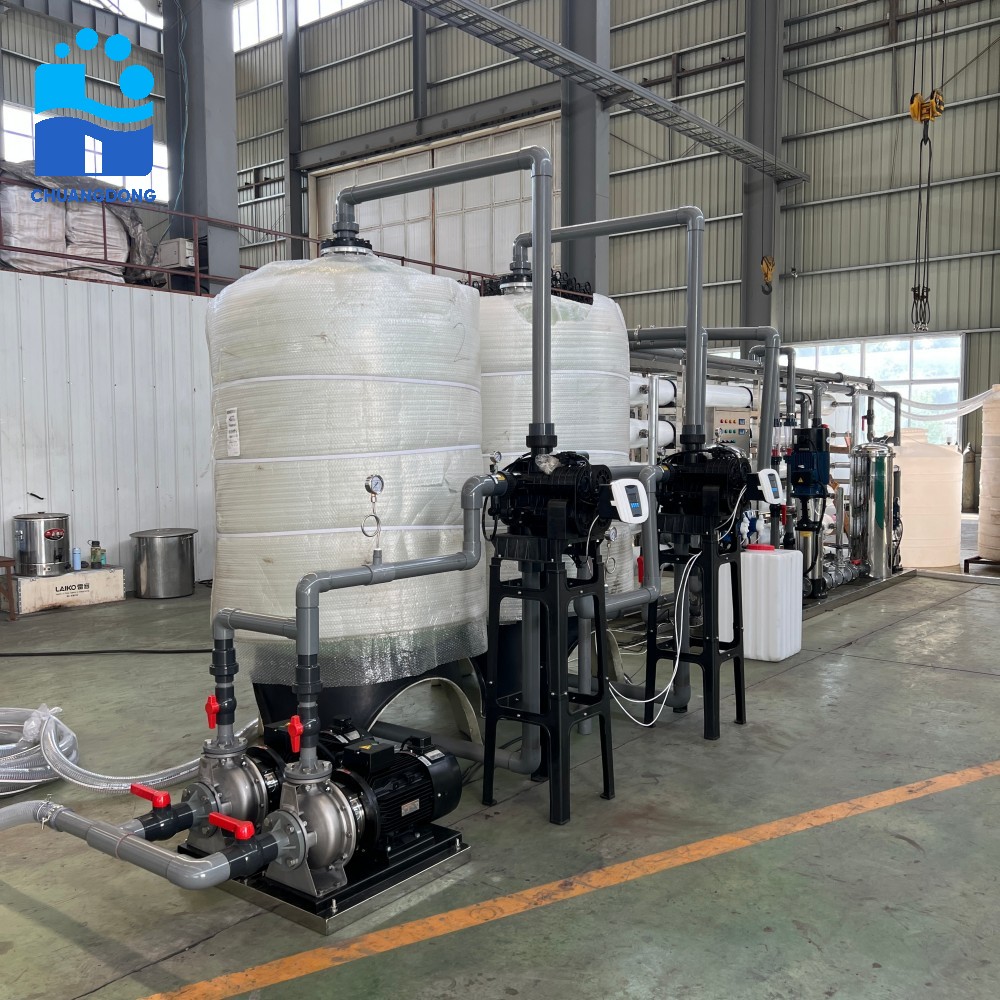
Selecting the right water treatment plant design for small towns requires careful consideration of local water quality, population size, budget constraints, and long-term sustainability goals. Small municipalities face unique challenges compared to large urban centers, including limited operational budgets, smaller technical teams, and less sophisticated infrastructure availability. A properly engineered water treatment plant design balances effectiveness with affordability, ensuring reliable clean water delivery while remaining maintainable by local staff. Understanding the fundamentals of water treatment plant design helps municipal planners make informed decisions that protect public health and optimize resource allocation.
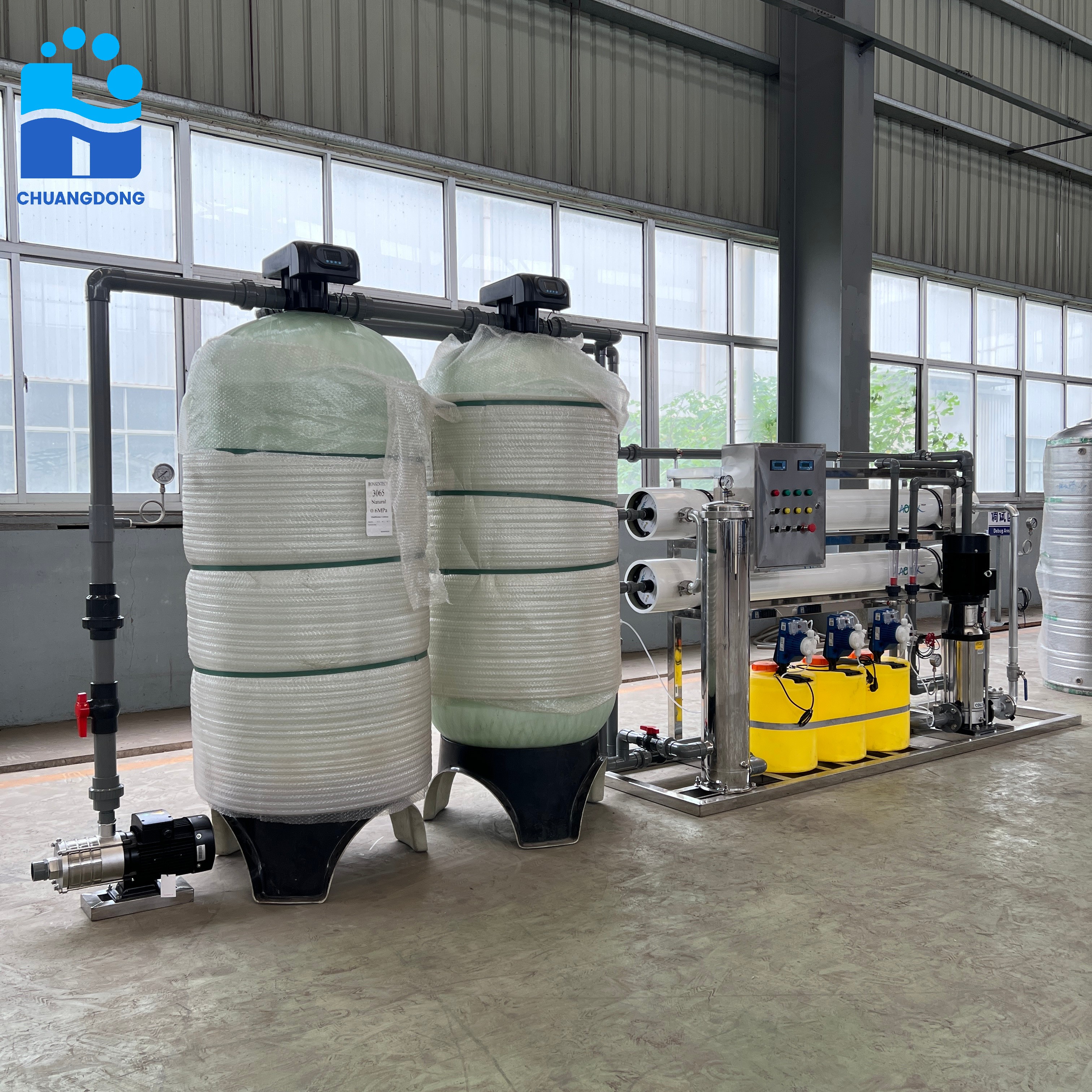
The foundation of an effective water treatment plant design begins with comprehensive source water assessment and matching treatment processes to specific contamination profiles. Small towns often rely on groundwater, surface water, or a combination of both, each requiring distinct purification approaches. A tailored water treatment plant design incorporates pretreatment, primary treatment, secondary treatment, and polishing stages customized to address the contaminants present in the local water supply. This article explores the essential components, design principles, and practical implementation strategies for building a robust water treatment plant design suited to small municipal needs.
Core Components of Effective Water Treatment Plant Design
Intake and Pretreatment Systems
Every successful water treatment plant design begins with a properly engineered intake structure that minimizes sediment, debris, and biological contaminants entering the main treatment train. For surface water sources, a well-designed intake protects against seasonal variations, algal blooms, and floating debris that can damage downstream equipment. Pretreatment stages in a water treatment plant design typically include screening, sedimentation, or coagulation to remove larger particles and reduce the burden on primary treatment processes. Small towns benefit from simpler pretreatment configurations that reduce chemical costs and operational complexity while maintaining adequate water quality control.
Primary and Secondary Treatment Technologies
The heart of any water treatment plant design lies in selecting appropriate primary treatment technologies such as filtration, activated carbon adsorption, or membrane separation based on water quality challenges. For small towns with limited budgets, a practical water treatment plant design often combines conventional coagulation and flocculation followed by clarification and sand filtration, proven methods that deliver consistent results. Secondary treatment in a well-designed water treatment plant design may include advanced oxidation, ultraviolet disinfection, or additional carbon filtration to meet stringent regulatory standards. The most cost-effective water treatment plant design for small communities strategically combines technologies that address the most problematic contaminants without over-engineering for pollutants unlikely to occur in significant concentrations.
Design Principles for Small Municipal Applications
Scalability and Modular Architecture
A forward-thinking water treatment plant design for small towns incorporates modular components and staged expansion capacity, allowing communities to grow treatment capabilities as population and demand increase. Containerized or pre-fabricated systems represent an increasingly popular approach within water treatment plant design, reducing on-site construction time and enabling faster deployment of reliable infrastructure. Modular water treatment plant design reduces initial capital expenditure while preserving the flexibility to upgrade or reconfigure systems as regulations change or contamination profiles shift. This adaptability makes modular water treatment plant design particularly attractive for rural communities facing uncertain growth trajectories or budget fluctuations.
Operational Simplicity and Maintenance Requirements
Small towns typically operate their water treatment infrastructure with limited staff expertise, making operational simplicity a critical factor in water treatment plant design success. A sound water treatment plant design minimizes complex chemical dosing, reduces energy consumption through gravity-fed or low-pressure systems, and incorporates equipment designed for straightforward maintenance by technicians without advanced certifications. Selecting proven technologies in your water treatment plant design reduces troubleshooting time and emergency repair costs compared to cutting-edge but less familiar treatment methods. Water treatment plant design strategies that emphasize automation and remote monitoring capabilities help smaller teams manage systems effectively despite staffing constraints.
Economic and Environmental Considerations
Cost-Benefit Analysis and Lifecycle Planning
Developing an appropriate water treatment plant design requires honest assessment of total cost of ownership, not just initial construction expenses. A comprehensive water treatment plant design evaluation includes chemical costs, energy consumption, equipment replacement schedules, labor requirements, and waste disposal expenses across a fifteen to twenty-year operating period. Communities evaluating water treatment plant design options should prioritize technologies offering lower operational costs for their specific water quality challenges rather than selecting premium systems designed for urban centers with different contamination profiles. Financial planning integrated into water treatment plant design decisions ensures municipalities can sustain operations without budget crises that compromise water quality or system availability.
Environmental Sustainability and Regulatory Compliance
Modern water treatment plant design standards increasingly demand consideration of byproduct disposal, energy efficiency, and environmental impact alongside drinking water quality objectives. A responsible water treatment plant design minimizes chemical waste, reduces water loss through treatment processes, and incorporates energy-saving technologies such as variable frequency drives or renewable energy integration where feasible. Regulatory agencies expect water treatment plant design documentation demonstrating compliance with Safe Drinking Water Act provisions, state-specific water quality standards, and emerging contaminant regulations. Planning a water treatment plant design that accommodates future regulatory tightening protects communities from expensive retrofitting and ensures long-term investment protection.
Implementation Strategy and Project Phases
Planning, Design, and Feasibility Assessment
The initial phase of developing a water treatment plant design involves detailed source water characterization, population projections, regulatory requirements review, and preliminary technology screening. A thorough water treatment plant design feasibility study identifies which treatment processes best address the specific contaminants present in the community's water supply, considering both current and anticipated future water quality challenges. Engaging qualified consulting engineers early in the water treatment plant design process prevents costly mistakes and ensures proposed systems actually solve the community's water problems rather than implementing generic solutions. Feasibility studies supporting water treatment plant design decisions typically include pilot testing of promising technologies to confirm effectiveness before full-scale commitment.
Construction, Commissioning, and Staff Training
Successful execution of a water treatment plant design requires careful project management, quality assurance during construction, and comprehensive staff training before operations begin. The commissioning phase following completion of water treatment plant design implementation involves sequential startup of treatment stages, performance testing under various source water conditions, and documentation of standard operating procedures. Ongoing operator training remains essential after water treatment plant design completion, particularly when facilities incorporate unfamiliar technologies or sophisticated control systems. Communities that invest in thorough training aligned with their specific water treatment plant design avoid operational errors and achieve the performance targets established during the planning phase.
FAQ
What factors should drive water treatment plant design decisions for small communities?
Water treatment plant design should be driven by actual source water quality characteristics, population served, realistic operating budgets, available technical expertise, and regulatory requirements specific to your region. Avoid over-engineering treatment systems for contaminants unlikely to occur in significant concentrations, and instead focus your water treatment plant design on addressing the genuine challenges present in your specific water supply. Population growth projections and climate considerations should also influence water treatment plant design flexibility.
How does a modular water treatment plant design differ from traditional approaches?
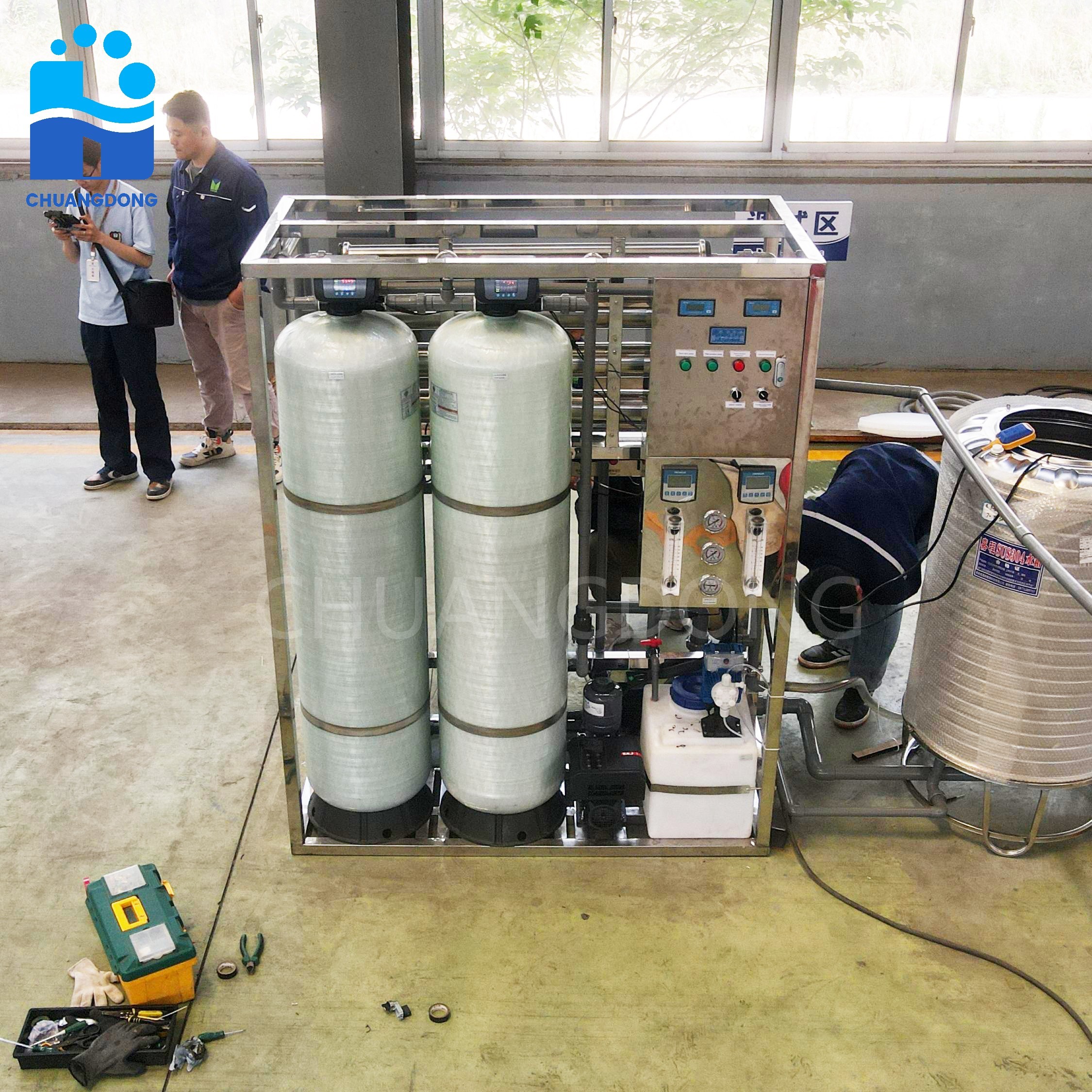
Modular water treatment plant design uses pre-fabricated, containerized components that reduce on-site construction time and allow communities to implement treatment capacity incrementally as needed. This approach to water treatment plant design reduces upfront capital requirements, enables faster deployment, and provides flexibility for system reconfiguration or expansion without major reconstruction. Traditional water treatment plant design typically involves larger permanent structures built on-site with longer construction timelines and less adaptability to changing needs.
What operational considerations are most important in water treatment plant design for small towns?
Water treatment plant design for small towns must prioritize simplicity, reliability, and ease of maintenance by local staff with limited specialized training. Selecting proven technologies, incorporating automation where appropriate, and designing systems requiring minimal complex chemical management are essential for sustainable water treatment plant design. Documentation of standard operating procedures and appropriate operator certification requirements aligned with your water treatment plant design ensures consistent performance and public health protection.