 EN
EN



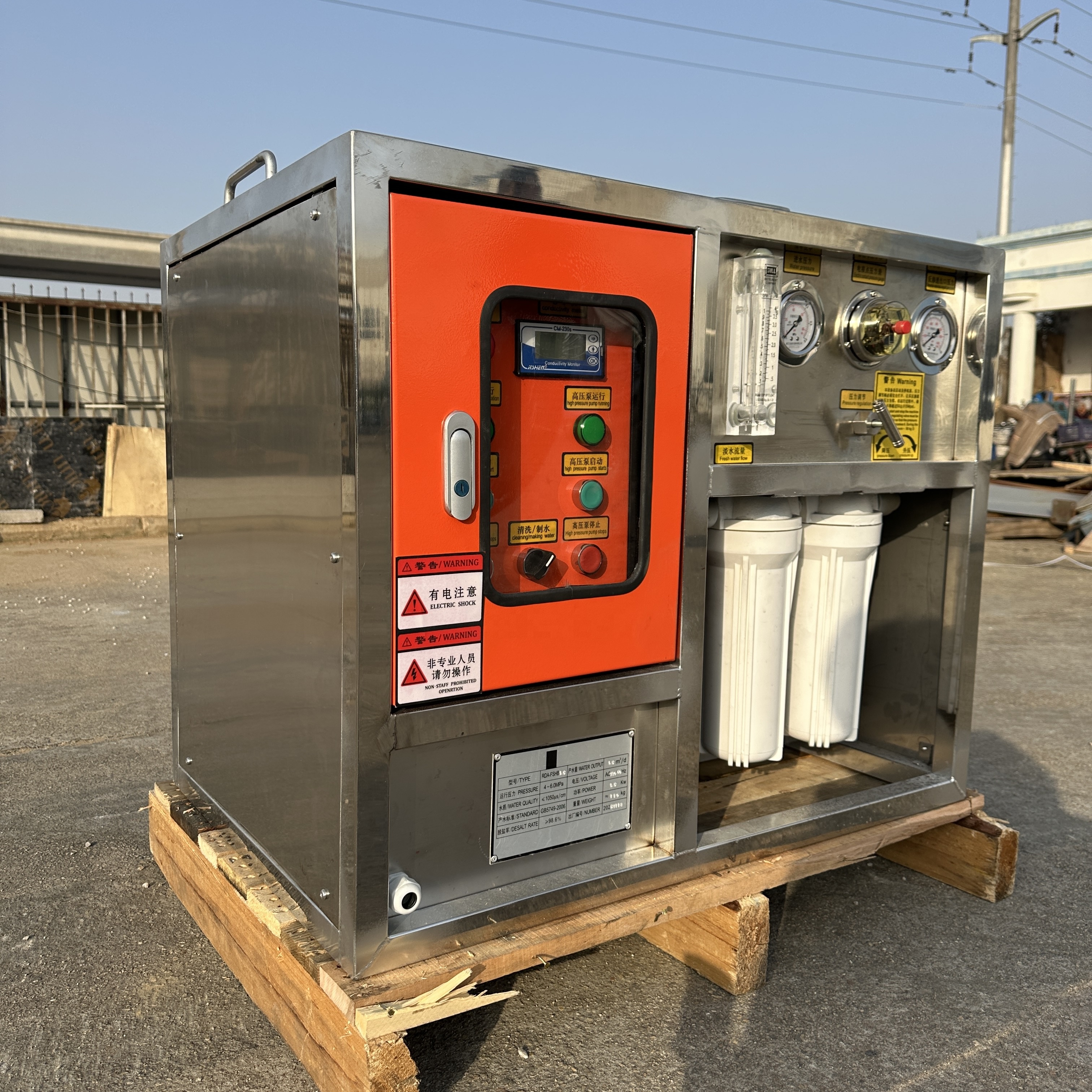
Mining operations generate some of the most chemically aggressive wastewater found in any industrial sector. Among the most serious challenges is managing the highly acidic, metal-laden runoff known as acid mine drainage. Effective acid mine drainage treatment is not an optional upgrade — it is a fundamental requirement for responsible, compliant, and financially sustainable mining operations. Without a reliable acid mine drainage treatment system in place, mines risk irreversible environmental damage, regulatory penalties, and long-term liability exposure that far exceeds the cost of proper intervention.
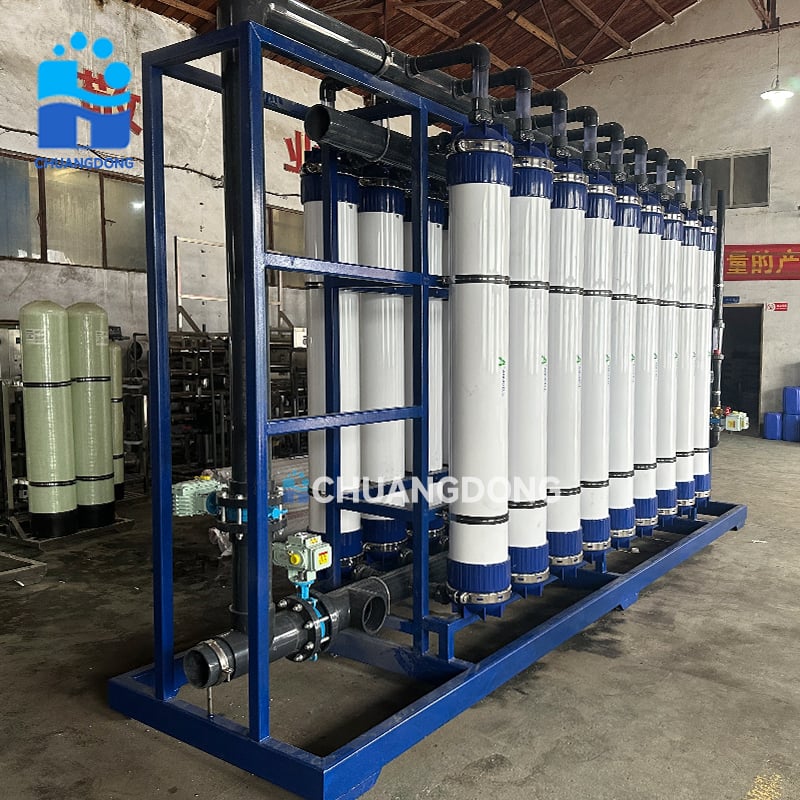
The case for investing in specialized acid mine drainage treatment goes far beyond environmental compliance. Mining companies that implement purpose-built acid mine drainage treatment solutions gain measurable operational advantages, including reduced remediation costs, improved community relations, and a stronger position for project permitting. Understanding why acid mine drainage treatment deserves dedicated investment helps mine operators make informed decisions before problems escalate into crises.
The Destructive Nature of Acid Mine Drainage
How Acid Mine Drainage Forms and Spreads
Acid mine drainage forms when sulfide minerals — particularly pyrite — are exposed to air and water during excavation, ore processing, or waste rock storage. The oxidation reaction produces sulfuric acid, which dissolves heavy metals such as iron, arsenic, lead, and zinc from surrounding rock. Without acid mine drainage treatment, this contaminated water migrates into surface streams, groundwater aquifers, and nearby agricultural land. The resulting ecological damage is often severe and, in many cases, permanent without sustained acid mine drainage treatment intervention.
Why Generic Water Treatment Falls Short
Standard industrial water treatment systems are not designed to handle the extreme pH levels, high metal concentrations, and variable flow rates that characterize acid mine drainage. Applying generic approaches to acid mine drainage treatment often leads to incomplete neutralization, sludge handling failures, and secondary contamination. Specialized acid mine drainage treatment systems are engineered to address the specific chemical composition of each mine site, using targeted neutralization, coagulation, and advanced filtration methods. Only purpose-built acid mine drainage treatment technology can consistently meet discharge standards under the variable conditions that mining environments produce.
Regulatory and Financial Drivers for Investment
Compliance Requirements for Mining Discharges
Environmental regulators in most jurisdictions now impose strict discharge limits on pH, total dissolved solids, and individual metal concentrations in mine effluent. Acid mine drainage treatment is increasingly mandated as a condition of mine operating permits and closure plans. Failure to implement adequate acid mine drainage treatment exposes operators to regulatory fines, forced shutdowns, and costly retrofitting under enforcement orders. Investing proactively in acid mine drainage treatment during the planning phase is significantly less expensive than reactive compliance after a discharge violation has occurred.
Long-Term Cost Reduction Through Proper Systems
The financial logic behind acid mine drainage treatment investment is compelling. Uncontrolled acid mine drainage creates perpetual liability, since contaminated groundwater and downstream impacts can persist for decades after mine closure. The cost of passive or active acid mine drainage treatment installed early is consistently lower than the combined expense of environmental litigation, site remediation, and reputational damage. Moreover, well-designed acid mine drainage treatment systems can recover valuable metals from treated water, partially offsetting operational costs and creating a secondary revenue stream. Operators who treat acid mine drainage treatment as a cost center miss the broader economic picture.
Operational and Strategic Benefits of Specialized Systems
Protecting Water Resources and Community Relations
Mining operations often function in regions where local communities depend on clean water for agriculture, drinking, and ecosystem services. Demonstrating robust acid mine drainage treatment practices builds trust with surrounding communities and reduces social resistance to mine development. When acid mine drainage treatment is visibly effective and independently verified, stakeholders are more likely to support mine expansion and renewal of operating licenses. The social license to operate — an increasingly important factor in modern mining — is directly strengthened by credible acid mine drainage treatment performance.
Enabling Mine Life Extension and New Project Permitting
Regulators are far more willing to approve mine life extensions and new exploration permits when an operator has a demonstrated track record of effective acid mine drainage treatment. A well-documented acid mine drainage treatment program signals corporate environmental responsibility, which is a key consideration in environmental impact assessments. Mines that have invested in advanced acid mine drainage treatment infrastructure are better positioned to navigate the permitting process quickly, reducing delays that translate directly into lost production revenue. Acid mine drainage treatment capability has become a de facto prerequisite for securing financial backing from institutional investors who apply environmental, social, and governance criteria to mining projects.
Technology Selection and System Integration
Effective acid mine drainage treatment requires selecting the right combination of active and passive treatment technologies based on drainage volume, chemical load, and site geography. Active acid mine drainage treatment systems typically involve lime dosing, aeration, and sedimentation in engineered treatment circuits, while passive acid mine drainage treatment options such as constructed wetlands and anoxic limestone drains suit lower-flow applications. Integrating acid mine drainage treatment with broader site water management — including reverse osmosis polishing for high-quality discharge — allows operators to optimize water reuse and minimize net water consumption. Choosing technology that matches the actual characteristics of the drainage stream is essential for acid mine drainage treatment to deliver consistent, long-term performance.
FAQ
What makes acid mine drainage treatment different from standard industrial water treatment?
Acid mine drainage treatment must address extremely low pH levels, high dissolved metal content, and chemically variable influent that standard systems are not designed to handle. Purpose-built acid mine drainage treatment technology uses site-specific chemical dosing, specialized sedimentation, and often multi-stage filtration to meet stringent discharge requirements consistently.
When should a mining operation begin planning its acid mine drainage treatment system?
Acid mine drainage treatment planning should begin during the feasibility and environmental impact assessment stage, before excavation starts. Early integration of acid mine drainage treatment into mine design reduces capital costs, avoids retroactive retrofitting, and ensures that the system is sized correctly for the expected drainage volumes throughout the mine life cycle.
Can acid mine drainage treatment systems recover value from treated water?
Yes, certain acid mine drainage treatment configurations — particularly those incorporating selective precipitation and membrane filtration — can recover metals such as copper, zinc, and iron from the drainage stream. These recovered materials can be sold or reprocessed, making acid mine drainage treatment a potential contributor to mine-site resource efficiency rather than purely a compliance cost.