 EN
EN



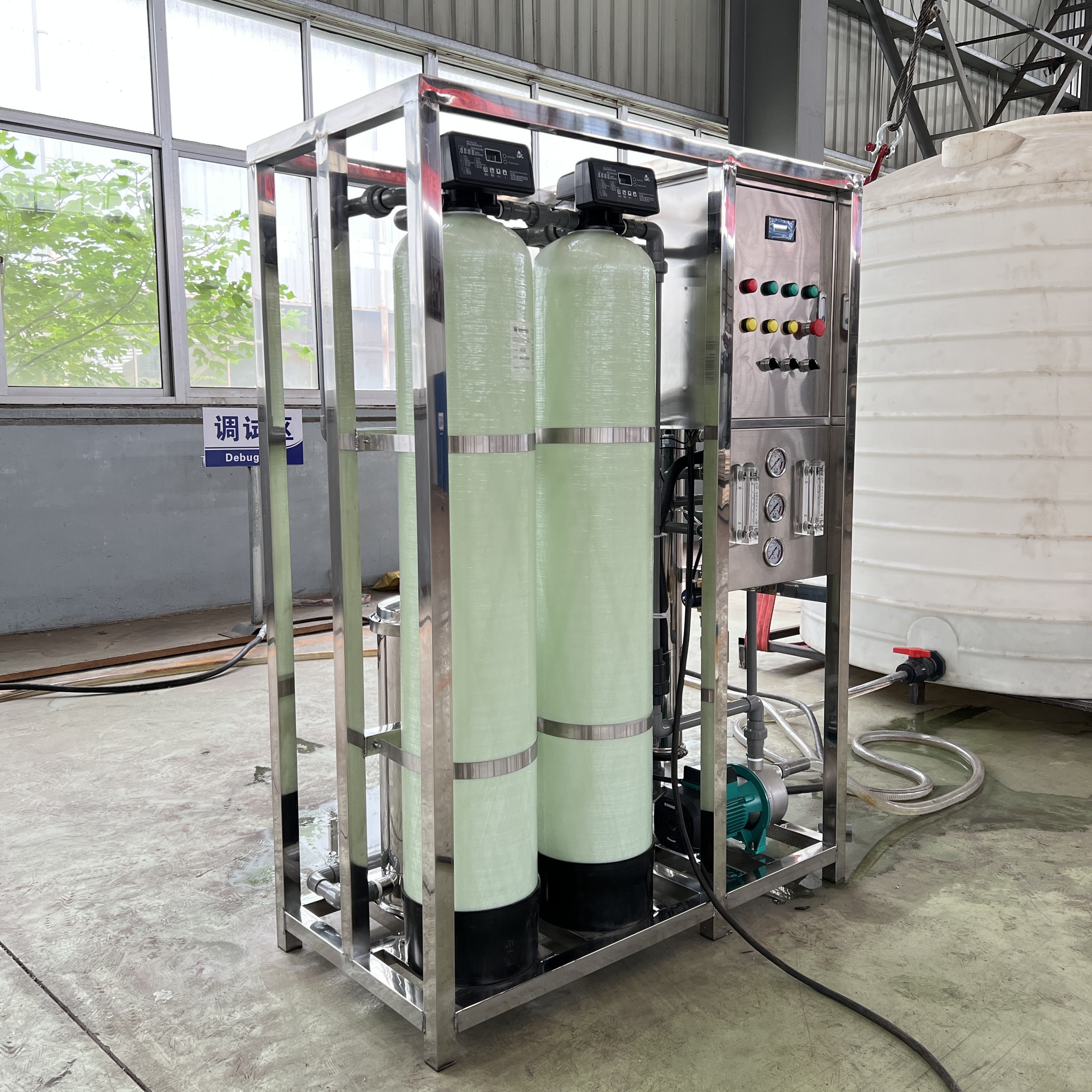
When evaluating water treatment solutions, understanding the differences between an RO plant vs desalination plant becomes essential for industrial and municipal decision-makers. Both systems address critical water scarcity challenges, yet they operate through distinct technologies, cost structures, and operational frameworks. An RO plant vs desalination plant comparison reveals that these solutions serve different applications, source water conditions, and budget parameters, making it vital to analyze their relative expenses before committing capital investment.
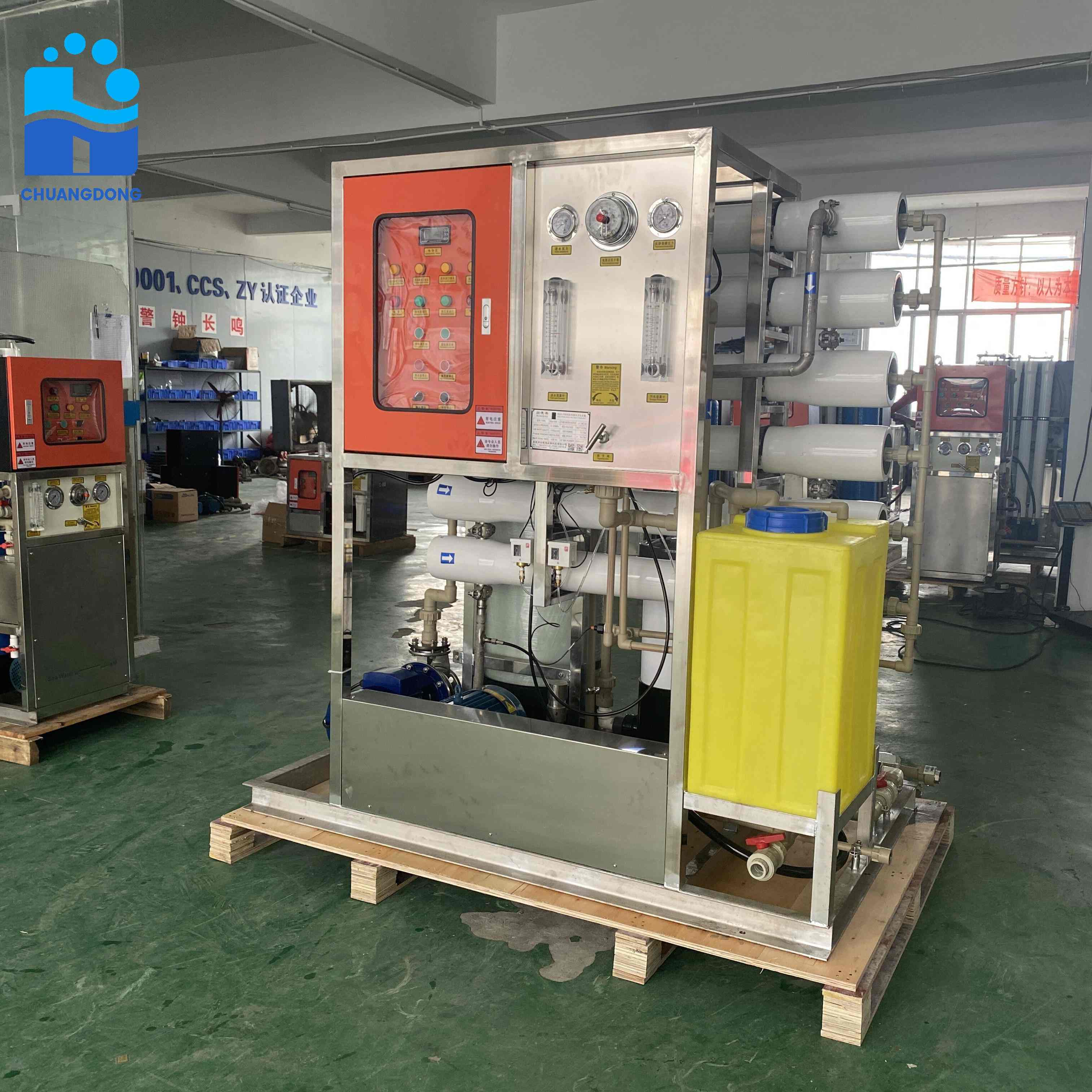
The financial landscape of choosing between an RO plant vs desalination plant extends beyond initial capital expenditure to include membrane replacement, energy consumption, maintenance labor, and chemical dosing expenses. Organizations implementing an RO plant vs desalination plant strategy must evaluate total cost of ownership across multiple operational years, not merely the purchase price. This comprehensive cost analysis determines whether your facility can sustain long-term profitability while meeting water quality standards and production volume targets.
Capital Investment and Installation Costs
Initial Equipment Expense for RO Plant Systems
An RO plant vs desalination plant comparison typically reveals that RO systems demand lower upfront capital investment. RO plants utilize reverse osmosis membrane technology, which involves modular pressure vessels, high-pressure pumps, and control instrumentation. The basic RO plant vs desalination plant infrastructure for an RO system ranges from $50,000 to $500,000 depending on daily capacity, feed water quality, and pre-treatment requirements. Smaller RO plant installations suitable for industrial facilities or smaller municipalities fall within the lower price bracket, making this solution accessible to organizations with constrained budgets.
Installation and Site Preparation for Desalination Plants
Desalination plants, particularly those employing multi-effect distillation or reverse osmosis with advanced pre-treatment, typically command higher initial costs than comparable RO plant systems. When evaluating an RO plant vs desalination plant investment, desalination facilities often require extensive civil works, structural reinforcement, and specialized intake infrastructure for seawater applications. Capital expenditure for a desalination plant generally ranges from $200,000 to $2,000,000 or higher for medium to large capacity facilities. The RO plant vs desalination plant cost differential becomes pronounced when desalination projects demand brine discharge management systems, emergency backup power, and sophisticated monitoring networks.
Operational and Recurring Expenses
Energy Consumption in RO Plant vs Desalination Plant Systems
Energy represents the largest recurring expense in both RO plant vs desalination plant operations, yet consumption rates differ significantly. An RO plant typically consumes 3 to 8 kilowatt-hours per thousand gallons produced, depending on feed water salinity, recovery rate, and membrane configuration. Conversely, thermal desalination plants utilizing distillation consume substantially more energy, often ranging from 10 to 20 kilowatt-hours per thousand gallons. When comparing an RO plant vs desalination plant over a 10-year operational span, energy cost differences can represent tens of thousands of dollars, particularly in regions with elevated electricity rates. The RO plant vs desalination plant energy profile makes reverse osmosis systems more economically viable for most inland and brackish water applications.
Membrane Replacement and Chemical Costs
Membrane degradation constitutes a major operational expense when maintaining an RO plant vs desalination plant system. RO membranes typically require replacement every three to five years, costing $15,000 to $100,000 depending on system size and membrane type. An RO plant vs desalination plant analysis shows that chemical pretreatment, anti-scalants, and cleaning agents add $5,000 to $20,000 annually for most RO installations. Thermal desalination plants avoid membrane replacement costs but require more intensive chemical conditioning, scale inhibition, and corrosion control measures that accumulate to similar or higher expenses over time. The RO plant vs desalination plant maintenance budget must account for these recurring material costs when projecting operational profitability.
Feed Water Quality and System Selection Impact
Suitability of RO Plant Technologies for Different Water Sources
An RO plant vs desalination plant decision fundamentally depends on source water characteristics and salinity levels. RO plants excel at processing brackish groundwater, treated wastewater, and municipal reclaimed water where total dissolved solids range from 500 to 15,000 parts per million. The RO plant vs desalination plant cost profile favors reverse osmosis systems when treating inland water sources because pre-treatment requirements remain minimal and membrane fouling risks decrease substantially. However, an RO plant designed for seawater desalination requires ultra-high pressure equipment and extensive pre-treatment, dramatically increasing both capital and operational expenses and potentially matching or exceeding costs of dedicated desalination plants.
Desalination Plant Effectiveness for High-Salinity and Seawater Applications
Desalination plants deliver superior performance and cost-effectiveness when processing seawater or highly saline industrial effluent exceeding 35,000 parts per million total dissolved solids. When comparing an RO plant vs desalination plant for seawater treatment, thermal distillation and reverse osmosis desalination plants achieve higher recovery rates and lower scaling risk compared to conventional RO plant systems. The RO plant vs desalination plant economic balance tips toward desalination technology in coastal regions where seawater availability remains consistent and alternative freshwater sources are unavailable. Organizations selecting an RO plant vs desalination plant solution for maritime applications must acknowledge that desalination infrastructure often represents the only viable long-term investment despite higher initial expense.
Long-Term Return on Investment Projections
Breaking Even Financial Analysis for RO Systems
RO plants typically achieve favorable return on investment timelines because low energy consumption and modular scalability reduce ongoing expenses. An organization implementing an RO plant vs desalination plant comparison often discovers that smaller RO installations break even within five to eight years through savings in energy, chemical consumption, and simplified maintenance. As an RO plant vs desalination plant scenario, a 50,000-gallon-per-day reverse osmosis system might require $150,000 initial investment with annual operating costs of $30,000, creating payback periods that attract capital-constrained facilities. The RO plant vs desalination plant financial attractiveness for inland applications stems from this relatively rapid cost recovery and predictable expense management.
Lifecycle Value Assessment for Desalination Installations
Desalination plants justify higher upfront costs through extended operational life and superior performance consistency when treating challenging seawater sources. An RO plant vs desalination plant comparison reveals that desalination facilities often operate profitably for 15 to 20 years without major system replacement or technological obsolescence, providing long-term value in stable coastal markets. The RO plant vs desalination plant lifecycle analysis must consider that desalination infrastructure commands premium resale value and attracts water utility financing programs that reduce effective borrowing costs. Organizations evaluating an RO plant vs desalination plant investment for seawater applications should recognize that desalination plants, despite higher initial expense, deliver superior cost predictability and operational resilience over extended timeframes.
FAQ
What are the key differences in operating costs between an RO plant and a desalination plant?
An RO plant typically operates at lower energy intensity, consuming 3 to 8 kilowatt-hours per thousand gallons compared to 10 to 20 kilowatt-hours for thermal desalination plants. RO plants incur membrane replacement expenses every three to five years, while desalination plants avoid this cost but require more intensive chemical treatment and corrosion management. When comparing an RO plant vs desalination plant for inland applications, total annual operating expenses for RO systems generally range 30 to 50 percent lower than comparable desalination facilities treating similar water volumes.
Which technology offers better cost-effectiveness for seawater treatment?
Desalination plants provide superior cost-effectiveness for seawater applications because conventional RO plants require ultra-high pressure equipment and extensive pre-treatment that dramatically increases capital and operational expenses. An RO plant vs desalination plant analysis for seawater treatment shows that dedicated desalination infrastructure achieves higher recovery rates and lower scaling risk, ultimately delivering better long-term value despite higher initial investment. Organizations with consistent seawater access should evaluate an RO plant vs desalination plant comparison recognizing that desalination technology's higher upfront costs translate to favorable return on investment over 15 to 20 year operational periods.
How do system size and capacity affect the cost comparison between RO and desalination plants?
The RO plant vs desalination plant cost relationship shifts at different capacity thresholds, with smaller facilities favoring RO systems and larger installations sometimes justifying desalination infrastructure investment. An RO plant vs desalination plant analysis shows that installations producing under 100,000 gallons daily typically favor reverse osmosis because modular RO plant design enables cost-effective scaling without proportional capital increases. Larger facilities exceeding 500,000 gallons daily may find desalination plants more economical because per-unit capital and operational expenses decrease with scale in dedicated desalination infrastructure. The RO plant vs desalination plant decision ultimately depends on your organization's production requirements, water source characteristics, geographic location, and available capital resources.