 EN
EN


The industrial landscape is shifting rapidly, and water treatment trends are reshaping how businesses manage their most critical resource. As regulations tighten, technology advances, and environmental pressures intensify, staying informed about emerging water treatment trends has become essential for operational success. Companies that understand and adapt to these water treatment trends gain competitive advantages in efficiency, compliance, and sustainability. This article explores five transformative water treatment trends that are redefining industry standards and creating new opportunities for improvement across manufacturing, processing, and service sectors.
Understanding water treatment trends is not merely an academic exercise; it directly impacts your bottom line, regulatory standing, and environmental responsibility. The water treatment trends discussed here represent shifts in technology adoption, operational methodology, and strategic focus that are already influencing procurement decisions and system upgrades across major industrial sectors. Whether you operate a manufacturing facility, a processing plant, or a facility requiring significant water volumes, recognizing these water treatment trends enables informed decision-making and long-term planning that aligns with both current best practices and anticipated regulatory changes.
Advanced Membrane Technologies and Reverse Osmosis Innovation
Rising Adoption of Reverse Osmosis Systems
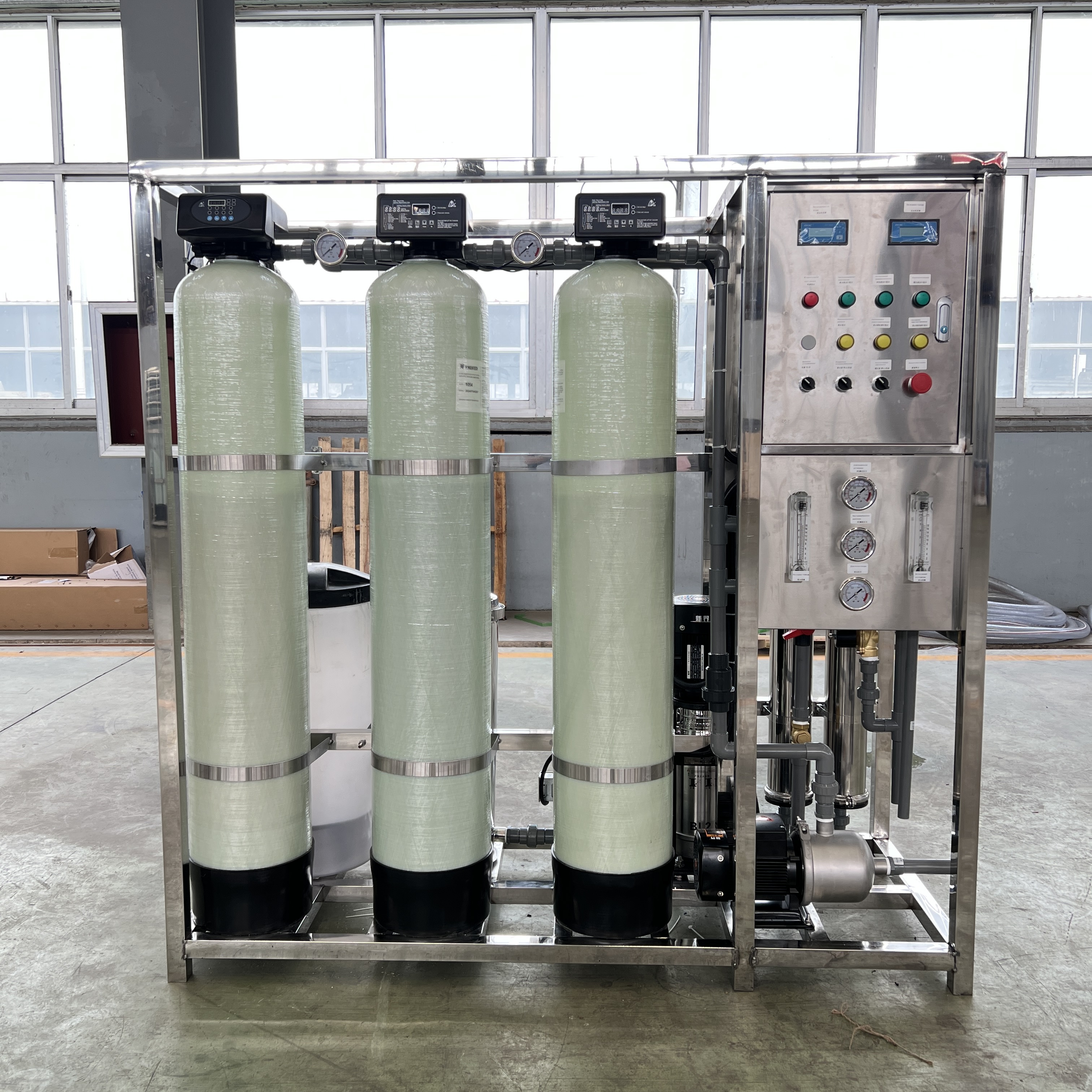
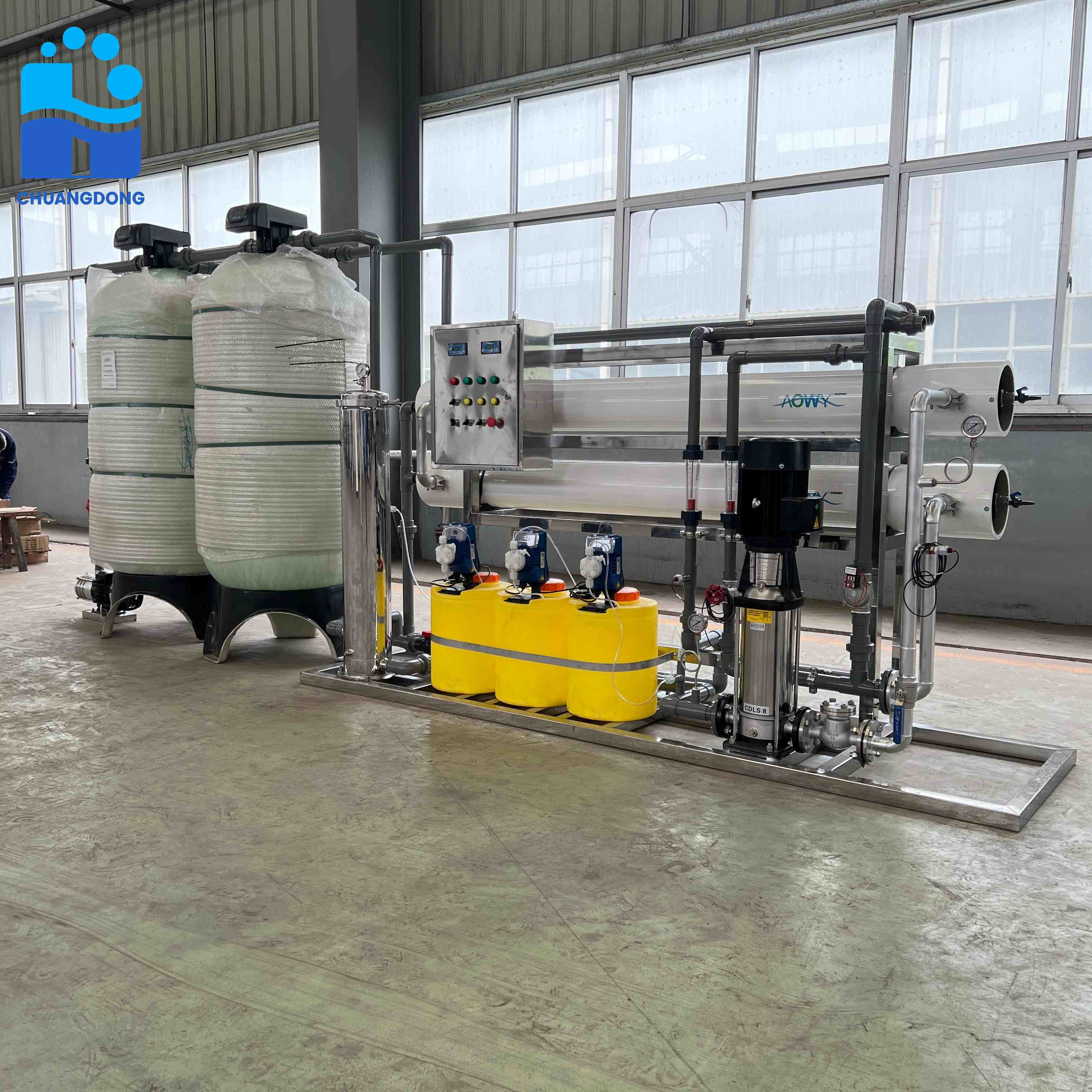
Among the most significant water treatment trends is the widespread adoption of advanced membrane technologies, particularly reverse osmosis systems. Reverse osmosis has evolved beyond traditional applications and now serves as a cornerstone for industries requiring ultra-pure water. Modern reverse osmosis configurations achieve rejection rates exceeding 98%, removing dissolved salts, microorganisms, and organic contaminants with unprecedented efficiency. This water treatment trends shift reflects growing demand for higher water quality standards in pharmaceuticals, semiconductor manufacturing, and food processing. The efficiency gains from modern reverse osmosis units mean companies can achieve superior water quality while reducing waste—a compelling combination that drives investment in these systems.
Integration with Smart Monitoring Systems
Another key aspect of contemporary water treatment trends involves integrating membrane systems with real-time monitoring and control technologies. Smart sensors now track membrane performance, predicting fouling conditions and optimizing cleaning cycles automatically. This water treatment trends development reduces unplanned downtime and extends membrane life significantly. Facilities equipped with these intelligent systems report 15–20% improvements in operational efficiency and reduced chemical consumption. The convergence of membrane technology and digital monitoring represents how water treatment trends are moving toward predictive, automated operations rather than reactive management.
Sustainability and Zero-Liquid-Discharge Frameworks
Moving Toward Zero-Liquid-Discharge Models
Environmental responsibility stands at the center of emerging water treatment trends. Zero-liquid-discharge (ZLD) systems represent a fundamental shift in how industries approach wastewater, treating discharge as a liability that must be eliminated rather than managed. This water treatment trends movement reflects both regulatory pressures and genuine sustainability commitments from forward-thinking organizations. ZLD implementations combine multiple treatment stages—water treatment trends now emphasize recovery of valuable minerals and complete elimination of liquid waste. While capital investments are substantial, companies adopting these water treatment trends often recover costs through recovered materials and avoided discharge penalties within 3–5 years.
Circular Economy Integration
Water treatment trends increasingly emphasize circular economy principles, where treated water and recovered materials re-enter production cycles or are sold as byproducts. This water treatment trends approach transforms wastewater treatment from a cost center into a value-creation opportunity. Industrial sectors including textiles, mining, and chemical processing are leading adoption of these water treatment trends. The economic incentives align perfectly with environmental benefits, making this water treatment trends movement attractive across diverse industries. Companies investing in these circular water treatment frameworks report improved stakeholder relations and enhanced brand positioning alongside tangible cost reductions.
Decentralized and Modular Treatment Solutions
Shift Away from Centralized Systems
Decentralization represents one of the most practical water treatment trends reshaping infrastructure planning. Rather than routing all facility water through centralized treatment plants, many organizations are deploying modular, localized treatment units near point-of-use locations. This water treatment trends approach reduces transportation costs, energy consumption, and system complexity. Modular designs also offer scalability advantages—facilities can expand capacity incrementally without major infrastructure overhauls. The flexibility embedded in these water treatment trends makes them particularly attractive for facilities planning growth or modifications, as treatment capacity can match operational changes precisely.
Compact Footprint and Mobile Applications
Space constraints in urban and established industrial areas have driven water treatment trends toward compact, efficient designs. Modern modular units occupy a fraction of the space required by conventional systems while delivering comparable or superior performance. This water treatment trends evolution enables facilities with limited real estate to implement advanced treatment capabilities previously considered impractical. Additionally, mobile treatment units addressing these water treatment trends are increasingly deployed for temporary applications, emergency response, and pilot testing. The adaptability and minimal spatial demands make these water treatment trends solutions attractive for facilities operating under tight spatial or budgetary constraints.
Regulatory Compliance and Water Quality Intelligence
Tightening Global Water Standards
Regulatory frameworks worldwide are becoming stricter, and this driving force shapes contemporary water treatment trends significantly. Maximum contaminant levels continue declining, and emerging contaminants—pharmaceuticals, microplastics, and PFOA compounds—feature prominently in updated water treatment trends guidelines. Companies staying ahead of these regulatory water treatment trends avoid costly retrofits and maintain continuous operational status. Investment in advanced water treatment systems aligned with anticipated standards provides compliance certainty and operational continuity. This water treatment trends regulatory movement pushes organizations toward proactive compliance strategies rather than reactive responses to enforcement actions.
Real-Time Quality Monitoring and Documentation
Data-driven water treatment trends now emphasize continuous quality monitoring with automated documentation and reporting capabilities. Digital systems tracking water treatment trends compliance metrics provide irrefutable documentation for regulatory inspections and facilitate rapid response to out-of-specification conditions. This water treatment trends technology reduces administrative burden while strengthening compliance posture significantly. Facilities implementing these water treatment trends gain operational visibility and can identify efficiency opportunities through data analysis. The convergence of quality assurance and digital documentation represents a fundamental shift in how water treatment trends are managed operationally and strategically.
FAQ
What are the most important water treatment trends for my industry?
The most relevant water treatment trends depend on your specific sector, current water quality requirements, and regulatory environment. However, reverse osmosis technology advancement, zero-liquid-discharge frameworks, and real-time monitoring systems represent foundational water treatment trends with broad applicability across manufacturing, processing, and service sectors. Consulting with water treatment specialists can help identify which water treatment trends align with your operational priorities and long-term strategic objectives.
How do water treatment trends impact my operational costs?
Water treatment trends offer multiple pathways to cost reduction, including improved equipment efficiency reducing energy consumption, modular systems enabling right-sized capacity deployment, and recovery-focused water treatment trends generating revenue from materials traditionally discarded. While initial implementation may require significant capital investment, many organizations report payback periods of 3–7 years through operational savings and avoided penalties. Advanced water treatment trends also reduce unplanned maintenance and extend equipment lifespan, providing additional long-term cost benefits.
How quickly do water treatment trends change, and should I plan for future upgrades?
Water treatment trends evolve gradually but persistently, driven by regulatory changes, technological breakthroughs, and sustainability pressures. Strategic facilities plan for upgrade cycles of 8–12 years while designing systems with sufficient flexibility to accommodate emerging water treatment trends without complete replacement. Modular, scalable systems specifically address this water treatment trends challenge by allowing incremental improvements and component upgrades without requiring complete system overhauls, making them excellent investments for long-term operational resilience.