 EN
EN



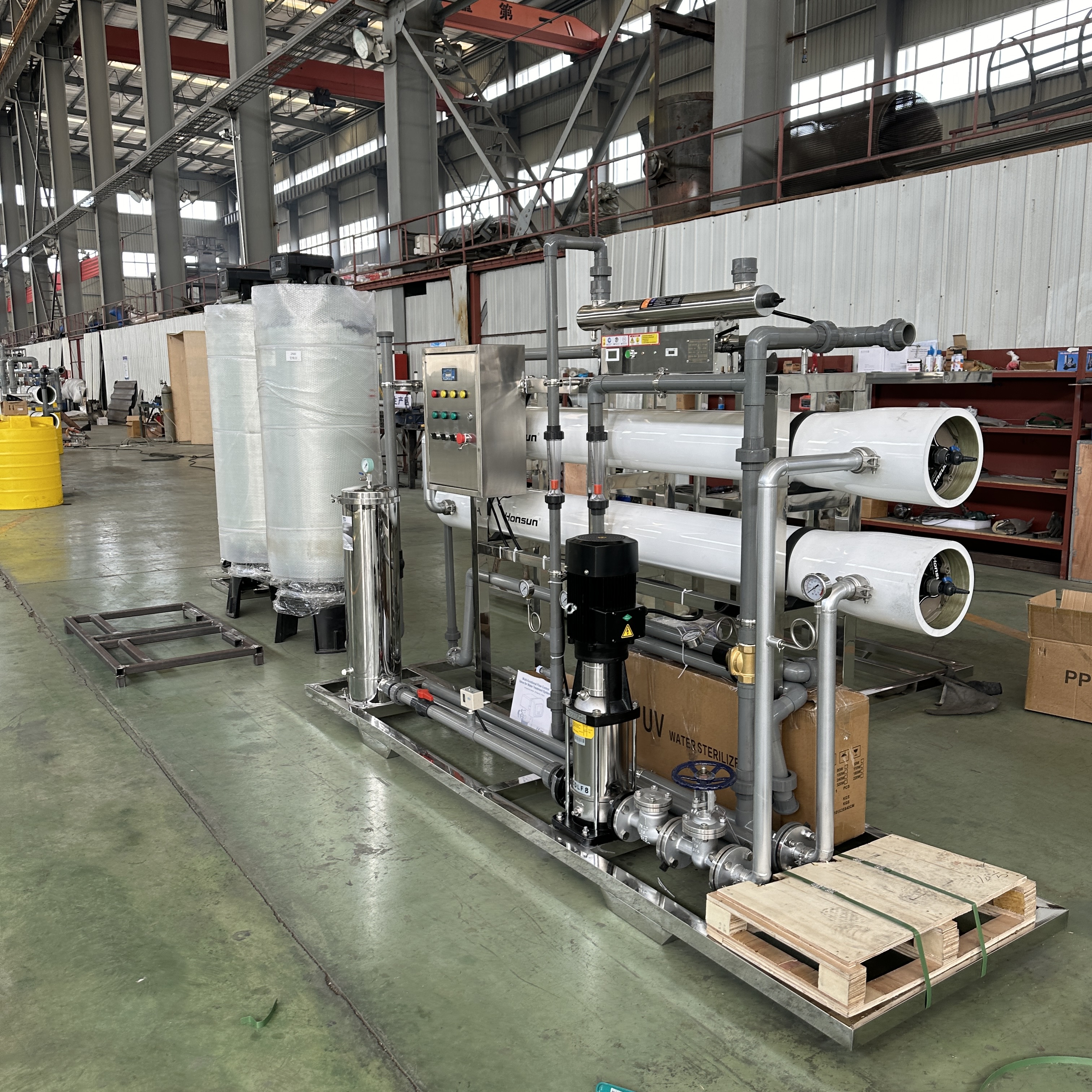
Summer heat presents unique challenges for reverse osmosis operations, requiring facility managers to take deliberate action to boost RO plant efficiency when temperatures climb. As ambient conditions shift, membrane performance naturally declines, reject water increases, and energy consumption rises across industrial water treatment installations. Understanding how to boost RO plant efficiency during these critical months directly impacts operational costs, production reliability, and long-term membrane lifespan. This comprehensive guide explores practical strategies to boost RO plant efficiency when summer stress tests your system's capacity.
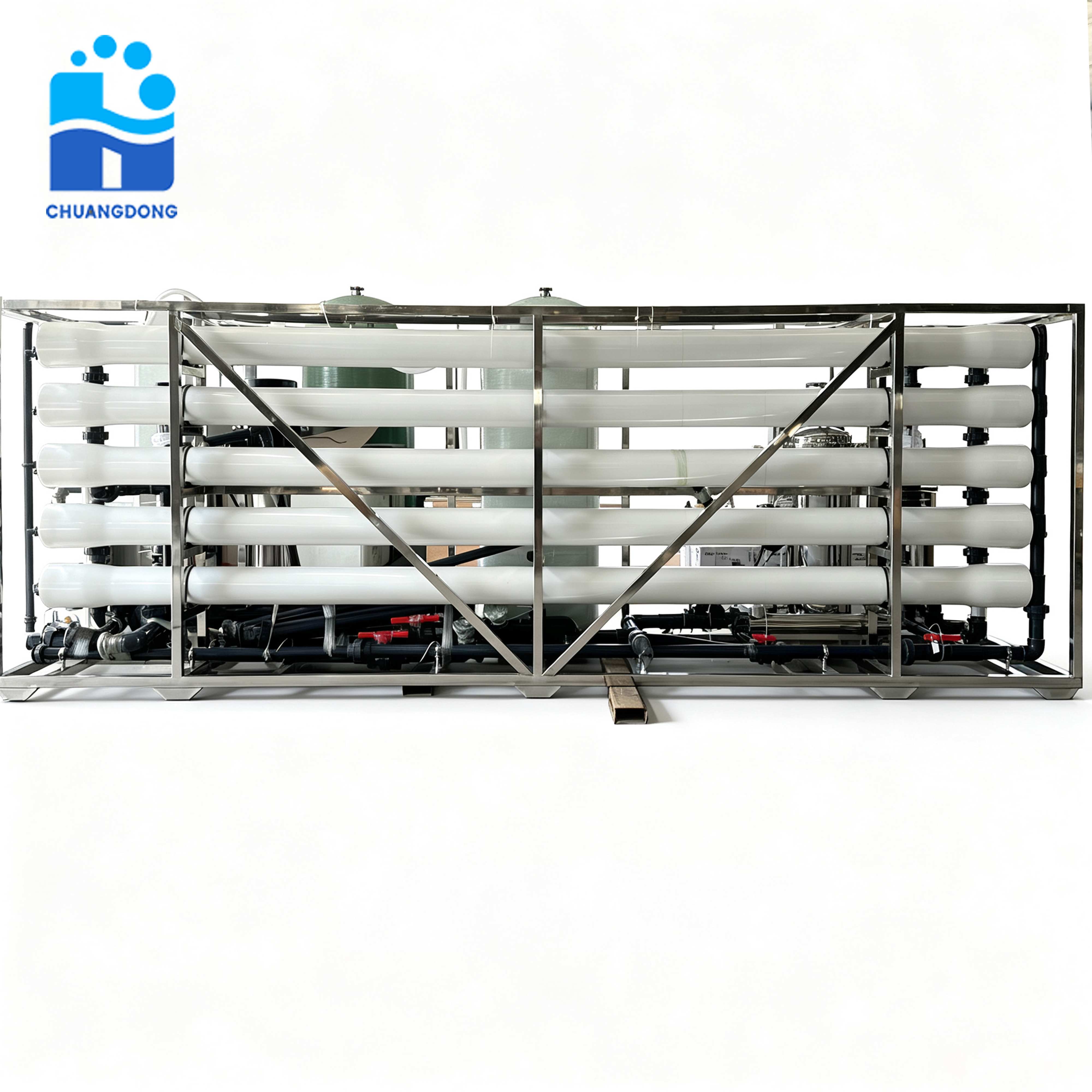
Summer conditions demand a proactive approach to boost RO plant efficiency. Rising feed water temperatures accelerate membrane degradation, reduce salt rejection rates, and force the system to work harder to maintain target product quality. Industrial facilities that fail to boost RO plant efficiency during summer often face emergency maintenance calls, unexpected downtime, and significantly higher treatment costs. By implementing the right operational adjustments and maintenance protocols, you can reliably boost RO plant efficiency and protect your investment throughout the hottest months.
Temperature Management Strategies to Boost RO Plant Efficiency
Cooling System Optimization
Feed water temperature is the single most critical factor affecting membrane performance. To boost RO plant efficiency, many facilities install or upgrade cooling systems that reduce inlet water temperature by 5–10 degrees Celsius. Installing a dedicated cooling tower or heat exchanger between your source water storage and RO inlet is one of the most effective ways to boost RO plant efficiency during summer. These systems capture excess heat before water enters the membrane stage, significantly extending membrane life and reducing energy demand. Facilities that boost RO plant efficiency through active cooling often report 15–20% improvement in permeate flux while reducing concentrate flow by 8–12%.
Intake and Storage Optimization
How you source and store water directly influences your ability to boost RO plant efficiency. Shifting intake schedules to early morning or late evening captures cooler groundwater or surface water before peak solar heating. Underground storage tanks or covered reservoir designs dramatically help boost RO plant efficiency by reducing solar warming. Many industrial sites that boost RO plant efficiency install shade structures over exposed storage or use thermally insulated tanks to maintain lower baseline temperatures. This passive cooling approach to boost RO plant efficiency requires minimal capital investment while delivering measurable membrane performance gains throughout summer operations.
Membrane Performance and Operational Adjustments to Boost RO Plant Efficiency
Pressure and Recovery Rate Calibration
Operating pressures must adjust seasonally to boost RO plant efficiency when feed water temperature rises. Warmer water molecules move faster through the membrane, allowing effective separation at slightly lower pressures. Many operators fail to boost RO plant efficiency because they maintain fixed pressures year-round, wasting energy during summer when membrane permeability naturally increases. Reducing feed pressure by 0.5–1.5 bar during peak summer months can boost RO plant efficiency by 10–18% while maintaining identical product water quality. Recovery rate adjustments work similarly: increasing recovery percentages in summer (when higher temperatures improve salt rejection) allows you to boost RO plant efficiency without sacrificing water quality compliance.
Feedwater Pretreatment Enhancement
Summer algae blooms, sediment resuspension, and biofouling accelerate membrane clogging. To boost RO plant efficiency, strengthen pretreatment during warm months by upgrading multimedia filtration, increasing activated carbon contact time, or adding biocide treatment at the raw water stage. Even minor organic matter penetrating to the membrane stage creates biofilm that forces you to raise operating pressures and reduces your ability to boost RO plant efficiency. Installing or expanding microfiltration ahead of RO is one of the most reliable ways to boost RO plant efficiency during summer because it eliminates the feedwater quality variability that forces emergency cleaning cycles.
Maintenance Protocols That Boost RO Plant Efficiency
Cleaning Frequency and Chemical Selection
Hot water accelerates fouling and scaling deposits on membrane surfaces. To effectively boost RO plant efficiency, increase cleaning frequency from monthly to bi-weekly or weekly intervals during peak summer heat. Many facilities that boost RO plant efficiency employ automated clean-in-place systems triggered by differential pressure thresholds rather than calendar intervals. Selecting appropriate cleaning chemicals is equally critical: alkaline cleaners remove organic biofilm better in summer conditions, while acidic cleaners prevent scale buildup more effectively in warmer feed streams. This targeted chemical approach helps boost RO plant efficiency by preventing the severe membrane fouling that requires aggressive recovery cleaning and ultimately shortens membrane lifespan.
Real-Time Monitoring and Trending
Digital monitoring systems are essential tools to boost RO plant efficiency during summer. Temperature sensors, conductivity analyzers, differential pressure indicators, and product flow meters provide the data needed to boost RO plant efficiency through informed decision-making. Operators who actively monitor these parameters can detect fouling onset 2–3 days earlier than calendar-based schedules, allowing them to boost RO plant efficiency through timely preventive cleaning. Advanced SCADA systems that calculate normalized flux and salt passage enable facility managers to boost RO plant efficiency by identifying subtle performance degradation before it forces emergency interventions. Comparing summer performance to historical baseline data helps boost RO plant efficiency because it reveals whether degradation is normal seasonal variation or an early warning of membrane problems.
FAQ
What is the ideal feed water temperature to boost RO plant efficiency?
Most RO membranes operate optimally at 15–25°C. Temperatures above 30°C significantly reduce salt rejection and increase energy demand. Facilities that maintain feed water below 25°C during summer consistently achieve optimal performance. Cooling systems that maintain inlet temperature at 20°C or below represent the gold standard for boost RO plant efficiency. Temperature increases of just 5°C can reduce permeate flux by 10–15%, making thermal control a top priority for boost RO plant efficiency strategies.
How much can I expect to save by implementing summer efficiency upgrades?
Industrial facilities that strategically boost RO plant efficiency typically reduce energy consumption by 12–25% and extend membrane life from 3 years to 4–5 years. These operational improvements translate to direct cost savings of 8–15% on total water treatment expenses. When facilities boost RO plant efficiency through cooling system installation, payback periods typically range from 18–36 months depending on system scale and local energy rates. Preventing even one emergency membrane replacement pays for most efficiency upgrades.
Can I boost RO plant efficiency without capital investment?
Yes. Operational adjustments such as optimized intake scheduling, pressure calibration, cleaning frequency increases, and aggressive pretreatment enhancement help boost RO plant efficiency with minimal capital cost. Shifting to early morning water intake, reducing operating pressure by 0.5–1 bar, and implementing weekly cleaning cycles can boost RO plant efficiency by 8–12% using only existing equipment. However, capital investments in cooling towers or heat exchangers provide more substantial gains. Most facilities achieve the best results by combining low-cost operational changes with strategic capital upgrades that systematically boost RO plant efficiency.