 EN


Water treatment for boiler feed applications is a critical process in industrial operations that directly impacts equipment longevity, operational efficiency, and safety. Boilers require treated water to prevent scaling, corrosion, and contamination that could compromise performance or create hazardous conditions. Without proper water treatment for boiler feed, organizations face increased maintenance costs, reduced equipment lifespan, and potential production downtime. Understanding the fundamentals of water treatment for boiler feed enables facility managers and engineers to make informed decisions about their treatment strategies.
The quality of water entering a boiler system determines how well the equipment operates and how long it will remain in service. Every industry relying on steam generation, from power plants to food processing facilities, depends on effective water treatment for boiler feed. This article explores the methods, technologies, and best practices that ensure boiler feed water meets stringent quality standards while minimizing operational risks and costs.
Understanding Water Treatment for Boiler Feed Requirements
Why Boiler Water Quality Matters
Untreated or poorly treated water introduces dissolved minerals, gases, and contaminants into boiler systems. These impurities cause scale buildup on internal surfaces, accelerate corrosion of metal components, and reduce heat transfer efficiency. Water treatment for boiler feed removes these harmful substances, protecting the boiler investment and maintaining thermal efficiency. The cost of implementing proper water treatment for boiler feed is minimal compared to expenses associated with boiler failures, emergency repairs, or replacement.
Key Quality Parameters
Effective water treatment for boiler feed must address several critical parameters. Total dissolved solids must be minimized to prevent scale formation. Hardness levels, particularly calcium and magnesium content, require careful control through water treatment for boiler feed processes. Alkalinity, pH balance, and oxygen content also demand precise management. Water treatment for boiler feed systems monitor and adjust these parameters continuously to ensure compliance with boiler manufacturer specifications and industry standards.
Primary Methods for Water Treatment for Boiler Feed
Softening and Demineralization Technologies
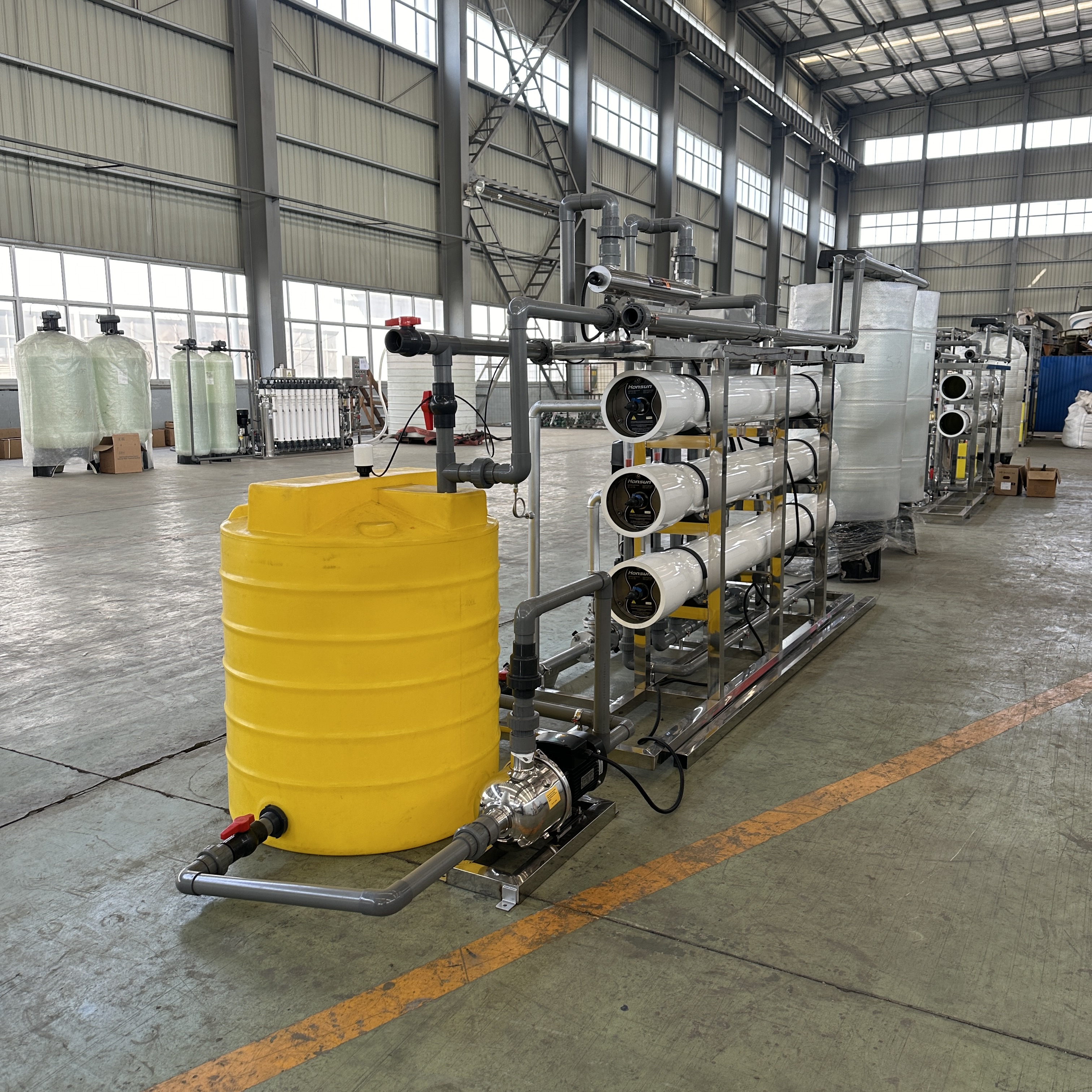
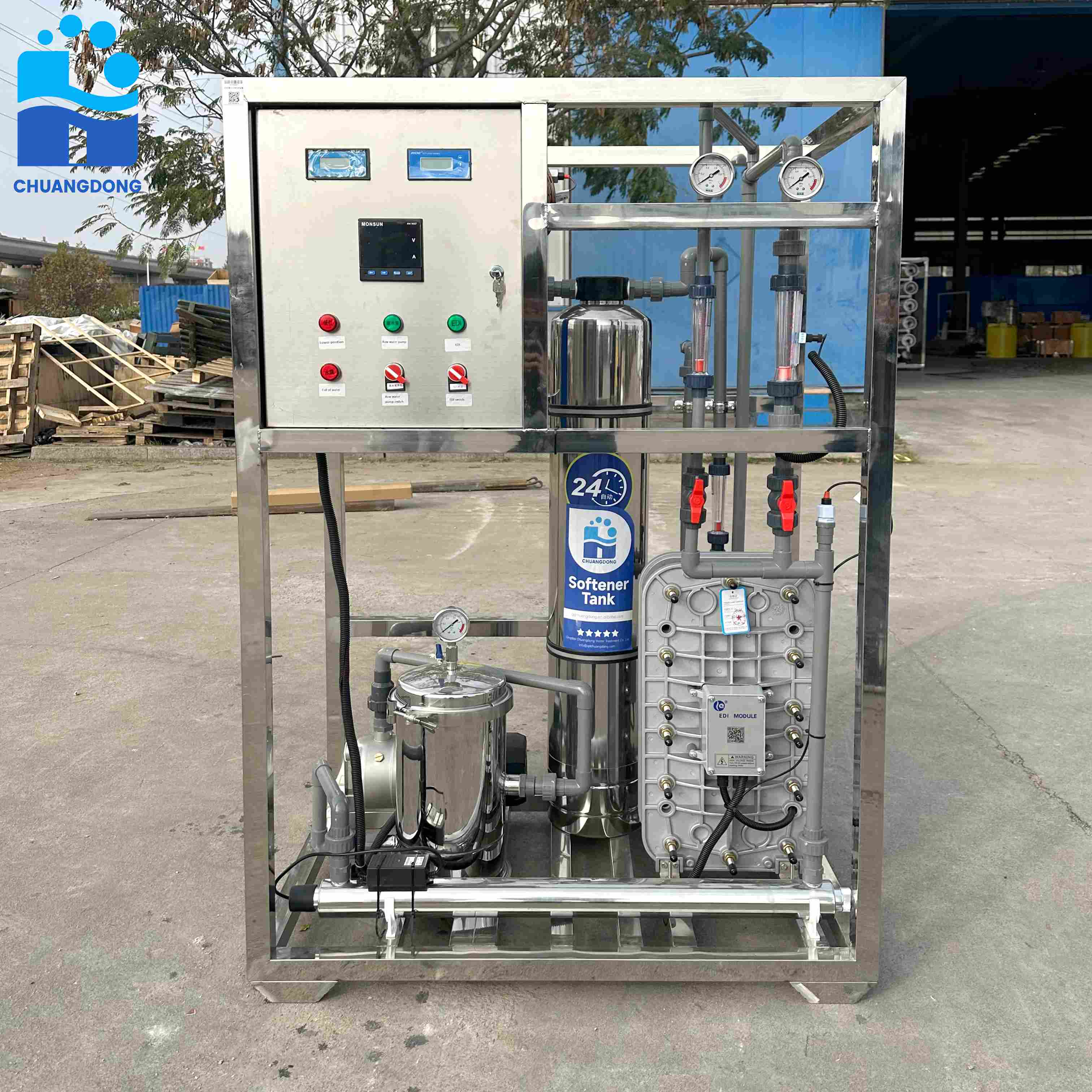
Ion exchange softening represents one of the most established approaches to water treatment for boiler feed. This process exchanges calcium and magnesium ions with sodium ions, significantly reducing hardness. For higher purity requirements, demineralization takes water treatment for boiler feed further by removing nearly all dissolved minerals. Reverse osmosis and electrodeionization represent advanced water treatment for boiler feed technologies that produce ultrapure water suitable for high-pressure boiler applications where even trace impurities could cause problems.
Chemical Treatment and Conditioning
Beyond mechanical removal, water treatment for boiler feed incorporates chemical conditioning to address remaining challenges. Oxygen scavengers protect boiler internals from corrosion by removing dissolved oxygen before water enters the system. Alkalinity adjustment through water treatment for boiler feed ensures pH remains within optimal ranges, typically between 8.5 and 11 depending on boiler design. Scale inhibitors and corrosion inhibitors added during water treatment for boiler feed create protective layers that prevent damage even when small amounts of problematic minerals remain in solution.
Advanced Water Treatment for Boiler Feed Systems
Integrated Treatment Approaches
Modern facilities implement comprehensive water treatment for boiler feed through multi-stage systems that combine several technologies. A typical water treatment for boiler feed system might begin with multimedia filtration to remove suspended solids, followed by softening, demineralization, and final polishing stages. This layered approach to water treatment for boiler feed ensures that each stage removes specific contaminant categories while protecting downstream equipment from fouling or degradation. Electrodeionization technology represents one of the most advanced options for water treatment for boiler feed, delivering ultrapure water with minimal waste and maximum reliability.
Real-Time Monitoring and Automation
Contemporary water treatment for boiler feed systems employ real-time monitoring to ensure consistent quality. Digital sensors measure conductivity, pH, silica levels, and other critical parameters, allowing automated adjustments to chemical dosing and regeneration cycles. This precision in water treatment for boiler feed reduces chemical consumption, minimizes water waste, and prevents quality excursions that could damage boilers. Automation also enables operators to identify trends early, scheduling maintenance for water treatment for boiler feed equipment before failures occur.
Implementation Considerations for Water Treatment for Boiler Feed
Capacity and Scalability Planning
Selecting appropriate water treatment for boiler feed capacity requires understanding peak demand, seasonal variations, and future growth plans. Undersized systems cannot meet demand and create bottlenecks in operations, while oversized water treatment for boiler feed installations waste capital and operating resources. Engineers must calculate daily boiler feed water consumption, accounting for blowdown losses, evaporation, and emergency reserves. The water treatment for boiler feed system should incorporate flexibility for expanding capacity if production increases.
Maintenance and Operating Costs
Water treatment for boiler feed requires ongoing maintenance that includes media replacement, chemical replenishment, and equipment servicing. Different technologies impose varying maintenance burdens; some water treatment for boiler feed approaches demand frequent regeneration, while others operate with minimal intervention. Evaluating total cost of ownership for water treatment for boiler feed involves comparing equipment capital costs, chemical expenses, waste disposal fees, labor requirements, and energy consumption across different system designs. Investing in higher-quality water treatment for boiler feed initially often reduces long-term expenses by extending boiler service life and minimizing emergency repairs.
FAQ
What are the main contaminants removed by water treatment for boiler feed?
Water treatment for boiler feed removes hardness minerals like calcium and magnesium that cause scale, dissolved oxygen that accelerates corrosion, silica that forms hard deposits, and suspended solids that clog passages. Iron, manganese, and other metals present in raw water also require removal through water treatment for boiler feed processes. The specific contaminants targeted depend on raw water quality and boiler system requirements.
How often should water treatment for boiler feed equipment undergo regeneration or maintenance?
Regeneration frequency for water treatment for boiler feed systems depends on raw water quality, system design, and feed water demand. Softening resin in water treatment for boiler feed typically requires regeneration every few days to weekly, while demineralization media may regenerate more frequently. Monitoring breakthrough indicators and product water quality guides when water treatment for boiler feed equipment needs service to maintain consistent output quality.
Can water treatment for boiler feed reduce chemical costs compared to treating boiler water directly?
Yes, preventing contaminants from entering boilers through effective water treatment for boiler feed significantly reduces internal treatment chemical requirements. Higher-quality feed water requires less alkalinity adjustment, oxygen scavenging, and corrosion inhibitor dosing inside the boiler. This preventive water treatment for boiler feed approach delivers lower overall chemical costs and safer boiler operation with improved thermal efficiency.