 EN


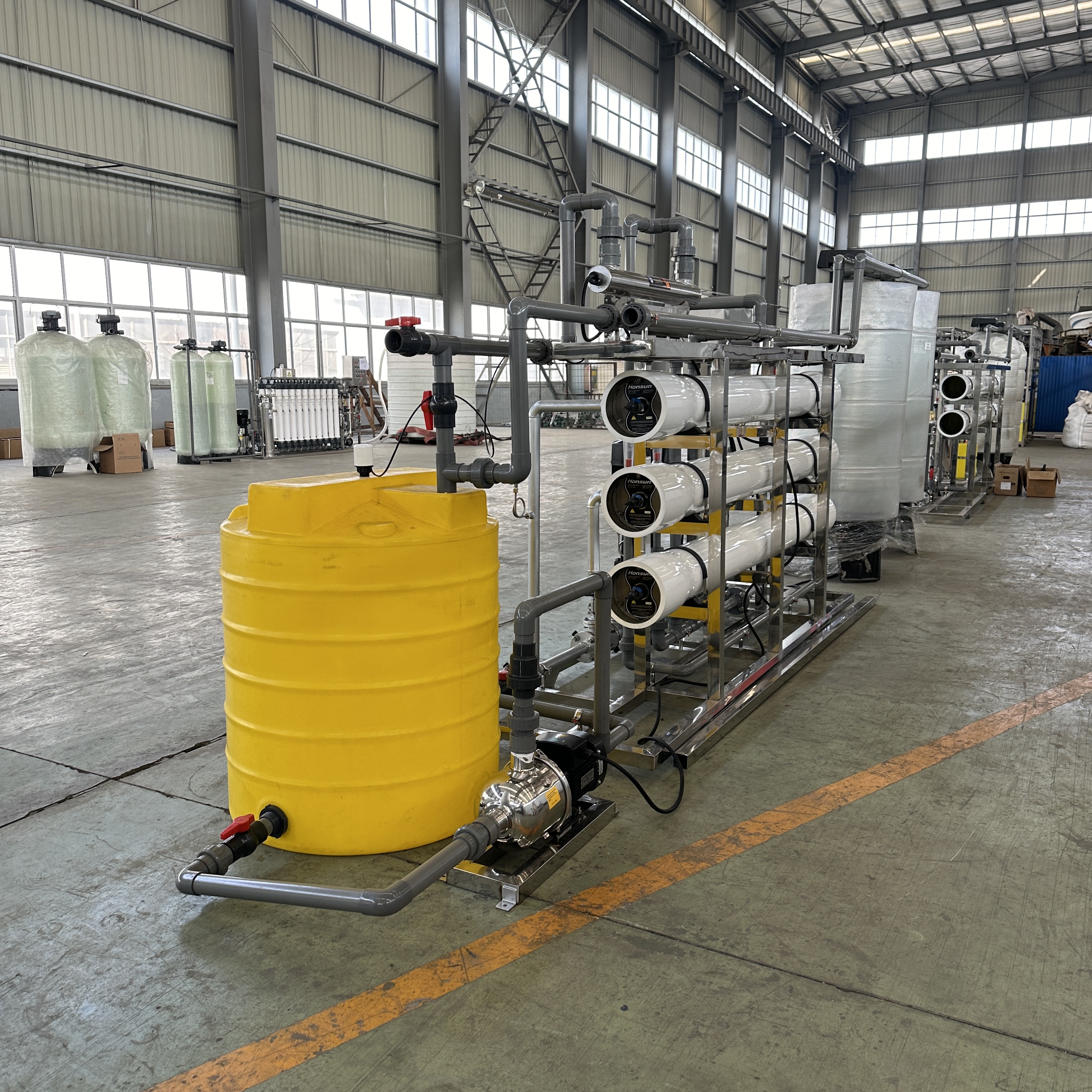
Industrial water treatment is a critical operational process that ensures water meets specific quality standards for manufacturing, cooling, processing, and discharge requirements. Every facility handling significant water volumes must understand the key stages of industrial water treatment to maintain equipment reliability, meet regulatory compliance, and optimize production efficiency. The industrial water treatment process involves multiple sequential phases, each targeting different contaminants and water quality parameters.
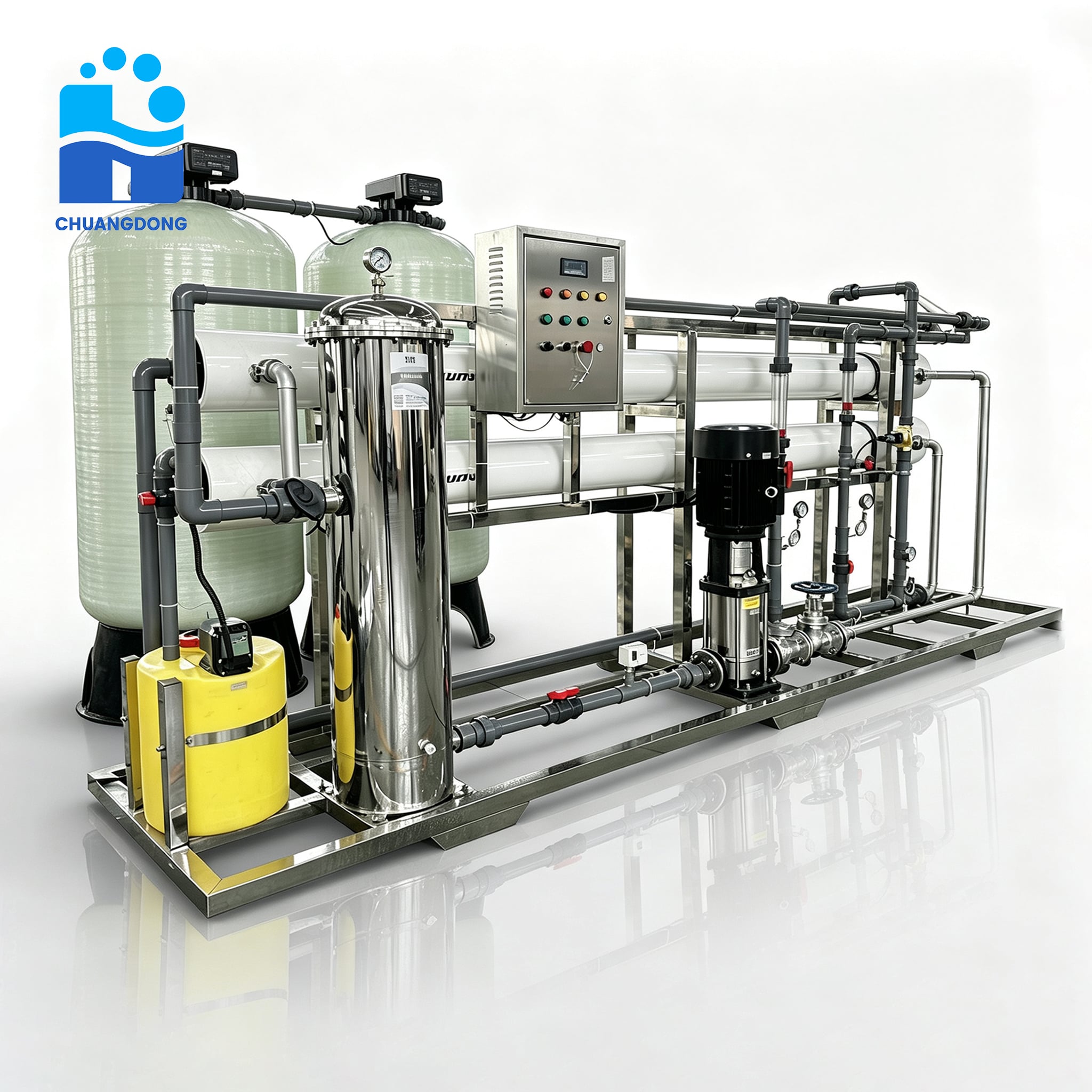
Understanding industrial water treatment requires recognizing that no single treatment method can address all contamination challenges. Industrial water treatment combines physical, chemical, and biological processes working together to transform raw water into process-ready or discharge-compliant water. This multi-stage approach protects equipment from scaling and corrosion while safeguarding the environment and supporting continuous operations.
Intake and Pre-treatment Screening
Raw Water Collection and Assessment
The first stage of industrial water treatment begins with raw water intake from surface sources, groundwater wells, or municipal supplies. Industrial water treatment facilities assess incoming water for turbidity, suspended solids, temperature, pH, and biological contamination. Proper assessment during this intake phase determines which industrial water treatment methods will be most effective and cost-efficient for downstream processes.
Mechanical Screening and Coarse Filtration
Mechanical screening is an essential early-stage component of industrial water treatment that removes large debris, sand, gravel, and particulate matter. Industrial water treatment operators use coarse mesh screens and settling tanks to prevent these materials from damaging pumps and valves. This initial filtration step significantly extends the operational life of more sophisticated industrial water treatment equipment and reduces maintenance frequency across the system.
Chemical Conditioning and Clarification
Coagulation and Flocculation Process
Chemical conditioning represents the core treatment stage where industrial water treatment introduces coagulants and flocculants to bind suspended particles into settleable solids. During this phase of industrial water treatment, ferric sulfate, aluminum sulfate, or polymer additives encourage fine particles and colloids to aggregate. Industrial water treatment operators carefully control pH and mixing intensity to optimize flocculation efficiency and ensure complete particle removal before the next treatment stage.
Sedimentation and Clarification
Sedimentation tanks allow flocculated particles to settle and separate from treated water in this critical stage of industrial water treatment. Industrial water treatment clarifiers work continuously to remove settled sludge while releasing clarified water for further treatment stages. Proper sedimentation tank design and maintenance directly impact the quality of water entering subsequent industrial water treatment processes like filtration and ion exchange.
Advanced Filtration and Polishing
Multimedia and Sand Filtration
Multimedia filters are a standard component of modern industrial water treatment systems that use layered media to remove remaining suspended solids, turbidity, and fine particles. Industrial water treatment through sand filtration typically achieves turbidity reduction to less than 1 NTU, preparing water for advanced industrial water treatment technologies. These filters require regular backwashing to maintain flow rates and treatment effectiveness throughout the operational cycle.
Activated Carbon Adsorption
Activated carbon filtration is frequently incorporated into industrial water treatment to remove dissolved organic compounds, chlorine, and odorous substances. Industrial water treatment systems using granular activated carbon (GAC) or powdered activated carbon (PAC) significantly improve water quality and protect downstream equipment from chemical contamination. This adsorption stage of industrial water treatment is particularly important for facilities requiring high-purity process water or sensitive cooling applications.
Ion Exchange and Softening
Ion exchange is a specialized stage of industrial water treatment that removes hardness-causing minerals like calcium and magnesium to prevent scale formation. Industrial water treatment systems use ion exchange resins to replace problematic ions with sodium or other acceptable alternatives. Proper regeneration and maintenance of ion exchange systems ensure consistent performance throughout the industrial water treatment cycle, reducing equipment failures and extending asset lifespan.
Advanced Membrane Processes
Reverse osmosis and ultrafiltration represent advanced industrial water treatment technologies that provide exceptional purity levels for demanding applications. Industrial water treatment using membrane systems removes virtually all dissolved solids, bacteria, viruses, and organic contaminants. These membrane-based approaches are increasingly common in pharmaceutical, semiconductor, and food manufacturing facilities requiring ultra-pure industrial water treatment outputs.
Final Conditioning and Discharge
pH Adjustment and Stabilization
Final pH adjustment is a critical industrial water treatment stage that ensures treated water remains stable and non-corrosive for equipment and pipes. Industrial water treatment operators add alkalinity or acid to achieve target pH ranges, typically between 6.8 and 7.2 for most applications. This final industrial water treatment conditioning prevents pipe corrosion, maintains material compatibility, and ensures compliance with discharge regulations.
Chlorination and Disinfection
Disinfection is the concluding stage of industrial water treatment that eliminates remaining pathogens, bacteria, and microorganisms before water enters the system or returns to the environment. Industrial water treatment systems may employ chlorination, ultraviolet light, ozonation, or oxidation processes depending on application requirements. Proper disinfection during industrial water treatment protects both facility personnel and the receiving environment from biological contamination.
FAQ
Why is multi-stage industrial water treatment necessary instead of single-method approaches?
Raw water contains diverse contaminants—suspended solids, minerals, organic compounds, and microorganisms—that require different removal mechanisms. Industrial water treatment combining mechanical, chemical, and biological methods addresses this contamination complexity more effectively and economically than any single technology. This comprehensive approach to industrial water treatment ensures consistent quality, extends equipment life, and maintains regulatory compliance across varying source water conditions.
How often should industrial water treatment equipment be maintained?
Maintenance frequency for industrial water treatment systems depends on source water quality, system design, and operational volume. Most industrial water treatment facilities perform filter backwashes daily or weekly, while ion exchange resin regeneration typically occurs every few weeks. Industrial water treatment operators should establish preventive maintenance schedules based on manufacturer recommendations, water quality monitoring data, and performance trends to maximize system reliability and minimize unplanned downtime.
What regulatory requirements apply to industrial water treatment discharge?
Industrial water treatment discharge regulations vary by location, industry, and receiving water body but typically address parameters like pH, turbidity, dissolved solids, and biological contaminants. Industrial water treatment facilities must comply with Clean Water Act requirements, state discharge permits, and local environmental standards. Regular testing and documentation of industrial water treatment performance ensure compliance and help facilities avoid regulatory penalties while protecting environmental quality.