 EN
EN



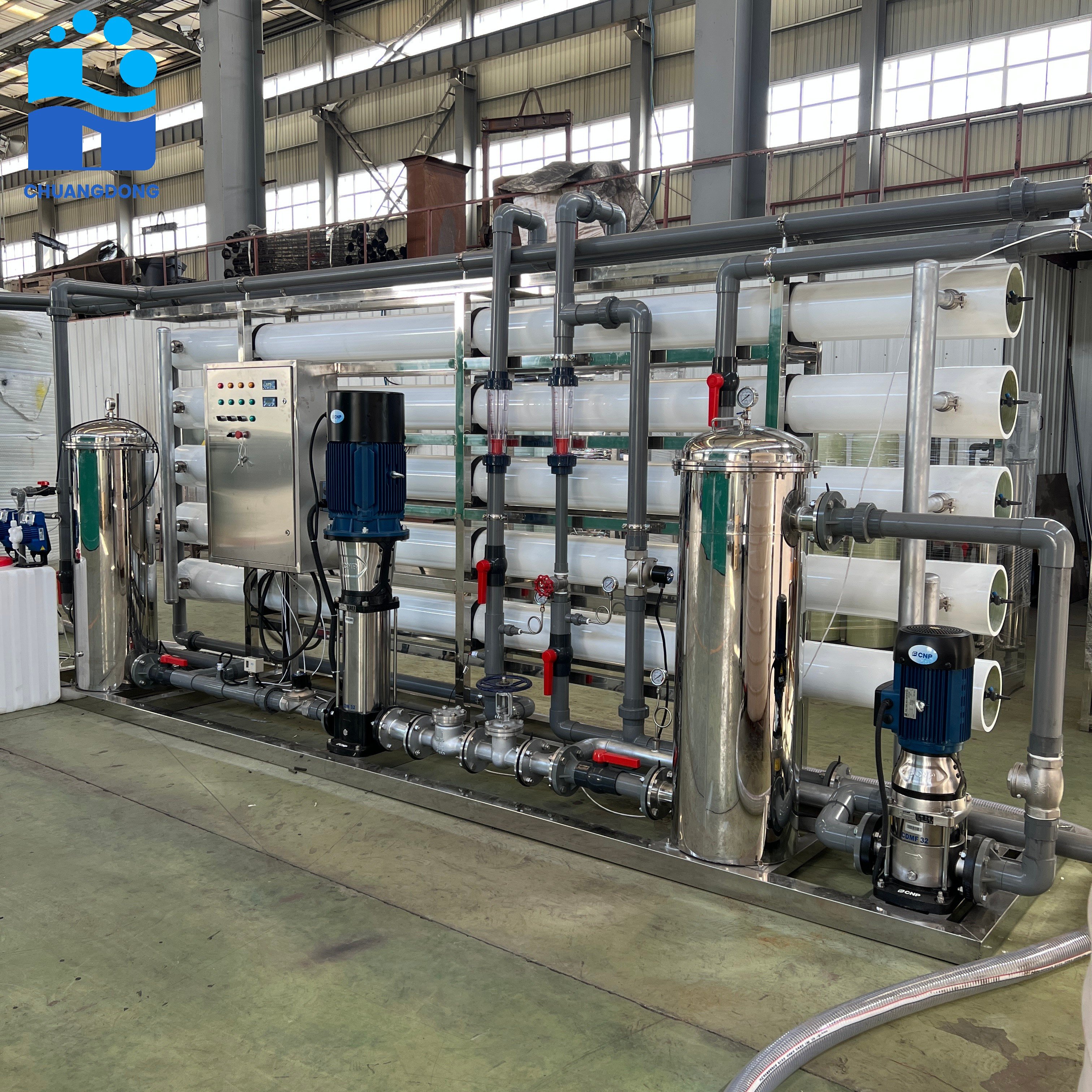
When facing freshwater scarcity, organizations and municipalities must decide between traditional water treatment plants and desalination systems. The choice between a water treatment plant vs desalination hinges on multiple factors including water source availability, capital investment, operational costs, environmental impact, and long-term sustainability goals. Understanding the strengths and limitations of each approach is essential for making an informed decision that aligns with your region's unique water challenges and economic constraints.
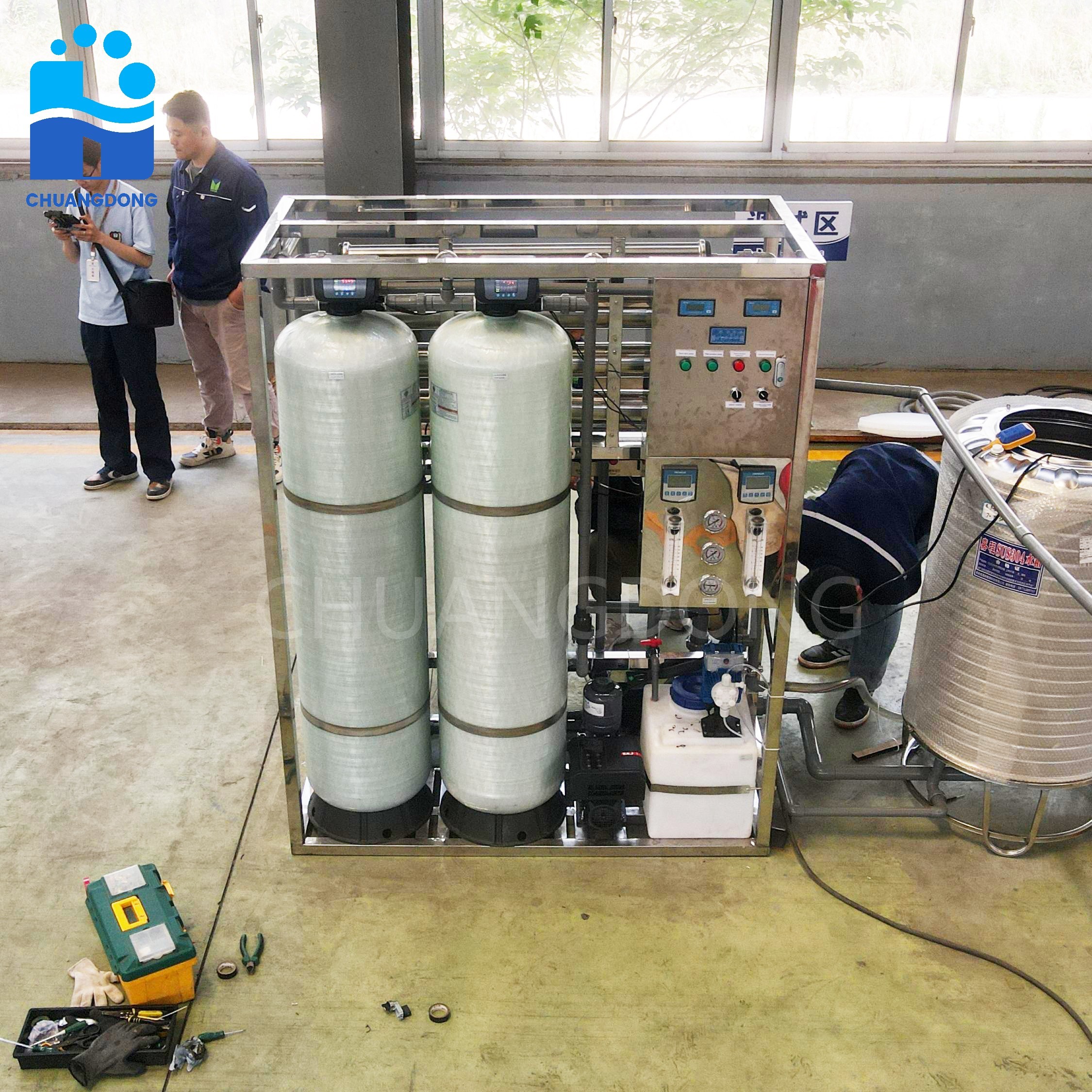
The debate over water treatment plant vs desalination has intensified as coastal regions and water-stressed areas seek viable solutions to meet growing demand. Both technologies serve fundamentally different purposes and operate under distinct economic models. A water treatment plant typically processes surface water or groundwater sources through chemical treatment, filtration, and disinfection, while desalination removes dissolved salts from seawater or brackish water through reverse osmosis, thermal evaporation, or distillation. The optimal choice depends on your available water sources, climate conditions, regulatory environment, and financial capacity.
Capital Investment and Initial Setup Costs
Water Treatment Plant Infrastructure Requirements
Establishing a water treatment plant involves substantial upfront expenditure for land acquisition, construction of treatment basins, installation of filtration systems, and chemical dosing infrastructure. Traditional water treatment plant vs desalination comparisons often reveal that treatment plants require less specialized technology than desalination systems, potentially reducing initial capital outlay. However, the location of the treatment facility must be positioned near reliable freshwater sources such as rivers, lakes, or accessible groundwater aquifers. Site selection, environmental impact assessments, and permitting processes can add months or years to project timelines, increasing soft costs.
Desalination System Installation Economics
Desalination infrastructure requires advanced reverse osmosis membranes, high-pressure pumps, pre-treatment systems, and brine management facilities. The water treatment plant vs desalination cost comparison typically shows that modern desalination plants command higher capital investment per unit capacity, often ranging from 1.5 to 2 times higher than conventional treatment facilities. However, desalination plants offer flexibility in location since they can operate adjacent to seawater or brackish water sources, avoiding long-distance pipeline infrastructure. Containerized water treatment plant vs desalination units can be deployed rapidly in remote areas, reducing project implementation timelines compared to permanent treatment facilities.
Operational Efficiency and Running Costs
Water Treatment Plant Operating Expenses
Once operational, a water treatment plant typically demonstrates lower ongoing energy consumption than desalination alternatives. Treatment plants rely primarily on gravity flow, sedimentation, and chemical reactions rather than high-pressure membrane processing. However, the water treatment plant vs desalination analysis must account for chemical costs, including coagulants, flocculants, pH adjusters, and chlorine or ozone for disinfection. Labor requirements for monitoring water quality, maintaining filtration media, and managing treated sludge contribute significantly to operational budgets. Seasonal variations in source water quality can necessitate adjustments to chemical dosing and treatment protocols, complicating cost predictability.
Desalination Operating Economics
Desalination systems demand substantial electrical energy to pressurize feed water through reverse osmosis membranes, with power consumption representing 40 to 60 percent of total operating costs. The water treatment plant vs desalination cost structure reveals that desalination offers advantages in regions with renewable energy availability, including solar and wind power integration. Pre-treatment chemicals and membrane replacement consumables constitute additional operational expenses. Brine disposal or valorization strategies add complexity and cost, though emerging technologies enable salt recovery and mineral extraction from concentrate streams. Energy-efficient desalination technologies and hybrid systems combining multiple processes can reduce operational spending compared to standalone reverse osmosis installations.
Water Quality, Source Reliability, and Environmental Considerations
Source Water Quality Impact on Treatment Approach
The choice between a water treatment plant vs desalination fundamentally depends on available water sources and their quality characteristics. Regions with abundant freshwater from rivers or groundwater benefit from traditional treatment infrastructure, which excels at removing turbidity, organic matter, and microbial contaminants through established methodologies. However, when freshwater sources become polluted, overallocated, or climatically unreliable, desalination becomes strategically necessary. Seawater's consistent composition and reliability as a water treatment plant vs desalination comparison factor make desalination attractive for coastal municipalities and industrial facilities seeking drought-proof supply. Groundwater resources suitable for conventional treatment often face depletion or saline intrusion in over-extracted aquifers, shifting the balance toward desalination adoption.
Environmental and Sustainability Implications
Water treatment plant vs desalination environmental impact assessment reveals distinct trade-offs between approaches. Treatment plants consume less energy but may affect riverine ecosystems through water extraction and altered streamflow patterns. Desalination eliminates concerns about freshwater depletion but generates concentrated brine streams requiring careful management to prevent marine ecosystem damage. Carbon footprint considerations increasingly favor desalination in regions transitioning to renewable energy, while water treatment plants maintain advantage in fossil fuel-dependent grids. Climate resilience emerges as a decisive factor, with desalination providing independence from precipitation patterns and surface water availability. Stakeholders evaluating water treatment plant vs desalination must weigh local environmental priorities, regulatory constraints, and long-term climate projections when selecting technology pathways.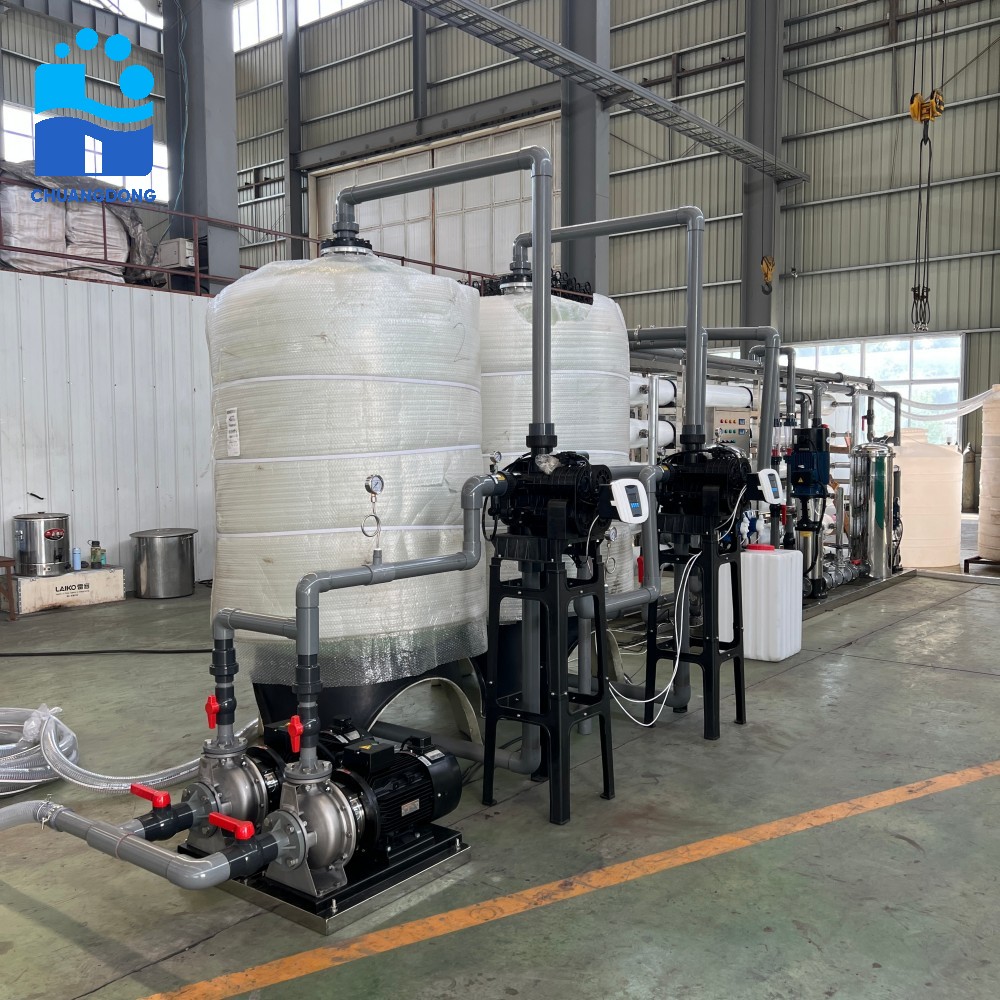
FAQ
Can a water treatment plant vs desalination be combined in a hybrid system?
Yes, hybrid systems combining water treatment plant vs desalination capabilities serve complementary functions effectively. Some facilities employ conventional treatment for freshwater sources during favorable seasons, then activate desalination capacity during drought periods or when freshwater quality deteriorates. This water treatment plant vs desalination integration approach optimizes costs by leveraging lower-cost conventional treatment while maintaining supply security through desalination backup. Hybrid configurations maximize water portfolio resilience and provide operational flexibility to respond to changing source conditions and demand fluctuations.
What factors make desalination preferable to a water treatment plant vs desalination comparison?
Desalination becomes the preferred choice in water treatment plant vs desalination decisions when coastal locations offer seawater access, renewable energy is abundant or affordable, traditional freshwater sources are depleted or degraded, and drought risk threatens conventional supply reliability. Industrial sectors like petrochemicals, thermal power generation, and food processing often select water treatment plant vs desalination systems favoring desalination for consistent product water quality and supply certainty. Regions experiencing severe groundwater saline intrusion or facing competition for surface water resources find desalination eliminates allocation conflicts inherent in conventional water treatment plant approaches.
How does climate change influence the water treatment plant vs desalination decision?
Climate change intensifies the water treatment plant vs desalination strategic choice by increasing precipitation variability, prolonging drought cycles, and threatening traditional freshwater source reliability. Desalination's independence from climate-dependent water sources positions it as climate adaptation infrastructure, though energy intensity remains a concern unless renewable resources are available. The water treatment plant vs desalination evaluation increasingly incorporates climate risk assessment, with forward-looking organizations selecting desalination or hybrid approaches to ensure supply security through anticipated hydroclimatic changes. Long-term infrastructure planning must factor climate projections into water treatment plant vs desalination feasibility analysis to avoid stranded assets or service interruptions.