 EN




Agricultural operations in coastal regions, arid climates, and areas with limited freshwater resources face a critical challenge: accessing reliable, clean water for irrigation and livestock operations. A brackish water RO system offers an effective solution by converting saline or moderately salty water into usable freshwater through reverse osmosis technology. Farmers and agribusinesses increasingly recognize that investing in a quality brackish water RO system can reduce operational costs, improve crop yields, and ensure long-term water security.
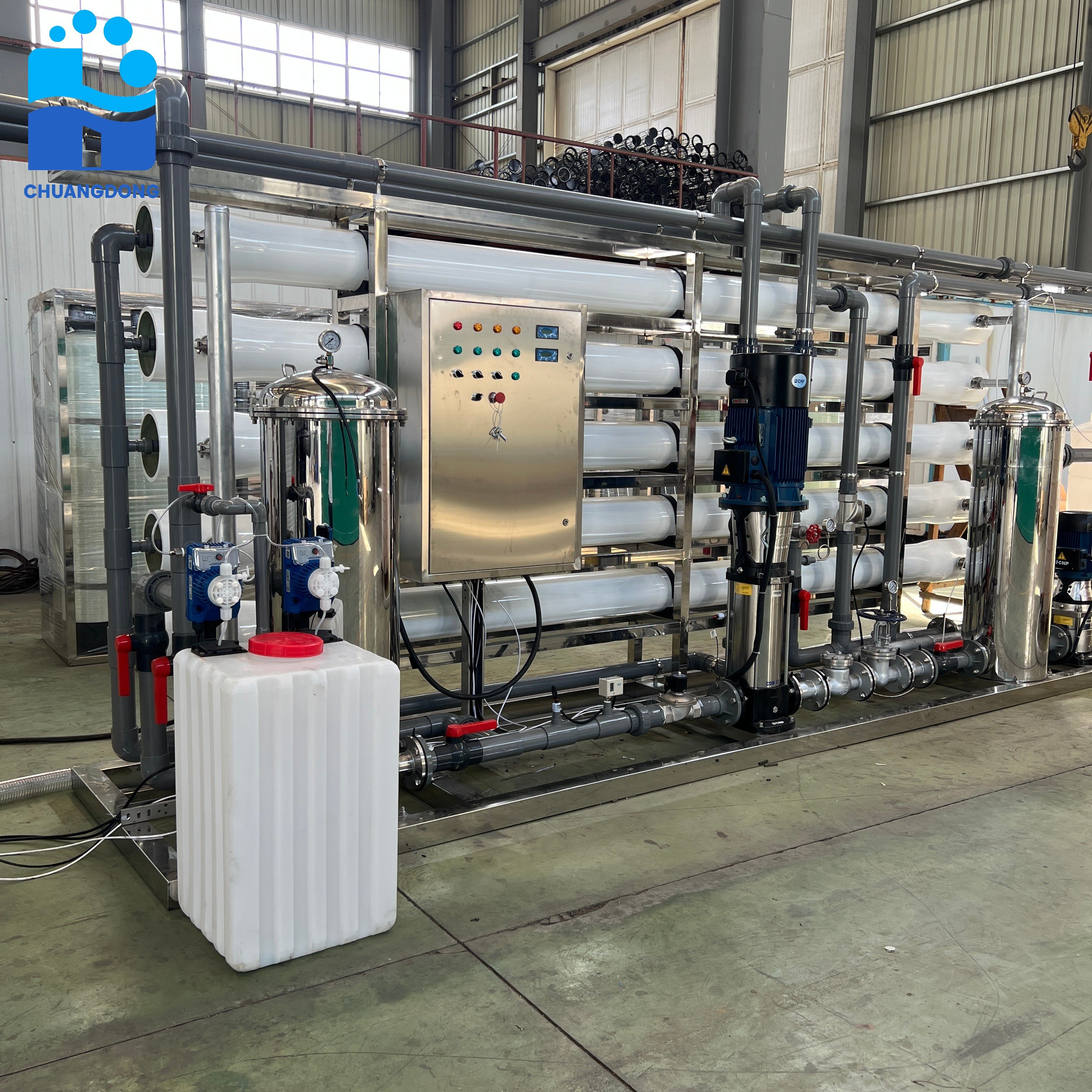
Selecting the right brackish water RO system requires understanding key performance metrics, filtration stages, capacity requirements, and maintenance demands. This review examines essential criteria that distinguish high-performing systems from average installations, helping agricultural operators make informed procurement decisions that align with their specific water quality conditions and production scale.
Core Features and Technical Specifications of Brackish Water RO Systems
Membrane Technology and Filtration Stages
A professional brackish water RO system employs multi-stage filtration to handle varying salinity levels and suspended solids. Most industrial-grade brackish water RO systems include pre-filtration stages—typically sand, carbon, and cartridge filters—that protect the reverse osmosis membrane from damage and premature fouling. The core reverse osmosis membrane operates under pressure, forcing water molecules through a semi-permeable barrier while rejecting dissolved salts, minerals, and contaminants. Quality brackish water RO systems often feature high-rejection membranes rated for 95–99% salt removal, ensuring water purity suitable for irrigation, greenhouse operations, and aquaculture applications.
Different membrane types suit different salinity ranges. A brackish water RO system designed for moderately saline water (salinity below 10,000 ppm) uses standard thin-film composite membranes, while highly saline applications may require specialized seawater-grade membranes or hybrid configurations. Advanced brackish water RO systems incorporate dual-membrane stages or booster pump configurations to maximize recovery rates while maintaining output quality, reducing waste and operational costs.
Capacity and Flow Rate Considerations
Capacity selection is critical when implementing a brackish water RO system. Agricultural water demand varies by crop type, climate, and season—irrigation requirements during peak summer may exceed winter demands by 300–500%. A properly sized brackish water RO system must balance peak-day requirements against average seasonal demand to avoid undersizing (creating production bottlenecks) or oversizing (reducing efficiency and increasing energy consumption). Typical agricultural brackish water RO systems range from 5,000 to 50,000 gallons per day, though larger installations serving regional cooperatives or agribusiness zones can exceed 100,000 gallons daily.
Flow rate directly affects system efficiency and recovery rate. A brackish water RO system with 75% recovery rate produces 75 gallons of permeate (product water) for every 100 gallons of source water processed, with 25 gallons discharged as concentrate. Lower-recovery systems waste more source water and require larger discharge management strategies, increasing overall environmental and operational burden.
Performance Evaluation and Operational Efficiency
Energy Consumption and Operating Costs
Energy represents a significant operational expense for any brackish water RO system. Reverse osmosis requires sustained high pressure—typically 225–400 psi depending on source water salinity—making pump efficiency and motor quality critical factors. An efficient brackish water RO system equipped with variable frequency drives (VFDs) and energy-optimized pumps can reduce electricity consumption by 20–30% compared to fixed-speed alternatives. For agricultural operations running systems 8–12 hours daily during growing seasons, this efficiency differential translates to substantial cost savings over a system's 10–15 year lifespan.
Brackish water RO system operators must also account for concentrate disposal or reuse strategies. Some advanced systems incorporate concentrate recycling loops or use reject water for non-irrigation applications, reducing waste and improving economic returns. Calculating true cost-per-gallon of treated water should include energy, maintenance, membrane replacement, chemical pretreatment, and concentrate handling—metrics that distinguish cost-effective brackish water RO systems from apparently cheaper alternatives with higher hidden operational expenses.
Maintenance Requirements and Reliability
A well-designed brackish water RO system reduces unplanned downtime through robust construction and manageable maintenance intervals. Pre-filter cartridges typically require replacement every 3–6 months depending on source water turbidity, while the core reverse osmosis membrane lasts 3–5 years with proper operation and chemical cleaning. Automated cleaning cycles, pressure gauges, and water quality monitoring instruments built into quality brackish water RO systems alert operators to performance degradation before costly failures occur.
Preventive maintenance protocols for a brackish water RO system include periodic sanitization, membrane integrity testing, and pump service scheduling. Agricultural operators benefit from systems that include user-friendly filter housings, accessible cartridge replacements, and clear maintenance documentation. Reliable brackish water RO system suppliers provide local technical support and maintain spare parts inventories to minimize downtime during peak irrigation seasons when water treatment reliability directly impacts crop production and financial outcomes.
Installation Considerations and Agricultural Application Fit
Site Assessment and Water Quality Analysis
Before installing a brackish water RO system, comprehensive water quality testing determines system specifications and pretreatment requirements. Source water analysis should measure total dissolved solids (TDS), salinity, pH, turbidity, iron content, hardness, and biological contaminants. These parameters directly influence the design of an effective brackish water RO system—high iron concentrations require additional pre-filtration, acidic water demands pH adjustment, and high turbidity necessitates coarser initial filtration stages. Site assessments also evaluate electrical infrastructure, plumbing configuration, discharge options, and environmental conditions to ensure optimal brackish water RO system placement and integration into existing agricultural water systems.
Integration with Existing Agricultural Infrastructure
Successful brackish water RO system deployment integrates seamlessly with existing irrigation networks, storage tanks, and distribution systems. A well-planned brackish water RO system feeds treated water into elevated storage tanks or directly into mainline distribution, allowing gradual blending with existing freshwater sources if desired. Agricultural operators may phase system implementation, starting with pilot installations on high-value crops or sensitive operations before scaling to full-farm deployment. Flexible brackish water RO system designs accommodate variable input water quality, seasonal flow rate changes, and future capacity expansion without requiring complete replacement or major infrastructure modification.
Storage and buffer tank sizing influences system reliability and operational flexibility. A brackish water RO system producing water during off-peak electricity hours can store output in appropriately sized reservoirs, reducing peak-demand energy consumption and providing contingency reserves during equipment maintenance. Agricultural operations with multiple water sources benefit from brackish water RO systems that allow source selection—switching between groundwater, surface water, and recycled irrigation runoff depending on quality and availability—maximizing treatment efficiency and water security.
FAQ
What salinity levels can a brackish water RO system handle effectively?
Most agricultural brackish water RO systems are designed for source water with salinity between 1,500 and 10,000 ppm (parts per million), which covers typical brackish groundwater and coastal agricultural regions. Some specialized brackish water RO systems handle higher salinity up to 15,000 ppm, though these require more robust membrane types, higher operating pressures, and correspondingly greater energy consumption. Water quality testing before system selection ensures proper brackish water RO system sizing and realistic performance expectations for your specific source water conditions.
How often does a brackish water RO system require membrane replacement?
Reverse osmosis membranes in a quality brackish water RO system typically last 3–5 years, though this depends heavily on source water quality, pretreatment effectiveness, and operational practices. Agricultural operations maintaining proper pre-filtration, regular cleaning, and operating parameters within design specifications often achieve 5-year membrane life, reducing per-year treatment costs. High turbidity or biologically active source water may shorten brackish water RO system membrane lifespan to 2–3 years, making robust pretreatment and preventive maintenance essential investments.
Can a brackish water RO system work with recycled agricultural runoff or wastewater?
Yes, advanced brackish water RO systems can treat recycled irrigation runoff and agricultural wastewater, but this requires additional pretreatment stages to remove suspended solids, sediment, agricultural chemicals, and biological contaminants before reaching the reverse osmosis membrane. A brackish water RO system designed for recycled water typically includes enhanced filtration, UV disinfection, or chemical treatment stages upstream of the core reverse osmosis unit. Such configurations enable circular water economy applications where treated water returns to irrigation while concentrate receives appropriate disposal or beneficial reuse, maximizing agricultural water sustainability.