 EN



Brackish water treatment is a critical process for industries operating in coastal regions, agricultural zones, or areas with saline groundwater contamination. Brackish water treatment transforms water with salt concentrations between freshwater and seawater into usable industrial or potable supplies. Understanding the fundamentals of brackish water treatment helps facilities reduce operational costs, meet environmental regulations, and secure reliable water sources for manufacturing, cooling, irrigation, and drinking purposes.
The complexity of brackish water treatment varies based on salinity levels, contaminant profiles, and end-use requirements. Modern brackish water treatment approaches combine pre-treatment, membrane separation, and post-treatment stages to achieve consistent quality. This step-by-step guide walks through the essential phases, technologies, and decision points involved in selecting and implementing an effective brackish water treatment solution for your operation.
Understanding Brackish Water Quality and Pretreatment Needs
Assessing Salinity and Contaminant Profiles
Before designing any brackish water treatment system, you must characterize the source water. Brackish water treatment begins with comprehensive water testing to measure total dissolved solids (TDS), chloride content, hardness, pH, turbidity, and organic matter. TDS in brackish water typically ranges from 1,000 to 15,000 mg/L, distinguishing it from freshwater below 1,000 mg/L and seawater above 30,000 mg/L. Understanding these parameters directly determines which brackish water treatment technologies will be most efficient and cost-effective.
Seasonal variations in water composition also matter significantly for brackish water treatment design. Some sources exhibit higher iron, manganese, or silica levels during certain months, requiring flexible pretreatment capabilities. Conducting at least three months of baseline water quality monitoring ensures your brackish water treatment system handles real variability rather than idealized averages.
Pretreatment Stage Design
Effective brackish water treatment always includes pretreatment to protect downstream equipment and maximize recovery rates. Pretreatment for brackish water treatment typically involves sediment filtration, coagulation or flocculation, and cartridge filtering to remove particles, colloids, and organic matter that could foul membranes. Sand filtration and multimedia filters reduce turbidity to below 1 NTU, a critical threshold for successful brackish water treatment.
Chemical dosing during brackish water treatment pretreatment reduces scaling and biofouling risks. Antiscalant injection prevents calcium carbonate and silica buildup inside membrane elements, extending membrane life and improving the reliability of your brackish water treatment operation. pH adjustment in pretreatment stages also enhances the efficiency of subsequent brackish water treatment processes.
Core Brackish Water Treatment Technologies and Implementation
Reverse Osmosis as Primary Treatment
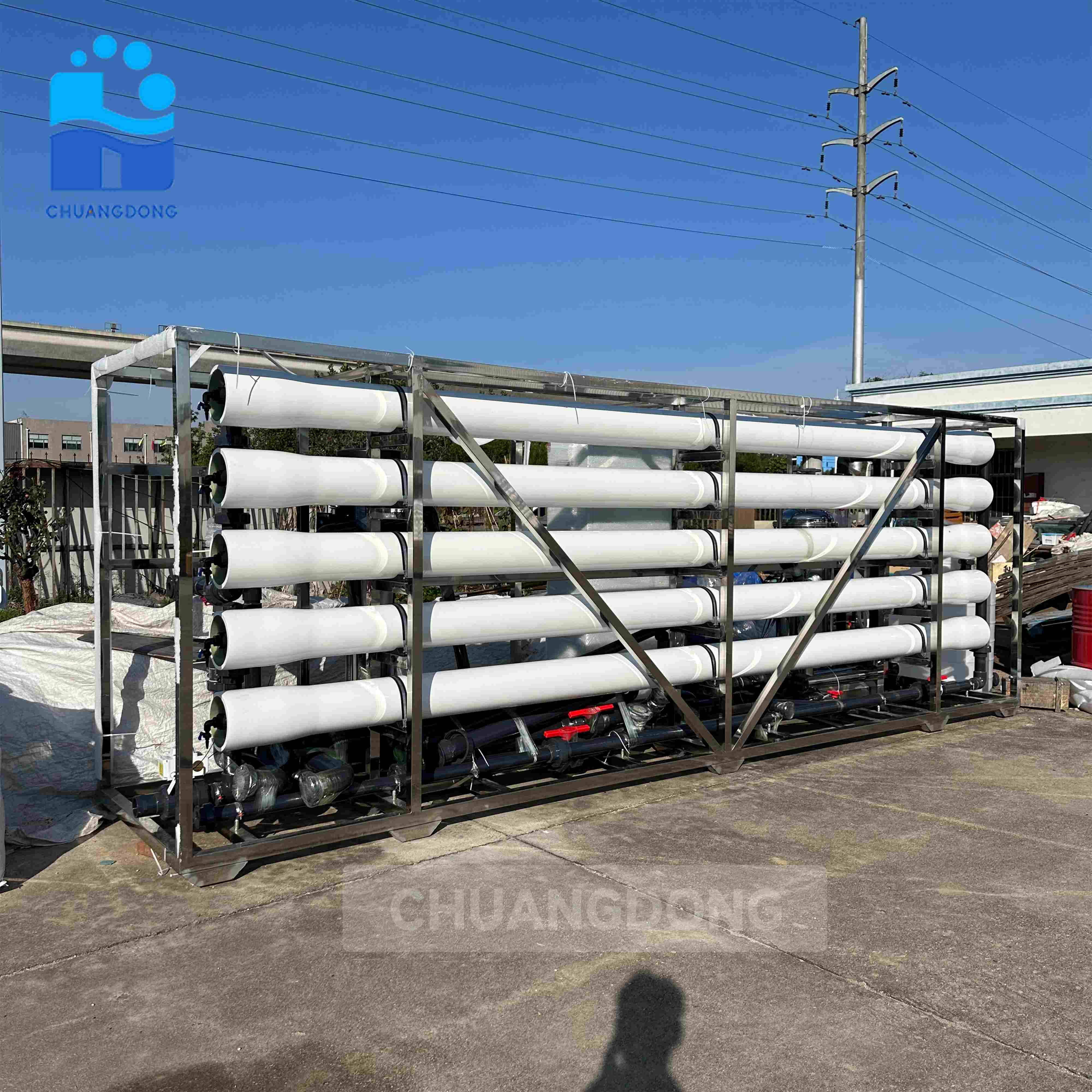
Reverse osmosis stands as the industry standard for brackish water treatment because it effectively removes dissolved salts, minerals, and many contaminants simultaneously. Brackish water treatment using reverse osmosis operates by applying hydraulic pressure to force water molecules through a semipermeable membrane, leaving behind concentrated reject water containing salts and other dissolved solids. For brackish water treatment applications, system recovery rates typically range from 70 to 85 percent, meaning 70 to 85 percent of incoming water becomes purified product.
Selecting the right membrane configuration for your brackish water treatment setup depends on salinity level, temperature, and production requirements. Single-stage brackish water treatment systems work well for moderate salinity levels, while higher-salinity sources may require two-stage brackish water treatment configurations to achieve production targets and maintain operational efficiency. Membrane element selection, spiral-wound versus hollow-fiber designs, influences both initial costs and long-term performance of brackish water treatment installations.
Post-Treatment and Water Quality Stabilization
Brackish water treatment does not end when water exits the membrane. Post-treatment for brackish water treatment includes pH adjustment, mineral remineralization, and disinfection to produce water suitable for its intended use. Brackish water treatment permeate naturally becomes slightly acidic due to carbon dioxide absorption, requiring pH correction before distribution to prevent corrosion in pipes and equipment.
Many brackish water treatment systems add calcium chloride or calcite contactors to increase alkalinity and stabilize pH for potable applications. Disinfection through chlorination, ultraviolet light, or ozonation ensures that treated water from your brackish water treatment system remains microbiologically safe during storage and distribution. These final steps transform raw permeate into water meeting all regulatory and operational standards.
Operational Management and Performance Optimization of Brackish Water Treatment Systems
Monitoring and Maintenance Protocols
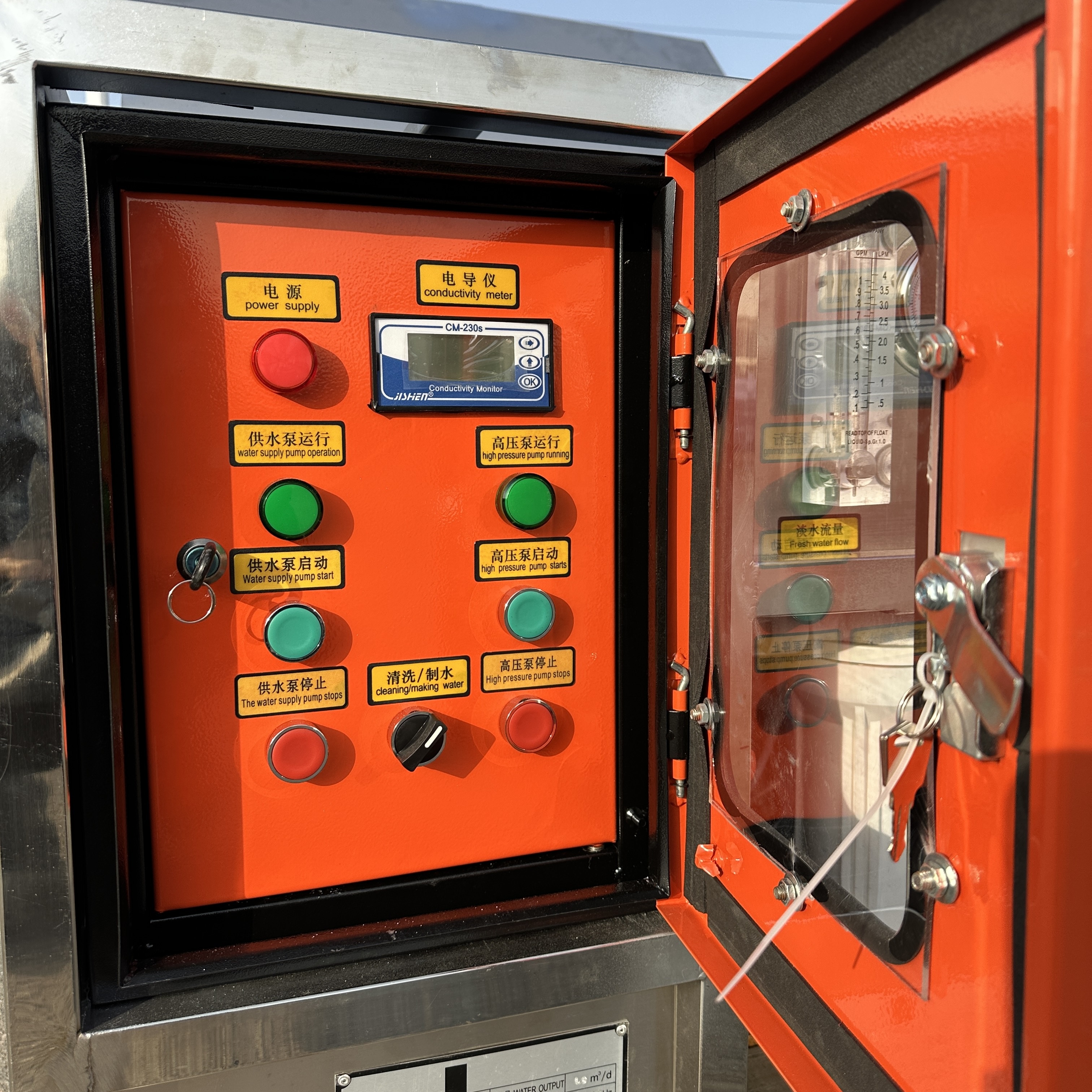
Successful long-term operation of brackish water treatment equipment requires disciplined monitoring and preventive maintenance. Daily brackish water treatment checks should include pressure readings, flow rates, permeate quality measurements, and reject stream observations. Brackish water treatment operators must track differential pressure across pretreatment stages and membrane elements to detect filter saturation or membrane fouling before performance degrades significantly.
Membrane replacement represents one of the largest operating expenses in brackish water treatment systems, typically occurring every three to five years depending on feed water quality and operating pressure. Planned membrane replacement during brackish water treatment maintenance cycles prevents unexpected downtime and ensures consistent water quality. Quarterly cleaning of membrane elements prolongs their service life and maintains recovery rates throughout the brackish water treatment system lifecycle.
Troubleshooting Common Brackish Water Treatment Challenges
Declining permeate flow rate signals membrane fouling in your brackish water treatment setup, requiring investigation and corrective action. Brackish water treatment operators should review pretreatment performance, check antiscalant dosing accuracy, and verify that cartridge filters received timely replacement. If physical and chemical cleaning restore only partial flow restoration in brackish water treatment systems, membrane replacement becomes necessary.
Rising reject pressure without corresponding changes in production rate indicates scaling within the concentrate line of your brackish water treatment system. Adjusting system recovery rates downward, increasing antiscalant dosage, or implementing cartridge filter changes can resolve this brackish water treatment issue. Temperature fluctuations also affect brackish water treatment performance because membrane permeability changes with water temperature, requiring flow-rate adjustments during seasonal variations.
FAQ
What is the typical recovery rate for a brackish water treatment system?
Standard brackish water treatment systems achieve recovery rates between 70 and 85 percent, meaning the system produces usable water from 70 to 85 percent of the incoming feed. Recovery rates depend on feed water salinity, membrane configuration, and system design pressure. Higher-salinity sources or higher production targets may reduce recovery percentages in brackish water treatment installations.
How often should membranes be replaced in brackish water treatment equipment?
Membrane replacement in brackish water treatment systems typically occurs every three to five years, depending on source water quality, operating conditions, and maintenance effectiveness. Regular chemical cleaning and proper pretreatment extend membrane life significantly. Some brackish water treatment operations achieving excellent pretreatment may extend membrane service life beyond five years, while challenging feed waters may require replacement every two to three years.
Can brackish water treatment systems handle seasonal water quality variations?
Yes, well-designed brackish water treatment systems accommodate seasonal variations through flexible operation and preventive maintenance. Adjusting pretreatment chemical dosages, modifying system recovery rates, and scheduling cartridge filter replacements before peak contamination periods help brackish water treatment installations maintain consistent performance year-round. Regular water quality monitoring informs these adjustments throughout the brackish water treatment system operating cycle.