Industrial Water Softener System - Advanced Solutions for Commercial Water Treatment

Get a Free Quote

Our representative will contact you soon.
Email
Name
Company Name
Message
0/1000

industrial water softener system

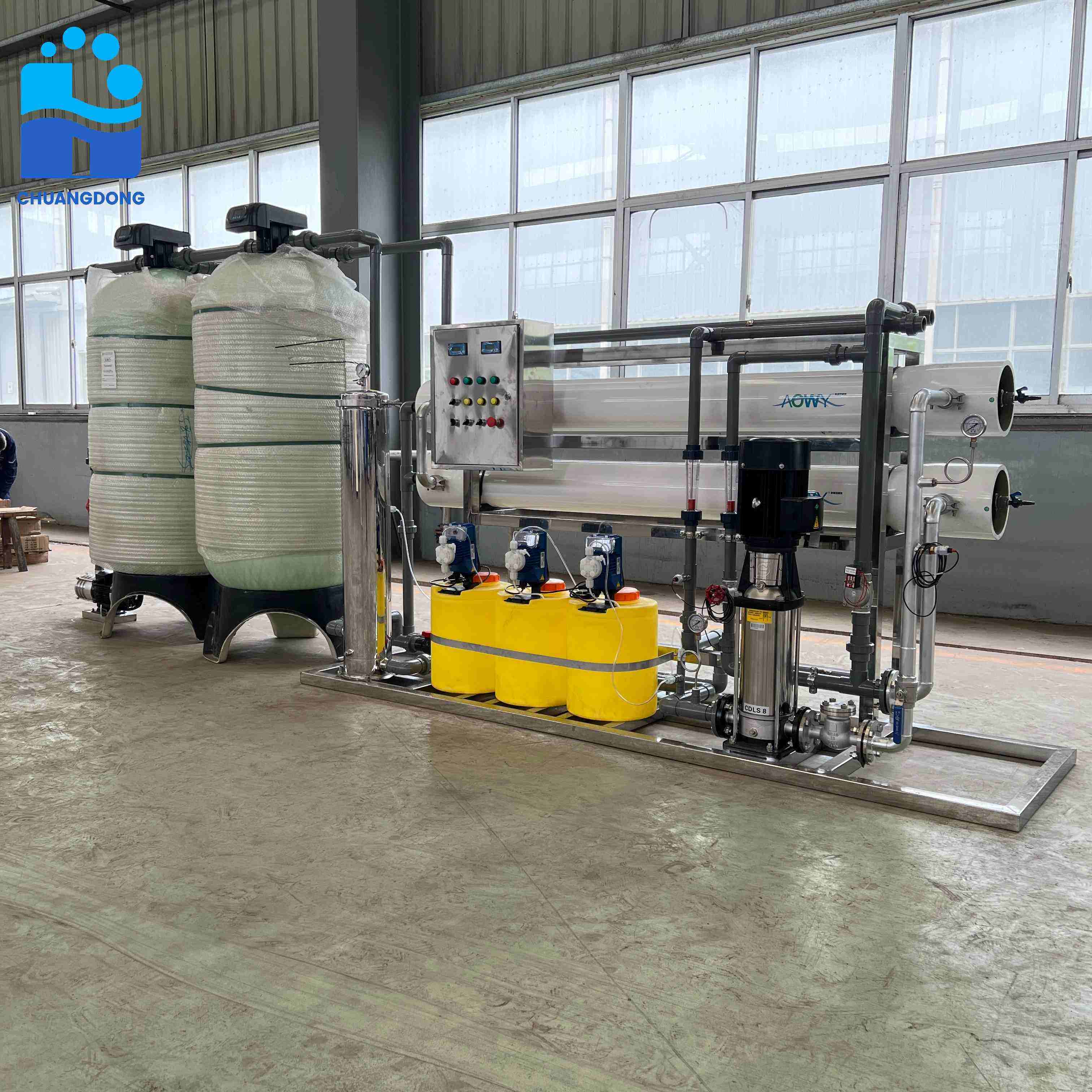
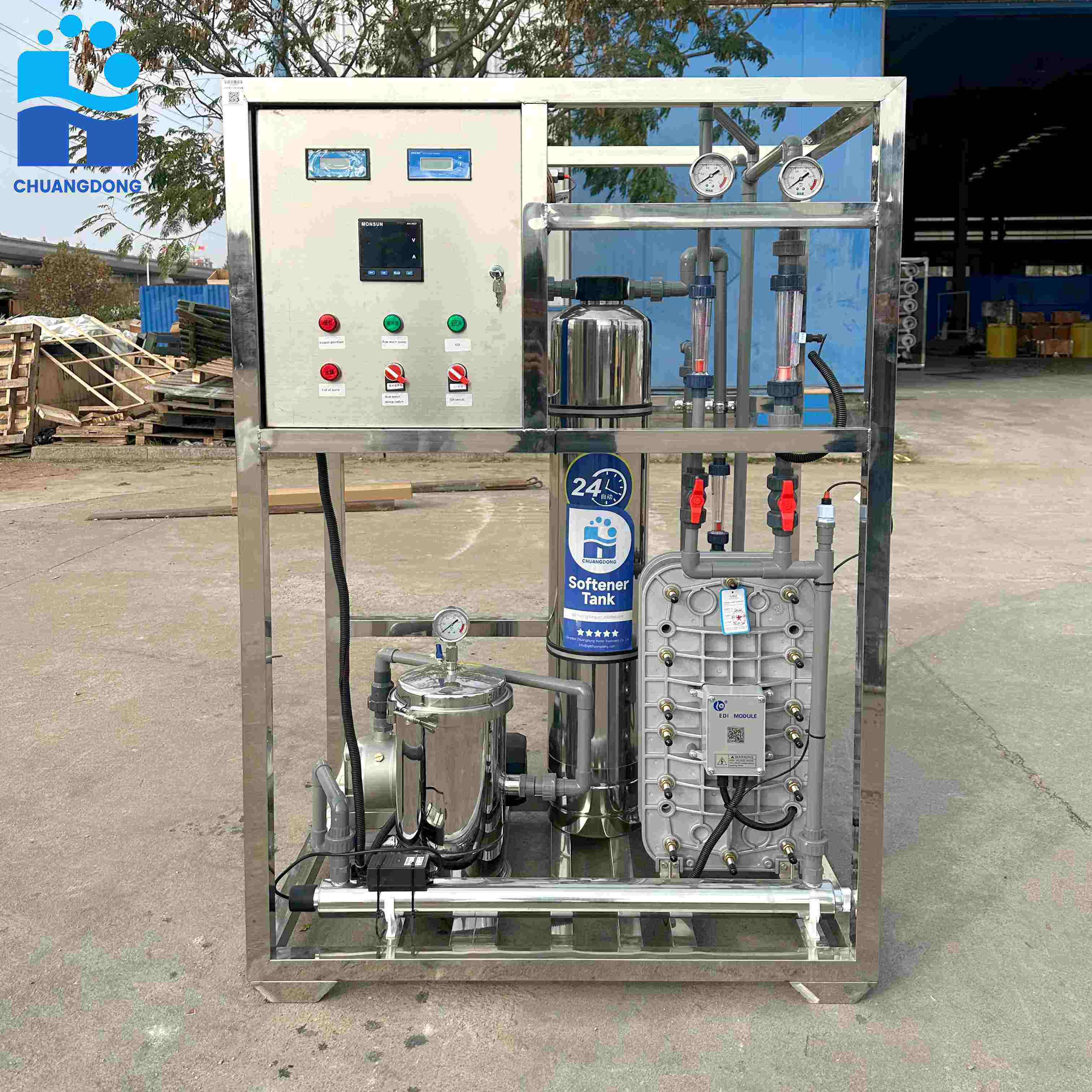
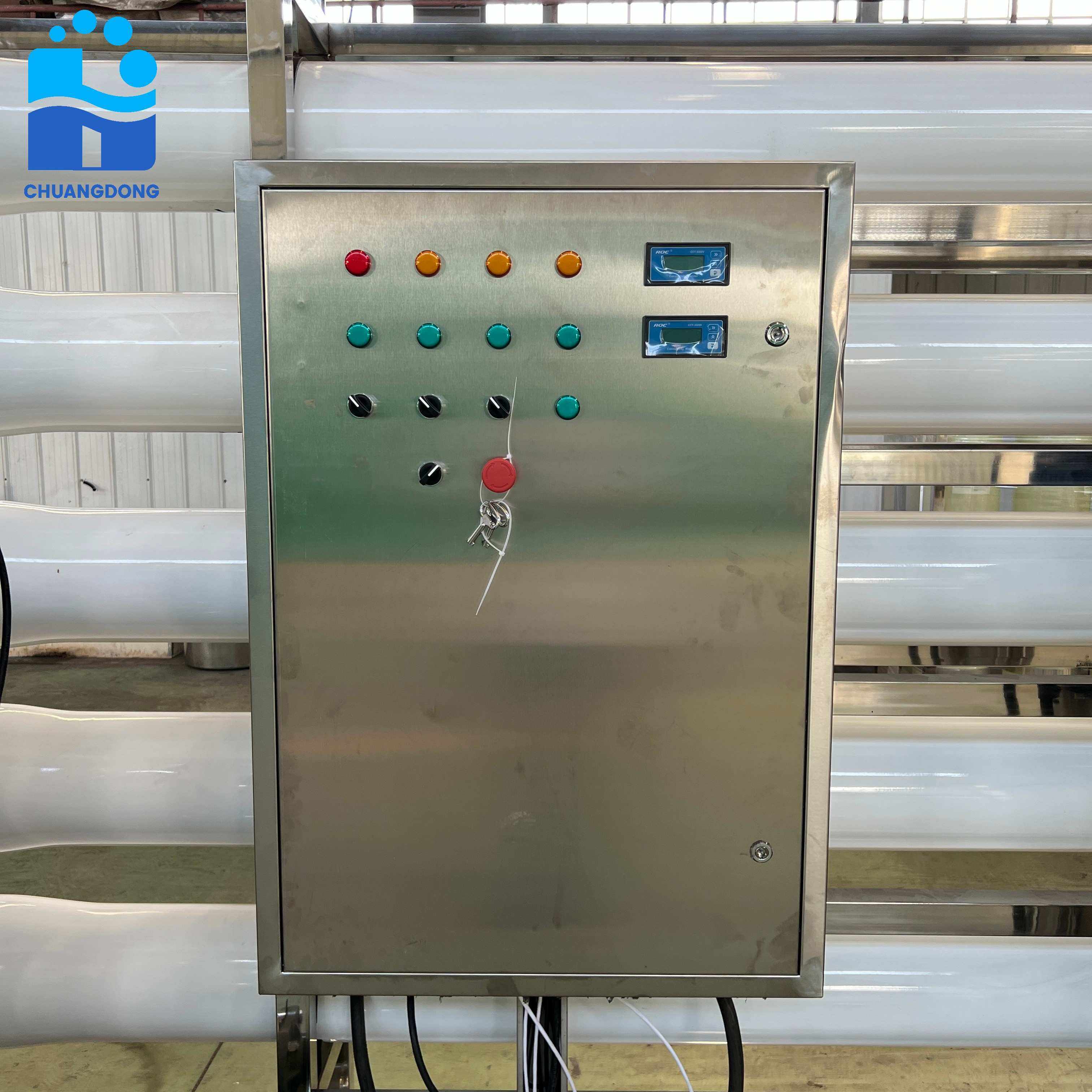
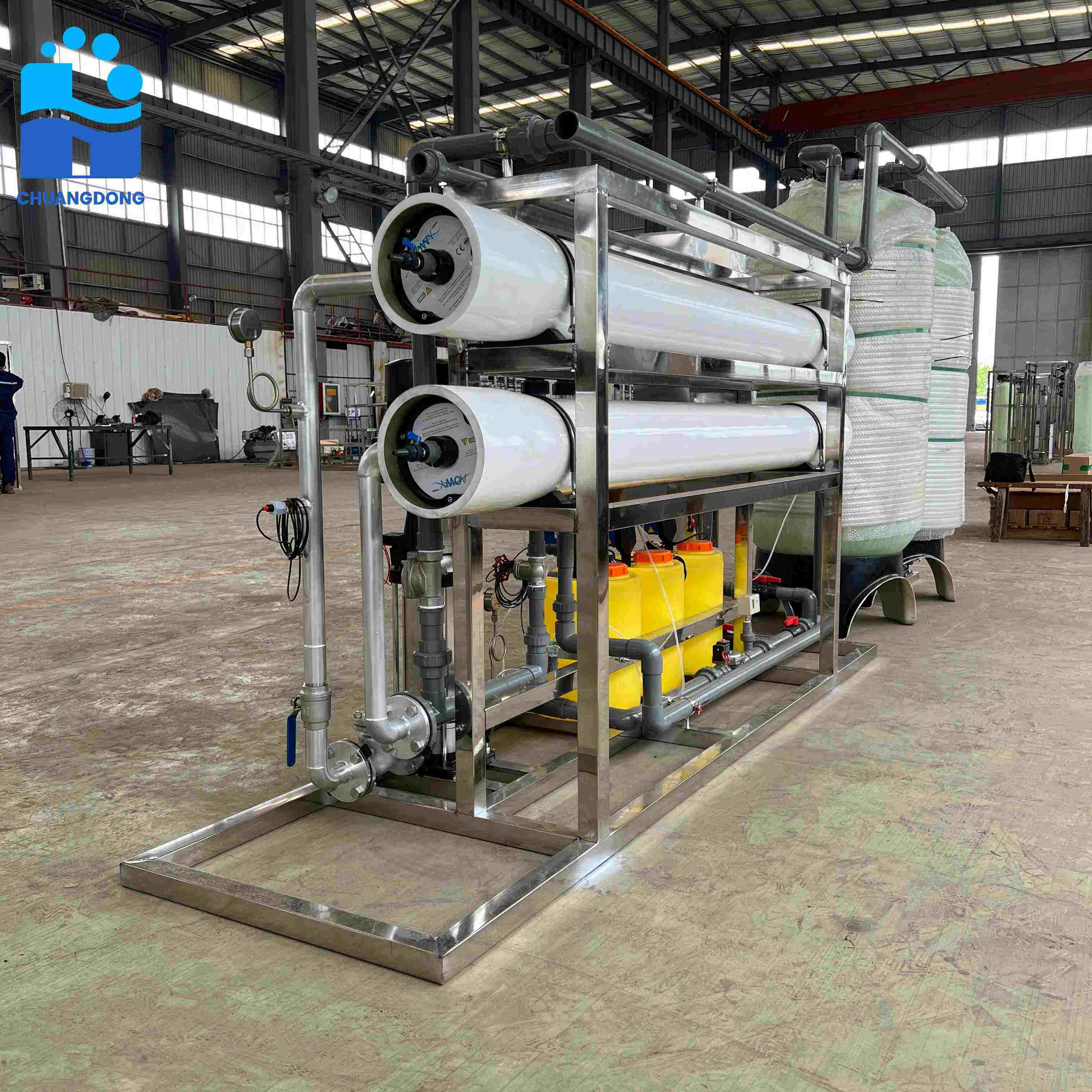
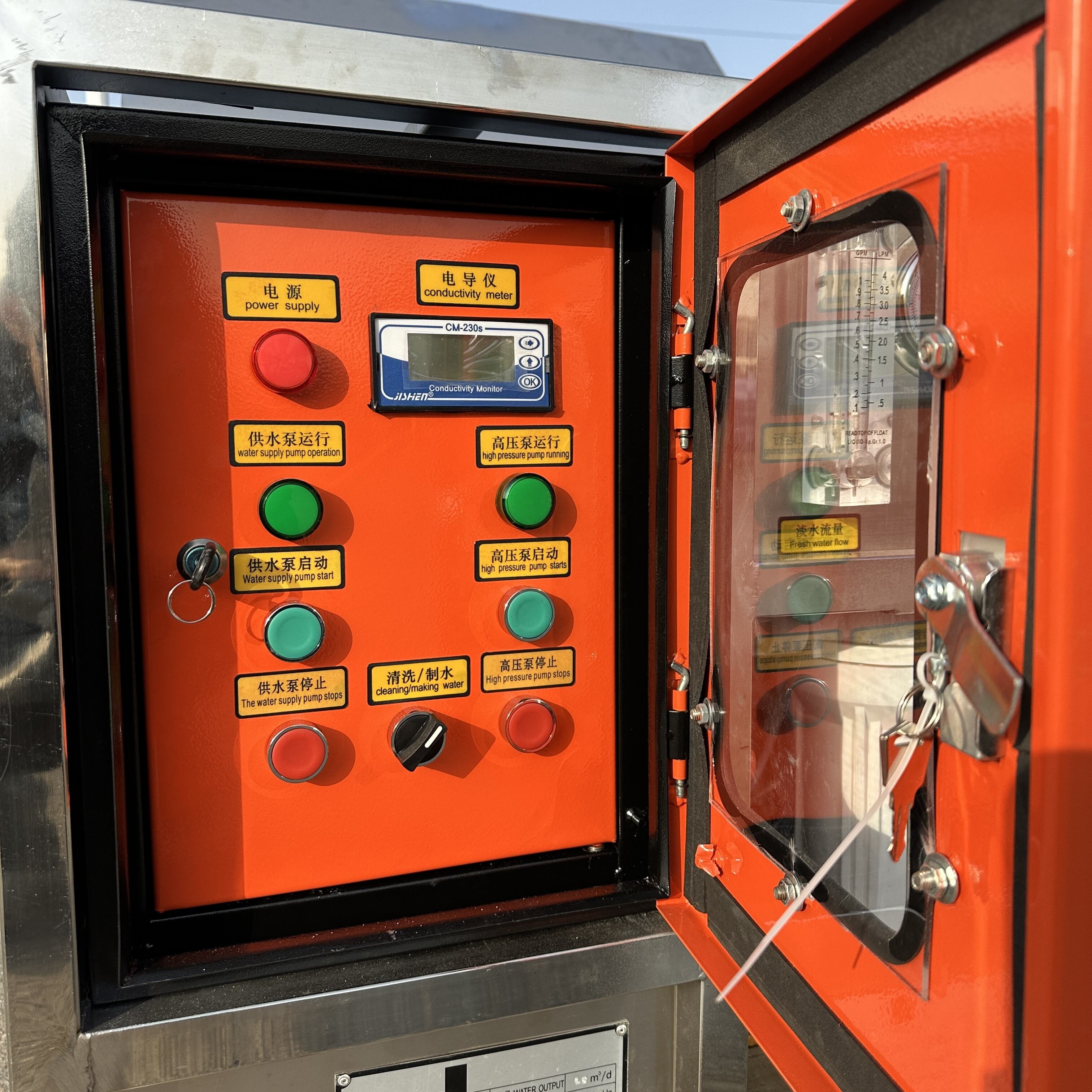
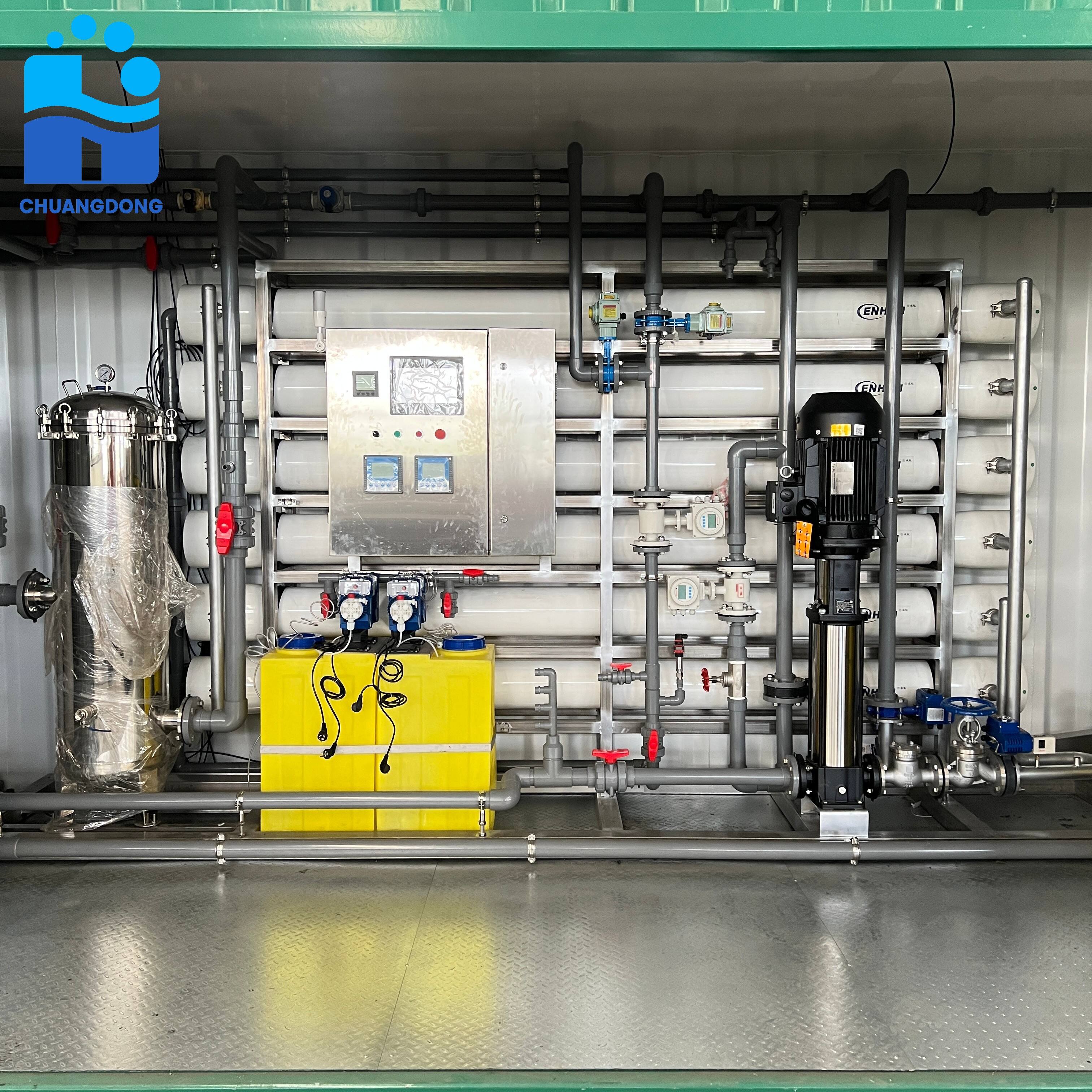
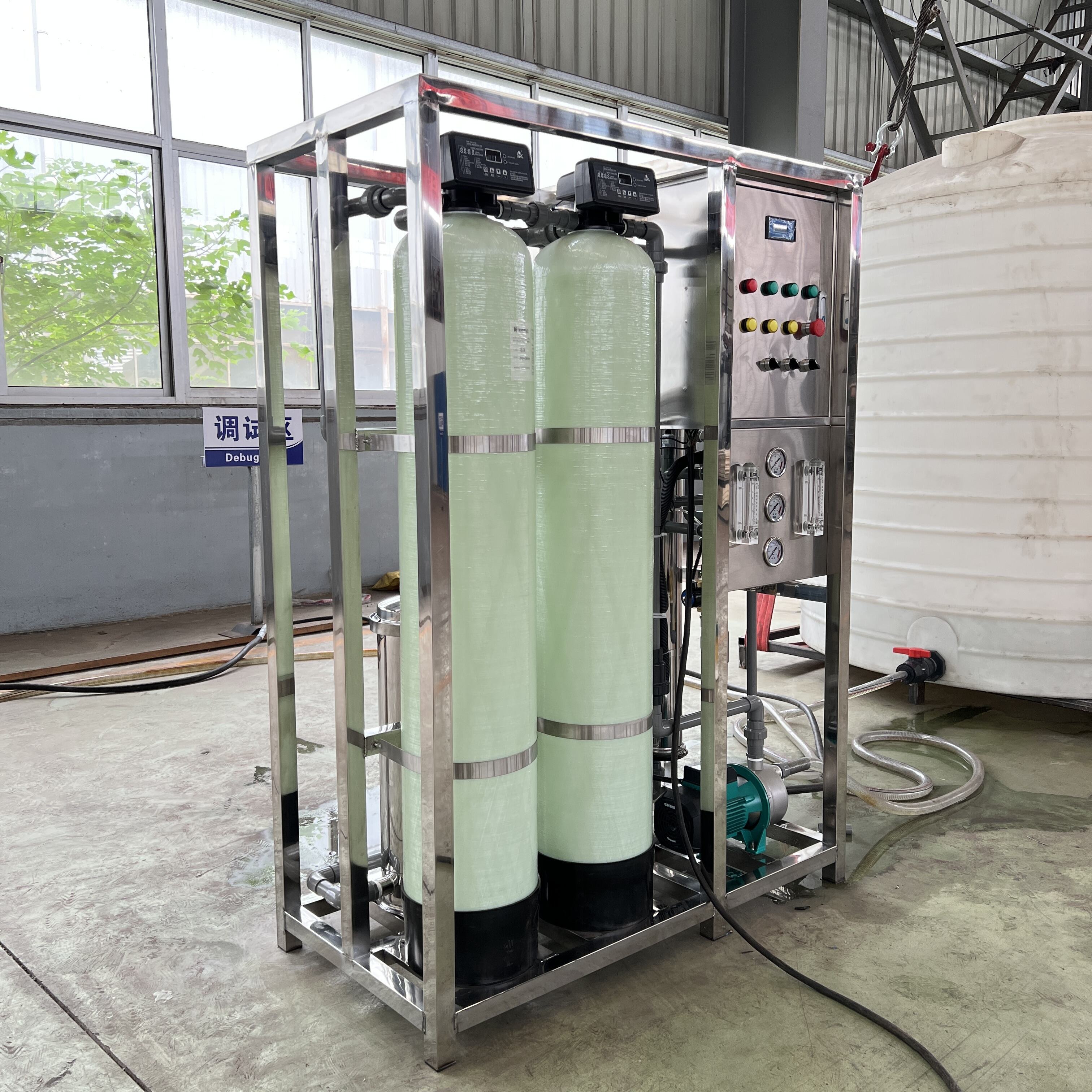
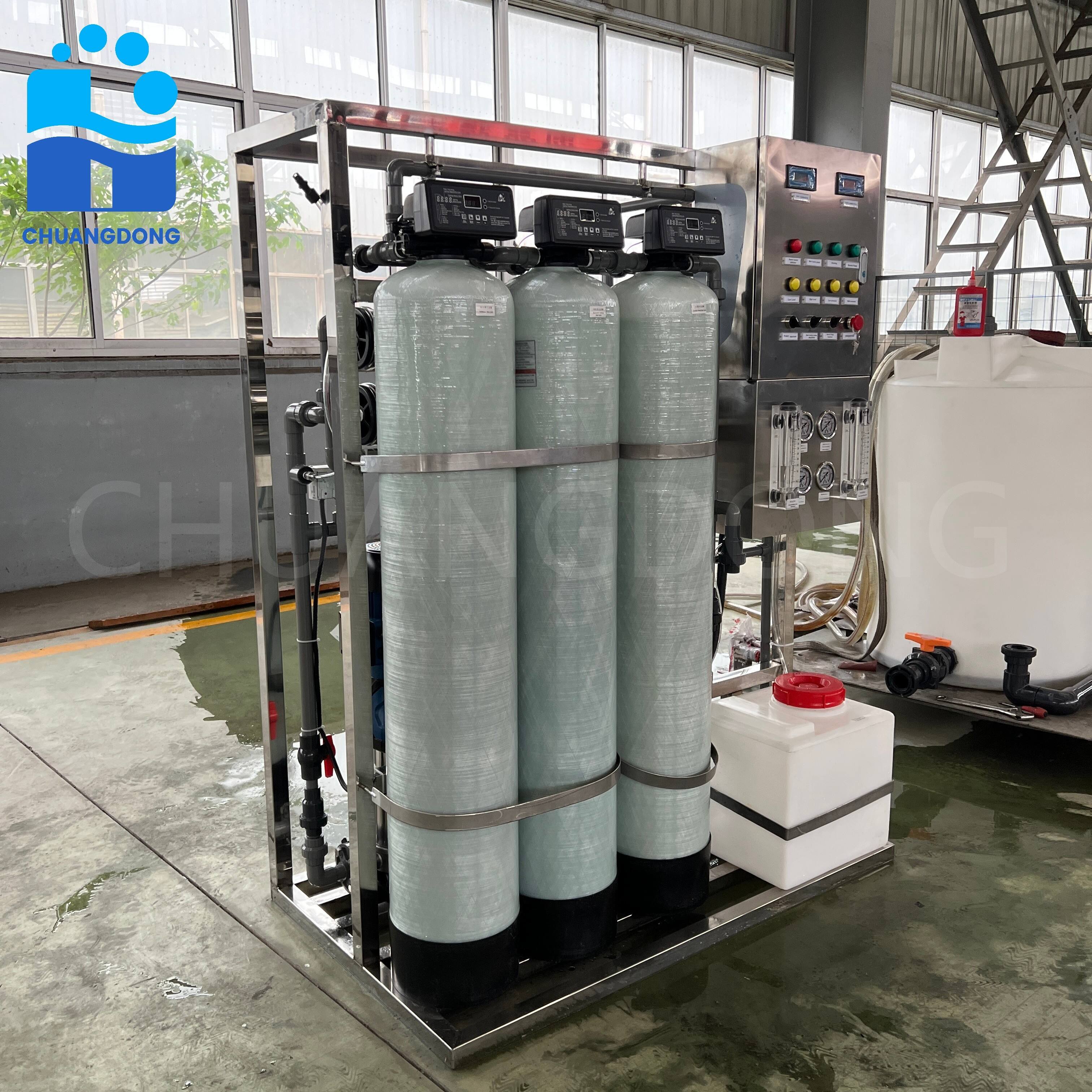
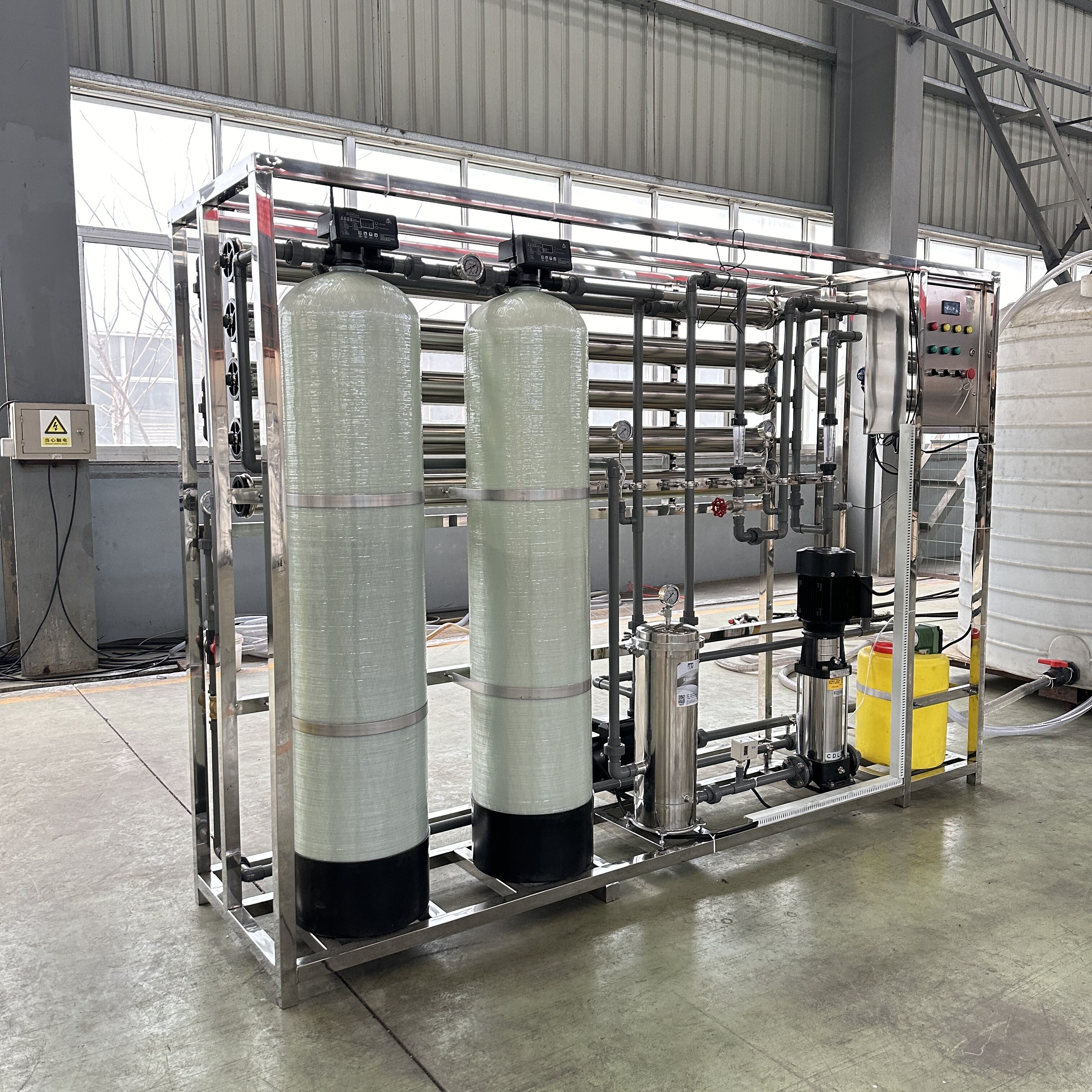
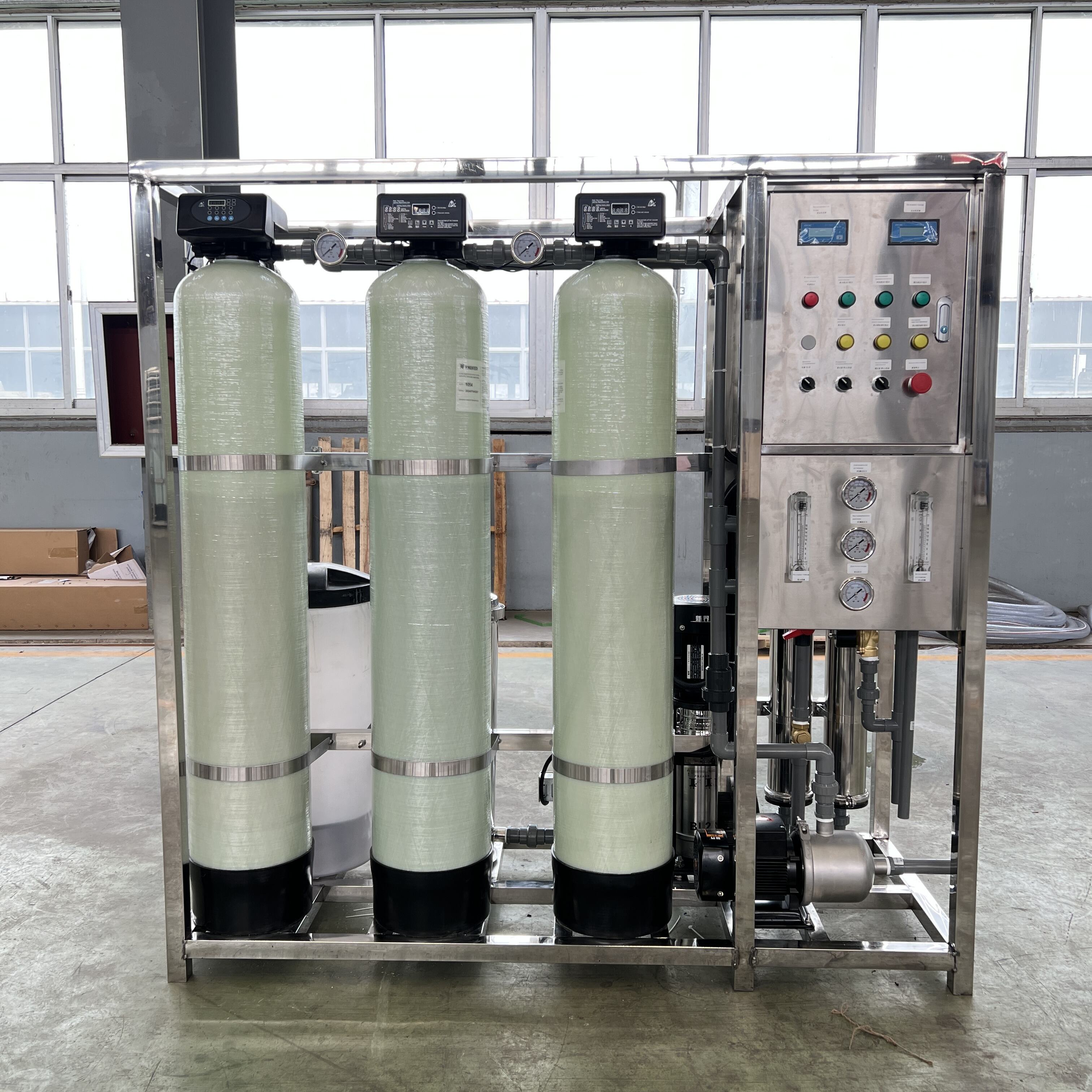
An industrial water softener system represents a critical infrastructure component designed to remove hardness-causing minerals from water supplies in commercial and manufacturing environments. These sophisticated systems primarily target calcium and magnesium ions that create scale buildup, equipment damage, and operational inefficiencies. The industrial water softener system operates through ion exchange technology, utilizing specially formulated resin beds that capture hard minerals and replace them with sodium or potassium ions. This process ensures consistent water quality standards essential for various industrial applications. The technological framework of an industrial water softener system incorporates multiple stages of filtration and regeneration cycles. Advanced control panels monitor water flow rates, hardness levels, and regeneration schedules automatically. Modern systems feature programmable logic controllers that optimize performance based on real-time water quality measurements. The regeneration process involves backwashing, brining, and rinsing phases that restore resin effectiveness and maintain peak operational efficiency. Industrial water softener system applications span numerous sectors including manufacturing, food processing, pharmaceutical production, textile operations, and power generation facilities. These systems prove particularly valuable in steam boiler operations, cooling tower management, and process water preparation. Manufacturing plants rely on softened water to prevent scale formation in heat exchangers, reduce maintenance costs, and ensure product quality consistency. The capacity range of industrial water softener system units varies from small commercial installations handling hundreds of gallons per day to massive industrial complexes processing millions of gallons daily. Duplex and multiplex configurations provide continuous operation capabilities during regeneration cycles, ensuring uninterrupted water supply for critical processes. Environmental considerations drive modern industrial water softener system design, incorporating water recycling features and reduced salt consumption technologies that minimize ecological impact while maintaining superior performance standards.

New Product Releases

Industrial water softener system implementation delivers substantial cost savings through reduced maintenance expenses and extended equipment lifespan. Hard water minerals create scale deposits that decrease heat transfer efficiency in boilers and heat exchangers, forcing systems to work harder and consume more energy. Softened water eliminates these deposits, reducing energy consumption by up to 25 percent in heating applications. Equipment replacement costs drop significantly when industrial water softener system protection prevents premature failure of pipes, valves, and heating elements. Scale buildup forces frequent cleaning procedures that require system shutdowns and expensive chemical treatments. Softened water eliminates these disruptions, maintaining continuous production schedules and maximizing operational uptime. The industrial water softener system provides immediate improvements in product quality across manufacturing processes. Soap and detergent effectiveness increases dramatically with soft water, reducing chemical consumption in cleaning operations. Food and beverage manufacturers achieve better taste profiles and appearance standards when using softened water in production. Textile operations experience improved dye uptake and fabric quality with properly treated water supplies. Pharmaceutical companies maintain strict purity requirements more easily with consistent water quality from industrial water softener system installations. Employee satisfaction improves when facilities provide soft water for washing and cleaning purposes. Skin irritation decreases, hair feels softer, and clothing lasts longer when washed in softened water. These quality-of-life improvements contribute to better workplace morale and reduced sick days. The industrial water softener system automates water treatment processes, eliminating manual monitoring and adjustment requirements. Smart controls adjust regeneration cycles based on actual water usage patterns, optimizing salt consumption and minimizing waste. Predictive maintenance features alert operators to potential issues before system failures occur. Remote monitoring capabilities enable centralized management of multiple industrial water softener system installations across different facility locations. Integration with existing building management systems streamlines operations and reduces labor costs associated with water treatment oversight.

Practical Tips

What Intake and Outfall Designs Minimize Environmental Impact of a Desalination Plant?

01

Mar

What Intake and Outfall Designs Minimize Environmental Impact of a Desalination Plant?

Environmental considerations have become paramount in the design and operation of modern desalination facilities worldwide. As water scarcity continues to challenge communities across the globe, the demand for sustainable desalination plant solutions...
View More
What Corrosion-Resistant Materials Are Used in Desalination Plant Construction?

06

Mar

What Corrosion-Resistant Materials Are Used in Desalination Plant Construction?

Desalination plants operate in some of the harshest environments imaginable, where saltwater constantly threatens the integrity of critical infrastructure. The selection of appropriate corrosion-resistant materials becomes paramount to ensuring long-...
View More
How Does an RO Water Filter with a UV Sterilizer Provide Additional Protection Against Bacteria?

10

Mar

How Does an RO Water Filter with a UV Sterilizer Provide Additional Protection Against Bacteria?

Water contamination remains one of the most pressing concerns for homeowners and businesses seeking reliable water purification solutions. While traditional filtration methods offer basic protection, modern water treatment technology has evolved to p...
View More
Why Should Pharmaceutical QC Labs Use Ultrapure Water for HPLC and Mass Spectrometry?

18

Mar

Why Should Pharmaceutical QC Labs Use Ultrapure Water for HPLC and Mass Spectrometry?

Pharmaceutical quality control laboratories face increasingly stringent requirements for analytical accuracy and regulatory compliance. The foundation of reliable analytical results lies in the quality of water used throughout testing procedures. Ult...
View More

Get a Free Quote

Our representative will contact you soon.
Email
Name
Company Name
Message
0/1000

industrial water softener system

Advanced Ion Exchange Technology for Superior Performance

Advanced Ion Exchange Technology for Superior Performance

The industrial water softener system employs cutting-edge ion exchange technology that delivers unmatched performance in removing hardness minerals from industrial water supplies. This sophisticated process utilizes high-capacity resin beads specifically engineered to attract and capture calcium and magnesium ions while releasing sodium or potassium ions in their place. The resin matrix features a carefully designed pore structure that maximizes contact surface area, ensuring complete ion exchange efficiency even at high flow rates typical in industrial applications. Modern industrial water softener system designs incorporate multiple resin bed configurations that optimize contact time and regeneration effectiveness. The countercurrent regeneration process enhances resin utilization efficiency, reducing salt consumption while maintaining superior water quality output. Advanced resin formulations resist fouling and maintain consistent performance over extended operational periods, minimizing replacement costs and system downtime. Temperature-resistant resins handle hot water applications common in industrial processes without degradation or capacity loss. The ion exchange process occurs continuously as water flows through the resin bed, with automatic monitoring systems tracking capacity depletion and triggering regeneration cycles at optimal intervals. Sophisticated control algorithms analyze water hardness levels, flow patterns, and usage history to predict regeneration timing accurately, preventing breakthrough events that could compromise water quality. The industrial water softener system features redundant sensors and backup systems that ensure reliable operation even under challenging industrial conditions. Stainless steel construction materials resist corrosion and contamination, maintaining system integrity throughout years of continuous service. The modular design allows easy expansion or modification to accommodate changing water treatment requirements without complete system replacement.
Comprehensive Cost Reduction and Operational Efficiency

Comprehensive Cost Reduction and Operational Efficiency

Installing an industrial water softener system generates substantial financial benefits through multiple cost reduction mechanisms that impact every aspect of facility operations. Scale prevention represents the most immediate advantage, as hard water minerals create costly buildup problems throughout industrial systems. Heating equipment efficiency improves dramatically when scale deposits disappear, reducing energy consumption by significant margins and lowering utility bills. The industrial water softener system prevents expensive maintenance procedures required to remove mineral deposits from heat exchangers, boilers, and cooling systems. Chemical cleaning costs disappear when scale formation stops, eliminating the need for harsh acids and specialized cleaning services. Equipment replacement expenses decrease substantially as pumps, valves, and heating elements achieve their full design lifespan without premature failure from mineral buildup. Production quality improvements translate directly into reduced waste and rework costs when the industrial water softener system ensures consistent water quality for manufacturing processes. Reduced downtime for cleaning and maintenance procedures increases production capacity and revenue generation opportunities. Labor costs decrease when maintenance crews spend less time on scale removal and equipment repairs. The automated operation of modern industrial water softener system installations eliminates the need for constant manual monitoring and adjustment, freeing personnel for more productive activities. Water usage efficiency improves as systems operate at design specifications without scale-related flow restrictions or pressure drops. The industrial water softener system extends the service life of water-using appliances and fixtures throughout facilities, reducing replacement costs and improving budget predictability. Insurance premiums may decrease when facilities demonstrate proactive equipment protection measures that reduce the risk of expensive water damage claims. Energy audits consistently show improved efficiency ratings for facilities with comprehensive water treatment programs, potentially qualifying for utility rebates and environmental incentives.
Flexible Scalability and Smart Integration Capabilities

Flexible Scalability and Smart Integration Capabilities

The industrial water softener system offers unparalleled flexibility and scalability designed to accommodate diverse facility requirements and future expansion needs. Modular construction allows systems to grow incrementally as water treatment demands increase, providing cost-effective capacity additions without complete system replacement. Multiple unit configurations enable continuous operation during maintenance or regeneration cycles, ensuring uninterrupted soft water supply for critical industrial processes. The duplex and multiplex arrangements feature automatic switching mechanisms that seamlessly transition between units without operator intervention. Smart integration capabilities connect the industrial water softener system with existing facility management networks, enabling centralized monitoring and control from remote locations. Advanced communication protocols support integration with SCADA systems, building automation platforms, and enterprise resource planning software. Real-time data collection provides detailed insights into water usage patterns, system performance metrics, and maintenance requirements that support informed decision-making. Predictive analytics features analyze historical performance data to forecast maintenance needs and optimize regeneration schedules for maximum efficiency. The industrial water softener system adapts to varying water quality conditions and flow rate fluctuations automatically, maintaining consistent output quality regardless of input variations. Programmable control systems accommodate complex operational schedules and seasonal demand changes without manual intervention. Remote diagnostic capabilities enable expert technical support and troubleshooting without on-site service calls, reducing maintenance costs and minimizing system downtime. Mobile applications provide facility managers with instant access to system status information and alert notifications from anywhere. The modular design philosophy ensures that individual components can be upgraded or replaced independently, extending overall system lifespan and protecting long-term investments. Custom programming options allow the industrial water softener system to integrate with unique facility requirements and specialized manufacturing processes that demand precise water quality specifications.

Get a Free Quote

Our representative will contact you soon.
Email
Name
Company Name
Message
0/1000