 EN
EN



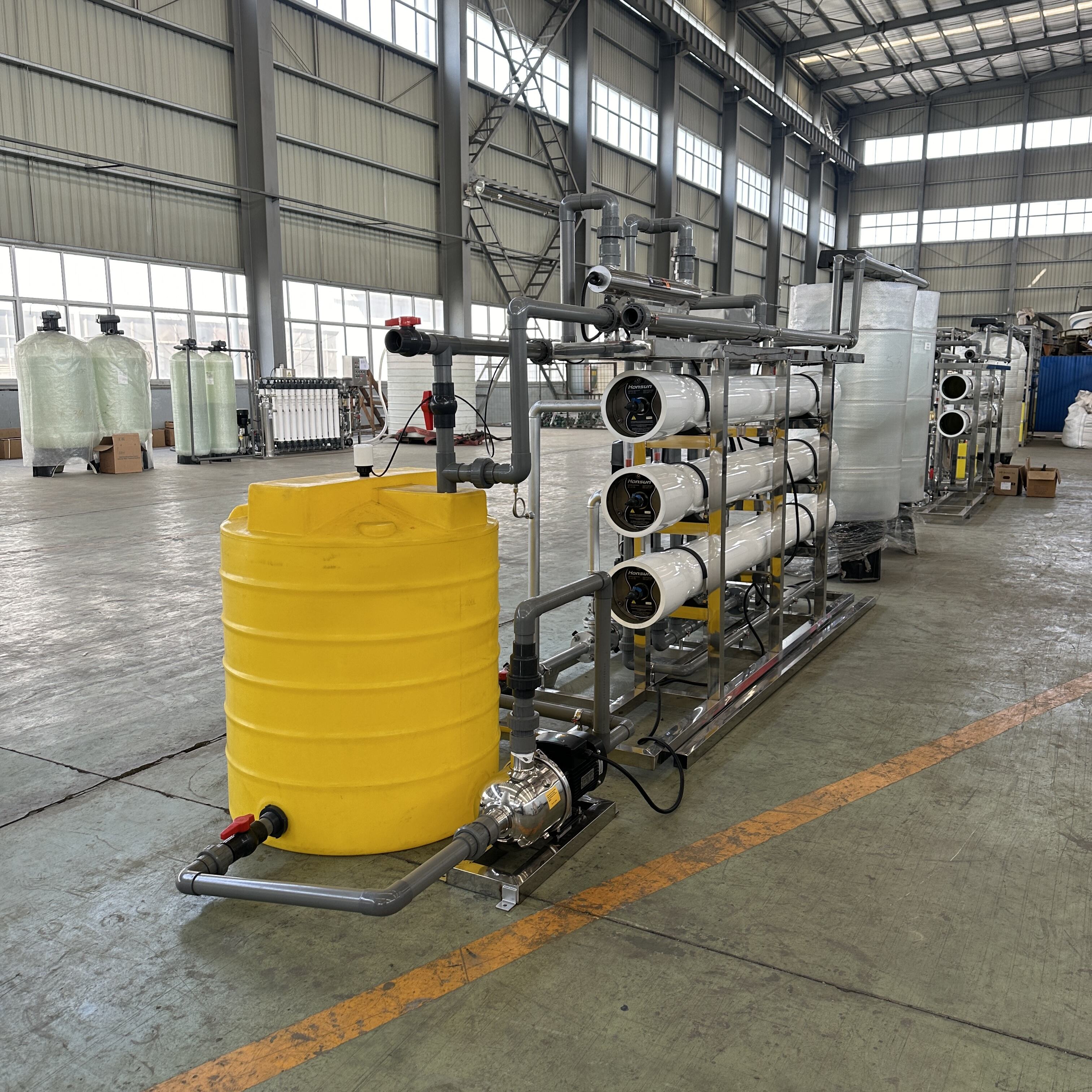
Ձեր արդյունաբերական ջրի մշակման համակարգ պահանջում է ստրատեգիական նախնական ֆիլտրացիա, որը վերացնում է աղտոտիչները՝ նրանց մեմբրանի զգայուն մակերևույթին հասնելուց առաջ: Սեդիմենտային և ածխային նախնական ֆիլտրների կոնֆիգուրացիան ուղղակիորեն ազդում է մեմբրանի ծառայության ժամանակաշրջանի, համակարգի արդյունավետության և շահագործման ծախսերի վրա: Ձեր ջրի որակի պայմաններին և կիրառման պահանջներին համապատասխանող նախնական ֆիլտրացիայի ամենահարմար դասավորության հասկանալը որոշում է, թե ձեր RO ջրի ֆիլտրը աշխատում է առավելագույն արդյունավետությամբ, թե՞ ենթարկվում է վաղաժամկետ աղտոտման և արտադրողականության նվազման:
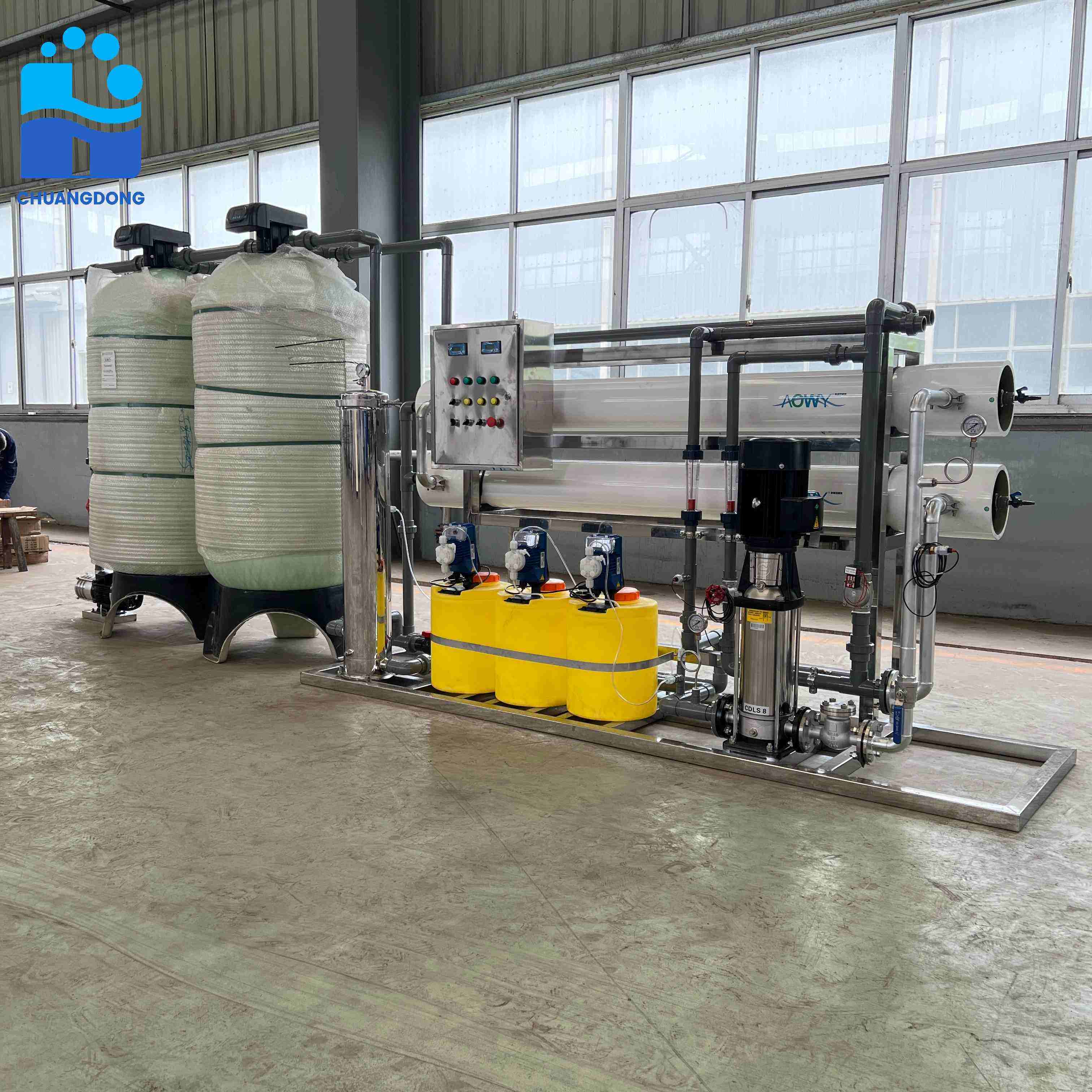
Օպտիմալ նախնական ֆիլտրացման կոնֆիգուրացիան հավասարակշռում է մեխանիկական մասնիկների վերացումը քիմիական աղտոտիչների նվազեցման հետ՝ միաժամանակ ապահովելով բավարար հոսքի արագություններ և նվազագույնի հասցնելով ճնշման վարდյան:
Նախնական ֆիլտրացման դերերի հասկանալը հակադարձ օսմոսի մեմբրանների պաշտպանության մեջ
Ինչու՞ են սեդիմենտային նախնական ֆիլտրները առաջին գծի պաշտպանություն
Նստվածքի նախնական զտիչները գործում են որպես առաջնային մեխանիկական արգելափակում՝ հեռացնելով ստորակետային մասնիկներ, թեթև հող, ժանգ, ավազ և այլ ֆիզիկական աղտոտիչներ սկզբնաղբյուրի ջրից՝ նախքան դրա շփումը հետագա բաղադրիչների հետ: Այս զտիչները սովորաբար օգտագործում են խորության կամ մակերևույթի զտման մեխանիզմներ՝ միկրոնային գնահատականներով՝ 20 մկմ-ից մինչև 1 մկմ՝ կախված հում ջրի որակից: Նստվածքի նախնական զտիչը կանխում է մաշվող մասնիկների կողմից հակադարձ օսմոսի (RO) ջրի զտիչի թաղանթի մակերևույթի վնասումը և նվազեցնում է մասնիկների բեռնվածությունը, որը հակառակ դեպքում արագացներ թաղանթի աղտոտումը: Բարձր մատիտավորվածություն կամ փոփոխական սկզբնաղբյուրի որակ ունեցող ջրի հետ աշխատող արդյունաբերական համակարգերը հիմնվում են նստվածքի զտման վրա՝ երկարաձգելու թաղանթի սպասարկման ժամկետները և պահպանելու թափանցելի ջրի համասեռ որակը:
Սեդիմենտային ֆիլտրերի տեղադրումը որպես սկզբնական մշակման փուլ պաշտպանում է ոչ միայն RO մեմբրանը, այլև ածխային ֆիլտրերը և այլ վերջնական սարքավորումները վաղաժամկետ խցանման վտանգից: Սեդիմենտային նախաֆիլտրերը վերցնում են այն աղտոտիչները, որոնք կարող են փակել ածխային ֆիլտրերի անցանելի անցքերը և նվազեցնել դրանց կլանման հատկությունը: Այս ստորակարգային ֆիլտրացման մոտեցումը ապահովում է, որ յուրաքանչյուր մշակման փուլ աշխատի իր նախատեսված գործառույթի շրջանակներում՝ այլ ոչ թե վերաբեռնվի այն աղտոտիչներով, որոնք նախատեսված են վերացվելու վաղ փուլերում: Այն հաստատությունները, որոնք ունեն սեզոնային ջրի որակի փոփոխություններ կամ օգտագործում են մակերևույթային ջրի աղբյուրներ, հատկապես շահում են հզոր սեդիմենտային նախաֆիլտրացիայից, որը հարմարվում է փոփոխվող մասնիկների կոնցենտրացիային:
Ինչպես են ածխային նախաֆիլտրերը վերացնում մեմբրանների համար քիմիական սպառնալիքները
Ածխային նախնական ֆիլտրները օգտագործում են ակտիվացված ածուխ՝ քլորը, քլորամինները, օրգանական միացությունները, համի և հոտի մոլեկուլները, ինչպես նաև տարբեր քիմիական աղտոտիչները կլանելու համար՝ մակերևույթային կլանման և կատալիտիկ նվազեցման միջոցով: Քլորը հատկապես ծանր սպառնալիք է ներկայացնում բազմաթիվ առևտրային RO ջրի ֆիլտրացման համակարգերում օգտագործվող պոլիամիդային բարակ թաղանթային կոմպոզիտային թաղանթների համար, որոնք ենթարկվում են անդառնալի օքսիդացիոն վնասի, ինչը վատացնում է թաղանթի ամբողջականությունը և աղի մերժման արդյունավետությունը: Նույնիսկ 0,1 մաս/միլիոն-ից բարձր քլորի հետքային կոնցենտրացիաները ժամանակի ընթացքում կարող են վատացնել թաղանթի պոլիմերները, ինչը ածխային նախնական ֆիլտրացումը անհրաժեշտ դարձնում է քաղաքային ջրի աղբյուրների կամ ցանկացած մուտքային ջրի համար, որը պարունակում է օքսիդացնող դեզինֆեկտանտներ:
Քլորի վերացման վրա գերազանցելով՝ ածխային նախնական ֆիլտրները նվազեցնում են օրգանական բեռնվածությունը, որը նպաստում է կենսաբանական աղտոտման և մեմբրանային մաքրման առաջացմանը: Լուծված օրգանական նյութերը սննդային միջավայր են ստեղծում բակտերիաների աճի համար մեմբրանի մակերևույթին, իսկ որոշ օրգանական միացություններ կարող են միաձուլվել միներալային իոնների հետ՝ արագացնելով մաքրման առաջացումը: Ակտիվացված ածխի կլանման ունակությունը վերացնում է այս նախնական միացությունները՝ մինչև դրանք հասնեն RO մեմբրանին, ինչը նվազեցնում է ինչպես կենսաբանական, այնպես էլ քիմիական աղտոտման մեխանիզմները: Այն արդյունաբերական հաստատությունները, որոնք մշակում են գյուղատնտեսական վտանգավոր հոսքերից, արդյունաբերական թափքերից կամ բնական օրգանական բաղադրիչներից առաջացած ջուր, կարող են նշանակալիորեն երկարացնել մեմբրանների ծառայության ժամկետը՝ կիրառելով համապարփակ ածխային նախնական ֆիլտրացում, որը միաժամանակ վերացնում է բազմաթիվ քիմիական աղտոտման ճանապարհներ:
Հաջորդական նախնական ֆիլտրացման սիներգետիկ պաշտպանություն
Նստվածքի և ածխի նախնական զտիչների ճիշտ հաջորդականությամբ միացումը ստեղծում է սիներգետիկ պաշտպանություն, որը յուրաքանչյուր զտիչի առանձին չի կարողանում ապահովել: Նստվածքի զտիչը վերացնում է մասնիկները, որոնք այլապես կզբաղեցնեին ածխի փոքր անցքերը և կնվազեցնեին կլանման արդյունավետությունը, իսկ ածխի զտիչը՝ վերացնում է քիմիական միացությունները, որոնք նստվածքի զտմամբ չեն կարող վերացվել: Այս լ допլեմենտար գործառույթայինությունը ապահովում է, որ Հակադարձ օսմոսի ջրի ֆիլտր մեմբրանը հանդիպի մասնիկների և քիմիական աղտոտման նվազագույն մակարդակով մատակարարվող ջրին, ինչը զգալիորեն երկարացնում է մեմբրանի ծառայության ժամկետը և պահպանում բարձր մերժման ցուցանիշները ամբողջ շահագործման ցիկլի ընթացքում:
Հաջորդական դասավորությունը նաև ապահովում է շահագործման ճկունություն՝ սպասարկման պլանավորման և խափանումների վերացման համար: Սեդիմենտային ֆիլտրերը սովորաբար ավելի հաճախ են պահանջում փոխարինում՝ տեսանելի մասնիկների կուտակման պատճառով, մինչդեռ ածխային ֆիլտրերը սպառվում են քլորի անցման կամ օրգանական բեռնվածության սահմանային հզորության հիման վրա: Այս գործառույթների առանձին ֆիլտրացման փուլերի բաժանումը թույլ է տալիս թիրախավորված կերպով փոխարինել սպառված ֆիլտրացիոն միջավայրը՝ ամբողջ նախնական մշակման համակարգը չխաթարելով: Արդյունաբերական գործառույթները շահում են այս մոդուլային մոտեցումից՝ նվազեցված անջատման ժամանակի և ավելի կանխատեսելի սպասարկման ծախսերի շնորհիվ, համեմատած համատեղված ֆիլտրային կարտրիջների հետ, որոնք պետք է փոխարինվեն, երբ որևէ գործառույթ հասնում է իր սահմանային հզորության:
Նախնական ֆիլտրացման հաջորդականության օպտիմալ կարգավորում
Ստանդարտ երեք-փուլանի նախնական ֆիլտրացման ճարտարապետություն
Արդյունաբերական RO ջրի զտիչ համակարգերի համար ամենաշատ օգտագործվող նախնական զտման կոնֆիգուրացիան հետևում է երեք փուլային հաջորդականության՝ հաստ նստվածքային զտում, բարակ նստվածքային զտում և ածխային բլոկային զտում: Սկզբնական հաստ նստվածքային զտիչը օգտագործում է 20 մկմ կամ 10 մկմ անցումային չափս՝ մեծ մասնիկները բռնելու և հետագա զտիչների սպասարկման ժամկետը երկարաձգելու համար: Այս առաջին փուլը հանգեցնում է հիմնական մասնիկների հեռացմանը և պաշտպանում է հետագա զտման փուլերը արագ խցանման վտանգից: Հատկապես բարդ աղբյուրային ջրով օբյեկտները կարող են ներառել նաև ավելի հաստ նախնական ցանցեր կամ միջավայրային զտիչներ թասավոր նստվածքային զտման առաջ, որպեսզի տնտեսապես արդյունավետ կերպով մշակեն ծանր նստվածքային բեռնվածությունը:
Խոշոր սեդիմենտի հեռացումից հետո 5 մկմ կամ 1 մկմ ճշգրտությամբ մանր սեդիմենտի ֆիլտրը ապահովում է մաքրման ֆիլտրացիա, որը վերցնում է ավելի փոքր մասնիկներ, որոնք մոտենում են այն չափի սահմանին, որը կարող է ֆիզիկապես վնասել մեմբրանի մակերևույթը կամ ներթափանցել մեմբրանի հոսքի անցուղիների մեջ: Սա երկրորդ սեդիմենտային փուլն է, որը երաշխավորում է մասնիկների հեռացումը՝ համապատասխանելով RO մեմբրանի պաշտպանության համար անհրաժեշտ խիստ սպեցիֆիկացիաներին, սովորաբար նպատակադրելով սնման ջուրը՝ սիլտի խտության ինդեքսով 3,0-ից ցածր, որպեսզի մեմբրանը աշխատի օպտիմալ կերպով: Մանր սեդիմենտի ֆիլտրը ծառայում է որպես քիմիական մշակման վերջնական մեխանիկական արգելափակում, ստեղծելով մաքուր ջրի պայմաններ, որոնք մաքսիմալացնում են ածխային ֆիլտրի արդյունավետությունը և շփման ժամանակը:
Երրորդ փուլի ածխային բլոկային ֆիլտրը վերացնում է քլորը, քլորամինները և օրգանական աղտոտիչները հենց RO մեմբրանից առաջ: Ածխային բլոկի կառուցվածքը ապահովում է ավելի բարձր խտություն և ավելի համասեռ հոսքի բաշխում՝ համեմատած գրանուլյացված ակտիվացված ածխի հետ, ինչը երաշխավորում է հաստատուն շփման ժամանակ և բոլոր հոսքի ճանապարհներով ամբողջական աղտոտիչների վերացում: Այս վերջնական նախնական ֆիլտրացման փուլը ապահովում է մեմբրանի արտադրողի սահմանած սպեցիֆիկացիաներին համապատասխանող ջուր՝ օքսիդացնող նյութերի առավելագույն մակարդակներով, միաժամանակ նվազեցնելով օրգանական աղտոտման հնարավորությունը: Երեք փուլի հաջորդականությունը հավասարակշռում է լիարժեք աղտոտիչների վերացումը ճնշման ընդունելի անկման և արդյունաբերական շարունակական շահագործման համար հարմար պարզ սպասարկման պրոցեդուրաների հետ:
Երբ չորս փուլի կոնֆիգուրացիաները ապահովում են լրացուցիչ պաշտպանություն
Որոշ ջրի որակի պայմաններ հիմնավորում են նախնական ֆիլտրացման չորս փուլի ընդլայնումը՝ ավելացնելով երկրորդ ածխային ֆիլտր կամ նստվածքի և ածխային փուլերի միջև ներառելով մասնագիտացված մշակում: Բարձր քլորամինի պարունակությամբ մուտքային ջուրը շահում է կրկնակի ածխային ֆիլտրացիայից, քանի որ քլորամինի նվազեցման համար անհրաժեշտ է երկար շփման ժամանակ և ավելի մեծ ածխի տարողունակություն, քան ազատ քլորի վերացման համար: Առաջին ածխային փուլը կատարում է հիմնական քլորամինի նվազեցումը, իսկ երկրորդ փուլը ապահովում է ապահովվածության մարգինը և երաշխավորում է լրիվ վերացումը մինչև ջուրը հպվի մեմբրանին: Այս կրկնակի մոտեցումը պաշտպանում է ածխի սպառման հետևանքով առաջացած անցման դեմ, որը կարող է վնասել RO ջրի ֆիլտրի մեմբրանը պլանավորված ածխի փոխարինումների միջև ընկած ժամանակահատվածում:
Մեկ այլ՝ չորս փուլային կոնֆիգուրացիա ներառում է կատալիտիկ ածխային ֆիլտր կամ մասնագիտացված ադսորբենտ սովորական ածխային ֆիլտրացիայի և մեմբրանի միջև՝ ջրի հատուկ աղտոտիչների, օրինակ՝ ջրածնի սուլֆիդի, ծանր մետաղների կամ որոշ օրգանական միացությունների վերացման համար: Այս հարմարեցված մոտեցումը նպատակաուղղված է հատուկ արդյունաբերական վայրերի կամ ջրի աղբյուրի բնութագրերին բնորոշ ջրի որակի խնդիրների լուծմանը: Այն ձեռնարկությունները, որոնք մեմբրանի աղտոտման հետ են բախվում՝ չնայած ստանդարտ երեք փուլային նախնական ֆիլտրացիայի, հաճախ հայտնաբերում են, որ մասնագիտացված չորսրորդ փուլի ավելացումը վերացնում է մեմբրանի վաղաժամկետ վնասման հիմնական աղտոտիչը, ինչը վերջնականապես նվազեցնում է սեփականատիրոջ ընդհանուր ծախսերը՝ մեմբրանի կյանքի տևողությունը երկարացնելով:
Համպակտ երկու փուլային համակարգեր հատուկ կիրառումների համար
Որոշ արդյունաբերական RO ջրի ֆիլտրացման սարքավորումներ հաջողությամբ են աշխատում պարզեցված երկու փուլանոց նախնական ֆիլտրացմամբ, երբ ջրի աղբյուրի որակը միշտ բավարարում է բարձր ստանդարտներին: Լավ մշակման և բաշխման համակարգեր ունեցող քաղաքային ջրամատակարարման համակարգերը կարող են պահանջել միայն նստվածքի ֆիլտրացում մասնիկների վերացման համար՝ հետևյալ ածխային ֆիլտրացիայով քլորի վերացման համար: Այս պարզեցված կոնֆիգուրացիան նվազեցնում է սկզբնական սարքավորումների ծախսերը, պարզեցնում է սպասարկման պրոտոկոլները և նվազեցնում է ճնշման անկումը նախնական մշակման համակարգով՝ միևնույն ժամանակ ապահովելով թաղանթի անհրաժեշտ պաշտպանությունը տվյալ ջրի աղբյուրում առկա հիմնական աղտոտման ռիսկերի դեմ:
Սակայն երկու փուլային կոնֆիգուրացիաները պահանջում են խստագույն աղբյուրային ջրի վերահսկում՝ ապահովելու համար, որ ջրի որակը մնա նեղ պարամետրերի սահմաններում, որտեղ պարզեցված նախնական ֆիլտրացիան ապահովում է բավարար պաշտպանություն: Աղբյուրային ջրի որակի ցանկացած վատացում, սեզոնային տատանումներ կամ քաղաքային մաքրման եղանակների փոփոխությունները կարող են արագ գերբեռնել նվազագույն նախնական ֆիլտրացիան և թաղանթին ենթարկել վնասակար աղտոտիչների: Արդյունաբերական ձեռնարկությունները, որոնք քննարկում են երկու փուլային նախնական ֆիլտրացիայի կիրառումը, ստիպված են իրականացնել շարունակական ջրի որակի վերահսկում՝ ավտոմատ համակարգի անջատման հնարավորությամբ, եթե մուտքային ջրի պարամետրերը գերազանցում են անվտանգ սահմանները, ինչը կանխում է թաղանթի վնասվելը ջրի որակի ժամանակավոր վատացման դեպքերում, երբ պարզեցված նախնական մշակման պաշտպանության հնարավորությունները չեն բավարարում:
Նախնական ֆիլտրի մեդիայի ընտրություն և չափսերի որոշման հարցեր
Սեդիմենտային ֆիլտրի մեդիայի տարբերակներ և աշխատանքային բնութագրեր
Նախնական ֆիլտրացման նստվածքային ֆիլտրները օգտագործում են տարբեր տիպի ֆիլտրացիոն միջավայրեր, այդ թվում՝ պտտվող պոլիպրոպիլեն, շերտավորված պոլիէստեր, հալված պոլիպրոպիլեն և պտտվող լարային փաթեթներ, որոնք յուրաքանչյուրը տալիս են տարբեր աշխատանքային բնութագրեր RO ջրի ֆիլտրի պաշտպանության համար: Պտտվող պոլիպրոպիլենի փաթեթները ապահովում են խորության ֆիլտրացում՝ աստիճանաբար մեծացող խտությամբ, որը մեծ մասնիկները բռնում է արտաքին շերտերում, իսկ ավելի փոքր մասնիկները՝ ֆիլտրացիոն միջավայրի կառուցվածքի խորը: Այս կառուցվածքը երկարացնում է ֆիլտրի ծառայության ժամկետը՝ օգտագործելով ֆիլտրացիոն միջավայրի ամբողջ ծավալը, այլ ոչ թե միայն մակերեսային բեռնվածքը: Արդյունաբերական համակարգերը շահում են պտտվող պոլիպրոպիլենի քիմիական համատեղելիությունից, ջերմաստիճանի նկատմամբ դիմացկունությունից և արժեքային արդյունավետությունից՝ մեծ ծավալների համար նախատեսված կիրառումներում, որտեղ անհրաժեշտ է հաճախակի փաթեթների փոխարինում:
Կարճաթաղանթավորված սեդիմենտային ֆիլտրները նույն ֆիզիկական չափսերի դեպքում առաջարկում են մեծ մակերեսային մակերես և բարձր աղտոտվածության պահման հնարավորություն՝ համեմատած խորության ֆիլտրների հետ, ինչը դրանք առավել նպաստավոր է դարձնում տարածքային սահմանափակումներ ունեցող կամ բարձր մասնիկային բեռնվածություն ունեցող հաստատությունների համար: Կարճաթաղանթավորված դիզայնը ամբողջ սպասարկման ժամանակահատվածում պահպանում է ցածր ճնշման վաრդակ, քանի որ բռնված մասնիկները տարածվում են մեծ մակերեսի վրա՝ այլ ուղղությամբ խիտ կեղտի շերտեր չստեղծելով: Այնուամենայնիվ, կարճաթաղանթավորված ֆիլտրները սովորաբար ավելի թանկ են մեկ միավորի համար, քան պտտվող պոլիպրոպիլենային այլընտրանքները, ինչը տնտեսական վերլուծությունը շեղում է դեպի երկարատև սպասարկման միջակայքեր և նվազեցված փոխարինման հաճախականություն՝ այլ ուղղությամբ ոչ թե նվազագույն սկզբնական ներդրում: Խորության և կարճաթաղանթավորված սեդիմենտային ֆիլտրացման ընտրությունը կախված է տարածքի առկայության, մասնիկների բնութագրերի, սպասարկման աշխատավարձի ծախսերի և տարեկան շահագործման ցիկլերի ընթացքում ընդհանուր ֆիլտրի սպառման հավասարակշռման վրա:
Ակտիվացված ածխի ընտրություն քլորի և օրգանական միացությունների վերացման համար
RO ջրի զտիչների պաշտպանության համար օգտագործվող ածխային նախնական զտիչները կարող են լինել կոկոսի խեցգետնի կամ ածուխի հիմքի վրա ստեղծված. Կոկոսի խեցգետնի ածուխը սովորաբար առաջարկում է ավելի բարձր կարծրություն, ավելի մեծ խտություն և լավ արդյունքներ քլորամինի նվազեցման համար: Ածխի ակտիվացման գործընթացը ստեղծում է մեծ մակերեսային ներքին փոսիկների կառուցվածք, որը չափվում է մակերեսով մեկ գրամ նյութի հաշվով՝ բարձրորակ ածուխների դեպքում այն գերազանցում է 1000 քառ. մետրը մեկ գրամ նյութի հաշվով: Այս հսկայական մակերեսային մակերեսը թույլ է տալիս աղտոտիչ մոլեկուլների կլանում վան դեր Վաալսի ուժերի և քիմիական կապերի միջոցով, իսկ տարբեր չափսի փոսիկների բաշխումը օպտիմալացնում է տարբեր աղտոտիչների դասերի վերացումը:
Ածխային բլոկի կառուցվածքը սեղմում է ակտիվացված ածխի մասնիկները մինչև պինդ փողիկներ, որոնք վերացնում են ջրի հոսքի անցումը մի ուղղությամբ («առուների» առաջացումը) և ապահովում են ջրի համասեռ շփման ժամանակ ֆիլտրի միջով անցնող ամբողջ ջրի համար: Այս կառուցվածքի մեթոդը երկու գործառույթ է իրականացնում, քանի որ ածխային բլոկը միաժամանակ իրականացնում է մեխանիկական զտում մինչև 0,5 մկմ չափսի մասնիկների համար՝ միաժամանակ կլանելով քիմիական աղտոտիչները: Արդյունաբերական օբյեկտները շահում են ածխային բլոկի համապարփակ մշակման հնարավորությունից և կայուն աշխատանքից, սակայն բարձր խտությունը ավելի մեծ ճնշման վարდյուն է առաջացնում՝ համեմատած թափանցիկ գրանուլյար ածխի շերտերի հետ: Այն համակարգերը, որոնք պահանջում են առավելագույն հոսքի արագություն, կարող են օգտագործել հիբրիդային կառուցվածքներ, որտեղ ճնշման տակ գտնվող ամաններում օգտագործվում է գրանուլյար ածուխ, իսկ վերջնական մշակումը կատարվում է ածխային բլոկով՝ հավասարակշռելով մշակման հզորությունը և հիդրավլիկ աշխատանքի ցուցանիշները:
Հոսքի արագության և շփման ժամանակի պահանջների համար ճիշտ չափսավորում
Արդյունաբերական RO ջրի ֆիլտրացման համակարգերի նախնական ֆիլտրի չափսերի ընտրությունը պետք է հաշվի առնի առավելագույն հոսքի պահանջները՝ միաժամանակ ապահովելով արդյունավետ աղտոտիչների վերացման համար բավարար շփման ժամանակ, հատկապես ածխային ֆիլտրացման դեպքում, երբ կլանման կինետիկան կախված է կայունության ժամանակից: Չափսերով փոքր նախնական ֆիլտրները ստեղծում են չափից շատ ճնշման վաრդակ, նվազեցնում են մեմբրանի մուտքի ճնշումը և թույլ չեն տալիս բավարար շփման ժամանակ ամբողջությամբ քլորի վերացման համար, ինչը վերջնականապես վնասում է մեմբրանի պաշտպանությունը՝ նույնիսկ երբ տեղադրված են համապատասխան ֆիլտրացման փուլեր: Արտադրողները նշում են նախնական ֆիլտրի փողրակների առավելագույն հոսքի արագությունները՝ հիմնված ընդունելի ճնշման վարդակի պահպանման վրա, սակայն այդ ցուցանիշները հաճախ գերազանցում են ամբողջությամբ աղտոտիչների վերացման համար անհրաժեշտ հոսքի արագությունները:
Ածխային ֆիլտրները պահանջում են նվազագույն շփման ժամանակ՝ սովորաբար 3–10 րոպե, կախված քլորի կոնցենտրացիայից, ջրի ջերմաստիճանից և այն բանից, թե արդյոք մշակվում է ազատ քլորը, թե՞ քլորամինները: Արդյունաբերական համակարգերը, որոնք օրական մշակում են 100–500 տոննա ջուր, պետք է չափավորեն ածխային ֆիլտրացիայի ամբարձիչները՝ ապահովելու համապատասխան ծավալը անհրաժեշտ կայունության ժամանակի համար առավելագույն հոսքի պայմաններում, ինչը հաճախ անհրաժեշտաբար նշանակում է զուգահեռ ֆիլտրային բանկերի կամ մեծ տրամագծով փոխարինելի տարրերի օգտագործում՝ ապահովելու ածխային միջավայրով համեմատաբար հարմարավետ հոսքի արագությունը: Չափավորման հաշվարկները պետք է նաև ներառեն անվտանգության գործակիցներ՝ հաշվի առնելով ածխի սպառումը փոխարինման միջակայքերի ընթացքում, որպեսզի նույնիսկ ադսորբցիոն կենտրոնների զբաղվածության դեպքում պահպանվի բավարար մշակման հզորությունը: Պահուստավորված չափավորումը, որը մի փոքր գերնախագծում է նախնական ֆիլտրացիայի հզորությունը, ապահովում է շահագործման ճկունություն և պաշտպանում է թանկարժեք մեմբրանների ներդրումները ժամանակավոր գերբեռնվածության պայմանների հետևանքով առաջացած վնասներից:
Շահագործման վերահսկման և սպասարկման պրոտոկոլի մշակում
Ճնշման վարկանիշի հսկումը ֆիլտրի աշխատանքի գնահատման համար
Յուրաքանչյուր նախնական ֆիլտրացման փուլում ճնշման տարբերության հսկումը տրամադրում է իրական ժամանակում ֆիլտրի բեռնվածության և մնացած սպասարկման ժամկետի մասին տեղեկատվություն, ինչը հնարավորություն է տալիս կայացնել տվյալների վրա հիմնված սպասարկման որոշումներ՝ այլ ոչ թե կամայական ժամանակային փոխարինման գրաֆիկների հիման վրա: Սեդիմենտային ֆիլտրներում ճնշման վարկանիշը աստիճանաբար բարձրանում է, քանի որ մասնիկները կուտակվում են ֆիլտրացիոն մեդիայի անցքերում և ֆիլտրի մակերեսներին, իսկ փոխարինումը սովորաբար սկսվում է, երբ ճնշման տարբերությունը հասնում է մաքուր ֆիլտրի սկզբնական ցուցանիշից 15–20 psi-ով բարձր: Յուրաքանչյուր ֆիլտրացման փուլից առաջ և հետո ճնշման ցուցիչների տեղադրումը հնարավորություն է տալիս շահագործողներին որոշել, թե որ կոնկրետ ֆիլտրն է պետք փոխարինել, և կանխել այն ֆիլտրների անհիմն փոխարինումը, որոնք դեռևս արդյունավետ են աշխատում:
Ածխային ֆիլտրները ցուցադրում են տարբեր ճնշման վարկանիշներ, քանի որ քիմիական ադսորբցիան տեղի է ունենում առանց նկատելի ֆիզիկական մասնիկների կուտակման: Ածխային ֆիլտրների միջոցով ճնշման վարկանիշը համեմատաբար կայուն է մնում ամբողջ ծառայության ժամանակաշրջանում՝ մինչև վերին հոսանքի սեդիմենտային ֆիլտրի ձախողման պատճառով մեխանիկական մասնիկների անցումը: Սակայն միայն ճնշման մոնիտորինգը չի կարող հայտնաբերել ածխի սպառումը և քլորի անցումը, որը վնասում է RO ջրի ֆիլտրացիայի մեմբրանները՝ առանց տեսանելի ճնշման փոփոխության: Արդյունաբերական համակարգերում անհրաժեշտ են լրացուցիչ մոնիտորինգի մեթոդներ, այդ թվում՝ ածխային ֆիլտրացիայից հետո մնացորդային քլորի փորձարկումը՝ ապահովելու պաշտպանիչ արդյունավետության շարունակականությունը: Ինքնաշխատ առցանց քլորի վերլուծիչները՝ հարմարեցված հարկադիր ազդանշաններով, ապահովում են անընդհատ ստուգում, որ ածխային նախնական ֆիլտրացիան պահպանում է մեմբրանների համար անվտանգ քլորի մակարդակը՝ նույնիսկ ադսորբցիայի հզորության աստիճանական սպառման դեպքում:
Փոխարինման ժամկետների սահմանումը՝ հիմնված ջրի որակի և անցումային ծավալի վրա
Արդյունաբերական RO ջրի ֆիլտրի նախնական մշակման համար ֆիլտրի փոխարինման գրաֆիկը կախված է աղբյուրի ջրի որակի բնութագրերից, օրական արտադրության ծավալից և տեղադրված ֆիլտրի փողրակների սահմանված հզորությունից: Այն ձեռնարկությունները, որոնք ջուր են վերցնում կայուն քաղաքային մատակարարումից, կարող են ստանալ 3–6 ամսվա տևողություն սեդիմենտային ֆիլտրի համար, իսկ այն ձեռնարկությունները, որոնք մշակում են ավելի բարձր մասնիկային բեռնվածություն պարունակող ավազանային կամ մակերևույթային ջուր, կարող են պահանջել ամսական փոխարինում: Ֆիլտրի փոխարինման հաճախականության, ճնշման անկման միտումների և ջրի որակի փորձարկման արդյունքների մանրամասն մատյանների վարումը հնարավորություն է տալիս անընդհատ կատարել սպասարկման գրաֆիկի ճշգրտում՝ հավասարակշռելով ֆիլտրի օգտագործումը և նախնական ֆիլտրացիայի սպառման պատճառով մեմբրանի վաղաժամկետ աղտոտման ռիսկը:
Ածխային ֆիլտրերի փոխարինման միջակայքերը կախված են հիմնականում քլորի բեռնվածությունից, այլ ոչ թե ջրի անցման ծավալից. քլորի ընդհանուր զանգվածի հաշվարկը կատարվում է մշակված ջրի ծավալը բազմապատկելով քլորի կոնցենտրացիայով: Ստանդարտ ածխային բլոկային փոխարինիչ սարքավորումները սովորաբար ունեն 10 000–50 000 քլորի գրամ-համարժեք հեռացնելու հզորություն՝ սպառվելուց առաջ, իսկ իրական շահագործման ժամկետը կախված է մուտքային ջրի քլորի կոնցենտրացիայից և կարող է տևել մի քանի ամիսից մեկից ավելի տարի: Պահպանողական արդյունաբերական պրակտիկայում ածխային ֆիլտրերը փոխարինվում են դրանց նոմինալ հզորության 75–80 %-ի վրա՝ ապահովելու անսպասելի քլորի սայթաքումների կամ կոնցենտրացիայի աճի դեմ ապահովության մեծ մարգին: Այս մոտեցումը կանխում է թաղանթների օքսիդացիոն վնասվածքի առաջացումը ածխային ֆիլտրի սպառվելու հայտնաբերումից մինչև ֆիլտրի փոխարինման իրականացումը ընկած ժամանակահատվածում:
Ինտեգրում ավտոմատացված կառավարման և անվտանգության ավտոմատացված կանգացման համակարգերի հետ
Առաջադեմ արդյունաբերական RO ջրի ֆիլտրացման սարքավորումները ներառում են նախնական ֆիլտրի մոնիտորինգ ինչպես նաև ինքնաշարժ կառավարման համակարգեր, որոնք տրամադրում են զգուշացման հաղորդագրություններ և իրականացնում են պաշտպանիչ անջատումներ, երբ մուտքային ջրի որակը գերազանցում է անվտանգ շահագործման սահմանային ցուցանիշները: Նախնական ֆիլտրի տուփերի վրա տեղադրված ճնշման ստեղները ակտիվացնում են զգուշացումներ, երբ ճնշման տարբերությունը ցույց է տալիս ֆիլտրի հագեցումը, ինչը կանխում է օպերատորների անզգուշաբար աշխատելը խցանված ֆիլտրերով, որոնք վտանգում են մեմբրանների պաշտպանությունը: Նմանապես՝ շարունակական քլորի վերլուծատուները միացված են համակարգի կառավարման հետ՝ կանգնեցնելու RO գործառույթը, եթե ածխային ֆիլտրի անցումը թույլ է տալիս օքսիդացնող նյութերի հասնել վտանգավոր կոնցենտրացիաների, ինչը պաշտպանում է մեմբրանները վնասվելուց՝ նույնիսկ այն ժամանակ, երբ օպերատորների ուշադրությունը նվազած է:
Այս ավտոմատացված անվտանգության համակարգերը հատկապես արժեքավոր են այն օբյեկտների համար, որոնք աշխատում են մի քանի շիֆտով կամ գիշերային և շաբաթավերջյան ժամերին, երբ աշխատակազմի կրճատումը սահմանափակում է ձեռքով հսկողության հնարավորությունը: Նախնական ֆիլտրացման արդյունավետության վերահսկման և ընդհանուր համակարգի կառավարման ինտեգրումը վերածում է նախնական ֆիլտրացումը պասիվ մշակման բաղադրիչներից ակտիվ պաշտպանության համակարգերի, որոնք հարմարվում են փոփոխվող պայմաններին և կանխում են շահագործման սխալները: Արդյունաբերական օբյեկտները, որոնք նշանակալի մեմբրանային հզորության վրա ներդրումներ են կատարում, ավելի ու ավելի հասկանում են, որ նախնական ֆիլտրացման բարդ վերահսկումն ու կառավարումը ապահովում է մեմբրանների ներդրումների արդյունավետ պաշտպանություն՝ կանխելով վերին հոսանքում տեղի ունեցող մեկ կետային ավարիաների պատճառով թանկարժեք ստորին հոսանքի մեմբրանային վնասվածքները:
Նախնական ֆիլտրի կոնֆիգուրացիայի հարմարեցումը հատուկ ջրի որակի մարտահրավերներին
Բարձր երկաթի և մանգանի պարունակության լուծումը
Սկզբնաղբյուրի ջուրը, որն ունի բարձրացված երկաթի և մանգանի կոնցենտրացիա, պահանջում է մասնագիտացված նախնական ֆիլտրացման կառուցվածք, քանի որ այդ մետաղները նստվածքի ձևով առաջանում են որպես մասնիկներ, որոնք աղտոտում են ինչպես նախնական ֆիլտրները, այնպես էլ հակադարձ օսմոսի (RO) ջրի ֆիլտրի մեմբրանները, ինչպես նաև կարող են կատալիզացնել օքսիդացման պատճառով մեմբրանների վնասումը: Ստանդարտ նստվածքային և ածխային նախնական ֆիլտրացումը անբավարար է, երբ լուծված երկաթի քանակը գերազանցում է 0,3 միլիգրամ/լիտրը, կամ մանգանի քանակը՝ 0,05 միլիգրամ/լիտրը: Այդ պայմանների դեմ պայքարող արդյունաբերական համակարգերը սովորաբար նախնական նստվածքային ֆիլտրացիայից առաջ ներառում են օքսիդացման և նստվածքագոյացման փուլեր, օգտագործելով օդավորում, քլորացում կամ մասնագիտացված օքսիդացնող ֆիլտրներ՝ լուծելի մետաղները մասնիկների վերածելու համար, որոնք հետագայում արդյունավետ կերպով կարող են վերացվել նստվածքային ֆիլտրներով:
Կանաչավայրի ֆիլտրները կամ մասնագիտացված կատալիտիկ միջավայրերը ապահովում են երկաթի և մանգանի արդյունավետ հեռացում՝ օգտագործելով օքսիդացման և ֆիլտրացման մեխանիզմների համատեղումը, և տեղակայվում են նախնական մշակման հաջորդականության մեջ՝ միջանկյալ դիրքում մեծ չափի սեդիմենտային ֆիլտրացիայի և փոքր չափի սեդիմենտային փայլատակման միջև: Այս մասնագիտացված ֆիլտրները պահանջում են պարբերաբար վերականգնում կալիումի պերմանգանատով կամ այլ օքսիդացնող միջոցներով՝ կատալիտիկ ակտիվությունը պահպանելու համար, ինչը ավելացնում է շահագործման բարդությունը, սակայն հնարավորություն է տալիս հաջողությամբ շահագործել RO ջրի ֆիլտրը դժվար աղբյուրային ջրի դեպքում, որը հակառակ դեպքում կառաջացներ մեմբրանի արագ աղտոտում: Հատուկ մշակված նախնական ֆիլտրի կոնֆիգուրացիան պահպանում է ջրի որակի մշակման հնարավորությունը, որը ստանդարտ նախնական ֆիլտրացիան չի կարող բավարար կերպով մշակել, սակայն դա իրենից ներկայացնում է պահպանման պարզեցման կորուստ:
Կենսաբանական աղտոտման և օրգանական բեռնվածության կառավարում
Ջրի մատակարարումը՝ բարձր բակտերիային ցուցանիշներով կամ զգալի քանակությամբ լուծված օրգանական ածխածնով, պահանջում է ավելի բարձր աստիճանի ածխային նախնական ֆիլտրացիա և հնարավոր լրացուցիչ դեզինֆեկցիա՝ RO մեմբրանների վրա կենսաբանական աղտոտման կանխարգելման համար: Ստանդարտ ածխային բլոկները վերացնում են շատ օրգանական միացություններ, սակայն չեն ստերիլացնում ջուրը կամ կանխարգելում բակտերիաների կոլոնիզացիան ածխային միջավայրում, որը կարող է դառնալ միկրոօրգանիզմների աճի սննդային աղբյուր: Արդյունաբերական համալիրներում, որտեղ մշակվում է կենսաբանական աղտոտման վտանգ ներկայացնող ջուր, հաճախ իրականացվում է UV դեզինֆեկցիա անմիջապես RO մեմբրանից առաջ՝ ածխային ֆիլտրացիայից հետո, որպեսզի խուսափեն մեմբրաններին վնասող օքսիդացնող լրացուցիչ միացությունների առաջացումից՝ միաժամանակ վերահսկելով կենսաբանական աղտոտման հնարավորությունը:
Այլընտրանքային տարբերակում համակարգերը կարող են օգտագործել մասնագիտացված բակտերիոստատիկ ածխային միջավայր, որը պարունակում է արծաթի ներծծում և ճնշում է բակտերիաների աճը ածխային ֆիլտրի ներսում՝ կանխելով ֆիլտրի վերածվելը աղտոտման աղբյուրի: Այս մոտեցումը պահանջում է հիմամբար վավերացում, քանի որ արծաթի արտանետումը ստացված ջրի մեջ կարող է անընդունելի լինել որոշ կիրառումների համար, իսկ բակտերիոստատիկ ազդեցությունը չի վերացնում ջրի հոսքում եղող բակտերիաները: Օպտիմալ կենսաբանական վերահսկման ռազմավարությունը կախված է կոնկրետ աղտոտման մակարդակից, ստացված ջրի որակի նկատմամբ կիրառման պահանջներից և թույլատրելի մշակման մեթոդների վերաբերյալ կարգավորող սահմանափակումներից: Նախնական ֆիլտրի կոնֆիգուրացիայի հարմարեցումը կենսաբանական մարտահրավերներին համապատասխան ապահովում է հակադարձ օսմոսի (RO) ջրի ֆիլտրի արդյունավետ աշխատանքը՝ նույնիսկ միկրոօրգանիզմներով մեծ մասշտաբով աղտոտված սկզբնաղբյուրային ջրի դեպքում:
Փոփոխական սկզբնաղբյուրային ջրի որակի կառավարում
Արդյունաբերական համալիրները, որոնք ջուր են վերցնում աղբյուրներից՝ ունենալով նշանակալի սեզոնային կամ շահագործման պայմանների փոփոխական որակ, պահանջում են նախնական ֆիլտրացման կառուցվածքներ՝ մեծ հզորությամբ և ռեզերվավորմամբ, քան այն համակարգերը, որոնք մշակում են հաստատուն որակի ջուր։ Մատիտային մակարդակի փոփոխականությունը, քլորի դոզավորման փոփոխությունները կամ պարբերաբար տեղի ունեցող աղտոտման դեպքերը պահանջում են նախնական ֆիլտրացում՝ նախագծված վատագույն պայմանների համար, այլ ոչ թե միջին ջրի որակի համար, ընդունելով որոշ չափով ավելի մեծ հզորության նախագծում բարենպաստ ժամանակաշրջանների ընթացքում՝ ապահովելու համար բավարար պաշտպանություն դժվարին ժամանակաշրջանների ընթացքում։ Զուգահեռ նախնական ֆիլտրացման բանկերի կիրառումը՝ առանձնացման համար վալվուլներով, հնարավորություն է տալիս շարունակել շահագործումը ֆիլտրերի սպասարկման ընթացքում, միաժամանակ ապահովելով ավելցուկային հզորություն՝ ժամանակավոր ջրի որակի վատացման դեպքերի համար։
Անընդհատ աղբյուրի ջրի որակի մշտադիտարկումը՝ ինքնաշխատ տվյալների գրանցմամբ, օգնում է սարքավորումներին հայտնաբերել ջրի որակի փոփոխության օրինաչափությունները, ինչը հնարավորություն է տալիս առաջնահայտ ճշգրտել նախնական զտիչների սպասարկման գրաֆիկներն ու շահագործման պարամետրերը: Այն համակարգերը, որոնք ապրում են կանխատեսելի սեզոնային փոփոխություններ, կարող են իրականացնել կանխարգելիչ զտիչների փոխարինում մինչև սպասվող դժվարին շրջանները, իսկ այն համակարգերը, որոնք բախվում են անկանխատեսելի փոփոխությունների՝ շահագործում են լրացուցիչ նախնական զտման հզորություն, որը պահպանում է պաշտպանությունը ջրի որակի անսպասելի շեղումների ժամանակ: Համակարգի համար հարմարվողական և հավաստի նախնական զտման կառուցվածքի ներդրումը տնտեսապես արդարացված է մեմբրանների կյանքի երկարացմամբ և արտադրության ընդհատումների նվազեցմամբ՝ համեմատած նվազագույն նախնական մշակման հետ, որը բավարար է միայն իդեալական պայմաններում, սակայն չի պաշտպանում մեմբրանները ջրի որակի այն փոփոխությունների ժամանակ, որոնք անխուսափելիորեն տեղի են ունենում իրական արդյունաբերական կիրառումներում:
Հաճախադեպ տրվող հարցեր
Ի՞նչ է արդյունաբերական RO ջրի զտիչի մեմբրանից առաջ անհրաժեշտ նվազագույն նախնական զտումը:
Արդյունաբերական RO ջրի ֆիլտրացման համակարգերը առնվազն պահանջում են սեդիմենտային նախնական ֆիլտրացում՝ 5 մկմ կամ ավելի փոքր արժեքով, որպեսզի վերացվեն մեմբրանի մակերևույթին ֆիզիկական վնաս հասցնող մասնիկները, ինչպես նաև ակտիվացված ածխի ֆիլտրացում՝ քլորի և օքսիդացնող միացությունների վերացման համար, որոնք առաջացնում են պոլիամիդային մեմբրանների քիմիական վատատեսություն: Այս երկու փուլային նվազագույն համակարգը ենթադրում է համեմատաբար ցածր աղտոտվածության մակարդակ և կայուն որակ ունեցող սկզբնաղբյուրի ջուր: Շատ արդյունաբերական կիրառումներ շահում են երեք փուլային նախնական ֆիլտրացման համակարգից՝ ավելացնելով մեծ մասնիկների սեդիմենտային վերացում մանր սեդիմենտային և ածխային ֆիլտրացման առաջ, որպեսզի երկարաձգվի ֆիլտրների ծառայության ժամկետը և ապահովվի մեմբրանների ավելի լիարժեք պաշտպանությունը: Դժվարին սկզբնաղբյուրի ջրով կամ թանկարժեք մեմբրանային տարրերով աշխատող համակարգերը պահանջում են ավելի ընդարձակ նախնական մշակում, այդ թվում՝ չորս կամ ավելի փուլային համակարգեր, որոնք հարմարեցված են տվյալ ջրի որակի բնութագրերին:
Ինչ հաճախականությամբ պետք է փոխել սեդիմենտային և ածխային նախնական ֆիլտրները արդյունաբերական RO համակարգերում:
Նստվածքային նախնական ֆիլտրի փոխարինման ժամանակահատվածները տատանվում են ամսականից մինչև վեց ամիսը՝ կախված աղբյուրի ջրի մեջ մասնիկների բեռնվածությունից, որտեղ ճնշման անկման մոնիթորինգը ապահովում է փոխարինման անհրաժեշտության ամենահուսալի ցուցումը, այլ ոչ թե ֆիքսված ժամանակացույցերը: Ածխածնային նախնական ֆիլտրերը սովորաբար պահանջում են փոխարինում յուրաքանչյուր երեքից տասներկու ամիսը՝ հիմնվելով մշակված ջրի ծավալից և քլորի կոնցենտրացիայից հաշվարկված քլորի բեռնվածության վրա, պահպանողական պրակտիկայով փոխարինելով անվանական հզորության 75-80 տոկոսով: Արդյունաբերական օբյեկտները պետք է սահմանեն փոխարինման բազային հաճախականություններ նախնական մոնիթորինգի միջոցով, այնուհետև ճշգրտեն ժամանակացույցերը՝ հիմնվելով ճնշման անկման իրական միտումների, մնացորդային քլորի փորձարկման և թաղանթի արդյունավետության ցուցանիշների վրա: Ֆիլտրի ծառայության ժամկետի մանրամասն գրառումների պահպանումը տարբեր պայմաններում հնարավորություն է տալիս տվյալների վրա հիմնված օպտիմալացնել փոխարինման ժամանակահատվածները, որոնք հավասարակշռում են ֆիլտրի օգտագործումը թաղանթի պաշտպանության պահանջների հետ:
Կարո՞ղ են ածխային բլոկի նախնական ֆիլտրները մեկական ապահովել հակադարձ օսմոսի մեմբրանների համար բավարար նստվածքի վերացում:
Չնայած ածխային բլոկի ֆիլտրները մեխանիկական զտում են ապահովում սովորաբար 0,5–1 մկմ չափսերով՝ լրացուցիչ քիմիական ադսորբցիայի հետ մեկտեղ, սակայն միայն ածխային բլոկների վրա հիմնվելը նստվածքի և քլորի վերացման համար արդյունավետ չէ տնտեսական տեսանկյունից և վտանգում է մեմբրանների անվտանգ պաշտպանությունը արդյունաբերական կիրառումներում: Նստվածքի բեռնվածությունը արագ խցանում է ածխային բլոկների անցքերը, ինչը կտրուկ կրճատում է դրանց սպասարկման ժամկետը և մեծացնում շահագործման ծախսերը՝ համեմատած ավելի ցածր գնով մեկական միավորի համար մատակարարվող նվազագույն նստվածքի նախնական ֆիլտրների օգտագործման հետ: Ճիշտ մոտեցումը ներառում է նստվածքի նախնական ֆիլտրների կիրառում մեծ չափսի մասնիկների աղտոտման վերացման համար, որը երկարացնում է ածխային ֆիլտրների սպասարկման ժամկետը, այնպես որ դրանք սպառվում են քլորի ադսորբցիայի հնարավորության հիման վրա, այլ ոչ թե վաղաժամկետ մեխանիկական խցանման պատճառով: Այս հաջորդական կոնֆիգուրացիան օպտիմալացնում է երկու տիպի ֆիլտրների աշխատանքը դրանց հիմնական գործառույթների համար՝ միաժամանակ նվազեցնելով ընդհանուր նախնական զտման ծախսերը և ապահովելով հավաստի մեմբրանների պաշտպանություն:
Որ ցուցանիշներն են վկայում, որ ընթացիկ նախնական ֆիլտրացման կարգավորումը անբավարար է մեմբրանի պաշտպանության համար:
Մի շարք ցուցանիշներ վկայում են անբավարար նախնական զտման մասին, այդ թվում՝ թաղանթի արագ մաքրման անհրաժեշտությունը, որը պահանջում է մաքրում ավելի հաճախ, քան արտադրողի տեխնիկական հրահանգներում նշված է, նորմալացված թափանցելի հոսքի մեծության նվազումը՝ չնայած ճիշտ շահագործման պայմաններին, աղի անցման մեծացումը, որը վկայում է թաղանթի վատացման մասին, և ստուգման ժամանակ թաղանթային տարրերի վրա տեսանելի գունային փոփոխություն կամ մասնիկների կուտակում: Լրացուցիչ զգուշացնող նշաններից են նստվածքազտիչ զտիչների արագ խցանվելը, որը պահանջում է դրանց փոխարինում երկու շաբաթից պակաս ժամկետում, ածխային զտման հետևանքով քլորի հայտնաբերումը հետագա հատվածում կամ հակադարձ օսմոսի (RO) համակարգի ճնշման վարկանիշի ավելի արագ նվազումը, քան սովորաբար սպասվում է թաղանթի բնական ավարտի պայմաններում: Երբ այս ախտանիշները հայտնվում են՝ չնայած նախնական զտիչների ճիշտ փոխարինման գրաֆիկի պահպանմանը, առկա կառուցվածքը պահանջում է բարելավում՝ լրացուցիչ զտման փուլեր ավելացնելով, զտման միջավայրի որակը բարձրացնելով, զտիչների չափսերը մեծացնելով կամ մասնագիտացված մշակման կիրառմամբ՝ ուղղված թաղանթի արագ վատացման առաջացնող կոնկրետ կենսաբանական կամ քիմիական աղտոտիչների վրա:
Բովանդակության ցուցակ
- Նախնական ֆիլտրացման դերերի հասկանալը հակադարձ օսմոսի մեմբրանների պաշտպանության մեջ
- Նախնական ֆիլտրացման հաջորդականության օպտիմալ կարգավորում
- Նախնական ֆիլտրի մեդիայի ընտրություն և չափսերի որոշման հարցեր
- Շահագործման վերահսկման և սպասարկման պրոտոկոլի մշակում
- Նախնական ֆիլտրի կոնֆիգուրացիայի հարմարեցումը հատուկ ջրի որակի մարտահրավերներին
-
Հաճախադեպ տրվող հարցեր
- Ի՞նչ է արդյունաբերական RO ջրի զտիչի մեմբրանից առաջ անհրաժեշտ նվազագույն նախնական զտումը:
- Ինչ հաճախականությամբ պետք է փոխել սեդիմենտային և ածխային նախնական ֆիլտրները արդյունաբերական RO համակարգերում:
- Կարո՞ղ են ածխային բլոկի նախնական ֆիլտրները մեկական ապահովել հակադարձ օսմոսի մեմբրանների համար բավարար նստվածքի վերացում:
- Որ ցուցանիշներն են վկայում, որ ընթացիկ նախնական ֆիլտրացման կարգավորումը անբավարար է մեմբրանի պաշտպանության համար: