 EN
EN



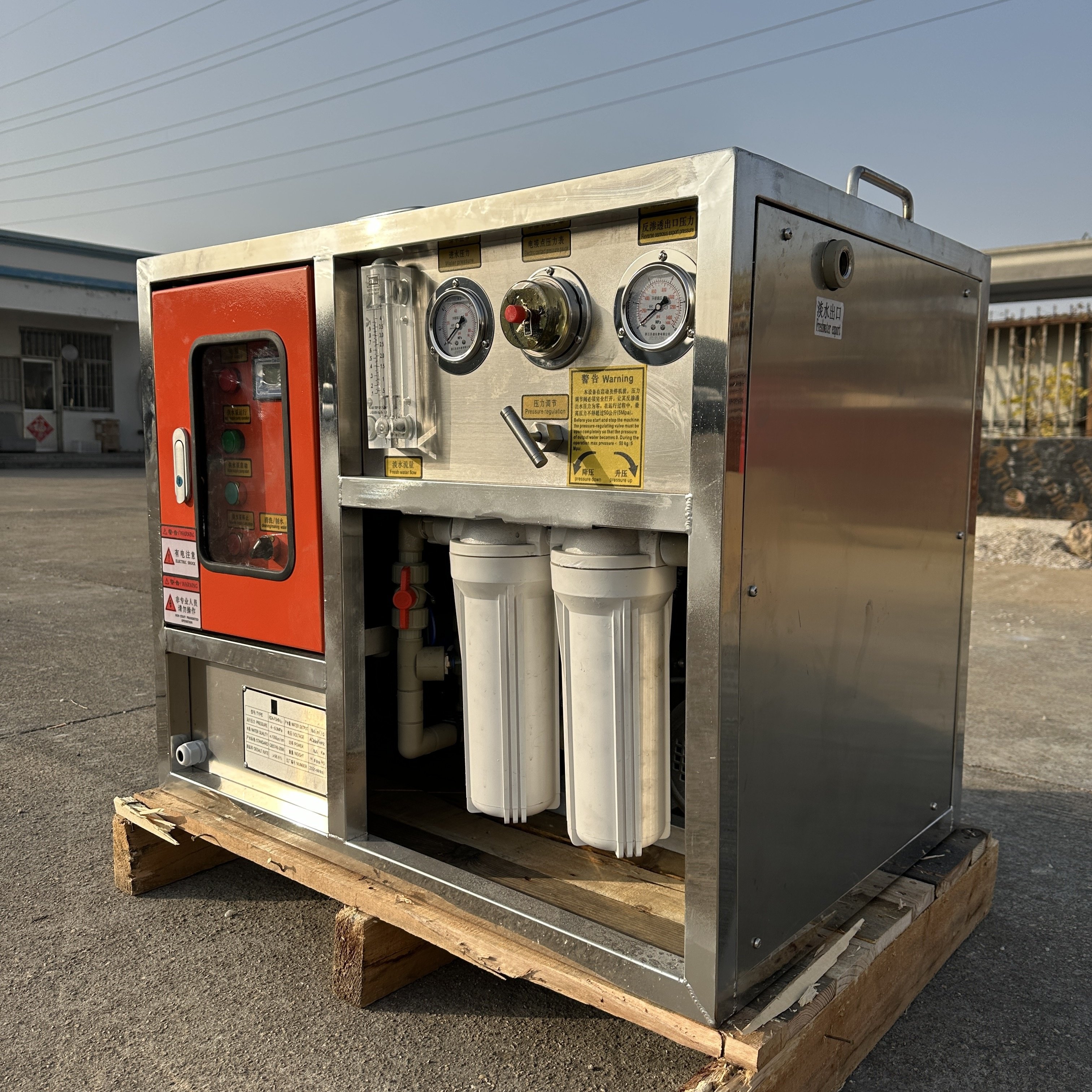
A desalination plant represents one of the most critical infrastructures in regions facing water scarcity, transforming abundant seawater into potable fresh water on an unprecedented scale. Every minute, modern large-capacity desalination plants process thousands of gallons of saltwater, removing dissolved minerals and impurities to produce millions of gallons of usable fresh water daily. This remarkable feat of engineering has become essential for coastal communities, industrial facilities, and agricultural regions where traditional freshwater sources are insufficient or depleted.
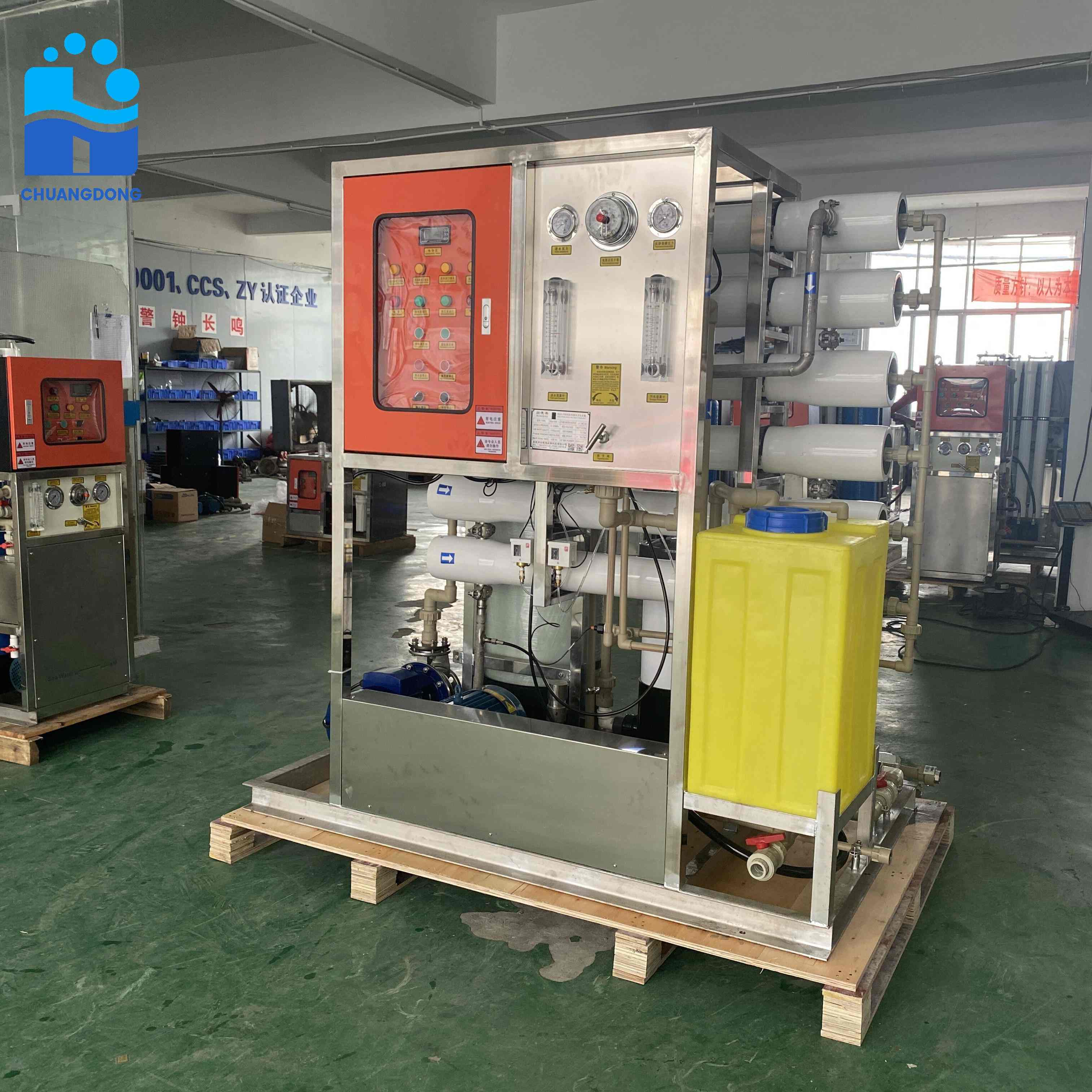
Understanding how a desalination plant operates reveals the sophisticated technology and multi-stage processes that work together to solve one of humanity's most pressing challenges. A desalination plant combines mechanical filtration, chemical treatment, membrane separation, and quality assurance systems into a seamless production workflow. Whether serving a municipality of millions or an industrial facility requiring ultra-pure water, the fundamental principles of desalination plant design remain consistent: intake seawater, remove salts and contaminants, and deliver clean drinking water reliably and efficiently.
How Desalination Plant Intake and Pre-Treatment Systems Work
Seawater Intake and Initial Screening
A desalination plant begins its process with carefully engineered intake systems that draw seawater from the ocean or saline aquifers. The intake design of any desalination plant must prevent debris, marine life, and large particles from entering the treatment system. Most modern desalination plant operations use submerged or beach-well intakes positioned to minimize environmental disruption while accessing the cleanest available source water. Intake screens and settling pools form the first line of defense, removing sand, shells, and organic matter before seawater reaches more sensitive equipment within the desalination plant.
Multi-Stage Pre-Filtration
Once seawater enters a desalination plant, it passes through increasingly fine filtration layers that remove suspended solids and organic compounds. A typical desalination plant employs coarse sand filters, multimedia filters, and activated carbon filters in sequence, with each stage reducing particle size to protect downstream processes. This pre-treatment phase is critical to the longevity and efficiency of a desalination plant, as sediment and organics can foul membranes and reduce overall output capacity. Advanced desalination plant designs now incorporate automated backflushing systems and sensor monitoring to maintain consistent filtration performance and minimize water loss during the pre-treatment stage.
Reverse Osmosis and Membrane Separation in Desalination Plant Technology
Core Membrane Filtration Process
The heart of any modern desalination plant lies in reverse osmosis membrane technology, which uses high pressure to force seawater molecules through semi-permeable membranes while rejecting dissolved salts and minerals. A desalination plant typically operates reverse osmosis membranes at pressures between 800 and 1000 pounds per square inch, requiring substantial energy input and robust pump systems. Each membrane in a desalination plant removes approximately 95 to 99 percent of dissolved solids, producing fresh permeate water and concentrated brine as byproducts. The efficiency of this stage directly impacts the overall production capacity and operating cost of any desalination plant, making membrane selection and maintenance paramount to long-term viability.
Multi-Stage Membrane Configuration
Large industrial desalination plants employ multi-stage membrane arrays rather than single-pass systems, with first-pass permeate often sent to second-stage membranes to maximize recovery rates and water yield. A two-stage desalination plant configuration can achieve fresh water recovery rates of 50 to 60 percent, meaning that for every 100 gallons of seawater processed, 50 to 60 gallons emerge as potable water. This cascading approach allows a desalination plant to optimize salt rejection while managing brine disposal, a significant operational consideration in environmentally sensitive regions. Advanced desalination plant operators monitor membrane pressure differentials continuously, tracking performance degradation and scheduling cleaning cycles to maintain peak efficiency and productivity.
Post-Treatment and Quality Assurance in Desalination Plant Operations
Mineral Re-Mineralization and pH Adjustment
Pure water from reverse osmosis is slightly acidic and lacks beneficial minerals, so most desalination plant systems include re-mineralization stages before final distribution. A desalination plant typically introduces limestone or calcite filtration to raise pH and add essential calcium and magnesium ions that improve water taste and prevent corrosion in distribution pipes. This critical step ensures that water from a desalination plant meets or exceeds drinking water standards established by regulatory agencies in the region of operation. Automated chemistry monitoring systems within modern desalination plants adjust mineral dosing in real time, guaranteeing consistent quality across millions of gallons produced daily.
Final Polishing and Microbial Safety
Before leaving a desalination plant facility, treated water undergoes final microfiltration and ultraviolet or ozone disinfection to eliminate any remaining pathogens or biological contaminants. A commercial desalination plant maintains residual disinfectant levels throughout the distribution network to prevent microbial regrowth and ensure water safety from production facility to consumer tap. Regular water quality testing at multiple points within a desalination plant's process validates that all parameters—salinity, hardness, pH, bacteria count, and chemical residues—conform to national drinking water standards. This rigorous quality assurance framework transforms a desalination plant from a simple salt-removal machine into a verified public health safeguard.
Energy Efficiency and Sustainability Considerations for Desalination Plant Design
Energy Consumption and Renewable Integration
Reverse osmosis desalination remains energy-intensive, with large-scale desalination plant operations consuming 3 to 5 kilowatt hours per 1000 gallons of fresh water produced. Modern desalination plant developers increasingly integrate solar, wind, or combined renewable energy systems to reduce operational costs and environmental impact. A desalination plant powered by renewable energy addresses both water and energy security simultaneously, particularly attractive for remote coastal communities and island nations. Energy recovery devices within advanced desalination plants capture energy from rejected brine discharge, reducing net energy demand and making fresh water production more economically viable.
Brine Management and Environmental Stewardship
Every desalination plant produces concentrated brine as a byproduct, with disposal and environmental management representing ongoing operational and regulatory concerns. A responsible desalination plant incorporates brine diffusion systems that blend concentrated seawater with ambient ocean water before discharge, minimizing localized salinity increases and protecting marine ecosystems. Some advanced desalination plant facilities recover valuable minerals from brine or sell concentrated salt to industrial users, transforming waste into revenue and reducing environmental burden. Strategic desalination plant siting and monitoring programs ensure that desalination plant operations integrate harmoniously with coastal environmental regulations and community expectations.
FAQ
How much fresh water can a large-scale desalination plant produce daily?
A large industrial desalination plant typically produces between 10 and 100 million gallons of fresh water per day, depending on facility size, membrane configuration, and operational hours. Some of the world's largest desalination plants exceed 500 million gallons daily, serving millions of residents in water-scarce regions. The specific output of any desalination plant depends on seawater quality, ambient temperature, energy availability, and maintenance schedules that affect membrane performance and recovery rates.
What is the typical recovery rate for a modern desalination plant?
Most desalination plant operations achieve fresh water recovery rates between 40 and 65 percent, meaning 40 to 65 percent of input seawater becomes potable drinking water. Advanced multi-stage desalination plant configurations with energy recovery systems can exceed 60 percent recovery, maximizing fresh water production while managing brine disposal. Recovery rates vary based on desalination plant design, membrane technology, and operational pressures, with higher recovery requiring greater energy input and more complex brine management infrastructure.
How does a desalination plant ensure treated water meets drinking water standards?
A desalination plant maintains strict quality control through multiple treatment stages, continuous monitoring sensors, and regular laboratory testing of permeate quality. Most desalination plants incorporate post-treatment mineralization, UV disinfection, and residual chlorination to guarantee that all water meets or exceeds regulatory drinking water standards. Advanced desalination plant facilities implement real-time quality dashboards that track salinity, bacteria counts, pH, and chemical parameters, ensuring every gallon meets safety specifications before entering distribution networks.