 EN
EN



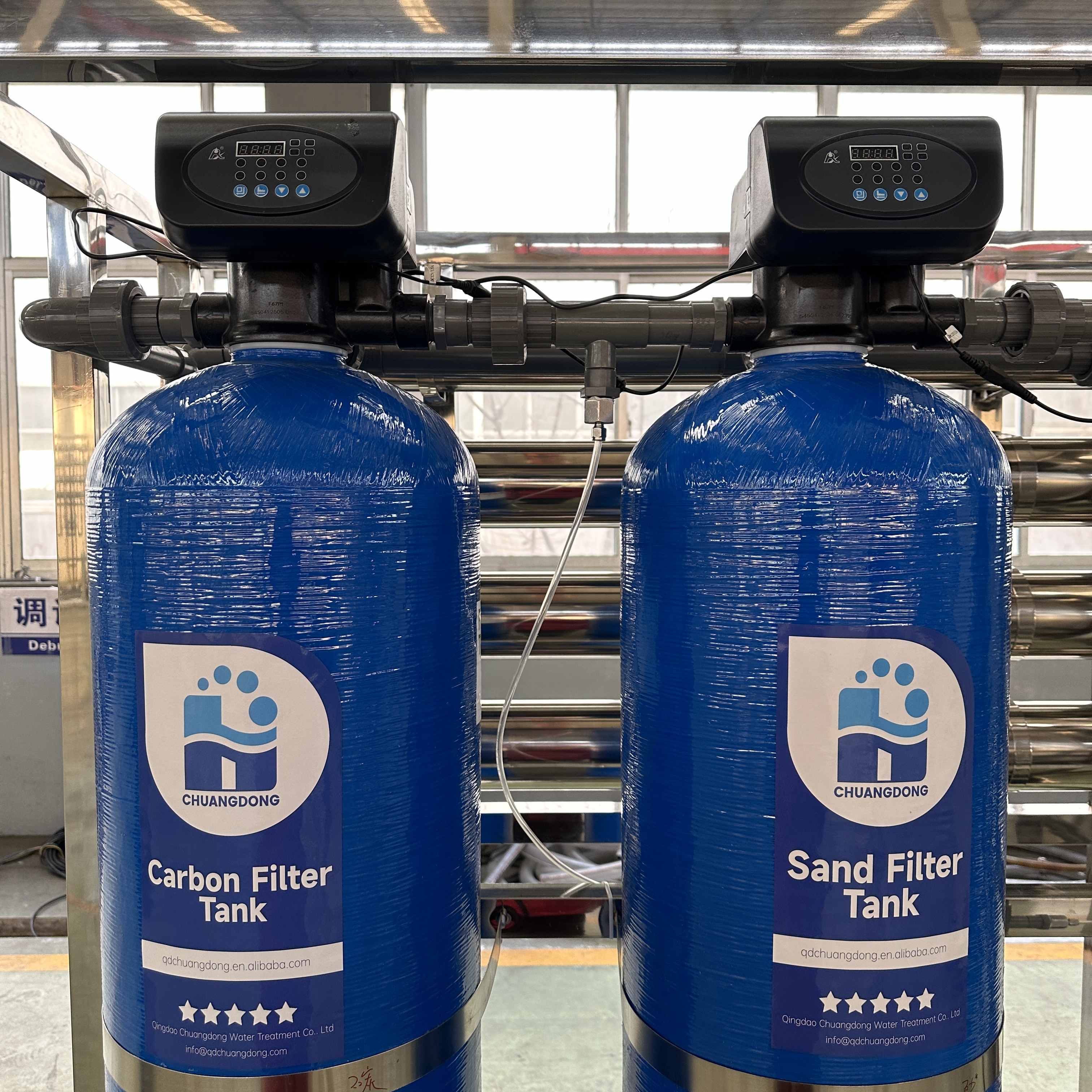
In industrial water treatment, few preparatory steps carry as much weight as pH adjustment. Before water enters membranes, ion exchange beds, or chemical dosing stages, its acidity or alkalinity level must be brought within a specific operating range. Without proper pH adjustment, downstream processes face reduced efficiency, accelerated equipment degradation, and unreliable output quality. This is why pH adjustment consistently appears as one of the earliest and most essential actions in professionally designed water treatment systems.
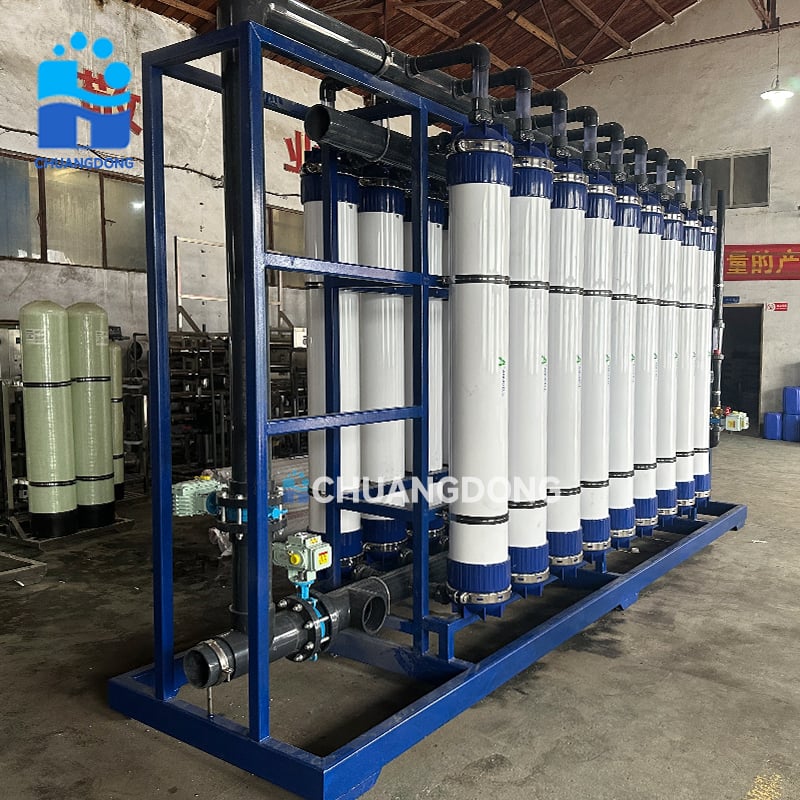
pH adjustment is not simply a precautionary measure. It is a technically grounded necessity that directly determines how well the entire treatment chain performs. Whether a facility is producing ultrapure water for electronics manufacturing, treating boiler feedwater, or processing municipal supply for industrial use, pH adjustment sets the chemical foundation that all subsequent stages depend on. Understanding why pH adjustment holds this critical first-step position requires a closer look at what happens chemically when pH is left uncontrolled.
The Chemical Basis of pH Adjustment in Water Treatment
How pH Influences Downstream Chemistry
Water chemistry is highly sensitive to pH. When pH adjustment is performed at the inlet stage, it establishes the ionic environment that governs how dissolved minerals, organic compounds, and treatment chemicals behave throughout the system. Without pH adjustment, calcium carbonate scaling becomes a serious risk in systems where water pH rises above neutral. Conversely, acidic water without pH adjustment can accelerate corrosion in metallic pipework and compromise the structural integrity of treatment vessels. pH adjustment creates the stable baseline that makes the rest of the treatment process predictable and controllable.
pH Adjustment and Chemical Dosing Accuracy
Many water treatment processes rely on precise chemical dosing, including coagulation, flocculation, and disinfection. Each of these processes operates within a defined pH window. Coagulants, for instance, perform optimally at a pH between 6.5 and 7.5. If pH adjustment has not been performed beforehand, coagulants may hydrolyze incorrectly, leading to poor particle aggregation and increased turbidity in the treated water. pH adjustment before dosing ensures that added chemicals work as intended, reducing waste and improving treatment outcomes. This tight coupling between pH adjustment and chemical performance is one reason it is treated as a mandatory first step rather than an optional refinement.
Protecting Equipment Through Proper pH Adjustment
Membrane Systems and pH Sensitivity
Reverse osmosis membranes and nanofiltration membranes are particularly vulnerable to pH extremes. Most industrial membranes are rated for operation within a pH range of roughly 3 to 10, but sustained operation outside the optimal band shortens membrane life significantly. pH adjustment before the feed water reaches the membrane system is therefore a protective measure as much as a process requirement. Proper pH adjustment reduces the risk of membrane fouling caused by metal hydroxide precipitation, which occurs when pH rises and dissolved metals become insoluble. It also reduces the risk of membrane hydrolysis at very low pH values. In both cases, pH adjustment extends the operational lifespan of expensive membrane assets and reduces replacement frequency.
Ion Exchange Resin Longevity and pH Adjustment
Ion exchange resins used in softening and demineralization systems are similarly sensitive to pH imbalances. Strong acid cation resins and strong base anion resins each have defined pH tolerances. Without adequate pH adjustment upstream, resin beds may experience premature capacity loss, channeling, or physical degradation. pH adjustment protects resin beds by ensuring the incoming water chemistry stays within the resin manufacturer's operating specifications. Facilities that implement consistent pH adjustment at the pretreatment stage report longer resin service cycles and lower regeneration chemical consumption, both of which translate directly to reduced operating costs.
Operational Efficiency Gains from pH Adjustment
Reducing Scale and Fouling Through pH Adjustment
Scale formation is one of the most disruptive problems in industrial water treatment. Calcium carbonate, magnesium hydroxide, and silica deposits all form more readily when pH adjustment has not been applied correctly. By bringing water pH to a slightly acidic or neutral range before treatment, pH adjustment suppresses the precipitation of these compounds. This directly reduces the frequency of cleaning-in-place cycles, extends filter run times, and improves the overall throughput of the treatment system. Consistent pH adjustment therefore contributes to measurable gains in operational uptime and system efficiency across the full production cycle.
pH Adjustment as a Quality Assurance Tool
Beyond equipment protection, pH adjustment plays a direct role in final water quality. Industries such as pharmaceuticals, food processing, and semiconductor manufacturing require treated water that meets strict chemical specifications. pH adjustment at the input stage gives operators precise control over the treatment trajectory, ensuring the finished water consistently meets target quality parameters. When pH adjustment is skipped or poorly controlled, the variability introduced at the start of the process compounds through each subsequent stage, making consistent quality output far more difficult to achieve. Treating pH adjustment as a quality assurance step, not just a pretreatment formality, reflects best practice in professional water treatment system design.
FAQ
What chemicals are commonly used for pH adjustment in water treatment?
The most commonly used chemicals for pH adjustment are sulfuric acid and hydrochloric acid for lowering pH, and sodium hydroxide or lime for raising pH. The choice depends on the source water chemistry, treatment goals, and cost considerations. Accurate dosing control is essential to avoid over-correction, which would require a second round of pH adjustment in the opposite direction.
How often should pH adjustment settings be monitored and recalibrated?
pH adjustment systems should be monitored continuously using inline pH sensors, with calibration checks performed at least once per week in active industrial systems. Source water pH can vary with seasonal changes, upstream processes, or supply fluctuations. Regular monitoring ensures that pH adjustment dosing remains accurate and that the treatment system continues to operate within its designed parameters.
Can pH adjustment alone solve all water treatment quality problems?
pH adjustment is a foundational step but not a complete solution on its own. It prepares water for effective treatment by establishing the right chemical environment. However, pH adjustment must be combined with filtration, softening, membrane separation, or other appropriate processes depending on the application. Think of pH adjustment as the essential first condition that allows all other treatment stages to function correctly and efficiently.