 EN
EN



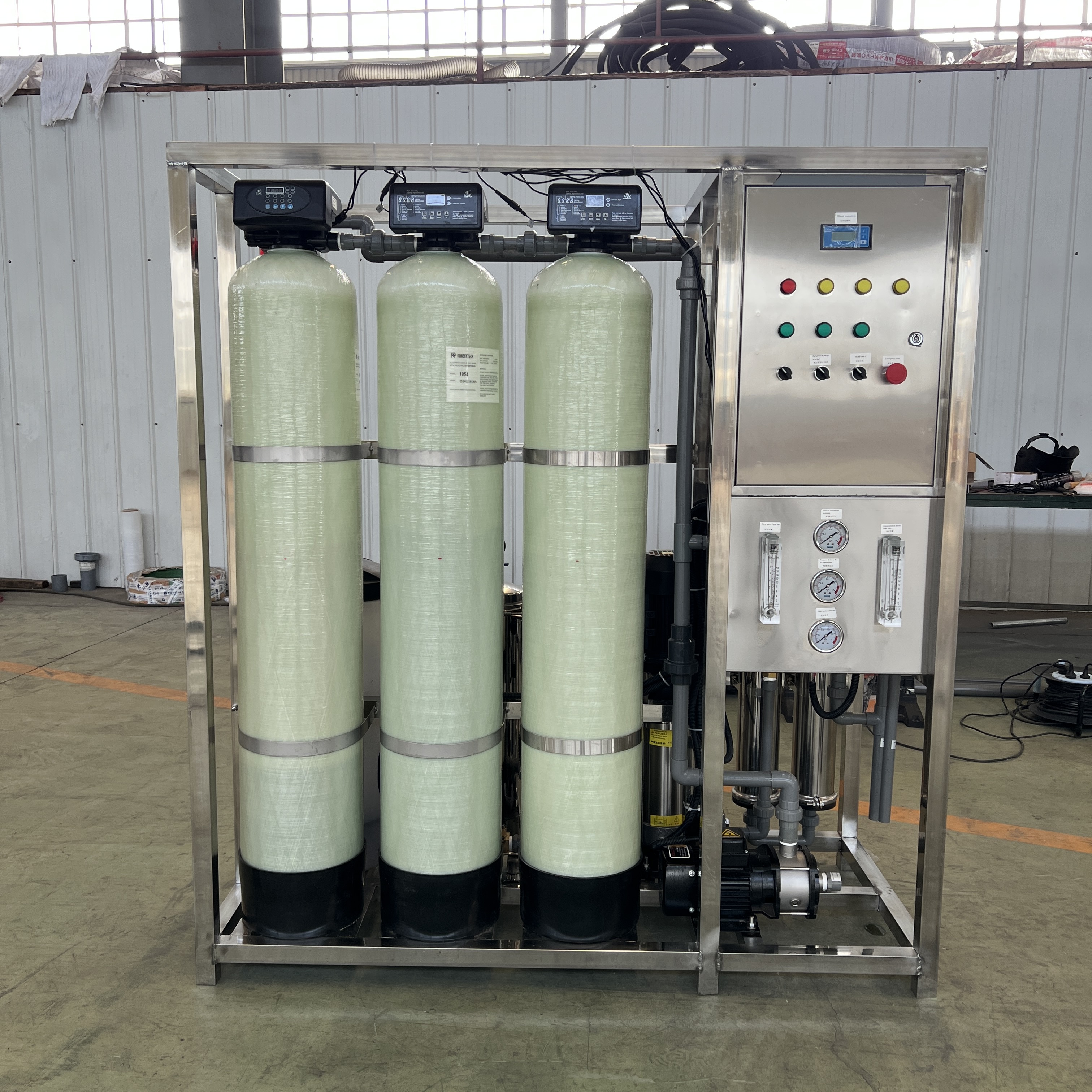
Every industrial water filter relies on consistent flow and controlled pressure to perform its job. When contamination builds up inside the filter housing, flow resistance increases, and pressure differential rises. Understanding what those differential pressure readings actually mean is the difference between proactive maintenance and costly unplanned downtime. Operators who can read these signals correctly protect both equipment and water quality.
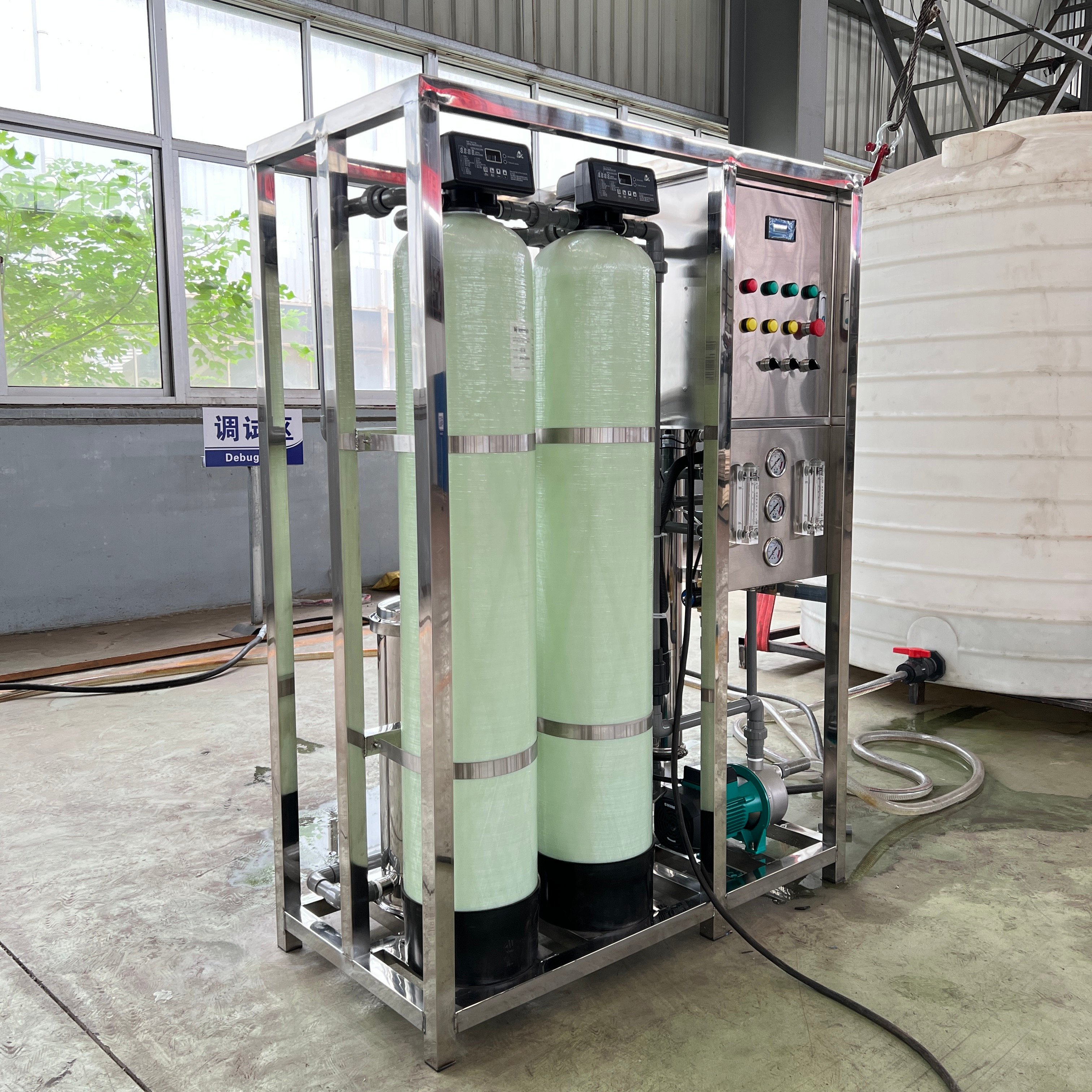
A differential pressure indicator measures the pressure difference between the inlet and outlet of an industrial water filter. As filter media captures suspended solids, sediment, and contaminants, the pathways through the media gradually become restricted. This restriction causes inlet pressure to rise relative to outlet pressure. Tracking this gap over time gives maintenance teams a reliable, real-time picture of filter loading without needing to physically open the unit. This guide explains precisely what different pressure readings signal and what actions they demand.
How Differential Pressure Works in an Industrial Water Filter
The Basic Mechanism Behind Pressure Rise
Inside any industrial water filter, water is forced through a porous medium designed to trap particles above a defined micron rating. When the medium is clean, water passes through with minimal resistance, and the pressure differential between inlet and outlet stays low. As the industrial water filter accumulates debris, the pores partially block, and the system must exert more force to push water through. This effort is measured as a rising differential pressure reading. The indicator essentially translates filter loading into a number operators can monitor without invasive checks.
For most industrial water filter applications, a baseline differential pressure is established during commissioning with a clean filter element. That baseline value becomes the reference point for all future readings. A gradual rise from baseline is expected and healthy. A sudden or steep rise, however, signals an abnormal condition inside the industrial water filter that demands immediate investigation, not just a scheduled cleaning.
Types of Differential Pressure Indicators Used
An industrial water filter can be fitted with mechanical gauges, electronic transducers, or visual pop-up indicators. Mechanical differential gauges display a needle position that operators read manually during routine rounds. Electronic transducers feed real-time data to control systems, enabling automated alerts when the industrial water filter reaches a defined threshold. Visual pop-up indicators give a simple pass or fail signal, which is useful on smaller industrial water filter units where continuous monitoring is not practical. Each type serves the same fundamental purpose: telling the operator when the industrial water filter media has loaded enough to require cleaning or replacement.
Reading the Signal Stages of a Loaded Industrial Water Filter
Early Stage: Normal Operating Range
During the early loading stage of an industrial water filter, differential pressure climbs slowly from baseline. This stage is entirely expected. The industrial water filter is capturing particles efficiently, and the pressure rise confirms the media is doing its job. Operators should log readings at regular intervals during this stage to establish the rate of loading. Knowing how quickly your industrial water filter loads under normal process conditions allows you to predict cleaning intervals and plan maintenance proactively rather than reactively.
Mid Stage: Approaching the Cleaning Threshold
As the industrial water filter continues to accumulate contaminants, differential pressure reaches what engineers refer to as the cleaning threshold. Most industrial water filter manufacturers define this point as a pressure differential of 0.5 to 1.0 bar above the clean baseline, though exact values depend on media type, flow rate, and application. When the industrial water filter indicator enters this range, it is signaling that cleaning should be scheduled promptly. Operating an industrial water filter beyond this point without action leads to reduced flow, increased energy consumption, and potential bypass of unfiltered water if media integrity is compromised.
Late Stage: Urgent Cleaning or Element Replacement
When differential pressure on an industrial water filter climbs significantly above the cleaning threshold, the system enters an urgent stage. At this point, the industrial water filter is severely loaded, flow restriction is substantial, and downstream equipment may be receiving water at reduced pressure or flow. Continuing to run the industrial water filter in this condition risks damaging pump seals, starving downstream processes, and potentially collapsing filter elements in high-pressure systems. The industrial water filter indicator is no longer suggesting maintenance; it is demanding it. Operators must act immediately to clean, backwash, or replace the filter media.
Practical Maintenance Actions Triggered by Industrial Water Filter Signals
Backwashing and Manual Cleaning Protocols
When an industrial water filter differential pressure signal reaches the cleaning threshold, the correct response depends on the filter design. Self-cleaning and backwash industrial water filter systems can often be triggered automatically or manually to flush accumulated solids out of the media without interrupting production. After a successful backwash cycle, the industrial water filter differential pressure should return close to the original baseline. If it does not, the media may be blinded by fine particles or biological fouling that backwashing cannot remove, and a chemical clean or element replacement is needed for that industrial water filter unit.
Replacing Media and Restoring Baseline Performance
For cartridge-style industrial water filter units, cleaning is not always practical. Once differential pressure exceeds the manufacturer's replacement threshold, the cartridge must be changed. After installing a fresh cartridge in the industrial water filter, always record the new baseline differential pressure and compare it against the previous clean baseline. A higher-than-expected starting pressure on the new industrial water filter cartridge indicates a problem elsewhere, such as a partially blocked housing, a failed o-ring allowing bypass, or an undersized industrial water filter for the current flow demand. Using differential pressure data to track baseline shifts over multiple cleaning cycles gives operators a powerful diagnostic tool for the entire industrial water filter system.
FAQ
What differential pressure reading means an industrial water filter needs immediate cleaning?
Most industrial water filter systems require cleaning when differential pressure rises 0.5 to 1.0 bar above the clean baseline. However, always follow the specific threshold defined by your industrial water filter manufacturer, as media type and system pressure affect the exact trigger point.
Can high differential pressure damage an industrial water filter element?
Yes. Running an industrial water filter at excessively high differential pressure can mechanically collapse filter elements, especially in high-flow systems. A collapsed element in an industrial water filter allows unfiltered water to bypass the media entirely, which defeats the purpose of filtration and may damage downstream equipment.
How often should differential pressure be checked on an industrial water filter?
For critical applications, differential pressure on an industrial water filter should be monitored continuously using electronic sensors. For lower-risk applications, manual checks during every maintenance round are acceptable. Establishing a consistent logging routine for each industrial water filter in your facility helps detect abnormal loading rates before they become urgent problems.