 EN
EN



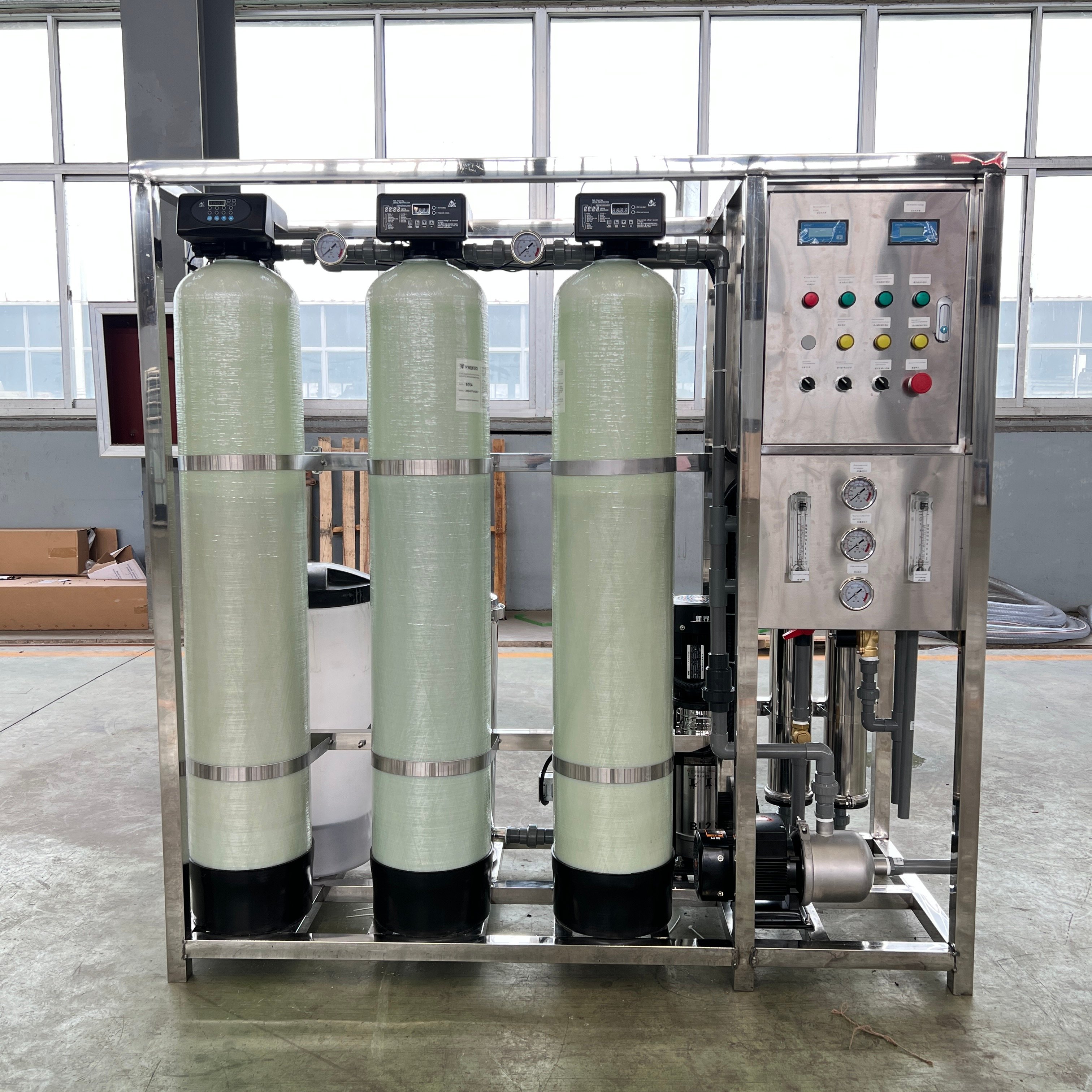
Power plants operate under extraordinary demand, consuming massive volumes of water for cooling towers, boilers, and steam generation systems. When engineers and facility managers ask whether a industrial water filter can handle thousands of gallons per minute, the short answer is yes — but only when the right system is selected, engineered, and maintained for that scale. An industrial water filter designed for power generation is a fundamentally different piece of equipment compared to standard commercial filtration units. Understanding what makes a high-flow industrial water filter viable for power plant operations requires examining capacity engineering, contaminant load, and system configuration.
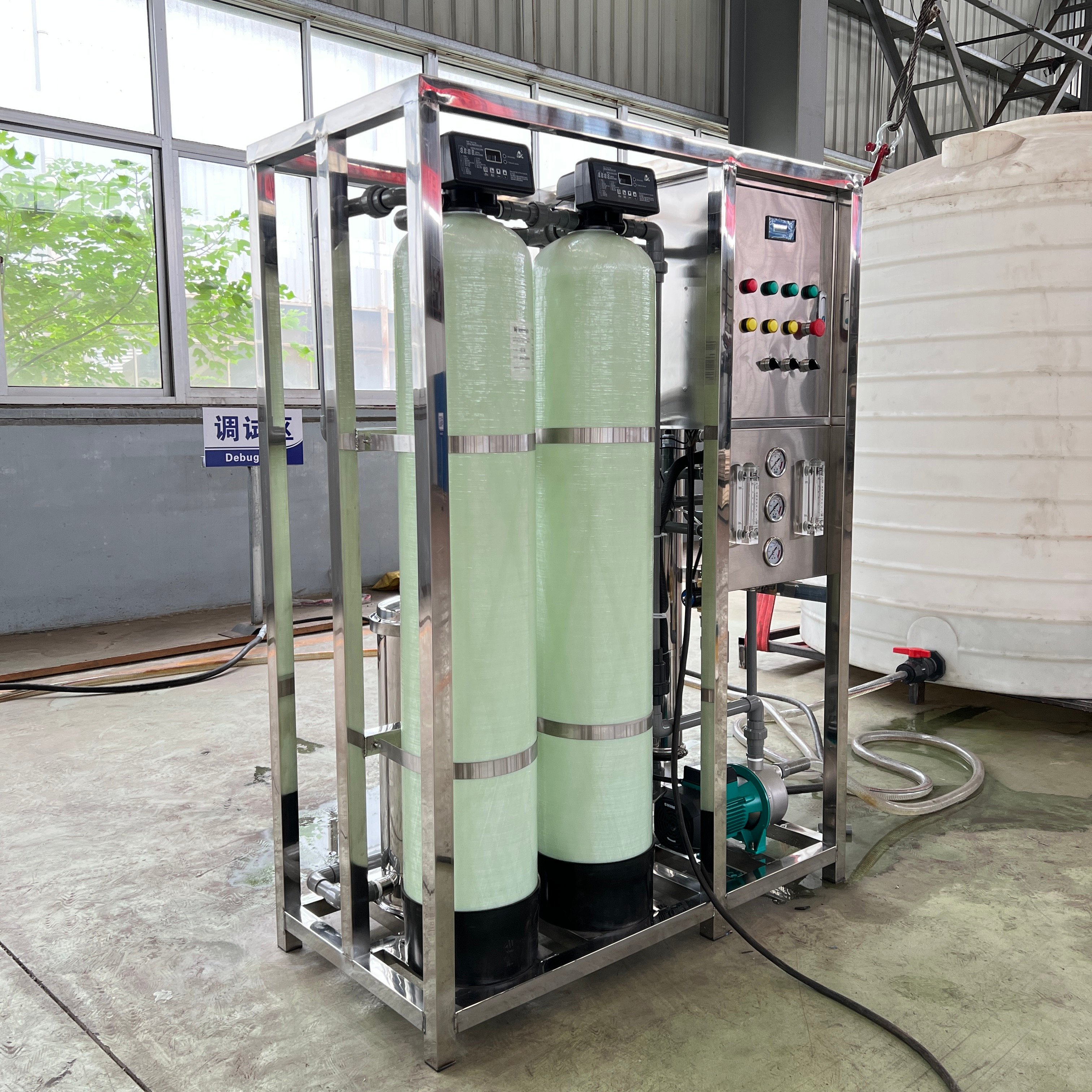
An industrial water filter rated for high-flow applications is engineered with oversized vessel housings, parallel filter trains, and automatic backwash mechanisms that keep operations continuous. For power plants specifically, where water supply interruptions can cascade into serious operational failures, the industrial water filter must perform reliably across thousands of gallons per minute without manual intervention. This article examines whether high-flow industrial water filter technology is truly suited for power plant demands, what conditions govern its performance, and how to evaluate the right configuration for large-scale energy facility use.
High-Flow Capacity in Industrial Water Filter Systems
How Flow Rate Is Engineered into an Industrial Water Filter
The flow rate capacity of an industrial water filter is not an incidental feature — it is a core engineering parameter defined at the design stage. For power plant applications, an industrial water filter must manage not just average flow but also peak surge demand, which can spike significantly during startup sequences or seasonal cooling load increases. Engineers achieve high-flow throughput in an industrial water filter by configuring multiple filter vessels in parallel arrays, allowing the cumulative flow capacity to scale with the number of active units. Each individual industrial water filter vessel is sized based on media type, contact time requirements, and acceptable pressure drop across the bed.
Modern industrial water filter systems designed for power plants routinely achieve flow rates measured in thousands of gallons per minute by combining large-diameter pressure vessels with media optimized for low resistance. Sand filtration, multimedia filtration, and self-cleaning strainer technologies are all applied within the industrial water filter framework to sustain high flow while capturing suspended solids, sediment, and biological matter. The key is that each industrial water filter stage in the treatment train is matched in capacity so no single unit becomes a bottleneck in the overall system flow.
Parallel Train Configuration for Industrial Water Filter Scale
Power plants rarely rely on a single industrial water filter vessel. Instead, the standard engineering practice is to deploy multiple industrial water filter trains operating in parallel, with redundant units available for isolation, backwash, or maintenance. This architecture ensures the overall industrial water filter system continues delivering the required flow rate even when one train is temporarily offline. For facilities with a firm capacity requirement of several thousand gallons per minute, this parallel industrial water filter design is not optional — it is the only reliable way to meet both flow and uptime demands simultaneously.
Contaminant Challenges That Shape Industrial Water Filter Design
Source Water Quality and Its Impact on Industrial Water Filter Selection
Power plants draw source water from rivers, lakes, municipal supplies, or groundwater, each presenting a distinct contaminant profile that directly shapes industrial water filter selection. River water, for example, carries high suspended solids loads during rain events, requiring an industrial water filter with robust backwash capability and high dirt-holding capacity. Groundwater sources may carry iron, manganese, or hardness minerals that foul downstream equipment unless removed by an appropriately specified industrial water filter at the intake stage. Understanding the site-specific water chemistry is essential before committing to any industrial water filter configuration.
An industrial water filter for a power plant is typically part of a broader treatment sequence that may include coagulation, sedimentation, softening, and reverse osmosis depending on the final water quality targets. Within this sequence, the industrial water filter serves as a critical protection layer, preventing particulate matter from reaching membranes, ion exchange resins, and boiler feed systems that are sensitive to fouling. Sizing the industrial water filter correctly for the contaminant load at peak flow is as important as sizing it for flow rate alone.
Continuous Operation and Backwash Scheduling for Industrial Water Filter Units
High-flow power plant environments demand that each industrial water filter unit can perform automated backwash cycles without taking the full system offline. Automatic backwash control systems allow the industrial water filter to clean its media bed using reverse flow while neighboring units maintain forward production flow. The timing and duration of each industrial water filter backwash cycle must be calibrated to the turbidity load, media type, and flow velocity to avoid media loss, incomplete cleaning, or unnecessary water waste. A well-programmed industrial water filter control system will trigger backwash based on differential pressure readings rather than fixed time intervals, ensuring the filter operates at peak efficiency regardless of variable inlet conditions.
Evaluating Industrial Water Filter Suitability for Power Plants
Key Criteria for Selecting an Industrial Water Filter at High Flow
Selecting an industrial water filter for a power plant at thousands of gallons per minute involves evaluating vessel pressure ratings, media bed depth, backwash water volume, footprint constraints, and automation capability. An industrial water filter that performs well at lower flow rates may develop channeling, uneven distribution, or excessive pressure drop when scaled up without proper internal engineering. Flow distribution headers, inlet baffles, and underdrain systems inside each industrial water filter vessel must be designed to spread flow uniformly across the full media cross-section, preventing short-circuit paths that reduce filtration efficiency.
Material of construction is another critical factor for an industrial water filter in power plant environments. Exposure to chemically treated water, high temperatures, and continuous pressure requires vessels built from carbon steel with protective linings, fiberglass-reinforced composites, or stainless steel depending on the water chemistry. An industrial water filter specified without attention to these material requirements will degrade prematurely, increasing maintenance cost and risking contamination of the treated water supply. Long-term industrial water filter performance depends on matching the construction specification to the operational environment as carefully as the hydraulic design.
Integration of Industrial Water Filter Systems with Downstream Treatment
In power plant water treatment trains, the industrial water filter does not operate in isolation. It is typically followed by softeners, deaerators, or membrane systems that depend on the industrial water filter delivering consistently low turbidity output. If the industrial water filter allows elevated suspended solids to pass during peak flow events, it accelerates fouling of reverse osmosis membranes and reduces ion exchange resin life, leading to increased operational cost across the entire treatment plant. Effective integration means the industrial water filter is equipped with turbidity monitoring, effluent quality alarms, and automatic diversion to drain during breakthrough events, protecting all downstream investment.
FAQ
Can a single industrial water filter unit handle thousands of gallons per minute on its own?
A single industrial water filter vessel is generally not large enough to manage thousands of gallons per minute independently. High-flow power plant systems use multiple industrial water filter units arranged in parallel trains to achieve the required combined flow rate while maintaining redundancy for backwash and maintenance cycles.
What maintenance does a high-flow industrial water filter require in power plant service?
A high-flow industrial water filter in power plant service requires regular automated backwash cycles, periodic media inspection and replacement, differential pressure monitoring, and vessel integrity checks. An industrial water filter with automated controls reduces manual maintenance burden, but scheduled inspections remain essential to verify media condition and internal component integrity over time.
How does an industrial water filter protect downstream equipment in a power plant?
An industrial water filter removes suspended solids, sediment, and particulate contaminants before water reaches sensitive downstream equipment such as reverse osmosis membranes, ion exchange systems, and boiler feed units. By maintaining low turbidity output, the industrial water filter extends the service life of these downstream assets and reduces chemical consumption, unplanned downtime, and overall operating cost for the power plant.