 EN
EN


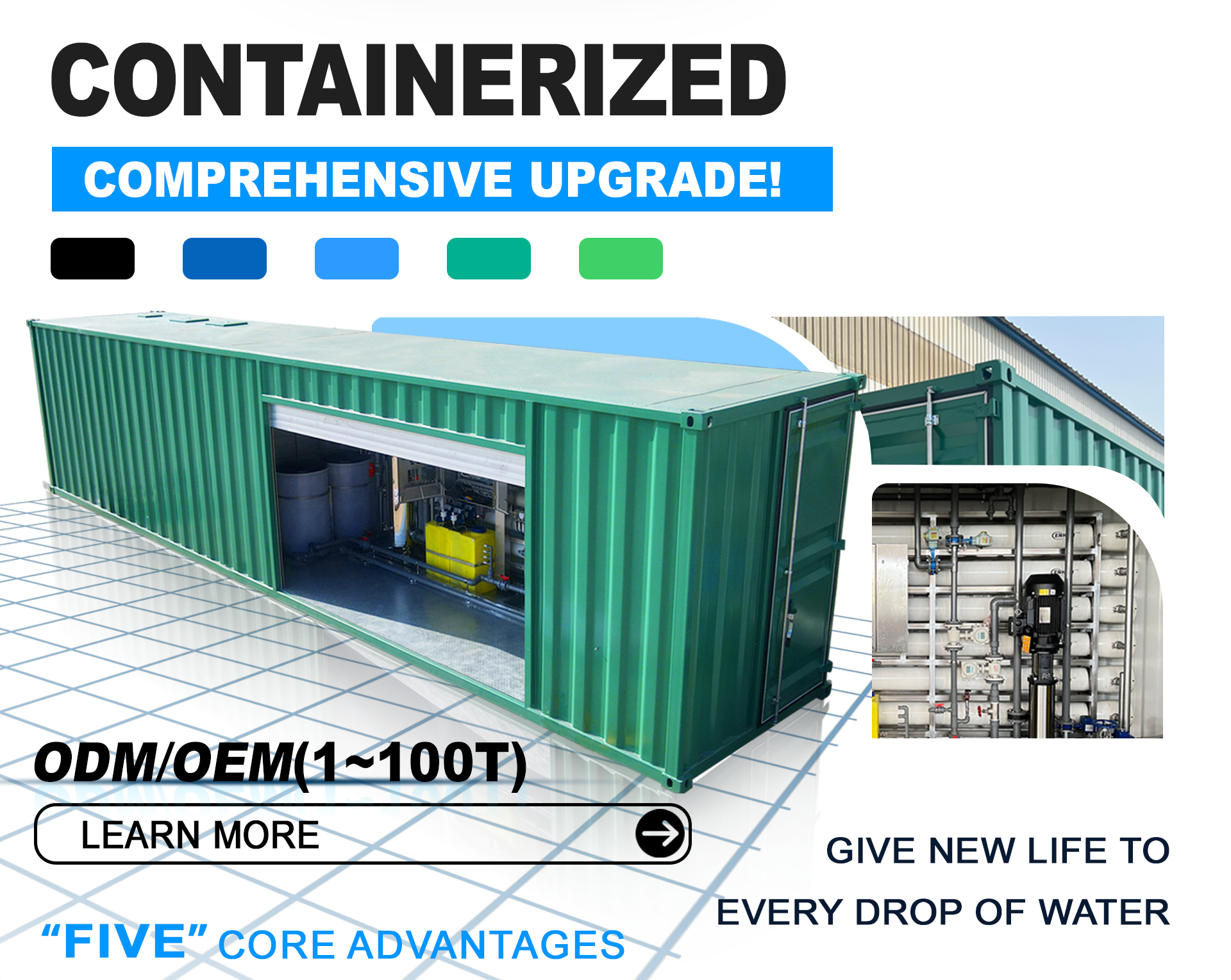
A reverse osmosis plant is a critical investment for any factory requiring high-quality purified water. Whether you operate a food and beverage facility, pharmaceutical production line, or electronics manufacturing center, selecting the right reverse osmosis plant directly impacts operational efficiency, product quality, and long-term cost management. This comprehensive reverse osmosis plant buying guide equips factory decision-makers with the knowledge needed to evaluate options, avoid common pitfalls, and invest in a system that delivers reliable performance for years to come.
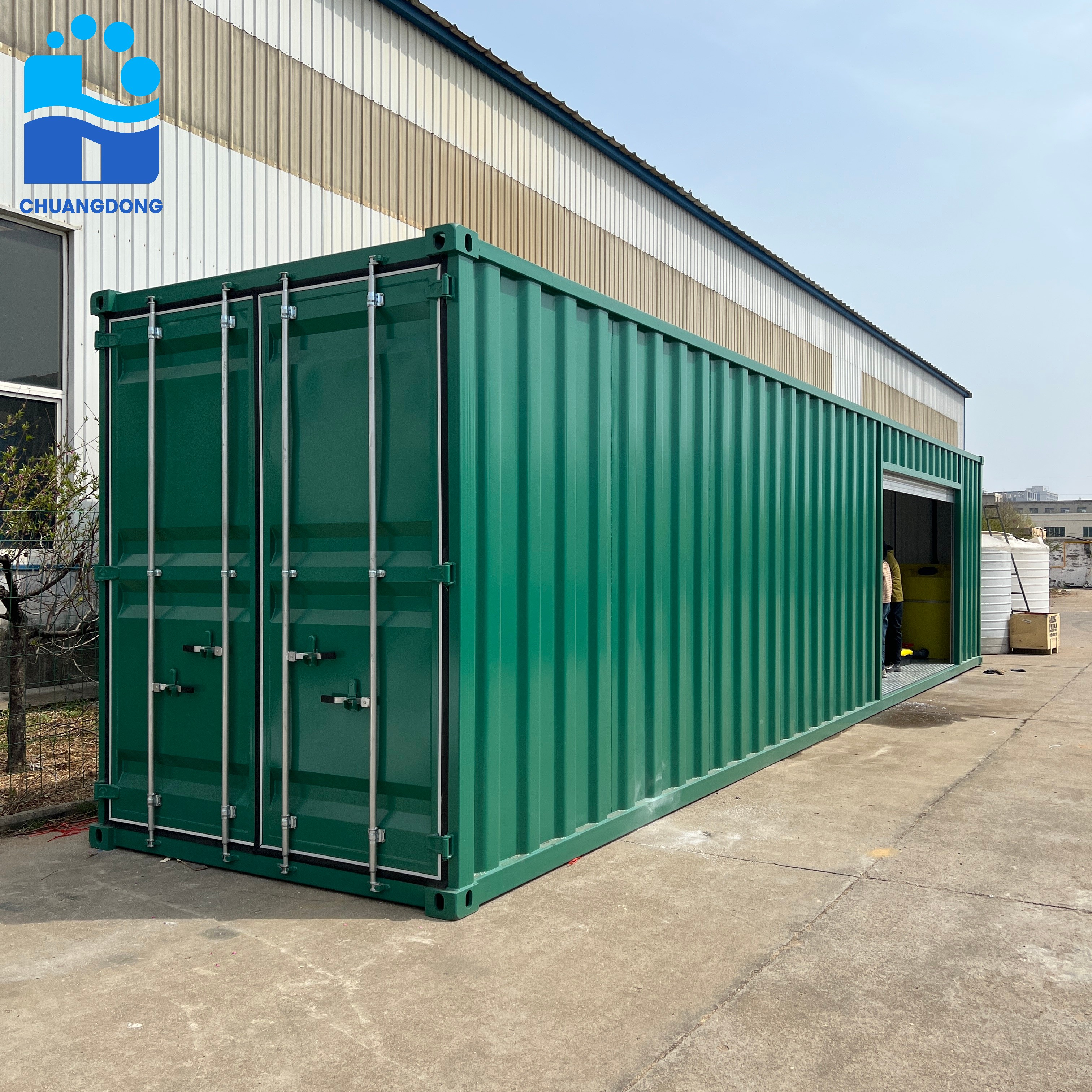
The process of choosing a reverse osmosis plant involves evaluating technical specifications, understanding your facility's water demand, assessing feed water quality, calculating total cost of ownership, and verifying vendor reliability. Industrial-grade reverse osmosis plant systems range widely in capacity, treatment technology, automation level, and price point. Making an informed decision requires balancing performance requirements against budget constraints while ensuring the system can handle your facility's specific water chemistry and production volume.
Understanding Your Reverse Osmosis Plant Requirements
Assessing Water Demand and Capacity Needs
The first step in any reverse osmosis plant buying guide is determining your actual water consumption. Calculate peak hourly demand, average daily usage, and seasonal variations across all production lines and auxiliary processes. A reverse osmosis plant must be sized to meet your highest demand period without forcing production shutdowns or relying on backup storage that may degrade water quality. Undersizing a reverse osmosis plant creates bottlenecks; oversizing it increases capital expense and operational cost unnecessarily. Most factories benefit from a reverse osmosis plant rated at 110 to 125 percent of peak demand, providing a safety margin without excessive waste.
Feed Water Quality Analysis
Before selecting a reverse osmosis plant, conduct a detailed analysis of your source water. Test for total dissolved solids (TDS), hardness, chlorine, iron, turbidity, pH, and any industry-specific contaminants. A reverse osmosis plant designed for municipal water cannot perform adequately if fed high-salinity bore water without proper pre-treatment. Your reverse osmosis plant may require advanced pre-filtration, softening, or carbon filtration stages to protect membranes and extend system lifespan. Understanding feed water quality upfront prevents costly equipment failures and allows vendors to design a reverse osmosis plant that truly matches your facility's conditions.
Key Specifications and Technology Comparison
Membrane Type and Recovery Rate
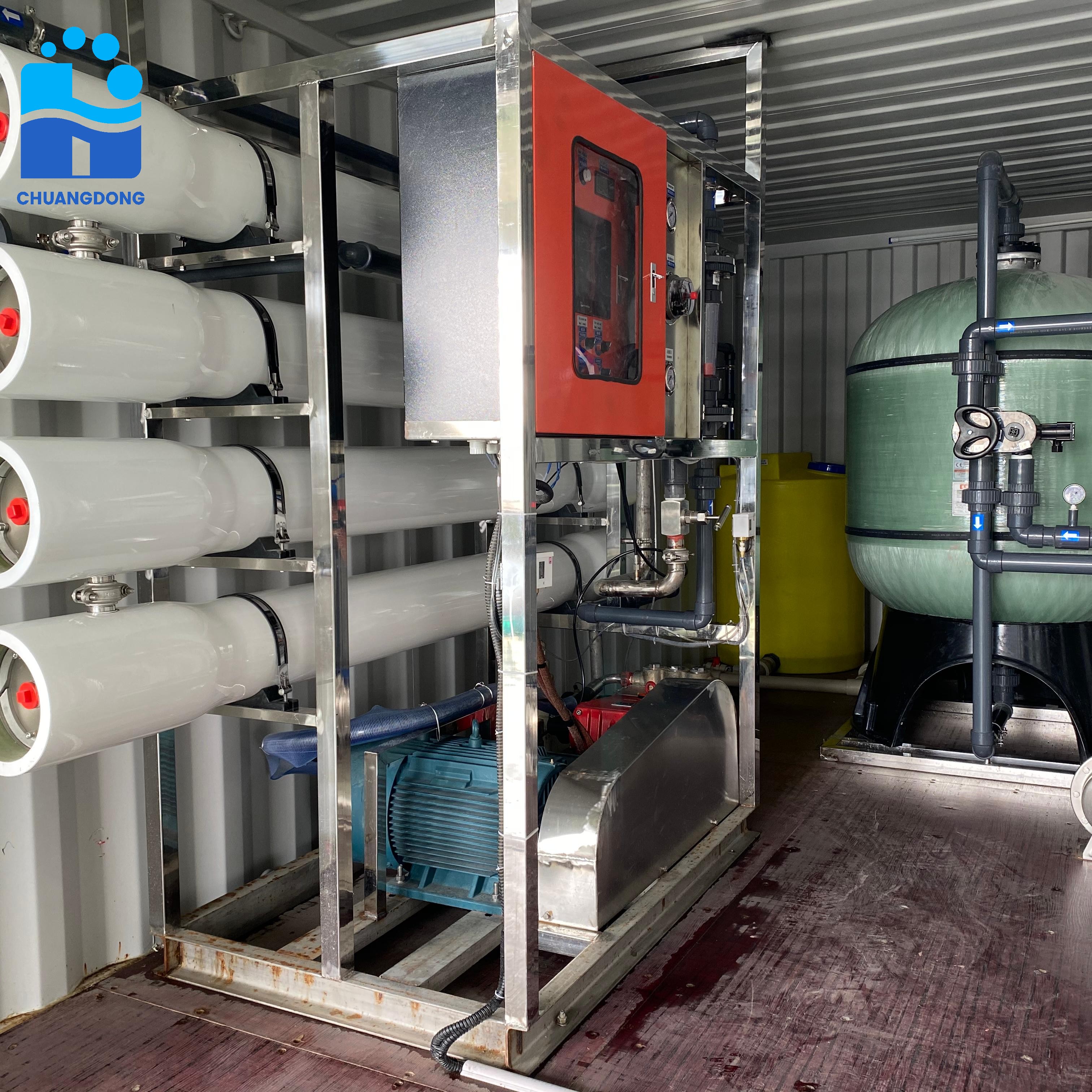
A reverse osmosis plant uses semi-permeable membranes to remove dissolved minerals and impurities from water. The quality and type of RO membrane in your reverse osmosis plant directly influence rejection rate, flow capacity, and durability. Commercial-grade reverse osmosis plant membranes typically reject 95 to 99 percent of dissolved solids, depending on water chemistry and operating pressure. Recovery rate—the percentage of feed water converted to pure water—varies from 50 to 85 percent depending on feed water concentration and reverse osmosis plant design. Higher recovery rates reduce wastewater but may require more sophisticated staging and energy management within your reverse osmosis plant system.
Automation and Control Systems
Modern reverse osmosis plant installations include automated controls, real-time monitoring, and alert systems that reduce operator burden and prevent membrane damage. A reverse osmosis plant with integrated sensors tracks pressure, flow rate, conductivity, and system performance continuously. Automated reverse osmosis plant systems can adjust operating parameters, trigger cleaning cycles, and notify maintenance teams of anomalies before failures occur. For large factories, a reverse osmosis plant with remote monitoring capability and predictive maintenance features justifies its higher initial cost by minimizing downtime and extending membrane life significantly.
Financial and Operational Considerations
Total Cost of Ownership Model
Evaluating a reverse osmosis plant requires analyzing not just purchase price but total cost of ownership over five to ten years. A reverse osmosis plant involves capital expense, installation, electrical upgrades, pre-treatment equipment, membrane replacement cycles, energy consumption, water waste disposal, and routine maintenance. Calculate cost per liter of purified water produced by comparing purchase price against expected annual throughput. A cheaper reverse osmosis plant with higher energy demands or frequent membrane replacements may cost significantly more over its lifetime than a premium-engineered system. Request itemized proposals from multiple vendors and ask each to provide a reverse osmosis plant cost projection that accounts for your specific production volume and feed water conditions.
Maintenance, Training, and Support
A reverse osmosis plant is only as reliable as the team operating and maintaining it. Ensure your vendor provides comprehensive training, clear documentation, and responsive support for your reverse osmosis plant. Verify that spare parts availability is reliable and pricing is transparent before purchasing. Some vendors include preventive maintenance contracts with a reverse osmosis plant, while others charge separately for service calls. Clarify warranty terms, response times for breakdowns, and whether your reverse osmosis plant technician support covers remote diagnostics or requires on-site visits. A reliable reverse osmosis plant partner reduces unplanned downtime and extends equipment life substantially.
Implementation and System Integration
Installation Requirements and Site Preparation
Installing a reverse osmosis plant requires adequate floor space, proper electrical supply, plumbing infrastructure, and waste management for concentrate water. Before committing to a reverse osmosis plant, verify that your facility can accommodate equipment footprint, provide appropriate power capacity, and handle discharge or recycling of reject water. Some reverse osmosis plant systems can be mounted on skids for simplified installation; others require substantial on-site customization. A reverse osmosis plant installation timeline typically ranges from two to six weeks depending on complexity, pre-treatment requirements, and local regulatory approvals needed. Budget appropriately for site preparation costs beyond the reverse osmosis plant equipment itself.
Integration with Existing Systems
Your new reverse osmosis plant must integrate smoothly with existing water systems, production equipment, and quality monitoring protocols. If your facility currently uses underground storage tanks or separate distribution systems, your reverse osmosis plant must connect to these without creating compatibility issues or water stagnation problems. Ensure your reverse osmosis plant output feeds your production lines consistently and does not create pressure fluctuations that damage sensitive equipment downstream. Some reverse osmosis plant installations require new storage tanks or circulation systems to optimize water distribution. Coordinate with your reverse osmosis plant vendor and internal teams to develop an integration plan before installation begins.
FAQ
How much does an industrial reverse osmosis plant cost?
Industrial reverse osmosis plant pricing varies based on capacity, technology level, pre-treatment requirements, and regional factors. Small capacity reverse osmosis plant systems for light industrial use may cost $15,000 to $40,000, while a large-capacity reverse osmosis plant for major manufacturing facilities can exceed $200,000. A reverse osmosis plant is considered an investment rather than an expense, with typical payback periods of three to six years through water cost savings and improved product quality. Request detailed quotes and compare total cost of ownership rather than purchase price alone when evaluating a reverse osmosis plant.
What maintenance does a reverse osmosis plant require?
Routine reverse osmosis plant maintenance includes replacing pre-filters every three to six months, monitoring membrane condition, cleaning concentrate lines, and testing output water quality monthly. A reverse osmosis plant typically requires professional membrane replacement every three to five years depending on feed water quality and system design. Regular maintenance of your reverse osmosis plant prevents performance degradation, extends membrane life, and identifies potential issues before they cause breakdowns. Establish a scheduled reverse osmosis plant maintenance program with your vendor and document all service activities to maintain warranty coverage.
Can a reverse osmosis plant be customized for specific water chemistry?
Yes, a reverse osmosis plant can be customized with different membrane types, additional pre-treatment stages, higher-capacity configurations, and specialized components to handle unique feed water conditions. Before customizing your reverse osmosis plant, conduct thorough water testing and work with vendors experienced in your industry. A customized reverse osmosis plant ensures optimal performance and longevity but requires longer lead times and typically costs more than standard systems. Your reverse osmosis plant vendor should provide a detailed engineering assessment and design recommendation based on your specific water quality and production requirements.