 EN
EN



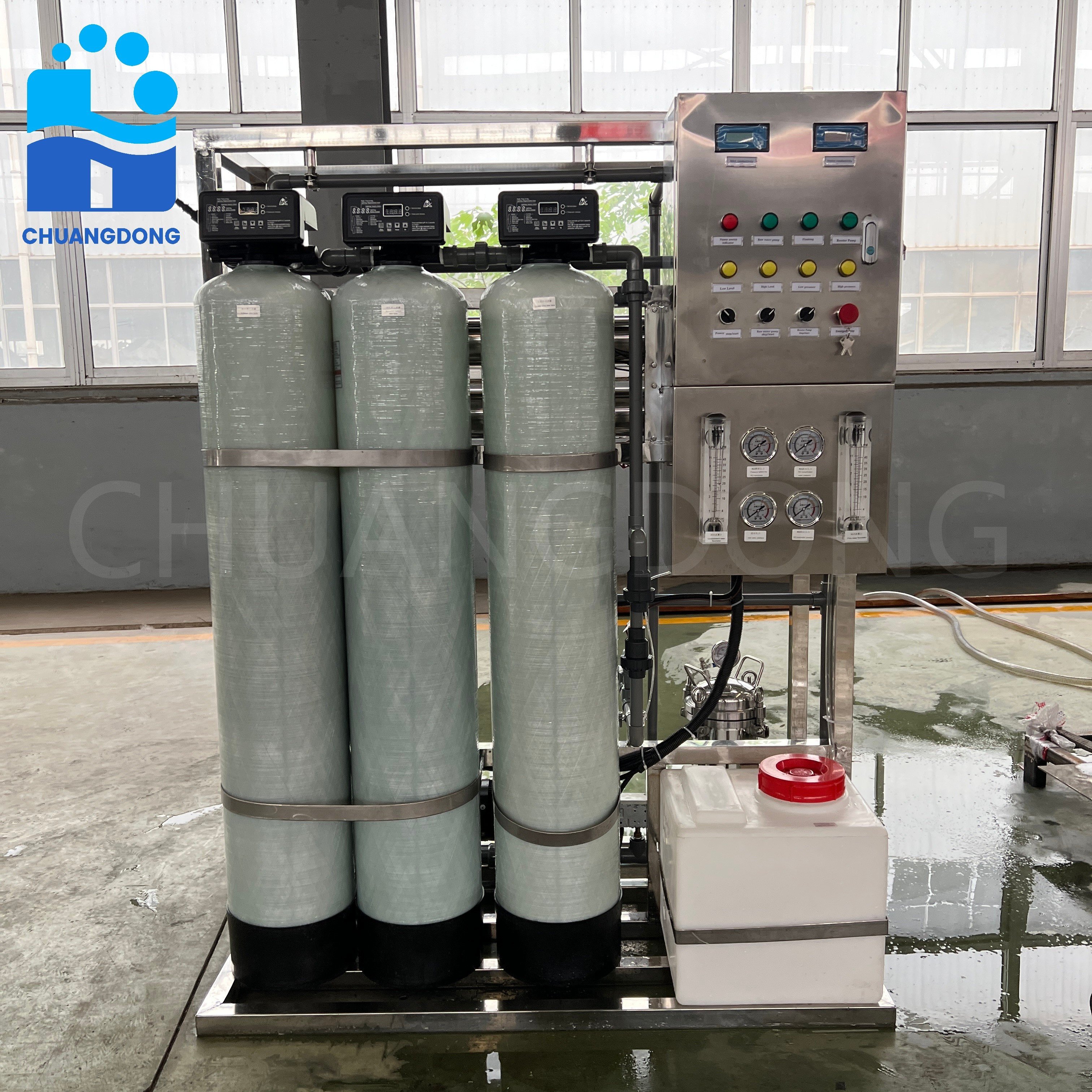
Choosing between a water softener system and an RO system is one of the most important decisions you'll make for your water quality management. Both solutions address water problems, but they work differently and solve different issues. Understanding the distinctions between a water softener system and an RO system will help you invest in the right technology for your specific water challenges.
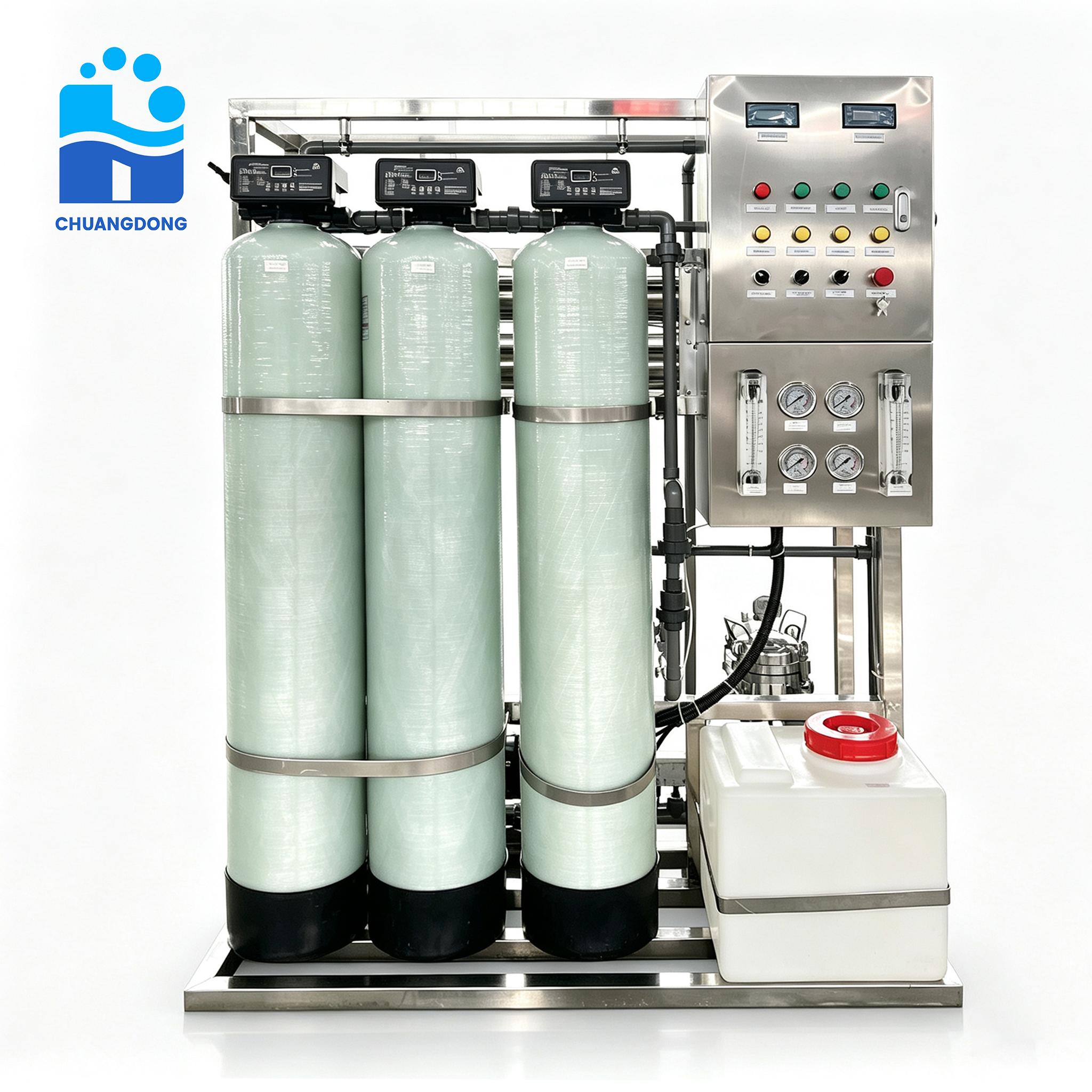
Many property owners and facility managers feel overwhelmed by the technical details of water treatment options. The good news is that selecting between a water softener system and an RO system doesn't require deep chemistry knowledge. What matters most is understanding your water quality problems, your usage patterns, and your budget constraints. This guide walks you through the key differences so you can make a confident decision.
Understanding the Core Purpose of a Water Softener System
How a Water Softener System Removes Hardness
A water softener system addresses one specific problem: hard water caused by excess calcium and magnesium minerals. The water softener system works through ion exchange, swapping hardness-causing minerals for sodium or potassium ions. This process prevents scale buildup in pipes, water heaters, and appliances. A water softener system is ideal when your primary concern is protecting equipment from mineral damage and reducing soap residue on skin and hair.
The water softener system requires periodic regeneration cycles using salt or potassium chloride. Maintenance is straightforward and costs are predictable. If you have moderately hard water but otherwise acceptable quality, a water softener system delivers excellent value. Regular salt addition keeps a water softener system running smoothly for decades.
When a Water Softener System Makes Sense
A water softener system is your best choice when you have hard water but your water tests show acceptable levels of contaminants like bacteria, chemicals, or dissolved solids. Commercial facilities, laundries, and hospitality venues often rely on a water softener system to extend equipment life and improve cleaning performance. If your water bill is high because you're using excessive soap and detergent, a water softener system can reduce those costs significantly.
Understanding Reverse Osmosis Technology and RO Systems
How RO Systems Provide Comprehensive Filtration
An RO system uses membrane filtration to remove up to 99 percent of dissolved solids, contaminants, and minerals from water. Unlike a water softener system that only addresses hardness, an RO system tackles bacteria, viruses, chemicals, heavy metals, and other impurities. RO systems force water through a semi-permeable membrane under pressure, leaving contaminants behind as reject water. This makes an RO system ideal for drinking water, sensitive manufacturing processes, and areas with questionable water quality.
An RO system produces pure water suitable for direct consumption or specialized applications. Because an RO system removes nearly all minerals and contaminants, it provides the highest water purity available through point-of-use or point-of-entry systems. Many commercial operations and healthcare facilities choose an RO system specifically for its comprehensive purification capability.
Trade-offs and Considerations for RO Systems
An RO system does have drawbacks. The process creates reject water, typically sending 75 percent of incoming water down the drain to produce 25 percent purified product. Installation costs for an RO system are higher than for a water softener system, and membrane replacement adds ongoing expense. An RO system also removes beneficial minerals, which some users prefer to remineralize post-treatment. Despite these factors, an RO system remains the preferred choice when water quality threats are serious or when ultrapure water is required.
Key Differences: Water Softener System vs RO System
Filtration Capability and Contaminant Removal
The primary difference between a water softener system and an RO system lies in scope. A water softener system focuses narrowly on mineral hardness only. An RO system removes hardness plus virtually all other contaminants. If your water report shows only hardness, a water softener system is sufficient and cost-effective. If your water shows multiple quality issues including hardness, bacteria, chemicals, or high total dissolved solids, an RO system provides superior protection.
Installation Costs and Ongoing Maintenance
A water softener system typically costs less to install and maintain than an RO system. Salt is inexpensive and regeneration is automatic. An RO system requires professional installation, uses more complex technology, and demands periodic membrane replacement. For budget-conscious facilities with simple hardness problems, a water softener system wins on economics. For situations where water quality is critical, the higher cost of an RO system is justified by better outcomes.
Flow Rate and Water Availability
A water softener system delivers treated water at full flow rates with minimal pressure loss. An RO system significantly reduces flow, producing treated water slowly. If your facility needs high-volume treated water immediately, a water softener system is more practical. An RO system works best for drinking water stations, fill-and-hold applications, or facilities where production speed isn't critical.
Determining Your Water Quality Needs
Step One: Test Your Water
Before choosing between a water softener system and an RO system, get your water tested professionally. Standard tests measure hardness, pH, total dissolved solids, bacteria, nitrates, and other parameters. If testing shows only hardness above 200 ppm, a water softener system solves your problem. If testing reveals multiple contaminants, bacteria, or chemical contamination, an RO system becomes necessary.
Step Two: Assess Your Application
Consider how you'll use the treated water. Drinking and cooking demands the highest purity, making an RO system preferable. Cooling systems, cleaning, and general facility water can often use a water softener system effectively. Commercial applications like food and beverage production, pharmaceuticals, or semiconductors typically require an RO system. A water softener system works well for industrial cooling, landscape irrigation treated at high volume, and facilities where hardness is the only documented problem.
Hybrid Approach: Combining Both Technologies
Many modern water treatment facilities use a hybrid approach, installing a water softener system as the primary treatment stage followed by an RO system for final polishing. This configuration reduces RO membrane workload, extends membrane life, and optimizes both systems. The water softener system protects the RO system from excessive mineral fouling. The RO system provides final contaminant removal. For critical applications or heavily compromised water, this layered approach delivers reliability and redundancy that neither system alone can match.
FAQ
Can a water softener system remove bacteria and chemicals?
No, a water softener system removes only hardness minerals through ion exchange. It does not remove bacteria, viruses, pesticides, heavy metals, or chemical contaminants. If your water contains biological or chemical threats, a water softener system alone is insufficient. You need an RO system or additional filtration technologies to address those specific dangers.
Does an RO system remove hardness as a water softener system does?
Yes, an RO system removes hardness along with virtually all other dissolved minerals and contaminants. However, using an RO system purely for hardness removal is economically inefficient because you're paying for comprehensive filtration when a water softener system would suffice. An RO system makes sense when you need it for multiple contaminant types beyond just hardness.
What's the best choice for drinking water: a water softener system or an RO system?
For drinking water, an RO system is the superior choice because it removes bacteria, viruses, chemicals, and other harmful contaminants that a water softener system cannot address. While a water softener system may improve the taste and feel of water by removing hardness, it doesn't guarantee safety. An RO system provides the purity and safety assurance that drinking water applications demand.