 EN
EN



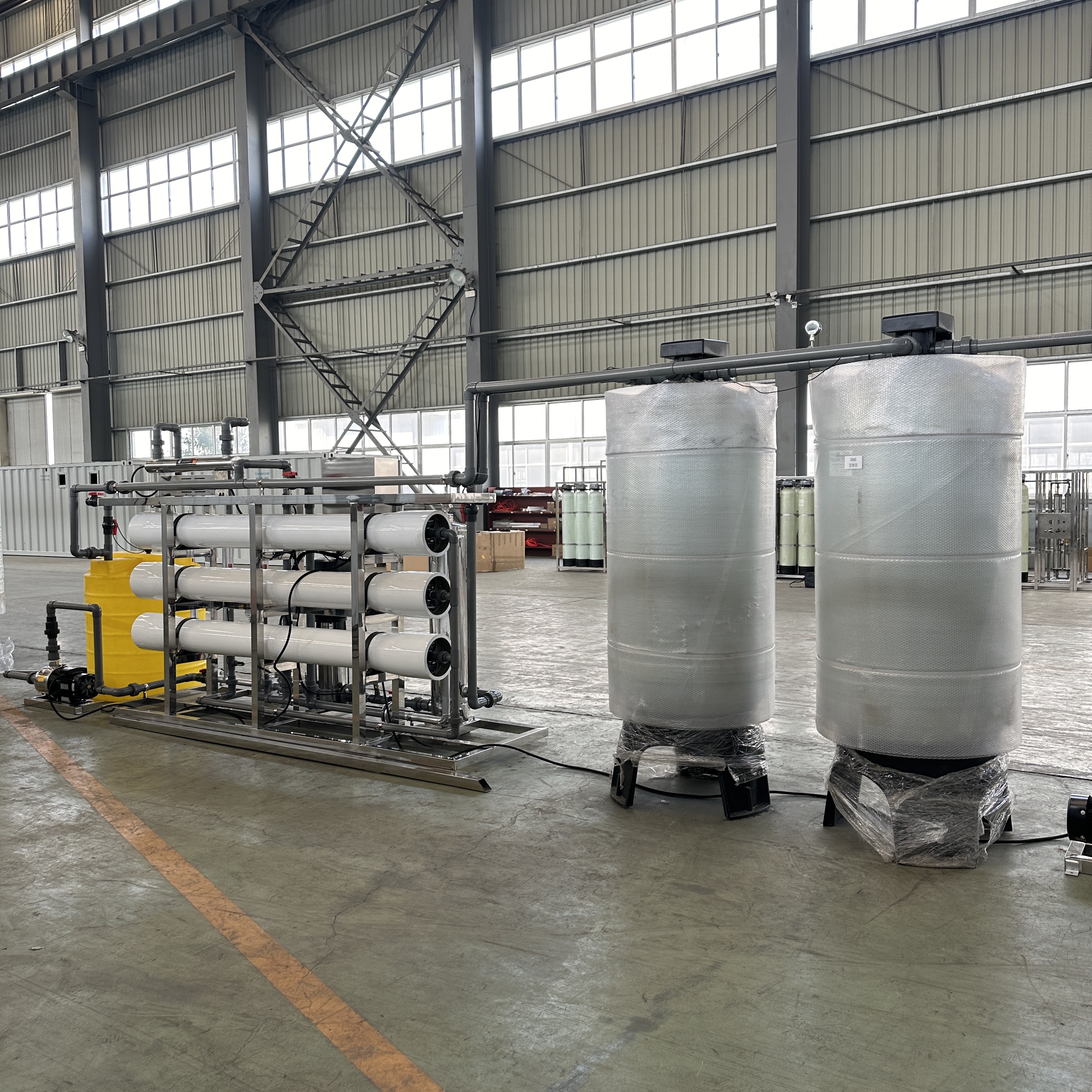
When evaluating water treatment solutions, understanding the distinction between an RO system vs water softener is essential for making an informed decision. While both address water quality challenges, they target different contaminants and deliver different results. Many property owners and facility managers struggle to determine which technology best suits their specific water conditions and needs. This guide clarifies how an RO system vs water softener differ in function, performance, and application, helping you select the right solution.
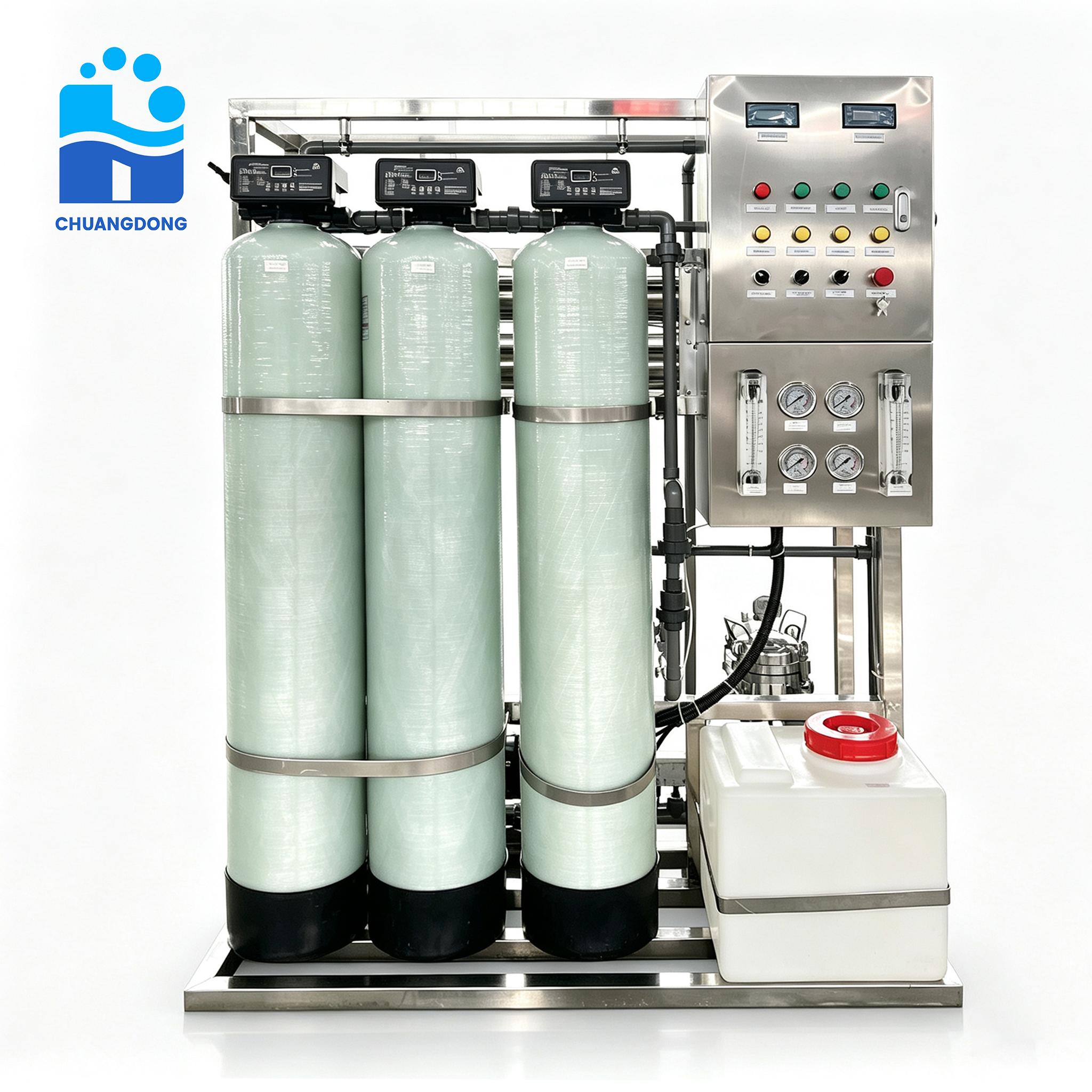
Comparing an RO system vs water softener requires understanding their core mechanisms and target contaminants. Each technology operates on different principles and addresses distinct water quality issues. Whether you prioritize mineral reduction, dissolved solids removal, or hardness elimination will determine which solution—or combination—works best for your application. Understanding these differences ensures you invest in the right water treatment system.
How RO System vs Water Softener Work Differently
Mechanism of Water Softener Operation
A water softener uses ion exchange technology to address hard water, which contains elevated levels of calcium and magnesium. When water flows through the softener's resin bed, positively charged ions exchange hardness minerals for sodium ions. This process directly reduces water hardness, making water feel softer and preventing scale buildup on appliances and fixtures. The resin bed requires periodic regeneration with salt to restore its ion exchange capacity, typically every few weeks depending on water hardness and usage.
How an RO System Functions
An RO system vs water softener differs fundamentally because reverse osmosis uses membrane filtration to remove dissolved solids. Water is forced through a semi-permeable membrane under pressure, which blocks dissolved salts, minerals, and other contaminants while allowing only pure water molecules to pass. An RO system vs water softener addresses broader contamination concerns, including total dissolved solids, fluoride, bacteria, and chemical residues. The RO system produces treated water and a concentrate stream, with no chemical regeneration required.
Contaminant Removal and Performance Differences
What Each Technology Removes
When evaluating an RO system vs water softener for your needs, consider what each removes. A water softener primarily targets calcium and magnesium ions responsible for hardness. It does not remove dissolved solids, salts, bacteria, viruses, chlorine, or other chemical contaminants. In contrast, an RO system vs water softener provides broader protection by removing up to 95 percent of dissolved solids, including minerals, salts, nitrates, fluoride, lead, and microbial contaminants. For comprehensive water quality improvement, an RO system vs water softener may complement each other rather than substitute.
Water Quality Output Considerations
An RO system vs water softener produces different quality outputs that align with different objectives. A softened water system reduces scaling and extends appliance life, improving water feel and lather in cleaning applications. An RO system vs water softener prioritizes purity for drinking and cooking water, though it removes beneficial minerals along with contaminants. Some industrial and commercial applications require an RO system vs water softener combination: softening first to protect the RO membrane, then reverse osmosis for final purification. Understanding your primary goal—hardness reduction or overall purity—guides the choice between RO system vs water softener technologies.
Cost, Maintenance, and Installation Factors
System Expense and Operating Costs
Evaluating an RO system vs water softener involves comparing upfront investment and ongoing expenses. Water softeners typically cost less initially, ranging from moderate to substantial depending on capacity and features. However, an RO system vs water softener requires accounting for salt purchases for regular regeneration, which accumulates over time. Conversely, an RO system vs water softener typically costs more to install but operates without chemical regeneration; ongoing expenses focus on periodic membrane replacement and filter changes. Commercial facilities treating high volumes often find that an RO system vs water softener offers better long-term economics despite higher capital investment.
Installation Requirements and Maintenance Demands
Installation complexity differs between an RO system vs water softener technology. Most water softeners integrate into main water lines with standard plumbing connections, making installation straightforward. An RO system vs water softener demands more intricate setup, including dedicated supply lines, drain connections for concentrate discharge, and often professional installation. Maintenance requirements also differ: softeners need periodic resin cleaning and salt tank refills, while an RO system vs water softener requires membrane and pre-filter monitoring and replacement every one to three years. Understanding your facility's capacity for maintenance helps determine whether an RO system vs water softener suits your operational capabilities.
Selecting Between RO System vs Water Softener for Your Application
Assessing Your Water Quality Challenges
Determining whether an RO system vs water softener fits your situation starts with water testing. Hard water with high calcium and magnesium but acceptable dissolved solids suggests a water softener solves your primary problem. An RO system vs water softener becomes the better choice when testing reveals elevated total dissolved solids, chlorine, fluoride, nitrates, or microbial concerns. Many facilities discover they benefit from both: an RO system vs water softener working in sequence, with softening as pre-treatment to protect the RO membrane and extend its service life. Professional water quality analysis provides the data needed to make this comparison confidently.
Application-Specific Decision Factors
Different settings prioritize different concerns, influencing whether an RO system vs water softener is preferable. Residential homes with hard water but safe municipal supply often find a water softener adequate, though an RO system vs water softener provides added benefit for drinking and cooking. Commercial food and beverage operations require the purity that an RO system vs water softener delivers through reverse osmosis. Industrial applications with specific water chemistry demands may need an RO system vs water softener combination or specialized configurations. Hospitality facilities, manufacturing plants, and healthcare settings typically rely on an RO system vs water softener setup that addresses multiple water quality parameters simultaneously.
FAQ
Can an RO system and water softener work together?
Yes, an RO system vs water softener combination is highly effective. Placing a water softener upstream of an RO system protects the expensive RO membrane from mineral scaling and extends its operational life. This configuration addresses both hardness and dissolved solids, providing comprehensive water treatment. An RO system vs water softener setup in this sequence is common in commercial facilities, industrial applications, and homes requiring maximum water purity and equipment protection.
Which is better for drinking water: RO system or water softener?
An RO system vs water softener differs significantly for drinking water applications. A water softener alone does not remove dissolved solids, microbes, or chemical contaminants, making it unsuitable as a standalone drinking water solution. An RO system vs water softener delivers superior purification for drinking and cooking water by removing dissolved solids and contaminants. Many households use an RO system vs water softener, with the softener treating whole-house water and an RO system dedicated to the kitchen for drinking water production.
Does hard water damage an RO system?
Yes, hard water can damage an RO system over time because calcium and magnesium minerals scale the delicate membrane surface. This is why an RO system vs water softener is often recommended as a pre-treatment pair. Installing a water softener upstream prevents mineral scaling on the RO membrane, dramatically extending membrane lifespan and maintaining system performance. An RO system vs water softener combination protects both the efficiency of the reverse osmosis stage and reduces maintenance requirements and replacement frequency.