 EN




Understanding the distinction between water purification vs filtration is essential for anyone seeking to improve their water quality. While these terms are often used interchangeably, water purification vs filtration represent fundamentally different approaches to treating contaminated water. Water purification vs filtration each address specific contaminants and employ unique technologies, making the choice between them dependent on your water quality concerns and intended application. Whether for residential, commercial, or industrial use, knowing how water purification vs filtration differ will guide you toward the most effective solution for your specific needs.
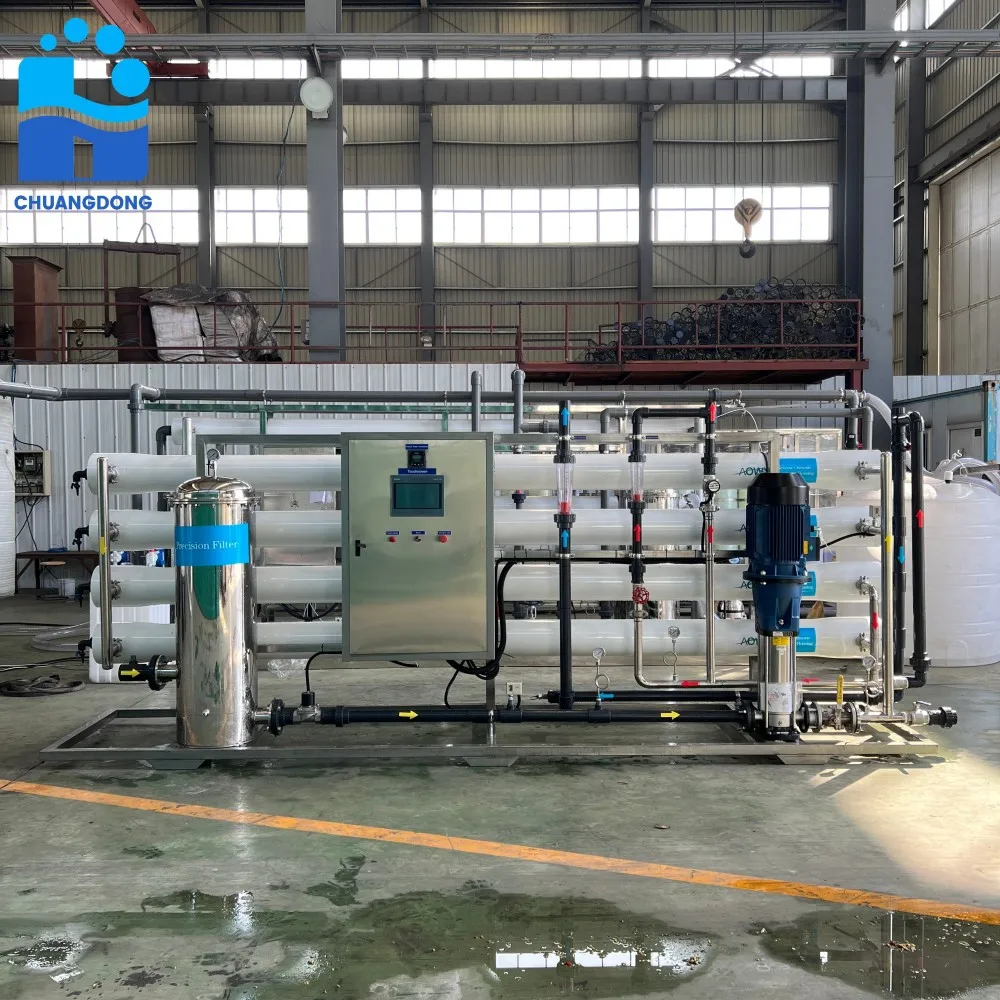
The decision between water purification vs filtration impacts water safety, taste, odor, and compliance with health standards. Many facility managers and homeowners face confusion about which technology delivers better results for their situation. This guide clarifies what water purification vs filtration entail, explores their distinct mechanisms, and helps you determine which approach or combination of approaches best serves your water treatment objectives.
Understanding Water Filtration and Its Mechanisms
How Water Filtration Works
Water filtration is a mechanical or physical process that removes visible particles, sediment, and large contaminants from water. In water purification vs filtration discussions, filtration represents the simpler mechanical approach. The filtration process typically uses barriers such as sand, carbon, mesh, or membrane materials to trap particles as water passes through. Sediment, rust, chlorine taste and odor, and some bacteria can be effectively removed through filtration alone. Many households rely on basic filtration for preliminary water treatment, particularly when source water contains visible turbidity or unpleasant odors.
Common Filtration Technologies
Several filtration methods are widely used in residential and commercial applications. Activated carbon filters excel at removing chlorine, odors, and some chemical compounds, making them popular for taste and odor improvement. Sediment filters work by trapping particles of various sizes depending on micron rating. Media filters combine sand, gravel, and anthracite to capture finer particles through a layered approach. When comparing water purification vs filtration, understand that filtration alone cannot remove dissolved minerals, viruses, or most chemical contaminants. This limitation is why many installations combine filtration with additional purification methods for comprehensive water treatment.
Exploring Water Purification Technologies
Advanced Purification Mechanisms
Water purification encompasses advanced technologies that go beyond mechanical filtration to remove dissolved contaminants, pathogens, and chemical compounds. In the water purification vs filtration comparison, purification represents a more comprehensive treatment approach. Reverse osmosis purification uses semipermeable membranes to separate dissolved solids, minerals, and contaminants from water molecules themselves. Ultraviolet purification destroys bacteria, viruses, and some chemical compounds through light exposure. Distillation purification boils water and collects condensed vapor, leaving contaminants behind. These methods address concerns that basic filtration cannot resolve, making them essential for situations requiring higher water purity standards.
When Purification Becomes Necessary
Certain water quality issues demand purification rather than filtration alone. High dissolved mineral content, microbial contamination, chemical pollutants, and pharmaceutical residues require purification technologies. In water purification vs filtration scenarios involving well water with high mineral content, purification through reverse osmosis becomes necessary. Industrial applications, medical facilities, and laboratories typically require purification systems because product quality and safety depend on extremely pure water. Residential areas with contaminated groundwater or high-risk municipal supplies also benefit from purification rather than relying solely on filtration.
Comparing Performance: Filtration and Purification Side by Side
Contaminant Removal Effectiveness
The water purification vs filtration choice hinges directly on what contaminants you need to remove. Filtration effectively eliminates suspended particles, sediment, some chlorine, and large bacteria, but struggles with dissolved minerals, viruses, and chemicals. Water purification systems excel at removing dissolved salts, heavy metals, fluoride, pesticides, and microscopic pathogens that bypass filtration barriers. For arsenic, lead, nitrates, or other dissolved contaminants, water purification vs filtration reveals that purification provides superior protection. Understanding your specific water contamination profile determines whether filtration suffices or whether purification becomes necessary.
Cost and Maintenance Implications
Water purification vs filtration also differ significantly in operational expenses. Basic filtration systems cost less initially and require routine filter replacements, typically every three to twelve months depending on water quality and usage. Water purification systems command higher upfront investment but offer longer-lasting benefits and often require less frequent maintenance once installed. Reverse osmosis purification systems produce wastewater as a byproduct, increasing water consumption. When evaluating water purification vs filtration economically, consider total cost of ownership including filter replacements, energy consumption, and water waste rather than purchase price alone. Industrial users often justify purification investment through product quality improvements and reduced downstream problems.
Selecting the Right Solution for Your Needs
Assessing Your Water Quality Baseline
Before choosing between water purification vs filtration, obtain a comprehensive water quality analysis. Test results should identify specific contaminants present, their concentrations, and pH levels. Municipal water supplies typically require less aggressive treatment than untreated well water. In the water purification vs filtration decision, contamination severity determines technology selection. Light sediment and chlorine issues resolve through filtration, while dissolved minerals, pathogens, or chemical contamination demand purification. Many treatment specialists recommend a layered approach combining both filtration and purification for maximum protection and cost efficiency.
Matching Solution to Application
The water purification vs filtration choice depends heavily on intended water use. Whole-home systems typically benefit from combining both technologies, using filtration for initial particle removal followed by purification for dissolved contaminant removal. Commercial beverage production, pharmaceutical manufacturing, and laboratory applications require water purification vs filtration solutions that deliver the highest purity standards, making advanced purification essential. Residential applications with hard water benefit from water softening combined with filtration or purification depending on mineral levels. Swimming pools, irrigation systems, and industrial process water each have distinct water purification vs filtration requirements based on their specific applications and quality standards.
FAQ
Can filtration alone provide safe drinking water?
Filtration can improve water taste, odor, and clarity by removing particles and chlorine, but may not eliminate all pathogens or dissolved contaminants. In the water purification vs filtration comparison for drinking water safety, filtration alone is insufficient if your source contains bacteria, viruses, dissolved chemicals, or high mineral content. Many municipalities recommend combining filtration with additional treatment methods or choosing purification systems for complete protection, especially for vulnerable populations or contaminated sources.
Is water purification always necessary for residential use?
Water purification necessity depends on your specific water quality and health concerns. Municipal treated water typically requires only filtration for taste and odor improvement, making the water purification vs filtration choice favor filtration for cost efficiency. Well water, however, often contains dissolved minerals or pathogens requiring purification technologies. Testing your water determines whether water purification vs filtration investment is justified, and many homeowners find that combining both approaches provides optimal safety and quality at reasonable cost.
What maintenance differences exist between purification and filtration systems?
Filtration systems require regular filter replacement as the primary maintenance task, typically every few months depending on water quality and flow rates. Purification systems like reverse osmosis demand routine membrane cleaning, occasional cartridge replacement, and monitoring of reject water management. In water purification vs filtration maintenance considerations, filtration involves simpler, less frequent servicing, while purification requires more technical expertise. Professional maintenance contracts for purification systems cost more than DIY filter changes, so total maintenance commitment should factor into your water purification vs filtration selection decision.