 EN



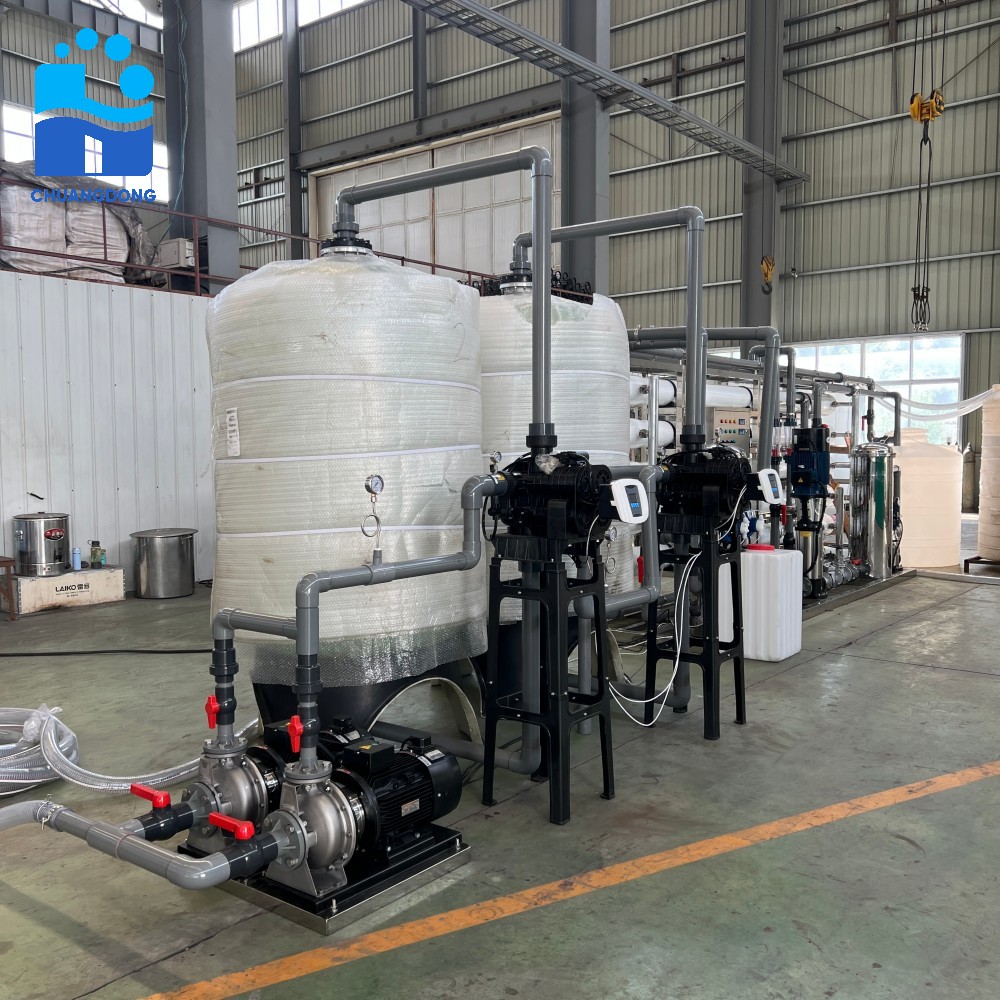
Understanding the distinction between a desalination plant and a reverse osmosis plant is critical for industries, municipalities, and commercial operations seeking effective water treatment solutions. While these terms are sometimes used interchangeably, a desalination plant and reverse osmosis plant represent different technologies and applications in modern water treatment. A desalination plant is a broader category of facility designed to remove salt and minerals from saline or brackish water sources, while a reverse osmosis plant employs a specific membrane-based technology to achieve desalination. Recognizing how a desalination plant and reverse osmosis plant differ helps stakeholders make informed decisions about capital investment, operational efficiency, and long-term water security.
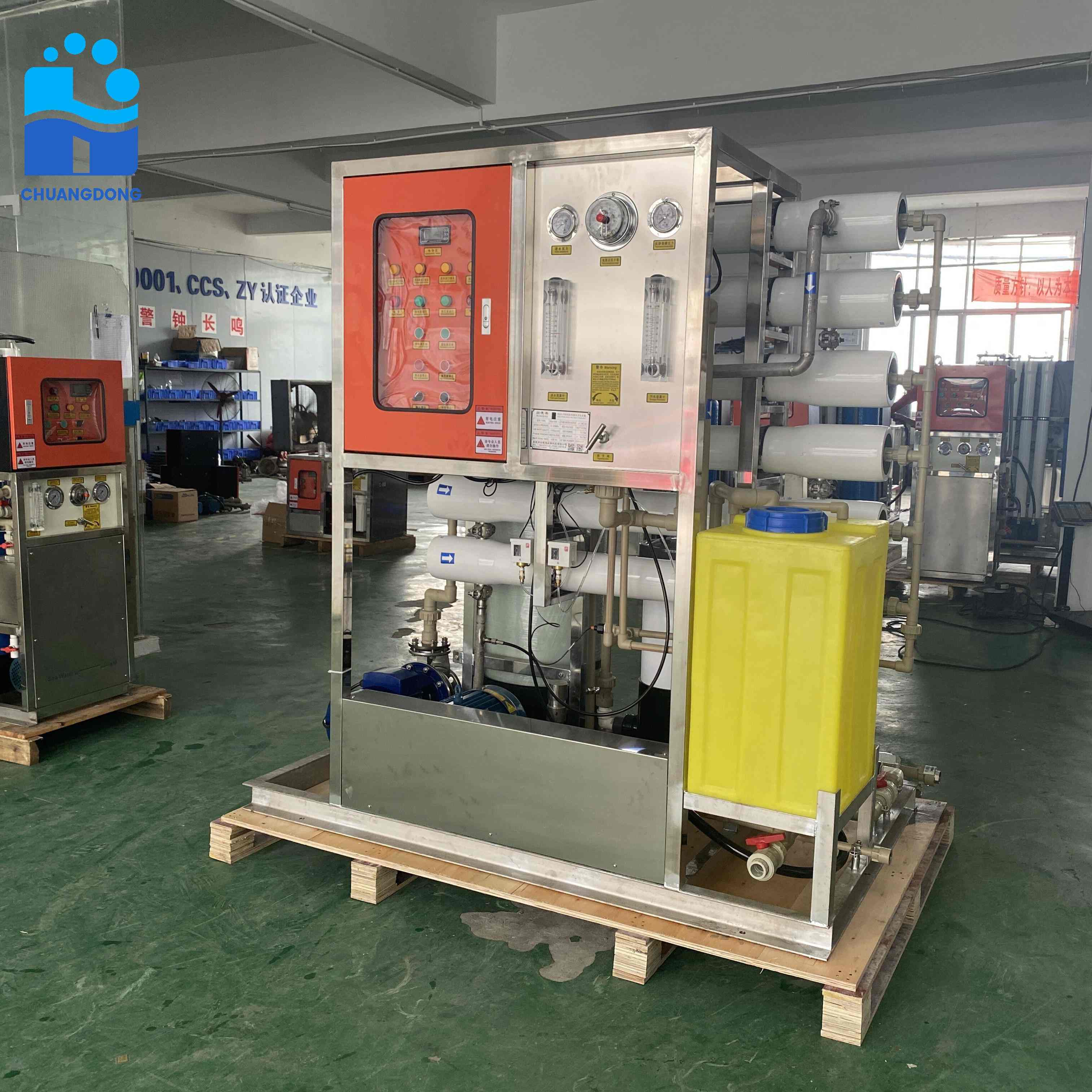
The desalination plant landscape encompasses multiple methodologies, including thermal distillation, multi-effect distillation, and membrane technologies. A reverse osmosis plant, by contrast, operates exclusively through membrane separation, forcing pressurized saline water through semipermeable membranes to separate dissolved solids from fresh water. This distinction has profound implications for operational costs, energy consumption, maintenance requirements, and the quality of treated water produced by each technology. Organizations evaluating water treatment infrastructure must understand these operational and economic differences to select the most suitable solution for their specific geographic, environmental, and financial constraints.
Understanding Desalination Plant Technology
Core Mechanisms of Desalination Plants
A desalination plant removes dissolved salts and minerals from seawater or brackish water through various proven methodologies. Thermal desalination plants utilize heat energy to evaporate water, leaving salts behind in a residual brine stream. Multi-effect distillation desalination plants employ multiple stages of evaporation and condensation to maximize thermal efficiency and reduce overall energy consumption. When implementing a desalination plant, engineers must consider local climate conditions, available energy sources, and water demand patterns. The desalination plant operator selects technology based on feed water salinity, required production volume, available space, and financial resources. Thermal desalination plant systems have been deployed globally for decades, proving reliable in harsh coastal and desert environments where conventional freshwater sources remain limited.
Operational Characteristics of Desalination Plants
A desalination plant typically requires substantial upfront capital investment but can achieve economies of scale when treating large water volumes. Modern desalination plant facilities incorporate automated monitoring, energy recovery systems, and environmental compliance features to minimize operational impact. The desalination plant produces high-quality fresh water suitable for drinking, industrial processes, and agricultural irrigation. Brine discharge from a desalination plant represents an environmental consideration requiring proper management and disposal protocols. A desalination plant designed for coastal municipal use may incorporate integrated brine treatment systems to meet increasingly stringent environmental regulations.
Reverse Osmosis Plant Technology and Applications
How Reverse Osmosis Plants Function
A reverse osmosis plant achieves salt and mineral removal through membrane pressure-driven separation technology. Inside a reverse osmosis plant, high-pressure pumps force feed water against semipermeable membranes containing microscopic pores, typically 0.0001 microns in diameter. This reverse osmosis plant configuration allows water molecules to pass through while rejecting dissolved salts, minerals, bacteria, and viruses. The reverse osmosis plant produces two streams: permeate (purified water) and concentrate (rejected contaminants). A reverse osmosis plant membrane operates continuously if properly maintained, and membrane replacement represents a predictable maintenance cost for operators. Industries deploying a reverse osmosis plant benefit from relatively straightforward operation, lower energy intensity compared to thermal methods, and flexibility in system scaling.
Advantages and Limitations of Reverse Osmosis Plants
A reverse osmosis plant excels at treating brackish water, groundwater with elevated salinity, and industrial wastewater requiring recovery and recycling. The reverse osmosis plant approach produces consistent permeate quality with rejection rates exceeding 95 percent for dissolved solids. However, a reverse osmosis plant operating on high-salinity seawater faces membrane fouling challenges and requires pre-treatment systems including sediment filters, activated carbon units, and antiscalant injection. A reverse osmosis plant designed for seawater desalination demands higher operating pressures and more robust equipment than systems treating less saline sources. The reverse osmosis plant concentrate stream requires responsible disposal or further treatment, representing an ongoing operational consideration. Organizations selecting a reverse osmosis plant must balance energy efficiency advantages against higher membrane replacement costs and stricter feedwater quality requirements.
Comparing Desalination Plant and Reverse Osmosis Plant Solutions
Energy Consumption and Operating Costs
Evaluating energy requirements distinguishes desalination plant options from reverse osmosis plant systems in practical application. A desalination plant using thermal distillation may require 12 to 15 kilowatt-hours of energy per cubic meter of fresh water produced, depending on ambient temperature, system design, and heat recovery integration. A reverse osmosis plant typically consumes 3 to 8 kilowatt-hours per cubic meter, representing significantly lower energy intensity. A reverse osmosis plant demonstrates superior efficiency when powered by conventional grid electricity or renewable sources including solar and wind installations. The desalination plant thermal approach becomes advantageous in regions with waste heat availability, such as industrial complexes or power stations, where a desalination plant can leverage otherwise discarded thermal energy. Decision-makers comparing a desalination plant against a reverse osmosis plant must factor local energy costs, available renewable capacity, and long-term sustainability objectives into financial modeling.
Feedwater Quality Requirements and Pre-treatment
A desalination plant using thermal distillation tolerates higher feedwater turbidity and suspended solids, requiring minimal pre-treatment infrastructure. A reverse osmosis plant demands stringent pre-treatment protocols including cartridge filters, multimedia filtration, activated carbon absorption, and antiscalant chemical conditioning. A reverse osmosis plant processing high-salinity seawater necessitates sophisticated pre-treatment, increasing overall system complexity and operational attention. A desalination plant thermal configuration operates independently of feedwater fouling concerns, providing operational simplicity in remote or underdeveloped settings. Organizations deploying a reverse osmosis plant in challenging environments must budget for pre-treatment equipment, spare components, and trained technical personnel for ongoing maintenance. A desalination plant design approach favors locations where feedwater quality remains unpredictable or where existing water infrastructure cannot support membrane-sensitive systems.
Water Recovery and Production Quality
A reverse osmosis plant typically recovers 40 to 60 percent of feedwater as high-quality permeate product. A desalination plant thermal system may achieve 40 to 50 percent recovery rates depending on configuration and operational parameters. A reverse osmosis plant permeate quality meets drinking water standards without remineralization, though some applications benefit from alkalinity adjustment. A desalination plant thermal product naturally contains trace minerals derived from feedwater evaporation, potentially requiring post-treatment adjustment for certain applications. A desalination plant system brine stream concentration rises significantly above feedwater salinity, requiring environmental compliance management. A reverse osmosis plant operators must implement concentrate minimization strategies including zero-liquid-discharge systems or beneficial use pathways. The choice between a desalination plant and reverse osmosis plant hinges partly on acceptance criteria for product water quality and regulatory requirements governing brine disposal.
FAQ
What is the primary difference between a desalination plant and a reverse osmosis plant?
A desalination plant represents a broad category of facilities employing multiple technologies—thermal distillation, multi-effect evaporation, or membrane systems—to remove salts from water. A reverse osmosis plant specifically uses membrane pressure-driven separation technology, representing one specialized approach within the desalination plant category. A desalination plant offers different operational characteristics, energy profiles, and maintenance requirements depending on the underlying technology, while a reverse osmosis plant provides predictable membrane-based performance suitable for specific feedwater conditions.
Which is more cost-effective: a desalination plant or a reverse osmosis plant?
A reverse osmosis plant generally demonstrates lower operating costs through reduced energy consumption, typically 3 to 8 kilowatt-hours per cubic meter compared to 12 to 15 kilowatt-hours for a desalination plant thermal system. However, a desalination plant using waste heat from industrial processes may prove more economical in specific applications. A reverse osmosis plant requires higher pre-treatment infrastructure and more frequent membrane replacement expenses. A desalination plant thermal approach involves higher energy costs but simpler maintenance in certain settings. Total cost comparisons require detailed analysis of site-specific conditions, energy availability, feedwater quality, and production volume requirements for each technology.
Can a desalination plant and reverse osmosis plant be combined in a single facility?
Yes, hybrid systems combining thermal desalination plant components with reverse osmosis plant technology are increasingly common in large municipal and industrial applications. A desalination plant incorporating both technologies can optimize energy recovery and maximize water production efficiency. A reverse osmosis plant pre-treatment system can employ thermal conditioning or concentrate from thermal stages. Organizations implementing such hybrid approaches leverage advantages from both a desalination plant thermal process and a reverse osmosis plant membrane system, improving overall sustainability metrics and operational flexibility in meeting variable water demand.