 EN



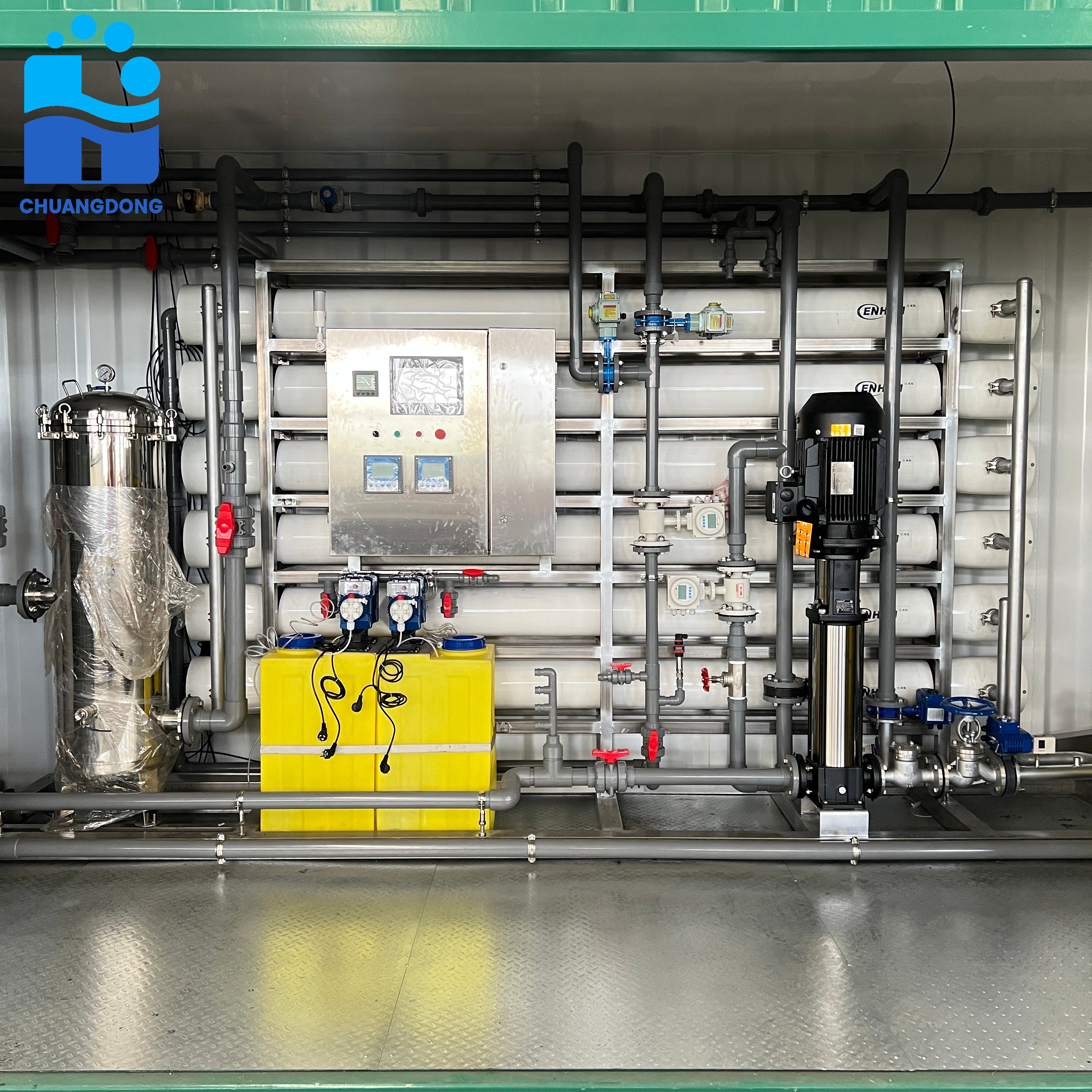
Research laboratories depend on ultrapure water system reliability to ensure accurate experimental results and instrument longevity. Selecting the right ultrapure water system is one of the most critical decisions a lab manager can make, as water quality directly impacts analytical accuracy, reagent stability, and equipment performance. An inadequate ultrapure water system can compromise data integrity, waste resources, and increase operational costs over time. This buying guide explores the essential factors that help laboratories choose the best ultrapure water system for their specific needs and budget constraints.
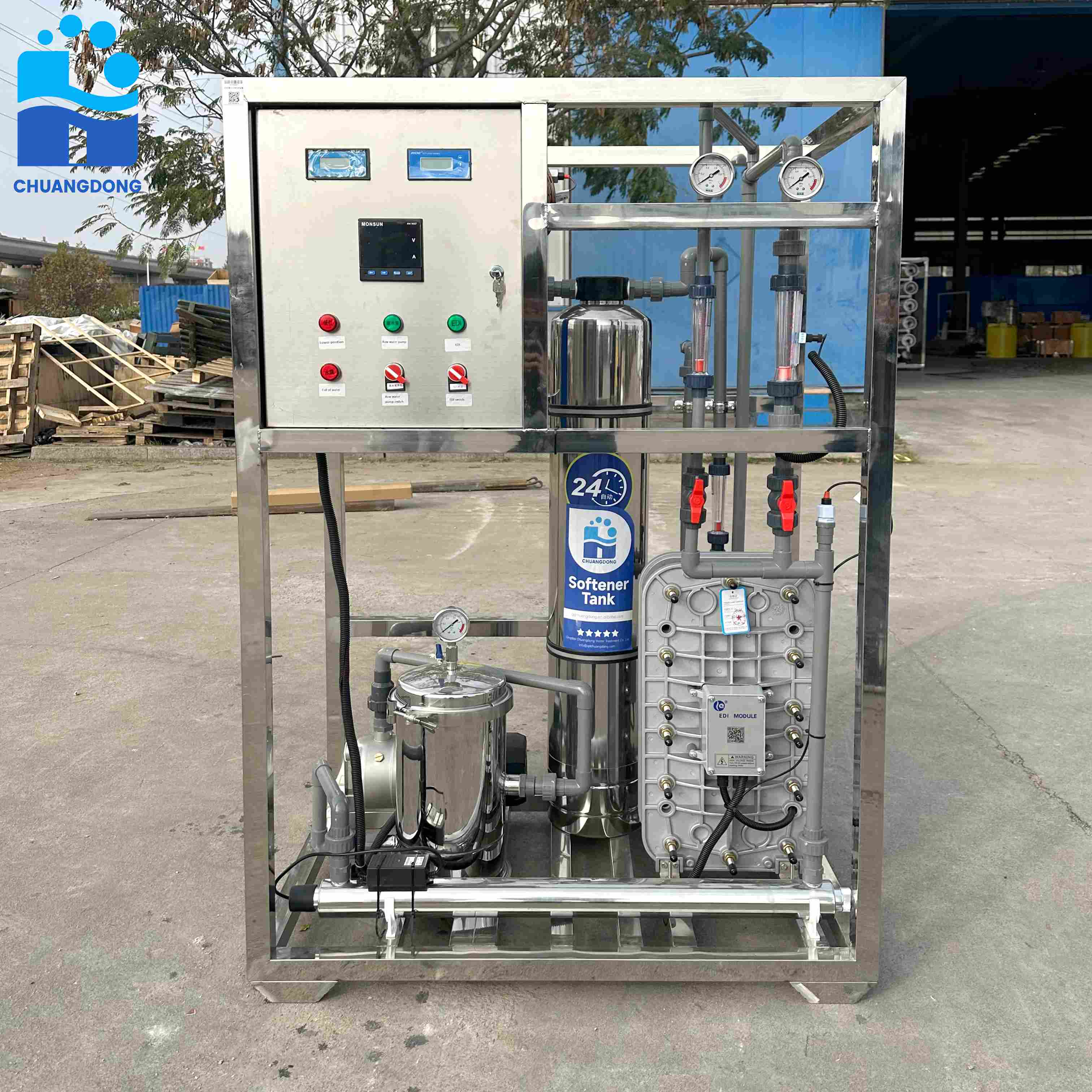
Understanding how an ultrapure water system works and what makes one system different from another is fundamental to making a smart purchase decision. Labs that invest in the right ultrapure water system experience fewer contamination issues, reduced equipment downtime, and better overall research outcomes. The investment in a quality ultrapure water system pays dividends through consistent water quality, lower maintenance costs, and improved laboratory efficiency across multiple applications.
Understanding Ultrapure Water System Technologies
Multi-Stage Purification in an Ultrapure Water System
A modern ultrapure water system combines multiple purification stages to remove dissolved solids, organic compounds, bacteria, and particulates. The typical ultrapure water system includes pre-filtration, reverse osmosis, ion exchange, and deionization stages working together to achieve resistance levels above 18 megohms per centimeter. Each stage of the ultrapure water system targets specific contaminant types, ensuring comprehensive purification that meets stringent laboratory standards. Understanding how each component of your ultrapure water system contributes to final water quality helps labs maintain optimal system performance.
Electrodeionization Technology in Modern Ultrapure Water Systems
Electrodeionization represents a significant advancement in ultrapure water system design, offering continuous regeneration without chemical additives. This technology integrates seamlessly into an ultrapure water system architecture, removing residual ions that traditional ion exchange resins might miss. An ultrapure water system featuring electrodeionization delivers consistent water quality while reducing waste streams and chemical handling requirements. Labs seeking to minimize environmental impact while maintaining the highest water purity standards prefer an ultrapure water system with electrodeionization capability.
Selecting the Right Capacity and Flow Rate
Assessing Your Laboratory's Daily Water Demands
Calculating your lab's daily water consumption is the first step in finding the right ultrapure water system size. Different research disciplines require different volumes; analytical chemistry labs may need high flow rates while cell culture labs require moderate volumes but exceptional purity. An undersized ultrapure water system cannot meet peak demand periods, forcing labs to wait for water production or compromise on quality. Accurately estimating your ultrapure water system requirements prevents operational delays and ensures adequate supply during critical experiments.
Flow Rate Specifications and System Sizing
Flow rate specifications determine how quickly an ultrapure water system can deliver purified water to your instruments and experiments. Research labs typically require ultrapure water system models offering flow rates between 1 and 20 liters per hour, depending on equipment and experimental protocols. Selecting an ultrapure water system with appropriate flow rate capacity prevents bottlenecks while avoiding oversizing that increases capital and operating costs. Labs should match their ultrapure water system flow rate to peak usage periods plus a safety margin for future growth.
Evaluating Water Quality Specifications and Compliance
Purity Standards and Resistivity Measurements
Water resistivity measurement is the primary indicator of an ultrapure water system's performance, with most research applications requiring resistivity above 18.2 megohms per centimeter at 25 degrees Celsius. Your ultrapure water system must consistently deliver water meeting your specific analytical instrument requirements, whether that is HPLC, ICP-MS, or general laboratory use. Different applications impose different purity demands; therefore, verifying that your ultrapure water system specification matches your instrumentation needs is essential. Labs relying on trace element analysis require a more robust ultrapure water system than those performing routine aqueous preparations.
Contaminant Detection and Monitoring Systems
Modern ultrapure water system designs include real-time monitoring sensors that track resistivity, TOC (total organic carbon), and bacterial levels continuously. An advanced ultrapure water system alerts operators to declining water quality before it affects experimental results, allowing proactive maintenance scheduling. Labs benefit from an ultrapure water system with built-in quality assurance features that provide documentation for regulatory compliance and research reproducibility. Choosing an ultrapure water system with comprehensive monitoring capabilities reduces the risk of using substandard water in critical experiments.
Total Cost of Ownership and Maintenance Considerations
Initial Investment Versus Long-Term Operating Costs
While capital cost is important, the true financial impact of an ultrapure water system investment includes replacement cartridges, maintenance services, and energy consumption. A competitively priced ultrapure water system with high consumable costs may ultimately prove more expensive than a higher-initial-cost model with efficient filter design. Labs should calculate the five-year total cost of ownership for any ultrapure water system under consideration, accounting for all foreseeable expenses. Transparent pricing from ultrapure water system manufacturers helps labs make decisions based on complete financial information rather than sticker price alone.
Preventive Maintenance and System Reliability
A well-designed ultrapure water system incorporates features that reduce maintenance frequency and minimize operational downtime. Filter replacement intervals, sanitization protocols, and regeneration cycles all impact how often technicians must service your ultrapure water system. Labs should verify that their chosen ultrapure water system vendor provides adequate technical support and maintains spare parts inventory for rapid repairs. Investing in a reputable ultrapure water system supplier ensures access to expert guidance throughout the system's operational life.
FAQ
What water resistivity level should my research lab's ultrapure water system achieve?
Most analytical research labs require an ultrapure water system delivering water with resistivity of 18.2 megohms per centimeter or higher. However, specific applications may demand different specifications; for example, semiconductor research might need even higher purity than general chemistry applications. Your ultrapure water system specifications should align with your most demanding instrument manufacturer's recommendations to ensure consistent performance across all laboratory operations. Consulting with your analytical equipment vendor helps establish the appropriate resistivity target for your ultrapure water system selection.
How frequently should I replace filters in an ultrapure water system?
Filter replacement intervals for an ultrapure water system typically range from six months to two years, depending on feed water quality and system usage volume. A properly maintained ultrapure water system uses quality indicator lights or electronic sensors to signal when replacement is necessary, preventing water quality degradation. Some advanced ultrapure water system designs employ self-monitoring capabilities that adjust regeneration cycles based on real-time water quality data. Following your ultrapure water system manufacturer's maintenance schedule maximizes filter life while ensuring consistent purification performance.
Can an ultrapure water system handle variations in source water quality?
A robust ultrapure water system includes pre-filtration and adaptive purification stages designed to accommodate source water quality variations. However, extremely poor source water quality may overwhelm any ultrapure water system's capacity, requiring additional pre-treatment or water source improvement. Your ultrapure water system vendor can analyze your facility's tap water composition and recommend appropriate pre-treatment if necessary. Most modern ultrapure water system designs offer sufficient flexibility to handle typical municipal water variations while maintaining consistent output quality.