 EN


Reverse osmosis system maintenance is critical to ensuring your water purification equipment operates efficiently and delivers clean, safe drinking water for years to come. Many property owners and facility managers underestimate how much proper upkeep impacts reverse osmosis system maintenance costs and overall performance. Without consistent attention to your reverse osmosis system maintenance routine, filter degradation accelerates, water quality declines, and unexpected breakdowns become increasingly likely.
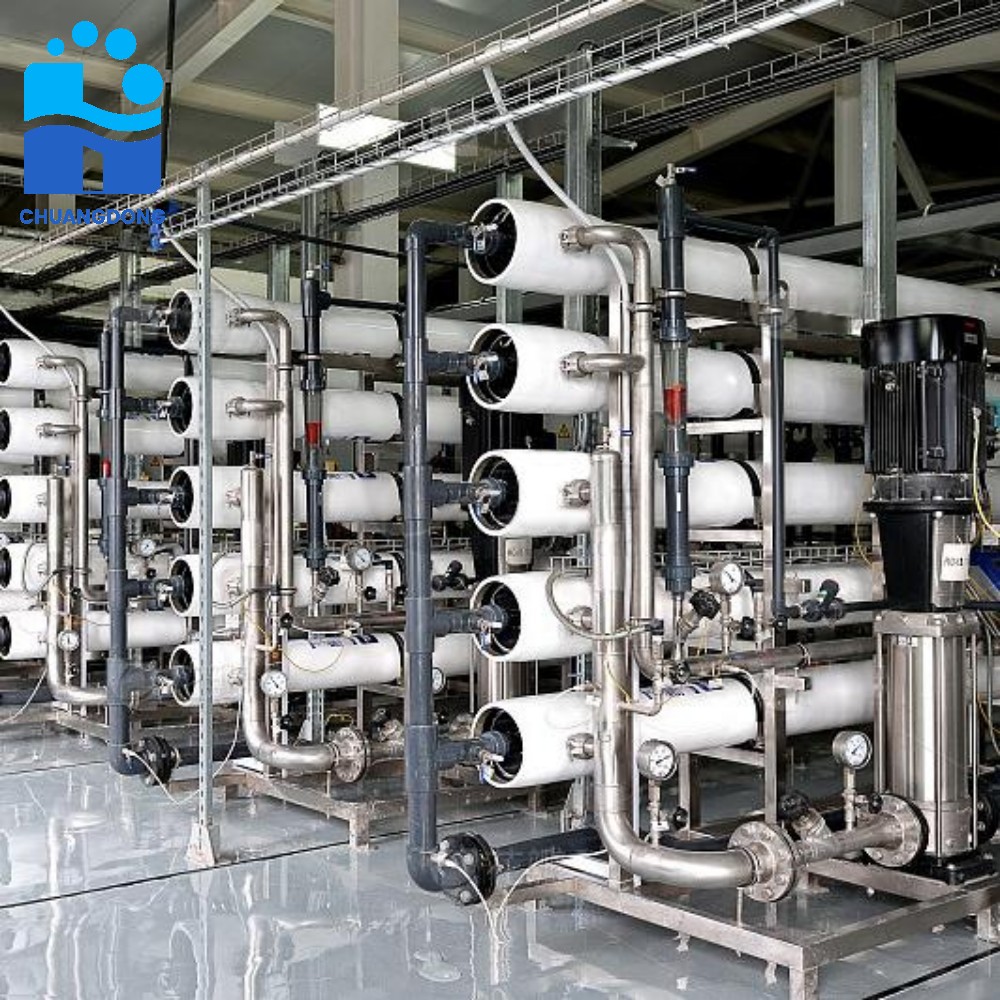
Implementing a structured reverse osmosis system maintenance plan protects your investment and maximizes water treatment efficiency. Whether you operate a residential drinking water system, agricultural facility, or commercial water treatment plant, understanding the fundamentals of reverse osmosis system maintenance will save you money and headaches. This guide explores the top five maintenance strategies that keep reverse osmosis systems running at peak performance while extending equipment lifespan.
Replace Pre-Filters and Post-Filters on Schedule
Understanding Pre-Filter and Post-Filter Function
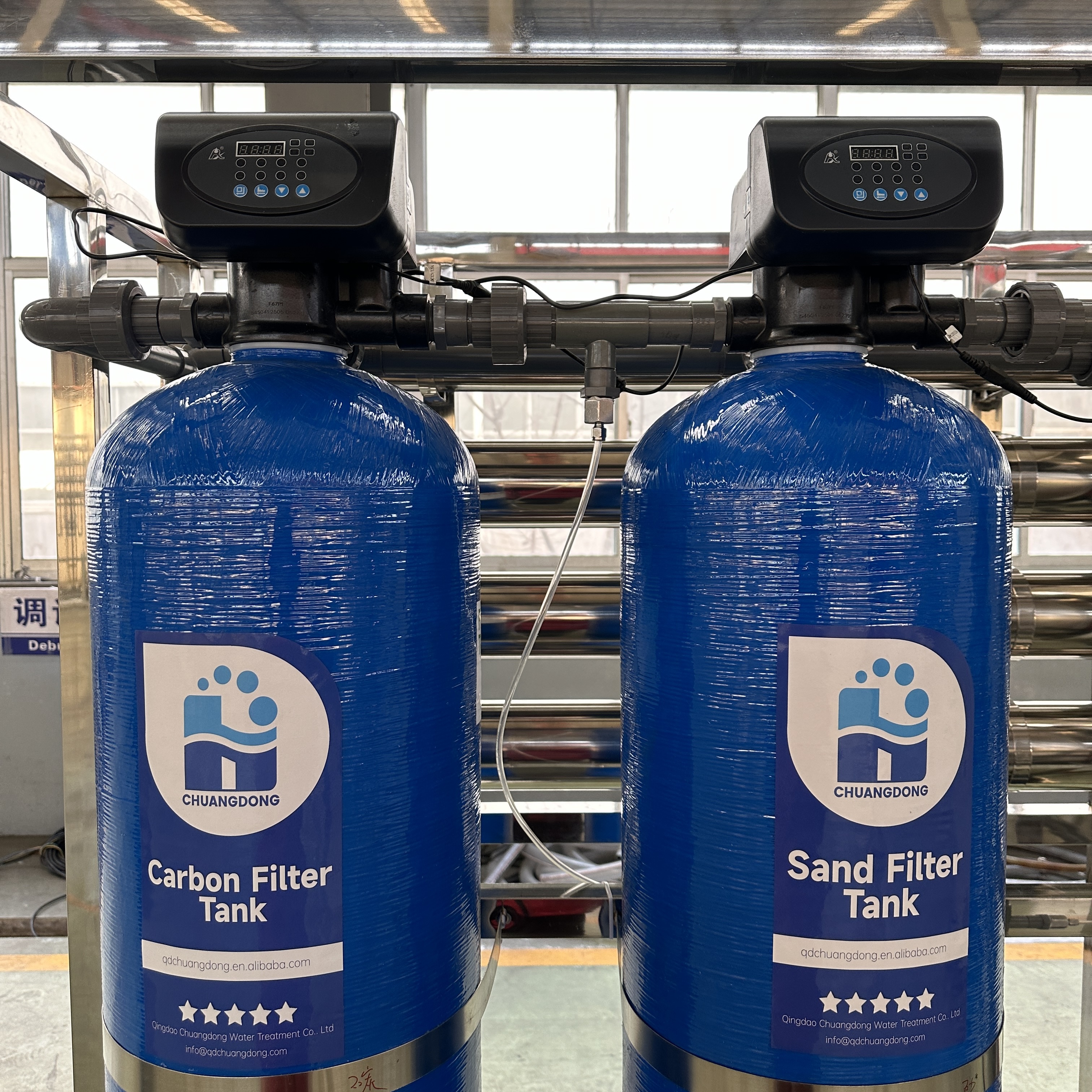
Pre-filters and post-filters are the workhorses of reverse osmosis system maintenance that protect your RO membrane and improve final water quality. Pre-filters remove sediment, chlorine, and larger particles before water reaches the delicate reverse osmosis membrane, while post-filters refine treated water before it reaches your tap or storage tank. Regular reverse osmosis system maintenance includes replacing these filters according to manufacturer recommendations, typically every six to twelve months depending on water quality and usage volume.
Signs Your Filters Need Replacement
Declining water pressure, reduced flow rate, and changes in water taste or odor indicate that reverse osmosis system maintenance filter replacement is overdue. Ignoring these warning signs forces your reverse osmosis membrane to work harder and accelerates wear during reverse osmosis system maintenance cycles. Most residential reverse osmosis systems benefit from quarterly filter checks as part of preventive reverse osmosis system maintenance, with replacement scheduled before performance noticeably drops.
Monitor and Maintain RO Membrane Condition
RO Membrane Lifespan and Performance Metrics
The reverse osmosis membrane is the heart of your system, and protecting it through diligent reverse osmosis system maintenance extends its lifespan from two to five years or longer. Regular reverse osmosis system maintenance monitoring tracks membrane rejection rate, which measures how effectively the membrane removes dissolved solids and contaminants from water. A healthy membrane typically maintains 90 to 95 percent rejection rates when reverse osmosis system maintenance protocols are followed consistently.
Membrane Flushing and Cleaning Procedures
Advanced reverse osmosis system maintenance includes periodic membrane flushing to remove accumulated sediment and biofilm buildup that reduces efficiency. Many modern reverse osmosis systems include automatic flushing cycles as part of their reverse osmosis system maintenance design, but manual flushing every few months further improves membrane longevity. Professional reverse osmosis system maintenance services can chemically clean membranes when standard flushing no longer restores performance, extending membrane life by months or years.
Manage System Pressure and Storage Tank Health
Proper Pressure Settings in Reverse Osmosis System Maintenance
Operating your reverse osmosis system at the correct inlet pressure is fundamental to effective reverse osmosis system maintenance and preventing premature component failure. Most reverse osmosis systems require 40 to 80 pounds per square inch for optimal function, and reverse osmosis system maintenance checks should verify pressure regulators are calibrated correctly. Excessive pressure during reverse osmosis system maintenance periods can rupture the membrane or damage other sensitive components, while insufficient pressure reduces water production and indicates upstream filter blockage.
Storage Tank Inspection and Sanitation
Your storage tank is an often-overlooked component of reverse osmosis system maintenance that directly affects the quality of treated water. Bacteria, algae, and mineral deposits can colonize storage tanks over time, undermining the benefits of your reverse osmosis system maintenance efforts and contaminating purified water. Quarterly reverse osmosis system maintenance should include tank inspection, sediment flushing, and sanitization using approved cleaning agents to maintain water safety and system integrity.
Establish Preventive Testing and Documentation Protocols
Water Quality Testing During Reverse Osmosis System Maintenance
Regular water quality testing is an essential reverse osmosis system maintenance practice that reveals problems before they impact drinking water safety or system performance. Testing for total dissolved solids, hardness, pH, and bacterial contamination provides objective data that guides your reverse osmosis system maintenance decisions and replacement schedules. Many industrial and commercial reverse osmosis system maintenance programs include monthly testing to maintain compliance with water quality standards and regulatory requirements.
Maintenance Logs and Equipment Records
Documenting every aspect of your reverse osmosis system maintenance, from filter replacements to pressure readings and water test results, creates a valuable history that optimizes long-term system management. Maintenance logs help identify patterns in reverse osmosis system maintenance needs and predict when major components require replacement before failures occur. Professional reverse osmosis system maintenance programs maintain detailed records that facilitate troubleshooting and warranty claims when needed.
FAQ
How Often Should I Replace the RO Membrane in My Reverse Osmosis System Maintenance Routine?
RO membranes typically last two to five years depending on feed water quality, system usage, and how consistently you follow reverse osmosis system maintenance protocols. If you maintain excellent pre-filter replacement schedules and monitor membrane pressure regularly, you may extend membrane life toward the upper end of that range. Water quality testing through your reverse osmosis system maintenance program helps identify when membrane rejection rates decline significantly enough to warrant replacement.
Can I Perform Reverse Osmosis System Maintenance Myself, or Should I Hire a Professional?
Basic reverse osmosis system maintenance tasks like filter replacement and tank cleaning are manageable for most property owners who follow manufacturer guidelines carefully. However, more advanced reverse osmosis system maintenance such as membrane chemical cleaning, pressure regulator calibration, or complex repairs benefit from professional expertise and specialized equipment. Many facilities use a hybrid approach where owners handle routine reverse osmosis system maintenance while professionals conduct annual inspections and specialized service.
What Are the Main Consequences of Neglecting Reverse Osmosis System Maintenance?
Skipping reverse osmosis system maintenance accelerates filter clogging, reduces water production rates, and allows contaminants to compromise water safety and taste. Neglected reverse osmosis system maintenance also damages the RO membrane prematurely and can lead to costly component failures that require full system replacement. Poor water quality from inadequate reverse osmosis system maintenance defeats the purpose of investing in water purification and may cause health or regulatory compliance issues for commercial facilities.