 EN



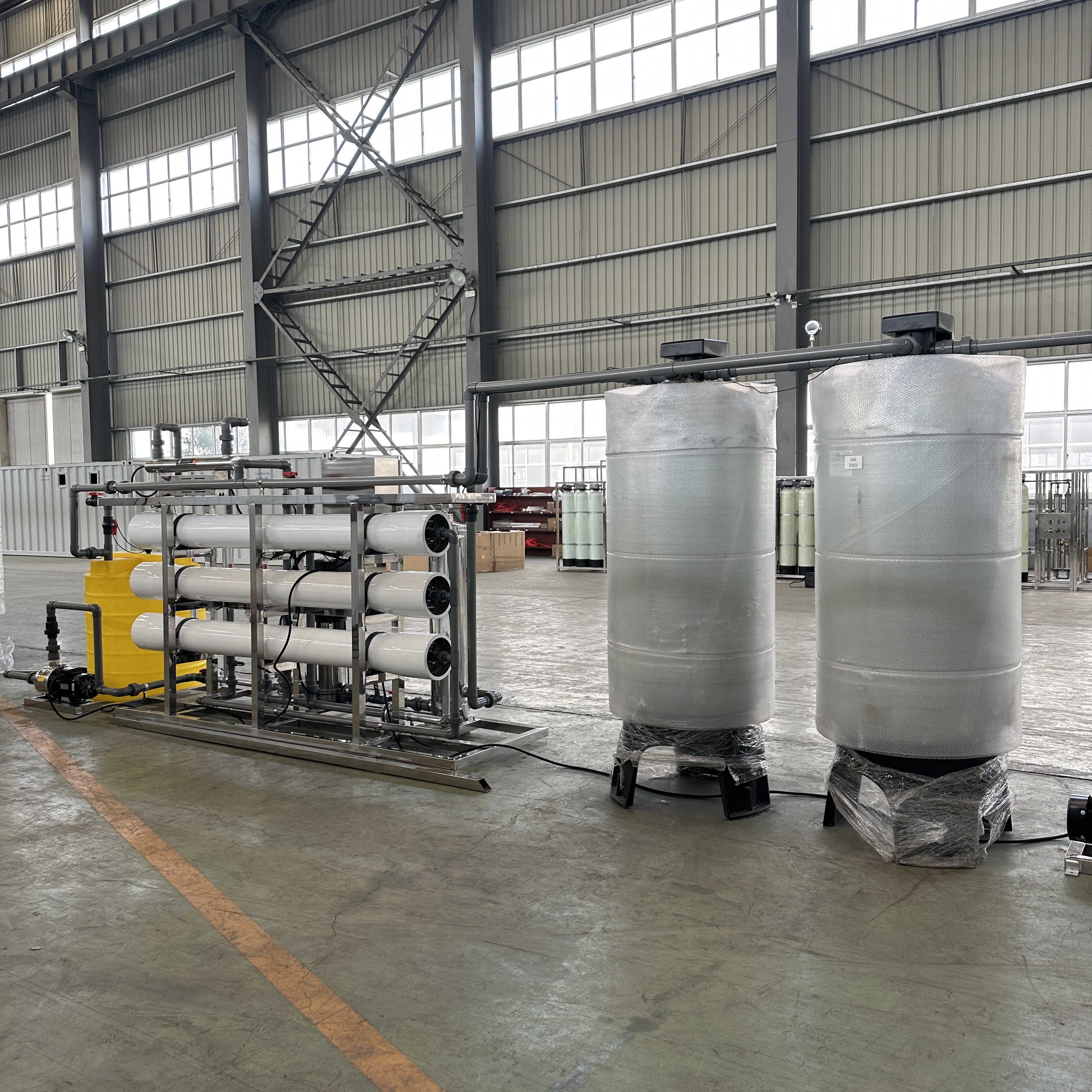
Selecting the right ultrapure water system is one of the most critical decisions a research laboratory can make. The quality of water directly impacts experimental accuracy, equipment longevity, and reproducibility of results across analytical chemistry, microbiology, and pharmaceutical research. An ultrapure water system removes contaminants, ions, particles, and organic compounds to deliver consistently high-purity water that meets or exceeds ISO 3696 and ASTM D1193 standards. The choice between different ultrapure water system technologies, purification stages, and capacity levels requires careful evaluation of your laboratory's specific workflow, volume requirements, and analytical methods.
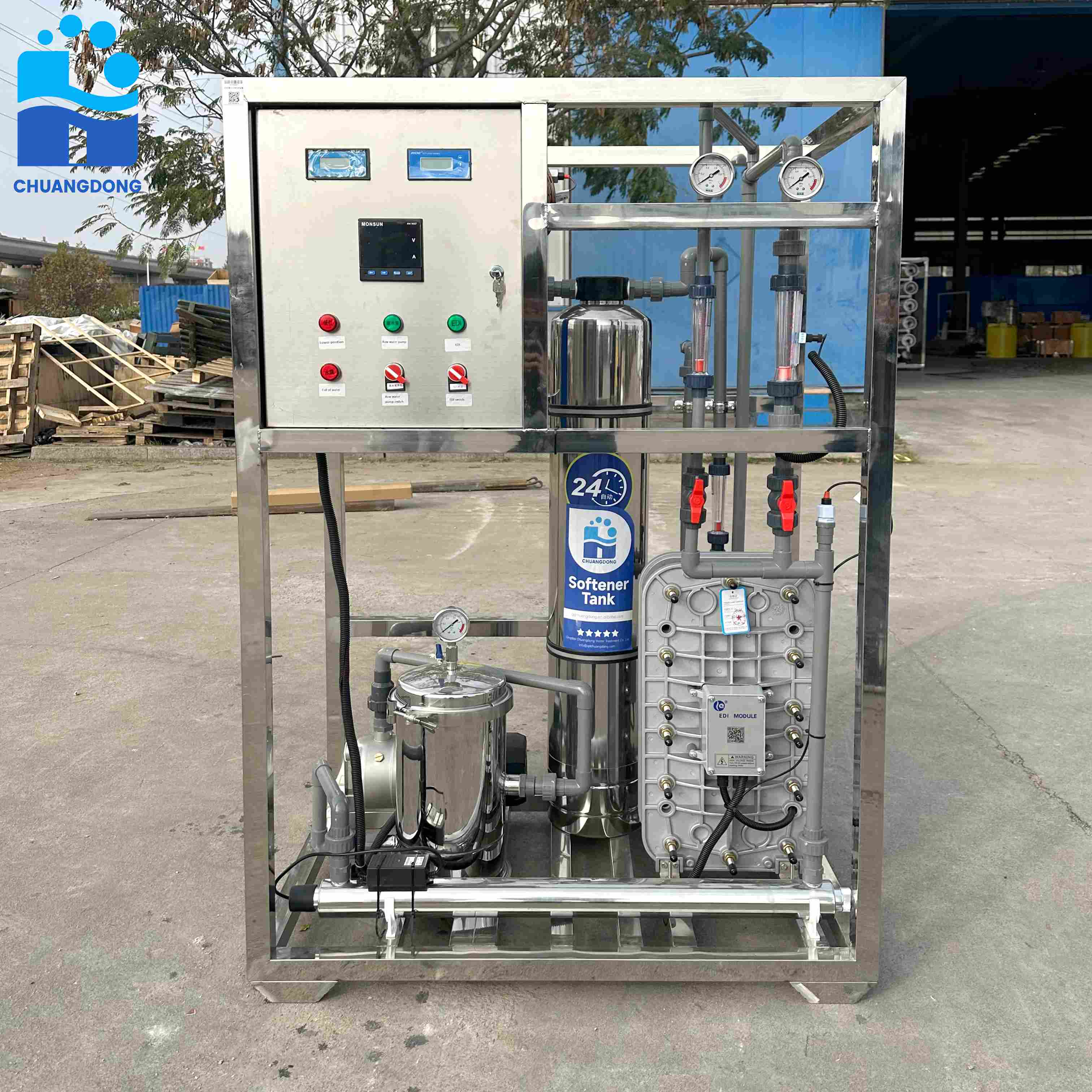
Research labs face mounting pressure to maintain data integrity while managing operational costs effectively. A high-quality ultrapure water system eliminates the inefficiencies of purchasing bottled ultrapure water, reduces waste, and provides on-demand purification that scales with your research output. Understanding the core technologies, maintenance requirements, and total cost of ownership helps laboratory managers make informed purchasing decisions that protect research quality and laboratory budgets.
Understanding Ultrapure Water System Technology and Performance Standards
Core Purification Technologies in Ultrapure Water Systems
Modern ultrapure water system designs combine multiple purification stages to achieve the highest purity levels. Reverse osmosis serves as the foundational stage in most ultrapure water system configurations, reducing dissolved solids and larger contaminants. Electrodeionization, commonly paired with reverse osmosis in premium ultrapure water system models, uses electrical current to remove residual ions without chemical regeneration. Activated carbon filtration within an ultrapure water system eliminates organic compounds and chlorine, while submicron and ultrafiltration stages capture particles and colloids. Each stage in an effective ultrapure water system builds upon the previous one, delivering progressive contamination removal that final polishing ensures meets application requirements.
Performance Metrics and Purity Standards for Ultrapure Water Systems
Laboratories selecting an ultrapure water system must understand key purity indicators including resistivity, total organic carbon content, particle count, and bacterial load limits. Resistivity, typically measured in megohm-centimeters, indicates ionic impurity levels and represents one of the most critical ultrapure water system performance metrics. An ultrapure water system delivering greater than 18 megohms meets Type I water standards for the most demanding analytical applications. Total organic carbon measurements confirm that an ultrapure water system effectively removes chemical contaminants that could interfere with sensitive assays. Bacterial endotoxin content, particle size distribution, and silica levels further define whether a given ultrapure water system meets specific laboratory protocols and regulatory requirements for your research discipline.
Capacity, Flow Rate, and Operational Fit for Research Laboratories
Matching System Capacity to Laboratory Demand Patterns
Choosing the correct ultrapure water system capacity prevents operational bottlenecks while avoiding unnecessary capital expenditure. Daily water consumption varies dramatically across laboratory functions—chromatography systems, analytical instruments, and cleaning protocols each place distinct demands on an ultrapure water system. An undersized ultrapure water system may struggle to meet peak demand periods, forcing researchers to queue production time or rely on backup purchased water. Conversely, an oversized ultrapure water system incurs higher installation costs, occupies valuable laboratory space, and may sit idle during lighter workflow periods. Detailed capacity planning for your ultrapure water system should document daily consumption by application type, account for growth in research programs, and build modest redundancy for system maintenance windows.
Flow Rate and Polishing Features in Production-Scale Ultrapure Water Systems
Production flow rates determine the practical utility of an ultrapure water system in high-throughput laboratory environments. Most ultrapure water system models deliver flow rates between 3 and 60 liters per hour, directly affecting how quickly your laboratory can fill vessels, feed instruments, or complete cleaning cycles. Point-of-use polishing columns attached downstream of a central ultrapure water system provide additional purification at the actual application point, ensuring ultrapure water reaches sensitive instruments without degradation during storage or transport. Temperature stability and on-demand availability distinguish an ultrapure water system that genuinely serves laboratory convenience from one that merely produces high-purity water episodically.
Installation, Maintenance, and Total Cost of Ownership for Ultrapure Water Systems
Installation Infrastructure and Utility Requirements
Before committing to an ultrapure water system, evaluate your laboratory's existing utility infrastructure including electrical capacity, water pressure and quality, and plumbing configuration. An ultrapure water system typically requires dedicated feed water lines and waste drain capacity significantly larger than most laboratories initially anticipate. Electrical demands for an ultrapure water system depend on purification technology and capacity; electrodeionization systems, while chemical-free, consume moderate electrical power during operation. Pretreatment requirements vary with source water quality, making water analysis essential before sizing an ultrapure water system for your specific facility. Professional installation of an ultrapure water system ensures proper pressure regulation, storage tank configuration, and monitoring connections that optimize long-term performance and compliance with laboratory standards.
Maintenance Protocols and Long-Term Operating Costs
The total cost of ownership for an ultrapure water system extends far beyond the initial purchase price and encompasses consumable replacement, membrane maintenance, and scheduled servicing. Filter cartridges in an ultrapure water system require periodic replacement based on water throughput and feed water quality, typically ranging from quarterly to annual intervals depending on system type. Reverse osmosis membranes and electrodeionization stacks within an ultrapure water system eventually require replacement after handling millions of liters, representing significant recurring costs over the system lifecycle. Storage tank sanitization and monitoring sensor calibration maintain an ultrapure water system's reliability and accuracy over years of operation. Calculating the true cost per liter of ultrapure water produced by your ultrapure water system, when divided by daily production volume and system lifespan, often demonstrates substantial savings compared to purchasing bottled ultrapure water indefinitely.
FAQ
What water quality levels does an ultrapure water system achieve?
A high-performance ultrapure water system produces Type I water meeting ISO 3696 and ASTM D1193 standards with resistivity greater than 18 megohms, total organic carbon below 5 parts per billion, particle counts below 0.2 micrometers at specified thresholds, and bacterial endotoxin levels below 0.005 EU/mL depending on the system design and maintenance protocols.
How long do filters and membranes last in an ultrapure water system?
Filter lifespan in an ultrapure water system depends heavily on feed water quality and daily throughput, with sediment filters typically lasting three to six months, activated carbon cartridges lasting six to twelve months, and reverse osmosis membranes lasting three to seven years before regeneration or replacement becomes necessary to maintain output quality.
Can a single ultrapure water system serve multiple laboratory instruments simultaneously?
Yes, a centralized ultrapure water system with adequate capacity and flow rate can supply multiple instruments through distribution loops with point-of-use polishing columns, though careful system sizing and demand management ensure consistent purity delivery to all connected endpoints without creating production bottlenecks or water quality degradation during peak laboratory usage periods.