 EN
EN


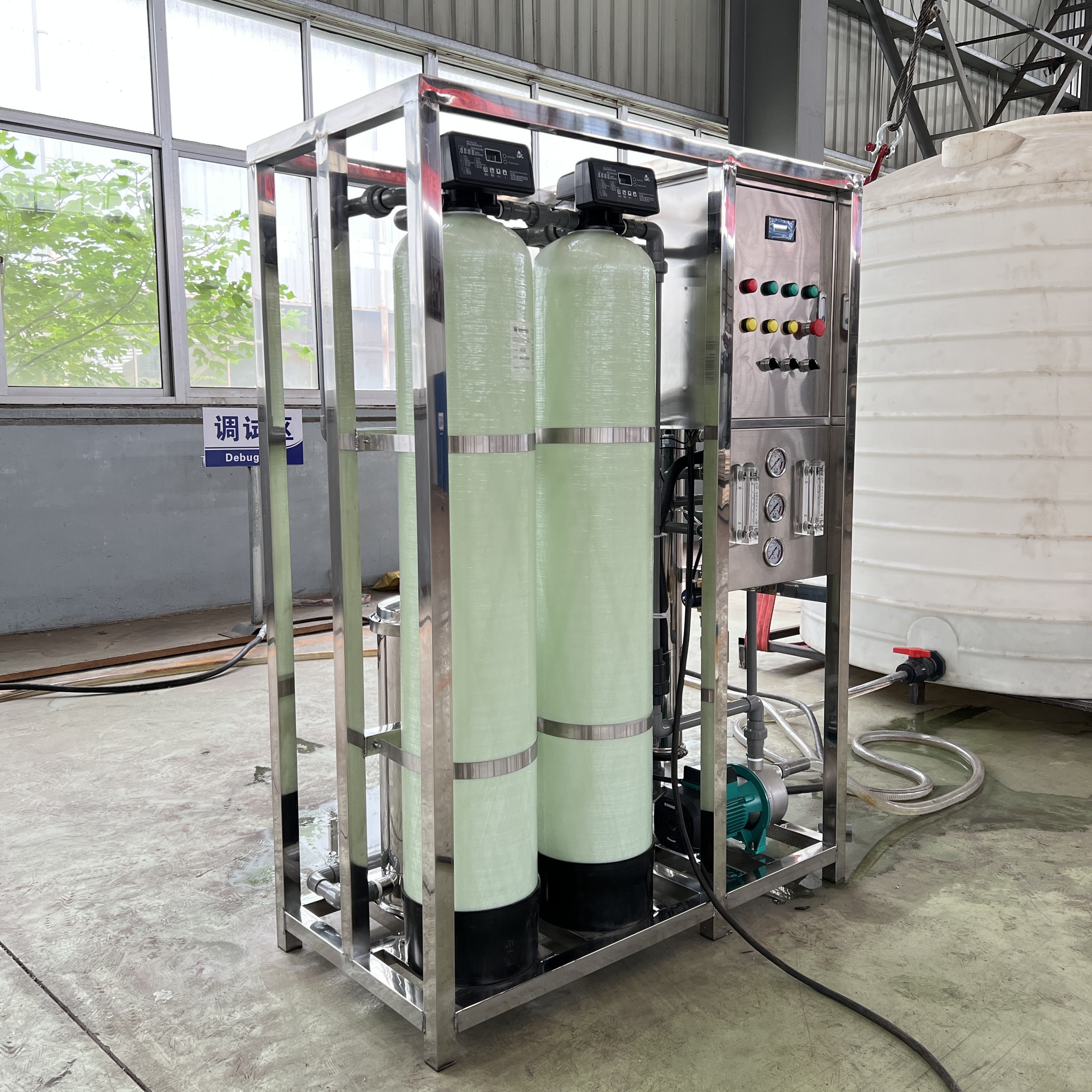
Understanding the distinction between a reverse osmosis plant and an RO system is essential for businesses evaluating water treatment solutions. While these terms are sometimes used interchangeably, they represent different scales of operation, installation complexity, and application scope. A reverse osmosis plant typically refers to a large-scale, integrated water treatment facility designed for industrial, municipal, or commercial operations, whereas an RO system often describes smaller, modular units for point-of-use or localized purification. Recognizing these differences helps organizations select the most appropriate technology for their specific water quality needs and operational requirements.
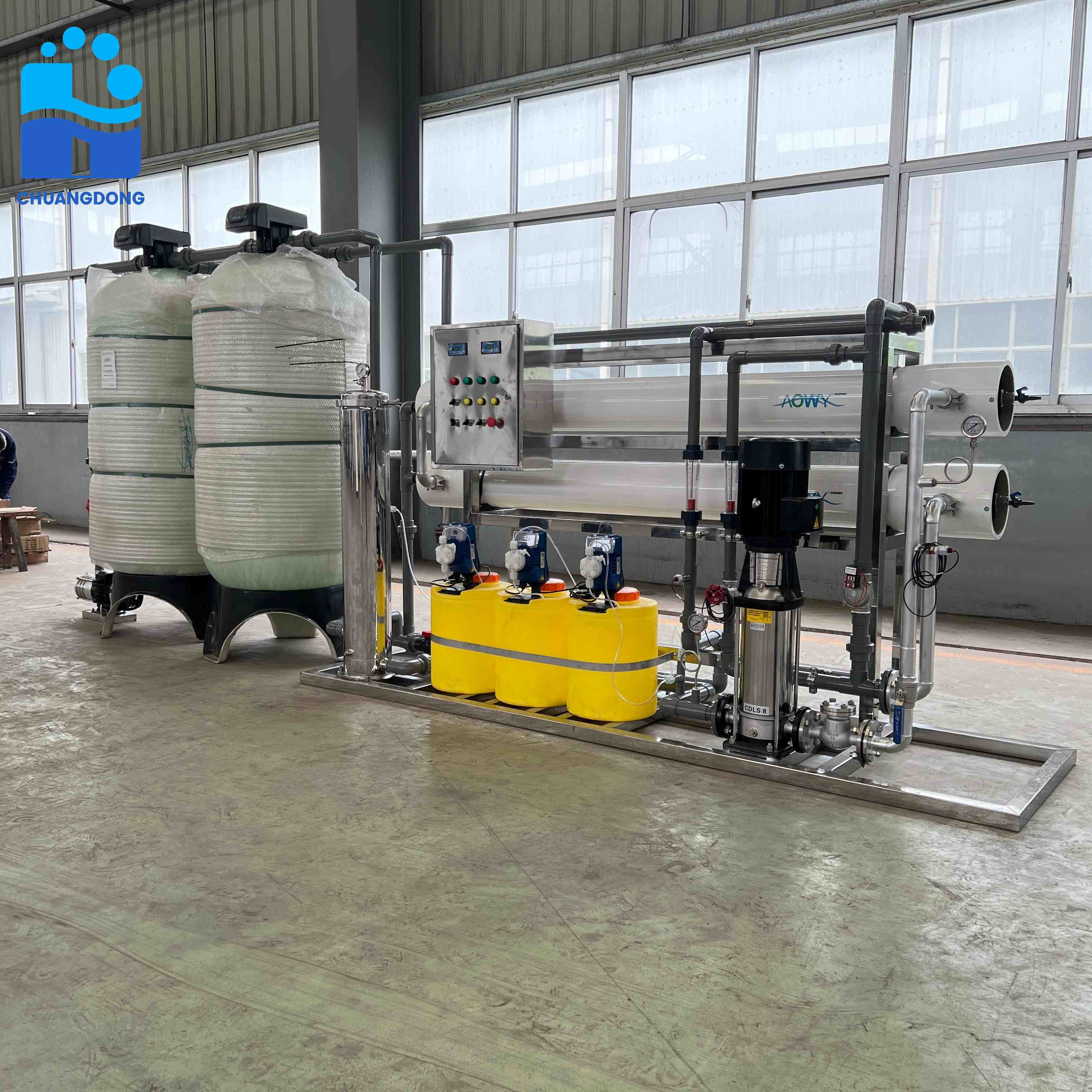
The choice between a reverse osmosis plant and an RO system depends on production volume, water quality targets, space availability, and budget constraints. Industrial facilities, beverage manufacturers, pharmaceutical companies, and municipalities often invest in a reverse osmosis plant due to higher throughput demands and continuous operation requirements. Smaller enterprises, office environments, laboratories, and residential applications typically benefit from compact RO systems. This article explores the fundamental differences, operational characteristics, and decision factors that distinguish these two water treatment approaches.
Scale and Production Capacity
Production Volume Requirements
A reverse osmosis plant is engineered to handle substantial daily water production, often ranging from hundreds to thousands of gallons per day. These facilities are built to meet enterprise-level demands, serving multiple departments, production lines, or entire communities. In contrast, an RO system at the smaller scale might produce anywhere from a few gallons to several hundred gallons daily, designed for limited consumption areas or specific point-of-use applications. The sizing difference directly affects equipment selection, filtration stages, and overall system architecture.
Installation and Infrastructure
A reverse osmosis plant requires dedicated facility space, specialized plumbing infrastructure, electrical connections, and often pre-treatment systems. Installation typically involves civil work, equipment positioning, pipeline routing, and integration with existing water systems. An RO system can often be installed on countertops, under sinks, or in compact wall-mounted configurations, requiring minimal structural modifications. The reverse osmosis plant demands more technical expertise during setup, while an RO system installation is generally more straightforward and accessible to facility managers.
Operational Complexity and Maintenance
System Components and Pre-treatment
A reverse osmosis plant typically incorporates multiple pre-treatment stages, including sediment filtration, activated carbon filters, water softening, and sometimes ultrafiltration or nanofiltration. These additional stages protect the reverse osmosis membranes from fouling, scaling, and premature degradation. An RO system often includes simpler pre-filtration, sometimes just sediment and carbon stages, reflecting its lower production demands and shorter operational cycles. The reverse osmosis plant's complexity offers superior water quality and membrane longevity but requires more sophisticated monitoring and maintenance protocols.
Maintenance Schedule and Expertise
Operating a reverse osmosis plant involves regular monitoring of membrane performance, pressure differential analysis, periodic membrane cleaning or replacement, and comprehensive water quality testing. Technicians must understand feed water chemistry, membrane fouling patterns, and system optimization. An RO system requires routine filter changes and basic cleaning, often manageable by facility staff with minimal training. The reverse osmosis plant demands specialized technical knowledge, preventive maintenance schedules, and sometimes contracts with service providers for membrane replacement and system optimization.
Cost and Long-term Investment
Capital and Operating Expenses
A reverse osmosis plant represents a substantial capital investment, ranging from tens of thousands to hundreds of thousands of dollars, depending on capacity and specifications. Operating costs include energy consumption, membrane replacement, chemical pretreatment, wastewater disposal, and technical labor. An RO system has significantly lower upfront costs, typically ranging from hundreds to a few thousand dollars. Operating expenses for an RO system are primarily filter replacements and minimal electricity for operation. The reverse osmosis plant is economically justified when high-volume water treatment eliminates reliance on bottled water or municipal supply for critical applications.
Return on Investment Timeline
A reverse osmosis plant achieves financial payback through reduced water expenses, avoided contamination issues, and operational efficiency gains over three to seven years. Organizations processing large volumes of water benefit significantly from the consistency and reduced dependency on external water supplies. An RO system shows quicker payback, often within one to two years, particularly when replacing frequent filter pitcher purchases or reducing bottled water consumption. The reverse osmosis plant targets long-term strategic water security, while an RO system addresses immediate, localized water quality concerns.
Application Scenarios and Industry Fit
Industrial and Municipal Applications
Manufacturing facilities, food and beverage processors, pharmaceutical companies, and municipal water authorities typically deploy a reverse osmosis plant. These organizations require consistent water quality for product integrity, regulatory compliance, or public health. The reverse osmosis plant ensures scalable production, meets stringent purity standards, and supports expansion without replacing entire systems. Pharmaceutical manufacturing, semiconductor production, and high-purity water applications demand the reliability and capacity that only a reverse osmosis plant provides.
Commercial and Residential Use
Offices, laboratories, small restaurants, dental clinics, and residential properties often utilize an RO system for point-of-use water purification. These settings prioritize convenience, space efficiency, and manageable maintenance. An RO system delivers clean water for drinking, cooking, or laboratory work without extensive infrastructure investment. When water quality concerns are localized or consumption is moderate, an RO system provides cost-effective purification. The reverse osmosis plant becomes unnecessary when demand is predictable and limited to specific locations.
FAQ
What is the main difference between a reverse osmosis plant and a standard RO system?
The primary difference lies in scale and application. A reverse osmosis plant is a large-scale industrial or municipal facility designed for high-volume water production, often with multiple pre-treatment stages and comprehensive monitoring systems. An RO system is a smaller, modular unit for point-of-use purification in homes, offices, or small commercial settings. A reverse osmosis plant serves enterprise needs, while an RO system addresses localized water quality improvement.
How much water production capacity does each system typically deliver?
A reverse osmosis plant produces hundreds to thousands of gallons daily, supporting continuous industrial operations or municipal water supply for communities. An RO system typically produces from a few gallons to several hundred gallons per day, depending on model and usage patterns. The production capacity difference directly influences which technology is appropriate for specific applications and operational demands.
Can a business start with an RO system and upgrade to a reverse osmosis plant later?
Yes, many organizations begin with an RO system to assess water quality needs and costs, then upgrade to a reverse osmosis plant as production demands increase. This incremental approach reduces initial capital risk while gathering operational data to inform larger investments. However, a reverse osmosis plant is typically designed as a standalone facility rather than an expansion of existing RO systems, so planning integration during initial design is advisable.